
Some movies leave you staring at the screen, jaw dropped, wondering what on earth just happened. Whether it’s a dream, a time loop, or a twist you never saw coming, certain films love to keep you guessing long after the credits roll.
These 18 movies have some of the most talked-about, head-scratching endings in cinema history. Get ready, because we’re breaking them all down in plain, simple terms.
1. Memento
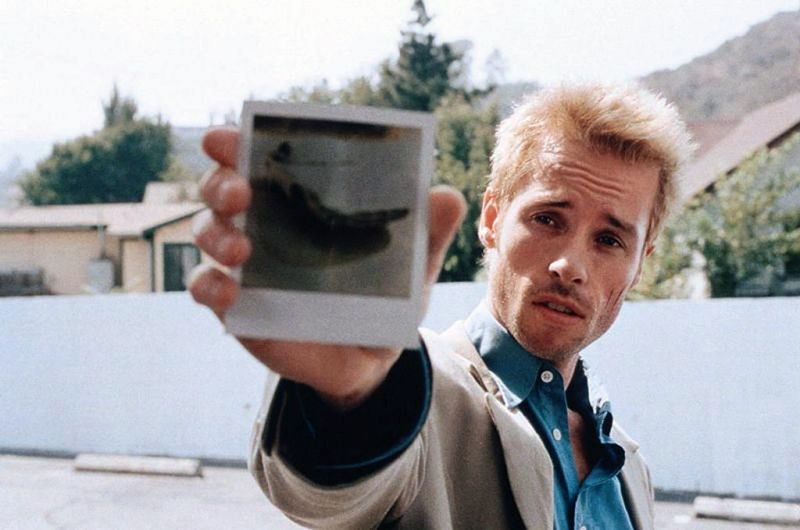
Leonard Shelby can’t form new memories, so he tattoos clues on his body to find his wife’s killer. Here’s the gut punch: Leonard accidentally killed his wife himself with an insulin overdose.
The story of “Sammy Jankis” was something Leonard invented to cope with that guilt.
Chronologically, the film ends with Leonard shooting Teddy, an undercover cop exploiting his amnesia. Leonard fakes a Polaroid to frame Teddy, knowingly choosing to forget the truth so he always has a purpose.
2. Annihilation
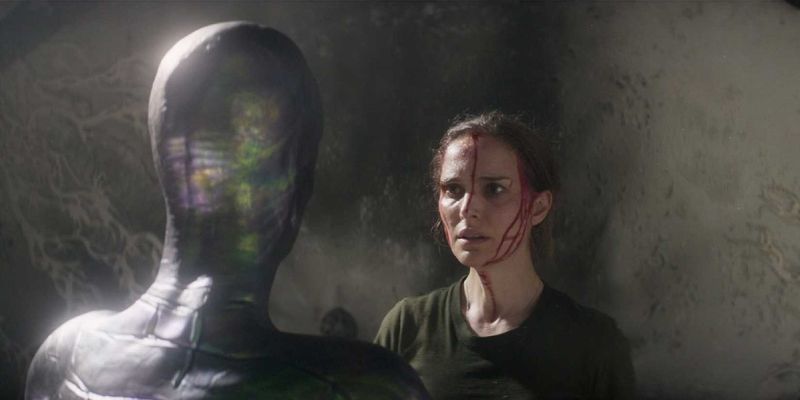
Lena walks into the Shimmer, a mysterious alien zone that warps DNA and reality itself. Inside, she encounters a creature that perfectly mirrors her every move.
After destroying it, she escapes, but something feels off.
A subtle, otherworldly glimmer flickers in Lena’s eyes when she reunites with her husband. That tiny detail hints she may have been replaced by the alien mimic, or at the very least, part of her is no longer fully human.
Creepy, right?
3. Planet of the Apes (1968)
Astronaut George Taylor spends the whole film believing he’s on some distant alien planet ruled by apes. He fights for survival, questions everything, and finally escapes toward the Forbidden Zone.
Then comes one of cinema’s greatest gut-punches.
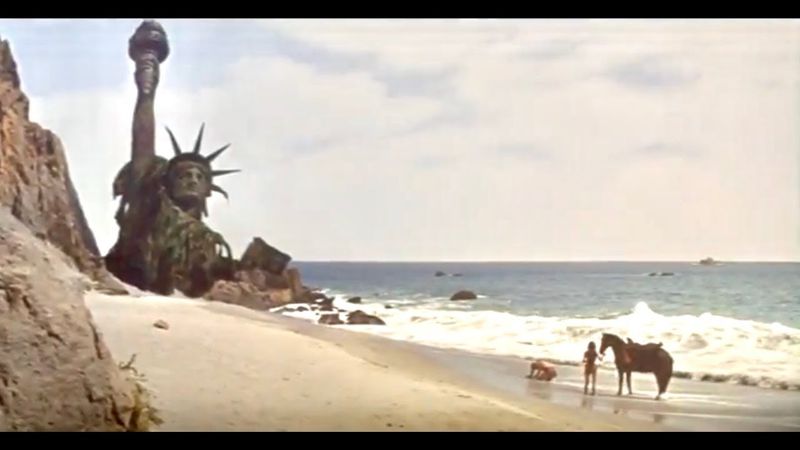
The crumbling Statue of Liberty sticking out of the sand reveals the awful truth: this was Earth all along, destroyed by nuclear war. Humanity wiped itself out, and Taylor’s race home was never possible.
A haunting ending that still stings decades later.
4. Donnie Darko
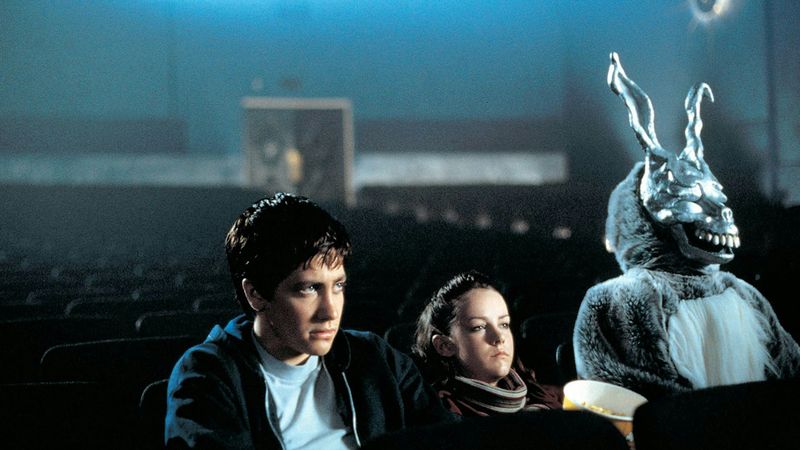
Donnie Darko gets visited by a terrifying rabbit named Frank who warns him the world will end in 28 days. Throughout the film, Donnie navigates time loops, alternate realities, and some very strange events.
By the end, he understands what must be done.
Donnie chooses to sacrifice himself, allowing the jet engine to fall on his house and kill him. This act collapses the tangential universe, resets the timeline, and saves everyone he loves.
He dies smiling, and that says everything.
5. No Country for Old Men
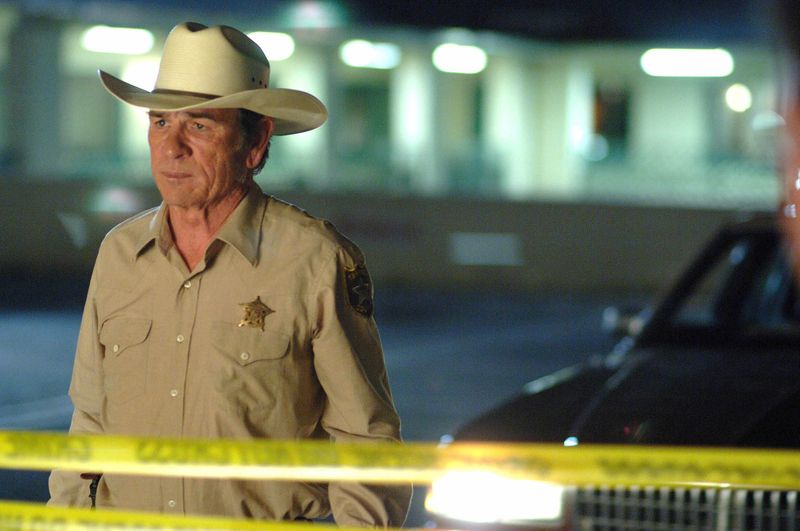
Anton Chigurh, one of cinema’s scariest villains, vanishes after a car crash, and the money is never recovered. Sheriff Bell retires, feeling completely defeated by a world he no longer understands.
Then he tells his wife about two dreams.
In the second dream, his late father rides ahead of him in the dark, carrying a fire horn to light the way. Bell wakes up, and the film ends.
The dreams suggest Bell finds quiet comfort in legacy, even as chaos wins the day.
6. Primer
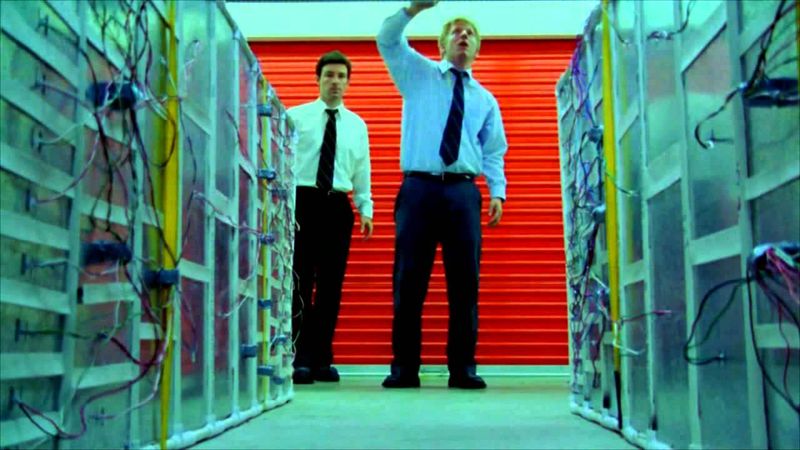
Aaron and Abe accidentally invent a time machine in their garage. Simple enough, until they start using it repeatedly, creating multiple overlapping versions of themselves across different timelines.
By the end, nobody, including the audience, fully knows who is the “original.”
Aaron ends up building a larger time machine abroad, apparently to prevent a past event. Multiple copies of both men exist simultaneously.
The film never resolves its paradoxes on purpose, because that messiness is exactly what real uncontrolled time travel would look like.
7. Mulholland Drive
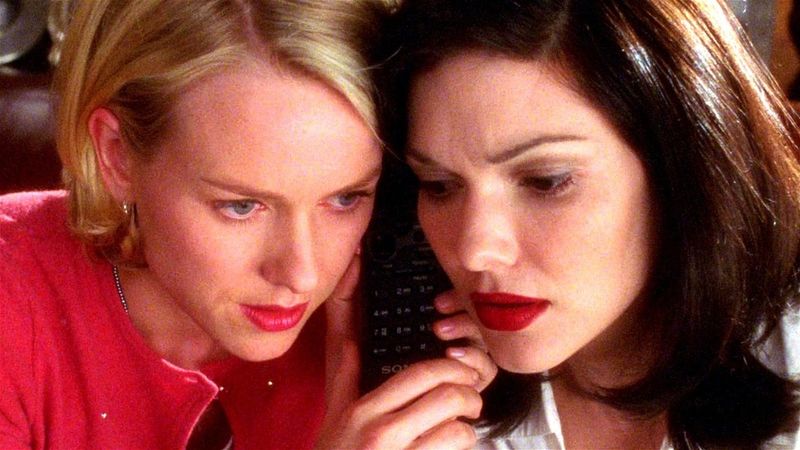
The first two-thirds of Mulholland Drive feel like a classic Hollywood mystery. Betty is charming, talented, and helping an amnesiac woman named Rita.
It all feels a little too perfect, and that’s the clue.
The final act reveals the truth: Betty is actually Diane Selwyn, a failed actress who hired a hitman to kill Camilla, the woman she loved. The rosy first half was Diane’s idealized dream.
The harsh, tragic final act is reality. Diane’s guilt destroys her, and she takes her own life.
8. Arrival
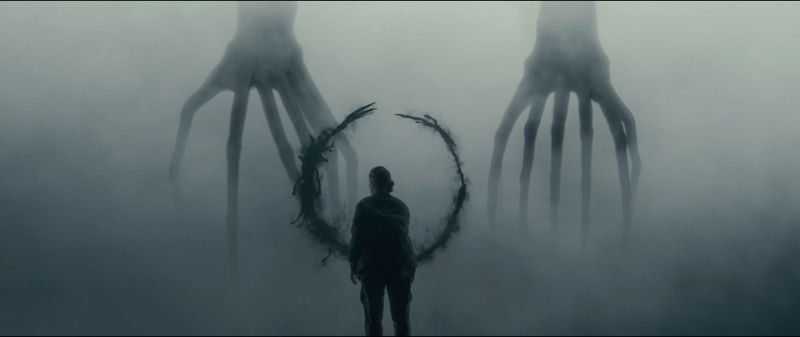
Linguist Louise Banks is called in to communicate with aliens who have landed on Earth. As she learns their circular, time-bending language, something remarkable happens to her perception.
Her visions of a daughter she keeps seeing aren’t memories at all.
Louise is actually seeing the future. Learning the alien language rewires her brain to experience all of time at once.
She knows her daughter will die young and chooses to have her anyway. The ending reframes every earlier scene as a profound act of love.
9. Inception
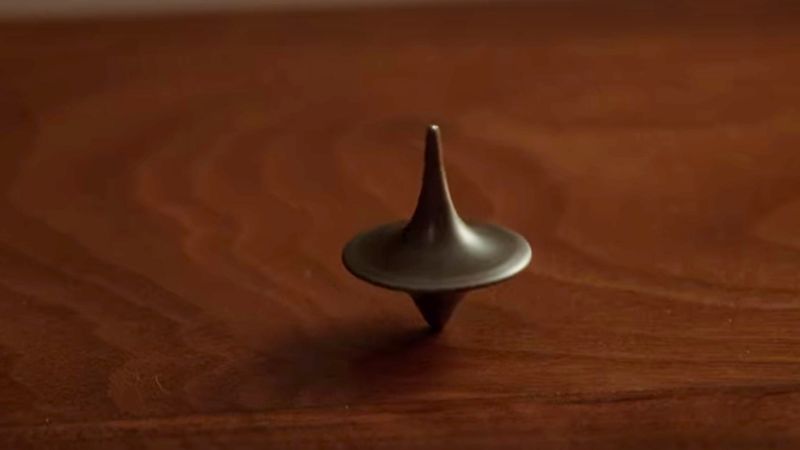
Dom Cobb finally makes it home to his children after years of being trapped in grief and dream-worlds. He spins his totem, a top that never falls in dreams, and walks away before seeing the result.
The camera lingers on the spinning top.
It wobbles slightly, hinting it might fall, but the film cuts to black. Director Christopher Nolan said Cobb stopped caring about the totem because seeing his kids was enough.
Whether it’s real or a dream, his emotional truth is what matters most.
10. Birdman
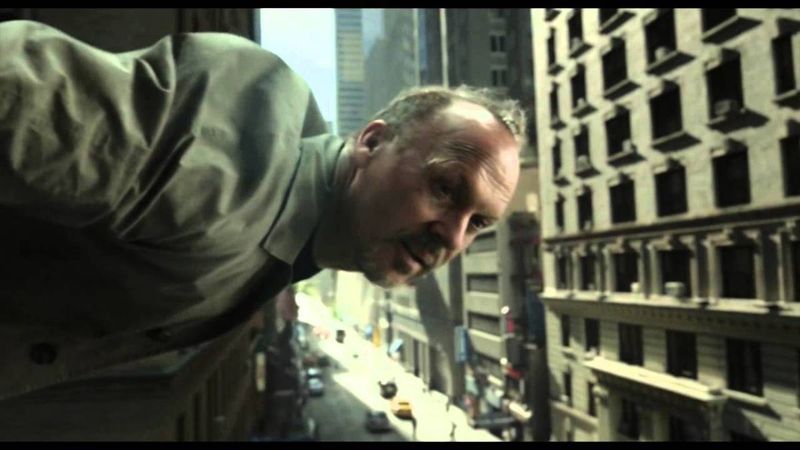
Riggan Thomson, a faded superhero actor, shoots his nose off on stage during his Broadway play. Somehow, this becomes a massive critical hit.
After waking up in the hospital, he jumps from his window. His daughter Sam rushes outside, looks down, then looks up.
Her face breaks into a smile as she stares skyward, suggesting Riggan flew away rather than fell. The film never confirms whether this is real or a hallucination.
Either way, Riggan finally found the transcendence he craved his entire career.
11. The Graduate
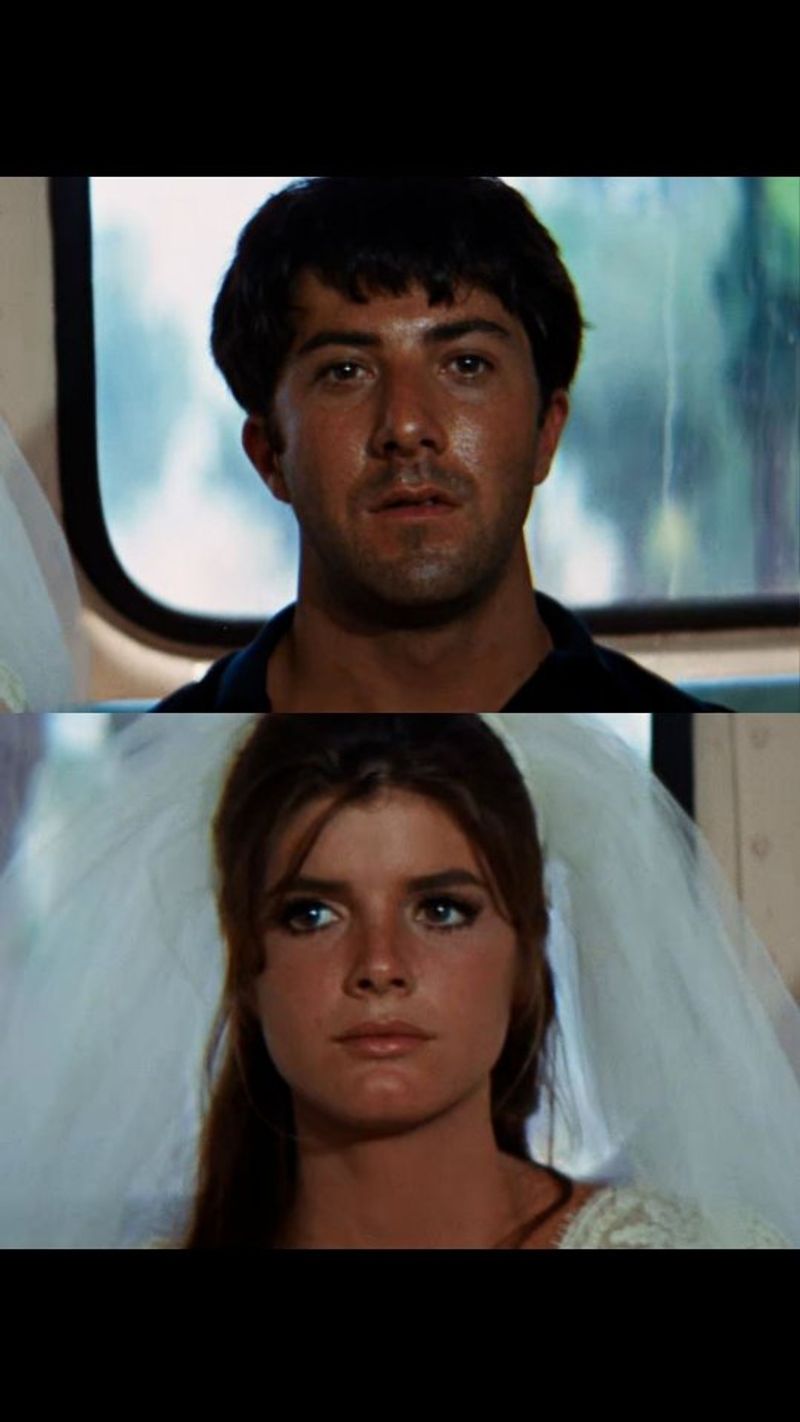
Benjamin crashes Elaine’s wedding, fights off her family with a cross, and they both escape on a public bus. For about three seconds, they look absolutely thrilled with themselves.
Then silence sets in, and their faces slowly fall.
The camera holds on them for an uncomfortably long time as they stare blankly ahead, unsure of what comes next. Director Mike Nichols wanted to show that impulse and reality are very different things.
Running away together felt heroic, but now what? That uneasy silence is the whole point.
12. The Shining
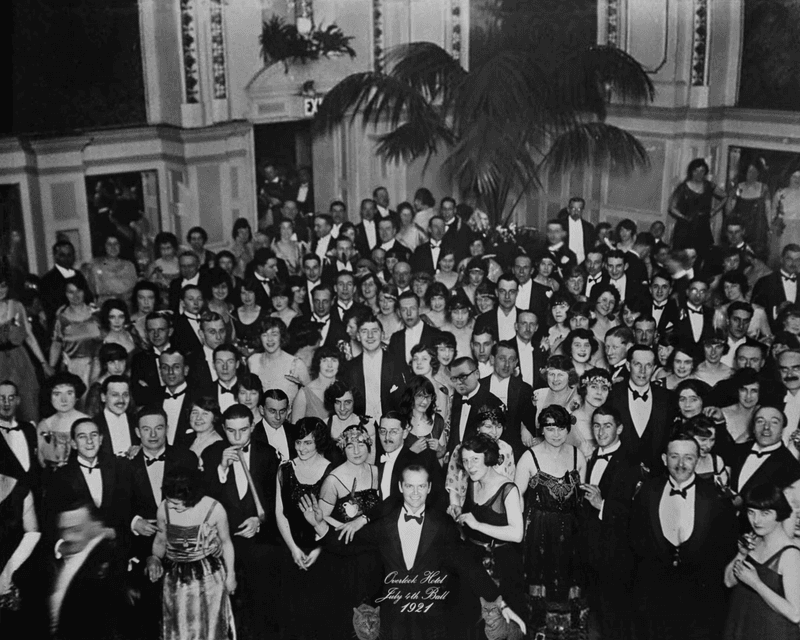
Jack Torrance freezes to death in the Overlook Hotel’s hedge maze, and Wendy and Danny escape. Creepy as that is, the final shot is even stranger.
The camera slowly zooms into a framed photograph on the hotel wall.
Jack is right there in it, smiling at a party dated July 4th, 1921, decades before his time. Stanley Kubrick implies Jack was always a spiritual part of the hotel, perhaps a reincarnated soul trapped in its evil forever.
The Overlook doesn’t just kill guests. It collects them.
13. 2001: A Space Odyssey
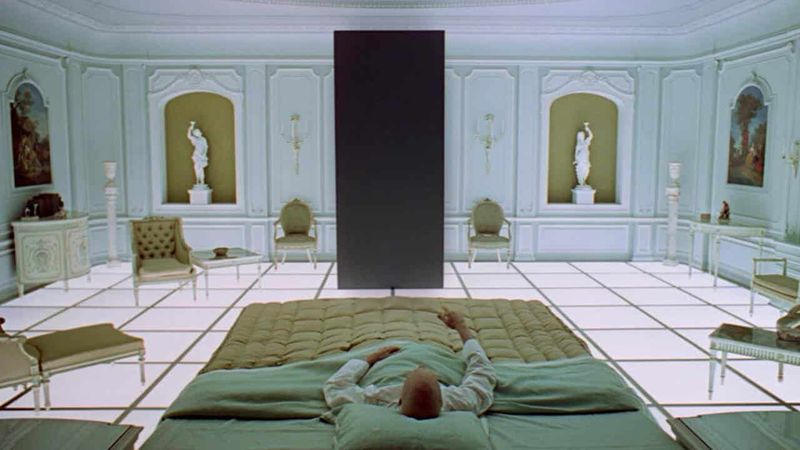
After surviving HAL 9000 and traveling through a wild light tunnel, astronaut Dave Bowman finds himself aging rapidly through different stages of life in a strange white room. Then a glowing monolith appears beside his deathbed.
Dave transforms into a luminous Star Child floating in space near Earth. Stanley Kubrick meant this as a symbol of humanity’s next evolutionary leap, guided by an ancient alien intelligence.
The film isn’t about space travel. It’s about what we might become when we stop fearing the unknown.
14. Prisoners
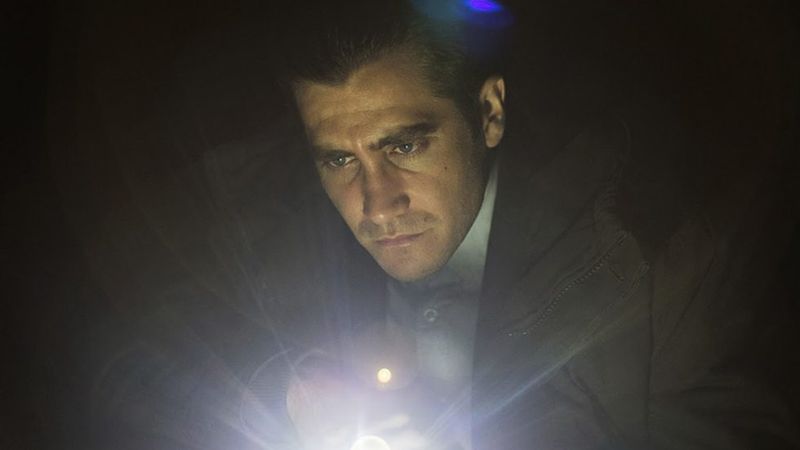
Detective Loki cracks the case, saves one of the missing girls, and confronts the villain. But Keller Dover, the aggressive father who took matters into his own hands, is still trapped in a hidden pit.
The film cuts to black with Loki pausing outside.
A faint whistle rises from underground, and Loki finally hears it. Though the screen goes dark before rescue, screenwriter Aaron Guzikowski confirmed an unused scene showed Loki finding Keller.
The whistle is hope. Keller survives, but not without serious moral consequence for his actions.
15. Taxi Driver
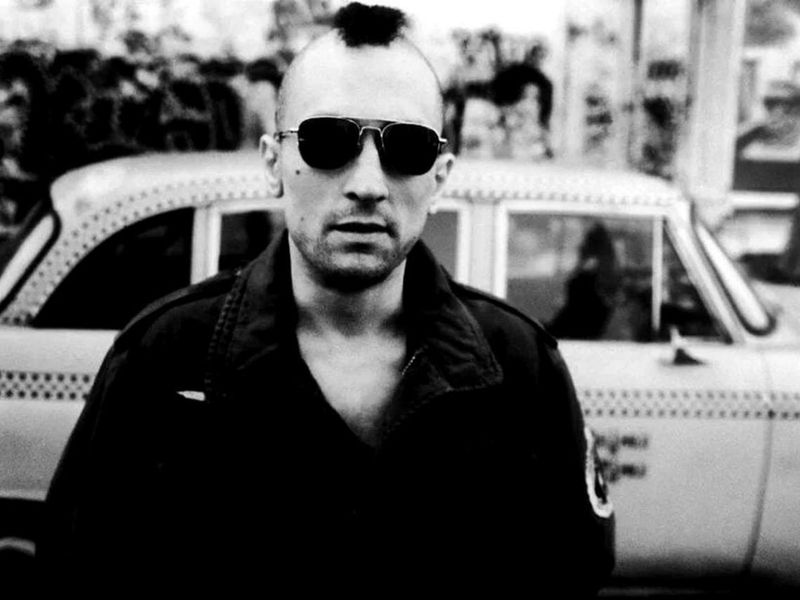
Travis Bickle goes on a violent rampage to rescue a young girl named Iris from her exploiters. Somehow, the media spins this as heroism, and Travis becomes a local celebrity.
He returns to driving his cab, seemingly fine.
Many viewers read this ending as a dark fantasy, suggesting Travis may have died or that his mind invented the heroic outcome to cope. The film critiques how society glorifies violence when it fits a convenient story.
Travis isn’t a hero. He’s a warning sign nobody took seriously.
16. Blade Runner
Rick Deckard retires replicants for a living, then falls for one named Rachael. After a brutal final confrontation with Roy Batty, Deckard escapes with Rachael.
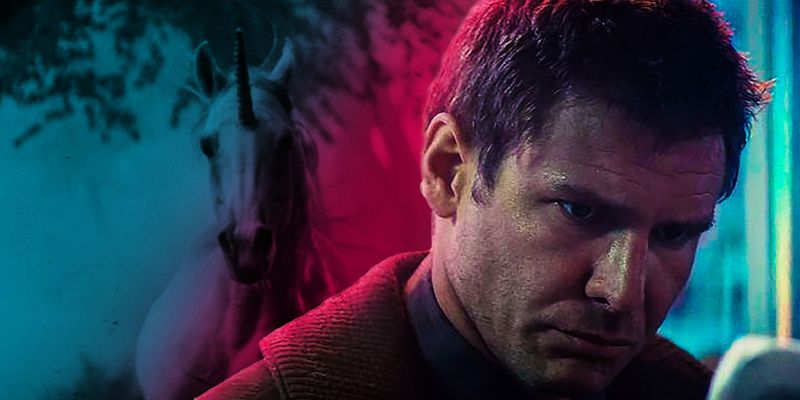
But a strange origami unicorn left by officer Gaff changes everything.
Earlier, Deckard dreamed of a unicorn, a very specific, private dream. Gaff’s origami suggests he knew about that dream, hinting Deckard’s memories may be implanted, making him a replicant too.
Ridley Scott has confirmed this interpretation, though Harrison Ford disagreed. The debate is part of the film’s genius.
17. The Thing (1982)
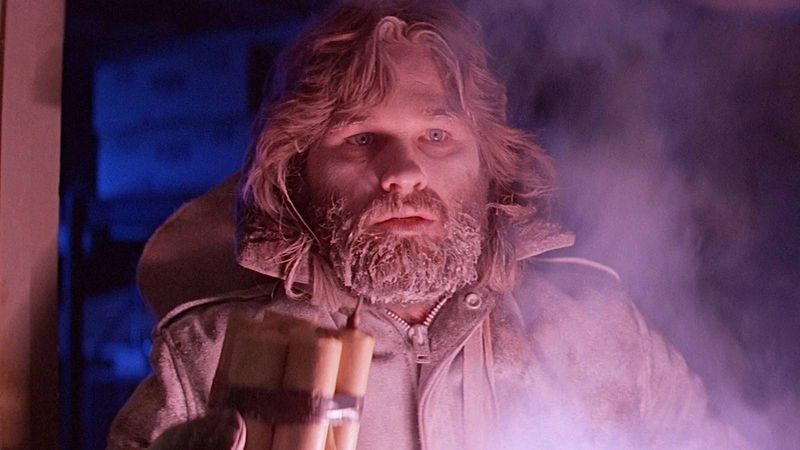
After blowing up the Antarctic base to destroy the alien, MacReady and Childs find each other in the freezing wreckage. They’re the only two left standing, and neither fully trusts the other.
One of them might still be The Thing.
They share a drink and wait for the cold to take them. The film offers no resolution on purpose.
John Carpenter wanted audiences to sit with that paranoia. Freezing temperatures will eventually destroy the alien, but the real horror is the total collapse of human trust between two survivors.
18. American Psycho
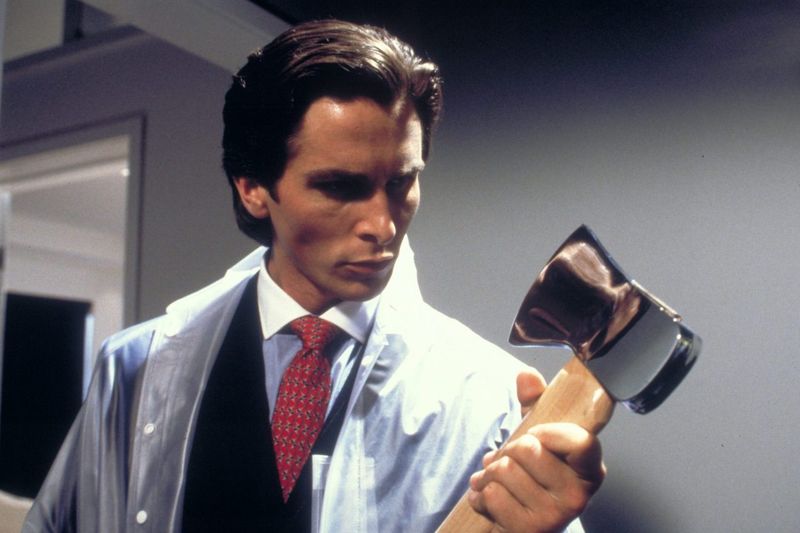
Patrick Bateman confesses his murders to his lawyer in a frantic voicemail. When they meet, the lawyer laughs it off, insisting he had dinner with Paul Allen, one of Bateman’s supposed victims.
The confession goes nowhere.
So did the murders actually happen? The film deliberately refuses to answer.
Bateman exists in a world so consumed by status and performance that nobody listens to him, even when he tells the truth. His violence may be fantasy, or reality ignored.
Either way, the system is the real villain.