
Some movies from the 1980s were so perfectly made that they still feel magical today. But Hollywood kept going back to those same franchises, adding new chapters that often left fans scratching their heads.
The magic of the originals got lost somewhere between nostalgia and the desire to make more money. Here are 20 franchises that probably should have stayed right where they belonged, frozen in time as pure ’80s gold.
1. Die Hard
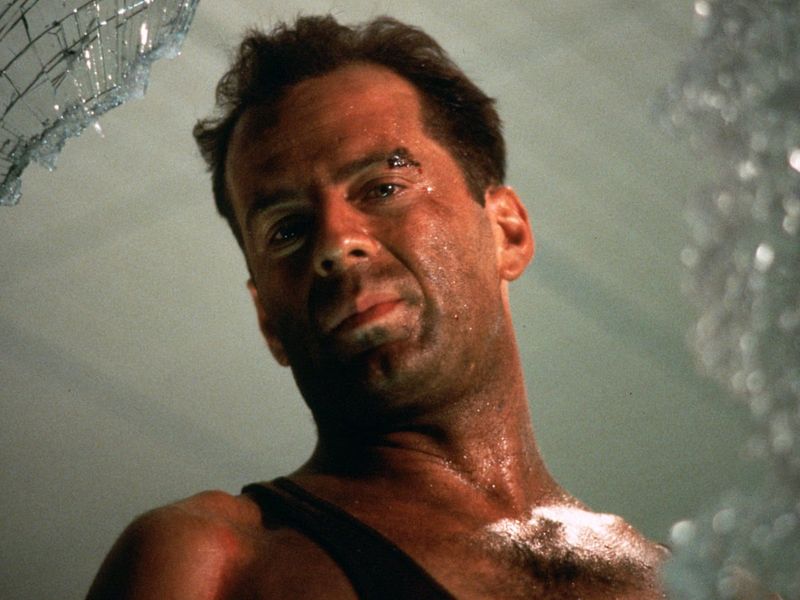
Before sequels started piling up like abandoned Christmas gifts, the original Die Hard (1988) was a near-perfect action movie. Bruce Willis as John McClane felt real, relatable, and surprisingly funny.
The tension was tight, the villain unforgettable.
By the time A Good Day to Die Hard arrived in 2013, critics had stopped being polite about their disappointment. The franchise lost its clever edge and became just another loud explosion fest that forgot what made the original so special.
2. Lethal Weapon
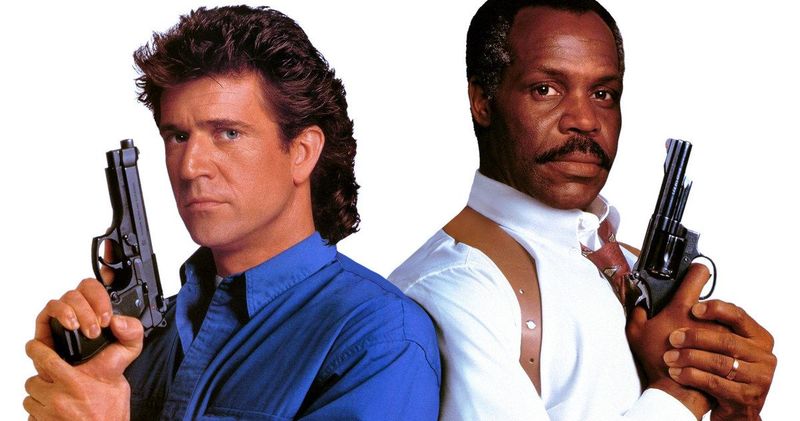
Few buddy-cop duos have ever clicked the way Mel Gibson and Danny Glover did in the first two Lethal Weapon films. The chemistry was electric, the humor sharp, and the action grounded enough to feel believable.
Lethal Weapon 3 and 4 kept the cast but lost the spark. Critics found them increasingly forgettable, and the magic formula from the late ’80s never quite returned.
Sometimes a great partnership deserves a graceful exit rather than an overstayed welcome.
3. The Terminator
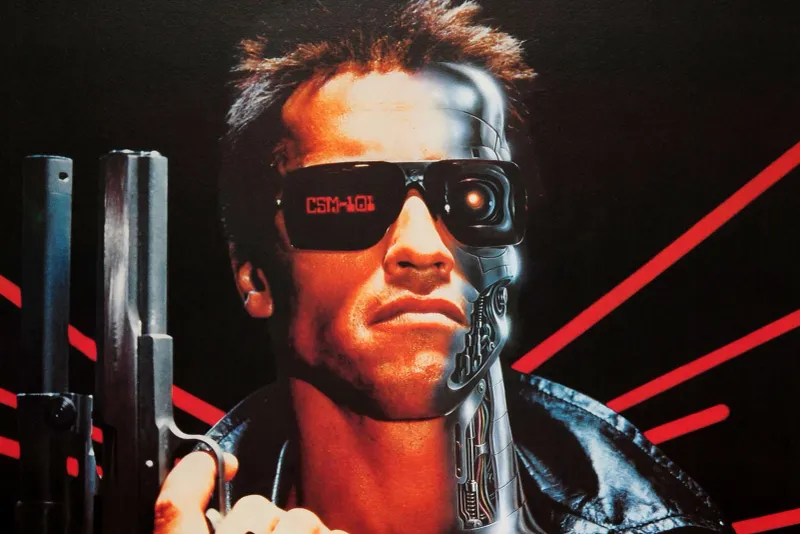
Arnold Schwarzenegger uttered “I’ll be back” in 1984, and nobody expected just how literally that promise would be kept. The original Terminator was lean, terrifying, and brilliantly simple in its premise.
Terminator 2 matched it in almost every way.
Then came Terminator Genisys in 2015, which critics largely panned for its messy plot despite Schwarzenegger’s return. The franchise kept resetting its own timeline so many times that audiences eventually stopped caring which future they were supposed to be saving.
4. Indiana Jones
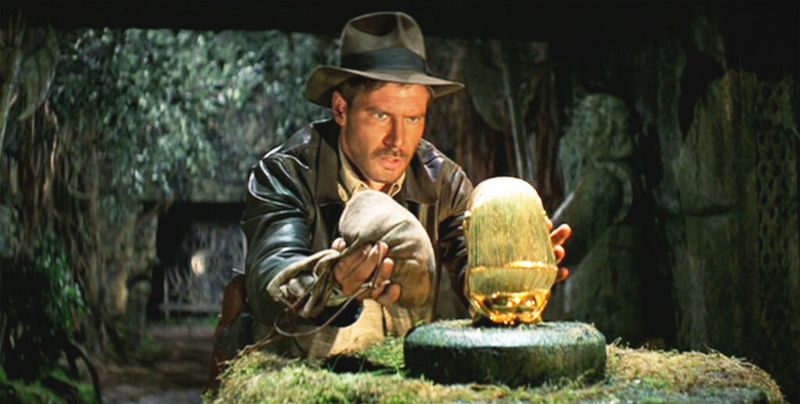
Raiders of the Lost Ark set a gold standard for adventure films that felt nearly impossible to top. Harrison Ford made Indiana Jones feel like the coolest professor who ever lived, blending humor, heart, and thrilling action seamlessly.
Kingdom of the Crystal Skull (2008) introduced aliens and CGI prairie dogs that left fans deeply confused. The Dial of Destiny (2023) received the worst Rotten Tomatoes reviews in the series.
The fedora deserved a much better farewell than what it got.
5. A Nightmare on Elm Street
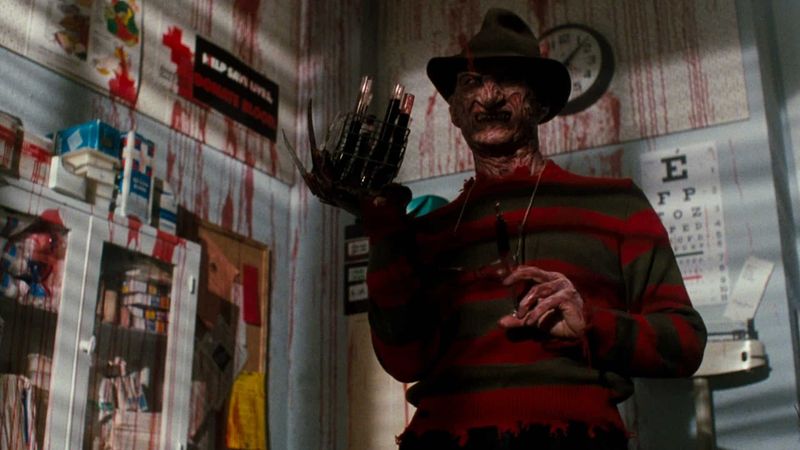
Freddy Krueger crawled out of nightmares in 1984 and genuinely terrified a generation of moviegoers. The concept of a killer who attacks you in your sleep was brilliantly original, and Robert Englund played the role with chilling, theatrical menace.
Dream Warriors (1987) is still considered a worthy sequel, but many later entries drifted toward campy silliness. The 2010 remake cast Jackie Earle Haley but failed to recapture the original’s dread.
Freddy worked best when he was still genuinely scary.
6. Ghostbusters
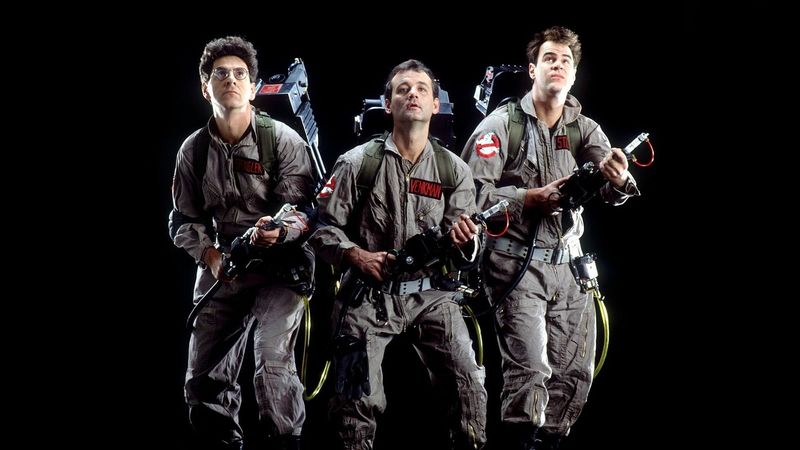
Who ya gonna call? For most fans, the answer will always be the original 1984 cast.
Ghostbusters was a rare blend of comedy, horror-lite, and heart that felt completely unique for its era.
The 2016 reboot sparked intense online debate and divided audiences sharply. Ghostbusters: Afterlife (2021) earned warmer audience reactions but still drew criticism for being a “defanged retread” that leaned too heavily on nostalgia.
Sometimes the best tribute is simply leaving a classic untouched.
7. Rambo
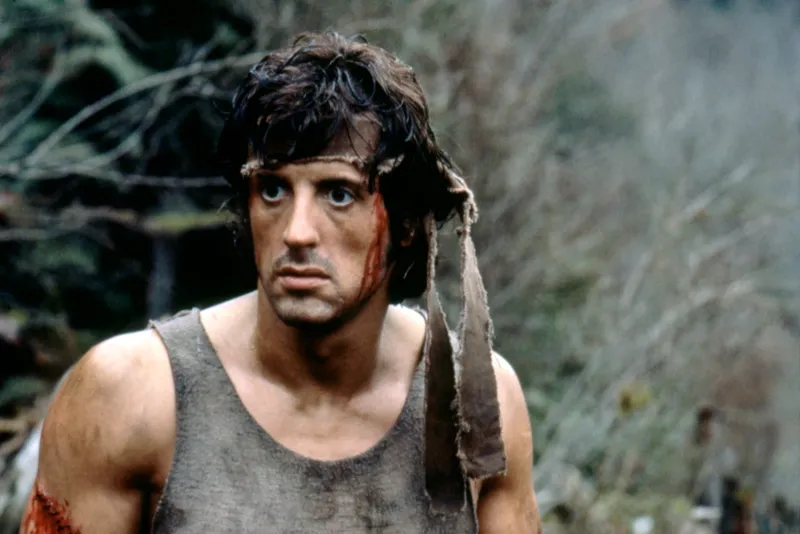
First Blood (1982) surprised everyone by being far more thoughtful than its marketing suggested. Sylvester Stallone played John Rambo as a wounded, traumatized veteran, and the film carried genuine emotional weight beneath its action surface.
The sequels, Rambo: First Blood Part II and Rambo III, cranked up the explosions while turning down the depth. Critics described them as “almost entirely hollow” and increasingly implausible.
The quiet power of the first film was traded in for bigger body counts and shrinking substance.
8. Alien
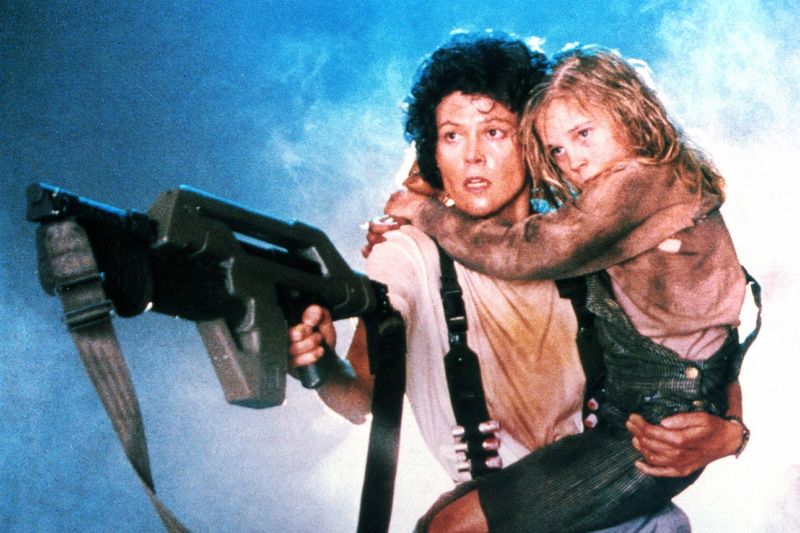
Ridley Scott’s Alien (1979) and James Cameron’s Aliens (1986) are two of the greatest films in their respective genres. Together they created a universe that felt genuinely dangerous, mysterious, and alive with terrifying possibility.
Alien 3 disappointed many fans by undoing key character arcs from Aliens almost immediately. The Alien vs. Predator crossovers drew sharp criticism for replacing genuine scares with shallow spectacle.
The franchise kept reaching for what made those first two films great but rarely came close to finding it again.
9. Predator
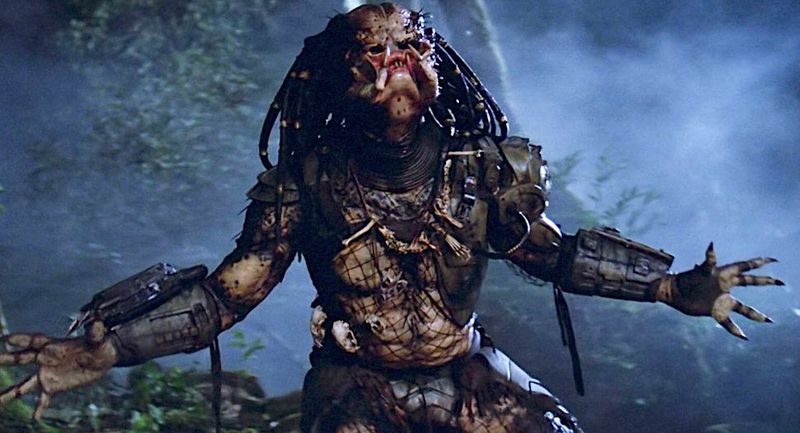
John McTiernan’s Predator (1987) is often called one of the most perfectly constructed action films ever made. Arnold Schwarzenegger versus an invisible alien hunter in the jungle sounds ridiculous on paper, yet it delivered wall-to-wall tension with surprising efficiency.
The Predator (2018) was widely labeled a “silly, uneven mess” that tampered with the franchise’s carefully built mythology. Predator 2 had its fans, but later entries struggled to recapture the original’s focused, sweaty, jungle-survival dread that made it unforgettable.
10. Beverly Hills Cop
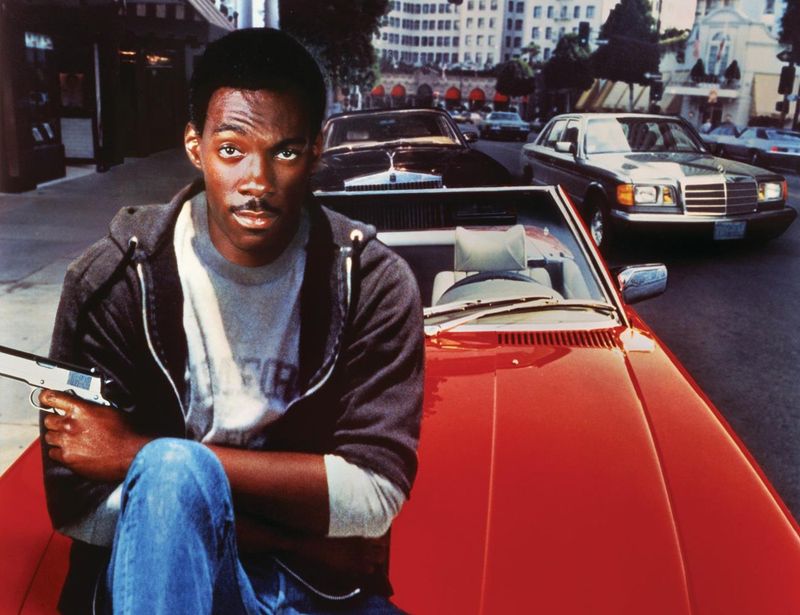
Eddie Murphy was at his absolute comedic peak when Beverly Hills Cop landed in 1984. His portrayal of Axel Foley was fast-talking, quick-witted, and endlessly entertaining, turning a fairly standard cop story into a genuine crowd-pleaser.
Beverly Hills Cop: Axel F arrived on Netflix in 2024 to mixed reviews, with many feeling it was a pale imitation of what made the original so electric. Murphy still brings energy, but recapturing that specific mid-’80s lightning-in-a-bottle chemistry proved harder than anyone expected.
11. RoboCop
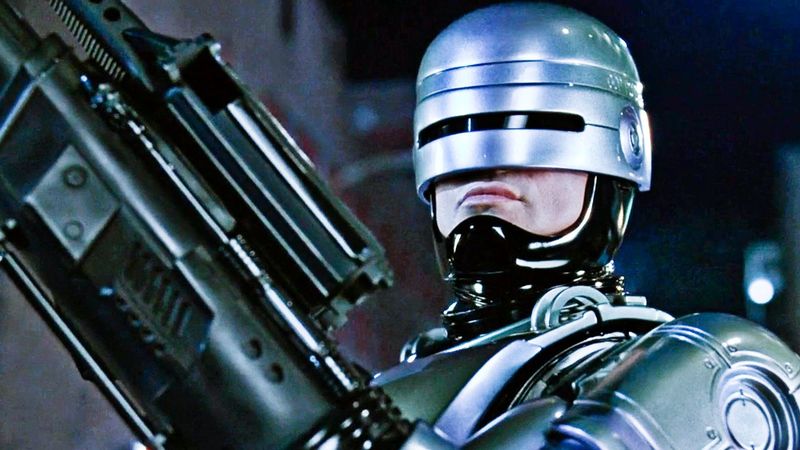
Paul Verhoeven’s RoboCop (1987) was far smarter than its premise suggested. Beneath the chrome armor and shoot-outs was a sharp satirical commentary on corporate greed, media culture, and what it means to be human.
Critics and audiences loved it.
The 2014 remake softened the satire and cleaned up the violence, losing much of what gave the original its rebellious bite. RoboCop 2 and 3 had already watered things down, but the reboot completed the transformation from bold satire to safe blockbuster entertainment.
12. Conan the Barbarian
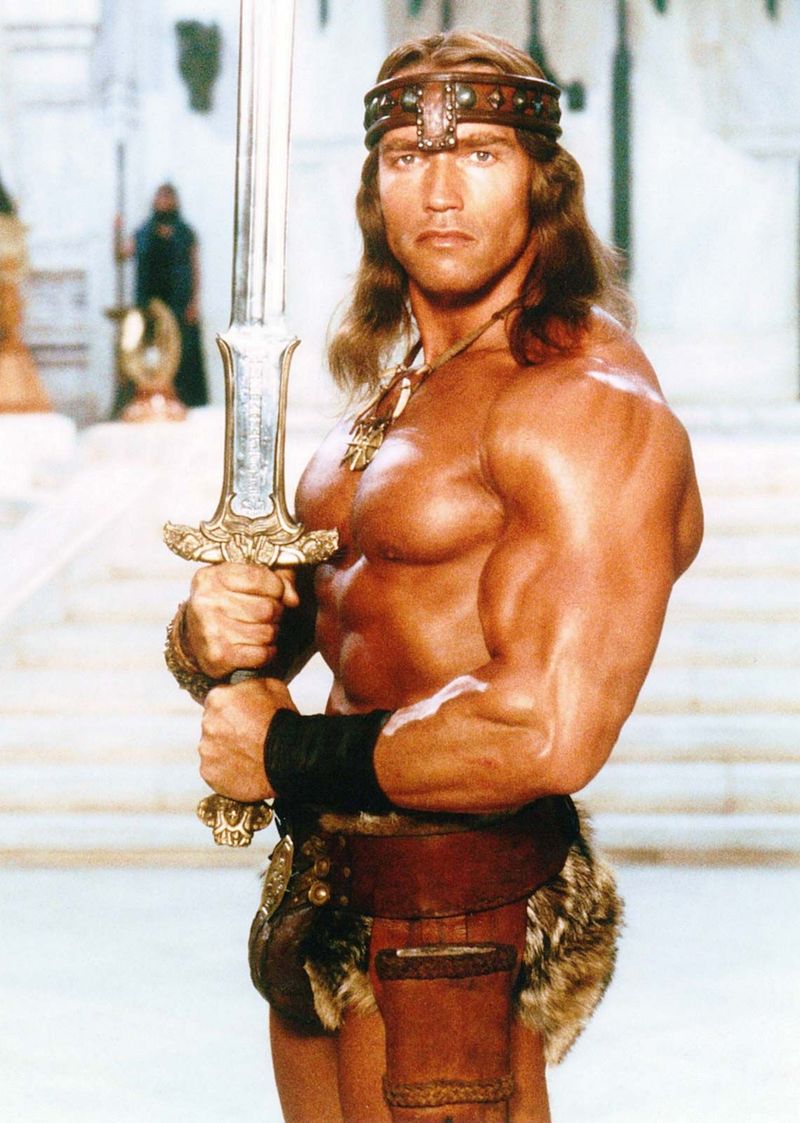
Arnold Schwarzenegger barely spoke in Conan the Barbarian (1982), and somehow that made him even more compelling. John Milius directed a surprisingly epic, mythological adventure that felt like a lost chapter from ancient legend brought to violent life on screen.
Conan the Destroyer (1984) toned down the darkness to grab a PG rating, and the magic evaporated quickly. The 2011 reboot with Jason Momoa had its defenders but failed commercially and critically.
Conan worked because of a very specific combination of era, director, and star.
13. The Karate Kid
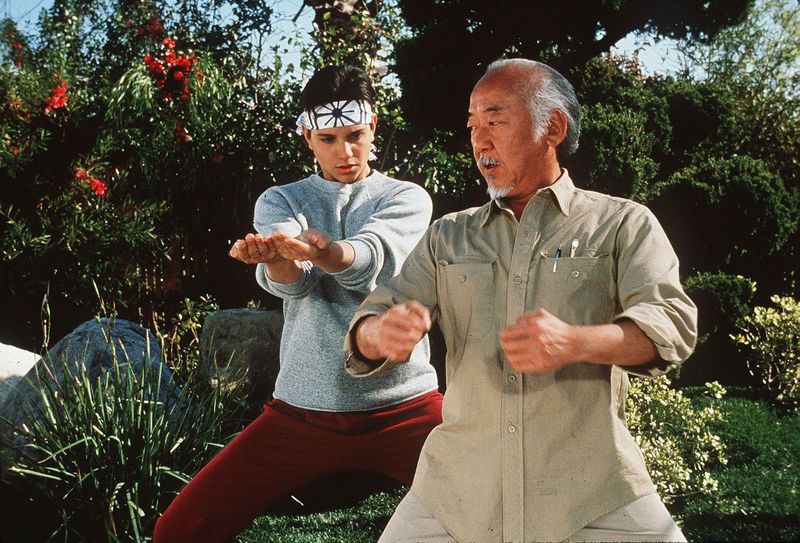
Few underdog stories have ever landed as cleanly as The Karate Kid in 1984. Daniel LaRusso and Mr. Miyagi became one of cinema’s most beloved mentor-student pairs, and the film’s heart made even the most clichéd training montages feel genuinely moving.
The sequels grew increasingly thin, and the 2010 remake relocated everything to China with a young Jaden Smith. Cobra Kai on Netflix reignited fan love, but many purists feel the original film stood perfectly on its own without needing any expansion whatsoever.
14. Back to the Future
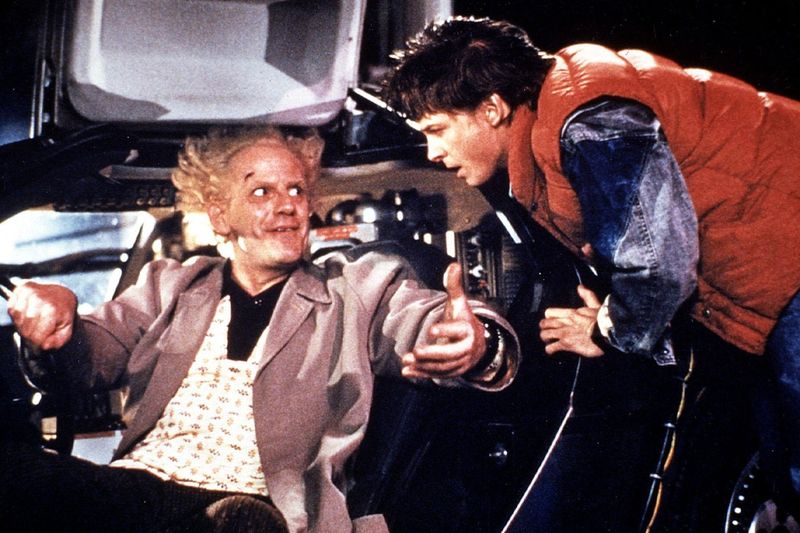
Back to the Future (1985) achieved something rare: a perfectly balanced comedy, adventure, and sci-fi film that works for every age group. Michael J.
Fox and Christopher Lloyd had undeniable chemistry, and the time-travel logic was clever without becoming confusing.
Robert Zemeckis and Bob Gale have firmly refused to allow a reboot, calling it unthinkable. That refusal is genuinely admirable.
This franchise exists as one of the few ’80s properties that remains entirely untarnished, a true time capsule sealed with rare Hollywood integrity.
15. Crocodile Dundee
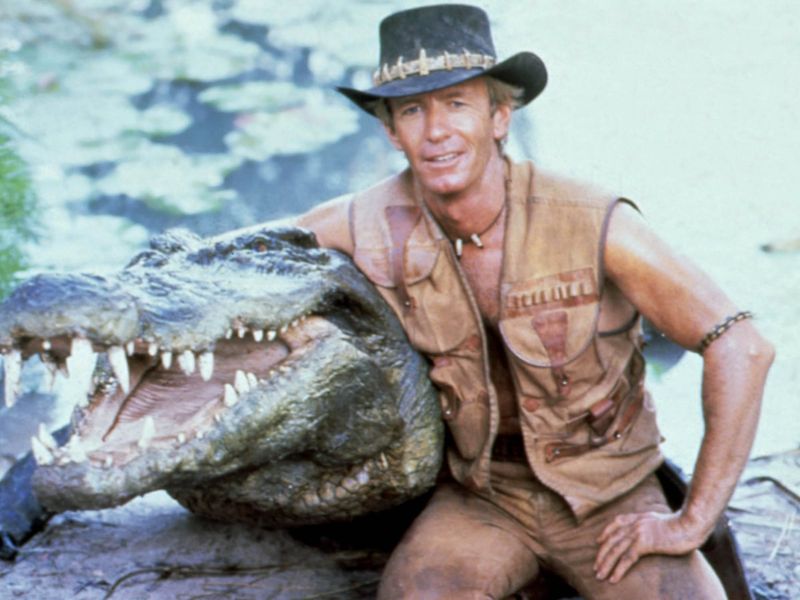
Paul Hogan’s Crocodile Dundee (1986) became a massive global hit by playing a beautifully simple fish-out-of-water concept with total charm and warmth. Mick Dundee’s bewildered wonder at New York City was endlessly quotable and surprisingly sweet for a big action-comedy.
Crocodile Dundee in Los Angeles (2001) arrived fifteen years later to near-universal critical indifference. The joke had run its course, the cultural moment had passed, and the sequel felt like a faded photocopy of something that once sparkled with genuine originality and cross-cultural humor.
16. Superman
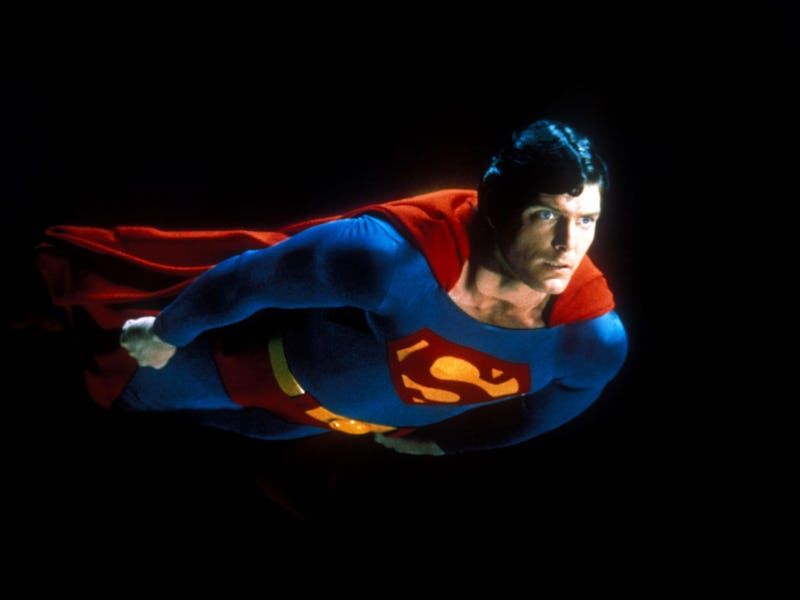
Richard Donner’s Superman (1978) and its 1980 sequel showed that audiences would genuinely believe a man could fly. Christopher Reeve brought dignity, warmth, and real charisma to the role, making the character feel both powerful and deeply human.
Superman III and IV: The Quest for Peace are widely considered low points, with the fourth entry often appearing on worst-superhero-movies lists. Decades of reboots and darker reimaginings have followed, yet many fans still feel Reeve’s era captured something irreplaceable that no modern version has fully managed to recreate.
17. Flash Gordon
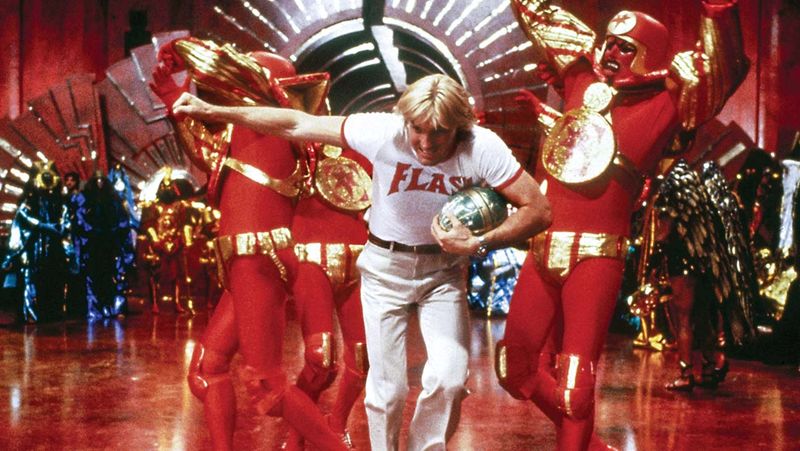
Flash Gordon (1980) is gloriously, unapologetically over the top, and that is precisely why it earned such a devoted cult following. The Queen soundtrack, the neon colors, and the cheerfully ridiculous production design made it feel like a comic strip exploded onto the big screen.
A planned reboot has been in Hollywood development limbo for years, never quite coming together. Honestly, that might be for the best.
Flash Gordon’s specific brand of campy, earnest fun belongs to a very particular cultural moment that modern filmmaking would probably struggle to replicate sincerely.
18. Masters of the Universe
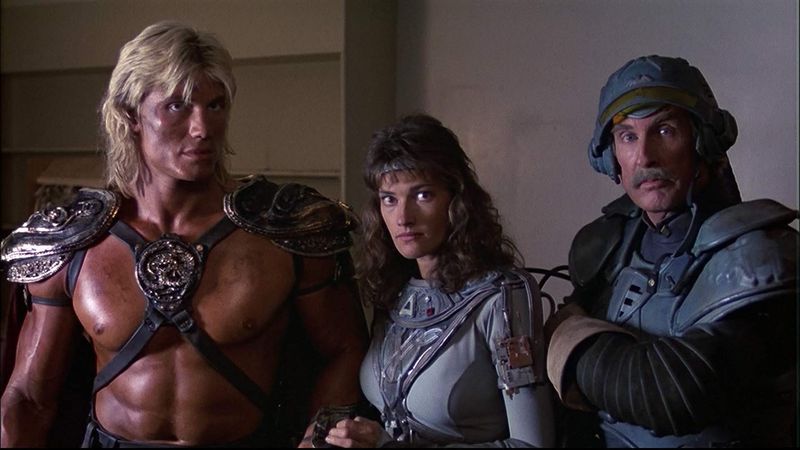
He-Man had the power, but Masters of the Universe (1987) had a notoriously troubled production that showed in the final product. Still, the film developed a loyal cult following among kids who grew up watching the animated series and found something genuinely fun in its cheesy charm.
A long-gestating reboot has bounced between studios for years. Given how many beloved ’80s properties have stumbled badly in modern reimaginings, many fans quietly hope Hollywood keeps stalling.
Some childhood memories are better honored by nostalgia than by a big-budget update that misses the original spirit entirely.
19. Highlander
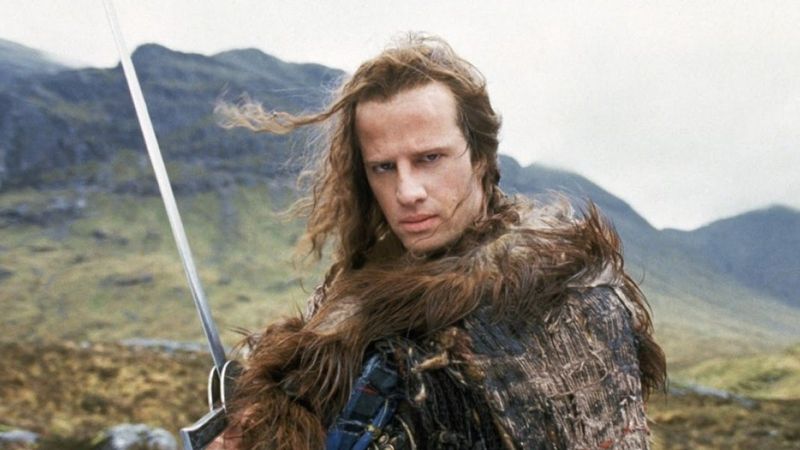
There can be only one great Highlander film, and fans have been saying so since the original arrived in 1986. The combination of immortal warriors, Queen’s electrifying soundtrack, and Sean Connery playing a Spanish Egyptian made absolutely no logical sense and was completely irresistible because of it.
Highlander II: The Quickening (1991) became notorious as one of cinema’s most baffling sequels, retconning the original’s mythology in ways that baffled even devoted fans. Subsequent films and a TV series never recaptured the first film’s strange, accidental brilliance.
20. Tron
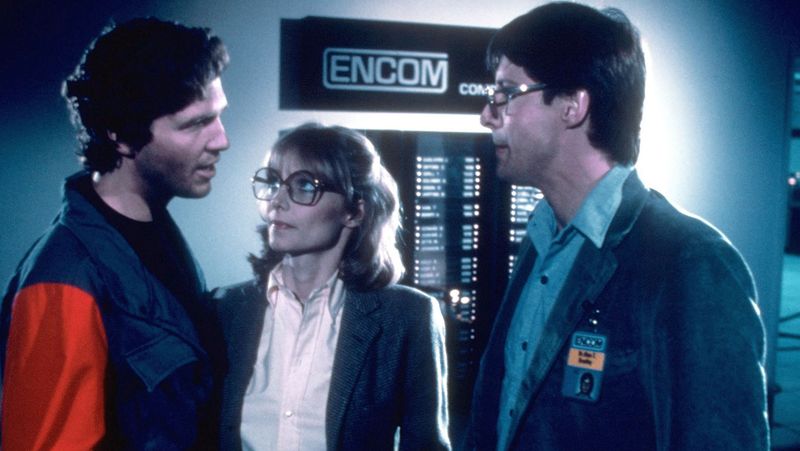
Tron (1982) was genuinely ahead of its time, using computer-generated imagery in ways that felt revolutionary and created a visual world unlike anything audiences had ever seen. The concept of being digitized into a computer program captured the imagination of an entire generation growing up alongside the personal computer boom.
Tron: Legacy (2010) looked spectacular but left many fans feeling emotionally cold despite its gorgeous visuals and Daft Punk soundtrack. The planned third film stalled repeatedly.
Sometimes a groundbreaking concept belongs to the era that first made it feel truly mind-expanding and new.