
Cooking food underground is one of the oldest methods humans have ever used to prepare a meal. Long before ovens and stovetops existed, people around the world figured out that burying food with hot stones or coals could create something truly delicious.
From tropical islands to the mountains of South America, this ancient technique has survived for thousands of years. Get ready to explore 15 incredible dishes from different cultures that are still cooked the old-fashioned way, right beneath the ground.
1. Hangi – New Zealand Maori
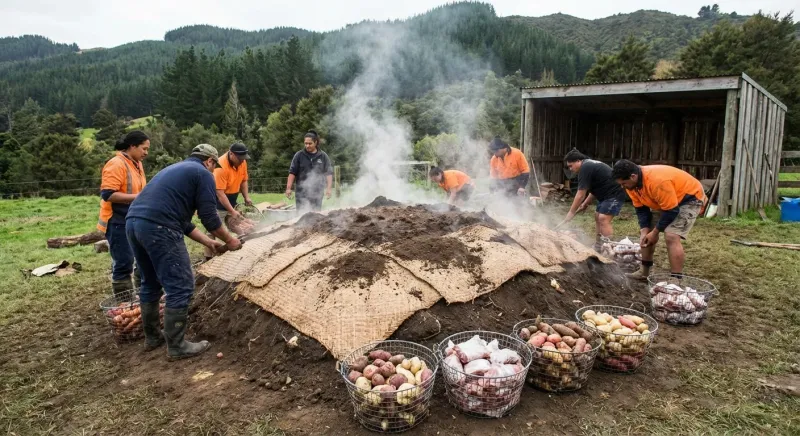
Few meals carry as much cultural weight as the Maori hangi from New Zealand. Whole baskets filled with chicken, pork, potatoes, and kumara are placed over heated volcanic stones in a dug-out pit, then covered with wet cloth and earth.
The steam trapped underground slowly cooks everything for several hours, giving the food a smoky, earthy flavor that no regular oven can copy. Hangi is traditionally prepared for large community gatherings and celebrations.
2. Pachamanca – Peru
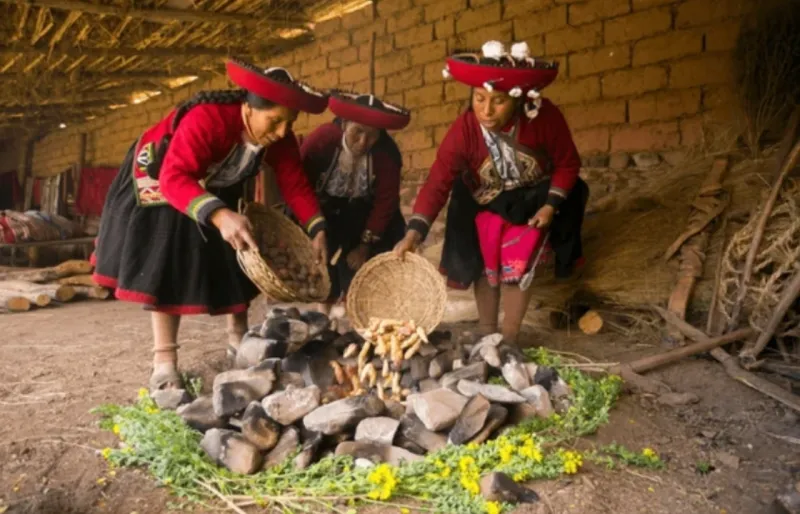
High in the Andes mountains, Peruvians have been making pachamanca for over a thousand years. The name literally means “earth pot” in Quechua, which tells you everything you need to know about how it is made.
Marinated meats like lamb, pork, and chicken are layered with potatoes, corn, and herbs over hot volcanic rocks inside a pit. Everything gets covered with leaves and soil, then left to slow-cook for hours until tender and full of flavor.
3. Kalua Pig – Hawaii
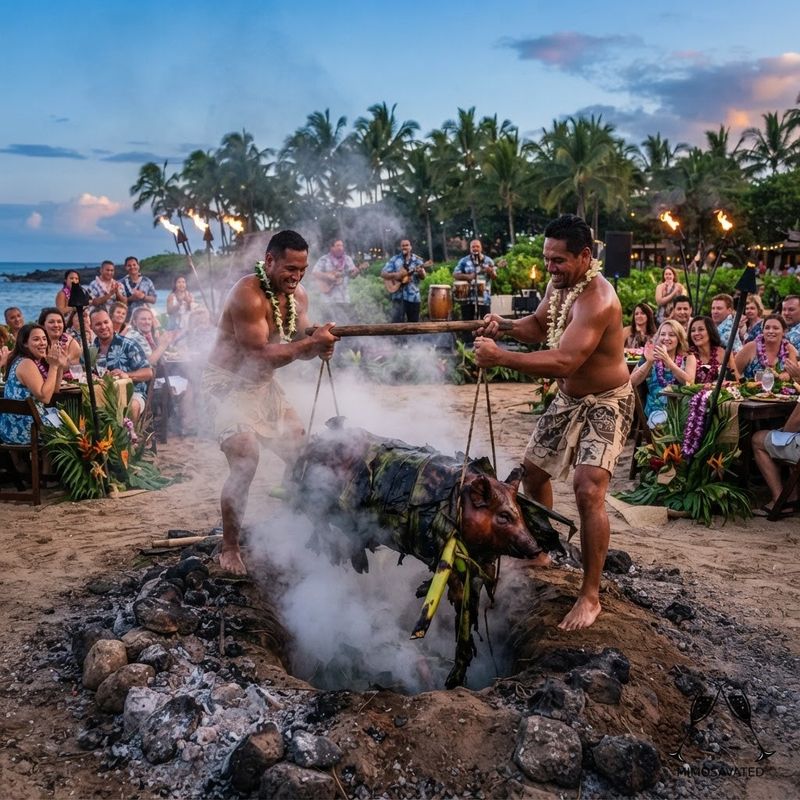
Kalua pig is the star of every Hawaiian luau, and the secret behind its incredible taste is a traditional underground oven called an imu. A whole pig is rubbed with sea salt, wrapped tightly in banana leaves and ti leaves, then placed over lava rocks that have been heated for hours.
The pit is sealed with burlap and soil, and the pig slow-roasts underground for up to eight hours. The result is smoky, juicy, pull-apart pork that melts in your mouth.
4. Umu – Samoa and Tonga
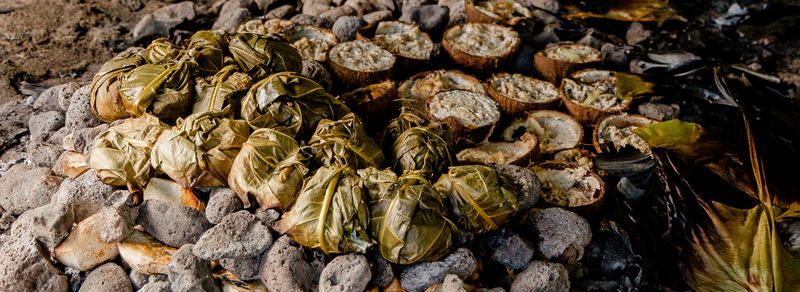
The umu is a beloved cooking tradition across Samoa and Tonga that brings whole communities together every Sunday. Unlike a dug pit, an umu is built on flat ground using coral or volcanic stones that are heated with a wood fire until they glow red-hot.
Food like fish, taro, breadfruit, and palusami is carefully arranged on the stones, then covered with banana leaves to trap the heat. The whole feast cooks in about two hours, filling the air with an amazing aroma.
5. Curanto – Chile and Argentina
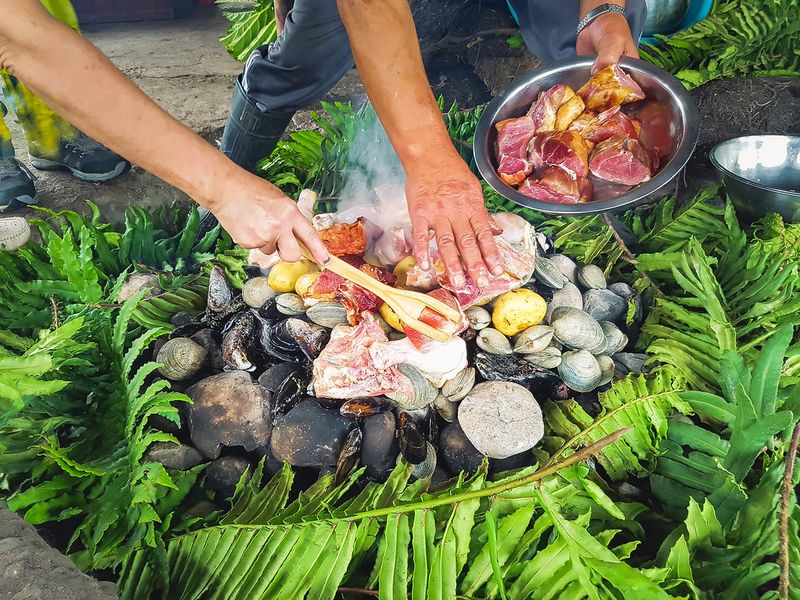
On the island of Chiloe in southern Chile, curanto has been a beloved tradition for thousands of years. A deep pit is filled with stones heated by fire, then loaded with layers of clams, mussels, pork, chicken, potatoes, and a local bread called milcao.
Everything gets covered with nalca leaves, which are huge rhubarb-like plants, then sealed with wet sacks and soil. After about an hour, the pit is opened and the feast begins.
The seafood and meat flavors mix together in a way that is truly unforgettable.
6. Pit Barbecue – American South
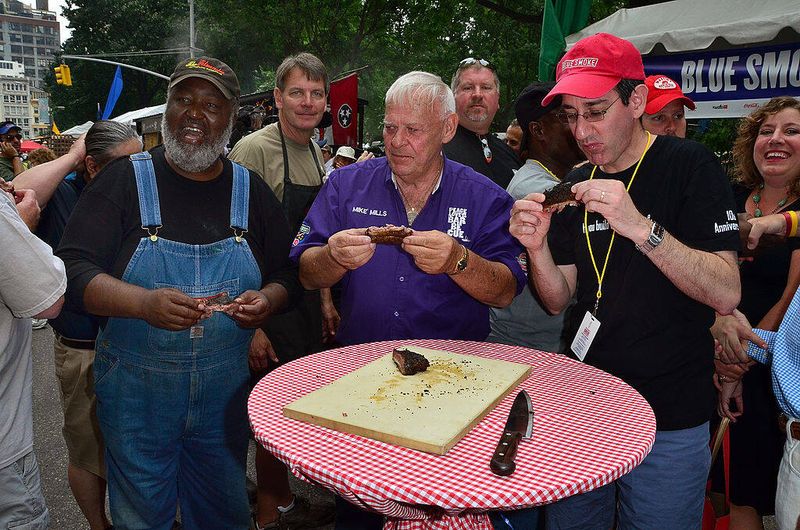
Southern pit barbecue is more than just a way to cook meat. It is a deeply rooted tradition that has shaped American food culture for centuries.
Whole hogs or large cuts of beef are placed over smoldering hardwood coals in brick-lined pits dug into the ground.
The low, slow cooking process can take anywhere from 12 to 24 hours, breaking down tough cuts into tender, smoky perfection. Pitmasters guard their techniques closely, passing recipes and methods down through generations like precious family heirlooms.
7. Cochinita Pibil – Mexico
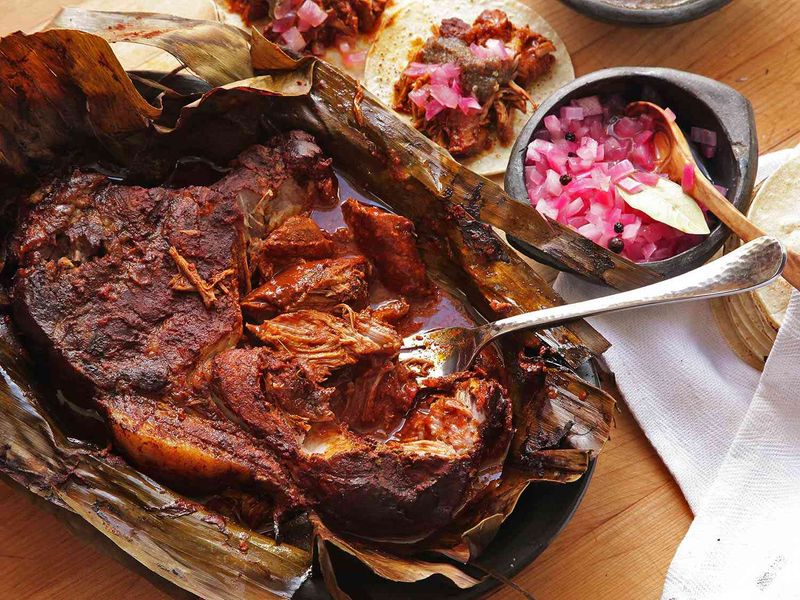
Cochinita pibil is one of Mexico’s most ancient and flavorful dishes, originating with the Maya people of the Yucatan Peninsula. The name “pibil” comes from the Mayan word “pib,” meaning underground oven.
Pork is marinated overnight in a tangy blend of achiote paste, citrus juice, and spices.
The marinated meat is wrapped in banana leaves and slow-cooked in a stone-lined pit for several hours. The result is melt-in-your-mouth pork with a rich red color and bold, earthy flavor.
8. Horno Bread – Pueblo Native Americans
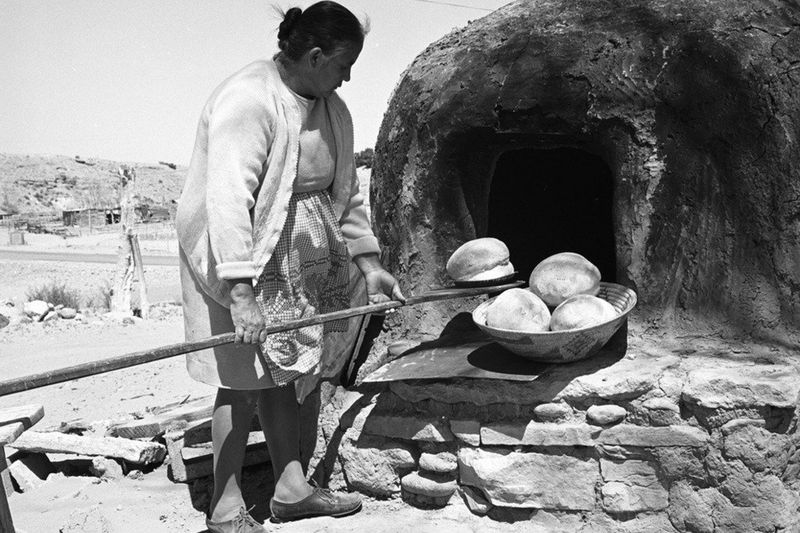
The horno is a dome-shaped clay oven used by Pueblo communities in the American Southwest for hundreds of years, introduced during Spanish colonial times. While it sits above ground, the horno uses thick earthen walls to trap heat the same way underground ovens do.
Wood is burned inside until the walls are blazing hot, then the coals are removed and bread dough is slid in to bake. The result is a crusty, golden loaf with a soft, fluffy inside that tastes nothing like store-bought bread.
9. Clambake – New England, USA
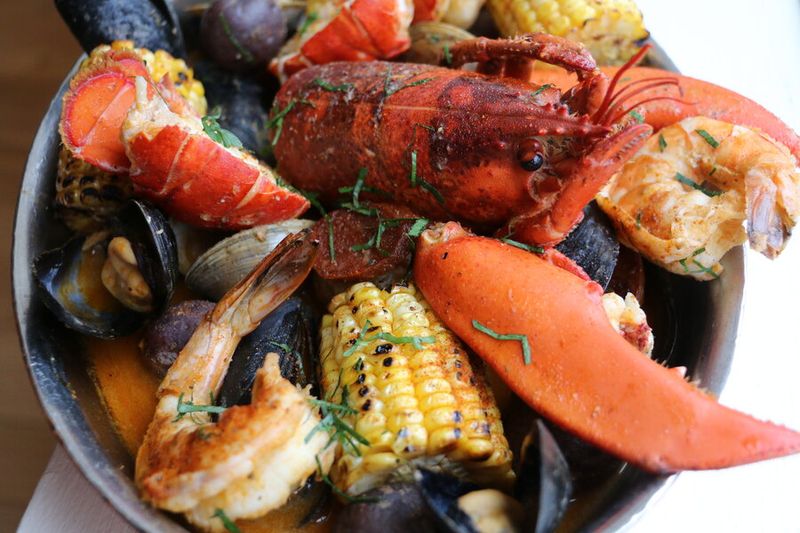
Long before European settlers arrived, Indigenous peoples of New England were hosting clambakes on the beach. Clams, lobsters, corn, and potatoes are layered over rocks that have been heated in a sand pit, then covered with seaweed and a wet canvas tarp.
The seaweed creates steam that slowly cooks everything together, giving the food a salty, ocean-fresh taste. Modern clambakes are popular summer celebrations all along the New England coast, keeping this centuries-old tradition alive and delicious.
10. Lovo – Fiji
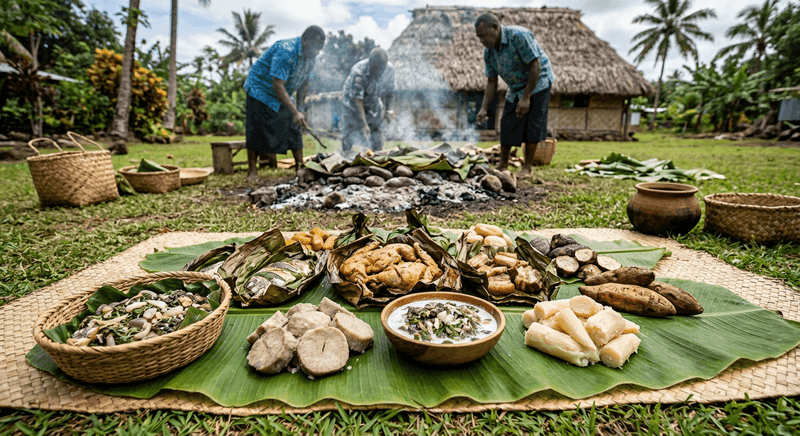
In Fiji, the lovo is far more than a cooking method. It is a symbol of community, celebration, and hospitality.
Hot stones are placed at the bottom of an earthen pit, and food parcels wrapped in banana leaves are stacked on top.
The pit is then covered with more leaves, burlap, and soil, and the food steams underground for about two hours. Lovo is prepared for weddings, religious festivals, and welcoming honored guests, making every meal feel like a special occasion.
11. Barbacoa – Mexico and Texas
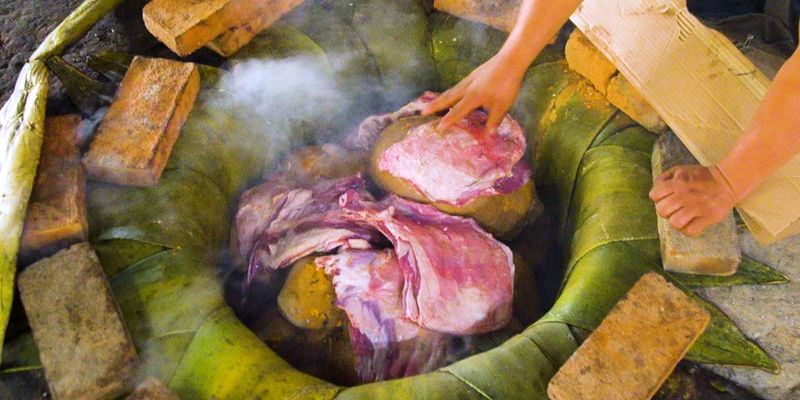
Barbacoa is the original underground slow-cook that inspired the word “barbecue.” In its most traditional form, a whole cow head or goat is wrapped in maguey leaves and lowered into a deep pit lined with glowing coals and hot stones.
The pit is sealed overnight, and by morning the meat is impossibly tender and richly flavored. Served with fresh tortillas, salsa, and cilantro, barbacoa is a weekend staple in Mexican households and has become wildly popular in Texas as well.
12. Lechon de Leche – Philippines
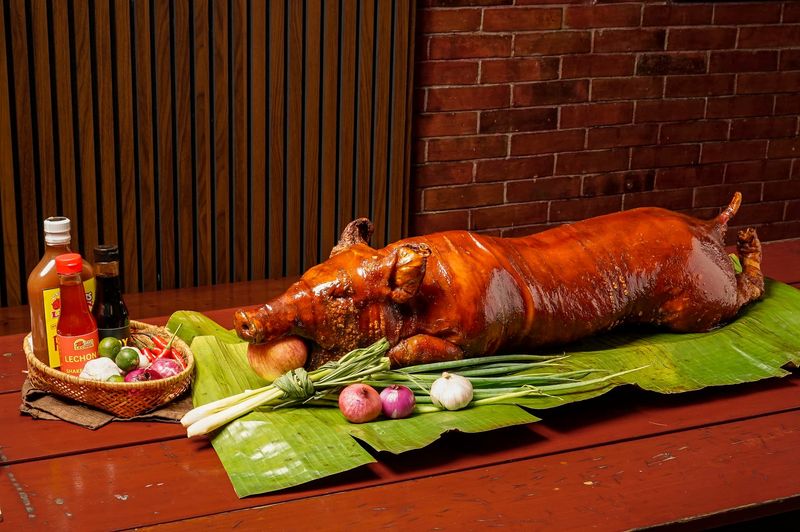
Lechon is the undisputed king of Filipino celebrations. While modern versions are often roasted on a spit above ground, the oldest tradition involves slow-cooking a whole suckling pig in a coal-filled pit covered with banana stalks and earth.
The underground heat renders the fat slowly, creating that legendary crispy skin and juicy meat that Filipinos are so proud of. No birthday, fiesta, or holiday feels complete without lechon on the table.
It is comfort food and cultural pride all wrapped in one.
13. Roasted Lamb – Greece and Cyprus
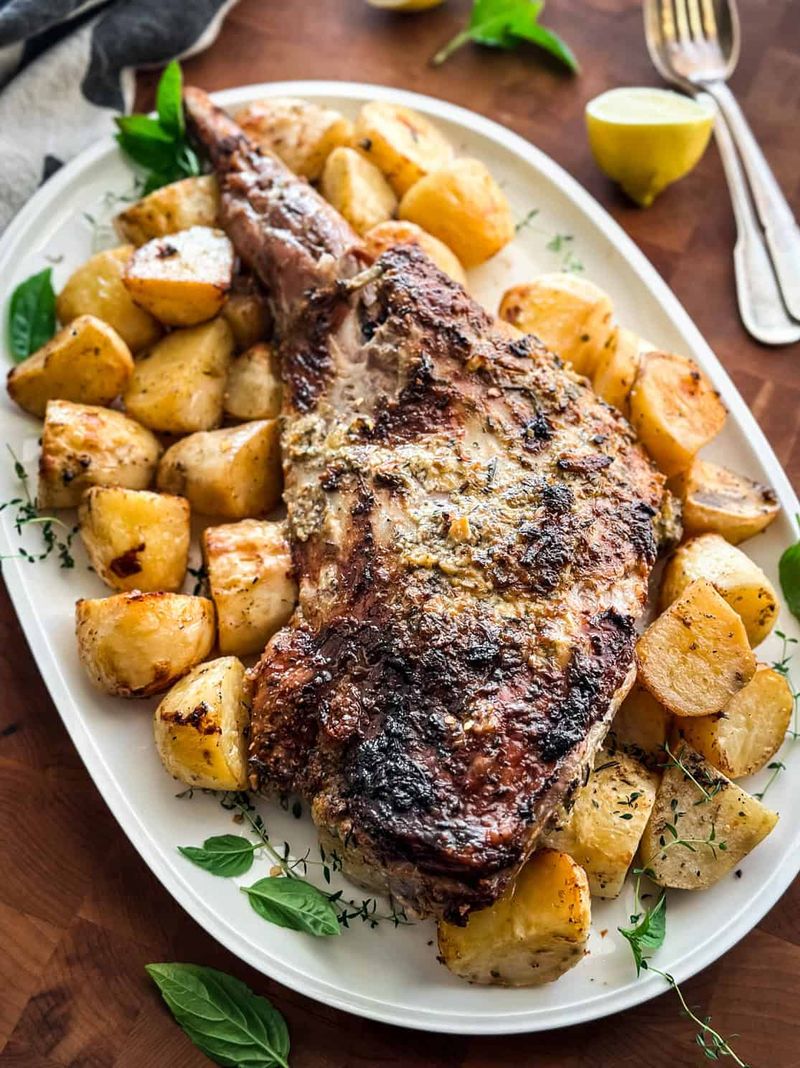
Easter in Greece and Cyprus would not be the same without a whole lamb slow-cooked in a traditional underground pit called a fourno. The lamb is rubbed with olive oil, garlic, lemon, and fresh oregano, then sealed inside a clay-lined pit with hot embers below and above.
Cooking underground for six or more hours gives the meat a tenderness and depth of flavor that roasting in a regular oven simply cannot match. Families gather around the pit for hours, turning the cooking process into its own celebration.
14. Boodog – Mongolia
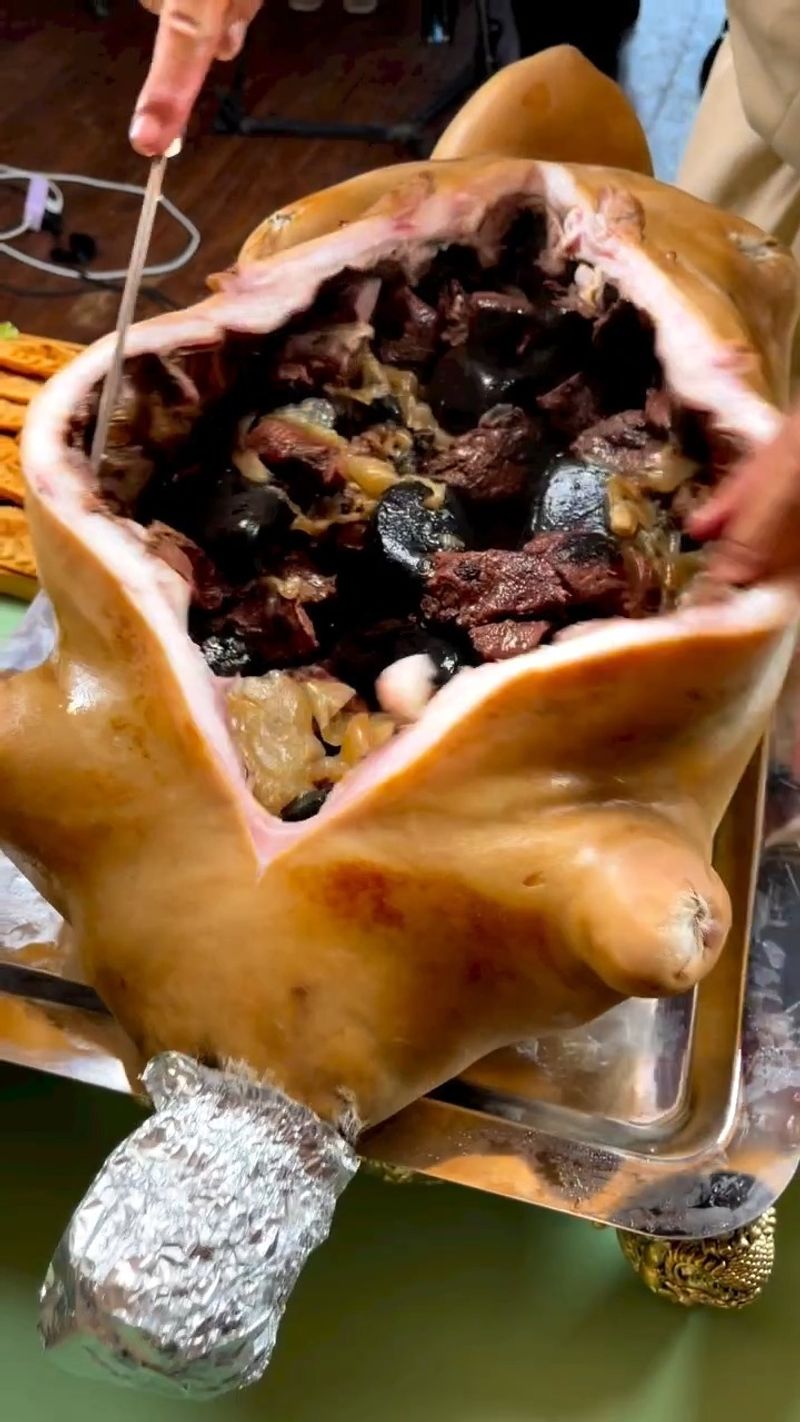
Boodog might be the most unusual cooking method on this list. Mongolian herders stuff a whole marmot or small goat with hot stones, then seal the animal’s own body like a natural cooking vessel.
The stones cook the meat from the inside out, while the outside is scorched with a blowtorch.
The result is a juicy, smoky dish with a flavor unlike anything else. Boodog is considered a special treat, often prepared during hunting trips and outdoor festivals across the Mongolian steppe.
15. Huatia – Bolivia and Peru
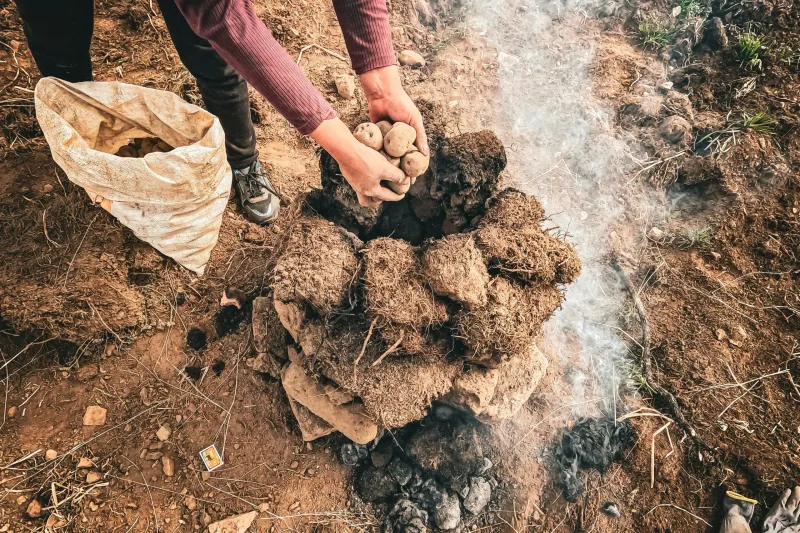
Huatia is a harvest tradition that farmers in Bolivia and Peru have practiced for generations, and it is wonderfully simple. Small dome-shaped ovens are built right in the field using clods of dried earth, then set on fire until the clay walls are scorching hot.
The domes collapse inward, burying potatoes and other vegetables under the glowing rubble. The food roasts in the earth for about 30 minutes.
Eaten fresh in the field with spicy huancaina sauce, huatia is pure Andean soul food.