
Some of Japan’s best meals hide behind tiny doors, upstairs signs, or busy lunch counters. Finding them takes more than following famous restaurant lists.
A few smart habits can help you eat well, spend wisely, and feel more comfortable ordering. From reading local reviews to exploring food halls, here’s how to make every meal part of the adventure.
1. Let the Lunch Crowd Lead
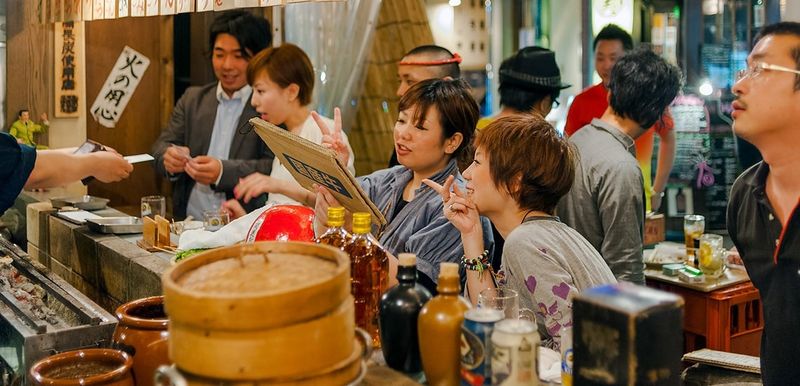
A busy lunch counter can tell you more than a flashy advertisement. Around noon, watch where nearby office workers go for noodles, curry, or grilled fish.
Their choices often balance taste, speed, and price.
Check the menu before joining any line, and look for steady customer turnover. Crowds are clues, not guarantees.
If the wait would swallow your afternoon, save the restaurant for another day and try a nearby place serving the same local specialty instead.
2. Trust a Kitchen With a Clear Focus
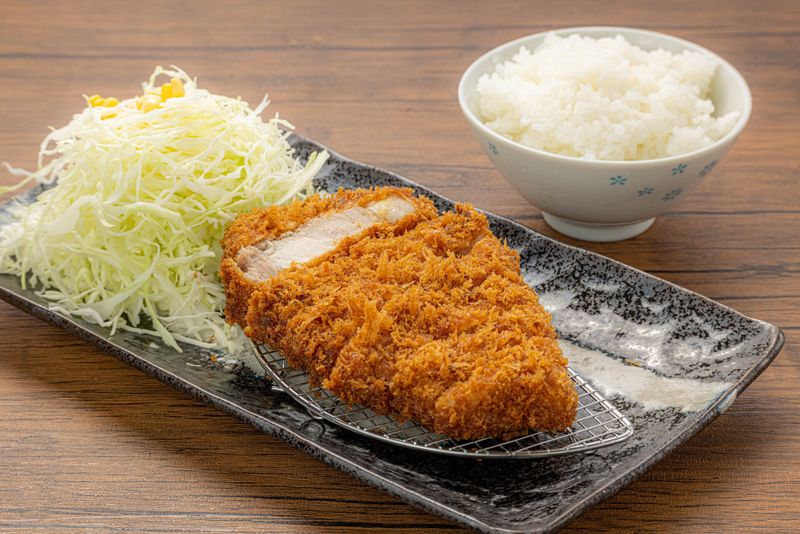
One dish, done brilliantly, can make an entire trip memorable. Many Japanese restaurants build their reputation around a narrow focus, such as tempura, soba, or tonkatsu.
A short menu gives cooks room to master small details.
Look for signs showing one main food and several variations. Order the house specialty before chasing unusual extras.
Specialization alone does not promise greatness, but it helps you find kitchens with a clear purpose and dishes worth remembering back home.
3. Read Local Ratings on Their Own Terms
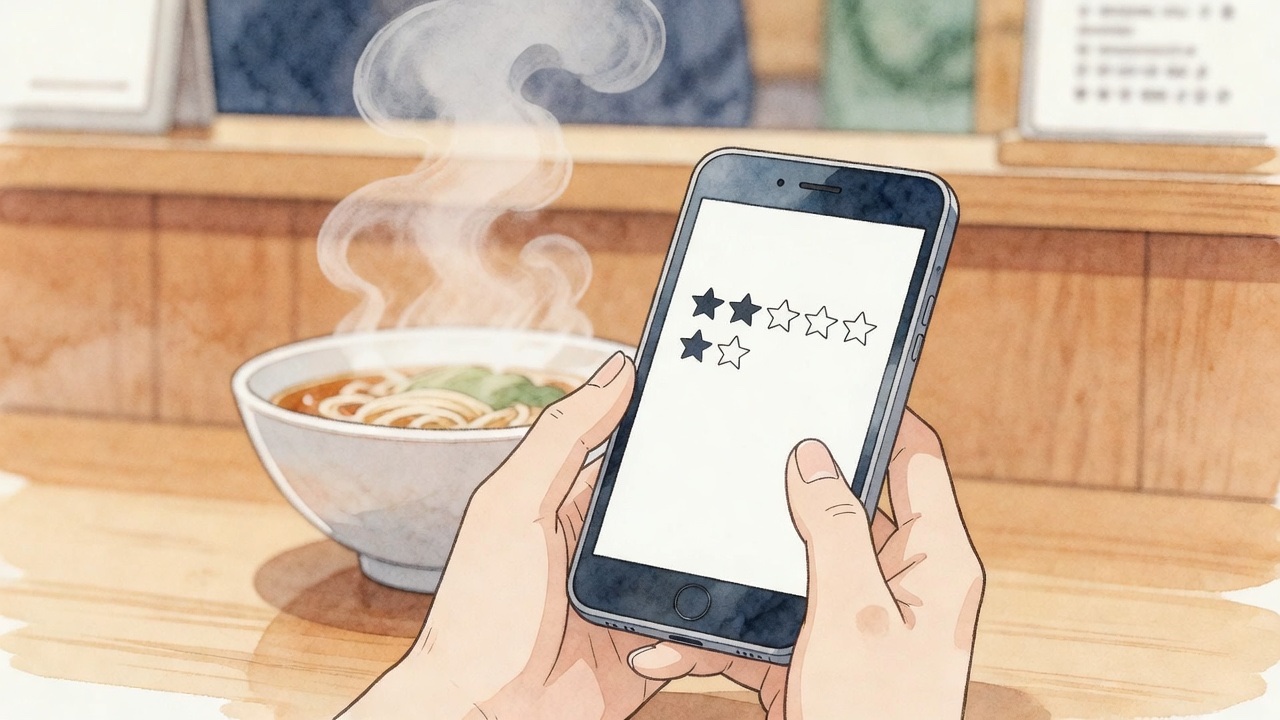
That modest score might hide a wonderful dinner. Tabelog ratings often run lower than visitors expect from other review sites, so a restaurant around 3.5 can be highly regarded.
Scores above four are especially uncommon.
Compare recent reviews, food photos, prices, and opening hours rather than chasing numbers alone. Google Maps can help with directions and additional feedback.
Read comments about the actual dishes you want, and confirm details through the restaurant’s own website before traveling.
4. Turn Convenience Stores Into Tasting Stops
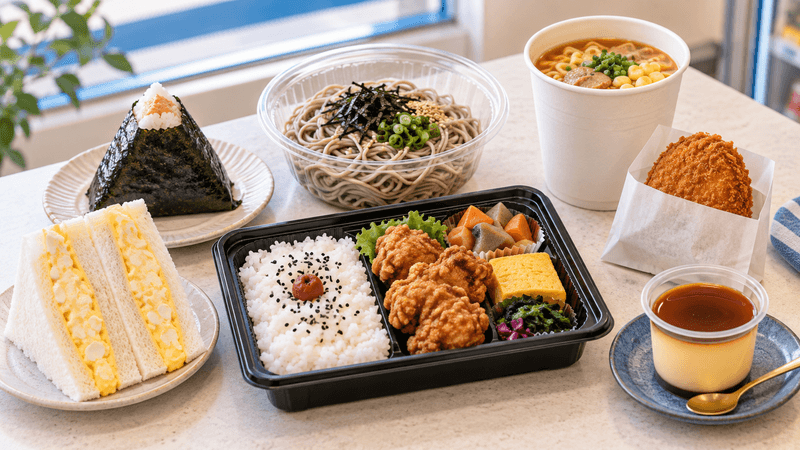
Breakfast does not need a reservation or a big budget. Japanese convenience stores sell handy options such as onigiri, egg sandwiches, yogurt, and seasonal snacks.
They are especially useful before early trains or after late arrivals.
Check labels for ingredients and storage instructions, particularly if you have allergies. Buy small portions to discover favorites without wasting food.
Use designated seating where available, or find somewhere appropriate to stop rather than eating inside a crowded moving train.
5. Look Above and Below Street Level
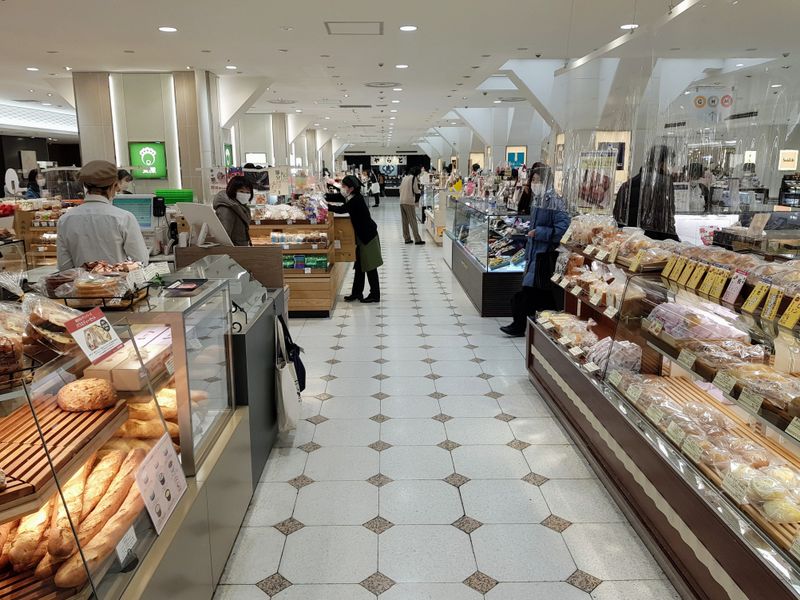
Your next great meal might be hiding near an elevator. In Japanese cities, restaurants often occupy upper floors, while department store basements hold food halls called depachika.
Street level browsing reveals only part of the picture.
Read building directories and explore counters selling bento, sweets, and prepared dishes. Ask where eating is allowed, since many purchases are intended for takeaway.
Restaurant floors upstairs may offer seating, making them useful when your group wants several different dining choices.
6. Judge Value, Not the Language on the Sign
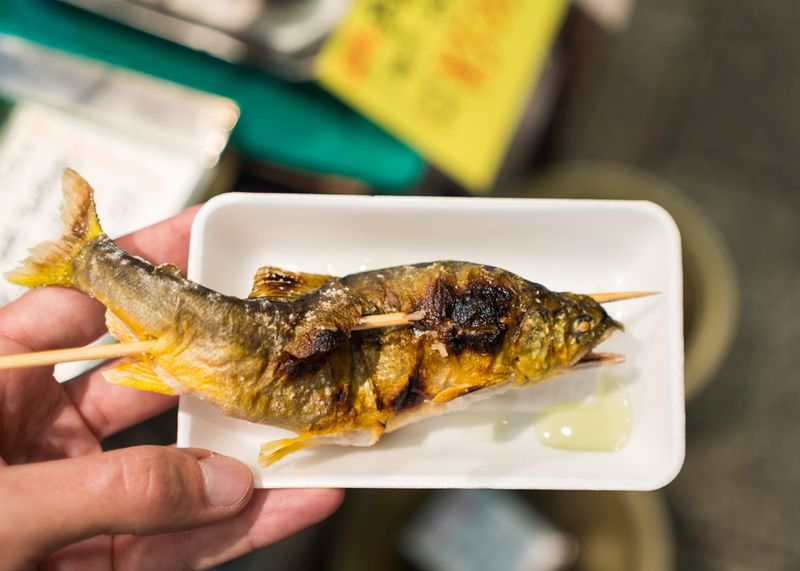
English menus are helpful tools, not warning labels. Tourist areas contain excellent restaurants, but convenience can come with higher prices.
Judge a place by clear pricing, recent food reviews, and what actually arrives on diners’ plates.
Walk a few blocks beyond the busiest sights and compare similar meals. Be cautious when staff pressure you to enter or charges remain unclear.
At famous markets, check portion sizes and prices before ordering, especially for seafood sold by weight.
7. Order the Dish That Belongs There
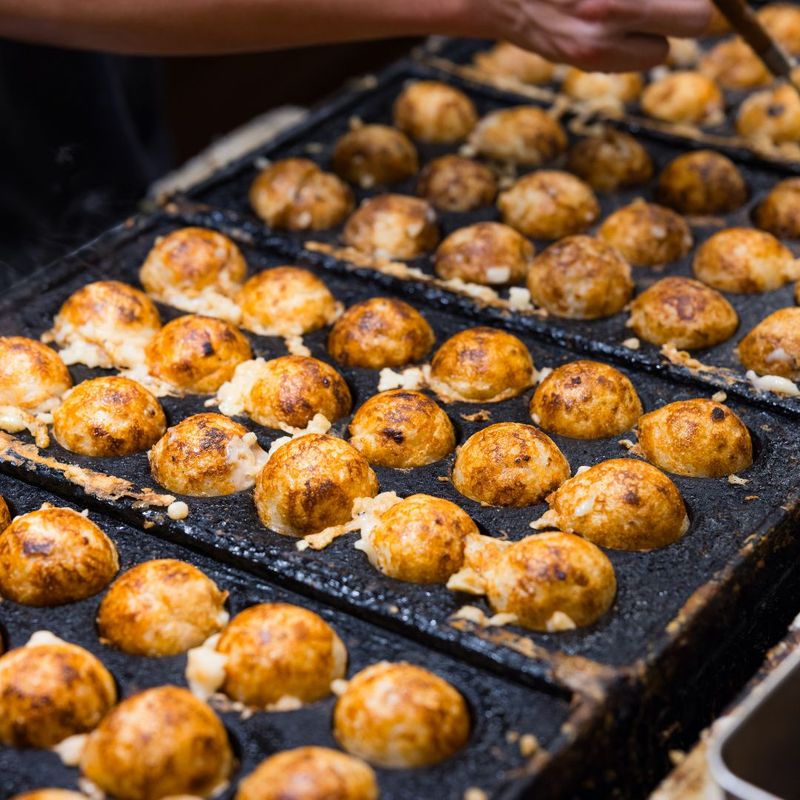
Every region has something delicious to brag about. Osaka is famous for takoyaki and okonomiyaki, while Fukuoka draws ramen lovers with rich pork broth.
Local specialties give your meals a stronger connection to each stop.
Before arriving, choose one regional dish and search for restaurants known for making it. Ask hotel staff for specific suggestions within your budget.
Seasonal foods deserve attention too, though availability changes with weather, harvests, and the restaurant’s daily supply of ingredients.
8. Use Food Displays to Order With Confidence
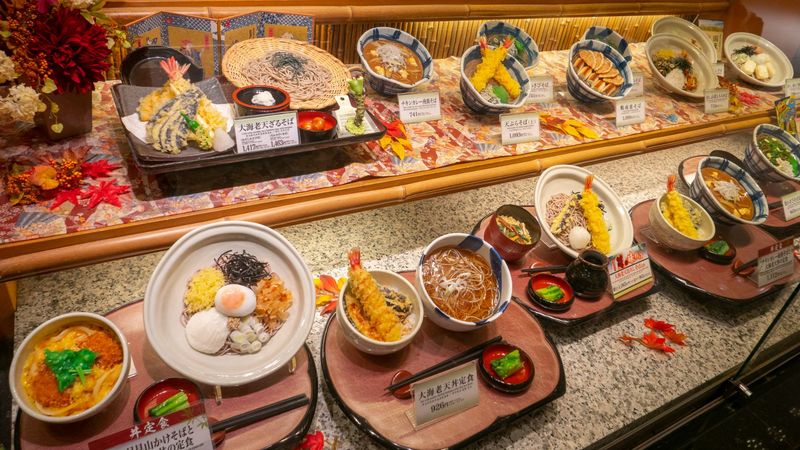
A window full of model meals can rescue a hungry traveler. These realistic displays, called sampuru, show dishes and often their prices.
They help you compare portions and spot foods that sound unfamiliar on a menu.
Take a photo to show staff when ordering, if photography is allowed. Never assume a model reveals every ingredient, though.
Ask about allergens, meat stocks, and sauces separately, using a translated dietary card when clear communication really matters for safety.
9. Secure Special Meals and Carry Backup Cash
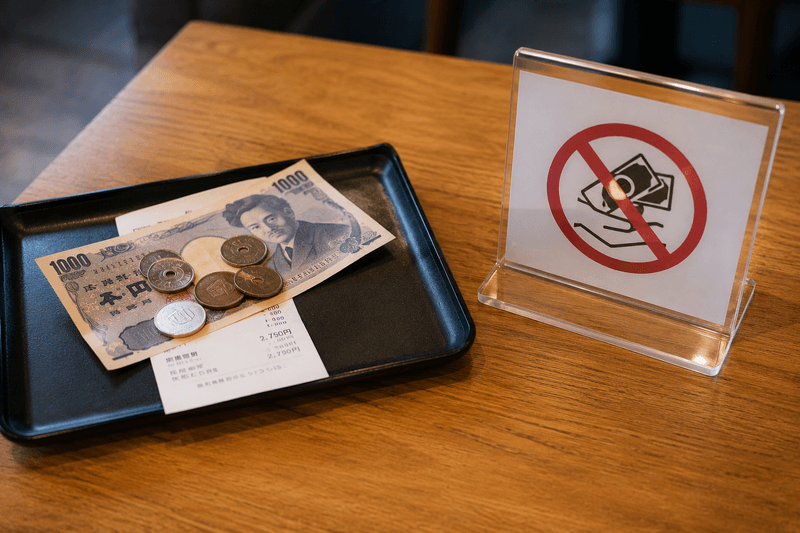
Nothing spoils dinner plans like reaching a full restaurant hungry. Book ahead for popular sushi counters, kaiseki meals, and other places with limited seating.
Check cancellation rules, arrival times, and any deposit before confirming your reservation.
Keep some yen available because smaller restaurants may accept only cash. Follow the ordering system, including ticket machines when provided, and avoid passing food between chopsticks.
Tipping is generally unnecessary; a polite thank you is a better way to show appreciation.
10. Borrow a Local Guide’s Food Knowledge
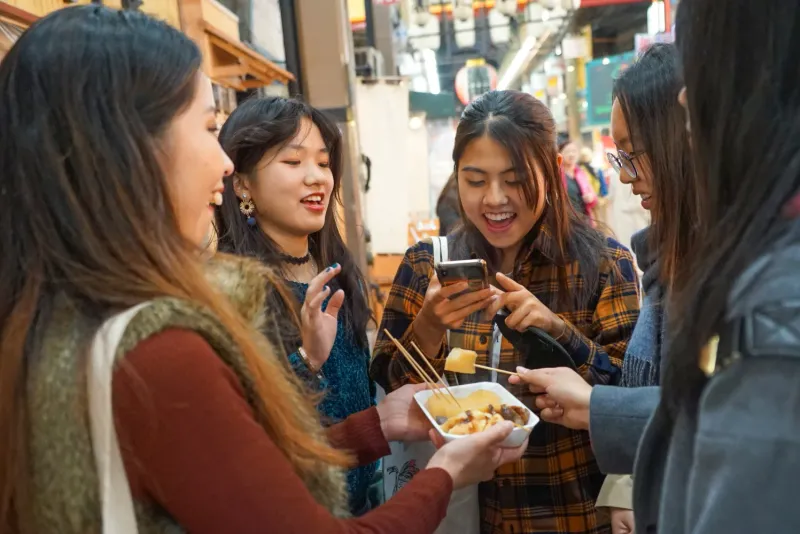
Sometimes the best shortcut is a person who knows the neighborhood. A thoughtful food tour can introduce unfamiliar dishes, explain ordering customs, and help you notice places you might otherwise pass without a second glance.
Choose tours with clear food inclusions, manageable group sizes, and recent reviews describing the guide’s knowledge. Confirm dietary needs before paying, since substitutions may be limited.
Ask for restaurant suggestions afterward so the experience improves meals throughout the rest of your trip.