
Standing out can be a strength, especially in a world full of familiar faces. Some stars became instantly recognizable through their natural features, while others created bold styles that nobody could miss.
Their talent did the hard work, but their looks helped make a lasting impression. From striking screen stars to fearless fashion icons, these celebrities show that success does not require fitting one narrow mold.
1. Tilda Swinton: A Face Beyond the Ordinary
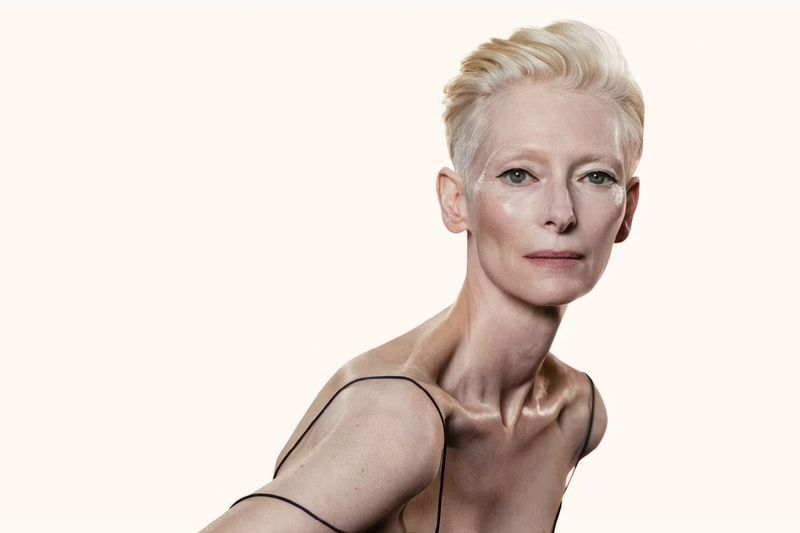
Few actors can seem both otherworldly and completely human within the same scene. With pale hair, angular features, and a striking presence, Tilda Swinton brings that unusual mix to films such as Orlando.
Fashion designers also embrace her willingness to wear shapes and styles that challenge expectations. Her career offers a useful reminder: personal style can support your work without limiting it, especially when curiosity and skill remain at the center of everything you do.
2. Adrien Brody: Features Made for Close-Ups
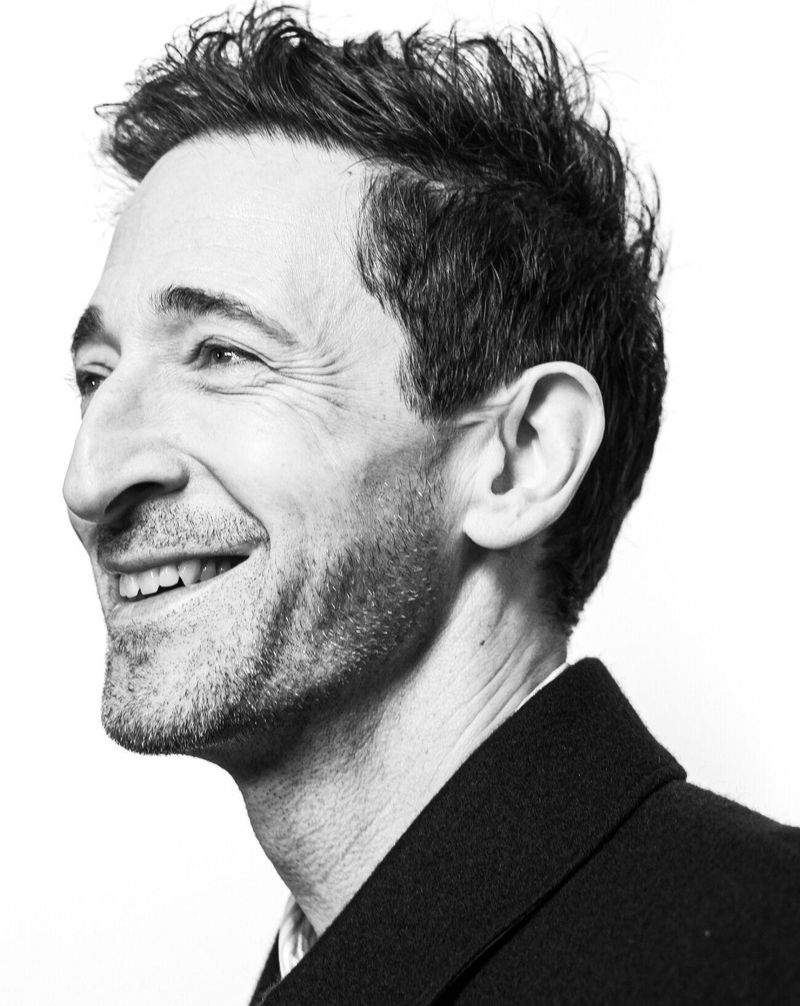
A close-up can tell a story before an actor says anything. Adrien Brody’s prominent nose, long face, and expressive eyes give filmmakers plenty to work with, particularly in emotionally demanding roles.
His performance in The Pianist shows why appearance is only the starting point. Careful movement and deep feeling turn a recognizable face into a memorable character.
Rather than treating unusual features as flaws, his career invites viewers to see their power to communicate emotion.
3. Michael Cera: Awkwardness With a Winning Smile

Sometimes the funniest person in the room looks like he would rather disappear. Michael Cera turned a youthful face, hesitant expressions, and quiet delivery into a memorable comic combination in Arrested Development and Superbad.
His characters often feel familiar because they stumble through moments many people recognize. That connection matters more than a polished image.
For anyone uncomfortable being the loudest voice, his success shows how understatement can become its own powerful kind of presence.
4. Lady Gaga: Turning Fashion Into Performance
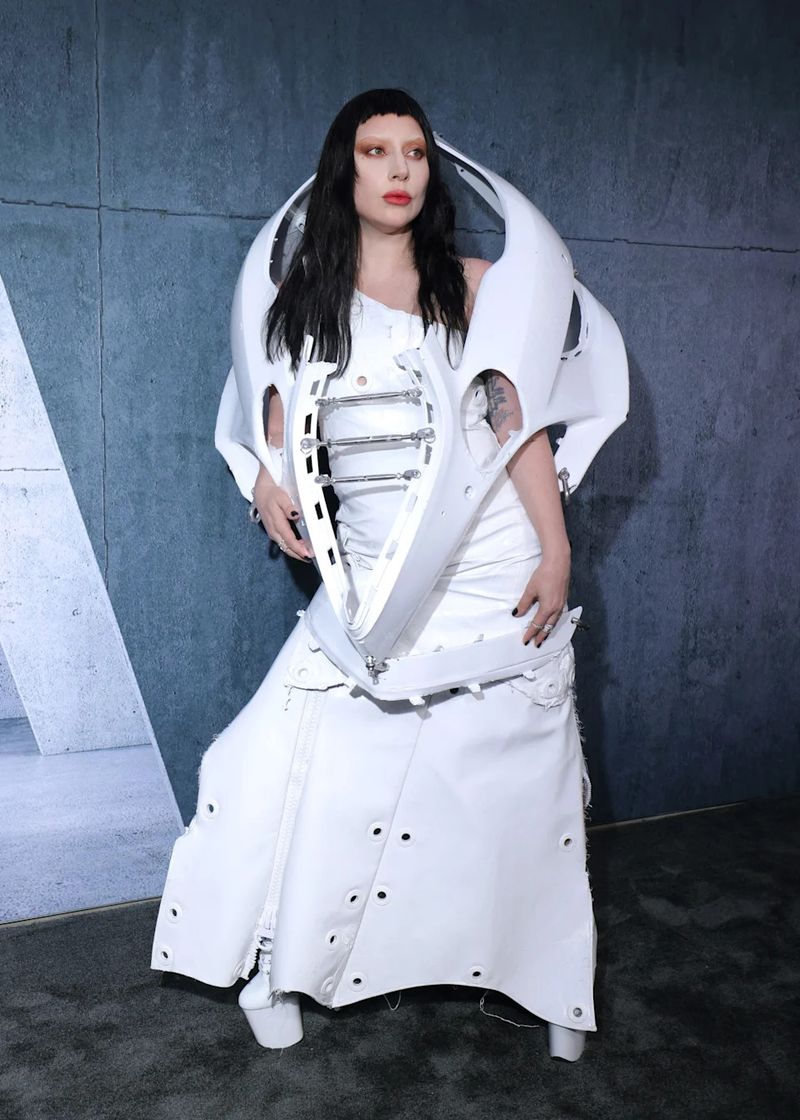
Before a single note begins, an outfit can announce a whole artistic world. Lady Gaga understands that power, using dramatic makeup, towering shoes, and unexpected clothing to make each era feel distinct.
Her famous meat dress became a major pop culture moment, but her visual identity goes far beyond shock. Fashion supports her storytelling and reinvention.
The takeaway is not to dress wildly; it is to choose details that clearly express what you care about.
5. Marilyn Monroe: The Making of a Screen Icon
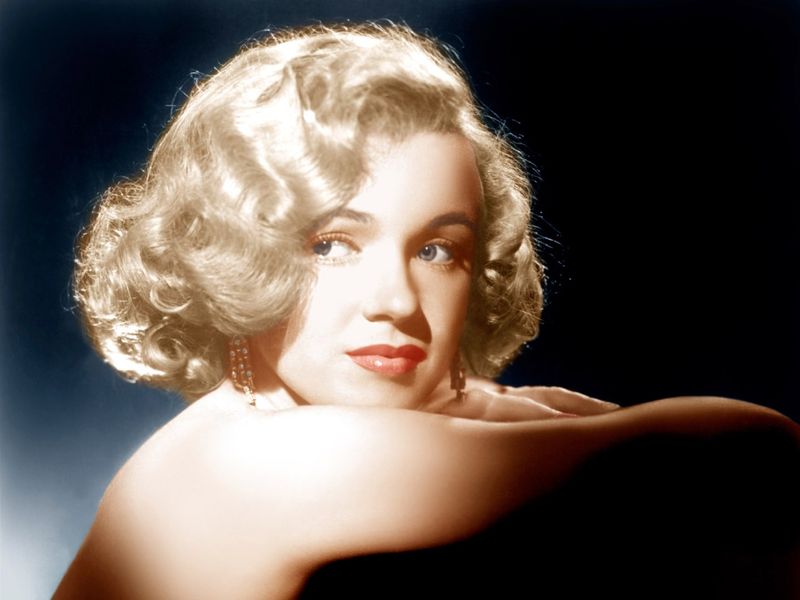
Platinum curls and a bright smile became shorthand for Hollywood glamour. Marilyn Monroe’s carefully shaped public image helped make her one of the most recognizable performers of the twentieth century.
Yet films like Some Like It Hot also reveal sharp comic timing beneath that famous appearance. Remembering both sides gives a fairer picture of her success.
A signature look can attract attention, but personality, preparation, and ability give audiences reasons to keep watching the actual work.
6. Danny DeVito: A Giant Comic Presence
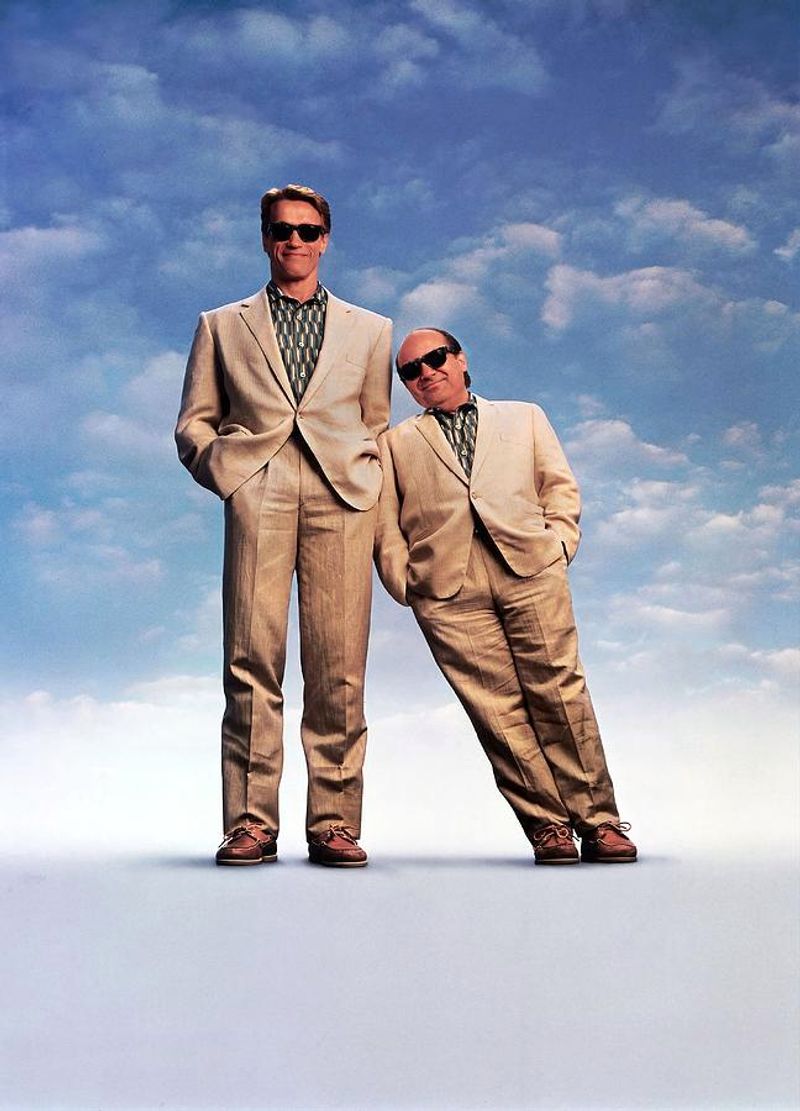
At four feet ten inches, Danny DeVito can command a scene without towering over anyone. His short stature, lively expressions, and rough voice create a screen presence audiences recognize almost immediately.
Twins used his physical contrast with Arnold Schwarzenegger as part of its comedy. Across other roles, directing, and producing, he has shown much broader talents.
His example challenges the idea that authority or star power must come in a particular size or familiar package.
7. Björk: An Imagination You Can See

Music does not have to stop at the speakers. For Björk, costumes, videos, and album artwork help build imaginative worlds around a voice that is already unmistakable.
Her swan dress remains famous, but it represents only one moment in a much larger visual journey. She often blends nature, technology, and unusual shapes into her presentation.
Anyone making creative work can borrow the principle: let different elements support one clear vision instead of chasing whatever looks fashionable.
8. Vincent Schiavelli: Unforgettable in a Supporting Role
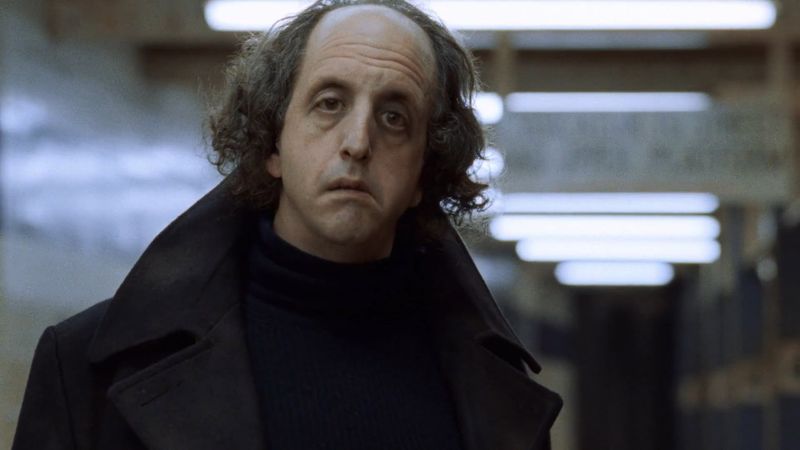
Even a brief appearance could leave viewers remembering Vincent Schiavelli. His tall frame, long face, and heavy eyelids gave him a distinctive presence in films including Ghost and One Flew Over the Cuckoo’s Nest.
He had Marfan syndrome, a condition affecting connective tissue, but his work should never be reduced to a diagnosis. Timing and character choices made his appearances count.
His career highlights how supporting performers can shape a movie without needing the biggest role.
9. Steve Buscemi: Character Written Across His Face
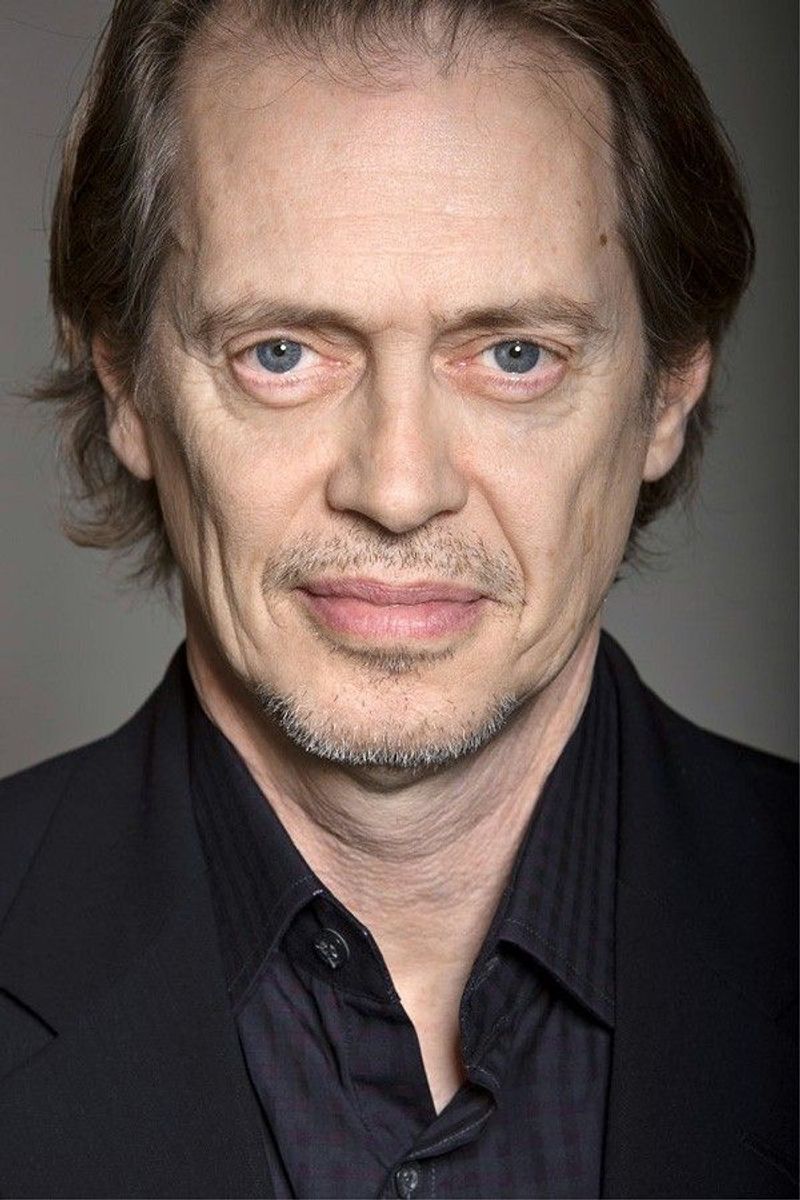
Forget the smooth movie star template. Steve Buscemi’s distinctive eyes, uneven smile, and wiry appearance have helped make his characters instantly recognizable, whether they are nervous criminals or surprising comic scene stealers.
Fargo and Boardwalk Empire reveal very different sides of his ability. He can suggest worry, danger, or sadness with tiny changes in expression.
That range offers a valuable lesson: being recognizable does not mean repeating yourself when your skills keep opening up fresh possibilities.
10. Rooney Mara: The Strength of a Spare Style
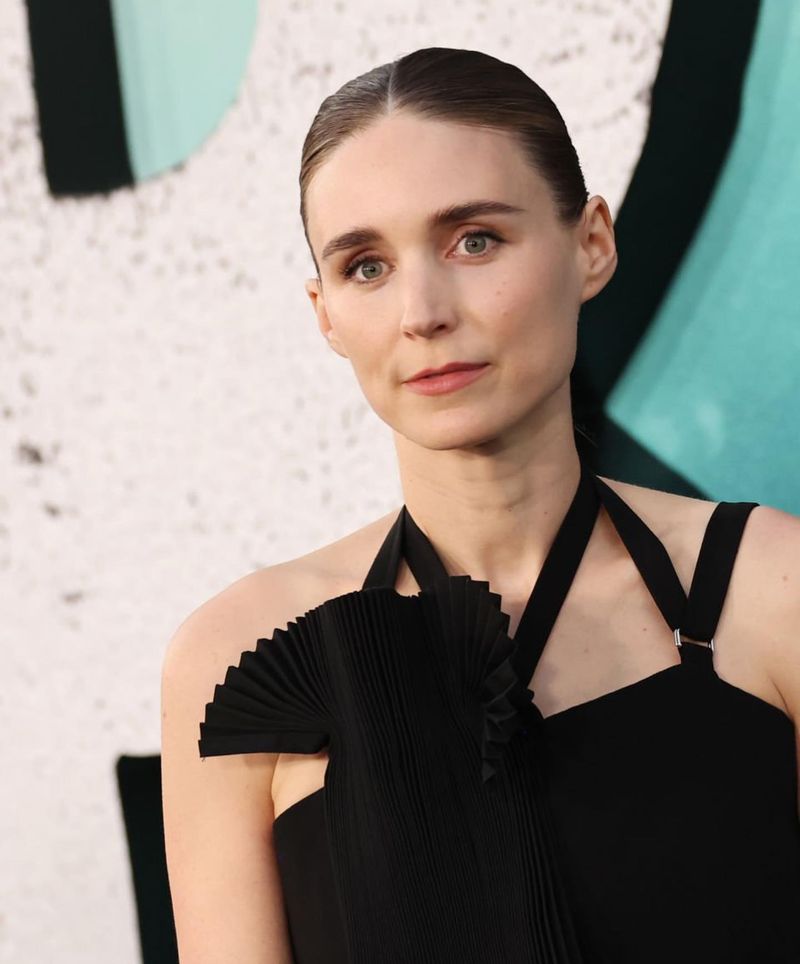
A quiet look can make a strong statement. Rooney Mara often favors dark clothing, clean lines, and restrained styling, creating a public image that feels focused rather than flashy.
Her transformation into Lisbeth Salander in The Girl with the Dragon Tattoo showed how hair, costume, and posture can help build a character. That role’s severe appearance differs from everyday glamour.
Her example makes room for personal style that values intention and simplicity over constant decoration alone.
11. Cara Delevingne: Brows That Became a Signature
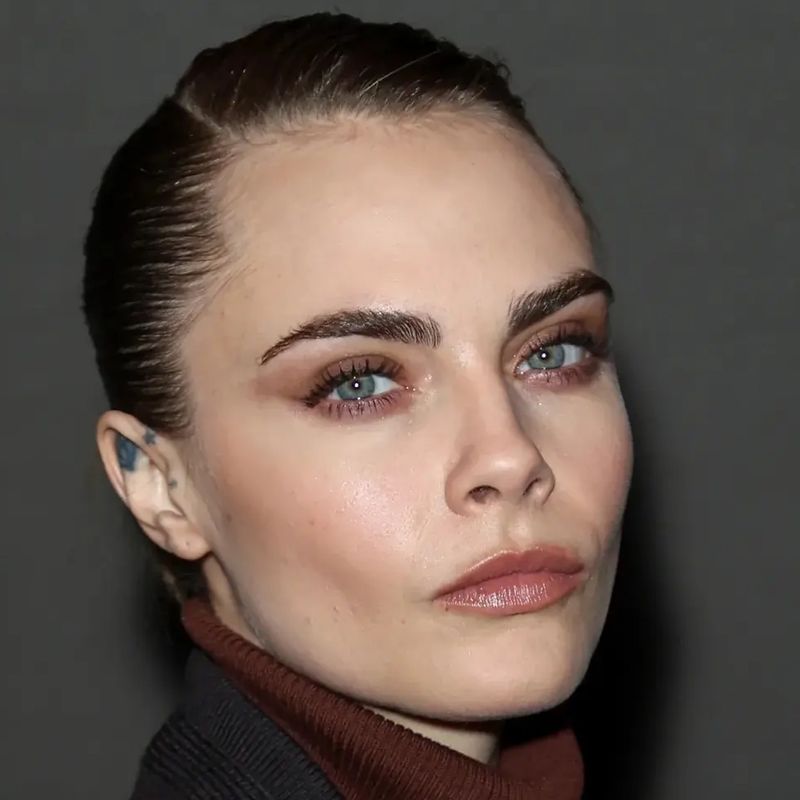
Bold eyebrows became a beauty talking point when Cara Delevingne rose through fashion. Along with her lively expressions and direct gaze, they helped distinguish her from the polished sameness sometimes associated with modeling.
Her visibility helped popularize fuller brows during the 2010s, while acting brought her into another creative field. Trends will change again, of course.
The lasting idea is more useful: a feature you once felt pressured to change might become something people appreciate most.
12. Owen Wilson: An Easygoing Original
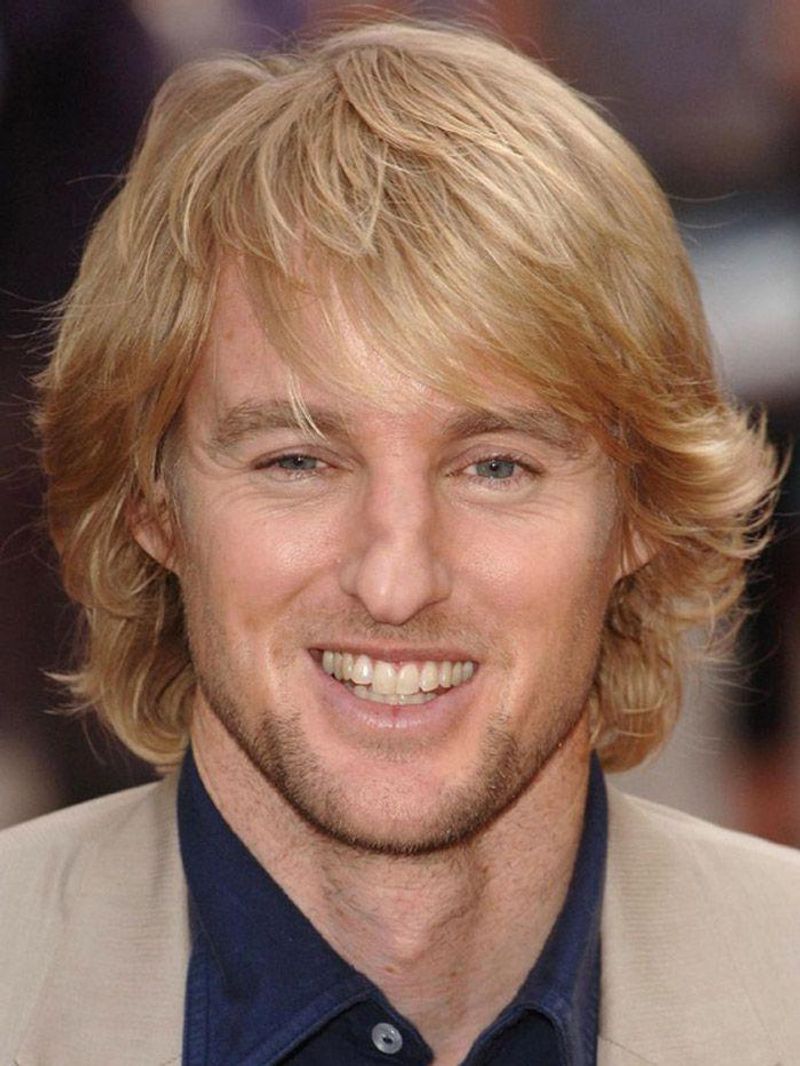
Tousled blonde hair, a distinctive nose, and a relaxed voice make Owen Wilson easy to recognize. Together, those details suit the friendly, slightly offbeat characters he often brings to comedies.
Wedding Crashers and collaborations with filmmaker Wes Anderson show how that familiar presence can fit different comic worlds. His appeal comes from delivery and personality as much as appearance.
Looking approachable, rather than perfectly polished, can help an audience feel connected to someone on the screen.
13. Anya Taylor-Joy: A Gaze That Holds Attention

Some faces seem especially suited to the camera’s stillest moments. Anya Taylor-Joy’s wide-set eyes and striking features create a memorable image, particularly when a scene depends on observation rather than dialogue.
In The Queen’s Gambit, her expressions help carry the tension around a chessboard. Styling and costume add another layer, but the performance supplies the feeling.
Her work is a reminder to notice how actors use silence, not simply how they look in a photograph alone.
14. Gwendoline Christie: Standing Tall on Her Own Terms
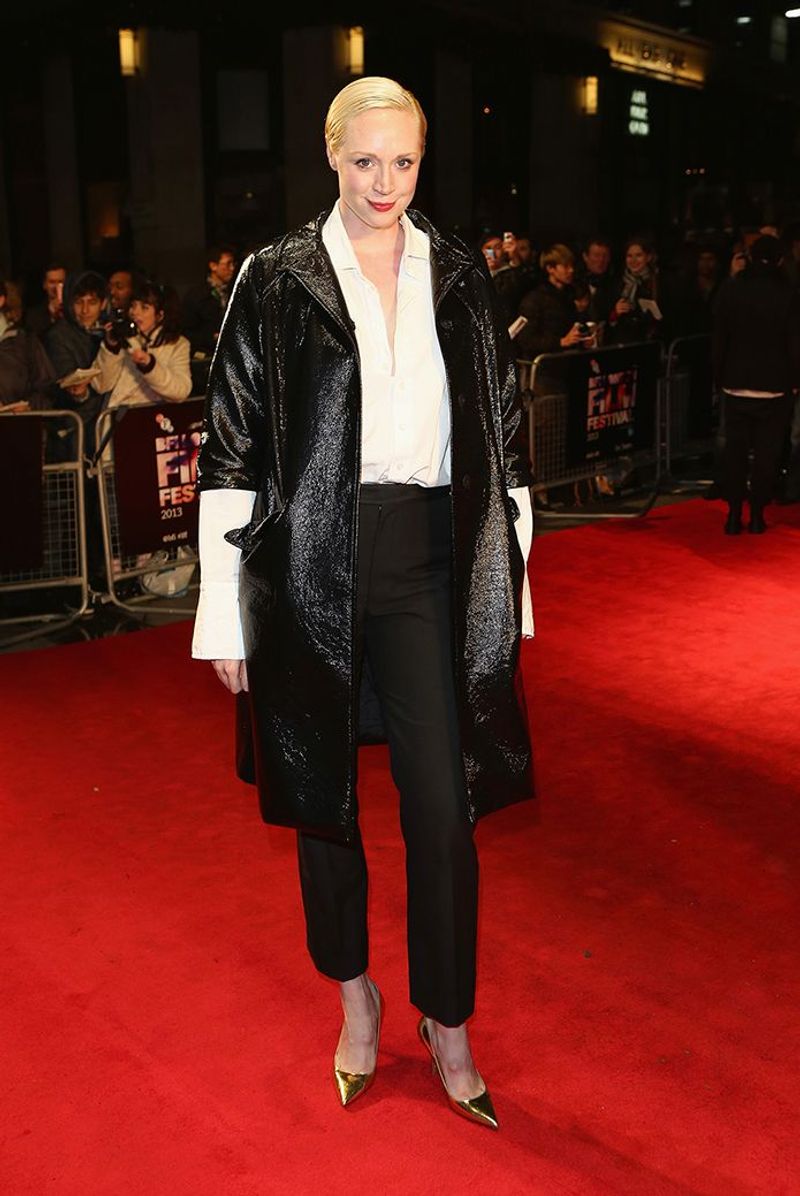
Standing around six feet three inches tall, Gwendoline Christie brings an impressive physical presence to every entrance. As Brienne of Tarth in Game of Thrones, she paired that height with vulnerability, courage, and fierce determination.
Fashion has offered another space for her to explore dramatic shapes and beauty beyond narrow expectations. Her career challenges the assumption that women should appear small or delicate.
Taking up space can be an expression of confidence, not something requiring apology.
15. Billy Porter: Dressing Without Boundaries
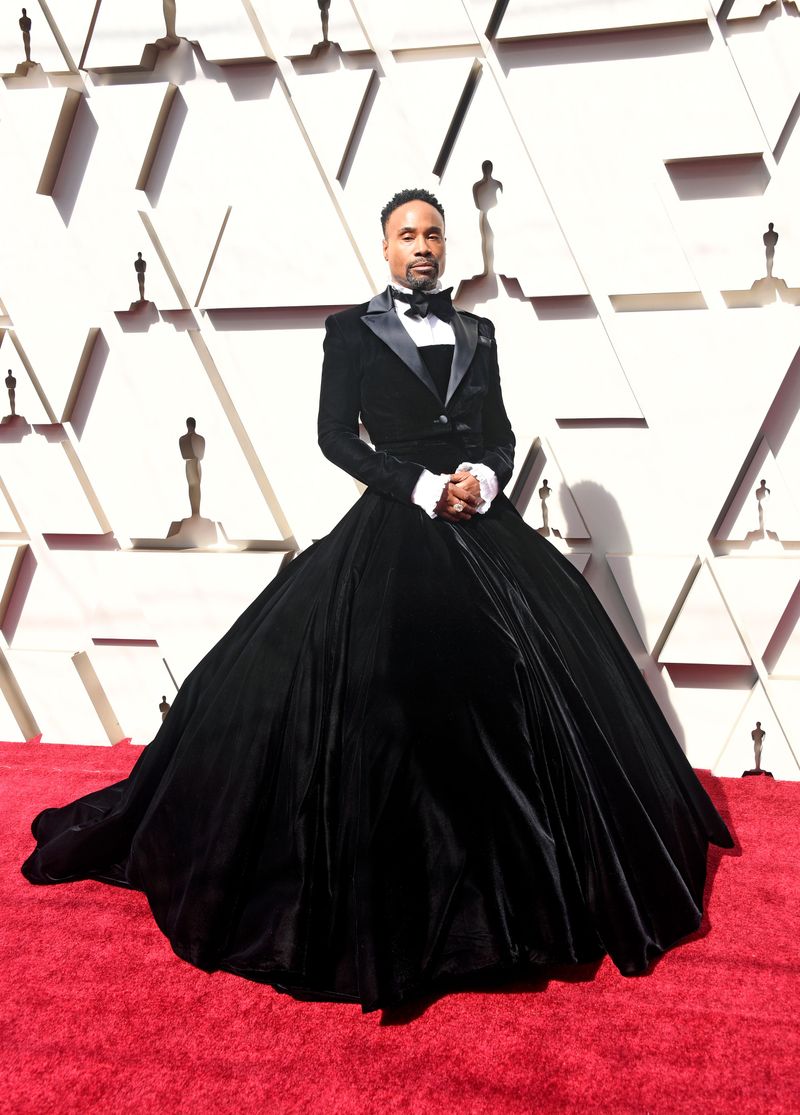
A tuxedo gown can say more than a standard suit ever could. Billy Porter’s memorable red carpet choices challenge rules about who gets to wear certain shapes, fabrics, and styles.
His fashion fame sits alongside major achievements onstage and in television, including Pose. Clothing becomes another form of performance, not a substitute for talent.
For readers exploring their own wardrobes, his example encourages starting with self-expression rather than asking whether every choice fits someone else’s expectations.
16. Whoopi Goldberg: Familiar, Expressive, and Entirely Herself
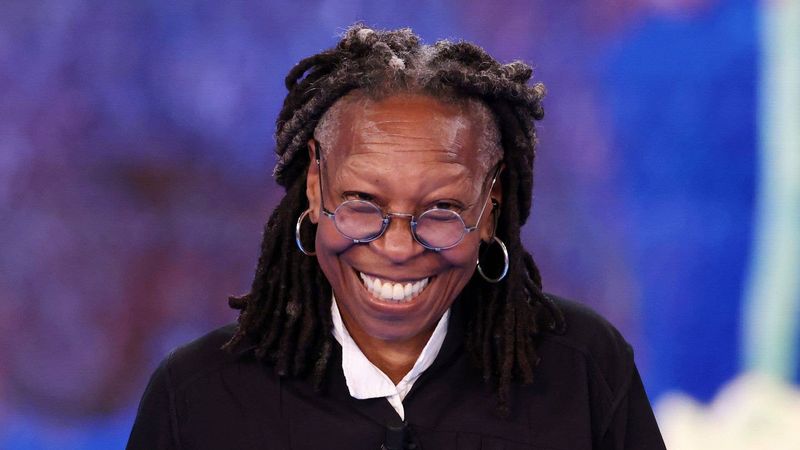
Recognition can come from consistency rather than constant reinvention. Whoopi Goldberg’s signature locs, expressive face, and relaxed approach to clothing have helped maintain a familiar public presence across decades.
From The Color Purple to Sister Act and television hosting, her work covers very different moods and formats. That range keeps her appearance from defining the limits of her career.
There is something reassuring here: you can keep a recognizable personal identity while growing into many different roles.
17. David Bowie: Reinvention as an Art Form
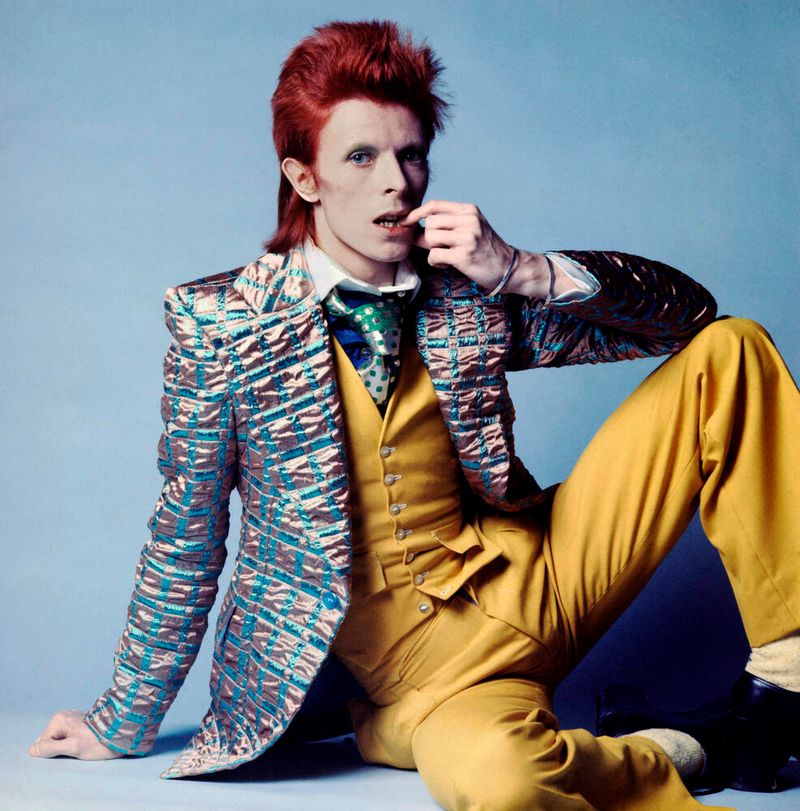
Why settle for one image when a new musical world needs another? David Bowie used changing hairstyles, makeup, and clothing to give characters such as Ziggy Stardust a vivid life beyond the songs.
His visual transformations helped audiences recognize shifts in his artistic direction. They also made experimentation part of his public identity.
Rather than suggesting everyone needs a dramatic makeover, his legacy offers permission to change when an old version of yourself no longer fits.
18. Grace Jones: A Silhouette Nobody Could Miss
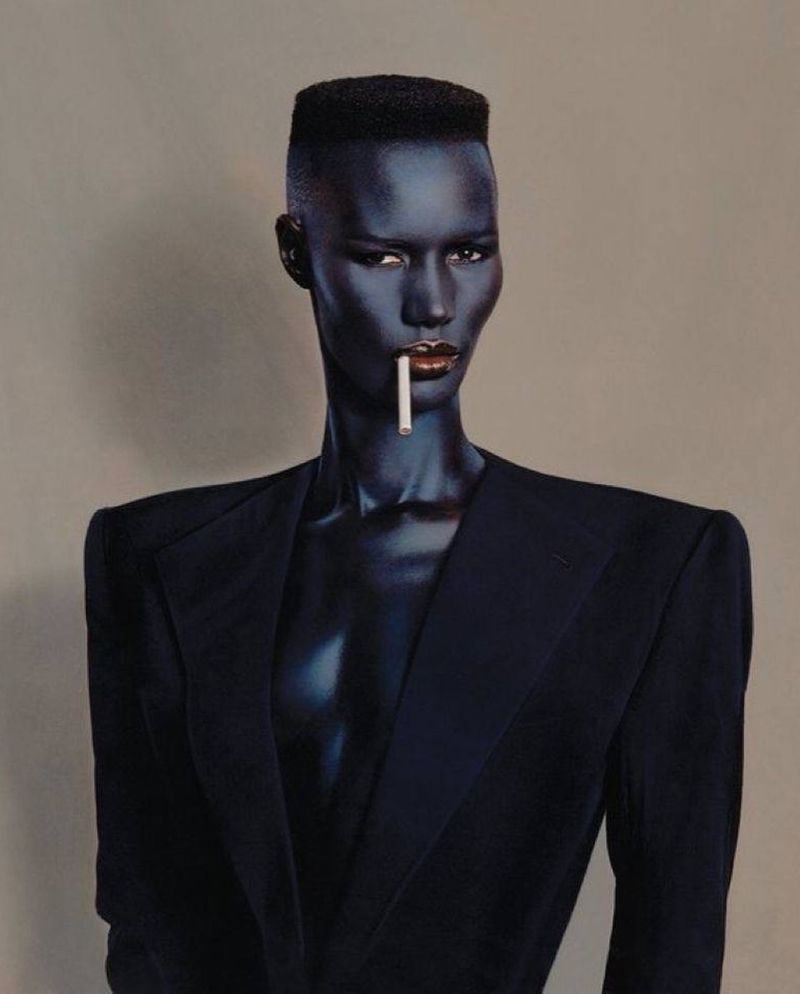
Sharp angles, sculpted hair, and commanding poses made Grace Jones impossible to overlook. Her androgynous image connected modeling, music, and acting in a way that felt bold and carefully designed.
Album covers and performances used her silhouette almost like a visual signature. Yet attitude mattered just as much as clothes: she projected control rather than asking for approval.
Her influence suggests that a memorable style often comes from making clear choices and wearing them with conviction.
19. Benedict Cumberbatch: A Distinctive Face for Complex Minds
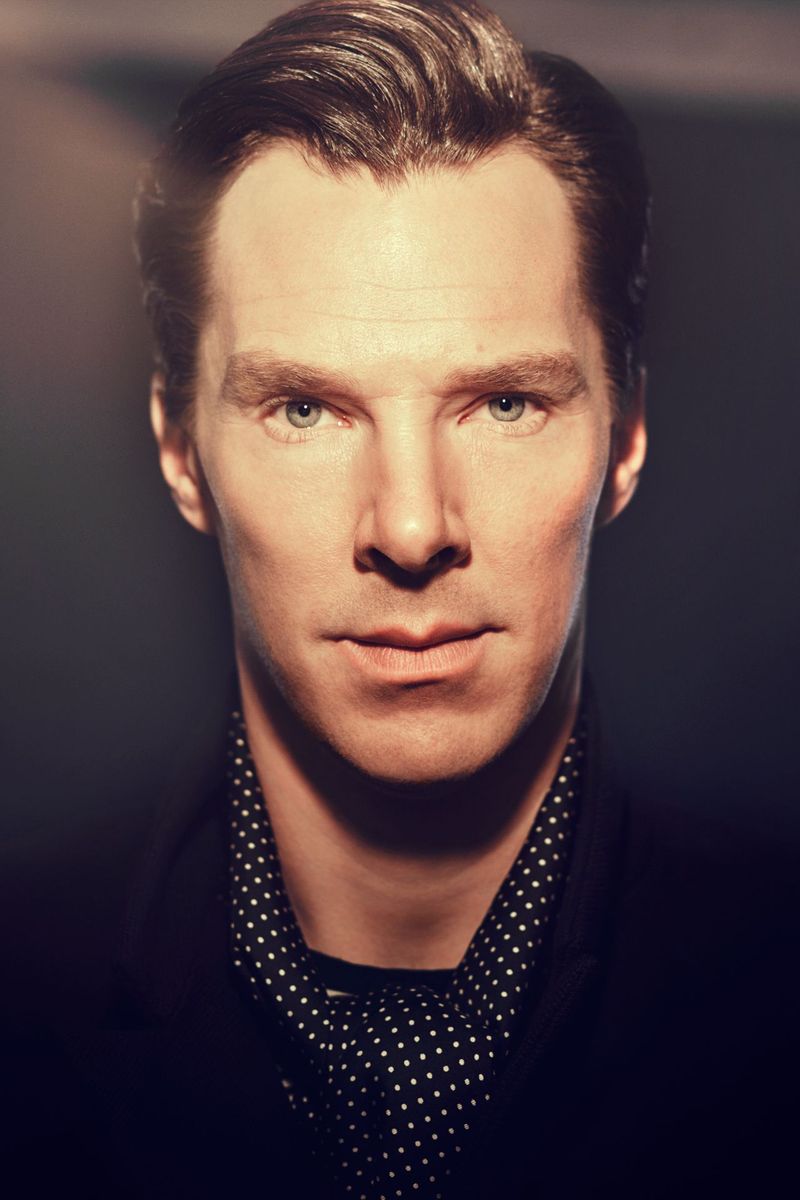
Intelligence on screen is not something a face can prove, but expression can help suggest it. Benedict Cumberbatch uses his sharp features, focused gaze, and controlled movements to build characters who seem constantly deep in thought.
Sherlock made that combination especially familiar to television audiences. His voice and acting choices complete the effect, showing how appearance works alongside craft.
The broader lesson is simple: distinctive features become most compelling when someone knows how to use them.