
Food and faith have been connected for thousands of years. Many dishes we enjoy today were first made to honor gods, mark holy days, or celebrate important religious events.
From sweet breads to spiced cookies, these foods carry centuries of tradition and meaning. Get ready to discover the fascinating stories behind 23 beloved foods that started as offerings or festival treats.
1. Hot Cross Buns
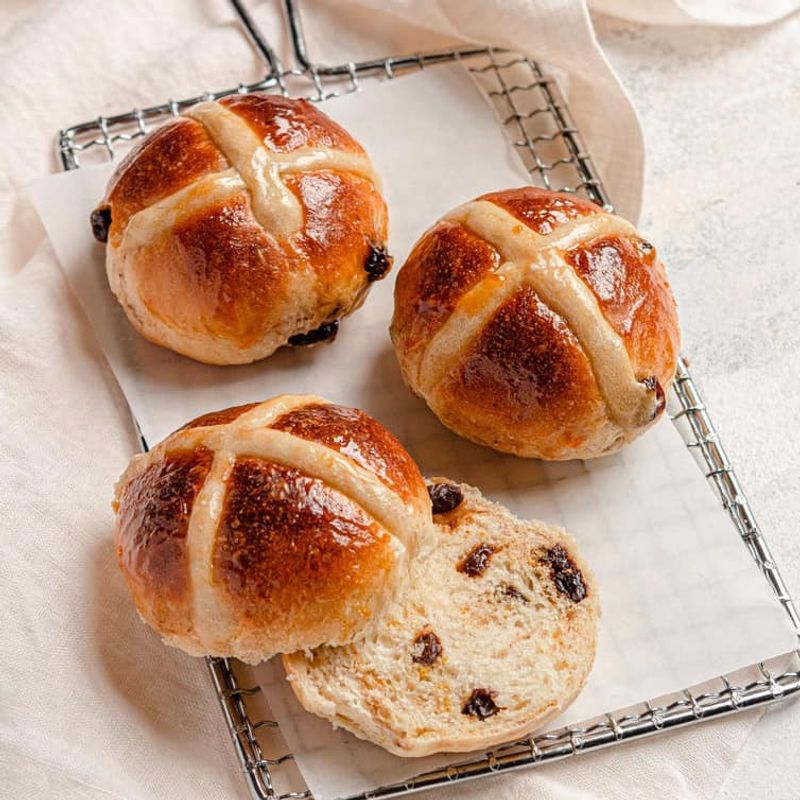
Every Good Friday in England, bakeries fill with the sweet smell of spiced buns marked with a white cross. Hot cross buns have been tied to Christian Easter traditions since at least the 12th century, when a monk is said to have first marked them with a cross.
The spices inside, like cinnamon and nutmeg, were originally meant to represent the spices used to prepare Jesus for burial. Today they are enjoyed year-round, but their Easter roots run deep.
2. Panettone
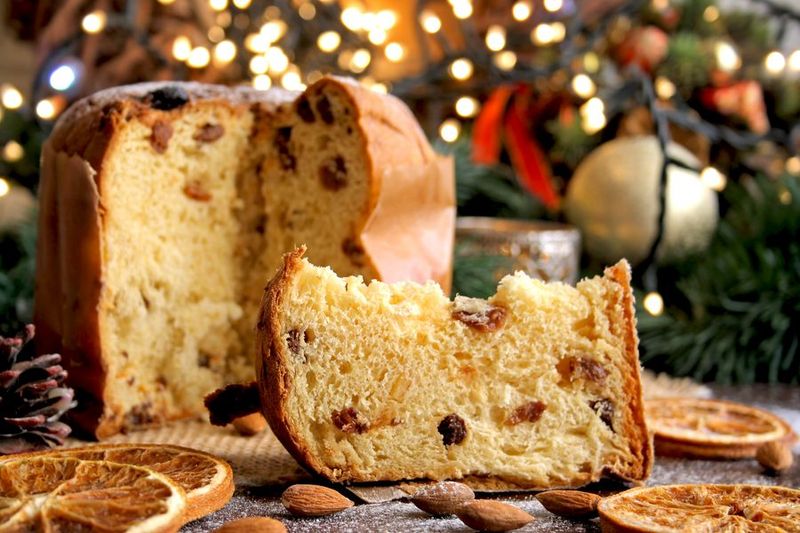
Walk into any Italian home during Christmas, and you will likely spot a towering, golden panettone on the counter. This sweet, airy bread studded with dried fruit has roots in Milan and is closely linked to the Christian Christmas celebration.
Legend says a young nobleman invented it in the 15th century to impress a baker’s daughter, but the bread quickly became a church-blessed holiday staple. Its round shape is even said to symbolize the dome of a church.
3. Mooncakes
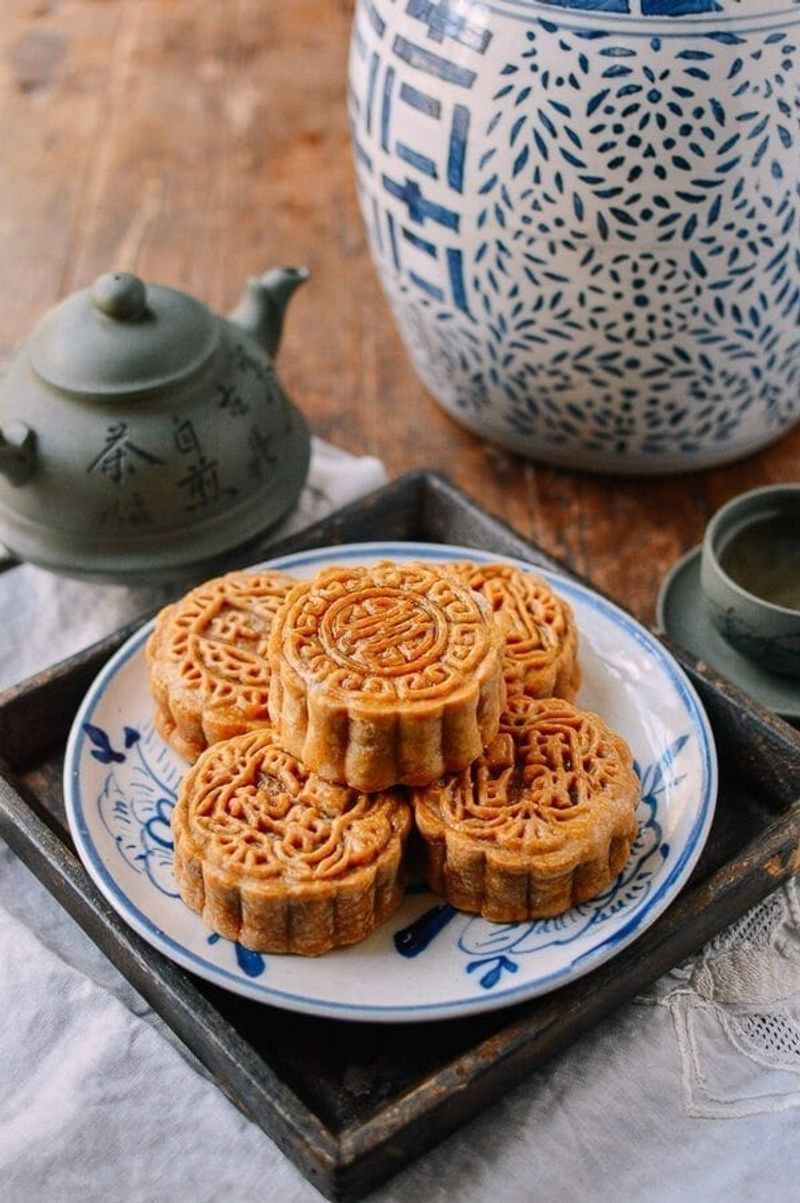
Mooncakes are the stars of the Chinese Mid-Autumn Festival, a celebration that honors the harvest moon and the moon goddess Chang’e. These dense, rich pastries are filled with lotus seed paste or salted egg yolks and are exchanged between families as gifts of goodwill.
Making mooncakes is a labor of love, often taking days. The round shape represents unity and completeness, making every bite feel like a celebration of family and gratitude.
4. Simnel Cake
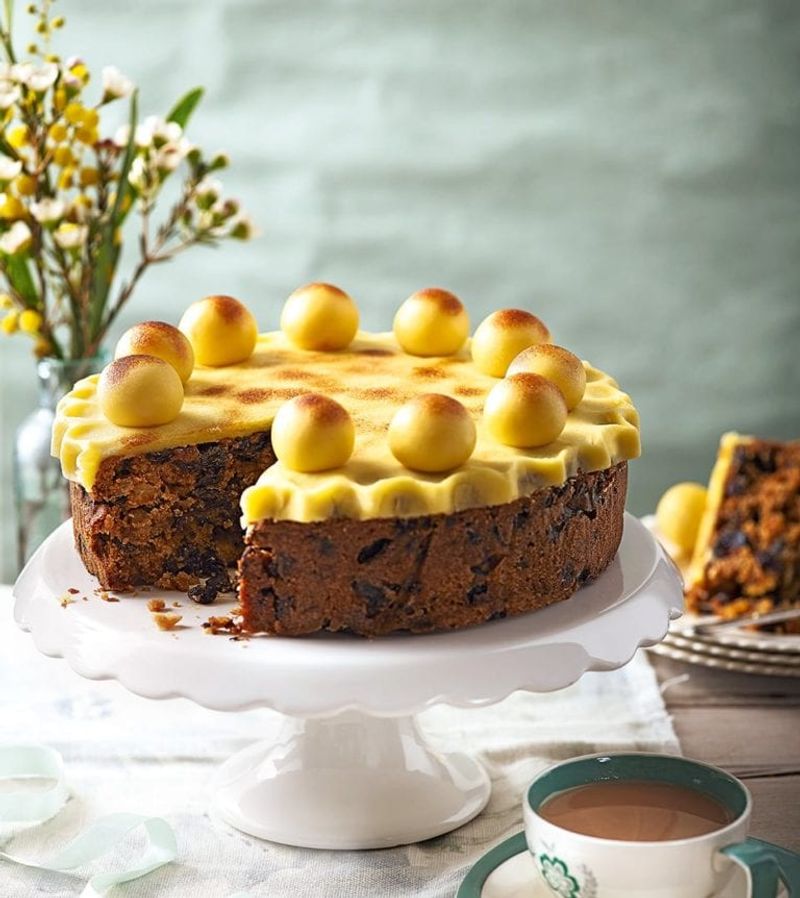
Simnel cake is one of Britain’s oldest Easter treats, with a history stretching back to medieval times. It is a light fruitcake topped with marzipan and decorated with 11 balls of marzipan, each one representing an apostle of Jesus (minus Judas).
Originally eaten on Mothering Sunday, a mid-Lent holiday when people visited their home churches, this cake blends Christian symbolism with springtime celebration. The almond sweetness of the marzipan makes it surprisingly delicious for such an ancient recipe.
5. Sufganiyot (Jelly Doughnuts)
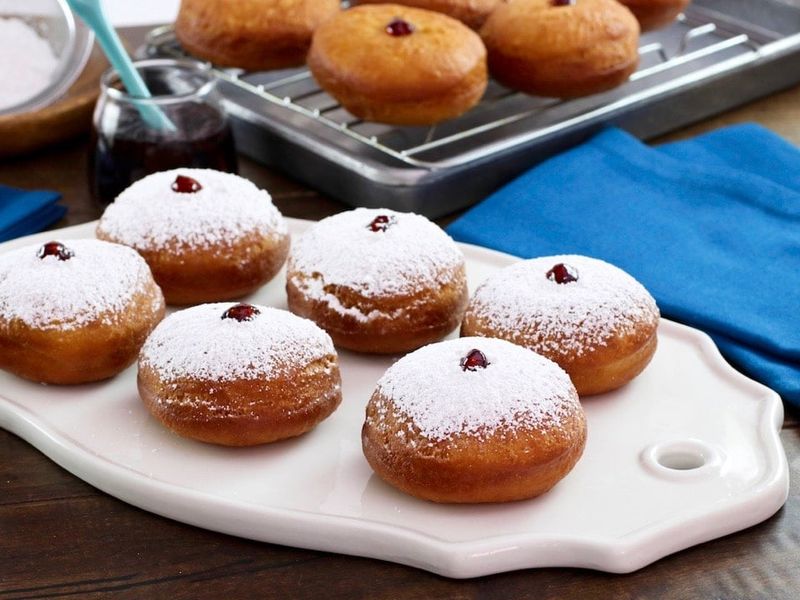
Sufganiyot are fluffy, jam-filled doughnuts eaten during Hanukkah, the Jewish Festival of Lights. They are deep-fried in oil, which is the key connection to the holiday.
Hanukkah commemorates a miracle where a small amount of oil burned for eight days in the ancient Temple in Jerusalem.
Eating fried foods like sufganiyot is a delicious way to remember that miracle. In Israel, bakeries sell millions of these doughnuts each year during the Hanukkah season, with flavors ranging from strawberry to chocolate.
6. Tamales
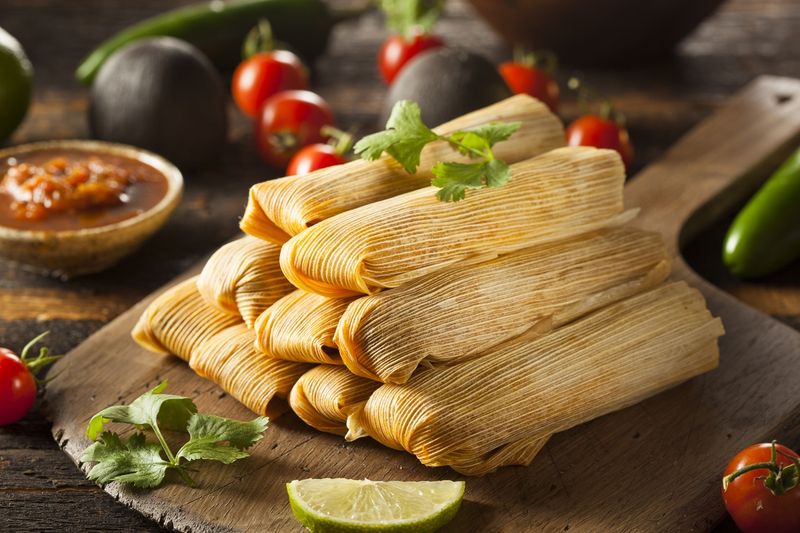
Long before Spanish missionaries arrived in the Americas, tamales were already sacred foods used in Aztec and Mayan religious ceremonies. Wrapped in corn husks and steamed, they were offered to gods during festivals honoring the sun, rain, and harvest.
Today, tamales remain a centerpiece of Christmas and Dia de los Muertos celebrations across Mexico and Latin America. Families often gather for a tamalada, a communal tamale-making session, turning an ancient ritual into a joyful modern tradition.
7. Tsoureki (Greek Easter Bread)
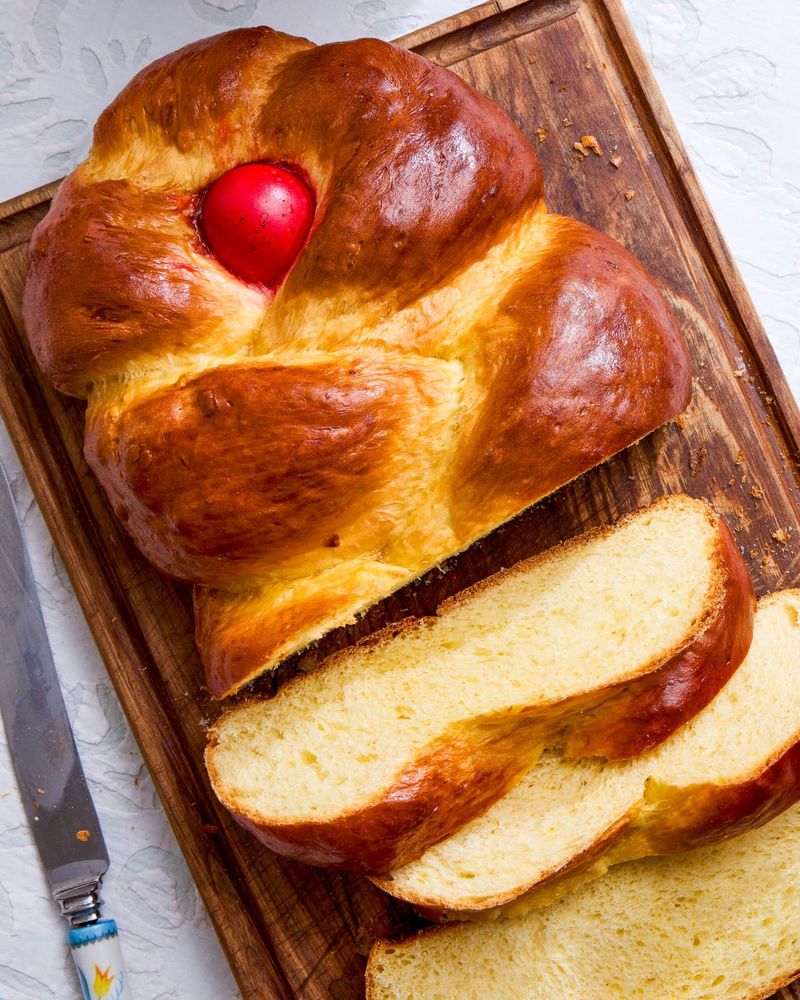
Tsoureki is a beautifully braided Greek sweet bread prepared specifically for Orthodox Easter. Its three braided strands symbolize the Holy Trinity, and a bright red egg is often nestled in the center to represent the blood of Christ and the promise of new life.
The bread is flavored with mahlab, a spice made from cherry pits, giving it a floral, slightly bitter note unlike anything else. Breaking tsoureki together on Easter Sunday is a cherished family ritual across Greece and Cyprus.
8. Lebkuchen (German Gingerbread)
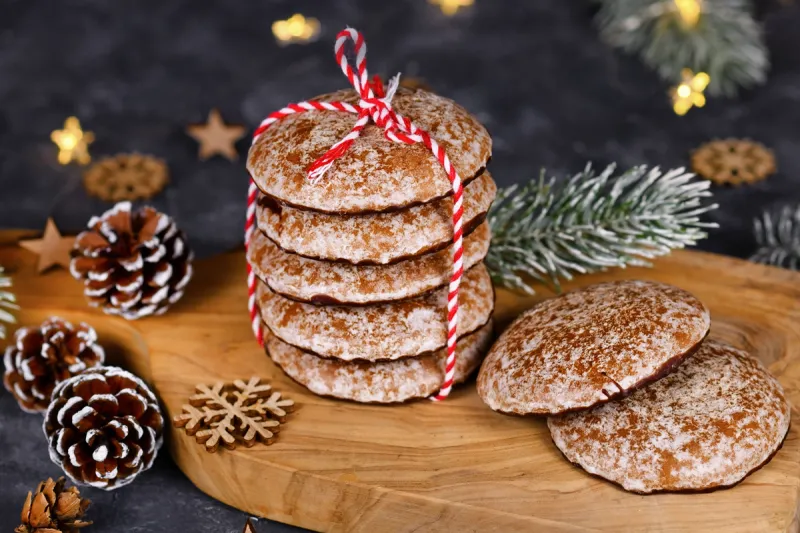
Lebkuchen are spiced German cookies that have been baked in monasteries since the 13th century. Monks in Nuremberg originally made them as offerings during Christian feast days, using honey, nuts, and exotic spices like cardamom and anise that were considered precious gifts.
Over time, Lebkuchen became the heart of German Christmas markets, where they are sold decorated with icing messages and shaped like hearts. Their warm spice blend still carries a sense of the sacred, even when enjoyed as a holiday snack.
9. Modak
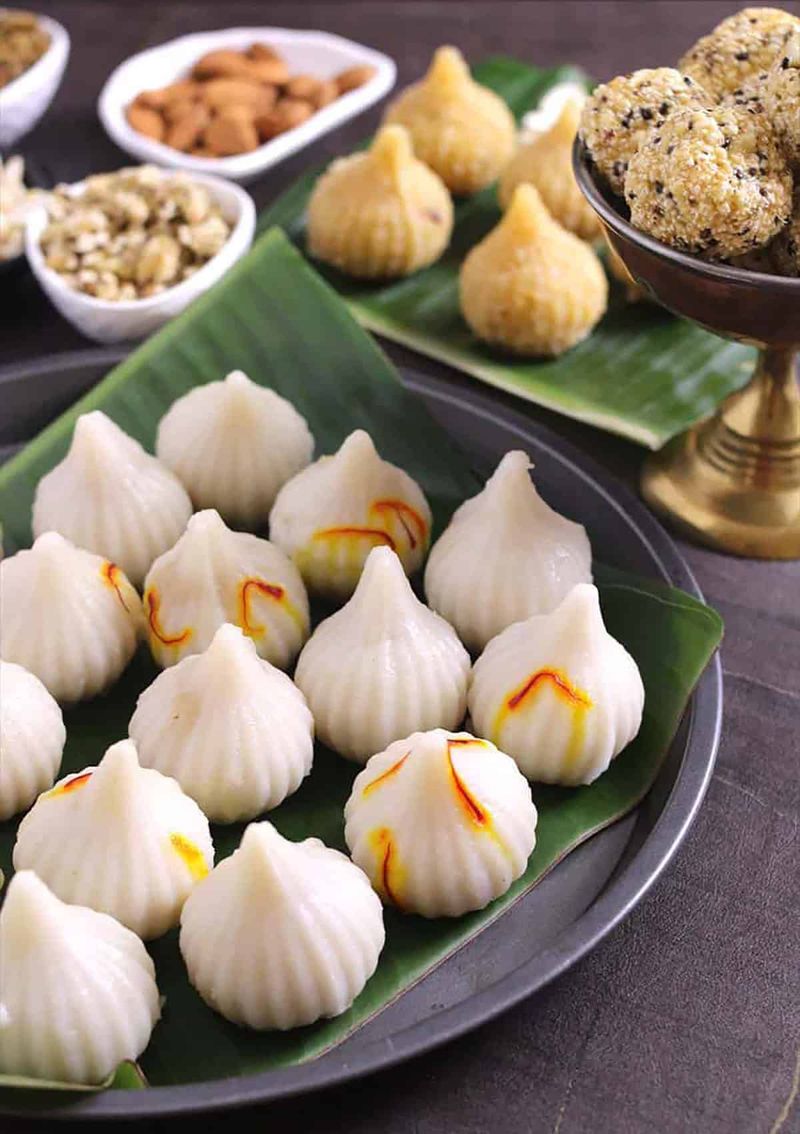
Modak is a sweet dumpling that holds a very special place in Hindu culture. It is the favorite food of Lord Ganesha, the elephant-headed god of wisdom, and is prepared in huge quantities during the Ganesh Chaturthi festival each year.
Made from rice flour and filled with coconut and jaggery, modak is first offered to the deity before being shared among family members. Eating one is considered a blessing.
In Maharashtra, India, 21 modaks are traditionally prepared as a sacred offering.
10. Roscon de Reyes (Three Kings Cake)
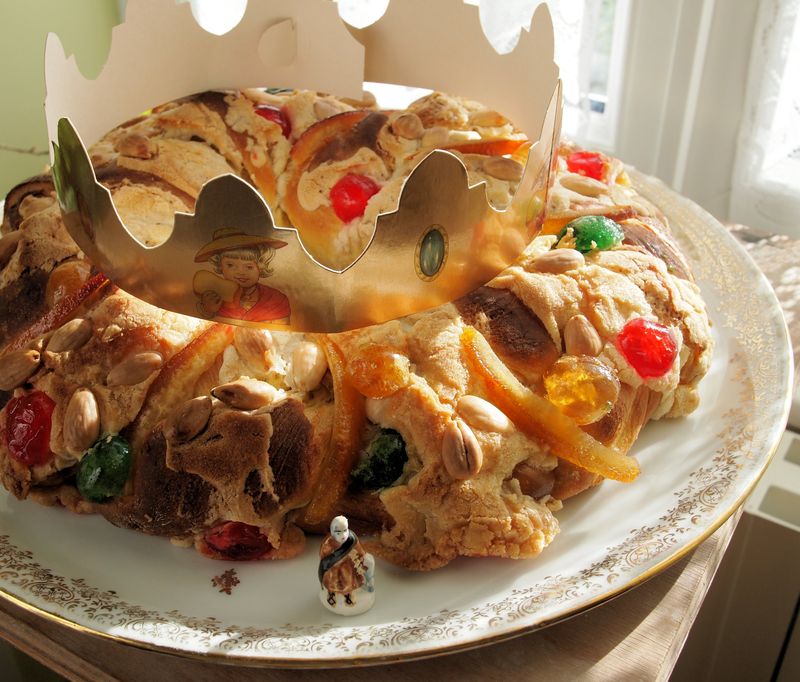
Roscon de Reyes is a ring-shaped cake eaten on January 6th in Spain and Latin America to celebrate Epiphany, the day the Three Wise Men visited baby Jesus. The name literally means “Kings’ Ring,” and the oval shape represents a royal crown.
Hidden inside the cake is a small figurine and a dried bean. Whoever finds the figurine is crowned king for the day, while the person who finds the bean must buy next year’s cake.
It turns a religious feast into a playful game.
11. Halwa
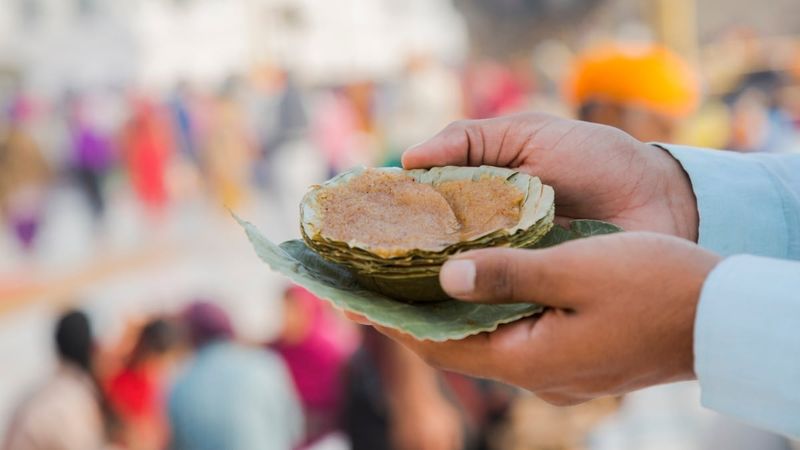
Halwa has been a sacred offering in South Asian and Middle Eastern religious traditions for centuries. In Sikh tradition, kada prasad, a simple halwa made from flour, butter, and sugar, is prepared in the Golden Temple and distributed to all visitors regardless of religion or background.
In Hindu temples, semolina halwa is offered to deities during festivals like Navratri. The act of preparing it is considered a form of devotion.
Few foods carry as much spiritual warmth as a fresh, fragrant bowl of halwa.
12. Colomba di Pasqua (Italian Easter Dove Cake)
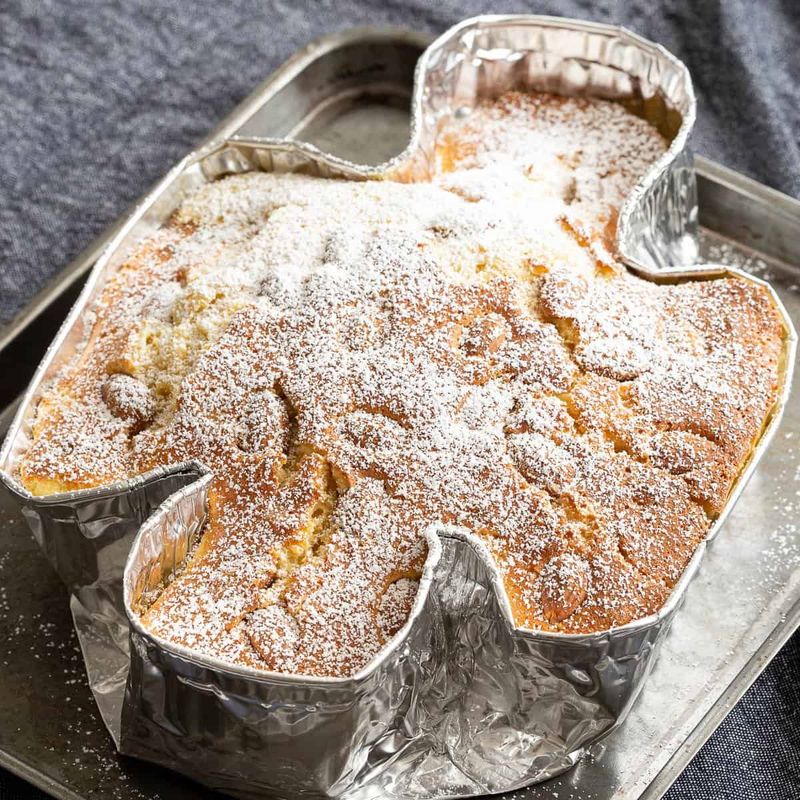
Colomba di Pasqua is an Italian Easter cake baked in the shape of a dove, symbolizing peace and the Holy Spirit. Its fluffy, brioche-like texture is similar to panettone, but it is topped with a crunchy layer of almonds and pearl sugar.
The dove shape connects the cake directly to Christian symbolism, where the dove represents the presence of God. Bakeries across Italy prepare these cakes every spring, and sharing a slice with neighbors is a beloved Easter custom that feels both sacred and sweet.
13. Paczki (Polish Doughnuts)
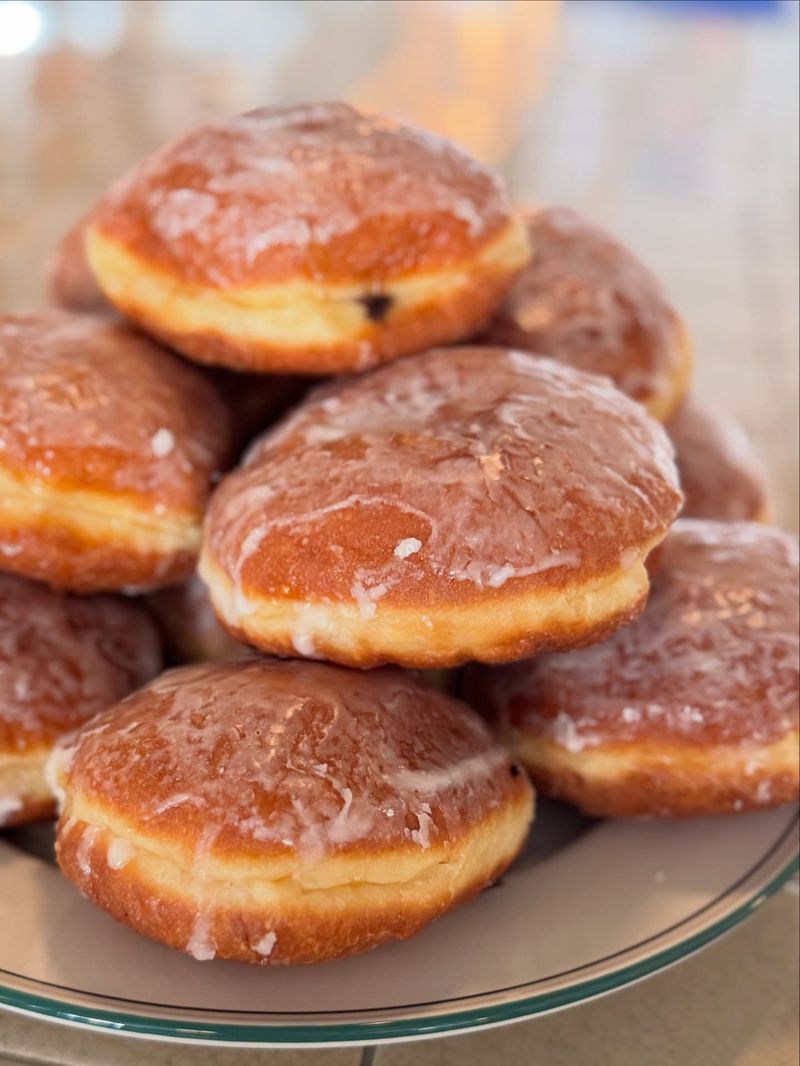
Paczki are rich, indulgent Polish doughnuts traditionally eaten on Fat Thursday, the last Thursday before Lent begins in the Catholic calendar. The idea was simple: use up all the lard, sugar, and eggs in the house before the 40-day fasting period started.
Filled with rose hip jam or cream and dusted with sugar, paczki are gloriously over-the-top. In Polish cities, bakeries sell thousands on Fat Thursday alone.
Eating one is practically a patriotic duty, and skipping it is said to bring bad luck for the year.
14. Stollen
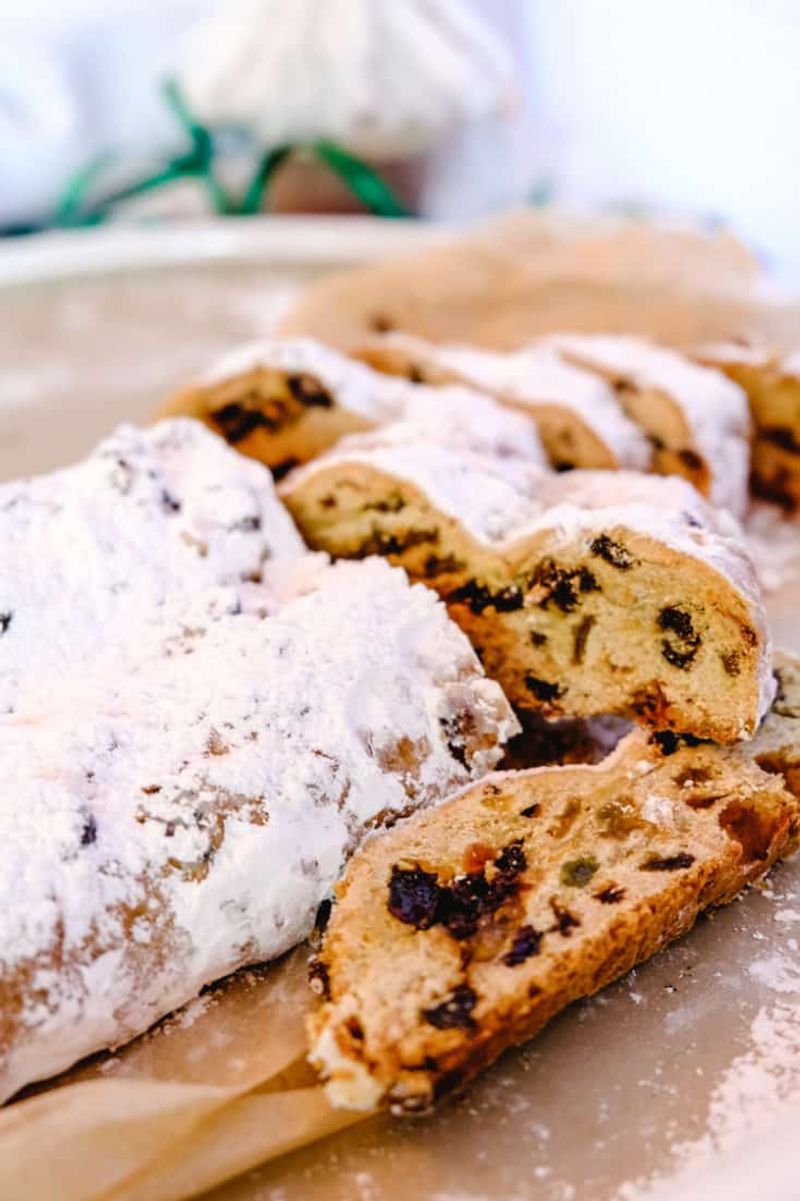
Stollen is a dense, fruit-filled German bread traditionally baked for the Christian Advent season and Christmas. Its white powdered sugar coating is said to represent the swaddling clothes of the baby Jesus, connecting every loaf to the Nativity story.
The bread dates back to at least the 15th century in Dresden, where bakers needed special permission from the Pope to use butter during the Advent fasting period. Today, Dresden Stollen is protected by law, and a giant Stollen festival is held there each December.
15. Maamoul (Stuffed Date Cookies)
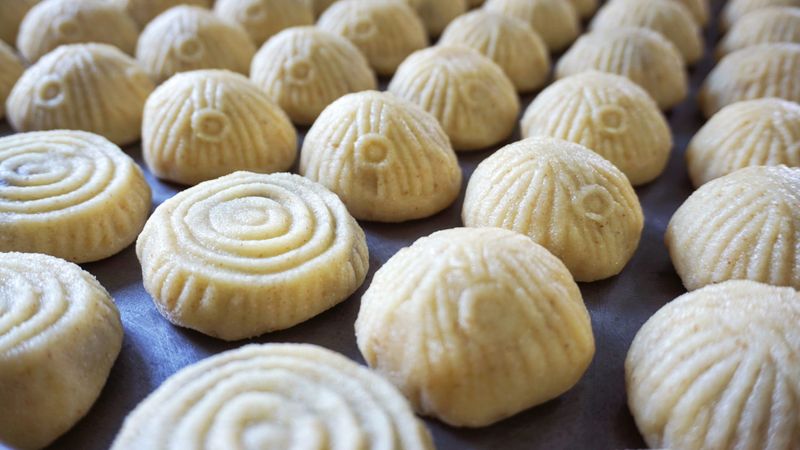
Maamoul are buttery shortbread cookies stuffed with dates, walnuts, or pistachios, and they are central to several religious holidays across the Middle East. Christians eat them at Easter, Muslims prepare them for Eid al-Fitr, and Jewish communities enjoy them during Purim.
The cookies are pressed into beautifully carved wooden molds that create intricate patterns on the surface. Making maamoul is a family event, often stretching over two days.
Their cross-religious significance makes them one of the most universally beloved festival foods in the world.
16. Korovai (Ukrainian Wedding Bread)
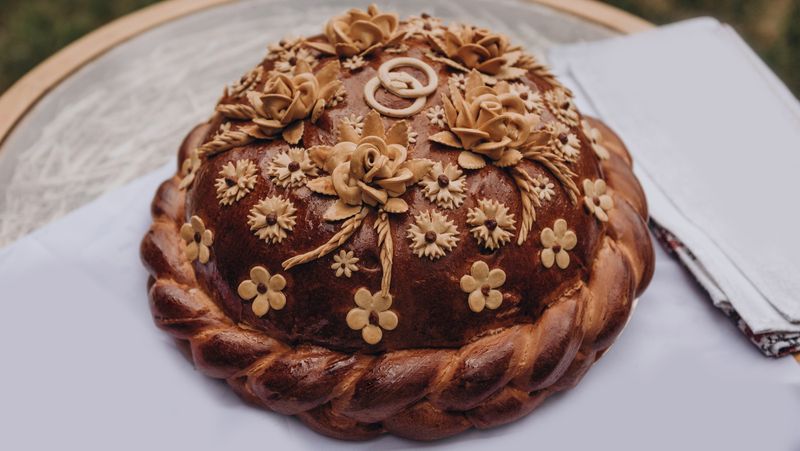
Korovai is a ceremonial Ukrainian bread that has been at the center of wedding and religious celebrations for over a thousand years. Decorated with intricate dough sculptures of birds, flowers, and braids, each element carries a symbolic meaning rooted in pagan and later Christian traditions.
Only married women with happy marriages are traditionally invited to bake korovai, because their happiness is believed to be baked into the bread. Breaking and sharing the bread blesses the couple.
It is edible art with a soul.
17. Ofrenda Pan de Muerto (Bread of the Dead)
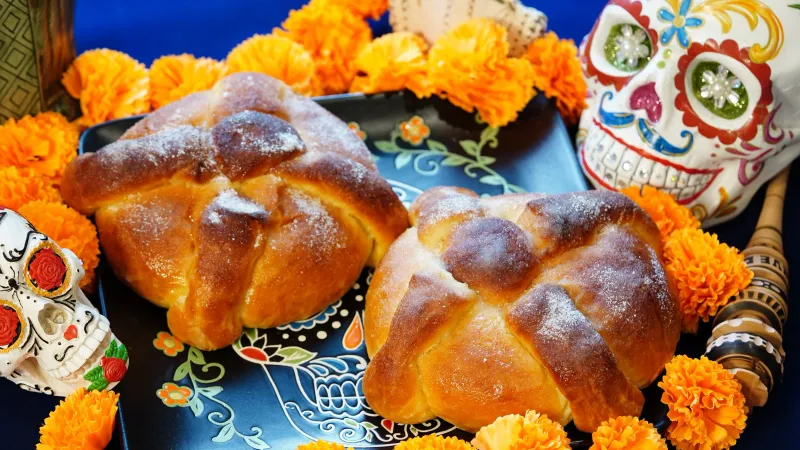
Pan de Muerto, or Bread of the Dead, is a soft, orange-flavored Mexican sweet bread baked especially for Dia de los Muertos, the Day of the Dead. It is placed on altars alongside photos and offerings for deceased loved ones, meant to nourish their spirits during their annual visit.
The round shape represents the cycle of life, while the bone-shaped dough pieces on top honor the dead. Families often eat it together with hot chocolate, turning grief into a warm, communal remembrance of those they love.
18. Vastlakukkel (Estonian Cream Puff Buns)
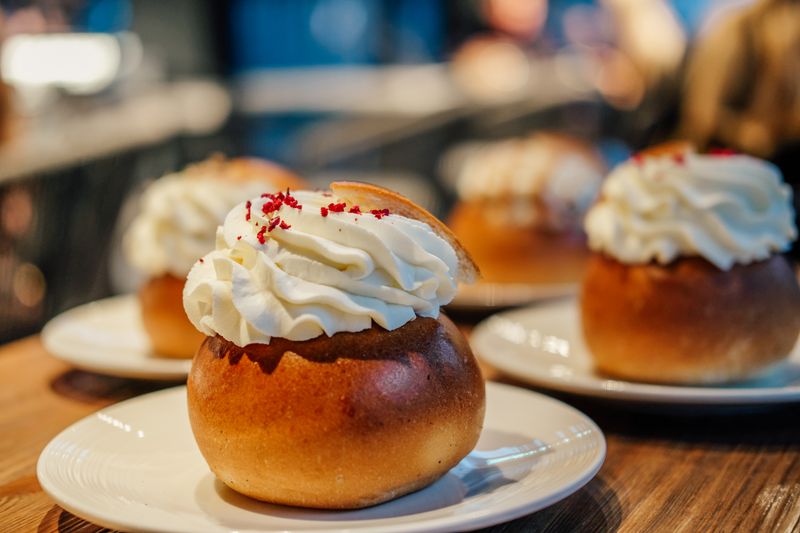
Vastlakukkel are Estonian cream-filled buns eaten on Shrove Tuesday, the day before Lent begins. Much like paczki in Poland, these buns were historically made to use up rich ingredients, like cream and butter, before the Christian fasting season started.
The buns are split open and filled with whipped cream, sometimes topped with almond paste or jam. In Estonia, eating vastlakukkel is a national event, with schools, offices, and families all joining in.
Their light, airy sweetness makes Shrove Tuesday feel genuinely festive.
19. Kheer (Rice Pudding)
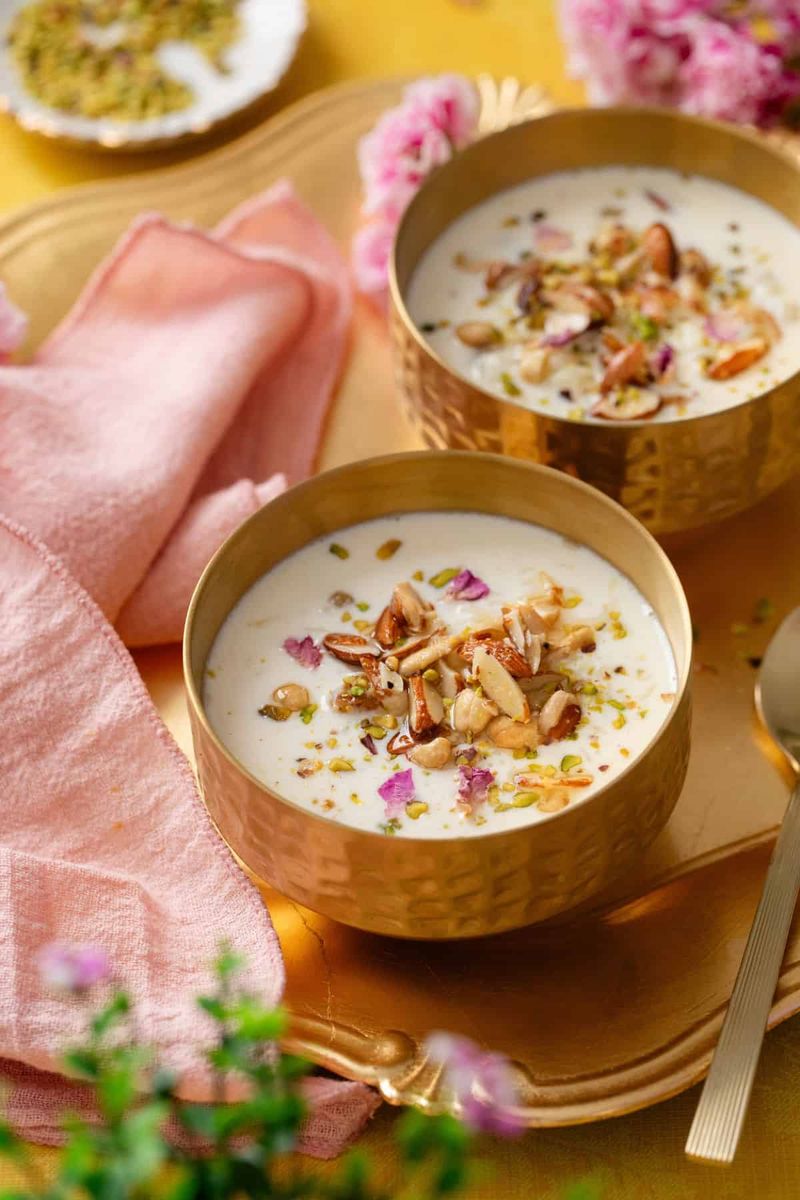
Kheer is a silky, sweet rice pudding that has been prepared as a religious offering in India for thousands of years. Ancient Hindu texts mention it as a sacred food offered to gods during rituals and festivals like Janmashtami, the birthday of Lord Krishna.
Made by slow-cooking rice in milk with sugar and cardamom, kheer is as comforting as it is meaningful. Temples across India distribute it as prasad, a blessed food given to devotees.
Its simplicity is exactly what makes it feel so sacred.
20. Pretzels
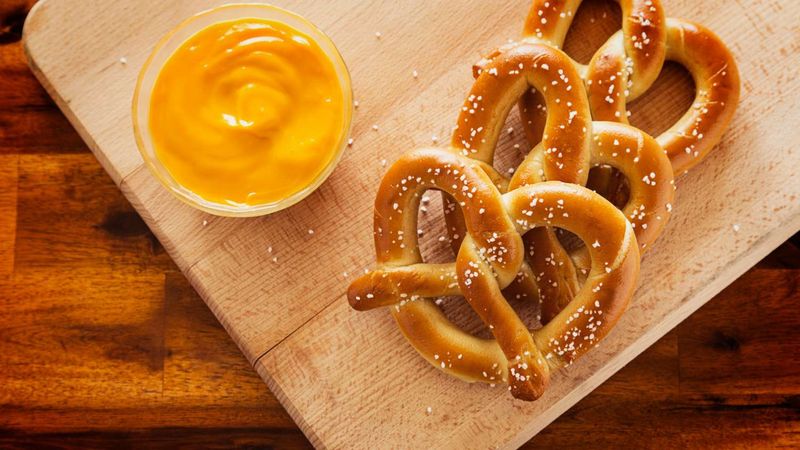
Believe it or not, pretzels were originally invented by monks in southern France or northern Italy around 610 AD as a reward for children who learned their prayers. The crossed loop shape was designed to mimic arms crossed in prayer, making them a visual reminder of Christian devotion.
They were given out during Lent because they contained no eggs, dairy, or meat. Over centuries, pretzels moved from monastery kitchens to street carts and snack bags worldwide.
That salty twist carries a surprisingly spiritual backstory.
21. Saffron Buns (Lussekatter)
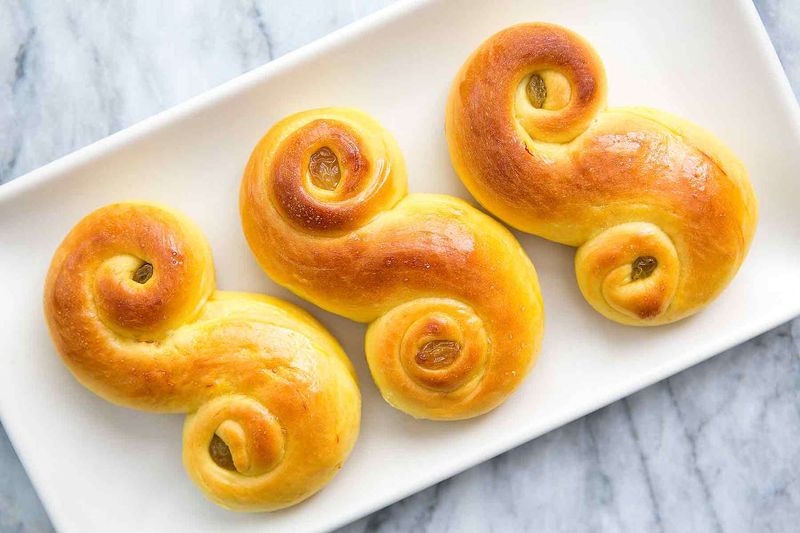
Lussekatter, or Lucy cats, are vivid yellow saffron buns baked in Sweden for St. Lucia Day on December 13th. The holiday honors Saint Lucia, a Christian martyr, and the buns are shaped into spirals or S-curves meant to represent curled cats or the sun’s rays.
Saffron gives these buns their striking golden color and a faintly floral flavor that is completely unique. On St. Lucia morning, children traditionally wake parents by bringing a tray of lussekatter and hot coffee, a ritual that feels like pure magic.
22. Coconut Rice (Nasi Lemak Offerings)
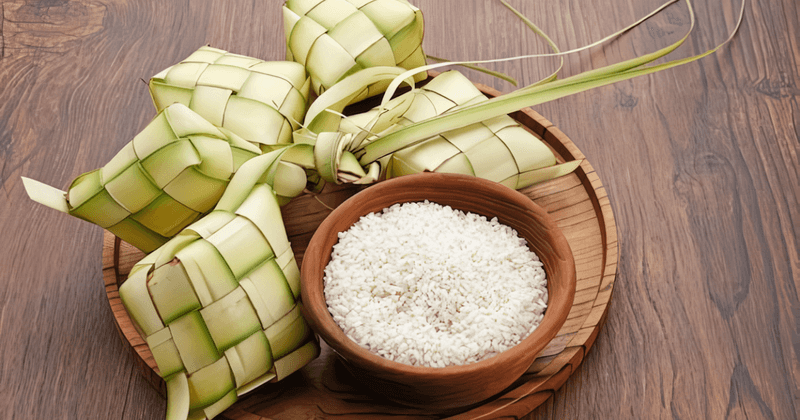
Coconut rice has been used as a sacred offering in Hindu and Buddhist ceremonies across Southeast Asia for centuries. In Malaysia and Indonesia, fragrant coconut rice is prepared during festivals like Hari Raya and religious harvest ceremonies as a gift to ancestors and deities.
The coconut itself is considered a symbol of purity and prosperity in many South and Southeast Asian traditions. Preparing coconut rice for a religious gathering is an act of devotion, and the aroma of pandan leaves and coconut milk is deeply tied to spiritual memory.
23. Challah
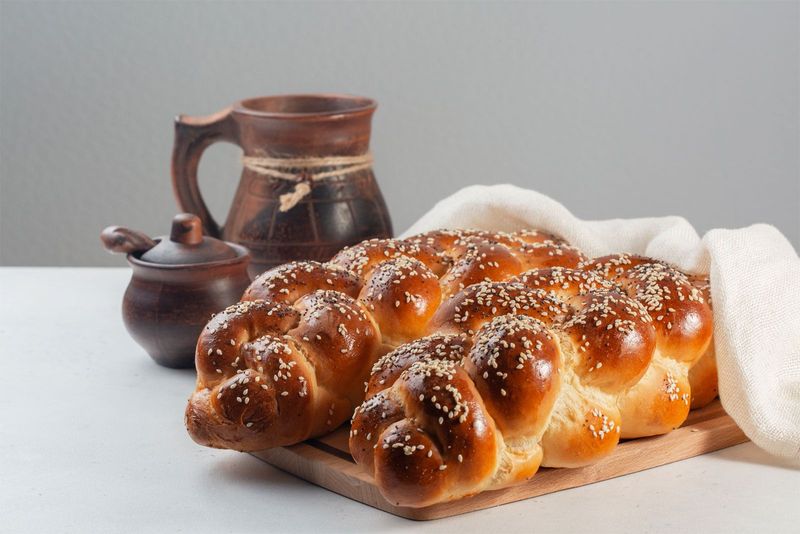
Challah is the braided egg bread eaten by Jewish families every Shabbat, the weekly day of rest, as well as on major holidays like Rosh Hashanah and Yom Kippur. The two loaves placed on the Shabbat table represent the double portion of manna that God provided to the Israelites in the desert.
On Rosh Hashanah, challah is baked in a round shape to symbolize the cycle of the year. Its golden, slightly sweet taste makes it one of the most recognizable and beloved religious breads in the world.