
The Oscars are supposed to celebrate the best in film, but sometimes the Academy gets it surprisingly wrong. Over the decades, movies and performances that seemed like sure things walked away empty-handed while unexpected winners took home the golden statue.
These moments spark debate among film fans for years, sometimes decades, afterward. Here are 15 unforgettable times the Oscars passed over the clear favorite to win.
1. Citizen Kane Loses to How Green Was My Valley (1942)
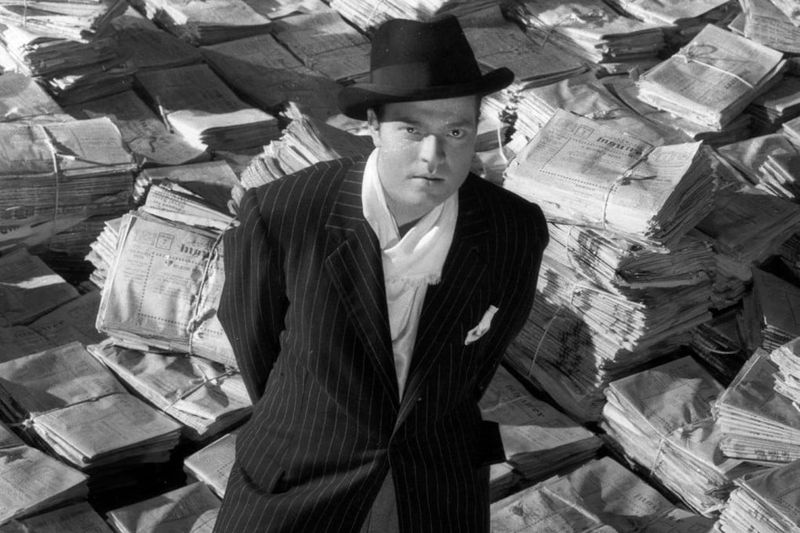
Many film critics call Citizen Kane the greatest movie ever made, yet it lost Best Picture to How Green Was My Valley at the 1942 Oscars. Orson Welles crafted a groundbreaking film full of innovative storytelling and visual techniques that were years ahead of their time.
John Ford’s sentimental Welsh mining drama won instead, leaving audiences and historians puzzled. Citizen Kane went on to top nearly every all-time greatest films list ever published.
2. Rocky Beats Taxi Driver and Network for Best Picture (1977)
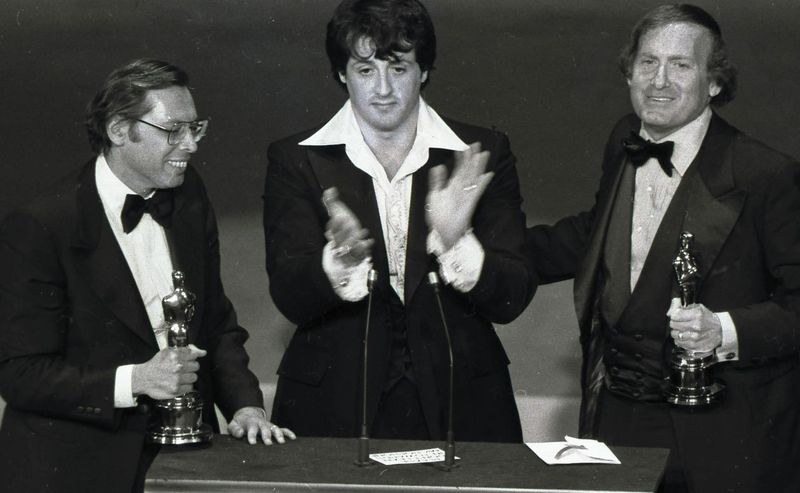
Rocky winning Best Picture in 1977 felt like the movie’s own underdog story playing out in real life. Nobody expected the scrappy boxing drama to beat out heavyweight competition like Taxi Driver, Network, and All the President’s Men.
Martin Scorsese’s Taxi Driver had been a critical sensation, and Network was razor-sharp and timely. Rocky’s crowd-pleasing heart won over Academy voters, proving that sometimes emotion beats prestige in Hollywood’s biggest night.
3. Ordinary People Defeats Raging Bull (1981)
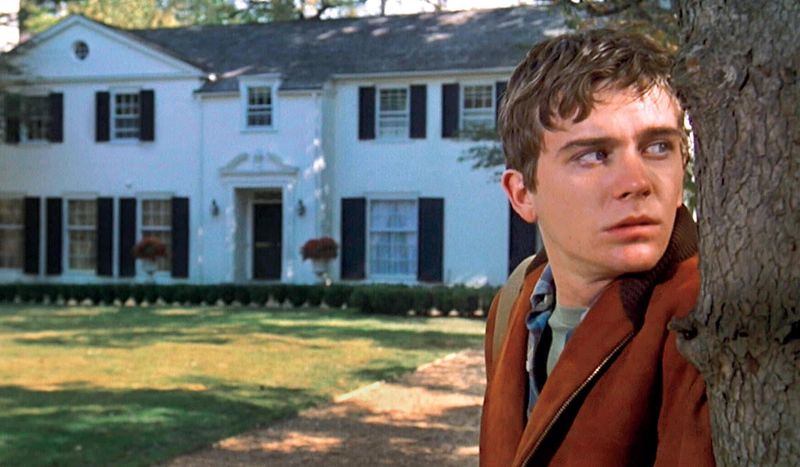
Robert De Niro’s raw, physically transformative performance in Raging Bull made it one of the most celebrated films of 1980, and Martin Scorsese poured everything into that picture. Yet Robert Redford’s quieter family drama Ordinary People walked away with Best Picture and Best Director.
Film lovers still shake their heads at this one. Raging Bull is now widely regarded as one of cinema’s finest achievements, making the loss sting even more decades later.
4. Chariots of Fire Upsets Reds and Raiders of the Lost Ark (1982)
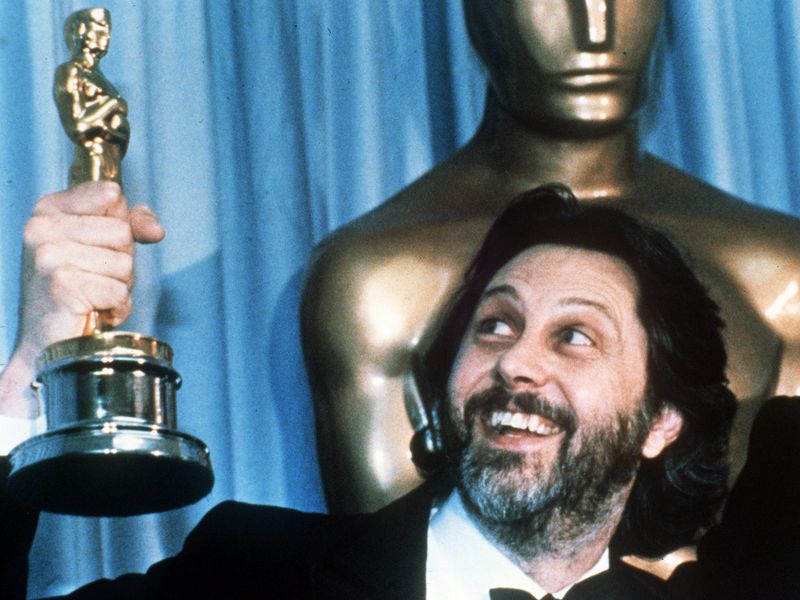
Chariots of Fire was a fine film, but few predicted it would outrun the heavily nominated Reds or the wildly popular Raiders of the Lost Ark at the 1982 Oscars. Warren Beatty’s epic Reds had received the most nominations that year and looked like the frontrunner heading into the ceremony.
The British Olympic drama surprised everyone by claiming Best Picture. Raiders of the Lost Ark, a cultural phenomenon, left without the top prize, much to many fans’ frustration.
5. Dances With Wolves Tops Goodfellas (1991)
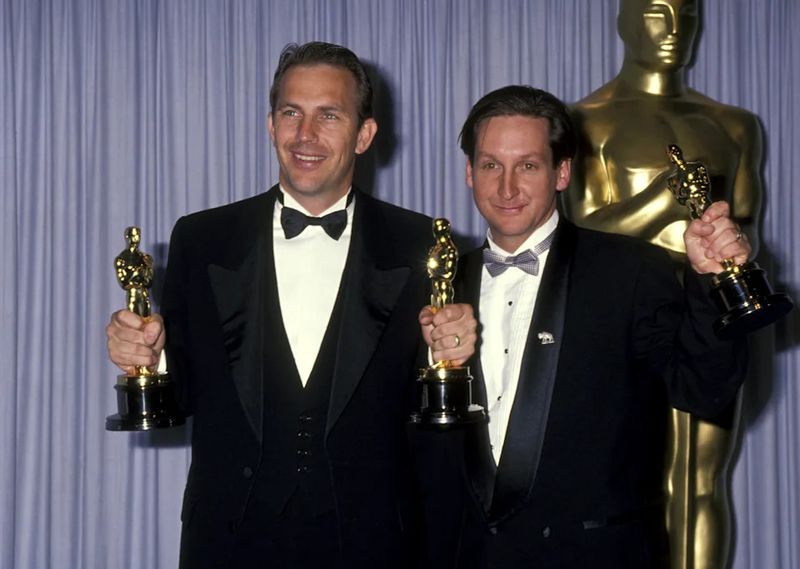
Goodfellas was electric, fast, and widely considered Martin Scorsese’s masterpiece. Many film critics had it locked in as the Best Picture winner at the 1991 Oscars, making Kevin Costner’s Dances With Wolves the surprise champion nobody saw coming.
Costner took home both Best Picture and Best Director, while Scorsese went home without a single directing award. Goodfellas remains a touchstone of American cinema, and its loss is still one of the most debated Oscar decisions ever made.
6. Driving Miss Daisy Wins While Do the Right Thing Isn’t Even Nominated (1990)
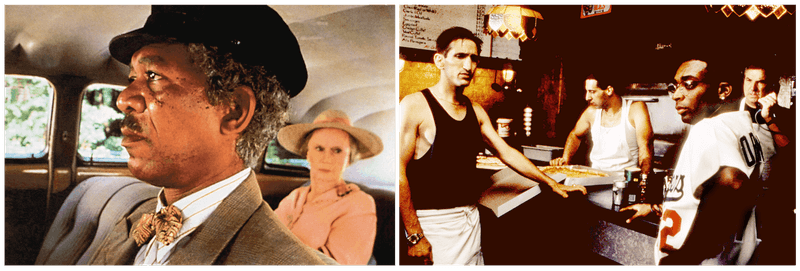
Spike Lee’s Do the Right Thing was a bold, urgent film about race in America that critics loved, yet it did not even receive a Best Picture nomination at the 1990 Oscars. Meanwhile, Driving Miss Daisy took home the top prize, a decision that has aged poorly with many film fans.
The snub of Do the Right Thing remains one of the Academy’s most criticized choices ever. Many believe that film deserved not just a nomination but a serious shot at winning.
7. Shakespeare in Love Shocks Saving Private Ryan (1999)
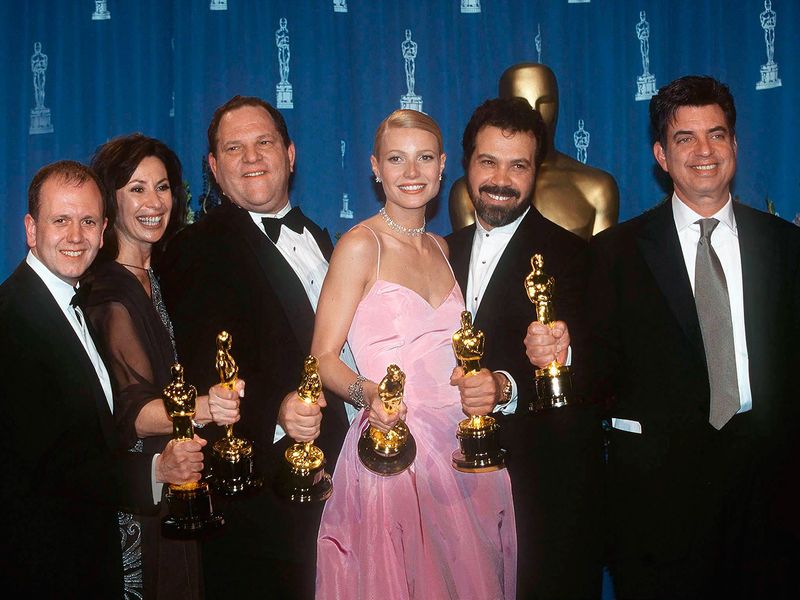
Steven Spielberg’s Saving Private Ryan had already won him the Best Director Oscar, and most people assumed the war epic would complete the sweep by taking Best Picture too. Then Shakespeare in Love happened.
Gwyneth Paltrow’s romantic comedy-drama pulled off one of the biggest upsets in Oscar history. The win has been linked to a fierce campaign by producer Harvey Weinstein.
Saving Private Ryan’s opening D-Day sequence alone is considered one of cinema’s most powerful scenes ever filmed.
8. Marisa Tomei’s Surprise Win for My Cousin Vinny (1993)
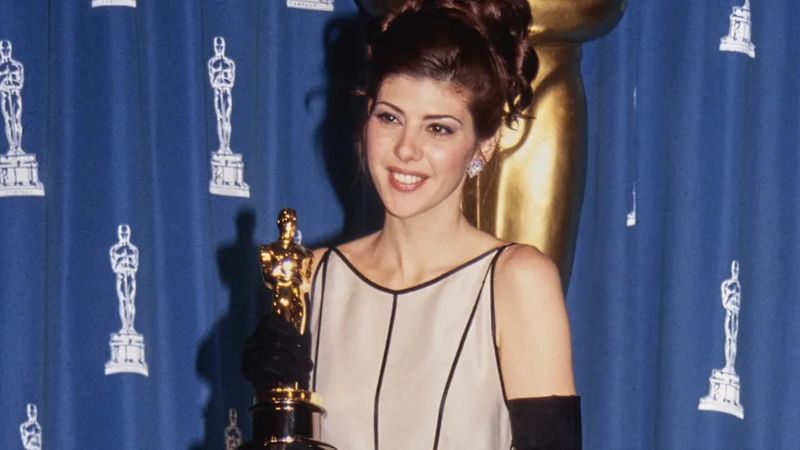
Nobody expected Marisa Tomei to win Best Supporting Actress for her comedic role in My Cousin Vinny, a lighthearted courtroom comedy. The other nominees included Vanessa Redgrave and Miranda Richardson, both seen as far more serious contenders heading into Oscar night.
Tomei’s win was so unexpected that a rumor spread claiming presenter Jack Palance had read the wrong name. That story turned out to be false, but it shows just how stunned everyone was by her victory.
9. Roberto Benigni Wins Best Actor for Life is Beautiful (1999)
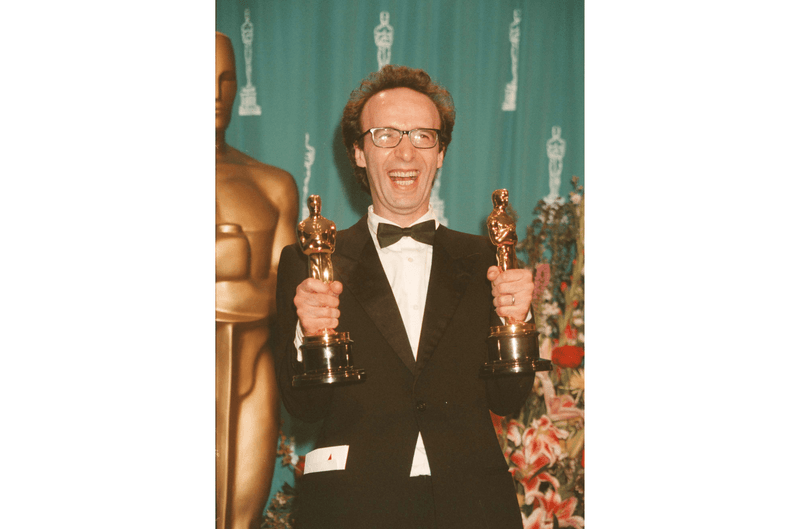
Roberto Benigni’s joyful leap over theater seats when he won Best Actor for Life is Beautiful became one of the most memorable Oscar moments ever. His win was a genuine surprise, beating out favorites in a competitive year for acting performances.
The Italian filmmaker had also directed and written the Holocaust-set film, making his passionate reaction completely understandable. Life is Beautiful charmed audiences worldwide, and Benigni’s childlike enthusiasm made the night unforgettable for everyone watching at home.
10. Marcia Gay Harden Wins Best Supporting Actress for Pollock (2001)
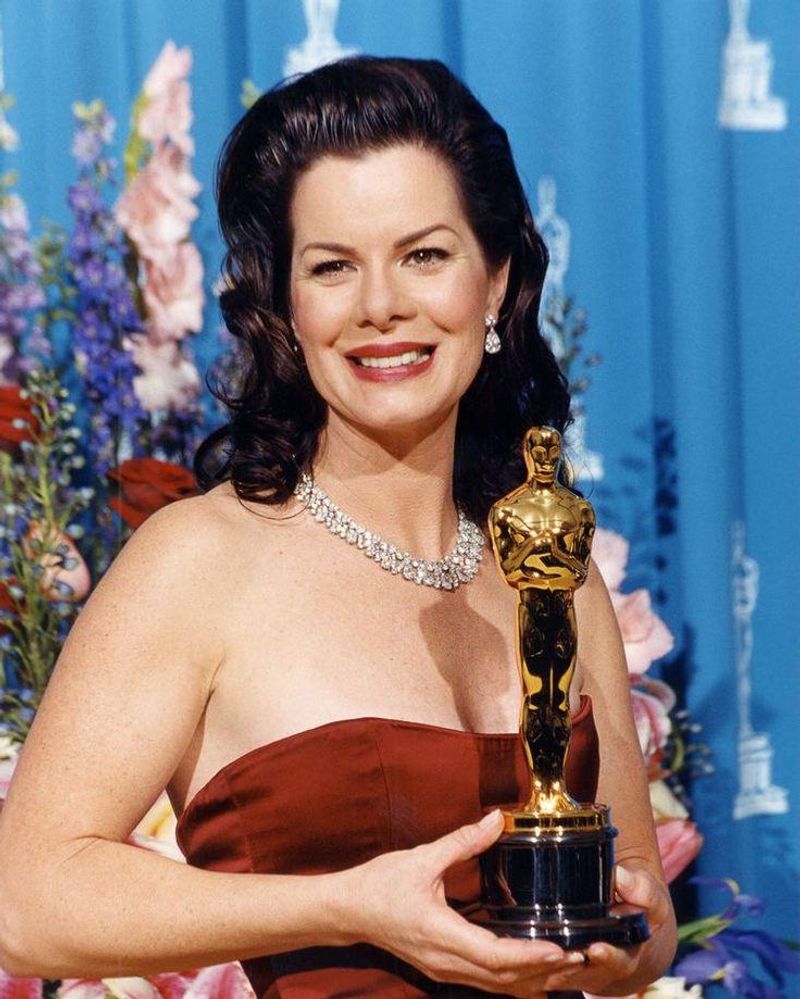
When Marcia Gay Harden’s name was called for Best Supporting Actress for Pollock, even she looked genuinely shocked. The category had been dominated by buzz around other nominees, and Harden’s quiet, intense portrayal of artist Lee Krasner had flown somewhat under the radar during awards season.
Her win proved that sometimes the Academy rewards subtle, committed performances over flashier roles. Harden later described the moment as completely surreal, and that feeling came through clearly on her face as she accepted the award.
11. Alan Arkin Upsets Eddie Murphy for Best Supporting Actor (2007)
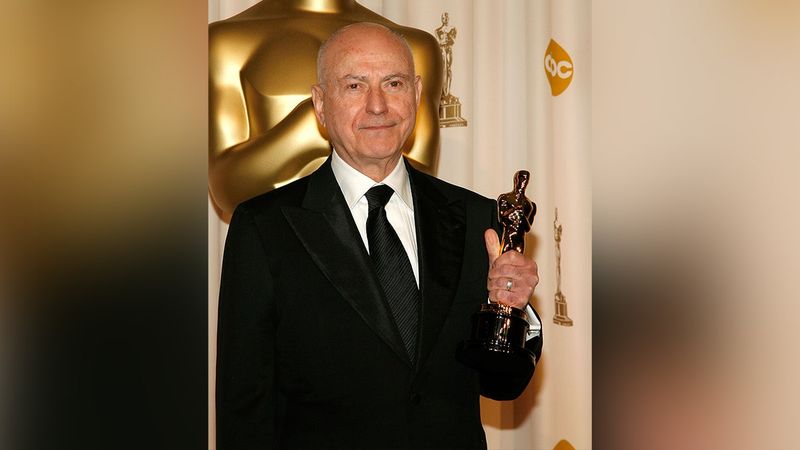
Eddie Murphy had been the odds-on favorite heading into the 2007 Oscars for his role in Dreamgirls, and many felt his win was essentially a done deal. Then Alan Arkin won for his scene-stealing grandfather role in Little Miss Sunshine, and jaws dropped across Hollywood.
Arkin’s performance was charming and funny, but Murphy’s loss stung his fans hard. Some believe Murphy was so confident he would lose that he left the ceremony early, skipping out before the category was even announced.
12. Crash Defeats Brokeback Mountain for Best Picture (2006)
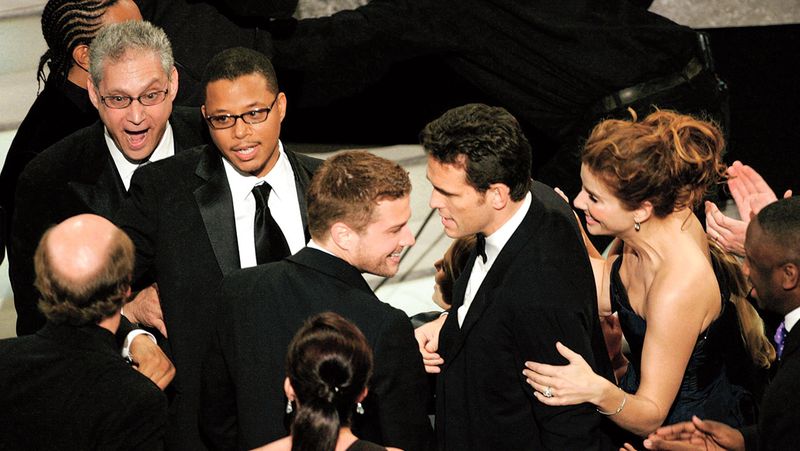
Brokeback Mountain had swept through awards season like a force of nature, winning the Golden Globe, BAFTA, and nearly every critics prize available. Ang Lee’s quiet, heartbreaking love story seemed unstoppable heading into Oscar night in 2006.
Then Paul Haggis’ ensemble drama Crash claimed Best Picture in one of the most debated upsets in recent Oscar history. Many critics have since questioned whether Crash truly deserved the honor, and the conversation about that night still comes up regularly in film discussions today.
13. Moonlight Wins Best Picture After La La Land Is Mistakenly Announced (2017)
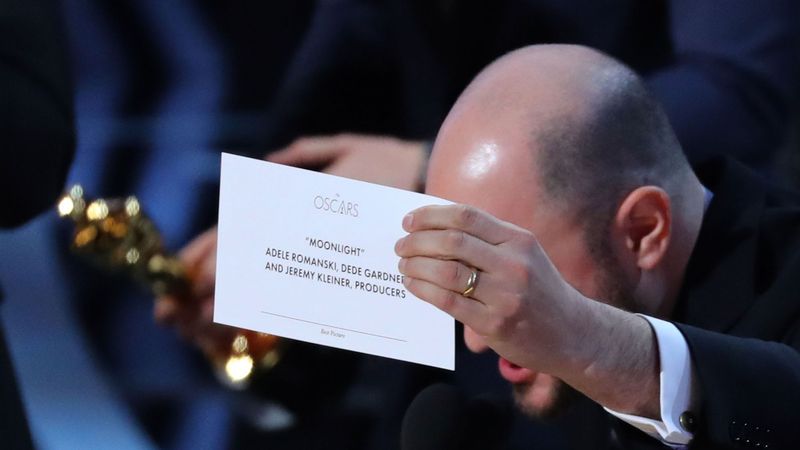
The 2017 Oscars produced the most chaotic Best Picture moment in the ceremony’s entire history. La La Land was announced as the winner, acceptance speeches began, and then producers stepped in to reveal the real winner was Moonlight.
The wrong envelope had been handed to the presenters.
La La Land had dominated awards season and was considered a near-certain winner. Barry Jenkins’ Moonlight, a tender coming-of-age story, deserved every bit of its victory, but the mix-up overshadowed what should have been a purely celebratory moment.
14. Olivia Colman Beats Glenn Close for Best Actress (2019)
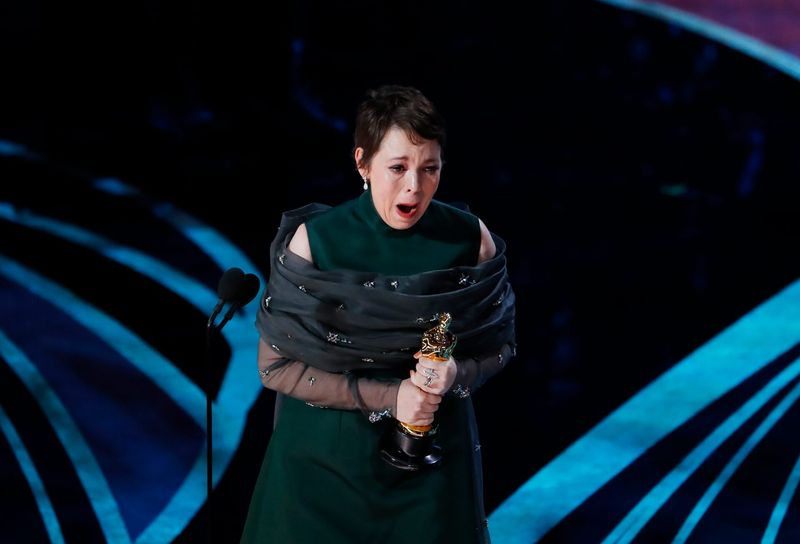
Glenn Close had been chasing an Oscar win for decades, and her performance in The Wife was considered her best shot yet. Awards watchers had practically already engraved her name on the statuette before the 2019 ceremony even began.
Olivia Colman’s wonderfully eccentric performance in The Favourite flipped the script entirely. Her acceptance speech, full of genuine shock and humor, became instantly iconic.
Close’s loss marked her seventh Oscar nomination without a win, making it one of Hollywood’s most bittersweet ongoing stories.
15. Anthony Hopkins Wins Best Actor Over Chadwick Boseman (2021)
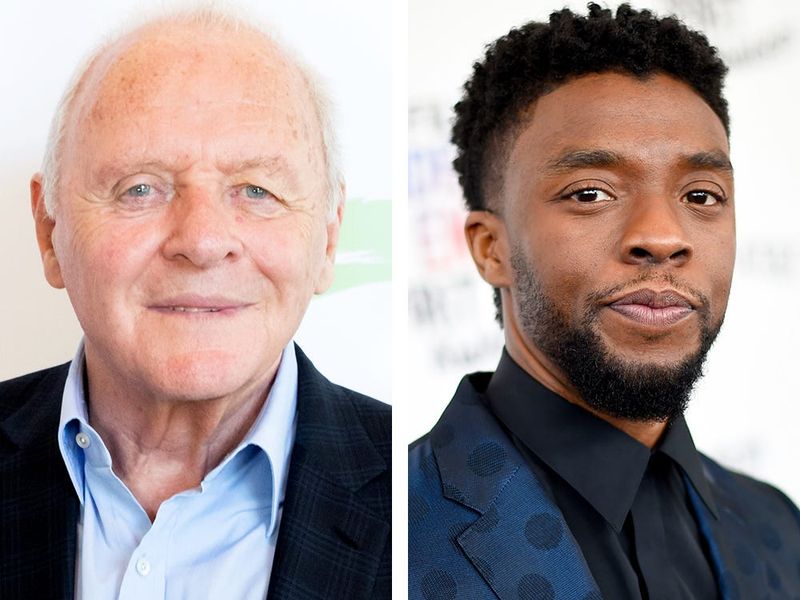
Chadwick Boseman had passed away in 2020, and his moving performance in Ma Rainey’s Black Bottom made him the sentimental and critical favorite for Best Actor at the 2021 Oscars. The Academy had even moved Best Actor to the final award of the night, which many took as a sign Boseman would win.
Anthony Hopkins won instead for his haunting role in The Father. He was not present at the ceremony, leaving the moment feeling oddly quiet.
Hopkins later expressed deep respect for Boseman’s legacy.