
Most people think of beans, oats, or broccoli when someone mentions fibre. But the world of high-fibre foods is way bigger and more exciting than that.
Some surprising ingredients you probably already have at home pack an impressive fibre punch. Get ready to discover 17 foods that will shake up your grocery list and boost your gut health at the same time.
1. Guava
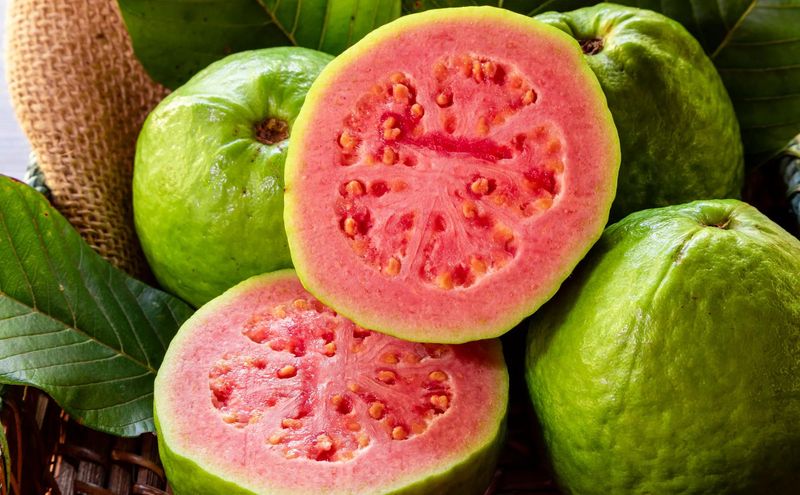
Bite into a guava and you are getting one of the most fibre-packed tropical fruits around. A single medium guava delivers about 5 grams of fibre, most of it found right in the edible skin and seeds.
Many people peel their guava, but keeping the skin on is where the real nutritional magic happens.
Try adding sliced guava to smoothies or fruit salads for a tropical twist that your digestive system will genuinely appreciate.
2. Artichokes
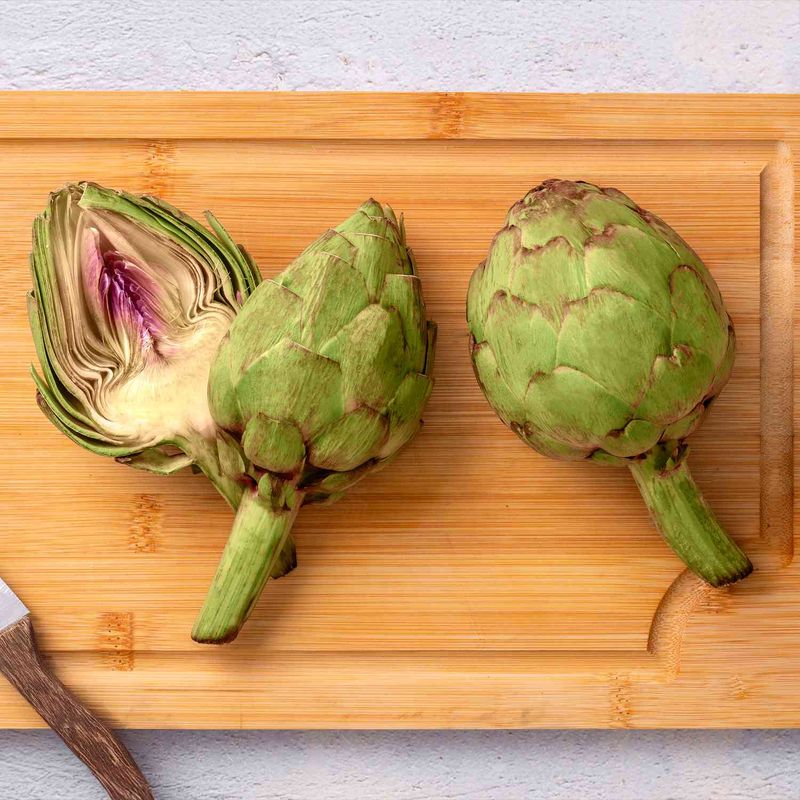
Artichokes look a little intimidating, but they are worth getting to know. One medium artichoke contains around 7 grams of fibre, making it one of the single highest-fibre vegetables you can find in a grocery store.
That layered, leafy structure is not just for looks – it is packed with prebiotic fibre that feeds the good bacteria in your gut.
Steam them, dip the leaves in a light sauce, and enjoy a surprisingly fun eating experience.
3. Passion Fruit
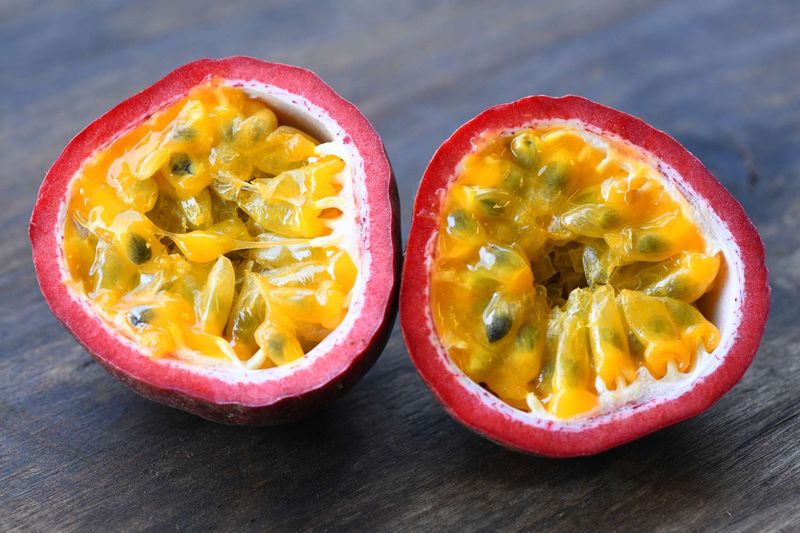
Passion fruit might be small, but its fibre content is seriously impressive. Just 100 grams of passion fruit contains around 10 grams of fibre, which easily rivals many well-known high-fibre foods.
The crunchy edible seeds are a big part of why this fruit ranks so high.
Scoop the pulp over yogurt, mix it into a dressing, or stir it into sparkling water for a refreshing drink that sneaks in extra fibre without any effort at all.
4. Bulgur Wheat
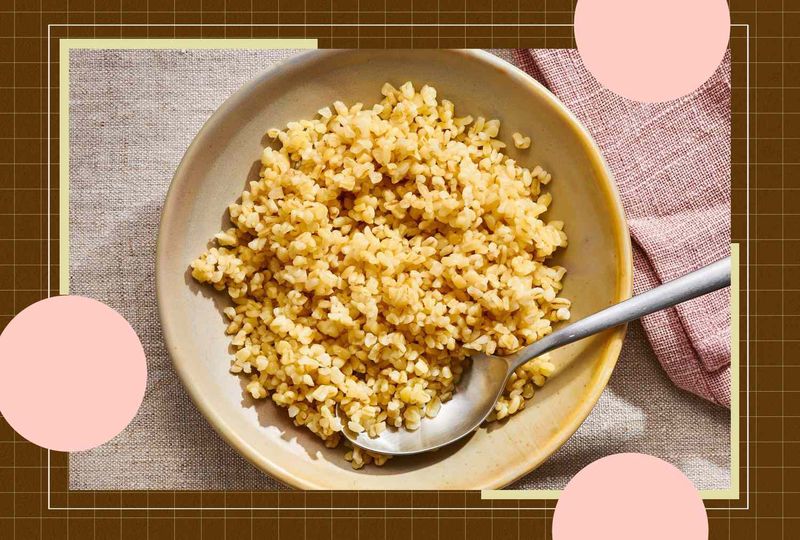
Bulgur wheat is a whole grain that often gets overlooked in favour of rice or pasta, but it deserves a regular spot on your plate. One cooked cup provides about 8 grams of fibre, far more than white rice or regular pasta could ever offer.
It has a nutty, chewy texture that works beautifully in salads like tabbouleh.
It also cooks much faster than most grains, which makes it a genuinely convenient choice for busy weeknight meals.
5. Dried Figs
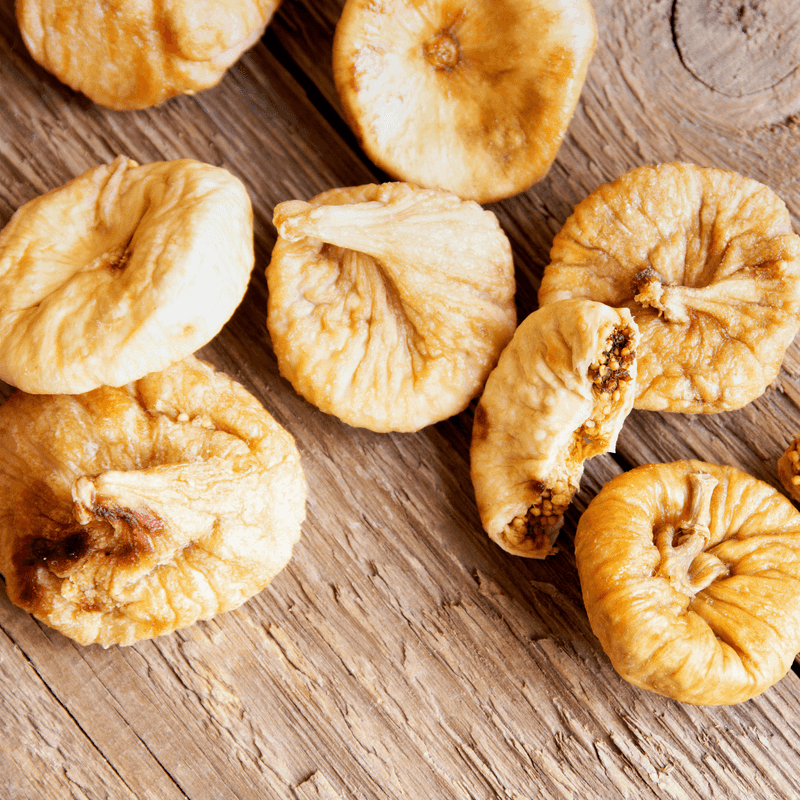
Dried figs are one of those old-fashioned snacks that deserve a serious comeback. Just three or four dried figs contain around 5 grams of fibre, along with a naturally sweet flavour that feels more like a treat than a health food.
They have been eaten for thousands of years across the Mediterranean for good reason.
Chop them into oatmeal, add them to a cheese board, or eat them straight from the bag as a satisfying afternoon snack.
6. Edamame
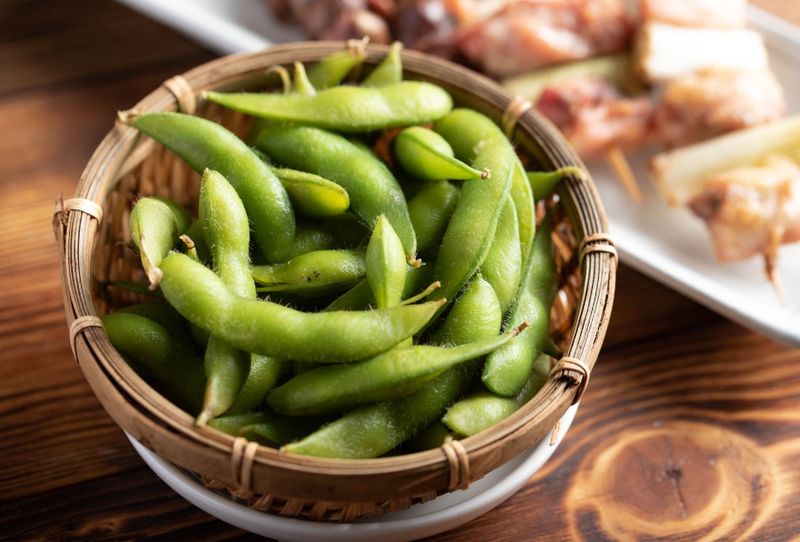
Edamame is the fun, snackable form of young soybeans, and it happens to be loaded with fibre. One cup of shelled edamame delivers around 8 grams of fibre along with a solid dose of plant-based protein.
It is a rare food that genuinely satisfies both hunger and nutritional goals at the same time.
You will find it in the frozen aisle of most grocery stores, making it one of the easiest high-fibre upgrades you can add to your weekly routine.
7. Pears (with skin)
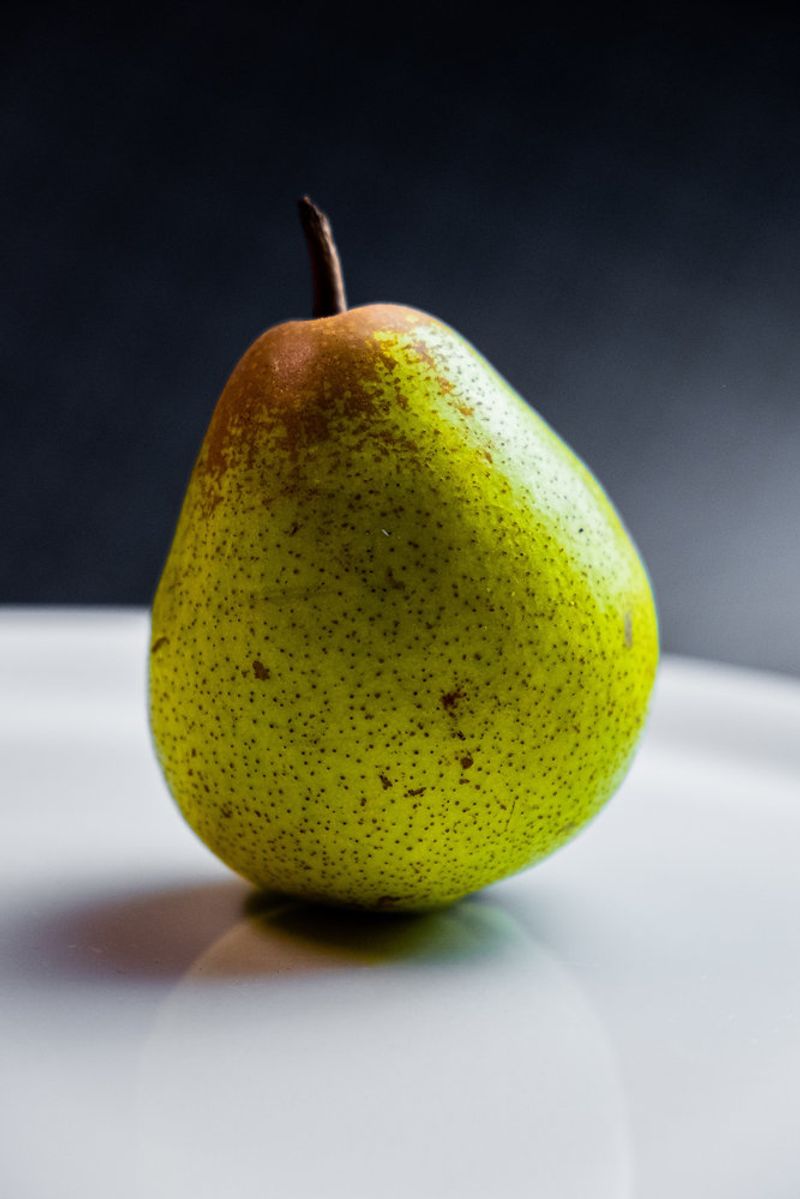
A ripe pear sitting on your kitchen counter is quietly one of the best fibre sources in the fruit bowl. One medium pear eaten with its skin on contains about 5.5 grams of fibre.
The skin is where a large portion of that fibre lives, so skipping it means missing out on the best part.
Pears are also high in water content, which helps fibre move smoothly through your digestive system. Grab one as an easy, zero-prep snack.
8. Acorn Squash

Acorn squash has a cosy, sweet flavour that makes it feel like comfort food, but it is also doing serious nutritional work. One cup of cooked acorn squash contains around 9 grams of fibre, which is genuinely hard to beat for a vegetable that tastes this good.
Its deep green ridged skin makes it easy to spot at the market.
Roast it with a little olive oil and cinnamon for a side dish that feels indulgent but is completely wholesome.
9. Sunflower Seeds
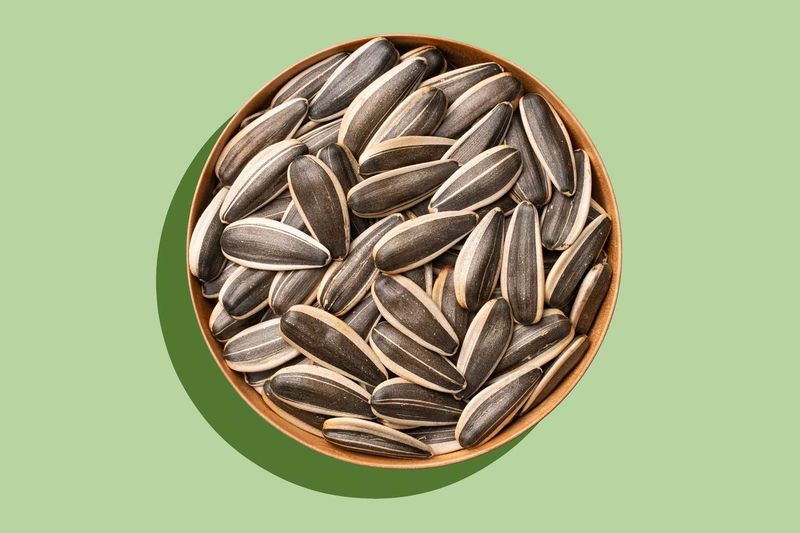
Sunflower seeds are one of those snacks people munch without realising they are getting a meaningful fibre boost. A quarter cup of sunflower seeds provides about 3 grams of fibre, plus healthy fats and vitamin E.
They are small but genuinely mighty when it comes to nutritional value per handful.
Sprinkle them over salads, stir them into homemade granola, or snack on them straight. They add a satisfying crunch that makes healthy eating feel effortless and enjoyable.
10. Coconut Flour
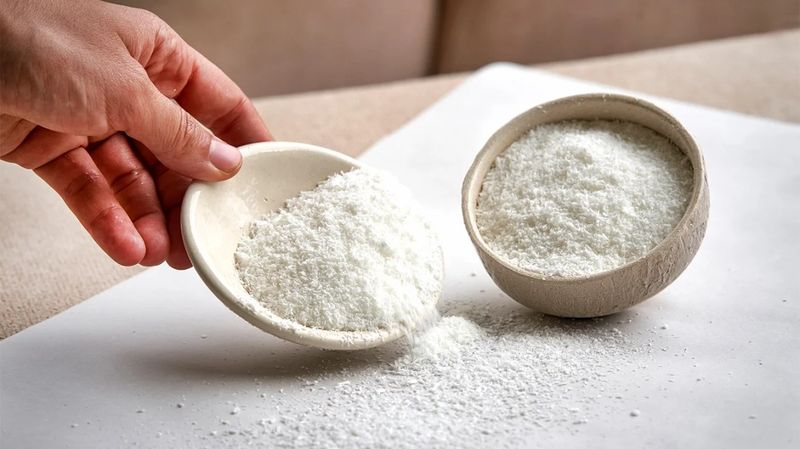
Coconut flour might just be the most underrated baking ingredient in your pantry. Two tablespoons contain around 5 grams of fibre, which is remarkable for something that looks and acts like regular flour.
Because it absorbs liquid so efficiently, you only need a small amount in recipes, which makes it both economical and nutritionally powerful.
Use it to make pancakes, muffins, or flatbreads for a gluten-free baking option that quietly sneaks a fibre boost into every bite.
11. Green Peas
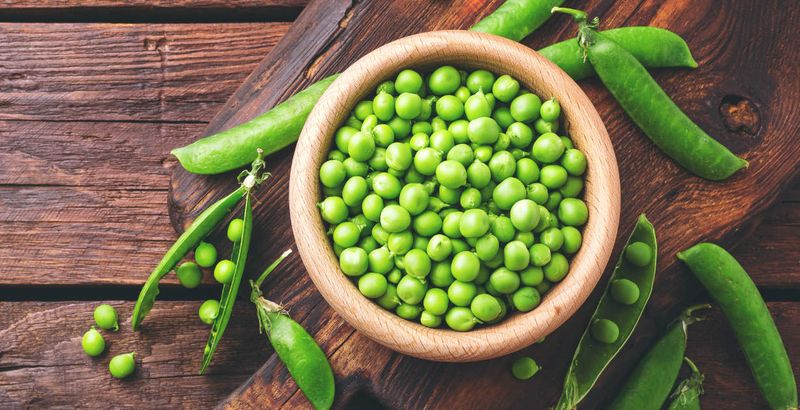
Green peas have a cheerful, bright flavour and a surprisingly strong fibre profile that most people never give them credit for. One cup of cooked green peas provides about 9 grams of fibre, putting them firmly in the same league as beans without the strong flavour some people find off-putting.
They are also sweet and mild, making them easy to add to almost any dish.
Toss them into pasta, soups, or rice for an effortless and colourful nutritional upgrade.
12. Pomegranate Seeds
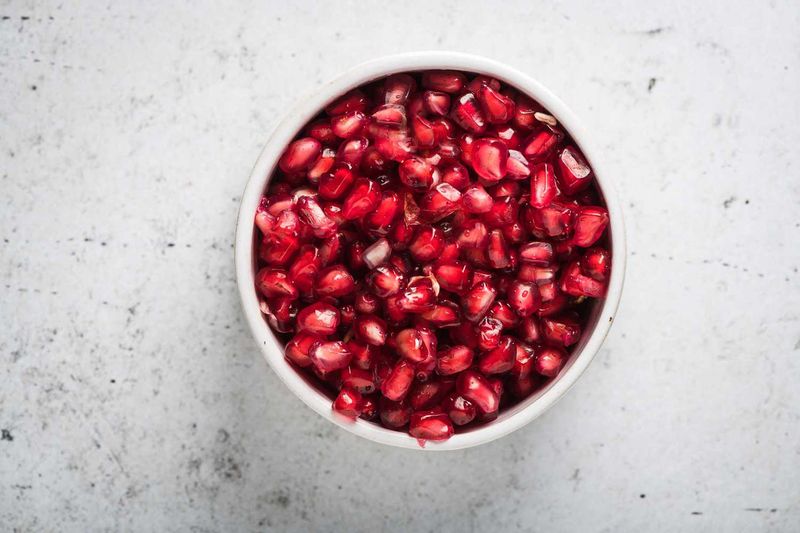
Pomegranate seeds, also called arils, are little jewel-like bursts of flavour that happen to be rich in fibre. One cup of pomegranate arils delivers around 7 grams of fibre along with powerful antioxidants that support overall health.
The crunchy, edible seed inside each aril is where much of the fibre content lives.
Scatter them over salads, stir them into yogurt, or eat them by the spoonful straight from the bowl. They make healthy eating feel genuinely festive.
13. Amaranth
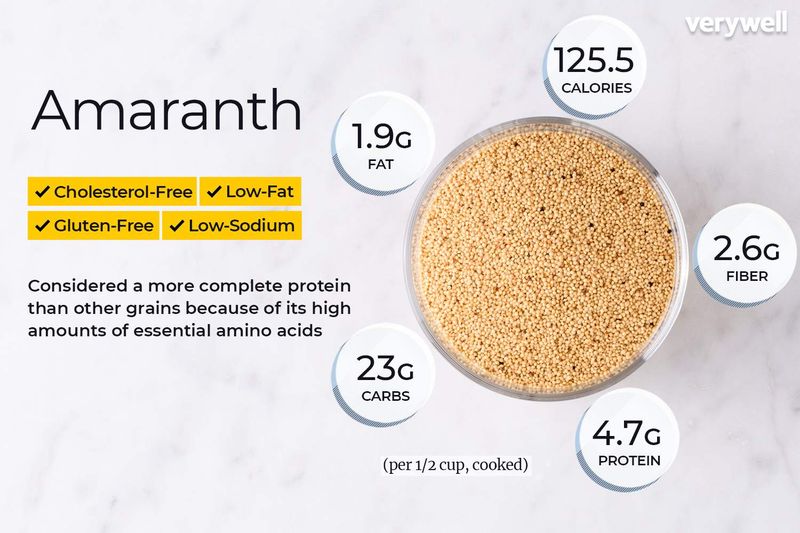
Amaranth is an ancient grain that was a staple food for the Aztecs, and it is making a well-deserved comeback in modern kitchens. One cooked cup provides about 5 grams of fibre along with more protein than most other grains.
It has a slightly earthy, nutty taste and a porridge-like texture when cooked.
Use it as a hot breakfast cereal, add it to soups to thicken them naturally, or pop it like popcorn for a crunchy, fibre-rich snack.
14. Avocado
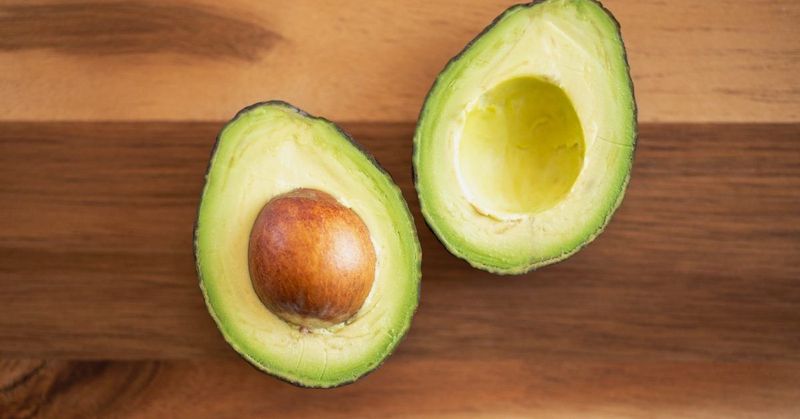
Most people celebrate avocado for its healthy fats, but the fibre content is equally impressive and often overlooked. One whole avocado contains around 10 grams of fibre, which is higher than almost any other fruit you can name.
It is creamy, filling, and versatile enough to fit into breakfast, lunch, or dinner without any fuss.
Spread it on toast, blend it into smoothies, or slice it over eggs. Your gut bacteria will be genuinely happy with this choice.
15. Chia Seeds
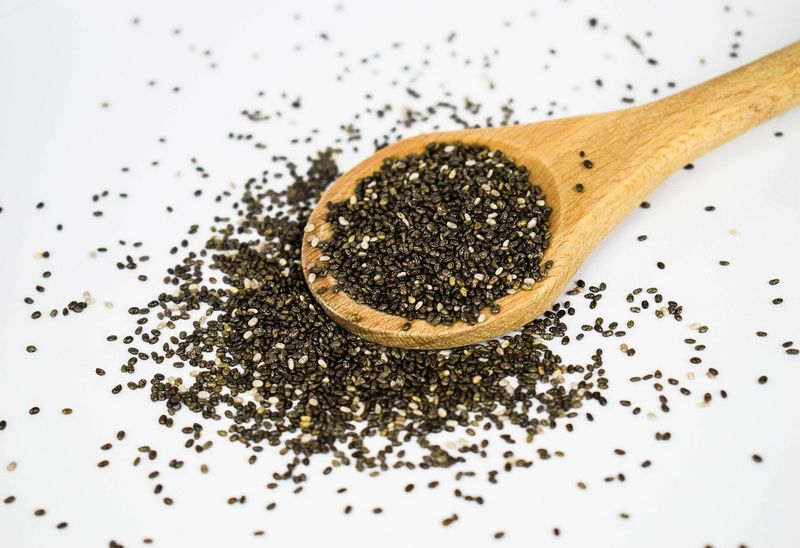
Tiny but absolutely packed with fibre, chia seeds are one of the most concentrated sources you can find anywhere. Just two tablespoons deliver around 10 grams of fibre, which is nearly a third of the daily recommended amount for most people.
When mixed with liquid, they expand into a gel-like texture that keeps you feeling full for hours.
Stir them into milk or juice overnight to make chia pudding, or sprinkle them over yogurt and smoothie bowls for an easy daily habit.
16. Persimmons
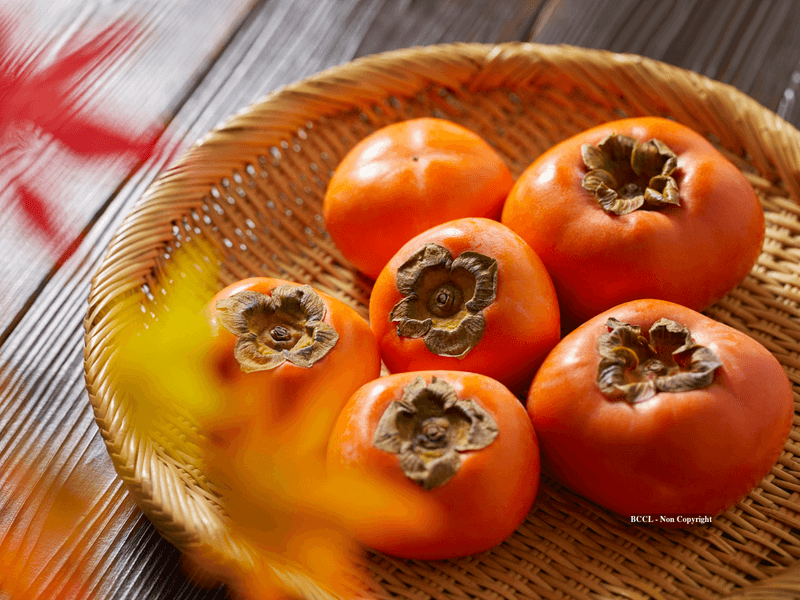
Persimmons are gorgeous orange fruits that show up in autumn and deserve far more attention than they typically get. One medium persimmon contains about 6 grams of fibre, along with a honey-like sweetness that makes it feel more like dessert than a health food.
There are two main varieties – Fuyu, which is firm and can be eaten like an apple, and Hachiya, which is softer and custard-like when fully ripe.
Either way, they are a delicious seasonal fibre find worth seeking out.
17. Canned Pumpkin
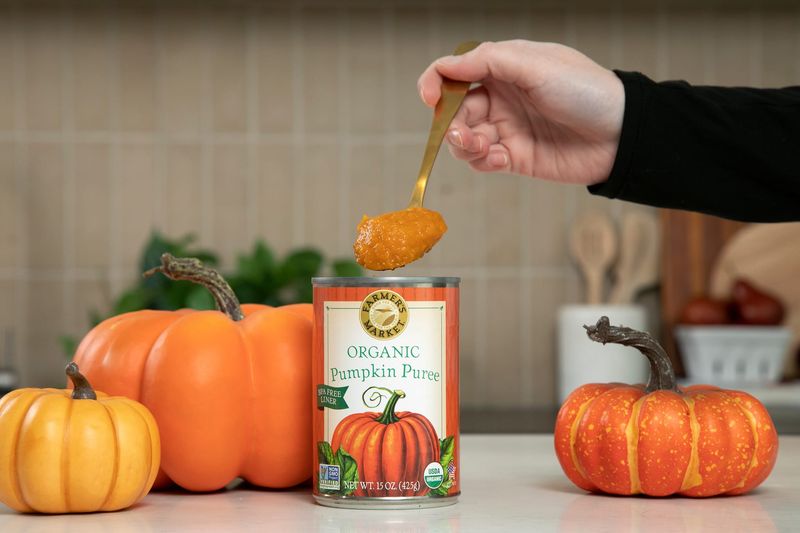
Canned pumpkin is one of the most convenient, affordable, and fibre-rich foods hiding in plain sight on supermarket shelves. Half a cup of plain canned pumpkin puree contains about 5 grams of fibre with very few calories to go along with it.
It has a mild, slightly sweet flavour that blends into almost anything without taking over the taste.
Stir it into oatmeal, mix it into pancake batter, or add it to soups for an easy, everyday fibre boost all year round.