
Some foods seem like smart, healthy choices, but they can secretly pack in way more calories than you’d ever guess. A handful of granola, a splash of olive oil, or a cup of smoothie can add up faster than a slice of cake.
Knowing the truth about these sneaky calorie bombs can help you make smarter choices without giving up foods you love. Get ready to rethink some of your go-to favorites.
1. Granola
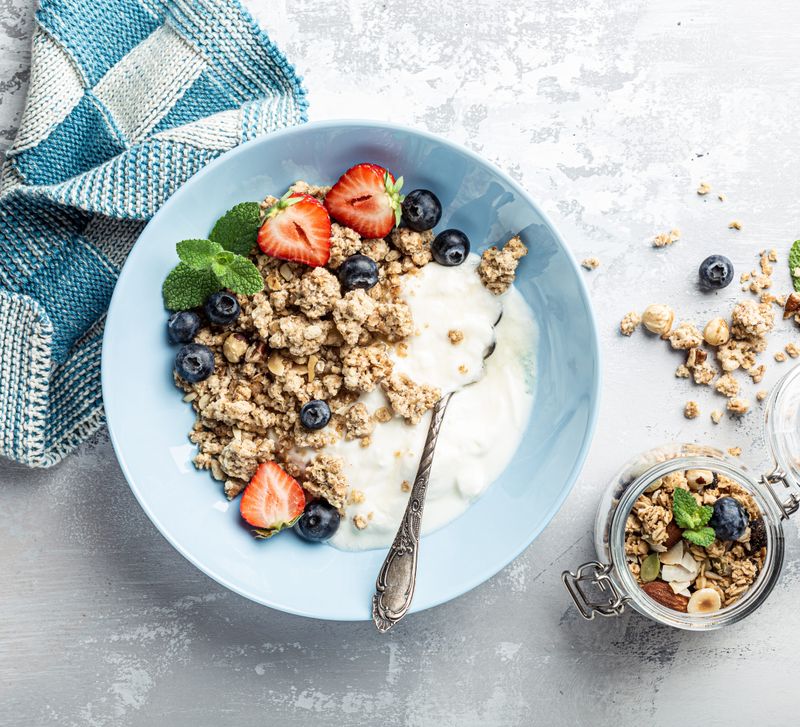
Granola sounds like the ultimate health food, but a single cup can clock in at 400 to 600 calories. Most store-bought versions are loaded with oils and sweeteners that pile on fast.
A small handful feels like nothing, but those calories add up quickly. Try measuring your portion instead of pouring freely.
Sticking to a quarter cup as a topping rather than a full bowl can make a huge difference in your daily calorie count.
2. Avocado
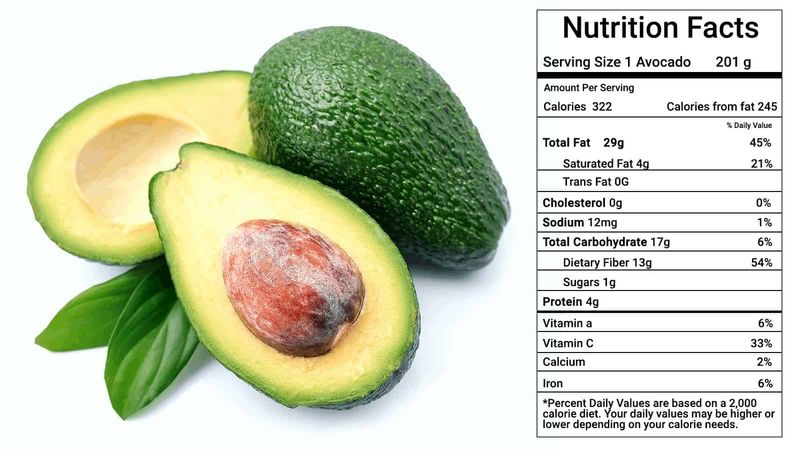
Avocados are packed with healthy fats, which is great for your body, but one whole avocado carries around 320 calories. Most people eat the whole thing without thinking twice.
The fats in avocado are genuinely good for your heart and brain, so you do not need to avoid it. Just be mindful of how much you use.
Half an avocado on toast is plenty, and it still gives you all those amazing nutrients without going overboard on calories.
3. Smoothies
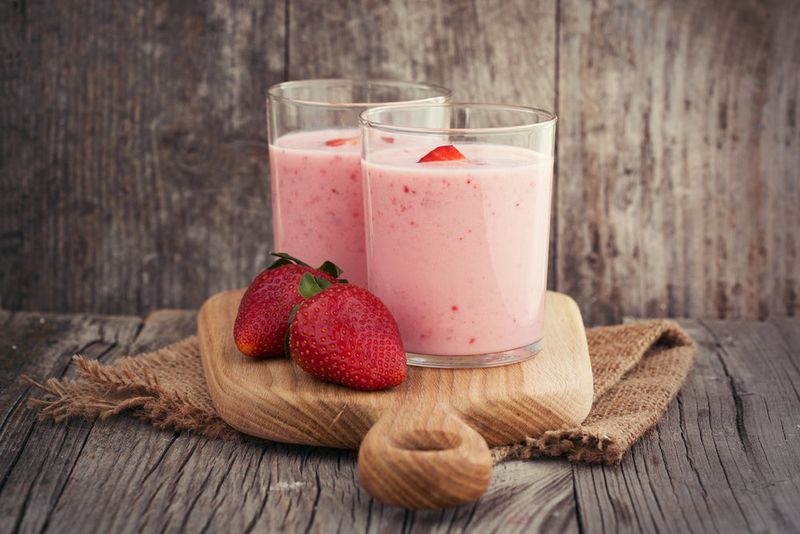
Blending fruit sounds innocent enough, but a large smoothie from a popular chain can easily hit 600 to 900 calories. Bananas, juice, yogurt, and nut butters all add up in a blender.
Liquid calories are tricky because your stomach does not register them the same way solid food does. You can still enjoy smoothies by using water or unsweetened almond milk as a base, adding more vegetables, and keeping the fruit portions smaller to stay in a reasonable calorie range.
4. Olive Oil
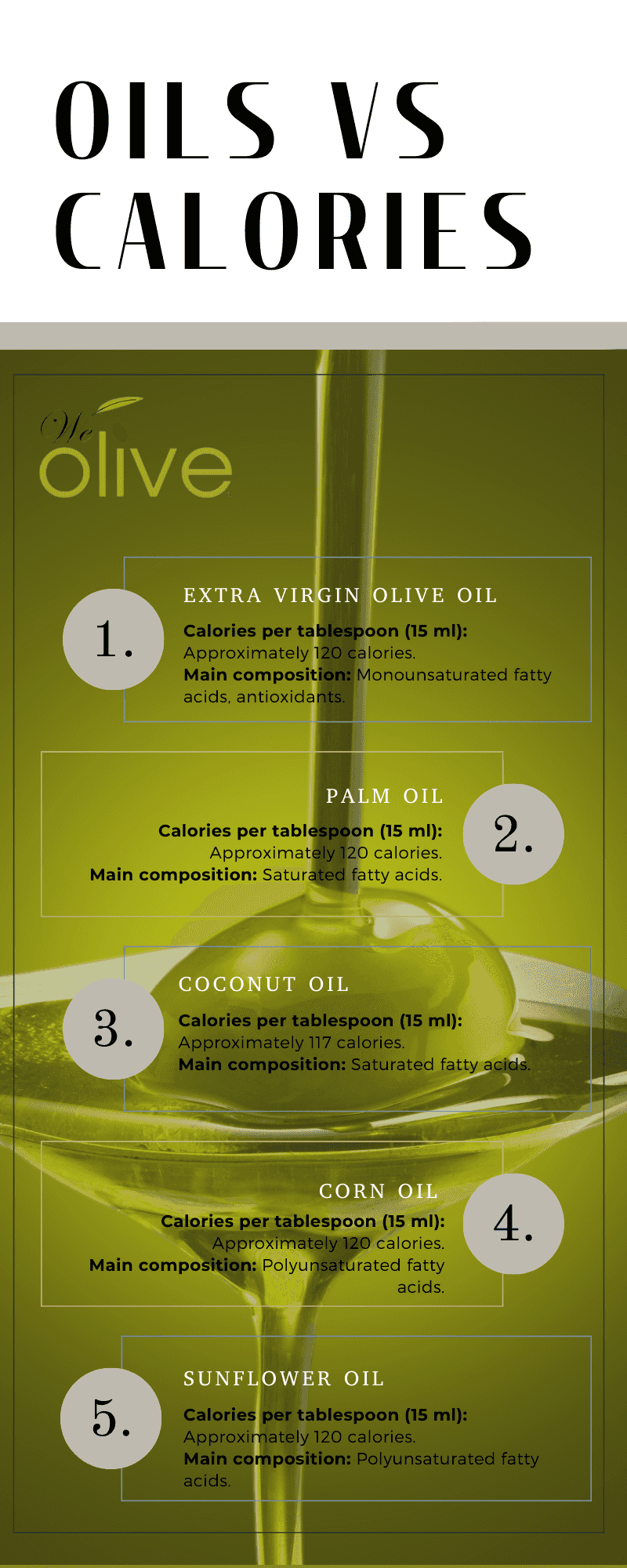
Olive oil is one of the healthiest fats around, but just one tablespoon holds about 120 calories. When you pour it generously over a pan or salad, those tablespoons multiply fast.
Cooks often drizzle several tablespoons without measuring, unknowingly adding 400 or more calories to what seems like a light meal. Using a measuring spoon or a spray bottle gives you the flavor and health benefits of olive oil without accidentally turning a simple dish into a calorie-heavy one.
5. Dried Fruit
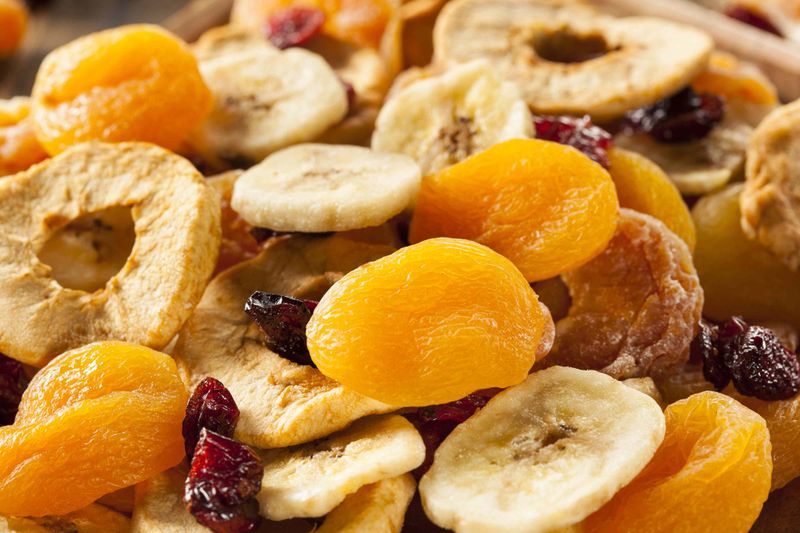
Dried fruit looks like a small, innocent snack, but removing the water concentrates all the sugar and calories into a tiny package. A cup of raisins has over 400 calories, compared to about 60 for fresh grapes.
Many dried fruit products also have added sugar on top of the natural sugars already present. Fresh fruit will almost always be the lower-calorie choice.
If you love dried fruit, measure out a small portion and pair it with protein to keep your snack balanced.
6. Nut Butters
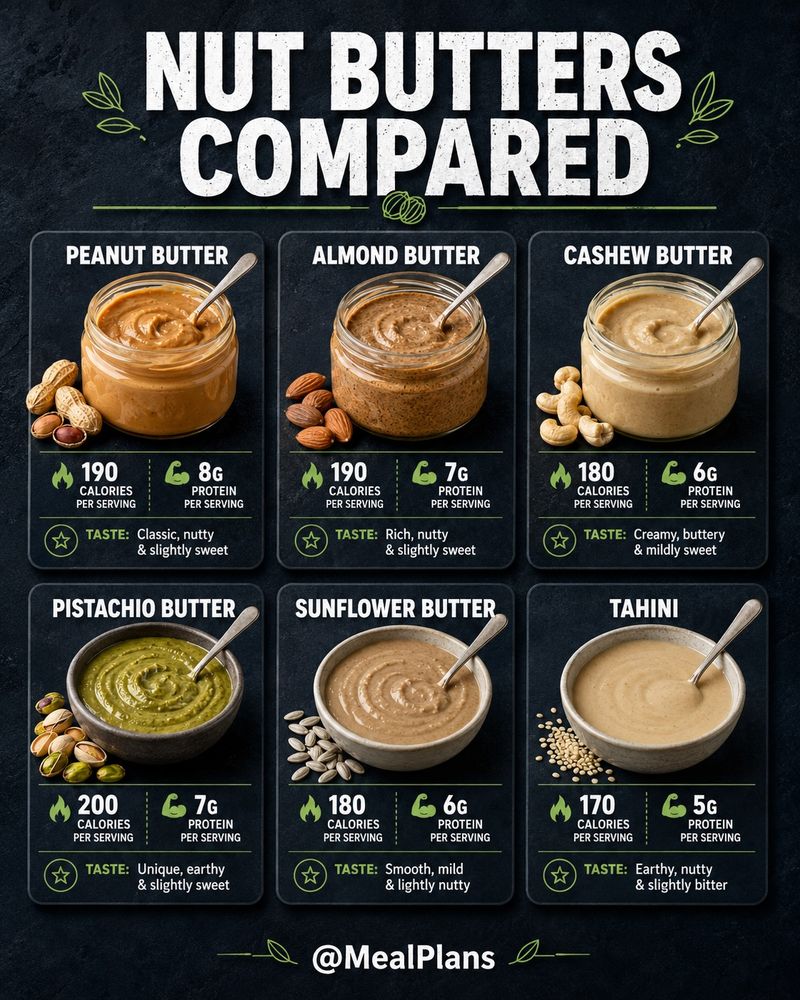
Two tablespoons of peanut or almond butter packs around 190 calories. The problem is that most people scoop way more than two tablespoons, especially when spreading it on toast or stirring it into oatmeal.
Nut butters are rich in protein and healthy fats, making them genuinely nutritious. The trick is portion control.
Use a measuring spoon rather than eyeballing it, and you will still get all the satisfying benefits without accidentally eating three or four servings in one sitting.
7. Salad Dressing
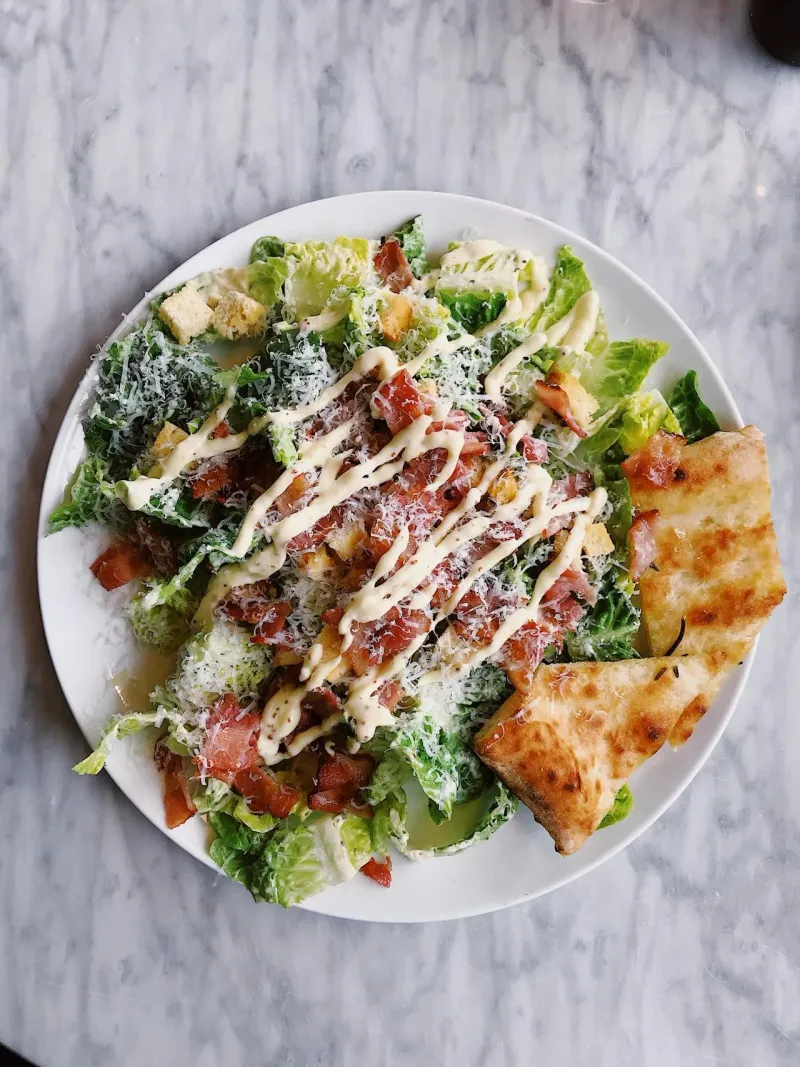
You built a beautiful salad full of vegetables, and then you drowned it in dressing. Two tablespoons of ranch or Caesar dressing can add 140 to 180 calories, and most restaurants serve three or four times that amount.
Creamy dressings are among the biggest calorie traps in any meal. Asking for dressing on the side and dipping your fork before each bite rather than pouring it on top is a simple strategy that can cut hundreds of calories from your plate.
8. Cheese
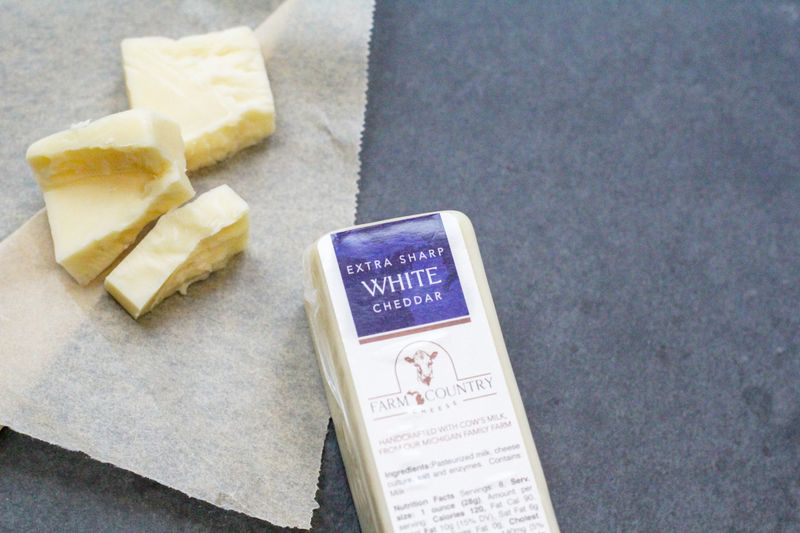
Cheese is deeply satisfying and full of calcium, but it is also calorie-dense in a sneaky way. One ounce of cheddar, which is about the size of four dice, has roughly 115 calories.
People rarely stop at one ounce. Sprinkling cheese on pasta, nachos, or salads often adds several ounces before you even notice.
Opting for stronger-flavored cheeses like sharp cheddar or parmesan means a smaller amount goes a long way, helping you enjoy that rich taste without overdoing the calories.
9. Whole Wheat Bread
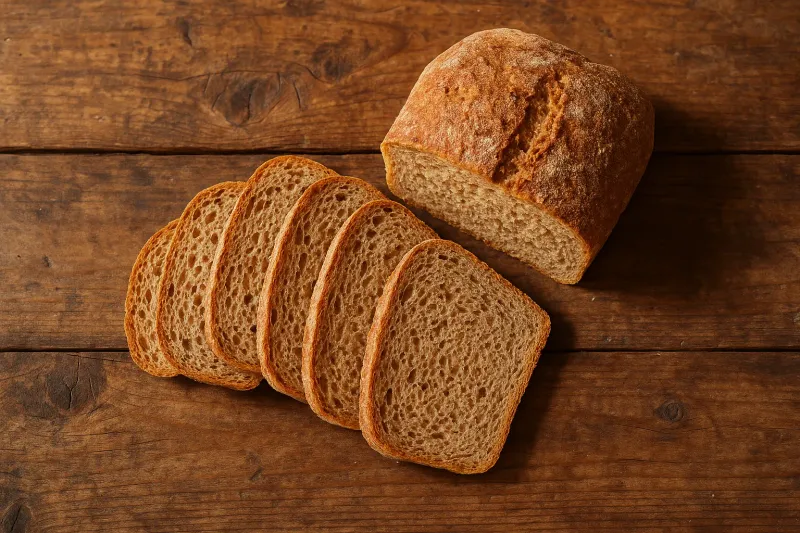
Whole wheat bread feels like a healthy upgrade from white bread, and it does offer more fiber. But two slices still carry around 160 to 200 calories, and that is before any toppings are added.
Thick-cut artisan loaves can push that number even higher. The fiber in whole wheat helps you stay full longer, which is a real advantage.
Still, if you are watching calories closely, being aware of slice size and choosing thinner cuts can help you stay on track without sacrificing nutrition.
10. Hummus
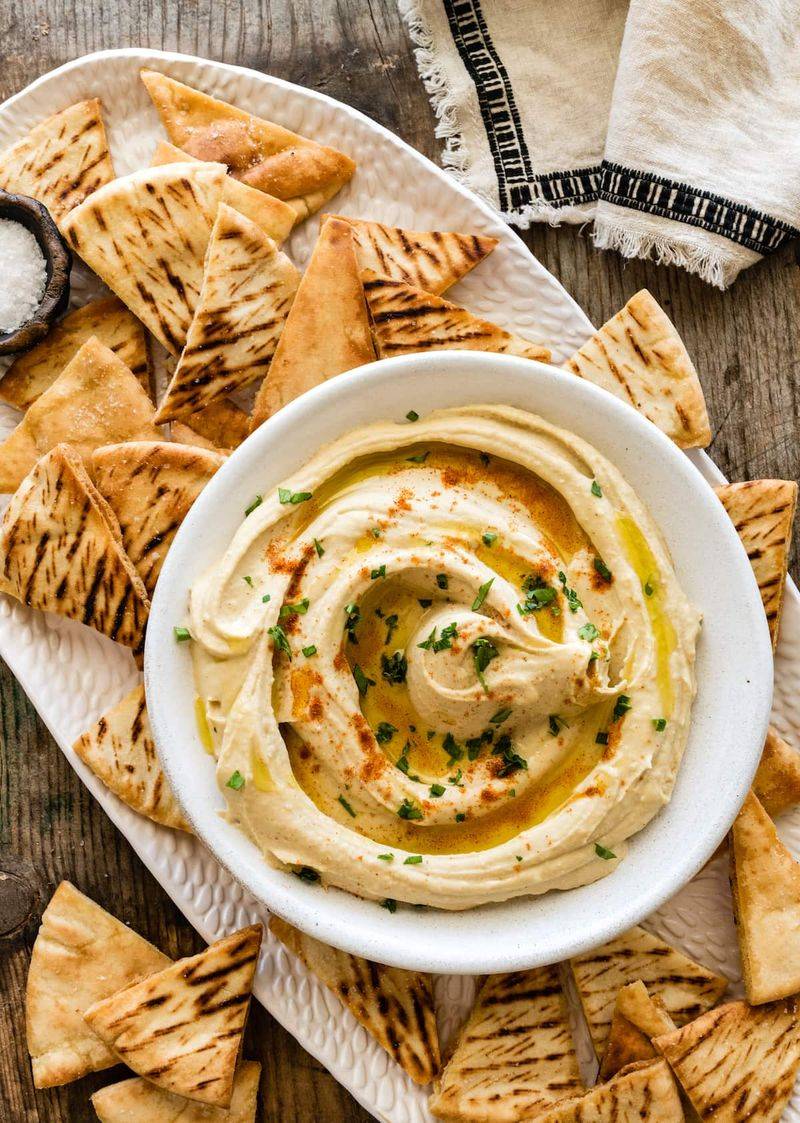
Hummus has a great reputation as a healthy dip, and it genuinely is nutritious, packed with protein and fiber from chickpeas. However, a quarter cup serving already reaches about 100 calories.
When you factor in the pita bread or crackers used for dipping, your snack can easily climb past 400 calories. Using raw vegetables like carrots or cucumber instead of bread is a smart swap that keeps the satisfying crunch while dramatically reducing the total calorie count of your snack.
11. Flavored Yogurt
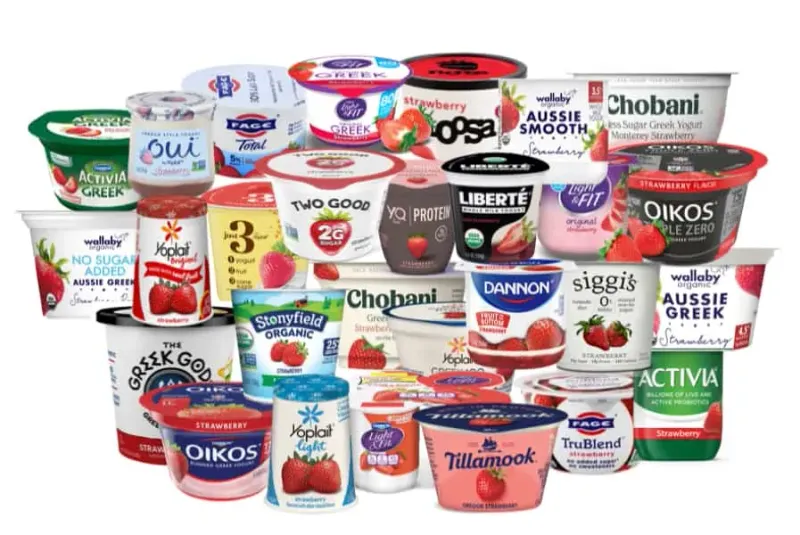
Plain yogurt is a protein powerhouse, but the flavored versions sold in most grocery stores are a different story. A single container of strawberry or vanilla yogurt can contain 20 to 30 grams of sugar and over 150 calories.
Many people eat flavored yogurt thinking it is basically a health food, not realizing it is closer to dessert in terms of sugar content. Choosing plain Greek yogurt and adding your own fresh fruit gives you control over sweetness and keeps the calorie count much lower.
12. Sushi Rolls

Sushi feels like one of the lightest meals you can order, and simple nigiri with fish and rice is indeed fairly low in calories. But rolls change the game entirely.
A single spicy tuna roll or California roll can have 300 to 500 calories, and most people order two or three rolls at once. Cream cheese, tempura, and spicy mayo are the biggest calorie contributors.
Sticking to simpler rolls or sashimi is an easy way to enjoy sushi without the calorie surprise.
13. Coconut Milk
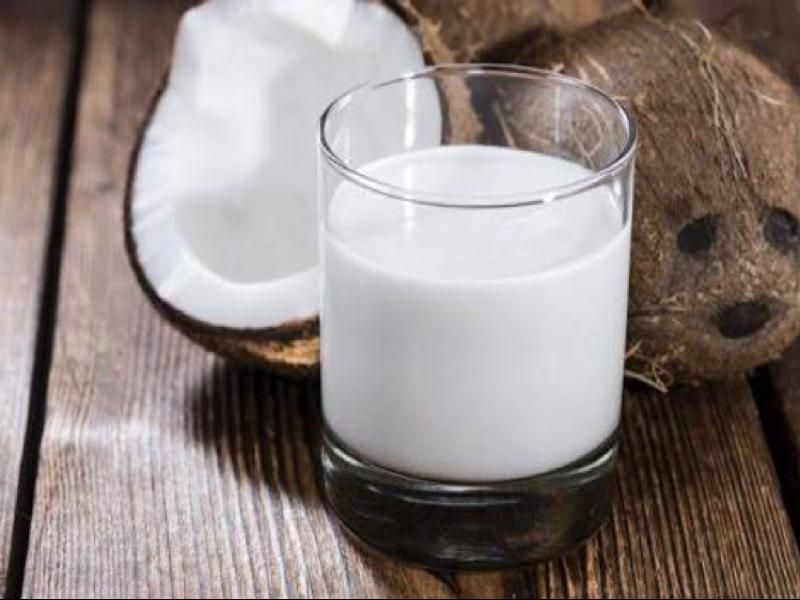
Full-fat coconut milk is a rich, creamy ingredient that transforms curries and soups into something magical. That richness comes at a cost, though.
Just one cup contains around 445 calories and 48 grams of fat.
Most recipes call for an entire can, which is even more than a cup. Light coconut milk is a reasonable substitute that cuts the calories nearly in half while still delivering that tropical flavor.
Checking labels before you cook can save you from a big calorie surprise.
14. Protein Bars
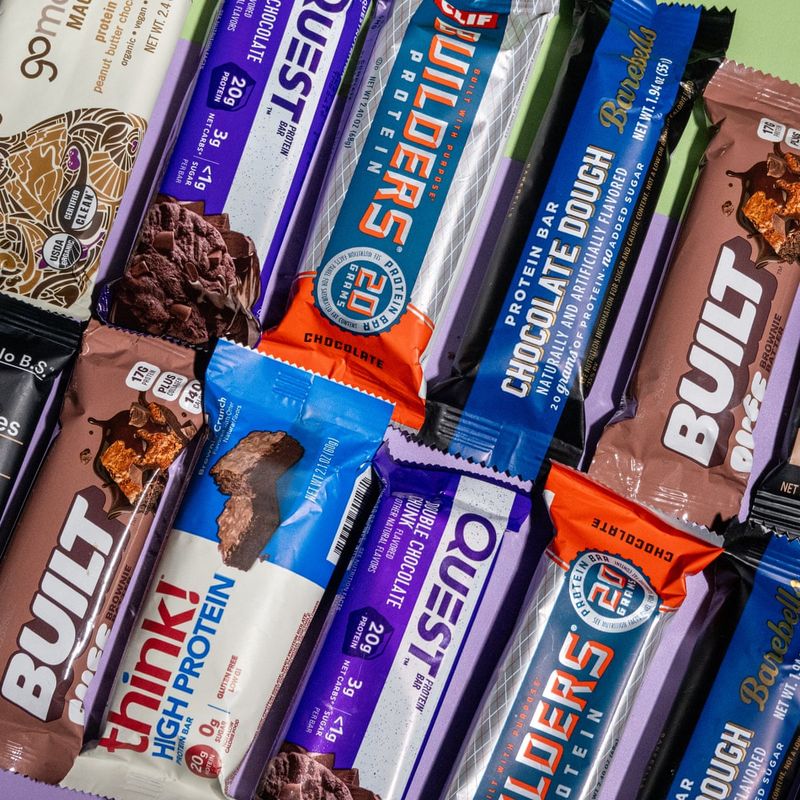
Protein bars market themselves as fitness-friendly snacks, and some genuinely are. But many popular brands are essentially candy bars with a protein label slapped on the front, packing 300 to 400 calories each.
Reading the ingredient list often reveals sugar alcohols, syrups, and oils that drive up the calorie count. If you need a protein bar, look for ones with at least 15 grams of protein and fewer than 200 calories.
Whole food snacks like hard-boiled eggs or cottage cheese are often a smarter choice.
15. Orange Juice
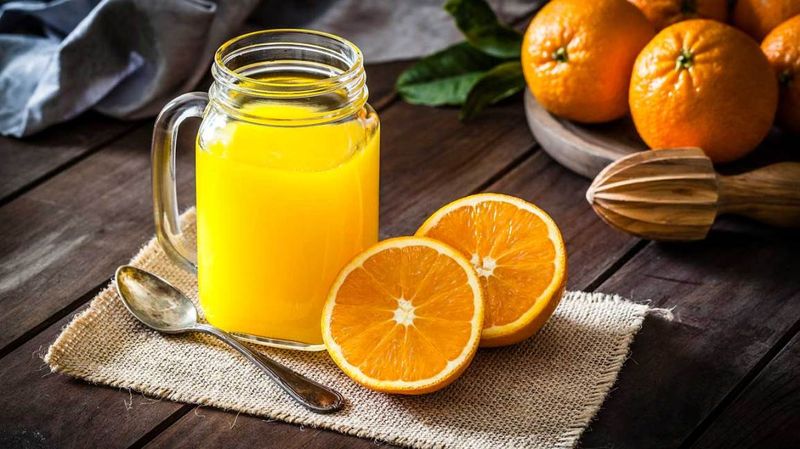
Orange juice feels like a wholesome breakfast staple, and it does contain vitamin C. But an eight-ounce glass has about 110 calories and almost no fiber, since the pulp and skin are removed during juicing.
Without fiber, those calories hit your bloodstream quickly, causing a fast rise in blood sugar. Eating a whole orange instead gives you the same vitamins with far fewer calories and the fiber your body needs.
Juice is essentially a sugary drink with a health halo attached to it.
16. Wraps and Tortillas
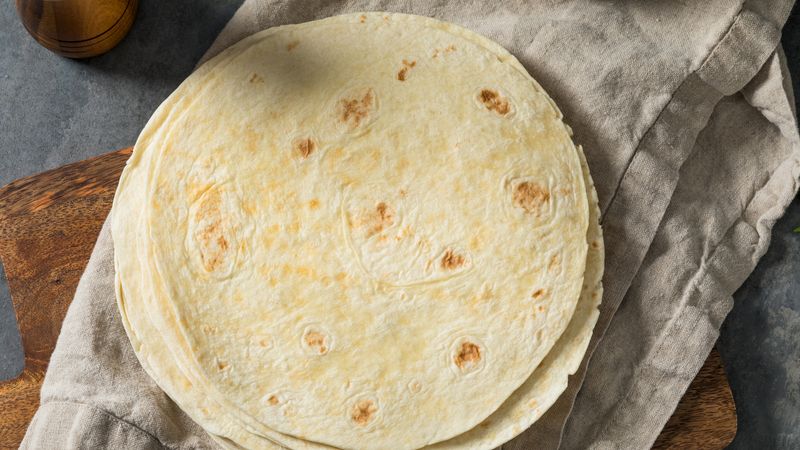
People often swap bread for a wrap thinking they are making a lighter choice, but a large flour tortilla can have 300 calories on its own, before any filling is added. That is more than two slices of many breads.
Wraps feel thinner and lighter, which creates a false sense of portion control. If a sandwich is your goal, a smaller tortilla or a lettuce wrap can genuinely reduce the calorie count.
Always check the label, because tortilla sizes and calorie counts vary widely by brand.
17. Trail Mix
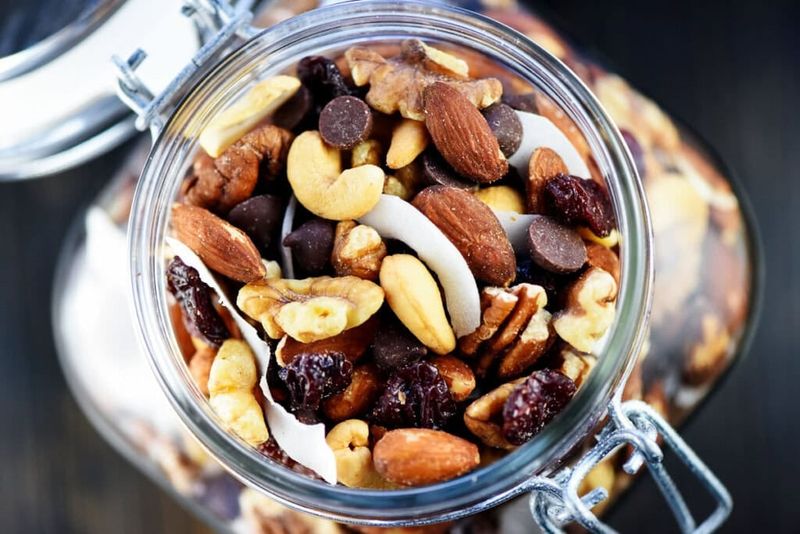
Trail mix is designed for hikers burning thousands of calories a day, which explains why a single cup can contain 700 calories or more. Nuts, seeds, chocolate pieces, and dried fruit are all calorie-dense on their own.
Eating trail mix while watching TV is a very different situation than hiking up a mountain. Portioning it into a small container before snacking, rather than eating from the bag, is one of the easiest ways to enjoy the flavor without consuming a full meal’s worth of calories accidentally.
18. Acai Bowls
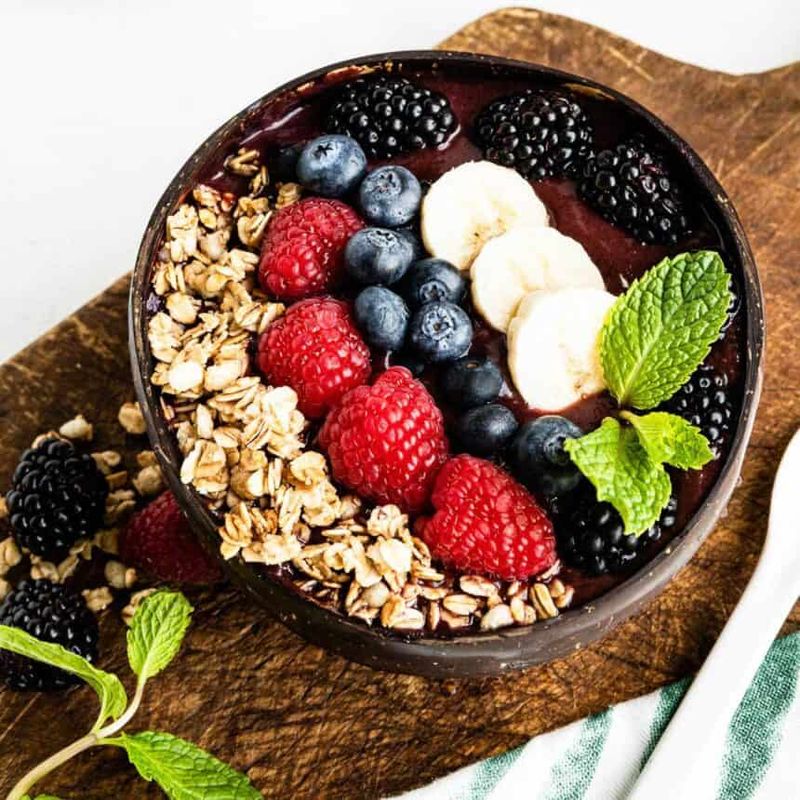
Acai bowls look like a work of art and feel incredibly virtuous. But between the acai base, fruit, granola, honey, and nut butter toppings, a single bowl from a cafe can reach 600 to 900 calories.
The ingredients are genuinely nutritious, but the portions are restaurant-sized, not snack-sized. Making your own acai bowl at home lets you control exactly what goes in.
Using unsweetened acai, fresh fruit, and a small sprinkle of granola can bring the total well under 300 calories.
19. Coffee Drinks
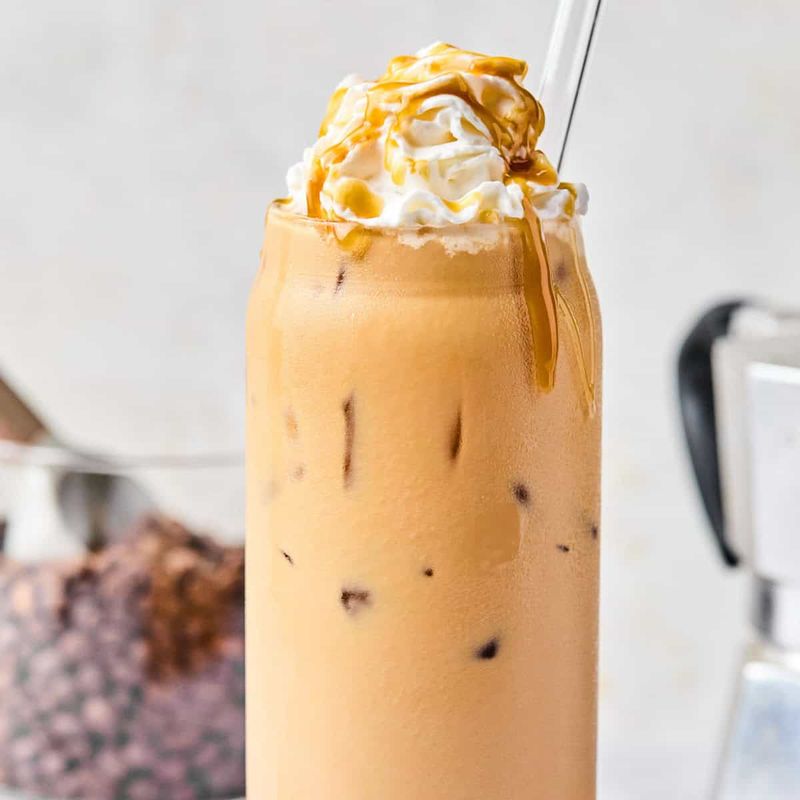
A plain black coffee has almost no calories at all. But a large caramel latte with whipped cream from a popular chain can hit 500 calories, which is more than a fast food burger.
Syrups, whole milk, and whipped toppings are the main culprits. Ordering a smaller size, choosing oat or skim milk, skipping the whip, and reducing the syrup pumps are all small changes that can bring a fancy coffee drink down to under 150 calories without completely ruining the experience.
20. Quinoa
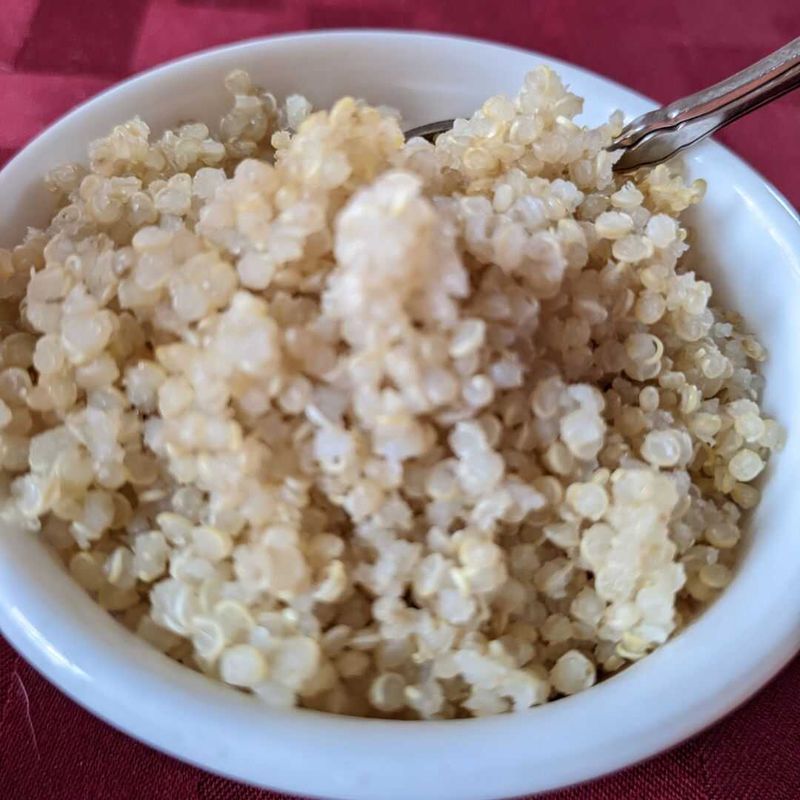
Quinoa earned its superfood title honestly, offering complete protein and plenty of nutrients. But a cooked cup still contains about 220 calories, which surprises people who treat it as a free-for-all health food.
Because quinoa is so nutritious, it is easy to pile on a large portion without thinking about the calorie total. Using it as a side dish rather than a main base, and keeping portions to about half a cup, lets you benefit from all that nutrition without accidentally doubling your calorie intake at dinner.
21. Veggie Chips
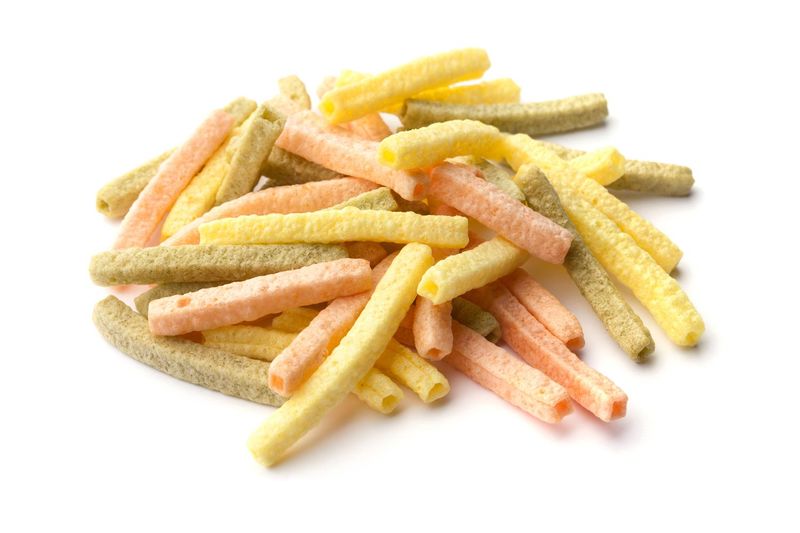
The word veggie on a snack bag makes it sound like you are practically eating a salad. In reality, most veggie chips are made from vegetable powders mixed with potato starch, and a single serving carries about 130 to 150 calories, nearly identical to regular potato chips.
The crunch and light flavor make them easy to overeat. Actual roasted vegetables like kale chips made at home or sliced baked zucchini are far lower in calories and give you real vegetable nutrition, not just the idea of it.
22. Pasta Salad
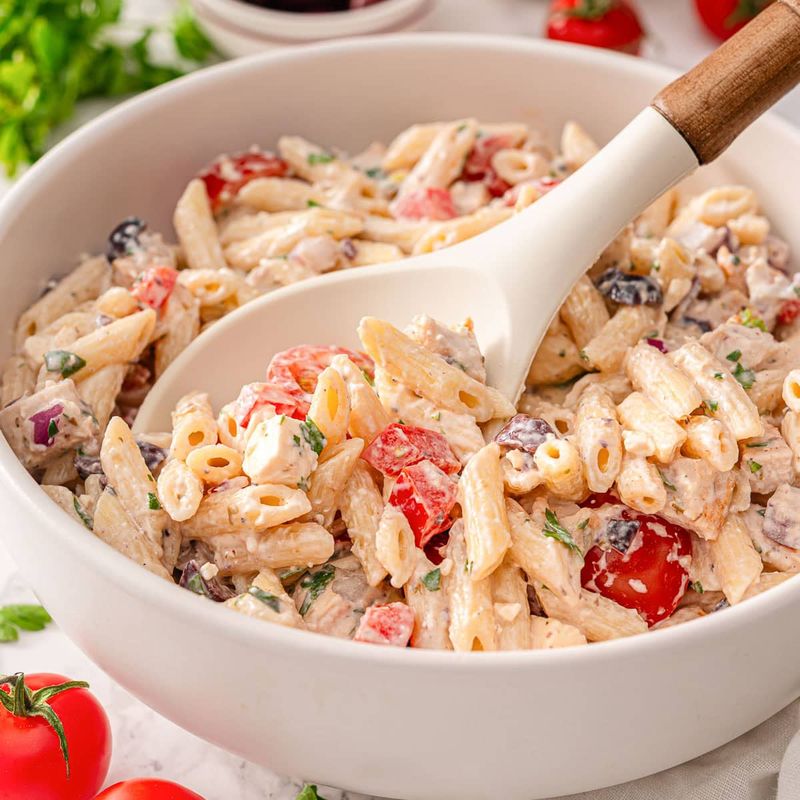
Pasta salad sounds refreshing and light, especially at a summer cookout. But the base is still pasta, and the creamy or oil-based dressings add a significant number of calories on top of that starchy foundation.
A single cup of creamy pasta salad can hold 350 to 400 calories, and most people serve themselves two or three cups without a second thought. Using a vinaigrette instead of mayo, boosting the vegetable ratio, and reducing the pasta portion are practical ways to make this crowd-pleaser much friendlier on the calorie front.