
Long before grocery stores and global shipping made exotic foods available to everyone, certain ingredients were so rare and precious that only kings, queens, and the ultra-wealthy could afford them. These foods were symbols of power, status, and privilege – enjoyed behind palace walls while ordinary people could only dream of tasting them.
Today, many of these once-forbidden delicacies are surprisingly within reach. Read on to discover 17 foods that used to belong exclusively to the world’s most powerful tables.
1. Saffron
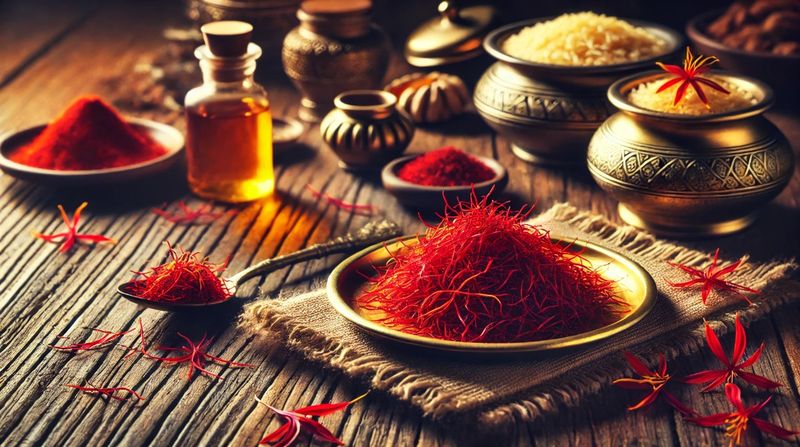
Ounce for ounce, saffron is one of the most expensive spices on Earth, and royalty throughout history were obsessed with it. Ancient Persian kings used it to dye their robes and flavor their feasts.
It takes roughly 75,000 crocus flowers to produce just one pound of saffron, which explains the jaw-dropping price tag.
Today, you can find it at specialty grocery stores. A little goes a very long way in dishes like paella and risotto.
2. Caviar
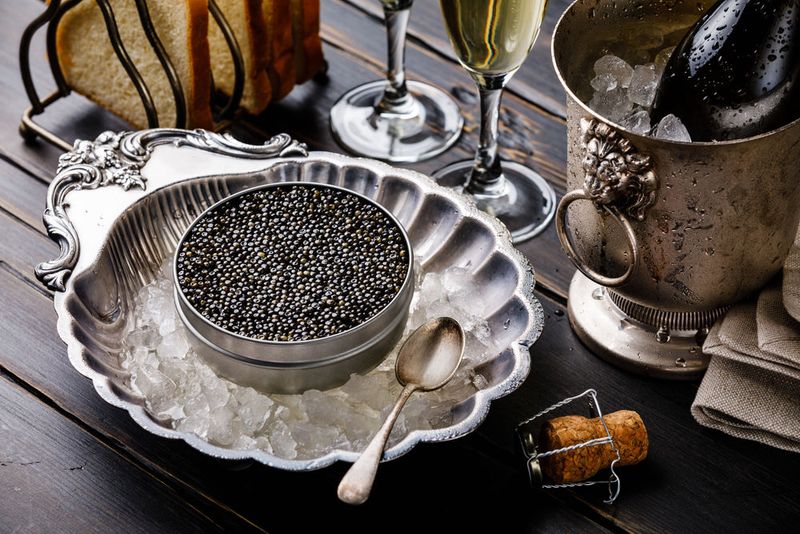
Few foods carry the reputation of caviar. For centuries, sturgeon roe was reserved for Russian tsars and European aristocrats who served it at grand banquets as a show of extraordinary wealth.
The scarcity of sturgeon in the wild made each tiny pearl almost priceless.
Wild caviar is still extremely costly today, but farmed varieties have made it slightly more accessible. Even a small taste feels undeniably luxurious and carries centuries of royal tradition with it.
3. White Truffles
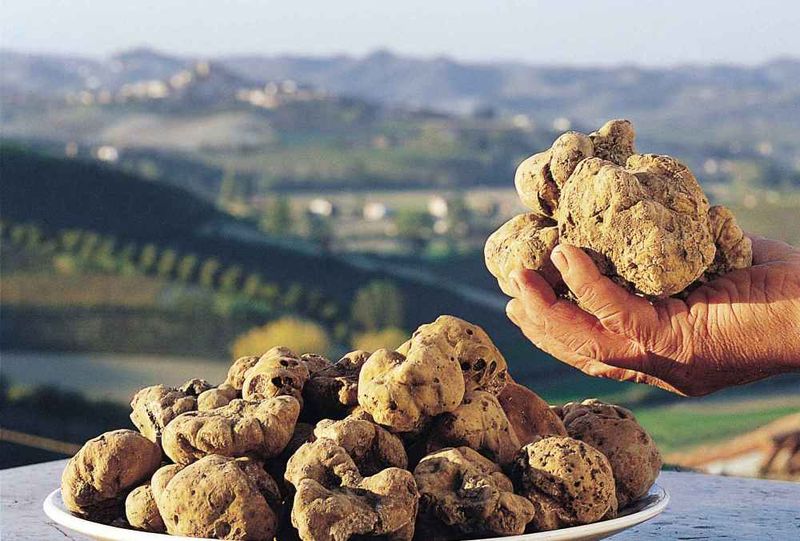
Nicknamed “white gold,” the white truffle from Alba, Italy, has enchanted wealthy diners for centuries. Medieval nobles paid fortunes for these underground fungi, and Renaissance courts considered them a divine gift.
They cannot be farmed – they only grow wild beneath specific oak trees, making supply wildly unpredictable.
At auctions, a single large white truffle can sell for tens of thousands of dollars. Their musky, earthy aroma is unlike anything else in the culinary world.
4. Lobster
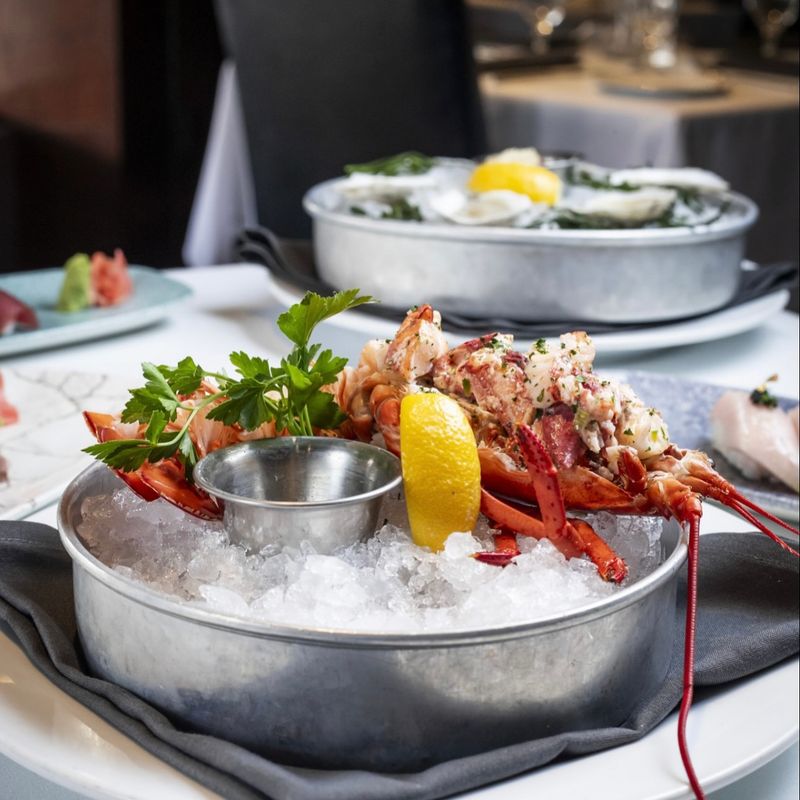
Believe it or not, lobster was once considered poor people’s food in colonial America – so plentiful it was used as fertilizer and fed to prisoners. The shift happened in the 1800s when railways transported live lobsters inland to wealthy city diners who had never tasted them before.
Suddenly, lobster became a luxury item. Today it holds its premium status firmly, appearing on the menus of the world’s finest restaurants as a symbol of indulgence.
5. Foie Gras
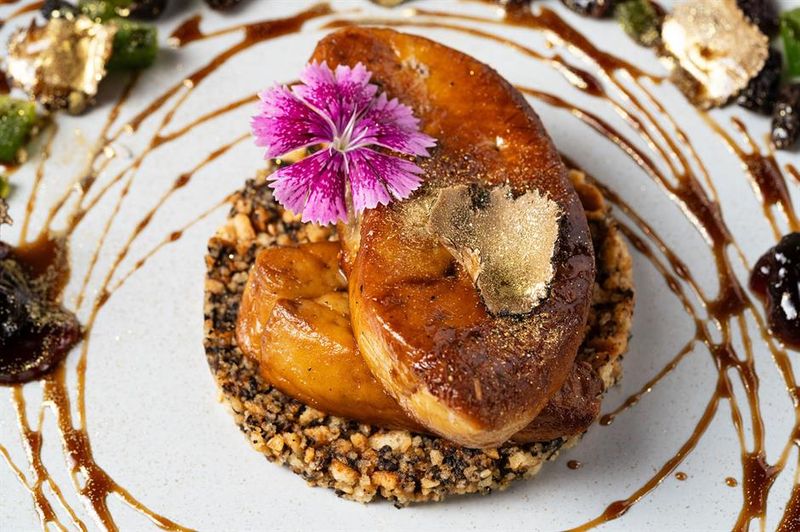
Foie gras, which means “fatty liver” in French, has graced aristocratic tables since ancient Egypt. French royalty elevated it to an art form, serving it at the grandest state dinners throughout the 17th and 18th centuries.
The complex, buttery richness of the dish made it a defining symbol of French haute cuisine.
It remains one of the most debated luxury foods today, celebrated by chefs and controversial for its production methods – a food with a genuinely complicated legacy.
6. Sugar
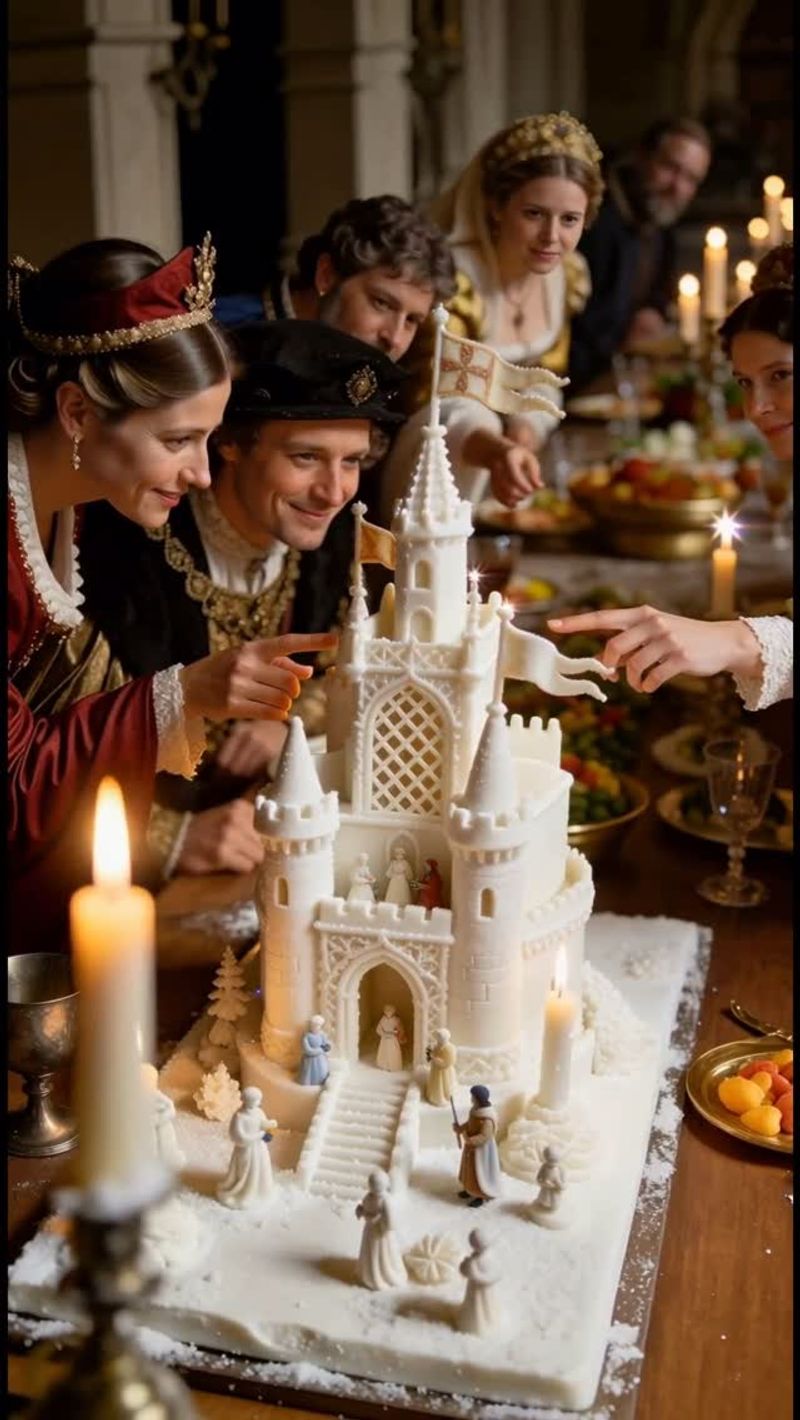
Sugar was once so rare and expensive that European monarchs displayed it like jewelry. In medieval England, a pound of sugar cost the equivalent of several days’ wages for a laborer.
Kings and queens had elaborate sugar sculptures – called “subtleties” – created as table centerpieces to show off their wealth to guests.
Queen Elizabeth I reportedly loved sugar so much her teeth turned black from it. Today, of course, sugar is one of the most affordable and widely used ingredients on the planet.
7. Chocolate
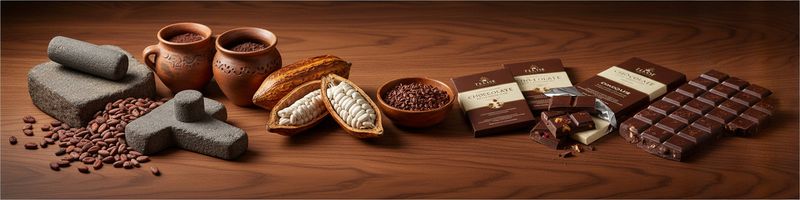
When chocolate first arrived in Europe from the Americas in the 1500s, it was strictly a drink for kings and courts. The Aztec emperor Montezuma reportedly drank 50 cups of cacao daily from golden goblets.
Spanish royalty kept the secret of chocolate hidden from the rest of Europe for nearly a century.
By the 1600s, European elites were sipping hot chocolate in exclusive cafes. Today, a chocolate bar costs less than a dollar – a remarkable fall from royal grace.
8. Spices (Pepper, Nutmeg, and Cloves)
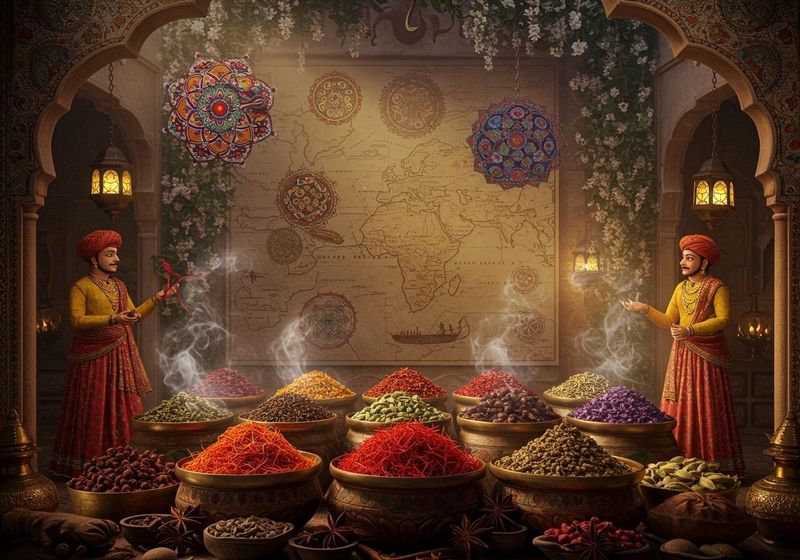
In the Middle Ages, a sack of black pepper was worth more than gold by weight. Nutmeg was so prized that wars were literally fought over the tiny islands where it grew.
Medieval lords used exotic spices to season food, yes – but also to signal their status at the table.
The entire Age of Exploration was largely driven by Europe’s obsession with controlling the spice trade. Those little jars in your kitchen cabinet represent centuries of global ambition and rivalry.
9. Oysters
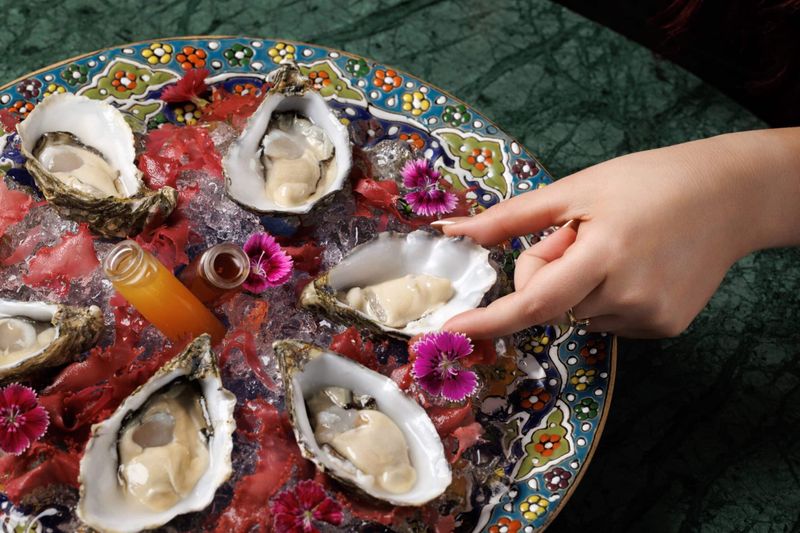
Roman emperors were wild about oysters, allegedly paying their weight in silver to have them transported from Britain to Rome. Throughout the Renaissance, European royalty served them at lavish banquets as a prized delicacy from the sea.
Their briny, fresh flavor was seen as a taste of the ocean’s finest offerings.
Like lobster, oysters eventually flipped to being common food before circling back to luxury status. Today, a platter of freshly shucked oysters still feels undeniably special.
10. Champagne
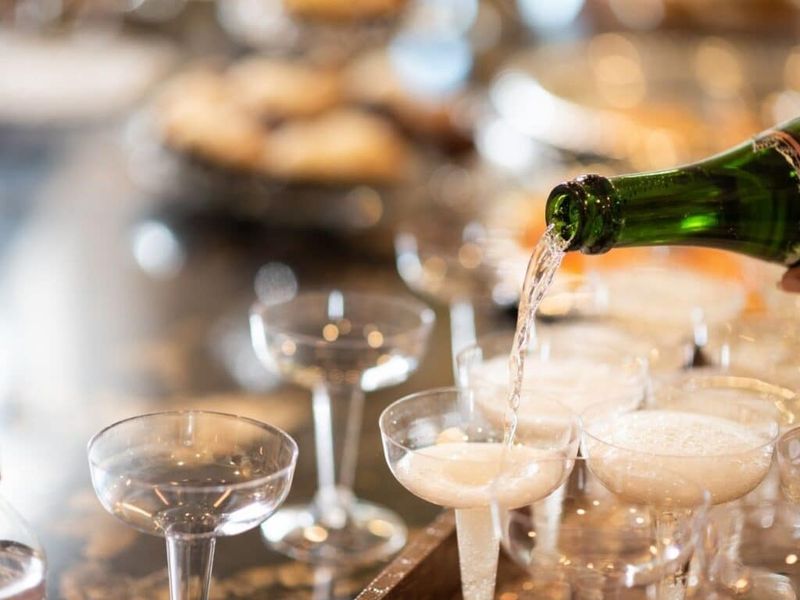
No beverage has clung to its image of royalty quite like champagne. The sparkling wine from France’s Champagne region became the official drink of French kings in the 1600s, poured at coronations and state banquets.
King Louis XIV reportedly never missed a celebration without it.
Champagne’s reputation spread across European courts and became the global symbol of celebration it remains today. Even now, popping a bottle of champagne signals that something extraordinary is worth marking.
11. Vanilla
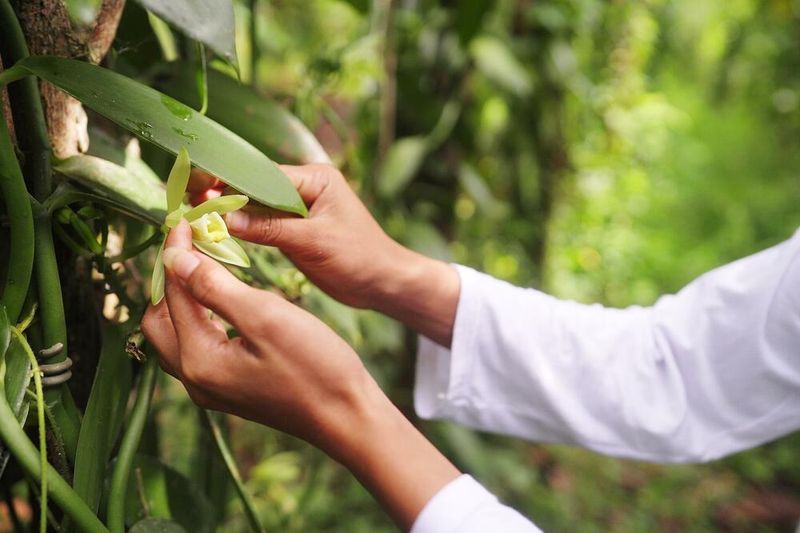
Vanilla seems ordinary now, but for centuries it was so exotic and rare that only royalty could afford it. The Totonac people of Mexico first cultivated it, and when Spanish conquistadors brought it to Europe in the 1500s, it became an instant obsession among the wealthy.
For a long time, Mexico held a monopoly on vanilla production.
Pollination outside Mexico was nearly impossible until the 1800s. Today, Madagascar produces most of the world’s supply, making real vanilla far more accessible – though still pricier than imitation versions.
12. Pineapple
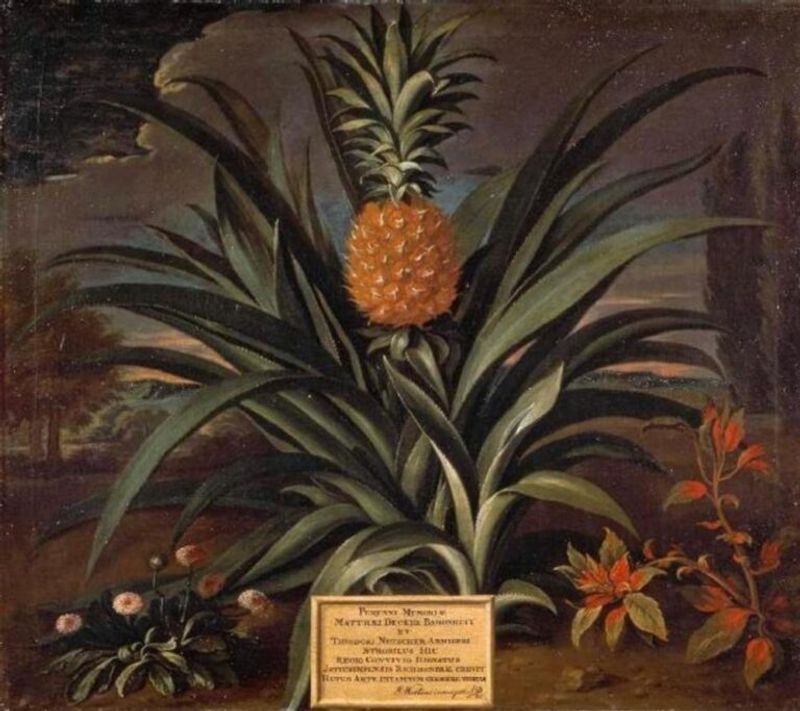
In 17th and 18th century Europe, a single pineapple could cost the equivalent of thousands of dollars in today’s money. Wealthy aristocrats would rent pineapples just to display at dinner parties as a status symbol – without even eating them.
King Charles II of England famously posed for a portrait receiving one as a gift.
Pineapples became such a prestige symbol that their image was carved into architecture, furniture, and gateposts across Europe. Today you can grab one at any grocery store for a few dollars.
13. Truffled Macaroni
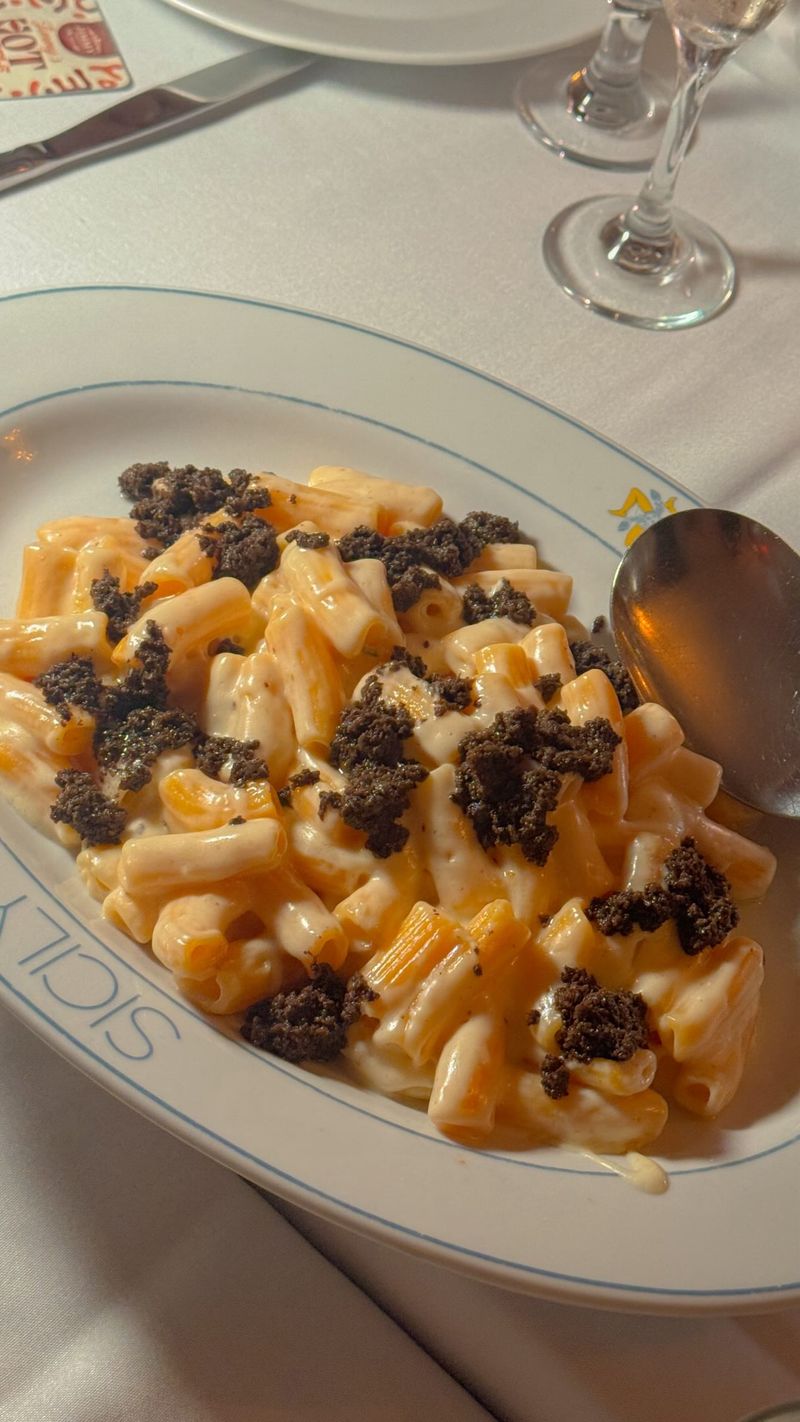
Before macaroni and cheese became a beloved comfort food, pasta itself was a luxury in Europe. In the 18th century, wealthy English gentlemen who had traveled to Italy brought back a passion for macaroni, earning the nickname “Macaroni” – as referenced in “Yankee Doodle.” Truffled versions were served at royal courts as the height of refinement.
The dish represented cosmopolitan sophistication. It is a fun reminder that even today’s humblest foods once had a glamorous past.
14. Figs
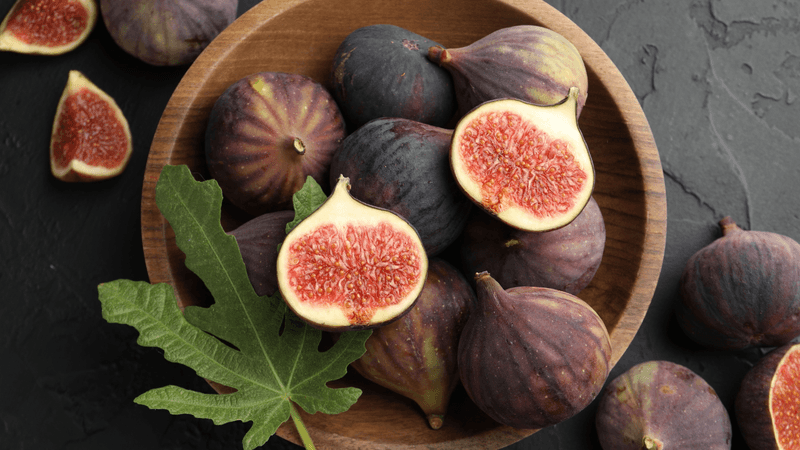
Ancient Egyptian pharaohs considered figs so sacred they were buried with them in tombs to ensure a sweet afterlife. Greek and Roman rulers prized figs above almost all other fruits, and Cleopatra reportedly adored them.
Their natural sweetness was irresistible in a world where sugar was nearly nonexistent.
Figs were also believed to have powerful medicinal properties, making them doubly valuable. Widely available in modern supermarkets, they carry a quiet dignity earned over thousands of years of royal favor.
15. Sturgeon

Long before sturgeon’s eggs became famous as caviar, the fish itself was the centerpiece of royal feasts. In medieval England, sturgeon was legally classified as a “royal fish,” meaning any caught in British waters belonged to the Crown.
King Edward II made this law official in the 14th century.
Serving whole roasted sturgeon at a banquet was a declaration of immense power and wealth. Sturgeon populations have since declined dramatically due to overfishing, making them even rarer today.
16. Spit-Roasted Swan
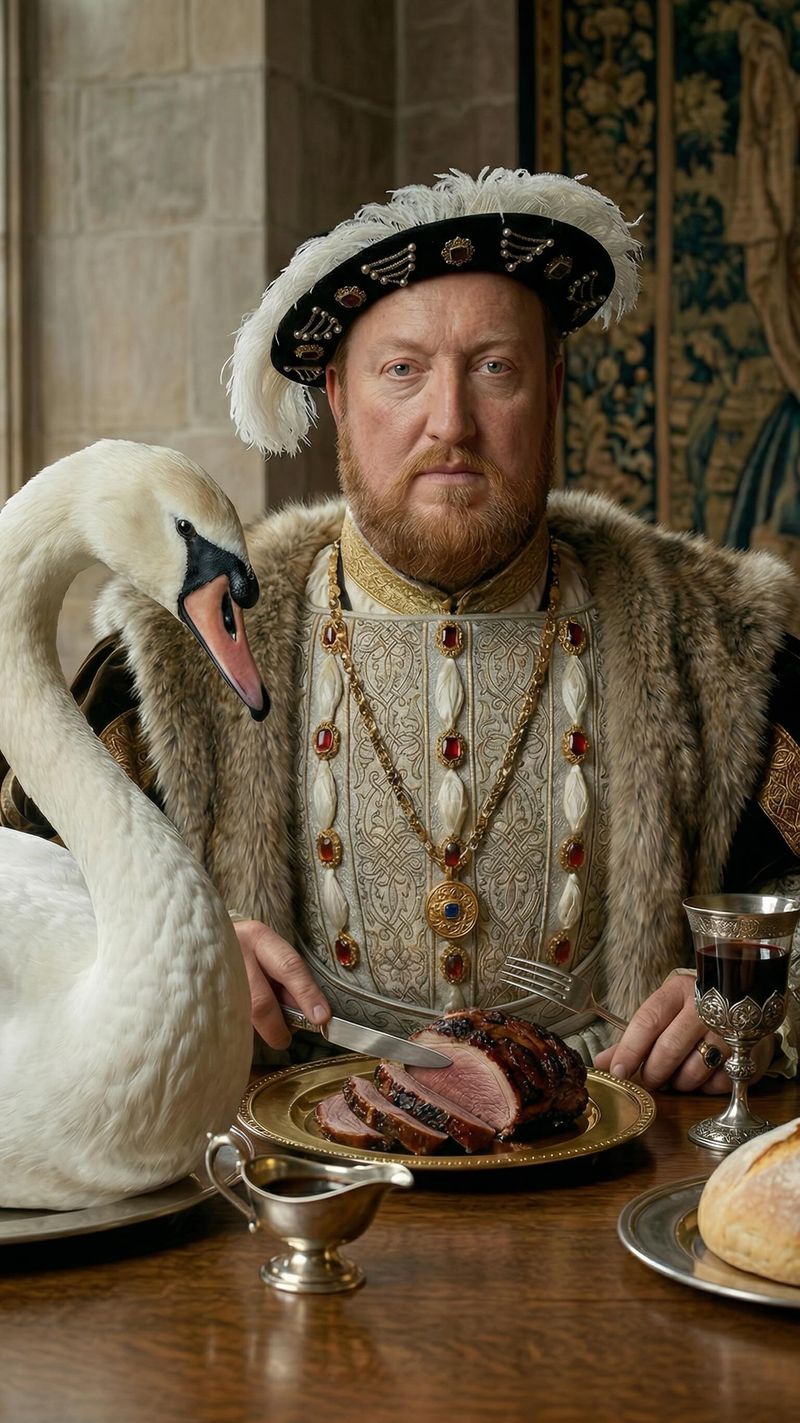
Swans gliding across royal ponds were not just decorative – they were also on the menu. In medieval and Tudor England, roasted swan was considered the ultimate banquet showpiece.
Like sturgeon, swans were legally owned by the Crown, meaning only those with royal permission could eat them.
Chefs would roast the bird and then re-dress it in its own feathers for dramatic presentation. The tradition of royal swan ownership in England technically still exists today, though thankfully the eating part has stopped.
17. Ice Cream
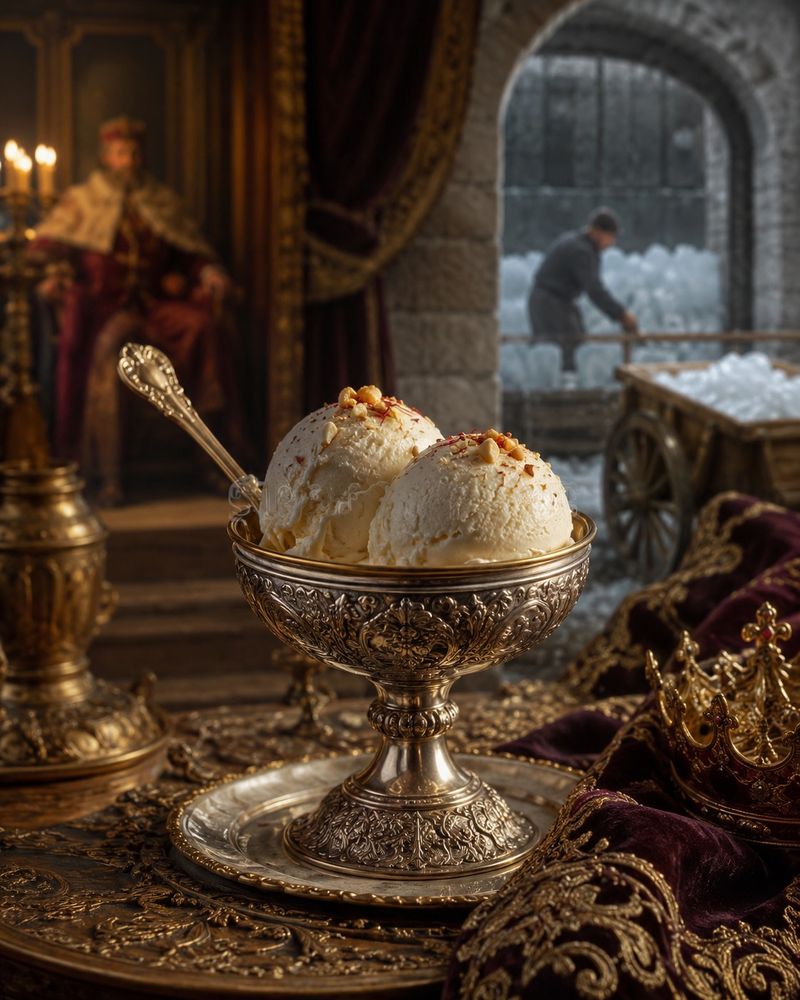
Frozen desserts were once so extraordinary that kings went to great lengths – and great expense – to enjoy them. Charles I of England allegedly paid his chef handsomely to keep his ice cream recipe a secret from the public.
In France, Catherine de Medici is often credited with bringing frozen desserts to the royal court.
Harvesting and storing ice required enormous effort and cost before refrigeration. The fact that ice cream is now a casual everyday treat is one of history’s most delicious plot twists.