
Strokes can happen to anyone, even people who seem to be at the top of their game. Some of the most famous faces in entertainment, sports, and media have faced this frightening health crisis and chosen to speak out about it.
Their stories remind us that strokes do not discriminate by age or fame, and that recovery is possible with the right support and determination.
1. Sharon Stone
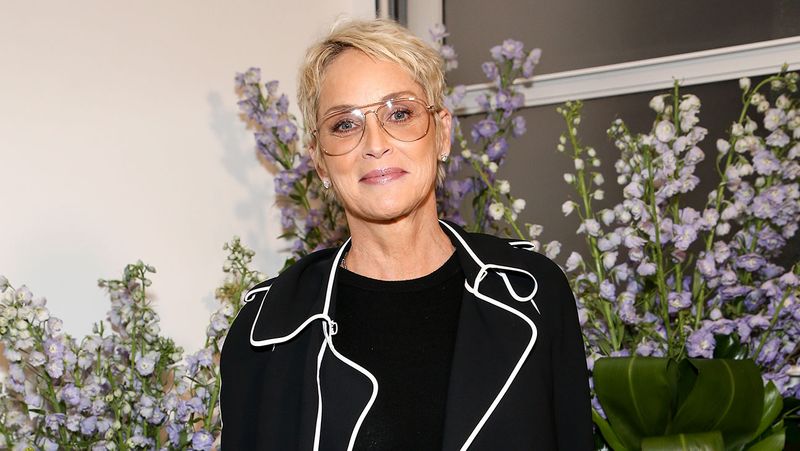
Few survival stories are as dramatic as Sharon Stone’s. In 2001, the Hollywood actress suffered a near-fatal stroke and brain hemorrhage that forced her to relearn how to speak, walk, and perform basic daily tasks.
The road back was long and grueling, touching every corner of her personal and professional life.
Stone turned her painful experience into a platform, becoming a passionate advocate for stroke awareness. Her courage in sharing the truth about her recovery has inspired countless others facing similar battles.
2. Dick Clark
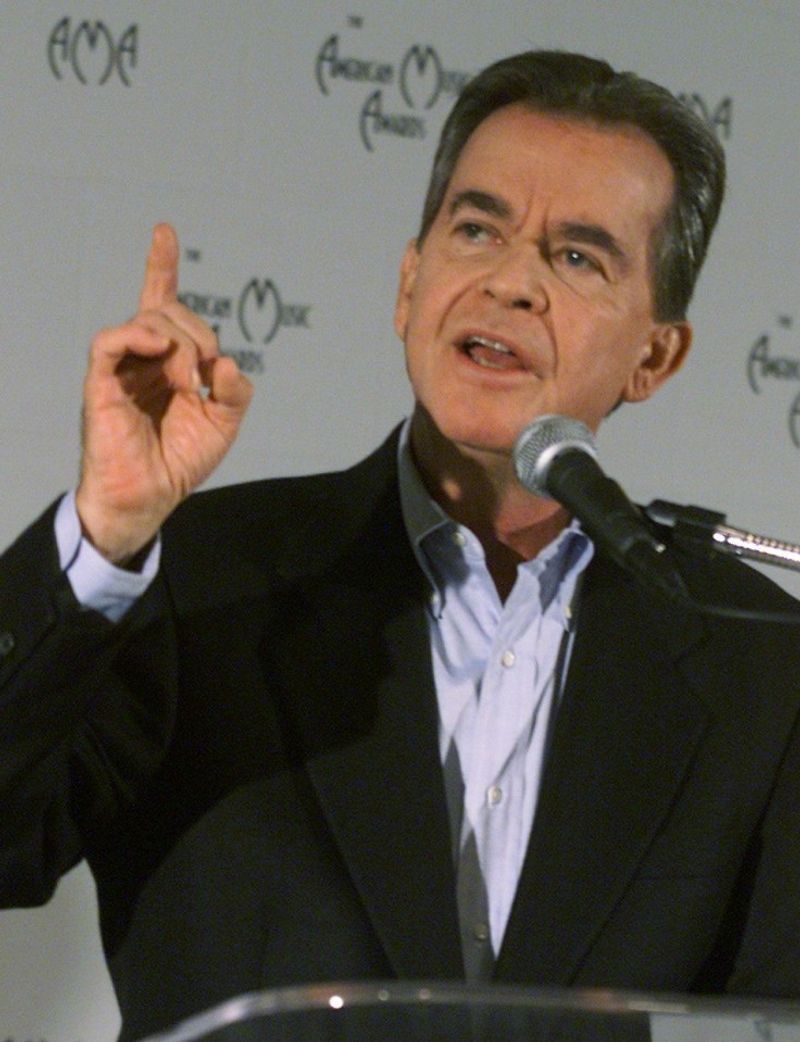
Known as “America’s Oldest Teenager,” Dick Clark was a television icon for decades. In 2004, a stroke changed everything, leaving him with partial paralysis and significant difficulty speaking.
Many fans were moved when he still showed up on television to ring in the New Year, refusing to let his condition silence him.
His determination to stay connected to his audience was both heartbreaking and uplifting. Clark’s resilience showed the world that a stroke does not have to mean the end of a meaningful life.
3. Tedy Bruschi
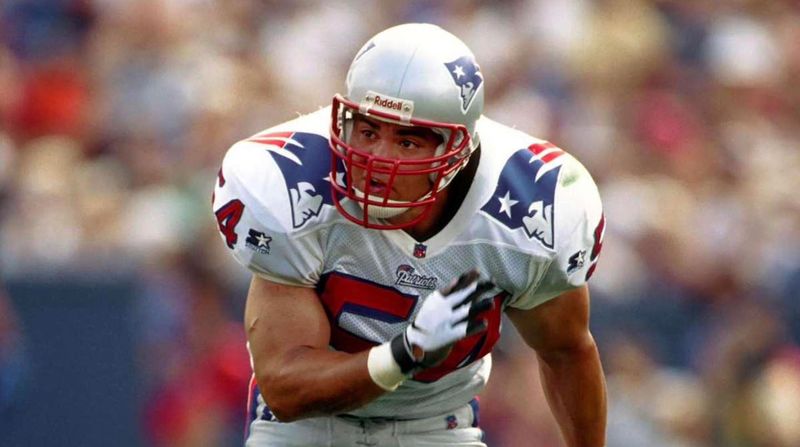
At just 31 years old, New England Patriots linebacker Tedy Bruschi suffered a stroke in 2005 caused by a congenital heart defect. Most people assumed his football career was finished, but Bruschi had other plans.
He threw himself into rehabilitation with the same intensity he brought to the football field.
Remarkably, he returned to professional play just months later. Bruschi has since used his story to fuel stroke awareness campaigns, proving that even the most sudden health setbacks can be overcome with grit and great medical care.
4. Randy Travis
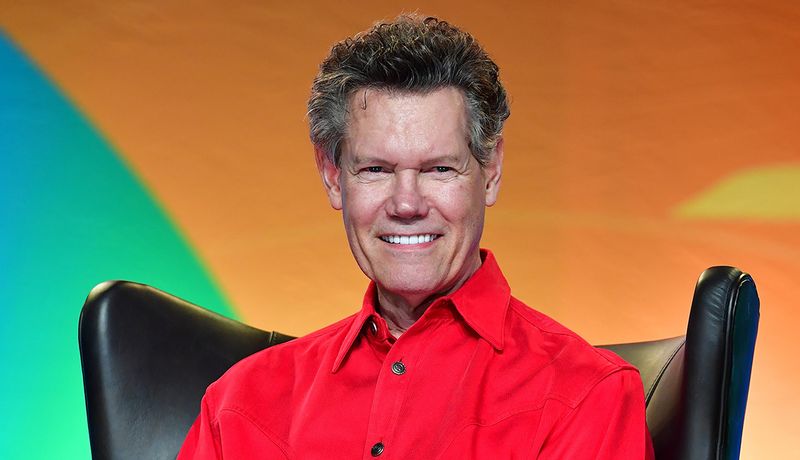
Country music legend Randy Travis faced one of the scariest moments of his life in 2013 when a massive stroke struck during heart surgery. The damage was severe, hitting the parts of his brain responsible for speech and singing, the very tools that made him a star.
Travis worked tirelessly through therapy, and his public reappearances moved fans to tears. His journey is a powerful reminder that recovery from a stroke can be slow, but every small step forward is worth celebrating.
5. Emilia Clarke
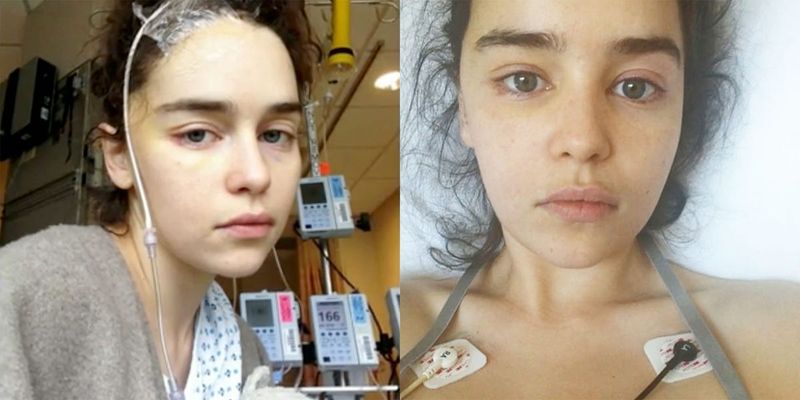
While filming “Game of Thrones,” Emilia Clarke was secretly fighting for her life. In 2011, she suffered a brain aneurysm that led to a stroke, followed by a second aneurysm in 2013.
She kept her condition private for years, continuing to work through enormous physical and emotional pain.
In a courageous essay for The New Yorker, Clarke finally shared her story and launched the charity SameYou to support brain injury rehabilitation. Her openness has helped reduce the stigma surrounding stroke recovery significantly.
6. Frankie Muniz
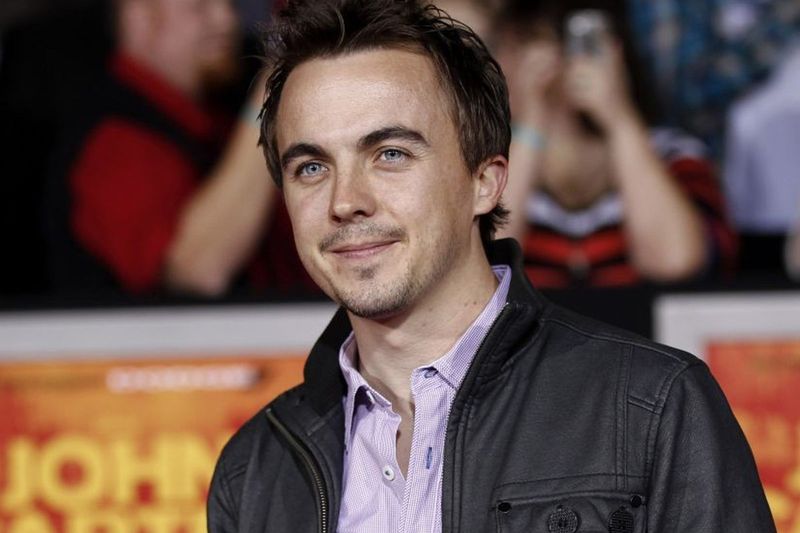
Best known for playing the lovable Malcolm on the hit TV show “Malcolm in the Middle,” Frankie Muniz shocked fans when he revealed he had experienced a stroke. He was still a young man when it happened, which surprised many people who assume strokes only affect older adults.
Muniz has been candid about his health challenges in interviews, helping to spread the important message that strokes can happen at any age. His willingness to speak openly has encouraged younger people to take brain health seriously.
7. Kirk Douglas
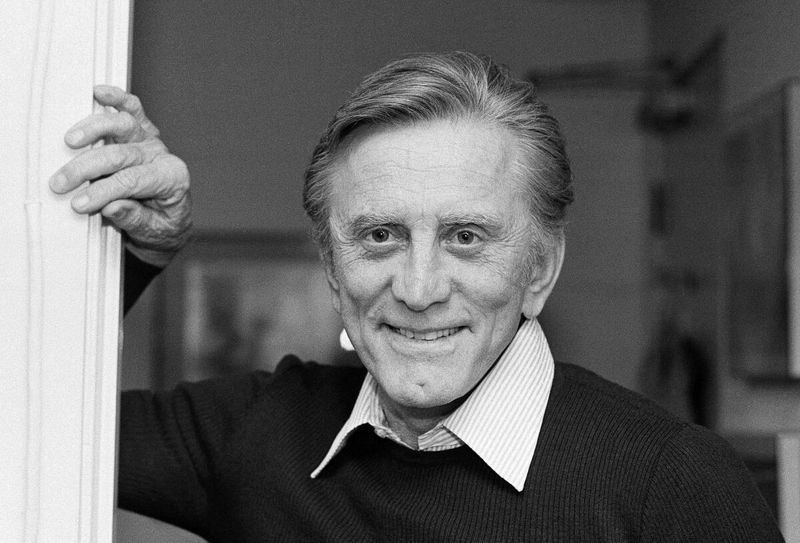
Hollywood legend Kirk Douglas had already lived a remarkable life when a stroke hit in 1996, leaving him with aphasia, a condition that affects a person’s ability to speak and understand language. For a man known for commanding performances and a powerful screen presence, losing the ability to communicate clearly was deeply challenging.
Douglas refused to give up, committing to intensive speech therapy and becoming a vocal advocate for stroke awareness. His story is proof that perseverance and a fighting spirit can carry a person through even the toughest setbacks.
8. Larry King
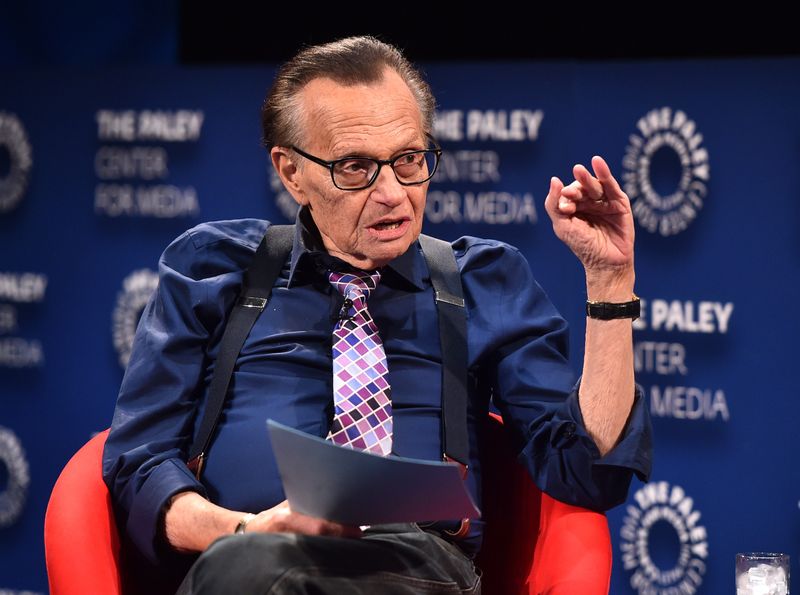
Broadcasting giant Larry King survived a stroke in 2019 at the age of 85, which left him in a coma for two weeks and caused significant memory loss. Waking up with gaps in his memory was frightening, but King approached his recovery with the same steady curiosity he brought to decades of interviewing world leaders.
He spoke openly about the experience, emphasizing the power of a positive mindset during recovery. King’s story reminds us that attitude plays a huge role in how well people bounce back from serious health events.
9. Hailey Bieber
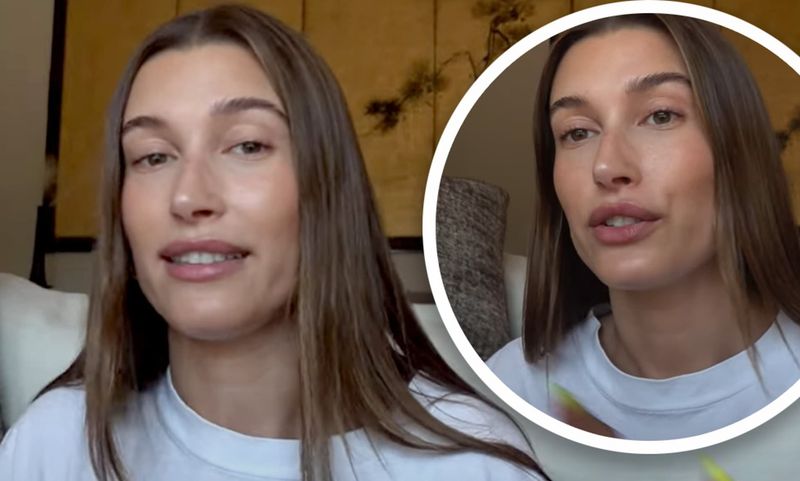
Nobody expects a 25-year-old to have a stroke, but that is exactly what happened to model Hailey Bieber in April 2022. She experienced a transient ischemic attack, commonly called a mini-stroke, with symptoms including numbness and sudden difficulty speaking.
The episode was terrifying, especially given how young and healthy she appeared.
Bieber shared her experience directly with fans via Instagram, turning a frightening moment into an opportunity to educate her massive following. Her transparency helped many young people recognize stroke warning signs they might otherwise have ignored.
10. Jamie Foxx
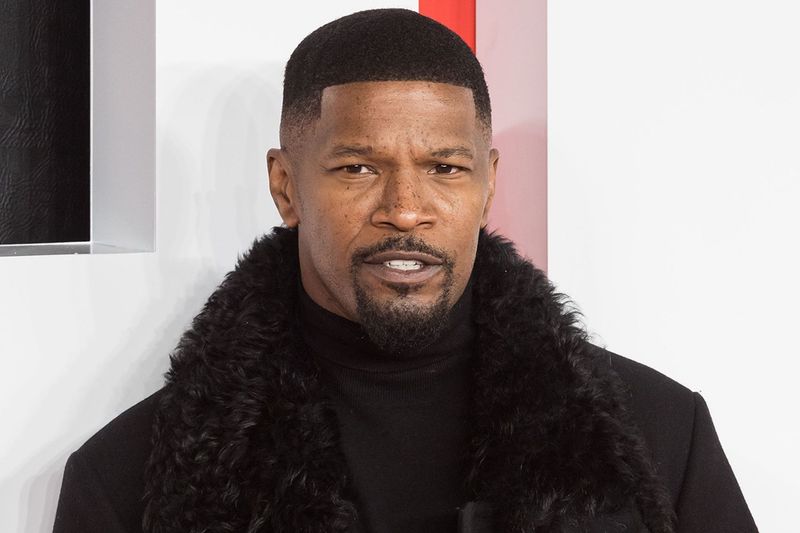
Jamie Foxx kept his fans worried for months in 2023 after a mysterious medical emergency. He later revealed in December 2024 that he had suffered a brain bleed that led to a stroke, a terrifying ordeal that left him with no memory of roughly 20 days and temporarily in a wheelchair.
Foxx described his recovery as one of the hardest journeys of his life. His candid account of what he went through, including the emotional and physical toll, has resonated deeply with stroke survivors around the world.
11. Candice Bergen
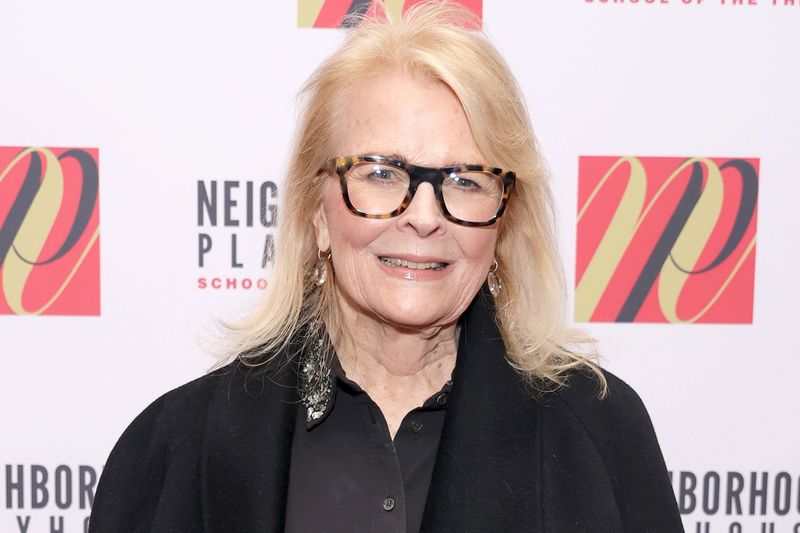
“Murphy Brown” star Candice Bergen suffered a stroke in 2006, but kept it completely private for five years. Her reason was telling: she feared being seen as “a liability” in an industry that is not always kind to performers dealing with health issues.
That honesty speaks volumes about the pressures celebrities face.
When she finally opened up, Bergen acknowledged the stroke had affected her memory. Her story highlights not just the physical impact of strokes, but the social pressures that can make it hard for public figures to ask for help.
12. Mark McEwen
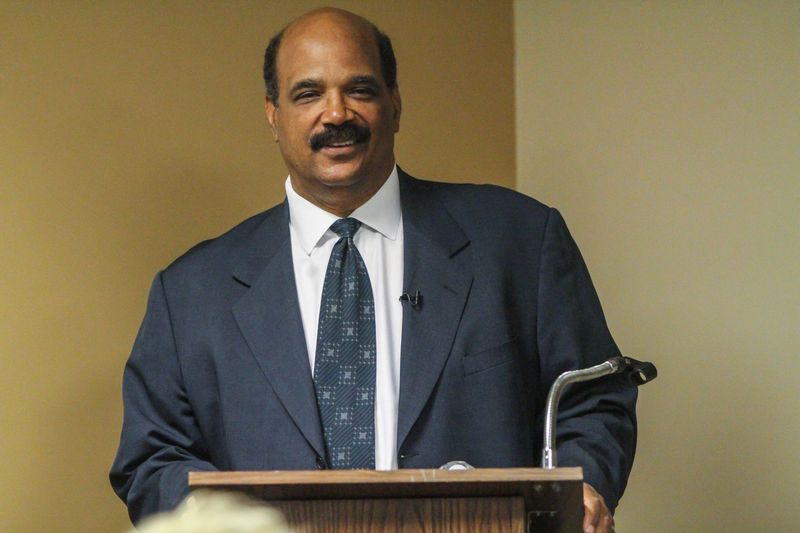
Mark McEwen was a familiar face on morning television when two strokes struck in 2005, and to make things worse, his symptoms were initially dismissed as the flu. That dangerous misdiagnosis delayed treatment and worsened his outcome, a story that is unfortunately far too common among stroke patients.
McEwen channeled his experience into a book and became a tireless advocate for better stroke education and faster diagnosis. His work has genuinely helped people understand why acting quickly when stroke symptoms appear can save a life.
13. Kris Letang
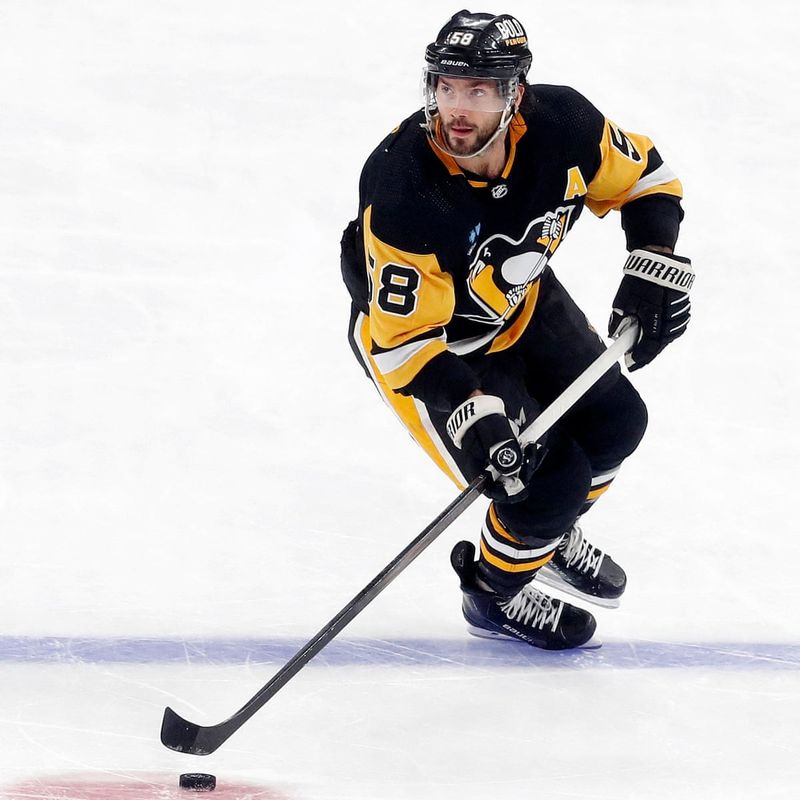
Pittsburgh Penguins defenseman Kris Letang was only 26 when he had his first stroke in 2014, and then faced a second one in 2022. For a professional athlete whose career depends on quick reflexes and physical performance, facing a stroke twice must have been an overwhelming challenge.
Letang returned to the ice both times, showing remarkable resilience. By speaking publicly about his health struggles, he has helped break the stereotype that strokes only happen to older or less active people, an important message for sports fans everywhere.
14. Aubrey Plaza
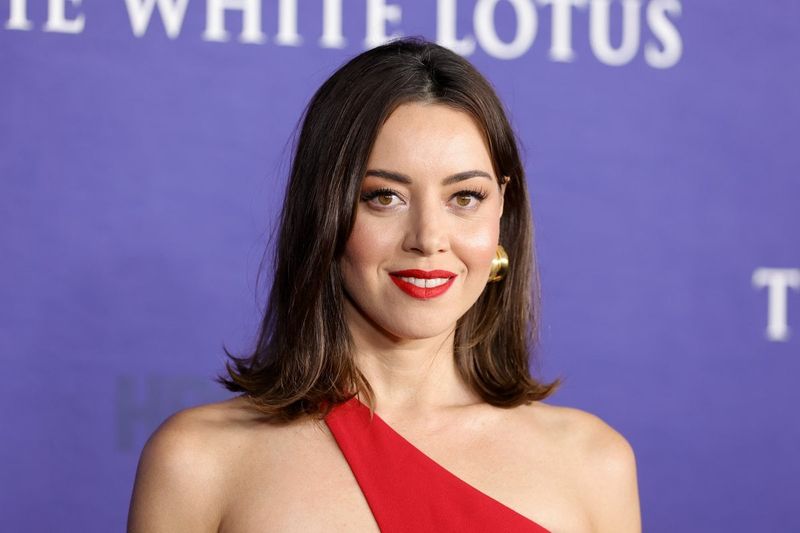
Long before she became famous for her deadpan humor on “Parks and Recreation,” Aubrey Plaza was a 20-year-old drama student who suddenly could not move or speak. A stroke had caused temporary paralysis and expressive aphasia, a condition that robs a person of their ability to put words together, even when their mind is clear.
Plaza recovered both her speech and mobility, but the experience left a lasting impression. She has spoken about it with characteristic openness, helping fans understand that strokes can strike at any stage of life.
15. Patricia Neal
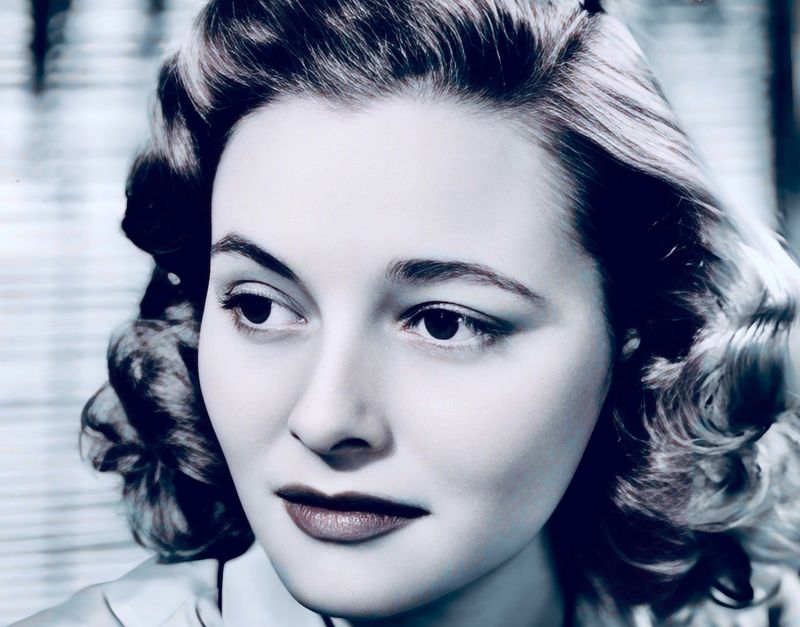
Academy Award winner Patricia Neal suffered multiple strokes in the 1960s that left her with aphasia and significant physical challenges. At a time when little was publicly known about stroke recovery, her comeback was nothing short of extraordinary.
She returned to acting, earning an Academy Award nomination after her recovery.
Neal’s story became an inspiration for medical professionals and patients alike. Her determination to reclaim her life and career helped shift how the world thought about stroke rehabilitation, showing that recovery was possible even after severe neurological damage.
16. Michael Johnson
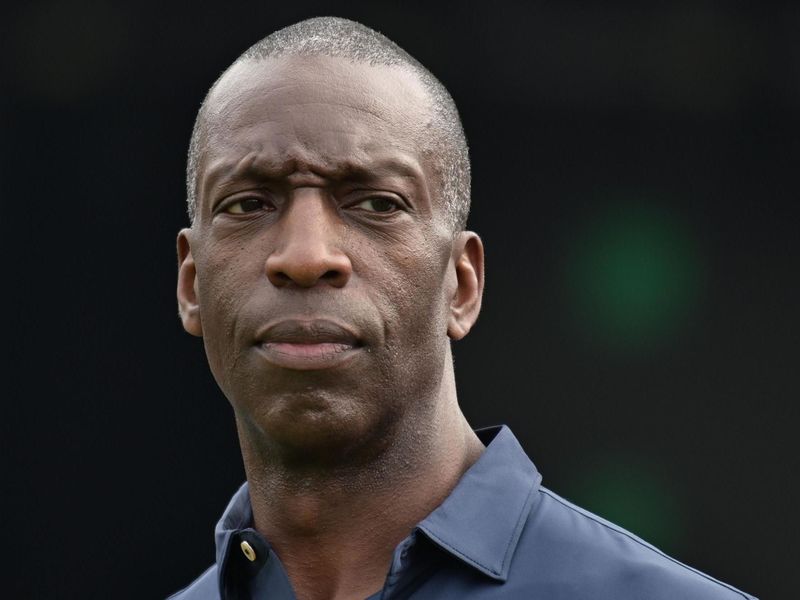
Champion sprinter Michael Johnson, one of the greatest track and field athletes of all time, stunned the sports world when he revealed he had suffered a stroke. For a man whose career was built on lightning-fast reflexes and peak physical conditioning, the diagnosis was a stark reminder that strokes spare no one.
Johnson has shared his story publicly to encourage others to recognize warning signs early. His platform as a celebrated Olympic champion gives his advocacy real weight, reaching audiences who might not otherwise pay attention to stroke health information.
17. Kaye Adams
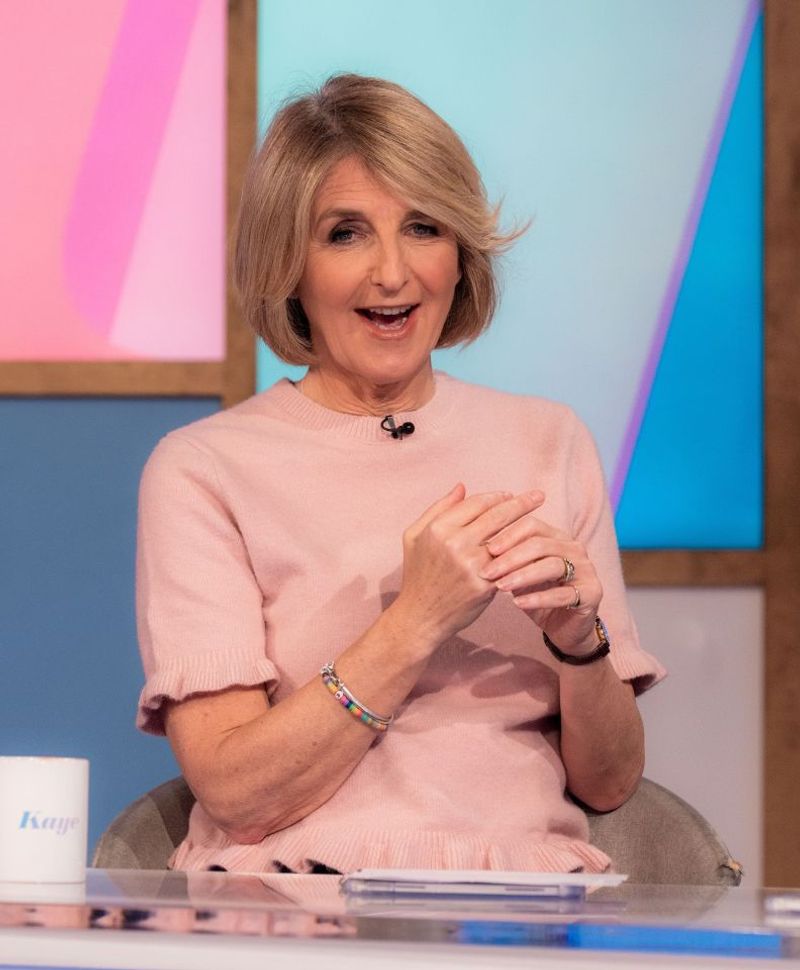
Scottish television presenter Kaye Adams has been refreshingly open about her personal connection to stroke, sharing her story across national media platforms. Her family history with the condition gives her perspective a deeply personal edge, making her advocacy feel genuine rather than scripted.
Adams uses her public profile to encourage conversations that many people find uncomfortable or scary. By normalizing discussions about stroke risk and recovery, she has helped viewers feel less alone and more empowered to seek information and medical attention when it matters most.
18. Markus Birdman
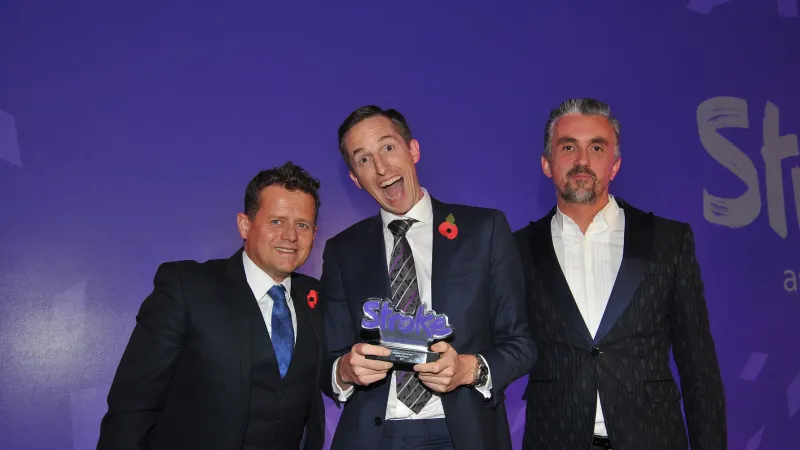
Comedian Markus Birdman brings something rare to stroke advocacy: humor mixed with raw honesty. As a stroke survivor himself, he has become one of the most recognizable faces of the Stroke Association, regularly presenting at their Life After Stroke Awards and speaking at events across the country.
Birdman’s ability to use comedy as a bridge makes difficult conversations about brain health more approachable for everyday people. His campaigning work shows that sharing a personal story, even a frightening one, can be one of the most powerful tools for creating real change.