
Few things spark more debate among moviegoers than a plot twist that leaves them scratching their heads or rolling their eyes. Some twists are clever and satisfying, but others make audiences feel cheated, confused, or just plain annoyed.
Whether it’s a reveal that contradicts everything shown before or a surprise that simply makes no sense, these moments can turn a good film into a disappointing one. Here are 20 plot twists that had audiences talking for all the wrong reasons.
1. The Sixth Sense (1999) – Malcolm Was Dead All Along
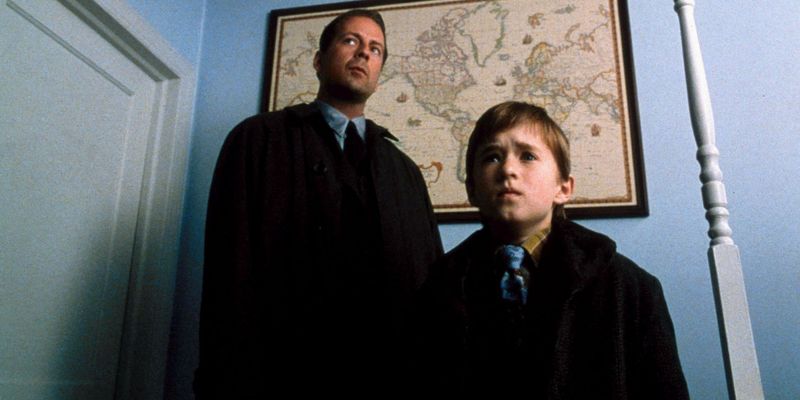
Audiences walked out of theaters buzzing after learning that child psychologist Malcolm Crowe had been dead the whole time. While many praised the clever storytelling, others felt genuinely tricked.
Clues were hidden so well that some viewers felt misled rather than surprised.
Re-watching the film reveals moments that feel almost unfair in hindsight. For those who invested emotionally in Malcolm’s journey, finding out he never truly existed in the living world stung more than it satisfied.
2. The Empire Strikes Back (1980) – Darth Vader Is Luke’s Father
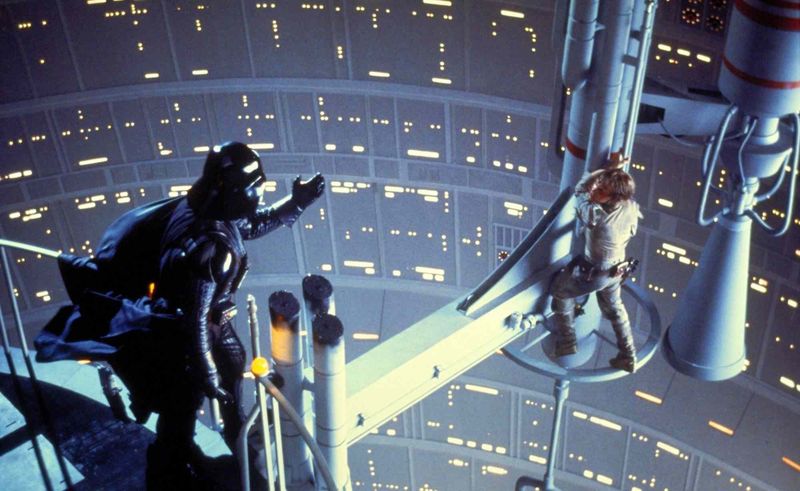
When Darth Vader uttered those legendary words, movie history changed forever. But back in 1980, not every fan cheered.
Many viewers were genuinely frustrated, feeling the twist rewrote Luke’s entire backstory in a way that felt jarring and hard to accept.
Some fans had grown attached to the idea of Luke as a pure hero with a clear enemy. Learning that his greatest villain was actually his father complicated things emotionally in ways that took years for some audiences to fully process.
3. Psycho (1960) – Norman Bates and His Mother
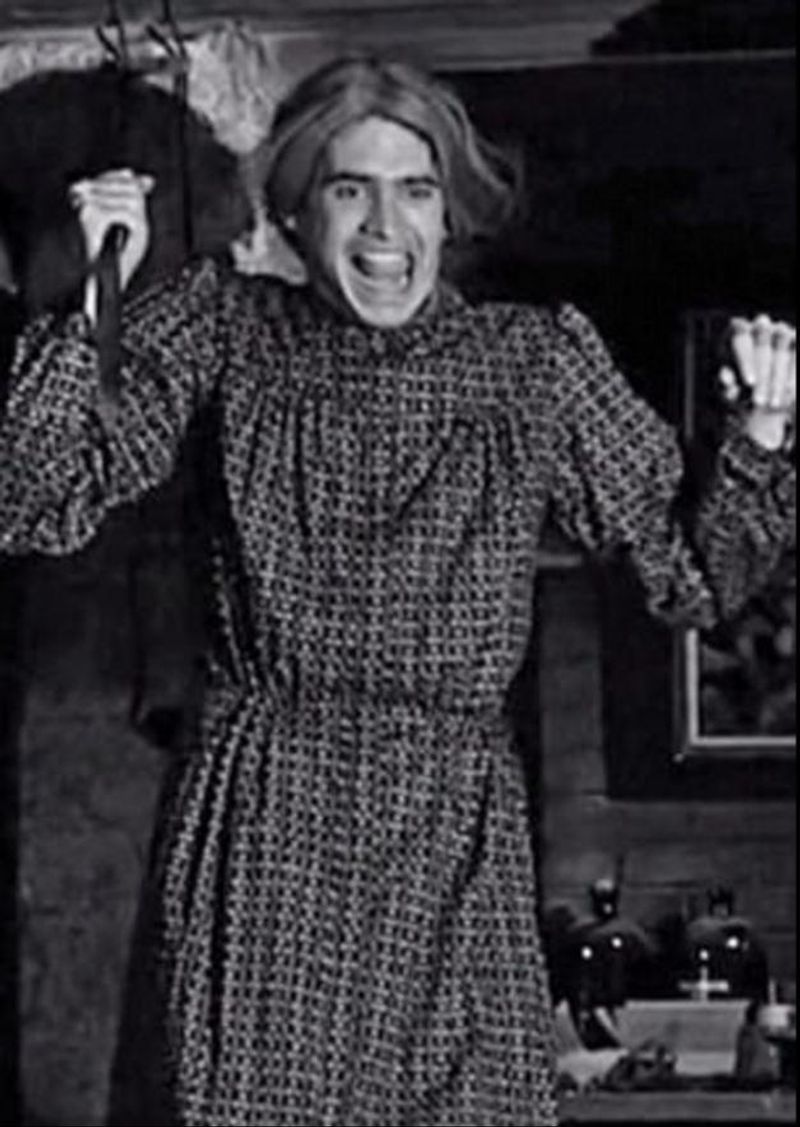
Alfred Hitchcock pulled off one of cinema’s earliest major twists by killing off the supposed main character halfway through, then revealing that Norman Bates had been impersonating his deceased mother all along. Brilliant?
Yes. Frustrating?
Also yes.
Audiences who connected with Marion Crane felt abandoned when the story suddenly shifted focus. The psychological reveal felt manipulative to some viewers, who wished the film had played things a bit more straightforwardly rather than pulling the story in a completely new direction.
4. Fight Club (1999) – Tyler Durden Is the Narrator
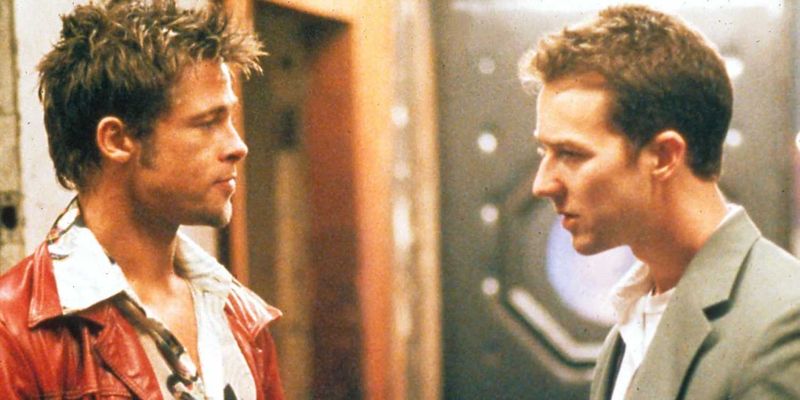
Fans loved the electric chemistry between the unnamed Narrator and the wild, fearless Tyler Durden. So when the film revealed they were the same person, many viewers felt robbed of a relationship they had genuinely enjoyed watching unfold on screen.
The twist is undeniably clever, but it erases Tyler as a standalone character entirely. For audiences who found Tyler more compelling than the Narrator, that reveal stung.
Some felt it was too neat a trick rather than a meaningful story choice.
5. Scream (1996) – Two Killers, Billy and Stu
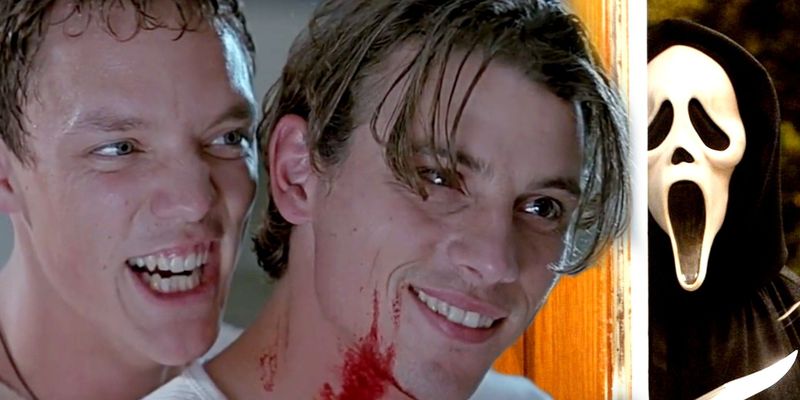
Scream reinvented the slasher genre, but its ending left a chunk of the audience puzzled. Revealing not one but two killers working together felt overly complicated to viewers who preferred a single clear villain driving the terror from start to finish.
Billy and Stu’s shared motive also raised eyebrows. The idea that two teenage boys planned such an elaborate killing spree stretched believability for some fans.
Rather than feeling like a satisfying payoff, the dual-killer twist came across as unnecessarily convoluted for a movie that prided itself on being smart.
6. The Usual Suspects (1995) – Verbal Kint Is Keyser Soze
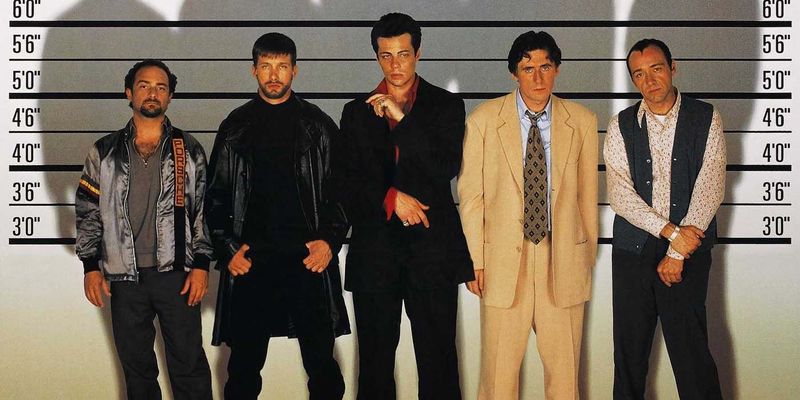
On first viewing, the Keyser Soze reveal is jaw-dropping. But rewatch the film and a creeping frustration sets in.
Every scene with Verbal Kint suddenly feels like a deliberate con, and some audience members feel more manipulated than impressed once the trick is clear.
The genius of the film’s construction is also its biggest flaw for some viewers. When a story is built almost entirely around deceiving the audience, rewatching it can strip away the enjoyment, leaving behind only the uncomfortable feeling of having been outsmarted by the screenwriter.
7. The Village (2004) – The Town Is Set in Modern Times

M. Night Shyamalan built an entire film around dread, atmosphere, and the mystery of a village terrified of creatures in the surrounding woods.
So when the twist revealed the village existed in modern-day America, hidden inside a nature reserve, audiences felt genuinely let down.
The buildup promised something profound, but the payoff felt anticlimactic and hollow. Many viewers walked away feeling like they had sat through nearly two hours of tension only to receive an ending that explained very little and satisfied even less.
8. Iron Man 3 (2013) – The Mandarin Is Just an Actor
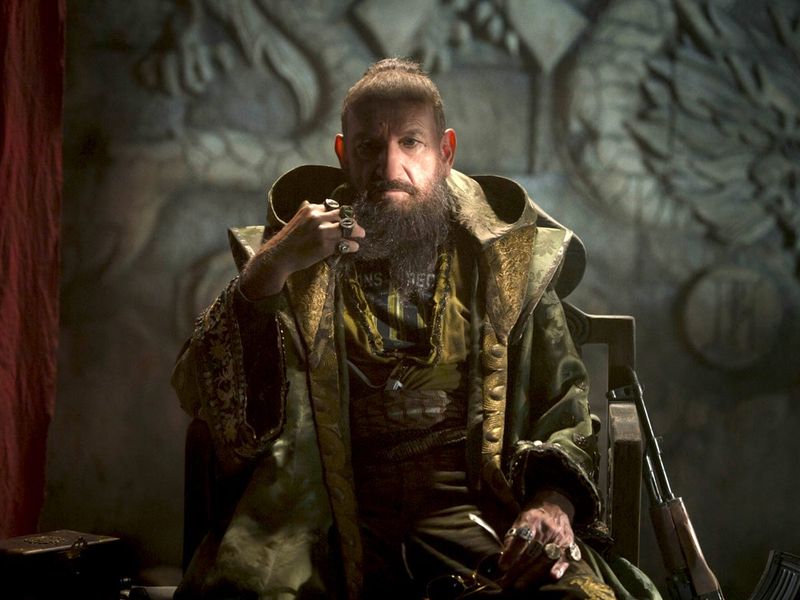
Comic book fans had waited years to see the Mandarin, Iron Man’s most iconic villain, brought to life on screen. What they got instead was Trevor Slattery, a bumbling British actor hired to play the role while someone else pulled the strings behind the scenes.
For casual viewers it was a funny surprise, but for dedicated fans of the source material, it felt like a slap in the face. The creative choice prioritized shock value over respect for decades of established comic book history, and the backlash was loud and lasting.
9. Now You See Me (2013) – The FBI Agent Was the Mastermind
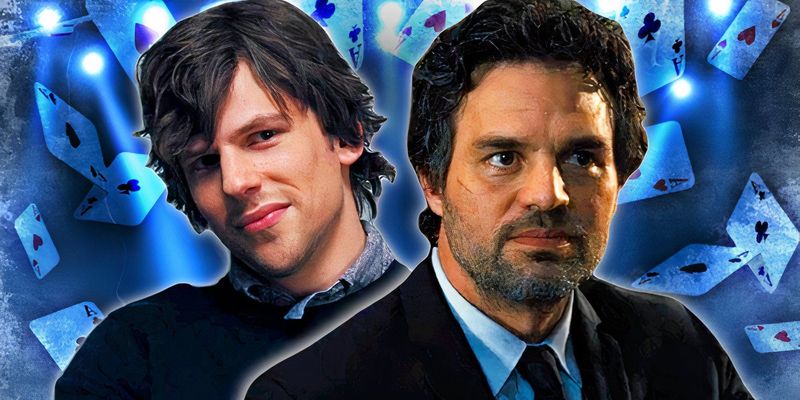
Magic heist movies live and die by their reveals, and Now You See Me swung big with the twist that FBI Agent Dylan Rhodes had been orchestrating the whole scheme. The problem?
Almost nothing earlier in the film hinted at this possibility in a meaningful way.
A good twist should feel surprising but inevitable on reflection. This one just felt invented at the last minute.
Audiences left feeling like the writers had pulled a trick on them rather than rewarding their attention throughout the film’s carefully staged illusions and misdirections.
10. The Happening (2008) – Plants Are Causing Mass Suicide
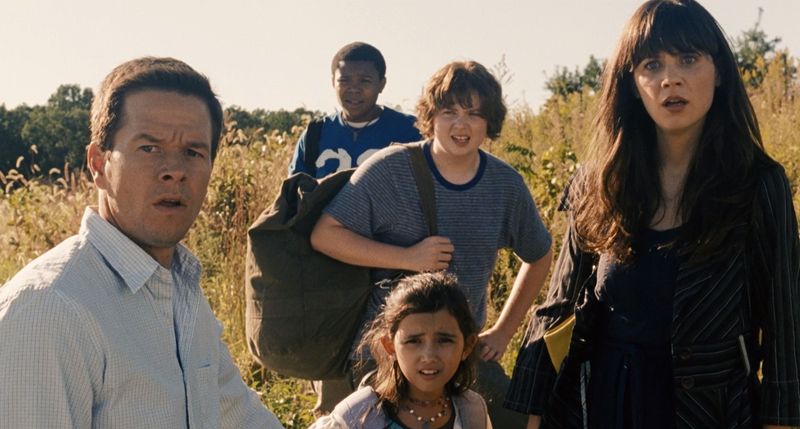
When a mysterious force starts causing people to take their own lives, viewers naturally expected a gripping explanation. What they got was plants releasing toxins to protect themselves from humans.
Even typed out, it sounds more like a parody than a serious thriller premise.
The reveal drained whatever tension the film had built, replacing genuine dread with unintentional laughter. Audiences felt the movie had simply run out of ideas and settled for the most bizarre answer possible, which transformed what could have been a frightening film into an accidental comedy.
11. Hancock (2008) – Mary Is Another Immortal Superhero
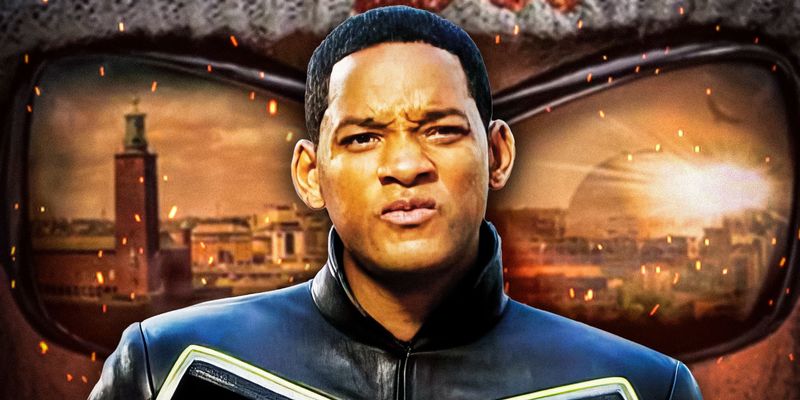
Hancock started strong as a fresh, funny spin on the superhero genre. Then the halfway twist arrived: Mary, the seemingly ordinary wife of Hancock’s publicist, is actually another ancient immortal just like him.
The film never quite recovered from that moment.
The reveal shifted the movie’s tone so dramatically that it felt like two different films stitched together. Viewers who came for the quirky superhero comedy found themselves watching an awkward mythology-heavy drama instead, and the transition felt so abrupt that many audiences never emotionally reconnected with the story afterward.
12. High Tension (2003) – Marie Is the Killer All Along
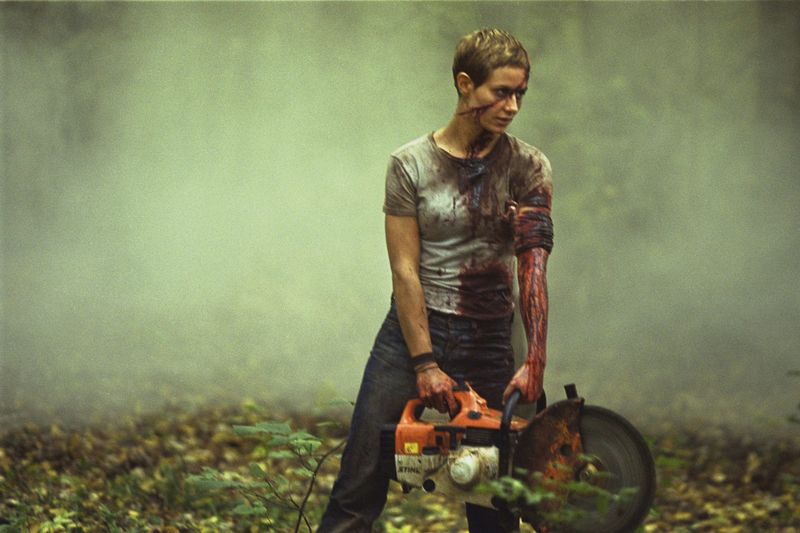
High Tension was praised for its relentless, brutal pacing right up until its finale. Then came the reveal that Marie, the protagonist audiences had been rooting for, was actually the killer all along.
The problem is that the film’s own earlier scenes make this physically impossible.
Plot holes multiplied the moment viewers started thinking it through. The killer and Marie appear on screen at the same time in several scenes, which no amount of psychological explanation can fix.
That logical impossibility left audiences more annoyed than impressed by the supposedly shocking revelation.
13. Indiana Jones and the Kingdom of the Crystal Skull (2008) – Alien Beings
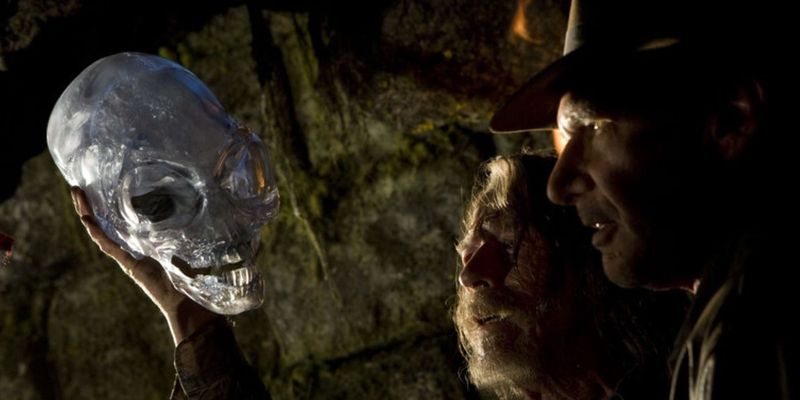
Indiana Jones built his legacy on ancient relics, real history, and grounded adventure. So when Crystal Skull revealed that the mysterious skulls belonged to inter-dimensional alien beings, longtime fans felt the franchise had abandoned everything that made it special in the first place.
The infamous refrigerator scene had already tested patience, but the alien ending pushed many viewers past their limit. Mixing sci-fi mythology into a series rooted in archaeology and history felt like a betrayal, and the backlash remains one of the most talked-about franchise disappointments in Hollywood history.
14. Spectre (2015) – Blofeld Is Bond’s Adoptive Brother
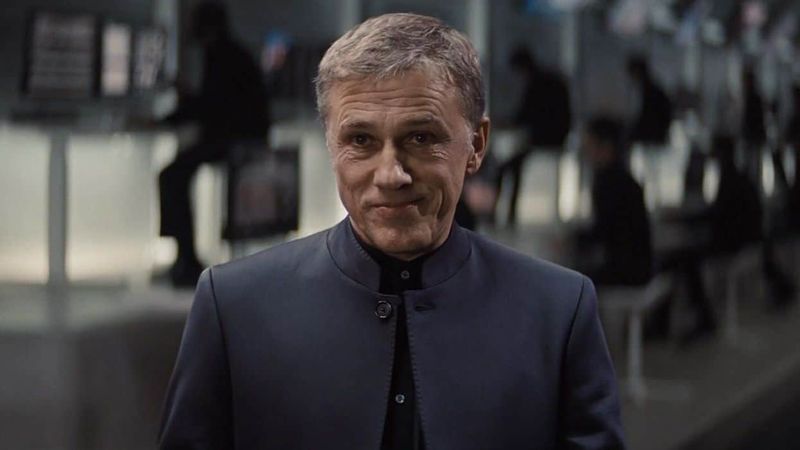
James Bond fans were thrilled to see the iconic villain Blofeld return to the franchise. But the twist connecting him to Bond as an adoptive brother, and positioning him as the secret mastermind behind every previous film’s villain, struck many as forced and unnecessary.
Retroactively rewriting Bond’s personal history to manufacture a family connection felt like a soap opera move rather than a bold spy thriller choice. The retcon undermined the standalone quality of earlier films and left loyal franchise fans feeling like their history had been cheaply repackaged for dramatic effect.
15. The Perfection (2018) – Multiple Twists That Pile Up

The Perfection does not settle for one shocking twist. It delivers four, stacking them on top of each other in rapid succession until the whole structure begins to collapse under its own weight.
What starts as a tense psychological thriller eventually tips into something closer to chaos.
Each new revelation overwrites the last, making it harder for viewers to stay emotionally invested. By the time the final twist arrived, many audiences had already checked out mentally.
The film seemed more interested in keeping viewers off balance than in telling a coherent, satisfying story.
16. Frozen (2013) – Prince Hans Is the Villain
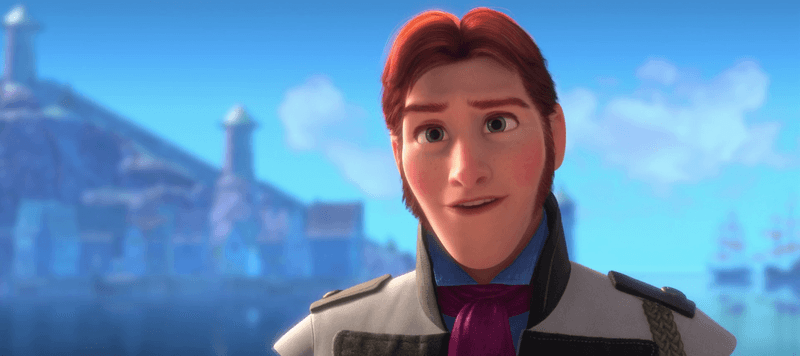
Prince Hans spent most of Frozen being charming, helpful, and seemingly heroic. So when he flipped into a scheming villain with zero warning, younger audiences were genuinely confused and older ones were frustrated.
Good plot twists reward careful attention, but Hans’s reveal rewarded nothing viewers had actually seen.
No subtle clues, no small behavioral hints, no foreshadowing whatsoever. His villainy appeared purely out of narrative convenience, which felt lazy rather than clever.
Even fans who enjoyed the film often acknowledge that Hans’s sudden turn was one of the weakest storytelling choices in the entire movie.
17. Identity (2003) – It All Happens in One Man’s Mind
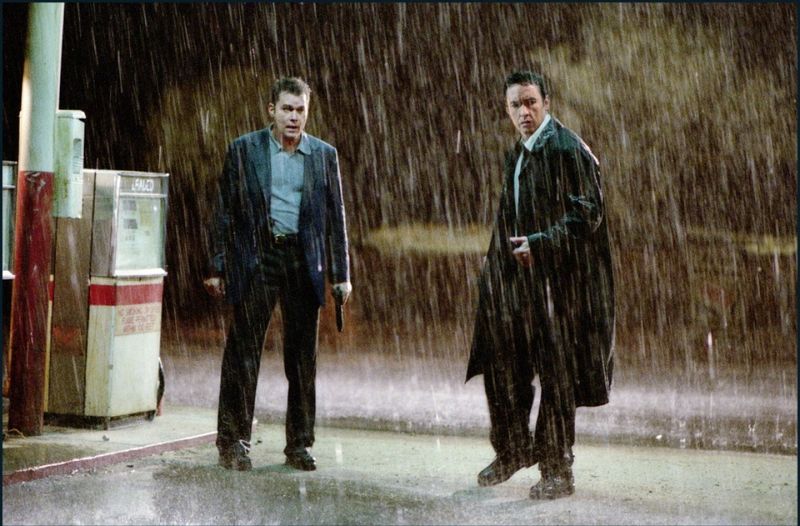
Identity cleverly weaves two storylines together: a series of motel murders and a late-night legal hearing for a convicted killer. The twist reveals that the motel story exists entirely inside the killer’s fractured mind, and a child’s personality is responsible for the deaths.
For some viewers, it felt like a creative solution. For others, it was a convenient escape hatch from a mystery that deserved a more grounded resolution.
Using multiple personality disorder as a storytelling device to sidestep logic left audiences feeling like the film had cheated rather than surprised them.
18. The Dressmaker (2015) – Sudden Dark Tonal Shift

The Dressmaker works beautifully as a quirky, colorful dramedy set in a small Australian town, with Kate Winslet’s character reclaiming her life through fashion and wit. Then Liam Hemsworth’s character dies suddenly, and the film pivots hard into darkness, ending with the protagonist burning the entire town down.
The tonal whiplash was simply too much for many viewers to absorb. Audiences who had settled into the film’s warm, eccentric rhythm felt blindsided by the grim turn.
The ending felt less like a bold artistic choice and more like a completely different movie had been bolted onto the first one.
19. The Blackcoat’s Daughter (2015) – An Unearned Twist Ending
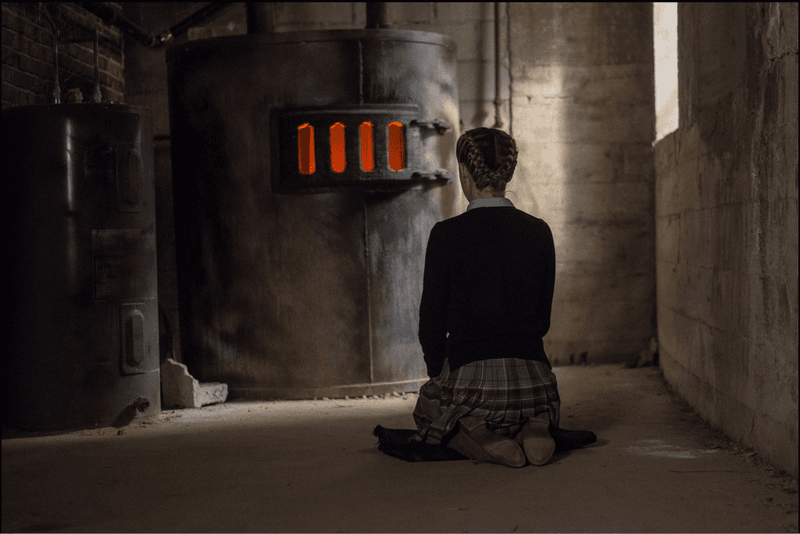
Slow-burn horror films earn their twists through careful, patient storytelling. The Blackcoat’s Daughter built a genuinely unsettling atmosphere, but its final twist felt disconnected from everything that came before it.
The reveal relied heavily on two characters looking nothing alike, which made the intended connection hard to accept.
Audiences who had invested in the film’s creeping dread felt the payoff was more confusing than chilling. A twist that exists purely to shock, without emotional or logical grounding, tends to leave viewers cold in the worst possible way, and this one landed with a quiet thud.
20. Serenity (2019) – The Fishing Boat Is a Video Game

Serenity arrived quietly but left audiences loudly baffled. Matthew McConaughey plays a fishing boat captain living on a tropical island, haunted by his past.
Then the film drops one of the most bewildering reveals in recent memory: his entire reality is actually a video game created by his stepson.
Rather than reframing the story in an interesting way, the twist made everything feel pointless. Viewers who had followed the noir-tinged mystery felt completely blindsided in the most unsatisfying way imaginable.
Serenity quickly became a go-to example whenever film fans discuss the absolute worst plot twists in modern cinema.