
Long before cooking shows and food blogs, grandmothers were the original kitchen experts. They had a knack for solving everyday cooking problems with simple, smart solutions passed down through generations.
Many of these old-fashioned tricks still work just as well today, and some of them might even surprise you. Whether you are a beginner cook or a seasoned home chef, these timeless tips are worth keeping close.
1. Salt Your Pasta Water Like You Mean It
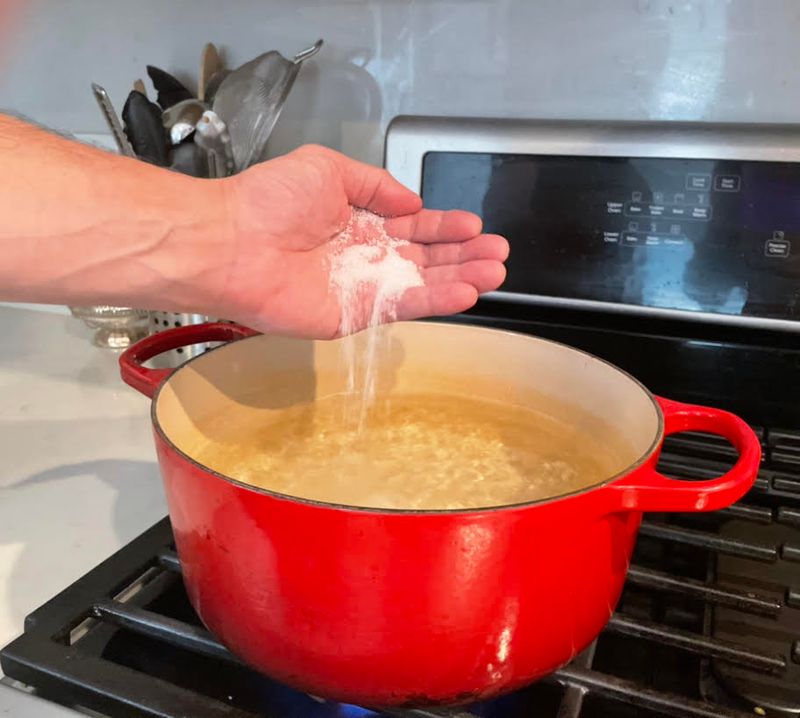
Grandma never skimped on salt in the pasta water, and there was a good reason for that. Salting the water generously seasons the pasta from the inside out, making every bite taste better without relying on heavy sauces.
She always said the water should taste like the sea. This simple habit transforms plain pasta into something truly flavorful.
It costs almost nothing extra and takes only a second to do.
2. Wooden Spoon Across the Pot Stops Boilovers
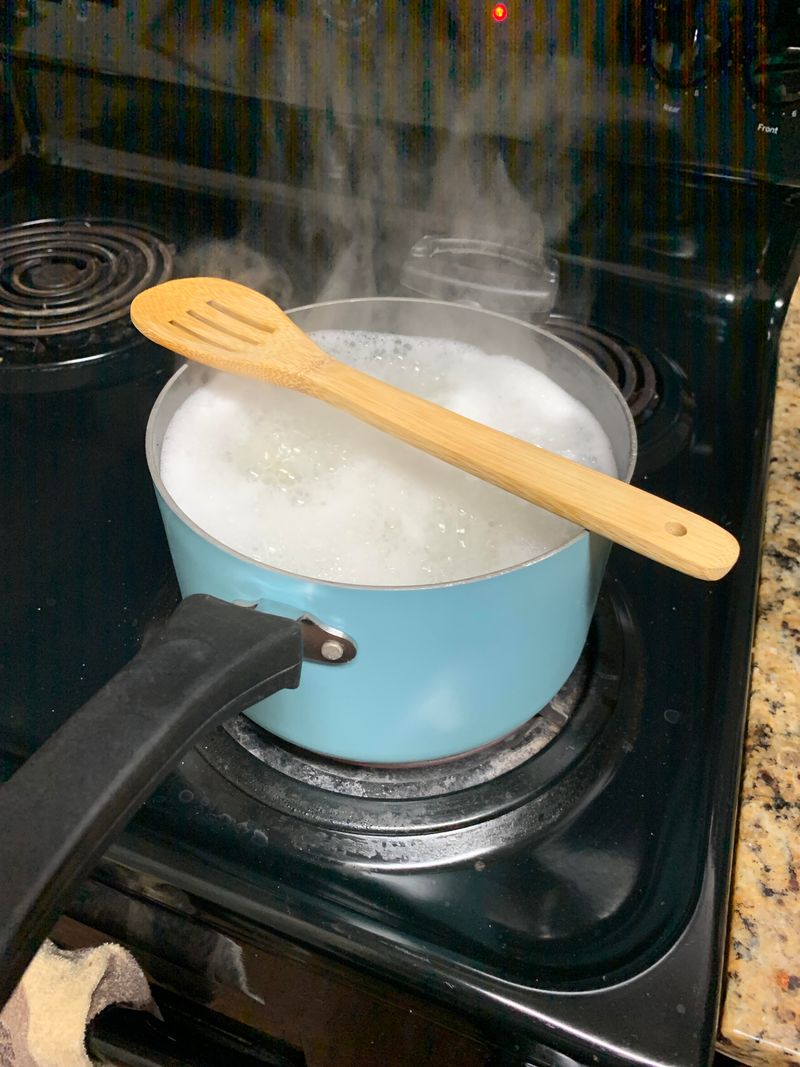
Ever watched a pot of water boil over and make a mess of the stovetop? Grandmothers had a brilliantly simple fix: lay a wooden spoon across the top of the pot.
The dry wood breaks the surface tension of the bubbles before they spill over the edge. Scientists have actually confirmed this works.
It is one of those tricks that seems almost too easy to be real, yet it saves you a cleanup every single time.
3. Bread Keeps Brown Sugar Soft
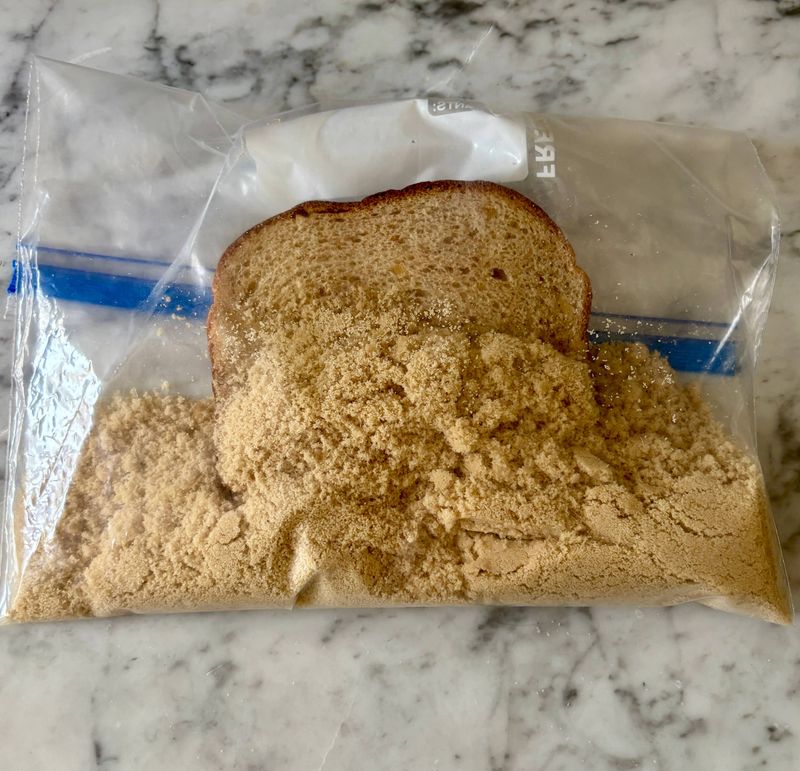
Brown sugar has a stubborn habit of hardening into a rock-solid clump if left in the cabinet too long. Grandma’s fix was refreshingly simple: tuck a slice of bread into the container.
The sugar absorbs moisture from the bread, staying soft and easy to scoop. Replace the bread every few days to keep it working.
No more chipping away at a sugar brick with a spoon before your morning baking session begins.
4. Onion Under Cold Water Keeps Tears Away
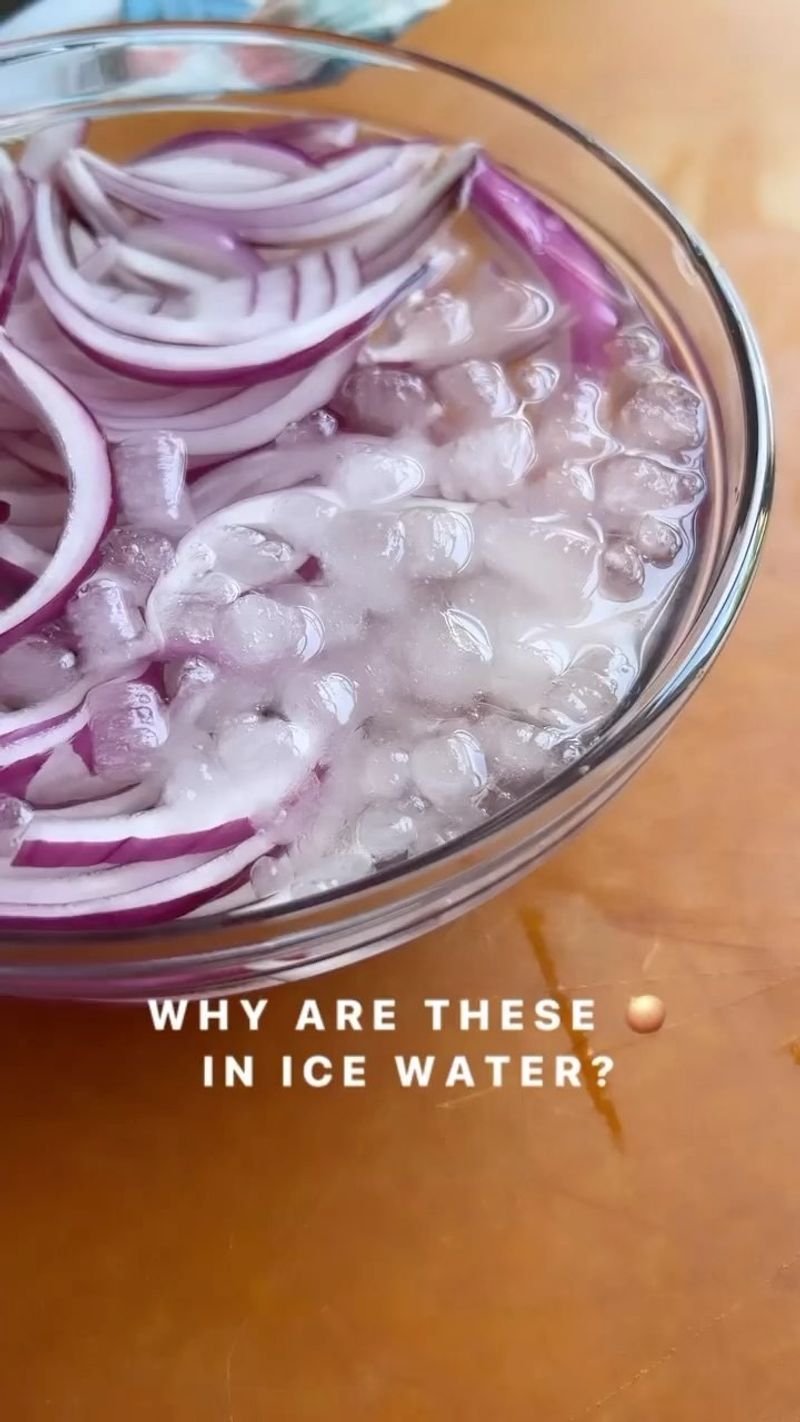
Chopping onions is one of the most tear-inducing chores in the kitchen. Grandma had a reliable trick: rinse the onion under cold water after cutting it in half before you start chopping.
Cold water reduces the release of the sulfur compounds that irritate your eyes. Chilling the onion in the fridge beforehand works even better.
Between the two methods, you can get through a whole bag of onions without reaching for a tissue.
5. Lemon Juice Keeps Cut Fruit From Browning
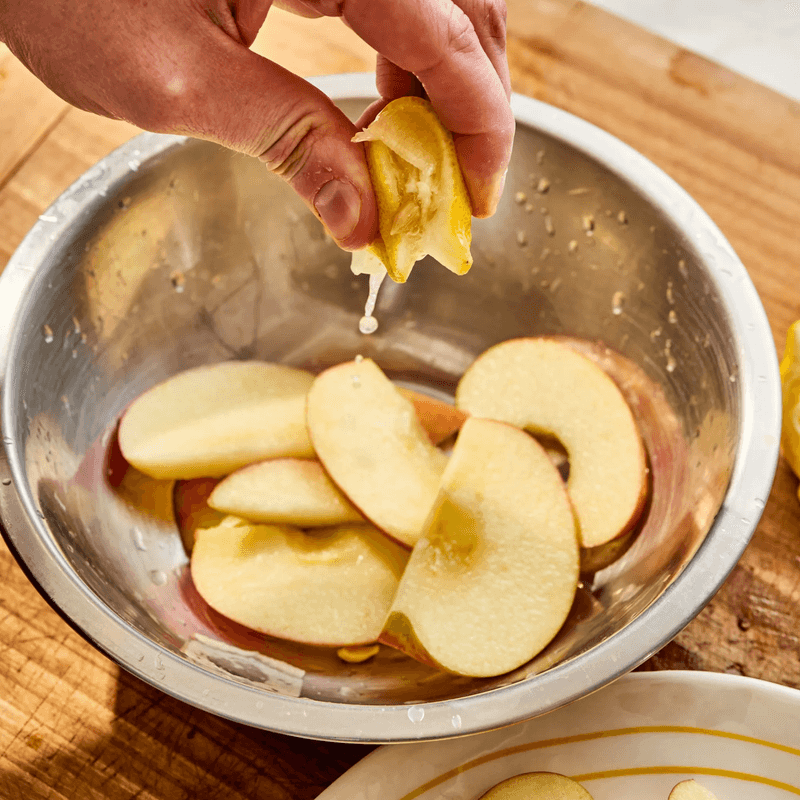
Apples, pears, and bananas all turn an unappetizing brown color shortly after being cut. A quick squeeze of lemon juice over the slices solves the problem in seconds.
The citric acid in lemon juice slows down the oxidation process that causes browning. Grandma used this trick for fruit salads, packed school lunches, and party platters.
The fruit stays looking fresh and appetizing for hours longer, and the mild lemon flavor actually complements most fruits beautifully.
6. A Rubber Band Loosens Stubborn Jar Lids
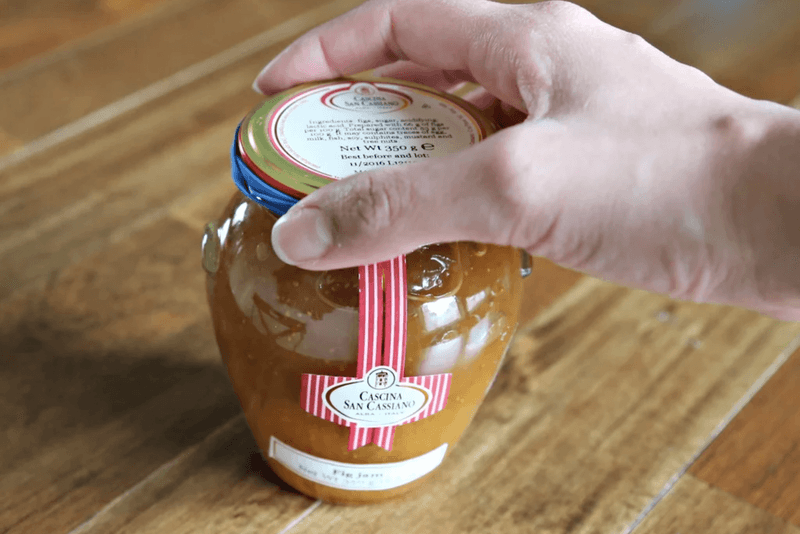
Few things are more frustrating than a jar lid that simply will not budge. Before calling for help, Grandma would stretch a wide rubber band around the lid’s edge.
The rubber creates friction, giving your hand a much better grip on the smooth metal surface. It works on pickle jars, pasta sauce, and anything else sealed too tight.
No special tools needed, just a rubber band from the junk drawer and a little elbow grease.
7. Butter at Room Temperature Bakes Better
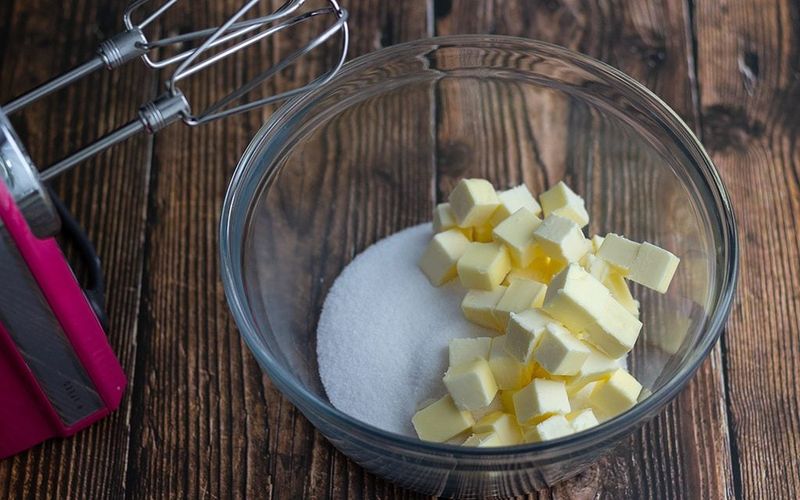
Baking with cold butter straight from the fridge is one of the most common mistakes home bakers make. Grandma always set her butter out ahead of time, and cookies and cakes turned out better because of it.
Softened butter creams more easily with sugar, creating a lighter, fluffier texture in baked goods. The air incorporated during creaming is what makes cakes rise beautifully.
Pulling butter out about an hour before baking makes a noticeable difference in the final result.
8. Stale Bread Makes the Best French Toast

Grandma never threw away bread just because it was getting old. Stale bread was saved specifically for French toast, and the results were always better than using fresh slices.
Older bread soaks up the egg and milk custard without falling apart or turning soggy in the middle. Fresh bread can get mushy too quickly.
Next time a loaf starts to go stale, set it aside rather than tossing it, because breakfast just got a whole lot better.
9. Cast Iron Pans Should Never Be Soaped
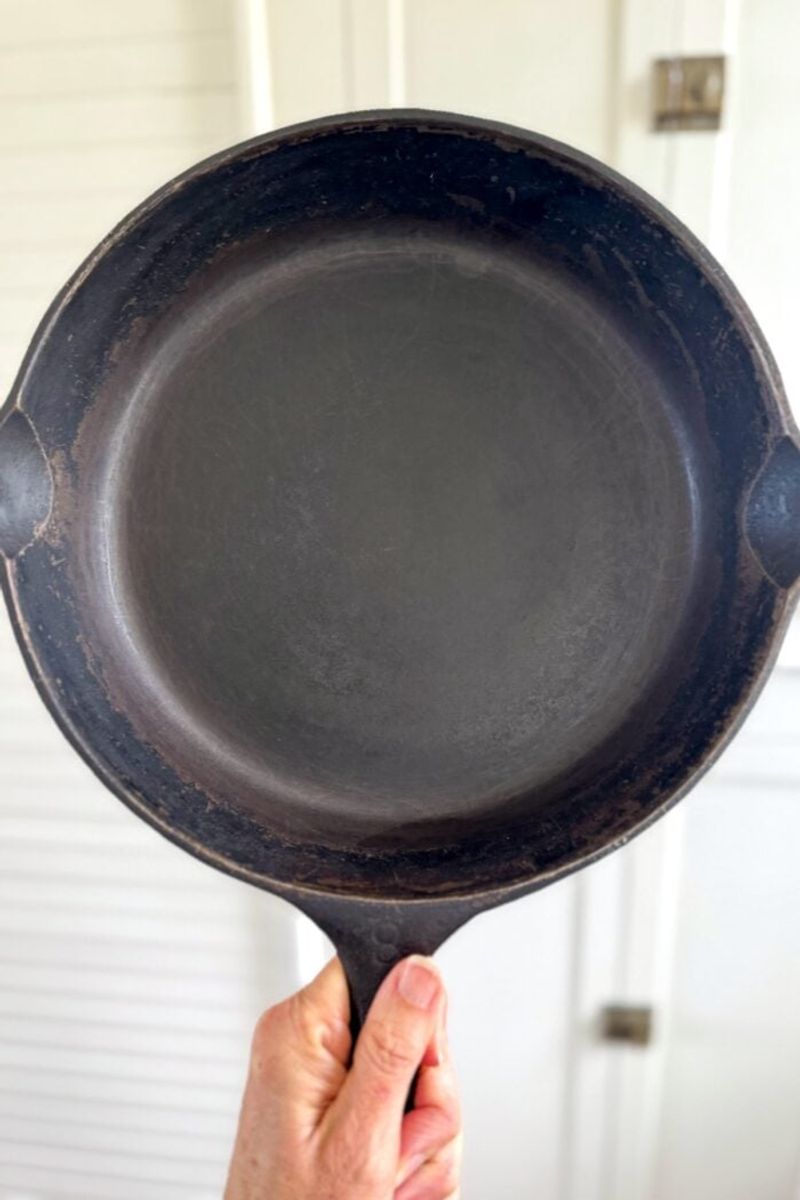
Grandma’s cast iron skillet was practically a family heirloom, and she guarded it fiercely from dish soap. Soap strips away the seasoning layer that makes cast iron naturally non-stick and rust-resistant.
Instead, she rinsed the pan with hot water and wiped it dry immediately. A light coat of oil after drying kept it in perfect condition for decades.
Treated right, a cast iron pan can outlast everyone in the household and still cook beautifully.
10. Vinegar Brightens Up Wilted Vegetables
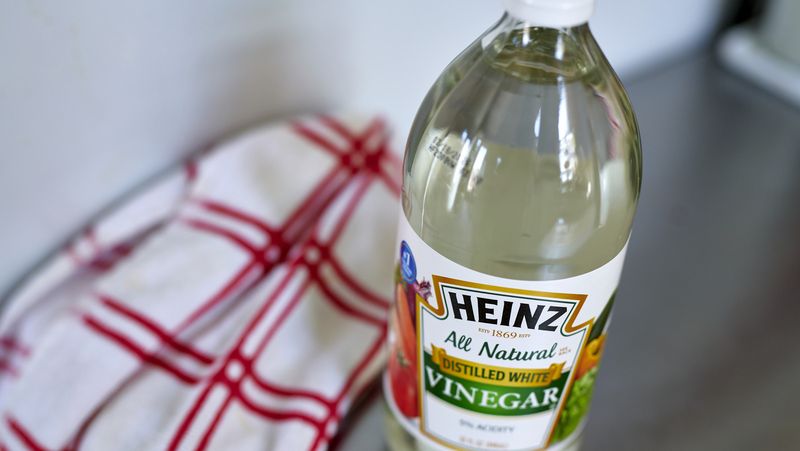
Wilted salad greens look sad and limp, but Grandma knew they were not always past saving. A quick soak in cold water with a splash of white vinegar can bring them back to life.
The cold water rehydrates the leaves while the vinegar helps restore their crispness. Let them sit for about ten minutes, then dry them thoroughly.
This trick works well on lettuce, spinach, and even fresh herbs that have started to droop in the fridge.
11. Eggshell Pieces Come Out With a Wet Finger
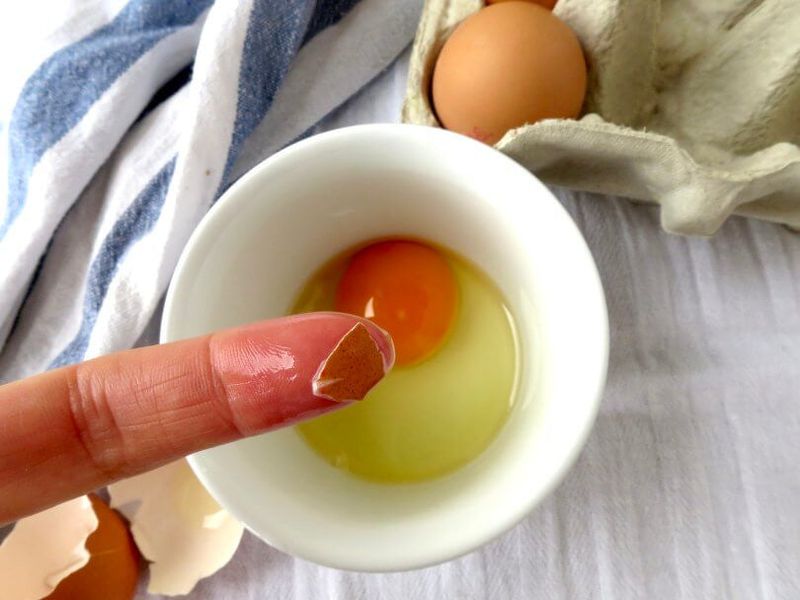
Dropping a piece of eggshell into the mixing bowl is one of those small kitchen annoyances that happens to everyone. Chasing it around with a spoon or your dry fingertip usually just pushes it further away.
Grandma’s trick was to wet her finger first before reaching in. The eggshell clings to the moisture and lifts right out on the first try.
Simple, fast, and far less frustrating than the spoon method most people default to without thinking.
12. Storing Cheese in Wax Paper Keeps It Fresh
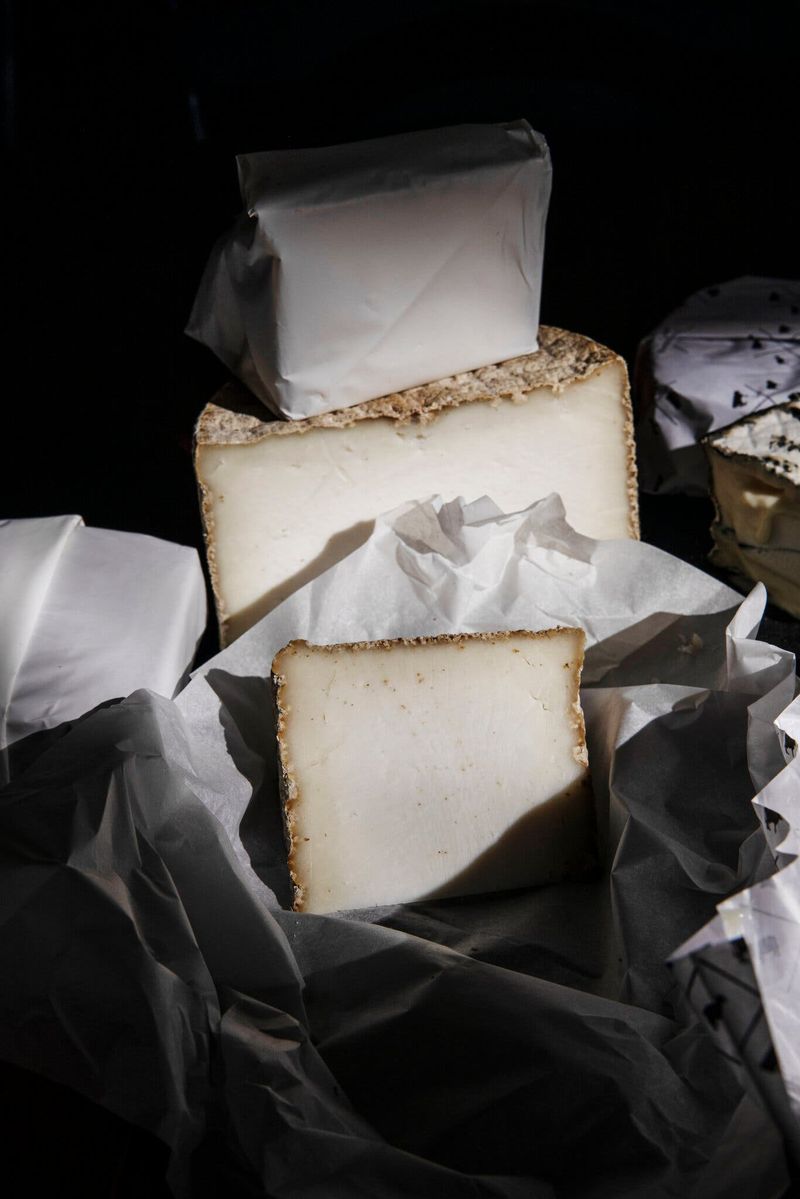
Wrapping cheese directly in plastic wrap is actually not the best way to store it. Plastic traps moisture and can cause cheese to sweat, encouraging mold to grow much faster than necessary.
Grandma wrapped her cheese in wax paper first, then loosely in plastic. The wax paper lets the cheese breathe just enough to stay firm and flavorful.
Hard cheeses like cheddar and parmesan last noticeably longer this way, and they taste better when you finally slice into them.
13. Baking Soda Neutralizes Acidic Tomato Sauce
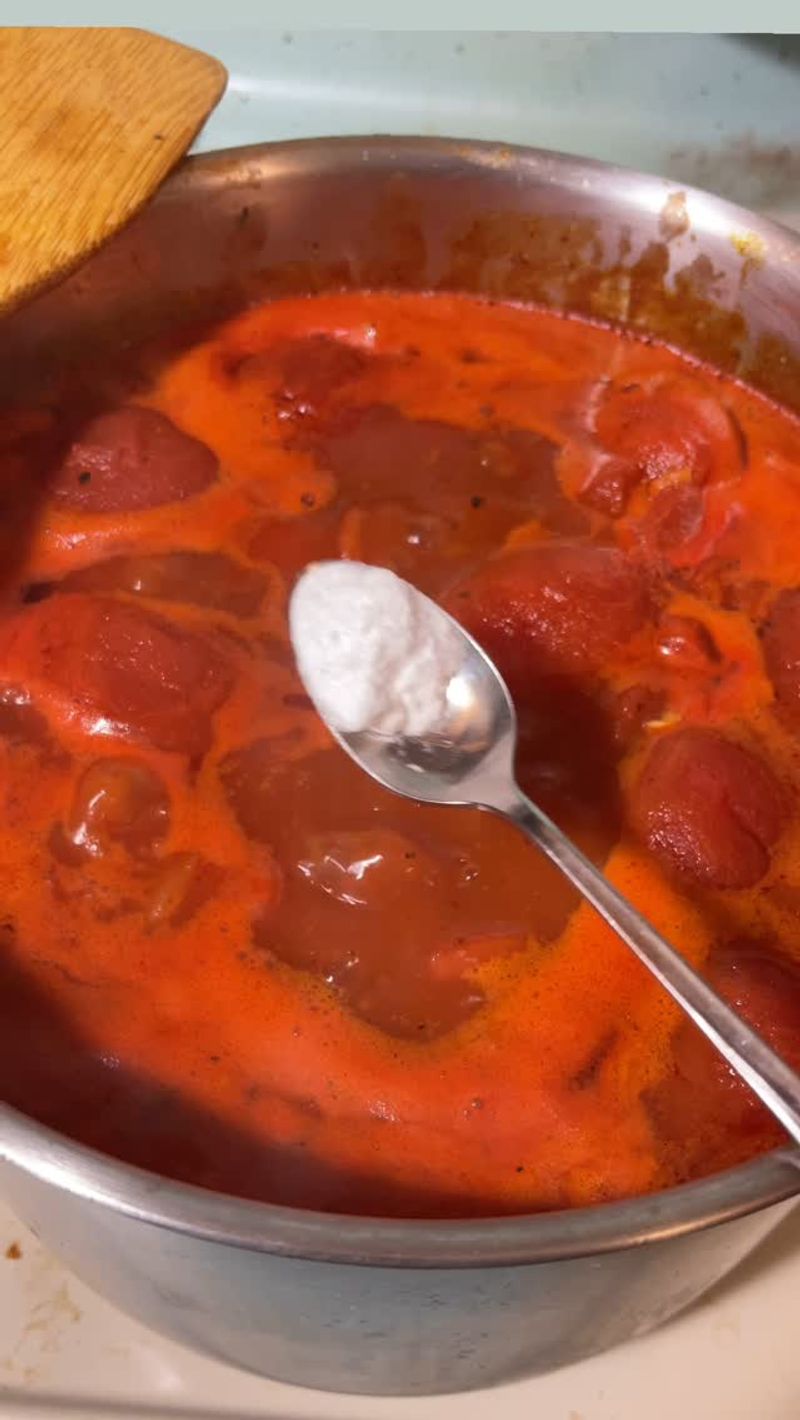
Tomato sauce can sometimes turn out sharply acidic, leaving a harsh taste that overpowers everything else in the dish. Adding a tiny pinch of baking soda to the pot was Grandma’s quiet secret for fixing it.
Baking soda is alkaline, so it neutralizes excess acid in the sauce without changing the flavor noticeably. Start with just a small pinch and stir it in.
Taste as you go, because a little goes a very long way here.
14. Honey Never Expires If Stored Properly
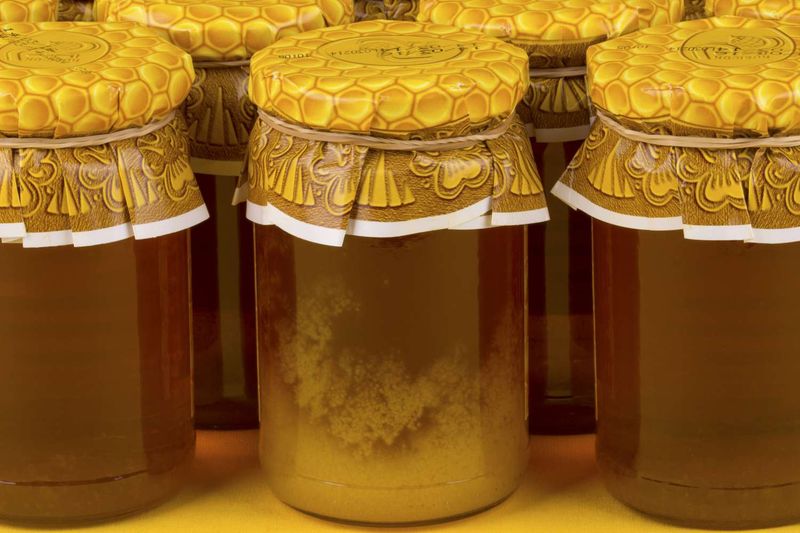
Archaeologists have found honey in ancient Egyptian tombs that was still perfectly edible thousands of years later. Grandma already knew this without needing a history lesson.
Honey lasts indefinitely when kept in a sealed container away from moisture and heat. If it crystallizes, just set the jar in warm water until it becomes liquid again.
Never microwave it on high or store it near the stove, since excessive heat breaks down its natural preserving properties over time.
15. A Toothpick Tests Whether Baked Goods Are Done
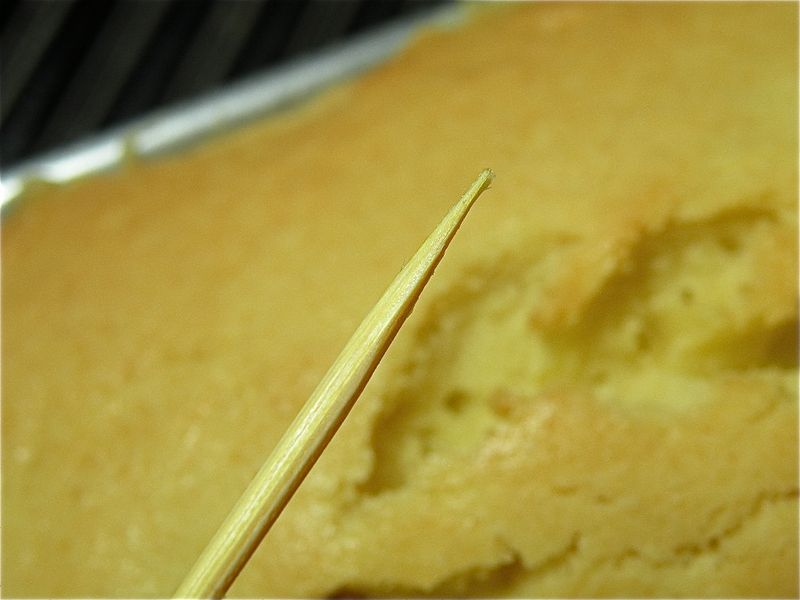
Before fancy thermometers and digital timers became kitchen staples, Grandma relied on a plain wooden toothpick to check if a cake was done baking. Poke it into the center of the cake and pull it out.
If it comes out clean, the cake is ready. If wet batter clings to it, give the cake a few more minutes.
This old-school method is still one of the most reliable ways to avoid underbaked or dry, overbaked results in home baking.
16. Freezing Bananas Saves Them for Smoothies and Bread
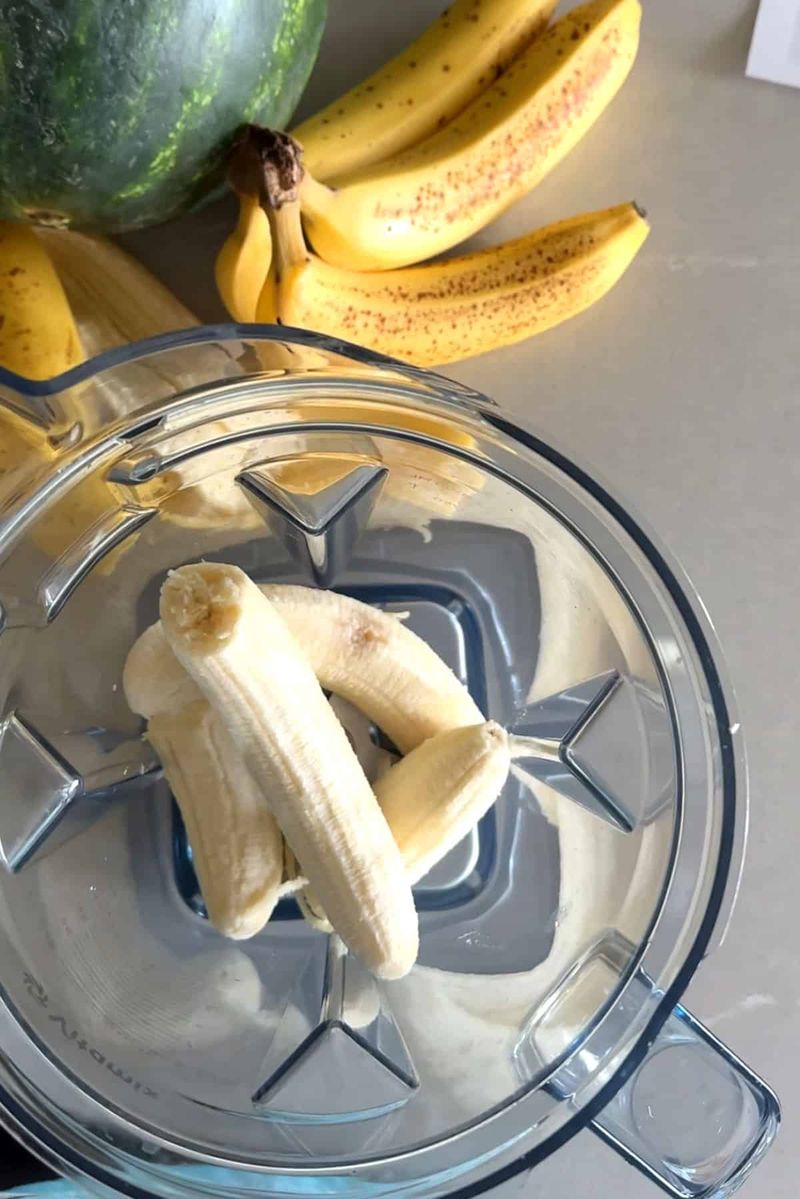
Overripe bananas with brown, spotty peels are actually at their sweetest and most flavorful stage. Instead of throwing them away, Grandma peeled and froze them for later use.
Frozen bananas blend into silky smoothies and make incredibly moist, rich banana bread. They keep well in the freezer for up to three months.
Spotty bananas are not a sign of waste but a signal that something delicious is just waiting to be made when the time is right.
17. Bay Leaves in Flour Keep Pantry Bugs Away
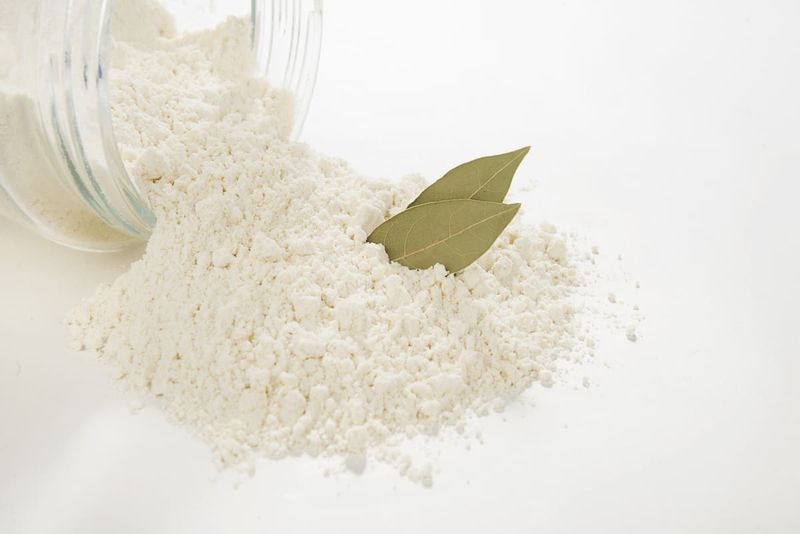
Finding tiny bugs in your flour or rice is a genuinely unpleasant surprise. Grandma quietly dropped a dried bay leaf or two into her flour containers and pantry bins, and the bugs stayed away.
Bay leaves contain natural compounds that insects find repellent. The leaves do not affect the taste or smell of the flour at all.
Tuck one into bags of rice, pasta, and dried beans too. It is an easy, chemical-free way to protect your pantry staples.
18. Rubbing Pans With Butter and Flour Prevents Sticking
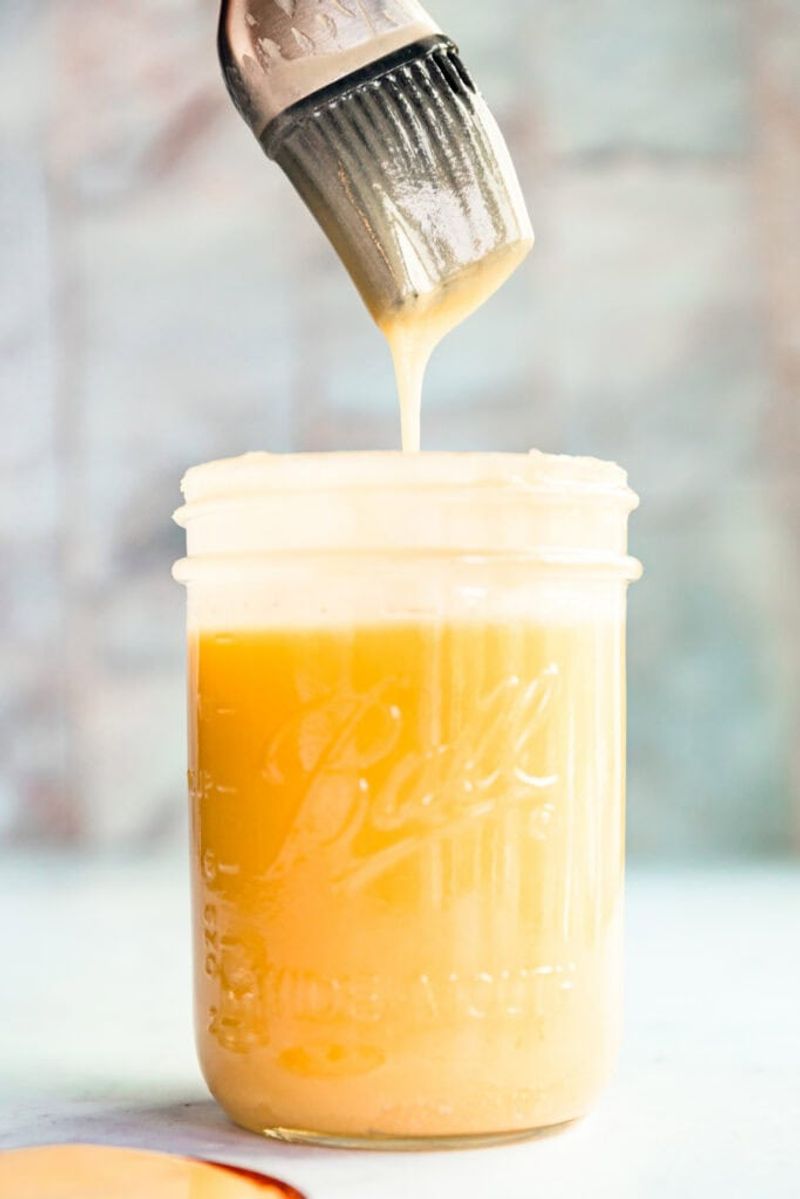
Cooking spray is convenient, but Grandma’s method of greasing pans with real butter and flour was far more reliable for delicate cakes and breads. The butter coats the surface while the flour creates a protective barrier.
This combination releases baked goods cleanly almost every single time. Run the buttered pan under cold water briefly before flouring for an even better result.
Generations of perfectly shaped birthday cakes were the proof that this simple technique genuinely works.
19. Garlic Peels Faster With a Quick Press
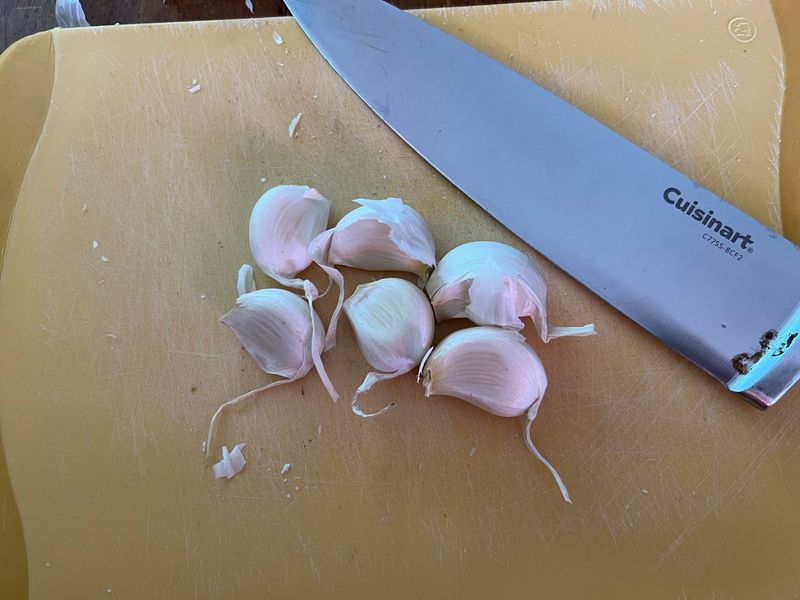
Peeling garlic cloves one by one can feel like a tedious chore, especially when a recipe calls for a whole head. Grandma’s quick fix was to lay the flat side of a wide knife over the clove and give it a firm press with the heel of her hand.
The skin splits and slips right off with almost no effort. It takes about two seconds per clove.
Sharp knife skills were part of the deal, but even beginners can master this one quickly.
20. Cold Water Makes Flakier Pie Crust
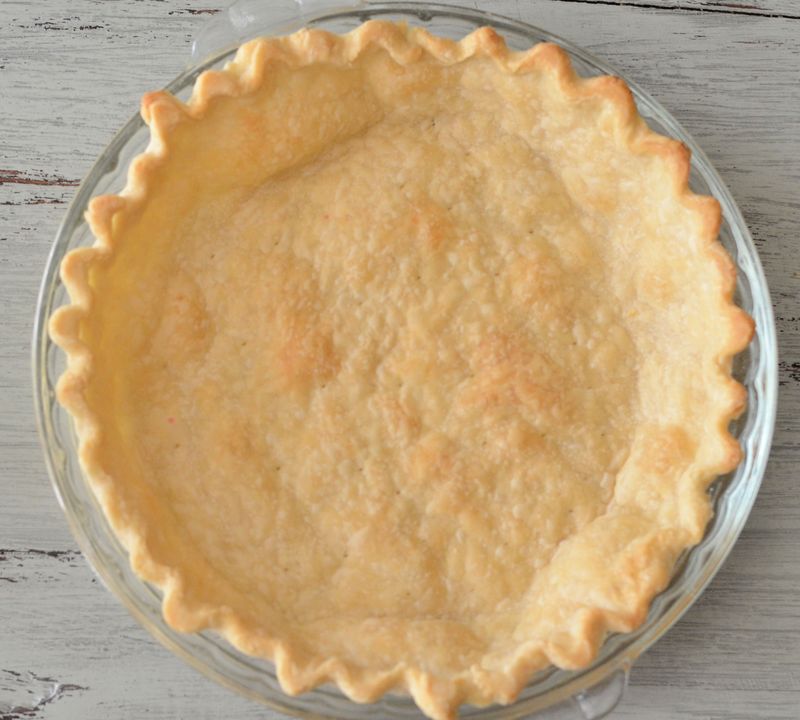
Pie crust is one of those things that sounds simple but trips up even experienced bakers. The secret Grandma swore by was using ice-cold water when mixing the dough.
Cold water keeps the fat in the dough from melting before the pie hits the oven. Those small pockets of cold fat are what create the flaky layers everyone loves.
Some bakers even add ice cubes directly to the water to keep it as cold as possible throughout the mixing process.
21. Coffee Grounds Deodorize the Refrigerator Naturally
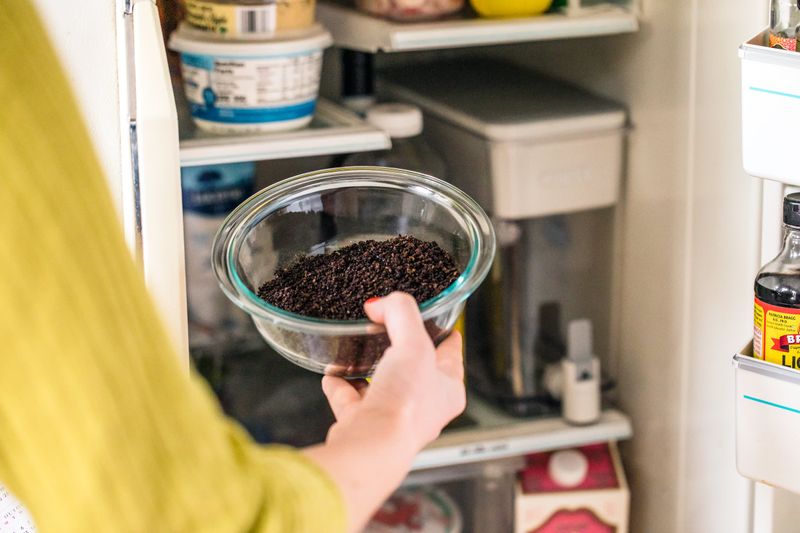
Baking soda in the fridge gets all the credit, but Grandma often used leftover coffee grounds to absorb odors just as effectively. Used grounds work especially well because they have already released most of their moisture.
Place a small open bowl of grounds on a shelf and replace them every week or two. Coffee has a strong natural ability to neutralize stubborn smells from fish, onions, and leftovers.
It is a smart way to recycle something most people toss straight into the trash.