
The Harry Potter movies brought the wizarding world to life in stunning ways, but they also left out a surprising amount of detail from the books. Fans who only watched the films missed out on some seriously important explanations that made the story richer and more emotional.
From character backstories to shocking secrets, the books answered questions the movies never even thought to ask. Get ready to discover what you missed.
1. Neville Longbottom’s Parents and the St. Mungo’s Hospital Visit
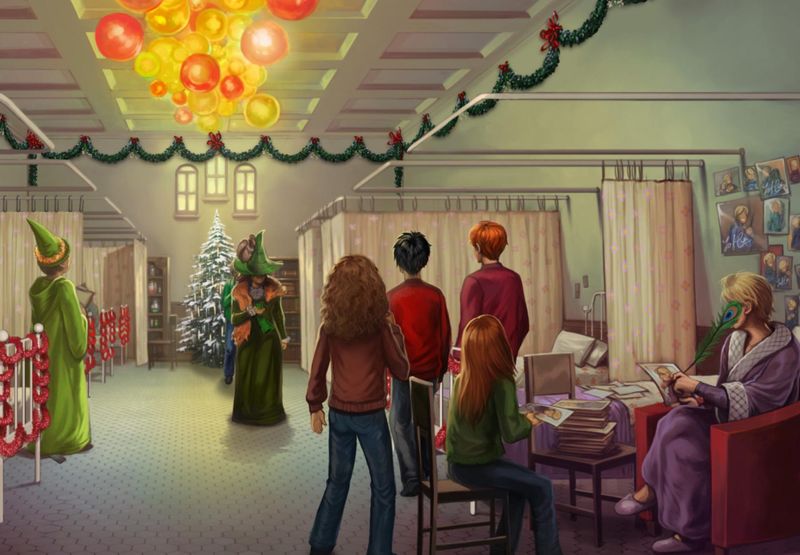
Few scenes in the entire Harry Potter series hit as hard as the St. Mungo’s Hospital visit in Order of the Phoenix. Harry, Ron, and Hermione stumble upon Neville visiting his parents, Frank and Alice Longbottom, who were tortured into permanent insanity by Bellatrix Lestrange.
Seeing Neville’s quiet pain as his mother hands him a candy wrapper she saved explains everything about why he fights so hard. The movies cut this scene entirely, leaving his bravery without its emotional foundation.
2. How James Potter and Lily Evans Actually Fell in Love
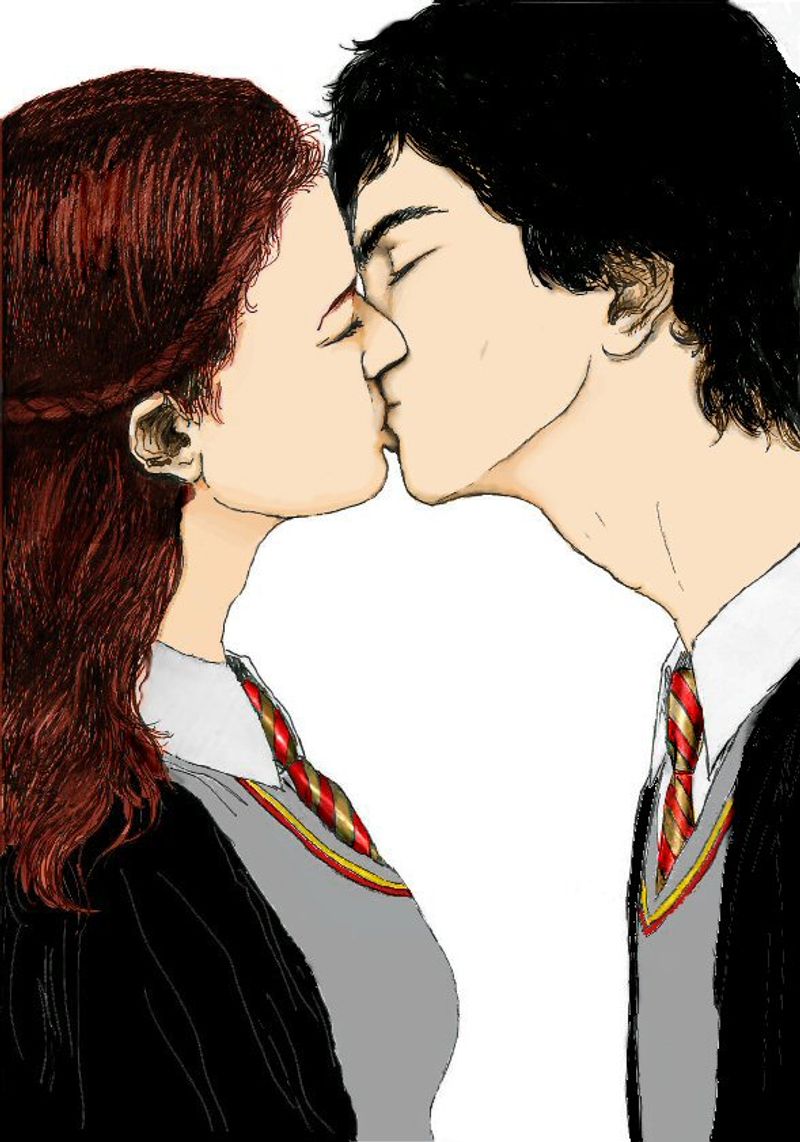
Lily Evans did not fall for James Potter right away. In fact, she thought he was arrogant and showed off too much during their early Hogwarts years, which made their eventual romance feel genuinely earned.
The books reveal that James truly matured during his seventh year, and Lily finally gave him a chance after seeing real growth in his character. The movies skip all of this, making their love story feel like background detail rather than the heartfelt journey it really was.
3. Barty Crouch Jr.’s Clever Escape from Azkaban
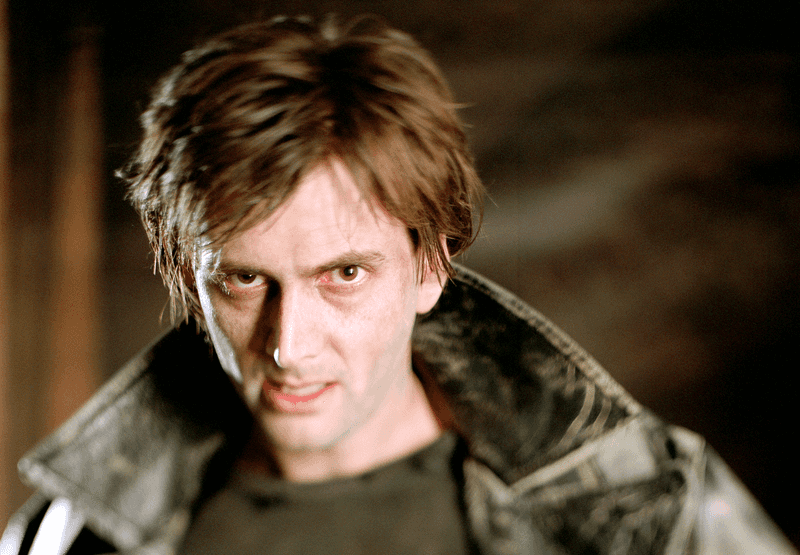
Barty Crouch Jr. shows up in Goblet of Fire as the villain behind the whole Triwizard Tournament plot, but the movie never explains how he got out of Azkaban in the first place. That gap leaves a pretty big plot hole for movie-only fans.
The books tell a clever and tragic story: his dying mother swapped places with him using Polyjuice Potion, and she passed away in his place. His father then kept him hidden under an Imperius Curse at home.
4. The Dark Truth About How Horcruxes Are Created
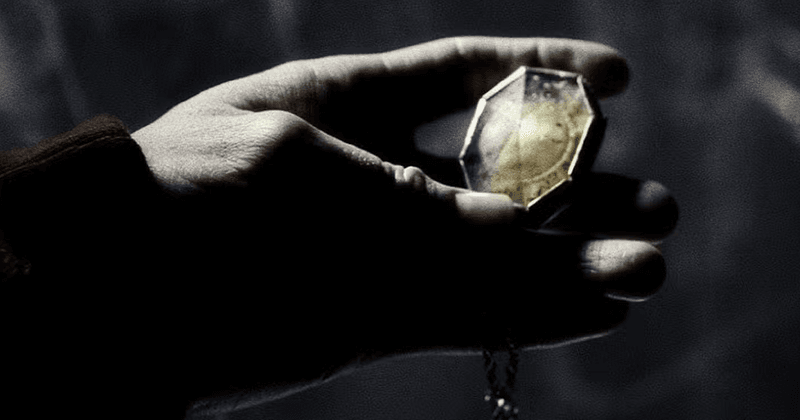
Horcruxes are central to the entire final stretch of Harry Potter, yet the movies never explain the disturbing process behind making one. Knowing the method changes how you understand Voldemort completely.
According to the books, a Horcrux can only be created by committing murder, an act so evil that it literally tears the soul apart. That torn fragment is then anchored into an object.
This detail makes Voldemort’s choices feel even more monstrous and deliberate than the films ever conveyed.
5. Voldemort’s Very Human Death in the Books
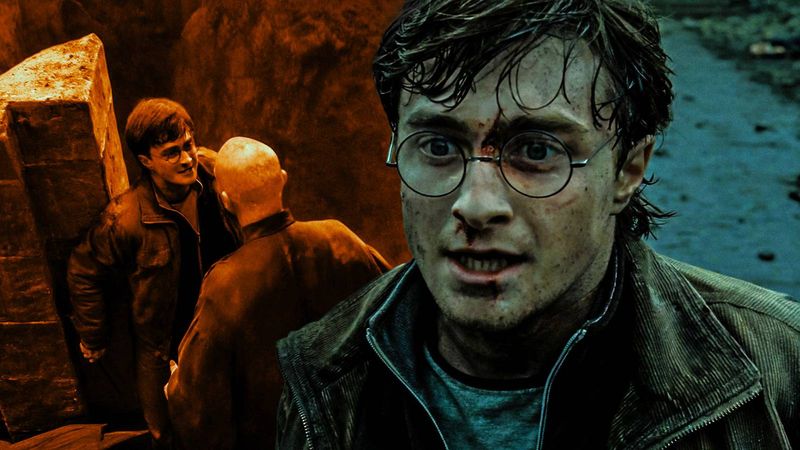
Movie fans watched Voldemort crumble into ash and drift away dramatically, which made his death feel almost mythical. Book readers got something far more powerful and meaningful instead.
In the original story, Voldemort simply collapses. His body falls to the ground like any regular human being, because without his Horcruxes, he is mortal again.
That quiet, undramatic end was the whole point. The books used his ordinary death to underline that evil, no matter how grand it seems, is ultimately fragile and very beatable.
6. Severus Snape’s Deep and Complicated History with Lily
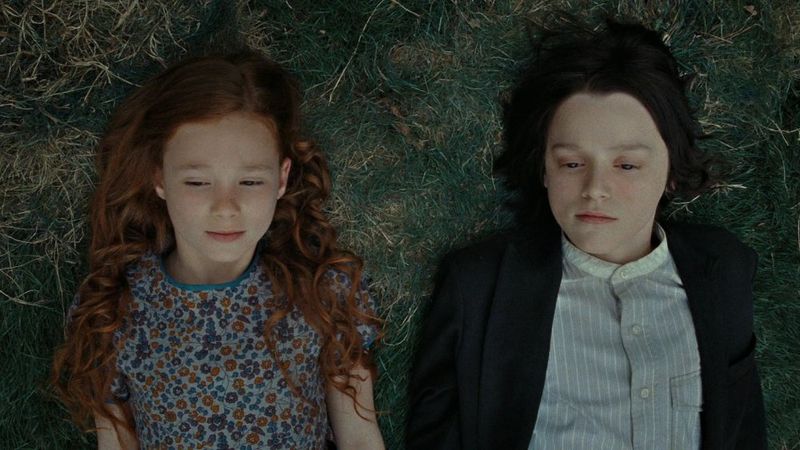
Snape’s story is one of the most layered in the entire series, but the films had to trim a lot of it down. What got lost was the full picture of just how deep his bond with Lily Evans truly ran and how much his rivalry with James Potter shaped him.
The books spend more time showing young Snape’s jealousy, heartbreak, and eventual regret. His loyalty to Dumbledore and his protection of Harry make much more sense when you understand the complete emotional history the novels carefully built over years.
7. Dobby’s Ongoing Role Throughout the Series
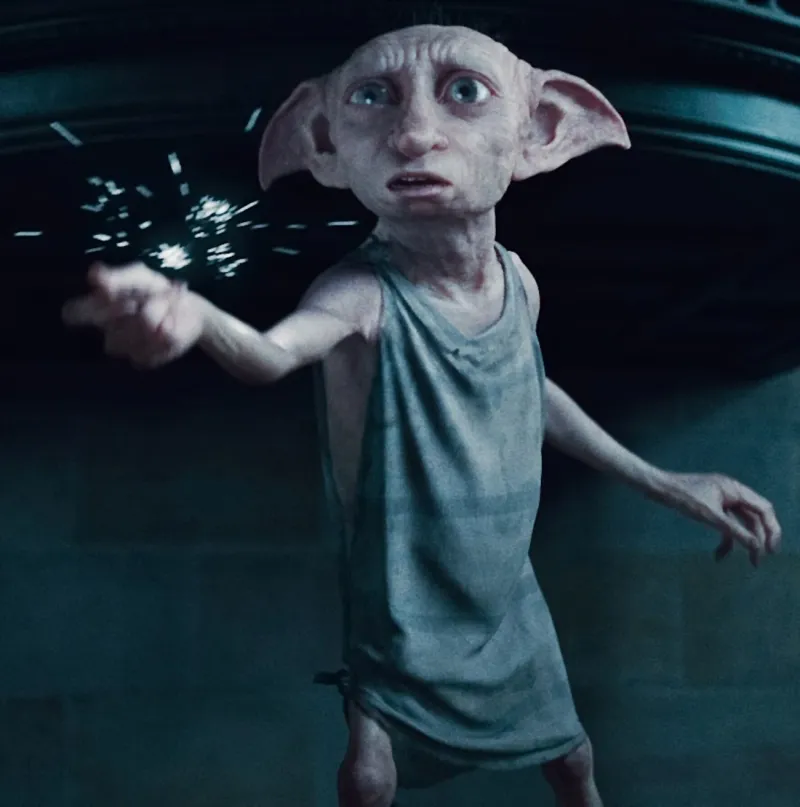
After Chamber of Secrets, Dobby basically vanishes from the movies until he pops back up in Deathly Hallows, which can feel a bit random if you never read the books. In the novels, Dobby is a consistent and beloved presence throughout the story.
He gets a job at Hogwarts, helps Harry prepare for the Triwizard Tournament, and assists during the Order of the Phoenix. His reappearance in Deathly Hallows lands so much harder emotionally when you have watched him grow and help throughout the whole adventure.
8. The Much Longer Battle at the Ministry of Magic
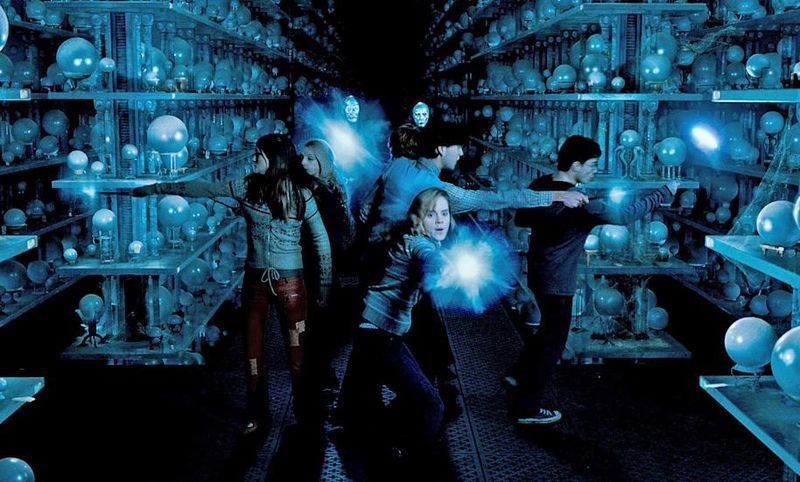
Order of the Phoenix has one of the most exciting battle sequences in the whole series, but the movie version feels rushed compared to what happens on the page. The book gives every member of the group a real moment to shine.
Ron, Hermione, Ginny, Luna, and Neville all face serious danger and show real bravery during the extended fight through the Department of Mysteries. The film condenses the chaos significantly, cutting rooms and encounters that made the battle feel genuinely desperate and thrilling for book readers.
9. The Bigger Battle at the Astronomy Tower
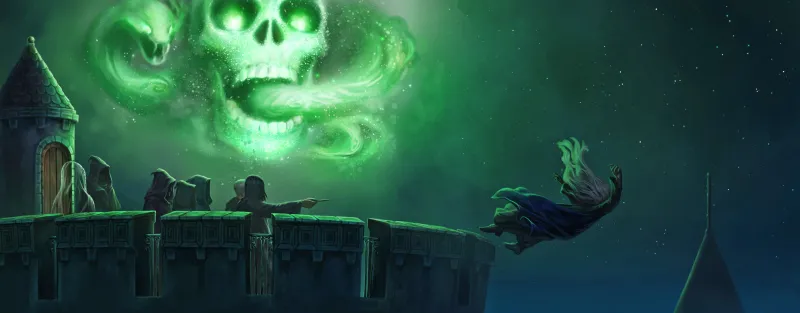
In Half-Blood Prince, the movie focuses tightly on Dumbledore’s death on the Astronomy Tower, which is heartbreaking on its own. However, the book surrounds that moment with a much larger battle happening throughout the castle.
Lupin, Tonks, and other Order members are actively fighting Death Eaters inside Hogwarts while Harry stands frozen beneath the tower. Bill Weasley gets badly injured during this fight.
The film’s quieter version loses the sense of full-scale chaos that made Dumbledore’s death feel even more devastating and costly.
10. Voldemort’s Memories and Backstory in the Pensieve
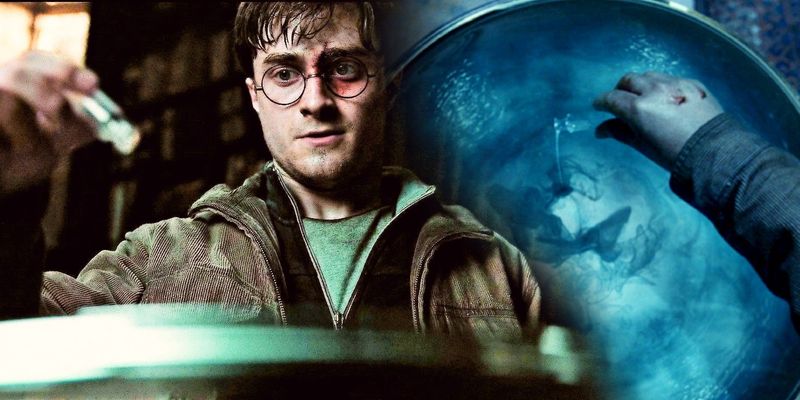
Half-Blood Prince is packed with Pensieve memories that walk Harry and Dumbledore through Voldemort’s entire life story, from his lonely orphanage childhood to his obsession with immortality. These sessions are rich and revealing in the books.
The movie cuts most of them, keeping only a handful of the key memories. Losing those scenes means movie audiences miss out on understanding why Voldemort chose certain objects as Horcruxes and what drove his fear of death.
The books make him a genuinely tragic, complex villain rather than just a scary face.
11. Harry’s Public Showdown with Voldemort at the Ministry
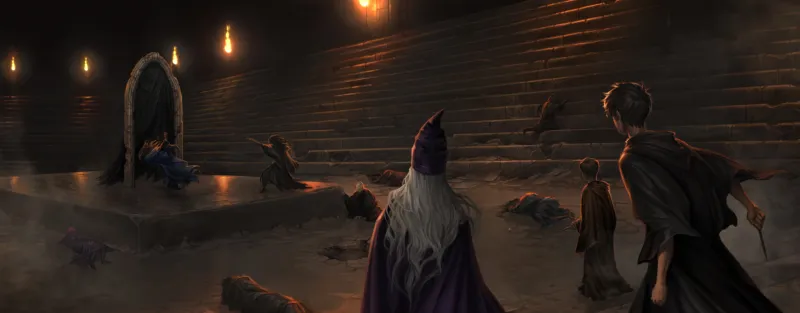
One of the biggest moments in Order of the Phoenix is when Harry and Voldemort face off inside the Ministry of Magic while ministry employees watch in stunned silence. This is the moment the wizarding world can no longer deny Voldemort’s return.
The book makes it a public, witnessed event with real consequences for the ministry’s credibility. The movie turns it into a more private confrontation, which loses the political weight of the moment.
Fudge seeing Voldemort with his own eyes is a turning point that deserved more screen time.
12. Ginny Weasley’s Strong and Funny Personality

Book Ginny is genuinely one of the funniest and most confident characters in the whole series. She gives back as good as she gets, stands up to her brothers, and has a sharp wit that makes her friendship with Harry feel completely natural.
The movies shrink her down to a quiet background presence, which is a real shame. Her development from shy girl who had a crush to a bold, independent young woman is one of the best character arcs in the books, and movie fans barely got to see it.
13. Neville Longbottom Destroying the Final Horcrux
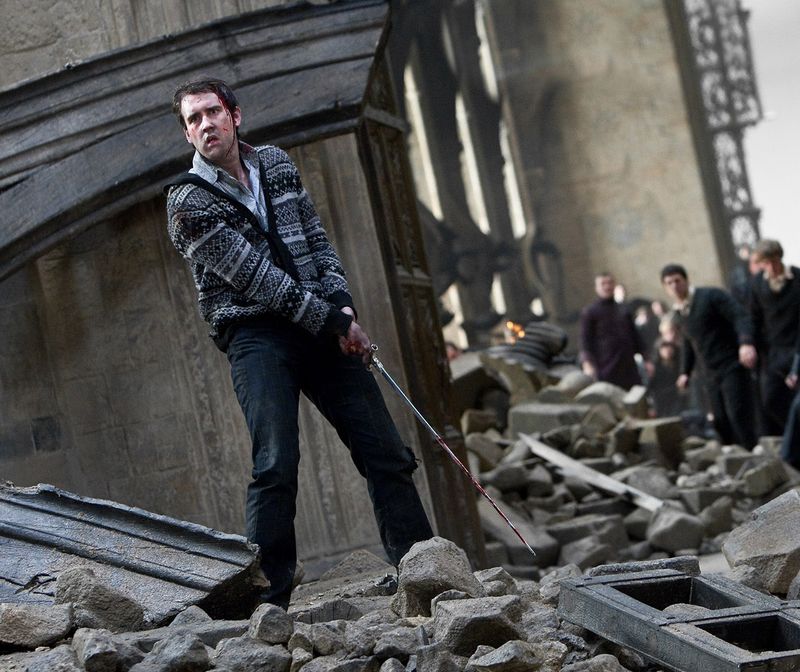
Neville pulling Gryffindor’s sword from the Sorting Hat and beheading Nagini is one of the most satisfying moments in the entire series. After years of being underestimated, he destroys the final Horcrux and changes the course of the battle.
The movie includes the moment but rushes through it in a way that does not give Neville his full heroic spotlight. The book builds to it more deliberately, making it feel like the payoff for everything Neville has endured since his very first year at Hogwarts.
14. The Dursleys Saying Goodbye Under Order Protection
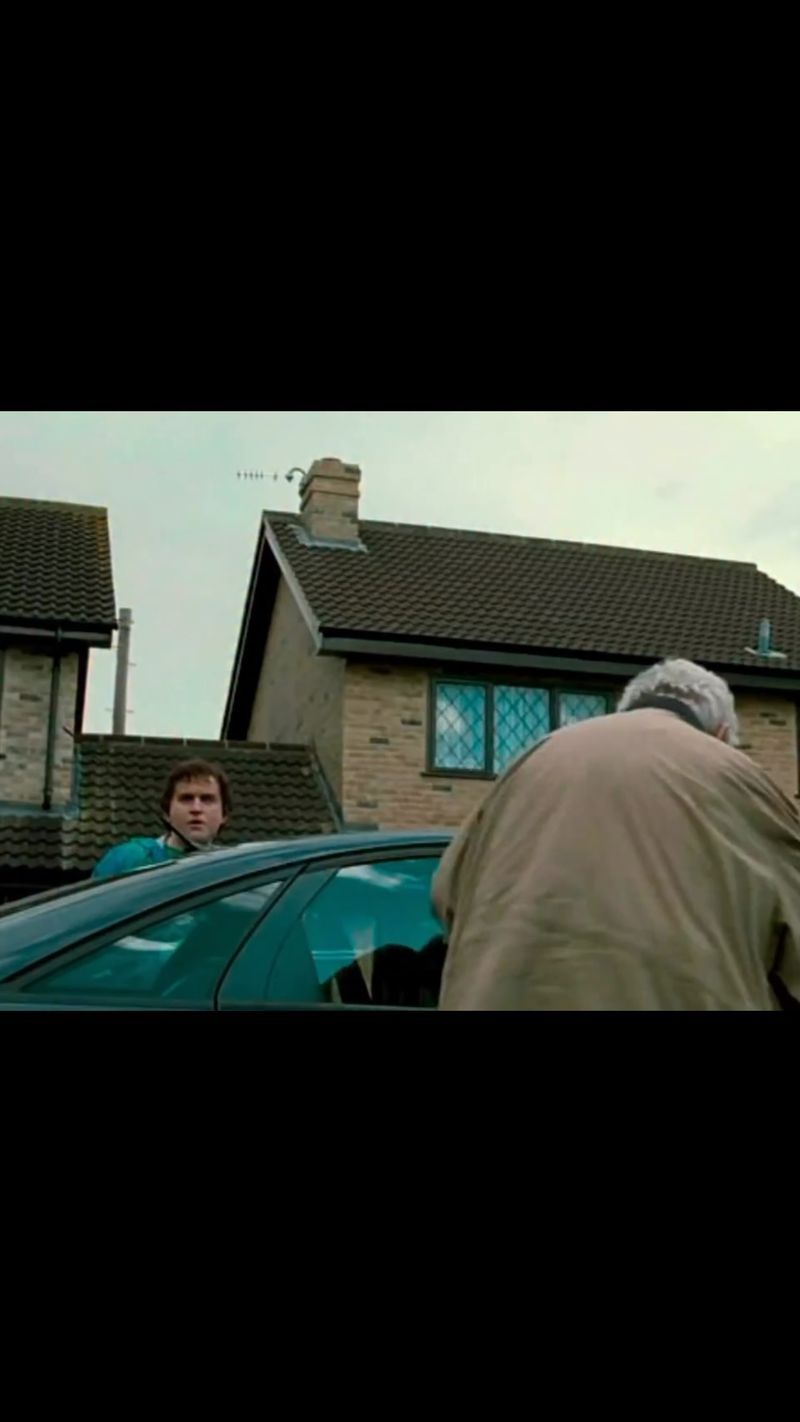
Before Harry leaves Privet Drive for the last time, the Dursleys are whisked away under the protection of the Order of the Phoenix. Dudley actually says something surprisingly kind to Harry before they part, hinting at a real change in character.
The movie skips this farewell entirely, cutting one of the more unexpectedly touching moments in the books. Dudley’s small act of decency after years of cruelty makes the departure feel like genuine closure rather than just another scene transition.
15. Bill Weasley and Fleur Delacour’s Wedding
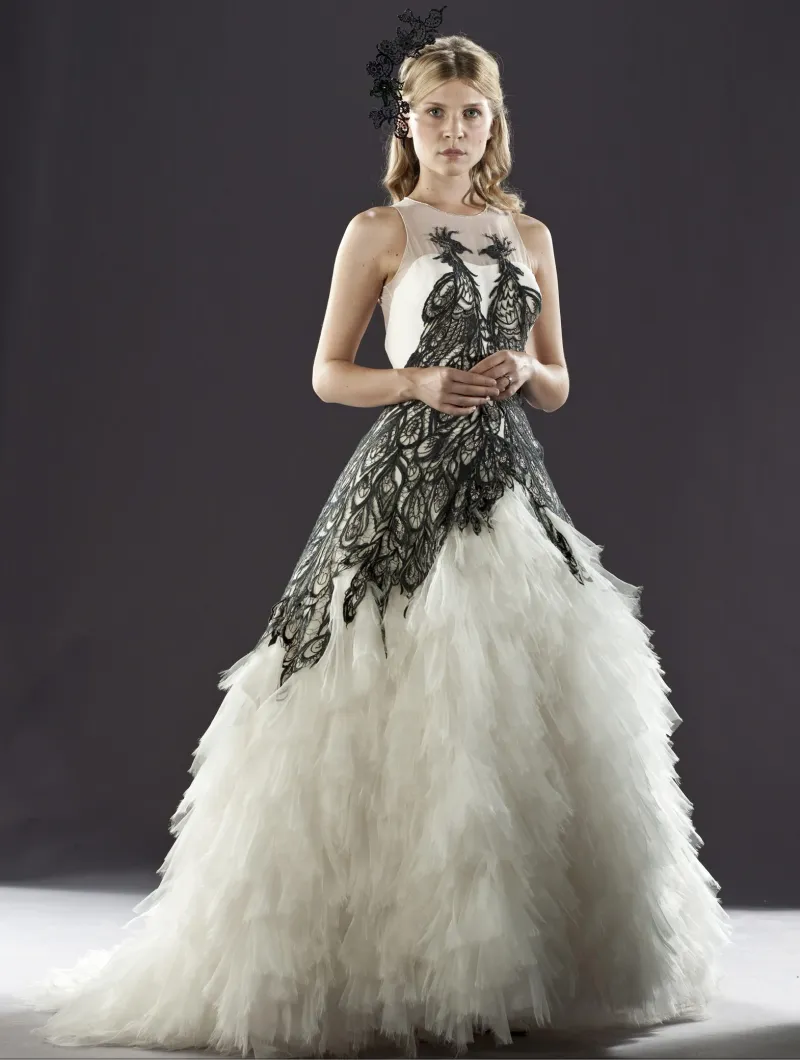
The wedding of Bill Weasley and Fleur Delacour is a genuinely joyful event in Deathly Hallows, but it also serves a real story purpose. It brings the whole wizarding community together right before everything falls apart, making the attack that interrupts it all the more shocking.
The film shows a version of the wedding but cuts much of what made it meaningful in the book. The celebration gives readers a rare moment of happiness and community before the darkest part of Harry’s journey truly begins.
16. The True Origins of the Marauder’s Map
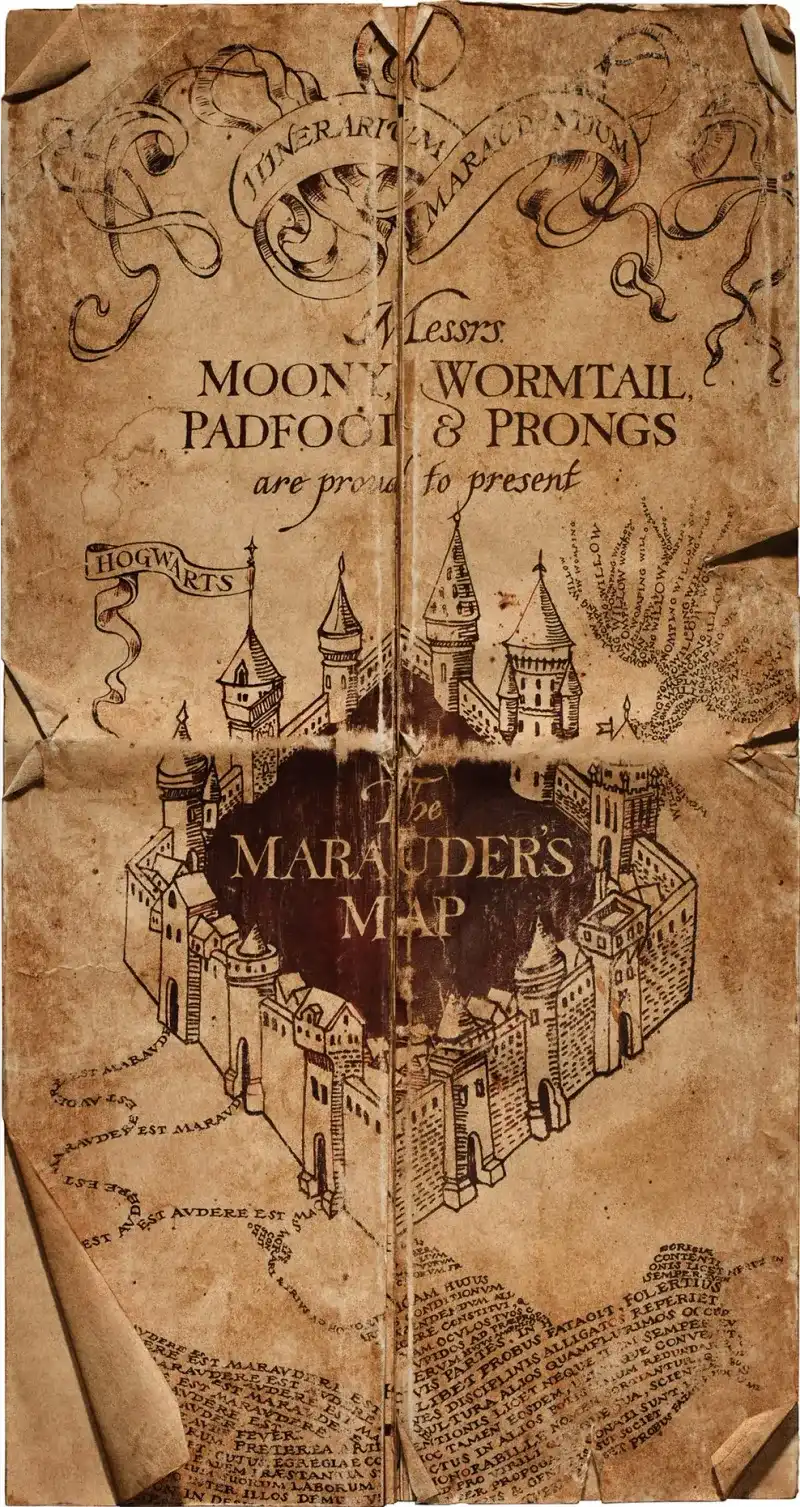
The Marauder’s Map is one of the coolest magical objects in the series, but the movies never explain who actually made it or why those four nicknames matter. For book readers, that connection hits differently.
James Potter, Sirius Black, Remus Lupin, and Peter Pettigrew created the map together during their time at Hogwarts. Each nickname matches their Animagus or werewolf form.
Knowing Harry carries a map made by his own father adds a layer of emotion to every single time he pulls it out of his pocket.
17. Rita Skeeter’s Secret Life as an Unregistered Animagus
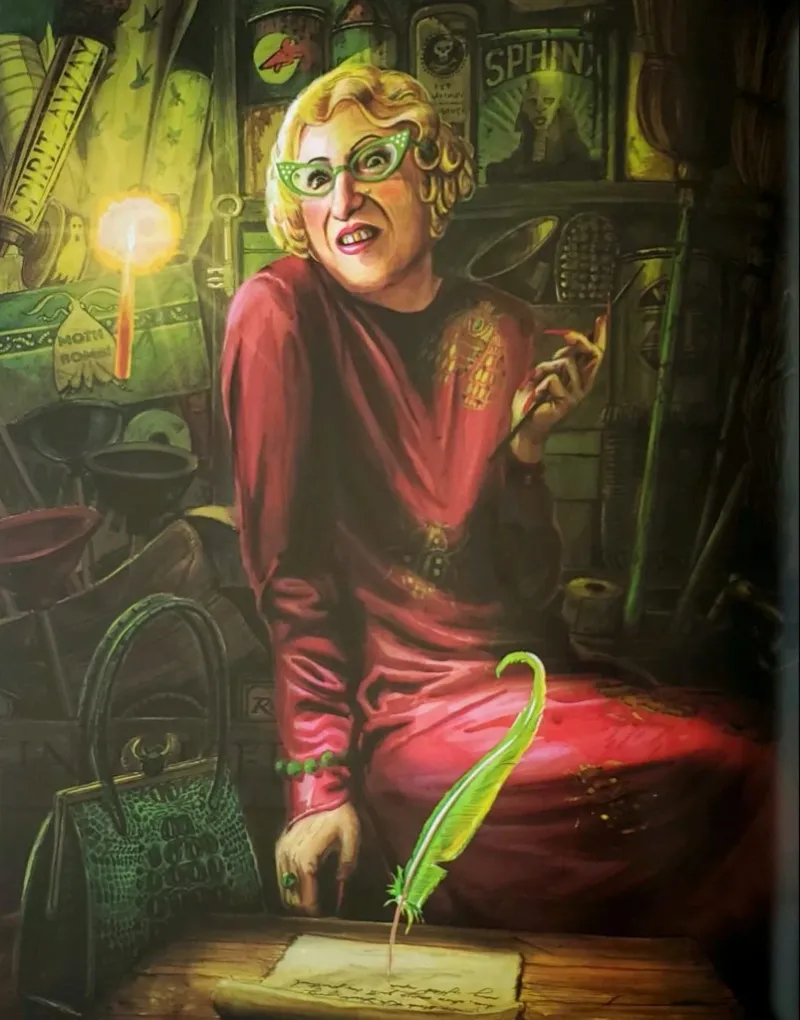
Rita Skeeter always seemed to have suspiciously perfect information, and the books actually explain exactly how she pulled it off. She is an unregistered Animagus who transforms into a beetle, allowing her to eavesdrop on private conversations without anyone knowing.
Hermione figures this out and uses it to blackmail Rita into silence, which is one of her most brilliant moves in the entire series. The films never address this at all, making Rita feel like a minor nuisance rather than the genuinely sneaky and clever character she is in the books.
18. Peter Pettigrew’s Grim Fate at the Hands of His Own Silver Hand
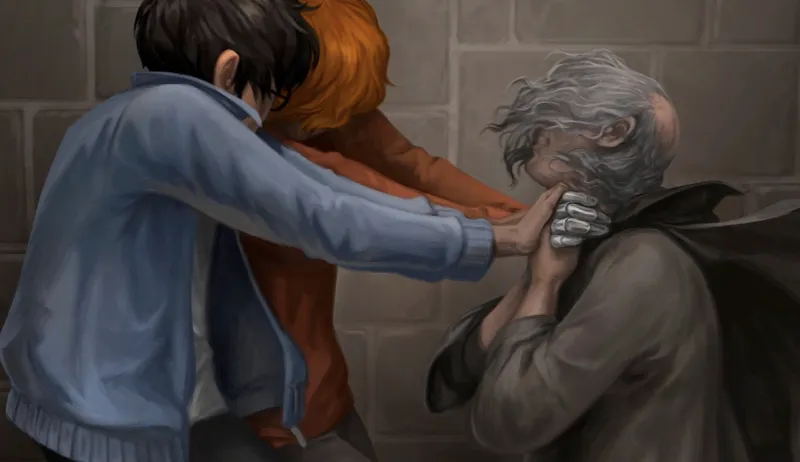
Peter Pettigrew, the man who betrayed Harry’s parents, gets a fittingly dark ending in the books that the movies completely skipped. When Harry spares his life in Prisoner of Azkaban, it creates a life debt, and that debt comes back around in Deathly Hallows.
When Peter hesitates to harm Harry, his own silver hand, the one Voldemort gifted him, strangles him as punishment for that moment of mercy. It is a grim, poetic conclusion to his story that the films simply left unresolved, which frustrated a lot of dedicated readers.