
Growing up is never simple, and for many Gen Z young people, certain painful experiences from childhood can quietly push them away from their parents over time. From feeling unheard to dealing with strict rules or clashing values, these wounds can build up and create real emotional distance.
Understanding what causes this gap is the first step toward healing it. Whether you are a parent or a young person, recognizing these patterns can make a big difference in your relationship.
1. Not Feeling Heard About Childhood Experiences

Imagine sharing something painful from your past, only to be met with a blank stare or a quick subject change. For many Gen Z teens, this is a familiar and deeply hurtful experience.
When parents respond with defensiveness instead of empathy, it sends a silent message that feelings do not matter.
Over time, that silence becomes a wall. Young people stop sharing, and emotional distance grows.
Feeling truly heard is one of the most basic human needs, and when it goes unmet at home, kids learn to look elsewhere for support.
2. Dismissal of Mental Health Struggles

“You are just overthinking it” – four words that can do more damage than most parents realize. Gen Z grew up in a world where mental health awareness is everywhere, so being told their anxiety or depression is not real feels like a slap in the face.
Many parents still connect success with grades and achievements, not emotional well-being. When a young person reaches out for support and gets brushed off instead, they quickly learn that home is not a safe place to be vulnerable.
3. Feeling Judged or Shamed for Personal Decisions

Judgment from a stranger stings, but judgment from a parent cuts deep. When every career choice, relationship, or lifestyle decision gets met with criticism or eye-rolls, it chips away at a young person’s confidence over time.
Gen Z values authenticity and self-expression more than almost any other generation. Constant shaming sends the message that who they are is simply not good enough.
Eventually, many decide it is easier to keep their lives private, or to step back from the relationship altogether.
4. Constant Overstepping of Personal Boundaries

Boundaries are not walls built to keep parents out. For Gen Z, they are healthy lines that protect mental and emotional well-being.
When those lines get crossed again and again, whether through reading private messages, showing up unannounced, or controlling daily choices, resentment builds fast.
Repeated boundary violations signal a lack of respect, which is hard to recover from. Many young people eventually pull back not out of spite, but out of pure self-preservation.
Respecting boundaries is one of the simplest ways parents can rebuild trust.
5. Toxic Family Dynamics and Emotional Manipulation
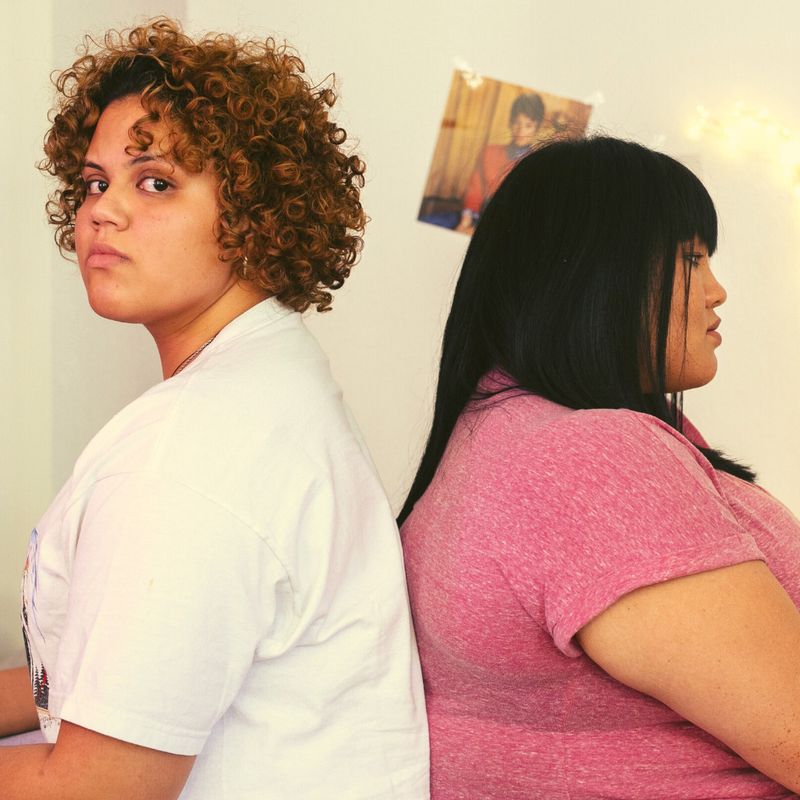
Not every family fights loudly. Some of the most damaging dynamics happen quietly, through guilt trips, emotional withdrawal, or subtle put-downs that make a child doubt their own reality.
Gen Z has a name for this: gaslighting, and they are quick to recognize it.
Growing up in a home where emotions are used as weapons leaves lasting marks. Young people who experience manipulation at home often struggle with trust in all their relationships.
Distancing from the source of that pain is sometimes the healthiest choice they can make.
6. Perfectionism Driven by Unrealistic Parental Expectations

A 4.0 GPA, varsity sports, and a packed resume – for some Gen Z kids, that is just Tuesday. Parents who constantly push for more, while rarely acknowledging what has already been achieved, plant the seeds of deep anxiety and self-doubt.
Research consistently links excessive parental pressure to higher rates of perfectionism, depression, and burnout in young people. When praise is always conditional, kids stop feeling good enough no matter how hard they try.
That exhausting cycle often makes them want to create space from the pressure source.
7. Generational Value Clashes and Disrespect for Differing Opinions

Picture two people speaking completely different languages and still trying to have the same conversation. That is what value clashes between Gen Z and their parents can feel like on a regular basis.
Gen Z tends to prioritize mental health, social justice, and individuality, while many parents were raised with more traditional ideas about hard work and keeping quiet. When differences in opinion get dismissed or mocked rather than discussed, young people feel disrespected.
That repeated disrespect slowly erodes the desire to connect at all.
8. Lack of Acceptance of Personal Identity
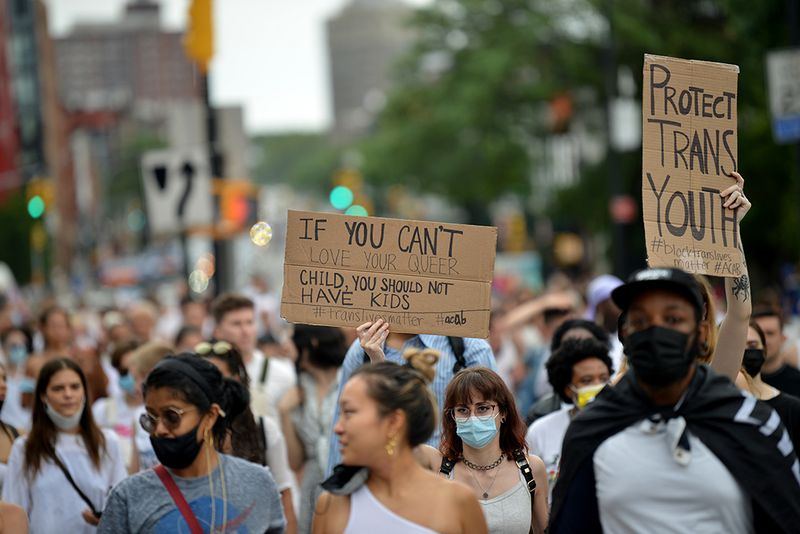
For LGBTQ+ Gen Z youth, coming out to a parent can feel like one of the most terrifying moments of their lives. When that moment is met with rejection, silence, or attempts to change who they are, the damage can be permanent.
Acceptance is not just a nice-to-have. Studies show it is directly tied to mental health outcomes for LGBTQ+ youth.
Parents who refuse to acknowledge their child’s identity often lose the relationship entirely, not because their child wants distance, but because survival sometimes demands it.
9. Deep Political Differences Causing Chronic Conflict

Climate change, racial justice, financial inequality – Gen Z cares deeply about these issues, and they are not shy about saying so. When parents respond with eye-rolls or dismissive comments, what starts as a debate can quickly spiral into a full-blown falling out.
Political estrangement between generations is more common now than ever before. When every family gathering turns into a heated argument, young people start skipping those gatherings altogether.
It is not always about winning the argument – it is about feeling like their concerns are taken seriously.
10. Financial Dependence Creating Strain and Tension

Money conversations are awkward at the best of times. Add a parent-child dynamic to the mix, and they can become a minefield.
A large share of Gen Z still relies on parental support for rent, groceries, or other basics, and that dependence often comes with strings attached.
When financial help turns into leverage for control or judgment, gratitude quickly turns into resentment. Young people caught in this cycle often feel trapped between needing support and protecting their independence.
The tension that builds can push the relationship to a breaking point.
11. Hyper-Independence From Unmet Childhood Needs

Some kids learn early that they can only count on themselves. When emotional or physical needs go unmet in childhood, a survival instinct kicks in, and many grow up building walls that are very hard to come down later.
Hyper-independence might look like strength from the outside, but it often comes from a place of deep pain. Adults who grew up this way may cut ties not out of anger, but to avoid environments that trigger old wounds.
Healing that pattern usually requires acknowledging where it came from in the first place.
12. Authoritarian Parenting and Its Mental Health Impact

Rules without reasons. Obedience without conversation.
Authoritarian parenting might produce quiet kids, but research shows it often produces anxious, low-confidence adults who struggle with self-worth and decision-making.
Gen Z, more than any previous generation, pushes back hard against rigid control. They want to understand the why behind expectations, not just follow orders blindly.
When home feels more like a military base than a safe space, many young people start counting down the days until they can leave, and some never fully return once they do.
13. Social Media Fueling Comparison and Emotional Distance
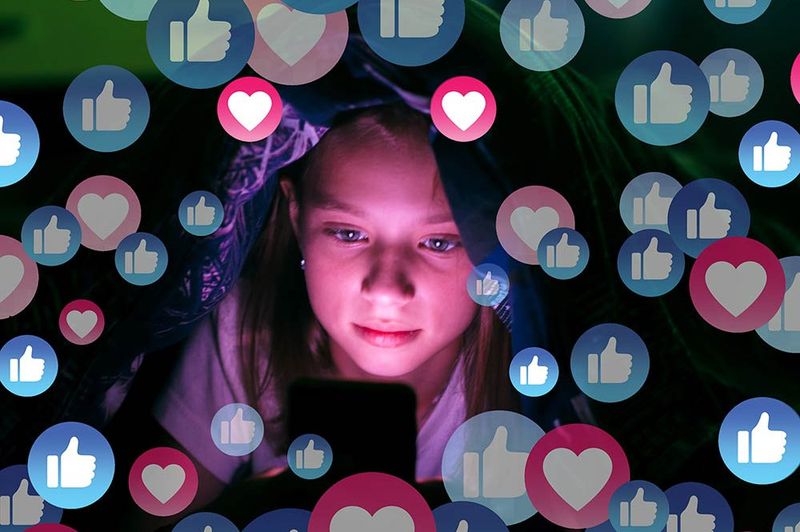
Social media hands young people a highlight reel of everyone else’s perfect life, 24 hours a day. For Gen Z, that constant comparison can quietly chip away at self-esteem and make real-life relationships feel dull or disappointing by comparison.
Within families, this creates a tricky problem. Parents may feel replaced by screens, while teens feel misunderstood by parents who do not get digital culture.
When neither side bridges the gap, the emotional distance grows. Cutting screen time and having honest conversations about social media can go a long way toward reconnecting.
14. Feeling Drained After Time With Parents

Most people leave a good visit with family feeling recharged. But for some Gen Z individuals, heading home after time with parents feels more like recovering from a marathon than enjoying quality time together.
That emotional exhaustion is a real signal worth paying attention to. Whether it comes from walking on eggshells, absorbing criticism, or managing a parent’s emotions, the drain adds up.
When spending time with someone consistently leaves you feeling worse than before, pulling back starts to feel less like a choice and more like a necessity.
15. Prioritizing Achievements Over Emotional Stability

“Did you get the job? What is your salary?
When are you getting promoted?” For many Gen Z young people, conversations with parents feel like performance reviews rather than genuine connections.
Parents shaped by decades of hustle culture often equate love with achievement. But Gen Z grew up learning that emotional well-being matters just as much as a paycheck.
When feelings and mental health are treated as less important than career milestones, young people start to feel like projects instead of people. That shift in how they are seen pushes many of them away.
16. Climate Anxiety and Frustration at Parental Inaction

Gen Z did not choose to inherit a planet in crisis, but many feel the weight of it every single day. Climate anxiety is real, clinically recognized, and widespread among young people who genuinely fear for their future.
When parents wave off those concerns with “the planet has always changed” or “you worry too much,” it feels like a betrayal. Young people who are already grieving the state of the world do not need dismissal from the people they trust most.
That frustration, left unaddressed, can become a serious wedge in the relationship.
17. Parents Struggling to Communicate When Teens Are Upset
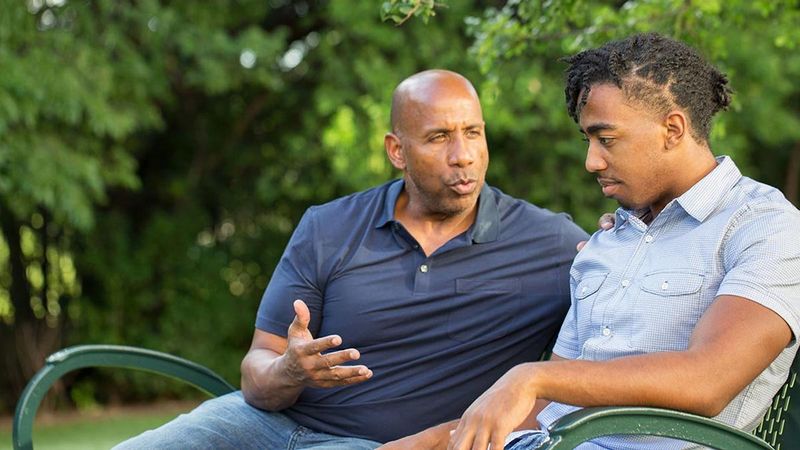
Knowing what to say when your kid is falling apart is genuinely hard. But silence, or worse, assuming they want to be left alone, can send the wrong message at exactly the wrong moment.
Many Gen Z teens desperately want their parents to show up for them emotionally, even if they do not always say so out loud. When parents consistently fail to bridge that gap, young people turn to friends, therapists, or online communities instead.
Over time, the parent becomes less of a go-to person, and more of a distant figure in their child’s emotional world.
18. Not Respecting Their Need for Freedom and Independence

Freedom is not just a teenage phase for Gen Z – it is a core value. Growing up with access to global ideas and diverse communities, many young people develop a strong sense of who they are and what kind of life they want to build.
When parents treat that drive for independence as rebellion or ingratitude, it creates friction that is hard to smooth over. Young people do not want to cut ties with their parents.
They want parents who trust them enough to let them grow. Without that trust, distance becomes the only way to find room to breathe.