
Some love stories hurt because the world refuses to let two people be together. Family rules, unfair laws, and social pressure can turn a simple feeling into a painful choice.
These books, plays, and films show both the beauty of love and the cost of keeping it hidden. Expect a few story details, some heartbreak, and plenty to think about.
1. Romeo and Juliet: Love Across a Family Feud
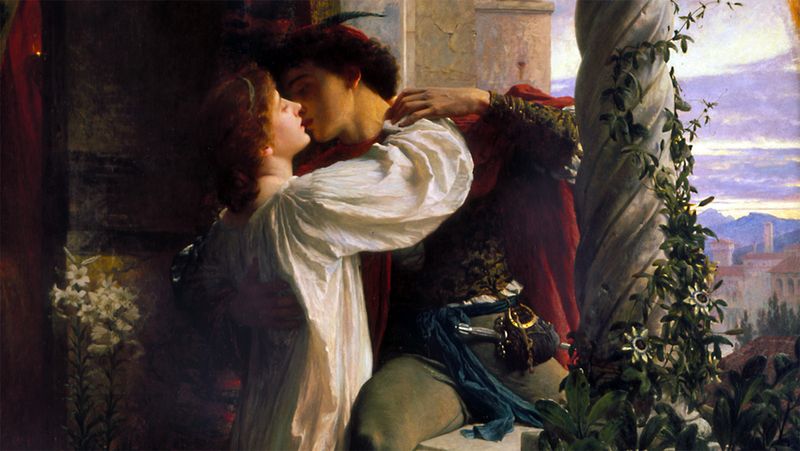
A balcony, a whispered promise, and two angry families make a love story that still hurts centuries later. Shakespeare’s young lovers find each other in Verona, where a bitter feud makes their relationship dangerous.
Their secret plans soon run into terrible misunderstandings.
Beneath the famous romance sits a warning about adults who let pride overpower care. Read it for the beautiful language, but notice how honest conversations and trusted support might have changed everything for them.
2. Titanic: Two Worlds Meet at Sea

One ocean voyage gives Rose a glimpse of a life she never thought she could choose. In Titanic, her bond with Jack crosses the sharp line between wealthy passengers and those traveling below decks.
Her engagement adds another barrier to their growing connection.
The sinking makes every shared moment feel painfully brief. Beyond the grand scenes, watch how Jack encourages Rose’s independence, reminding viewers that meaningful love should widen your world rather than close it down.
3. West Side Story: A Song Against Rivalry

Music bursts with hope while the streets around Tony and Maria fill with anger. Inspired by Romeo and Juliet, West Side Story places their romance between rival gangs in New York City.
Prejudice and loyalty turn a private connection into a public threat.
The songs make their dreams feel close enough to touch. Pay attention to the fear behind the fighting, too: the story shows how treating people as enemies can destroy chances for understanding peace.
4. Brokeback Mountain: A Lifetime of Unspoken Feelings
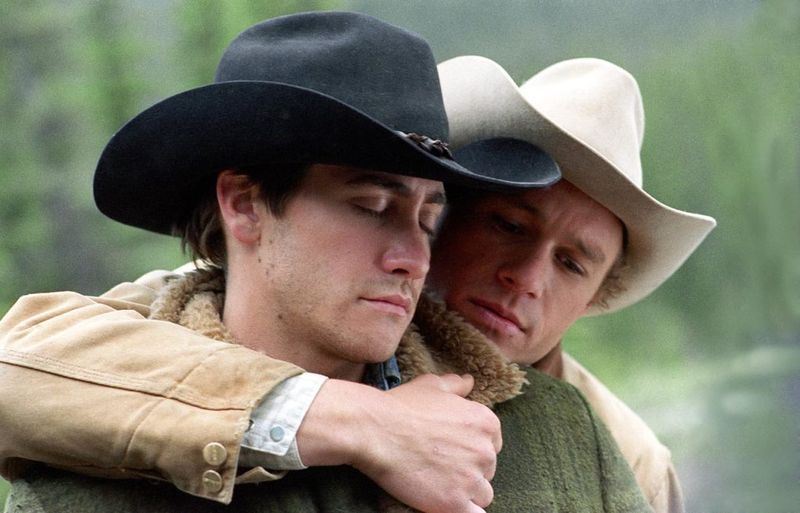
Silence carries almost as much weight as speech in this aching story. Ennis and Jack meet while tending sheep in Wyoming, then spend years struggling with feelings their society condemns.
Fear, distance, and family duties keep pulling them apart.
Brokeback Mountain never makes their choices simple or painless. Its lasting lesson concerns the damage caused by shame and hatred, not a lack of love, making it a powerful watch for adults ready for difficult emotional themes.
5. Carol: Finding Courage Behind Closed Doors

A chance meeting in a department store opens a door neither woman expected. Set in the 1950s, Carol follows a wealthy mother and a young shop worker whose attraction grows under harsh social judgment.
A custody struggle raises the stakes beyond their own happiness.
Small looks and careful gestures tell much of the story. Based on Patricia Highsmith’s novel The Price of Salt, it offers something precious: hope without pretending that choosing yourself comes without consequences.
6. The Age of Innocence: Trapped by Polite Rules
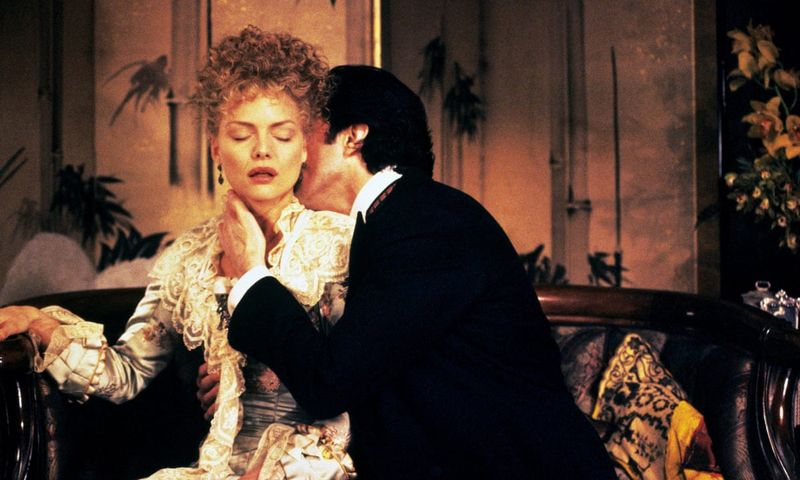
Perfect manners can hide a very cruel kind of pressure. Edith Wharton’s novel follows Newland Archer, who is engaged to May Welland but drawn to her cousin, Ellen Olenska.
Among New York’s wealthy families, reputation matters more than open honesty.
Instead of loud battles, expect quiet choices that leave deep marks. The heartbreak comes from watching people protect appearances while losing possible happiness, a useful reminder to question rules that exist only to keep others comfortable.
7. Anna Karenina: Passion Under Public Judgment

Everyone seems ready to judge Anna, yet few people truly listen to her. In Leo Tolstoy’s novel, a married woman falls for Count Vronsky and faces severe social rejection.
Their passion cannot easily survive jealousy, isolation, and unequal standards.
The book also follows other relationships, giving readers more than one picture of love. Approach Anna with compassion rather than quick blame; her story asks how a community’s harsh treatment can deepen someone’s suffering instead of offering help.
8. Madame Bovary: When Dreams Clash With Reality

Romance novels promise Emma a life far brighter than the one she knows. Gustave Flaubert’s Madame Bovary follows her search for excitement through affairs outside her marriage.
The gap between her dreams and reality grows alongside dangerous spending and disappointment.
Unlike a simple tale of soulmates, this story questions the promises people attach to romance. Readers can recognize the temptation to seek rescue in another person, while seeing why secrecy and unchecked expectations often bring further pain.
9. Lady Chatterley’s Lover: Crossing the Class Divide

Fresh air and honest conversation offer Connie something her grand home cannot. In D.
H. Lawrence’s novel, Lady Chatterley forms a relationship with gamekeeper Oliver Mellors while married to another man.
Their class difference makes the affair even more shocking to those around them.
Written for adults, the book explores physical intimacy alongside emotional loneliness. Its deeper question is relatable: can a comfortable life truly satisfy someone who feels unseen, unheard, and cut off from genuine affection?
10. Wuthering Heights: A Bond That Becomes a Storm

The wind seems to carry every angry word across the moors. Emily Brontë’s Wuthering Heights binds Catherine and Heathcliff through childhood closeness, then separates them through status, pride, and marriage choices.
Love twists into bitterness that reaches the next generation.
Do not mistake its intensity for a guide to healthy romance. The novel is gripping because it shows how possessiveness and revenge can poison affection, inviting readers to separate a powerful emotional bond from kindness and respect.
11. The Thorn Birds: Desire Against a Sacred Promise

A promise to God stands between Meggie and the man she loves. Colleen McCullough’s family saga centers partly on her attachment to Ralph de Bricassart, a Catholic priest drawn between personal desire and religious ambition.
Australia’s sweeping landscape gives their struggle an unforgettable setting.
The Thorn Birds asks what happens when someone wants two lives that cannot fit together. Its sorrow comes from repeated choices, showing that affection alone cannot remove duties or prevent others from hurting.
12. The Bridges of Madison County: Four Days That Change Everything

Four days can leave a mark that lasts for decades. Robert James Waller’s novel brings a traveling photographer into the life of Francesca, a married woman living in rural Iowa.
Their brief connection forces her to weigh desire against the family she loves.
The film adaptation adds moving performances to that quiet conflict. Rather than offering an easy answer, the story makes room for mixed feelings about duty, missed possibilities, and memories that remain after a goodbye.
13. Brief Encounter: Heartbreak at the Railway Station

A cup of tea becomes the start of an impossible attachment. In David Lean’s Brief Encounter, Laura meets Alec at a railway station, and ordinary visits slowly grow into love.
Both are married, so even small moments carry guilt and fear.
There are no grand castles or sweeping escapes here, just people struggling to act responsibly. That familiar setting makes the ache sharper, especially for viewers who understand how a goodbye can hide behind an everyday conversation.
14. Portrait of a Lady on Fire: Love Held in a Look

Looking closely becomes an act of love on a lonely French coast. In Portrait of a Lady on Fire, painter Marianne must secretly study Héloïse, who is expected to marry a man she has not chosen.
Their growing bond challenges that planned future.
The film lets silence, art, and memory do much of the talking. Watch for the difference between simply seeing someone and truly understanding them, a small lesson that reaches far beyond this painful romance.
15. Like Water for Chocolate: Feelings Too Strong to Hide

Even dinner cannot keep Tita’s feelings a secret. Laura Esquivel’s Like Water for Chocolate follows a young woman forbidden to marry because family tradition requires her to care for her mother.
When Pedro marries her sister, longing moves painfully close to home.
Magical events connect Tita’s cooking with emotions that others can taste and feel. Beneath that unusual charm lies a serious question about inherited rules: should keeping a tradition mean giving up your own chance at happiness?