
Every marriage goes through rough patches, but sometimes those patches stretch on so long that the warmth and love start to fade away completely. What once felt like a deep, exciting connection can slowly turn into something that feels more like a business arrangement than a loving relationship.
Recognizing the warning signs early can make a huge difference in whether a couple chooses to rebuild or move on. Here are 16 honest signs that your marriage may have drifted into cold, loveless territory.
1. You Feel Like Roommates, Not Partners

Picture this: you share a home, split the bills, and coordinate schedules, but the spark that once made you feel like a team has quietly disappeared. Conversations stick to grocery lists and school pickups, never venturing into anything meaningful or personal.
Feeling like a roommate in your own marriage is one of the earliest and most telling signs that emotional closeness has slipped away. Rebuilding that bond starts with noticing the gap is there.
2. Hugs and Kisses Have Quietly Disappeared

Remember when a simple kiss goodbye felt natural and automatic? When that kind of everyday affection starts to vanish, it is often a quiet signal that something deeper is off in the relationship.
Non-sexual touch, like a hand on the shoulder or a quick hug, is the glue that keeps partners feeling connected. Without it, emotional distance grows faster than most people realize.
Small gestures of physical warmth matter more than many couples think.
3. Real Conversations Have Stopped Happening

When was the last time you two talked about something that actually mattered to you? Not the agenda for tomorrow or who is picking up the kids, but your real thoughts, worries, and dreams.
Communication breakdown is one of the clearest red flags in a struggling marriage. Surface-level chats about logistics replace the deeper conversations that once brought you close.
Over time, that silence creates a wall that gets harder and harder to climb over.
4. You Feel Invisible to Your Spouse

Feeling unseen by the person who promised to know you best is a painful and isolating experience. When your opinions get dismissed, your emotions go unacknowledged, or your needs are consistently brushed aside, it chips away at your sense of worth within the relationship.
Partners who feel invisible often stop speaking up altogether, which deepens the disconnection. Being truly heard is a basic human need, and in a healthy marriage, both people should feel like their voice genuinely counts.
5. Arguments Are Either Constant or Completely Absent

Oddly enough, both fighting too much and never fighting at all can point to serious trouble. Constant bickering over small things often signals built-up frustration that has nowhere healthy to go.
On the flip side, couples who avoid every conflict are usually burying resentment rather than resolving it. Neither extreme is healthy.
Productive disagreement, handled with respect, is actually a sign of two people still invested enough to work things out. Silence can be just as damaging as shouting.
6. Resentment Has Taken Root

Resentment is like a slow leak in a tire – easy to ignore at first, but eventually it leaves you stranded. Unresolved arguments, unspoken grievances, and the habit of keeping score all feed this toxic cycle.
Passive-aggressive comments, eye rolls, and bringing up old wounds during new arguments are classic signs that resentment has moved in and made itself comfortable. Addressing it early through honest conversation or counseling can prevent it from becoming the defining feature of the relationship.
7. Feeling Taken for Granted Has Become the Norm

Everyone wants to feel appreciated, especially by their partner. When your efforts go unnoticed day after day, and compliments seem like a distant memory, it is natural to start wondering why you bother at all.
Feeling undervalued erodes motivation and affection over time. A simple “thank you” or a genuine acknowledgment of what your partner does can go a long way.
Marriages where appreciation is regularly expressed tend to be far more resilient during tough times than those where gratitude has dried up.
8. You Each Have Your Own Separate Worlds

Having your own hobbies and friendships is genuinely healthy in any relationship. But when separate lives become the main source of fulfillment and the marriage is left running on empty, that is a different story.
Couples who consistently invest more emotional energy in outside activities than in each other gradually shift from partners to co-existing housemates. The marriage becomes a backdrop rather than a priority.
Checking in on whether you are growing together or simply growing apart is a worthwhile and honest exercise.
9. Your Deepest Thoughts Go to Someone Else

There is something quietly heartbreaking about realizing you would rather call a friend than your spouse when something big happens. Confiding in others is normal, but when your partner is the last person you want to open up to, emotional intimacy has likely left the building.
Spouses who stop sharing their fears, hopes, and vulnerabilities with each other create a kind of emotional wall. Rebuilding that trust takes intentional effort and a willingness from both sides to be open again.
10. Criticism and Contempt Have Replaced Kindness

Relationship researcher John Gottman famously identified contempt as the single biggest predictor of divorce. When conversations regularly involve eye-rolling, sarcasm, harsh criticism, or stonewalling, the foundation of the marriage is actively being chipped away.
Words carry enormous weight in a relationship. Partners who speak to each other with consistent disrespect gradually destroy the goodwill and safety that a marriage needs to thrive.
Replacing contempt with curiosity and criticism with gentle honesty can shift the dynamic in a meaningful way.
11. You Catch Yourself Imagining Life Without Them

Occasionally wondering what a different life might look like is human. But when those thoughts become frequent, detailed, and honestly feel like a relief rather than a loss, that is a significant warning sign worth paying attention to.
Daydreaming about life without your spouse suggests a deep dissatisfaction that has not been addressed. Rather than letting those thoughts fester quietly, using them as a signal to seek couples therapy or have an honest conversation can help clarify what you truly want from the relationship.
12. Future Plans No Longer Include Each Other

Healthy couples talk about the future together. They make vacation plans, discuss retirement dreams, and get excited about what is ahead as a team.
When those conversations stop, it often means one or both partners have mentally started planning a future that does not include the other.
Absence of shared goals is a quiet but powerful signal. Reconnecting around a common vision, whether it is a trip, a home project, or a new shared interest, can reignite a sense of partnership and forward momentum.
13. Being Around Them Feels Like a Chore

When spending time with your spouse starts to feel like something you have to endure rather than enjoy, that shift in feeling deserves serious attention. Actively looking forward to time away from your partner more than time together is a revealing sign of emotional withdrawal.
Couples naturally need space, but dreading togetherness is different from simply valuing alone time. Noticing this pattern and talking about it openly, rather than letting avoidance become the habit, is an important first step toward honest reassessment.
14. Emotional Withdrawal Has Set In

Emotional withdrawal often looks like indifference, and indifference can sting even more than anger. When a partner stops caring about your day, your struggles, or the things that matter to you, it creates a hollow, lonely feeling that is hard to shake.
Pulling away emotionally is sometimes a self-protective response to repeated hurt or disconnection. Recognizing it as a pattern rather than a personality trait opens the door to addressing the root cause, which often involves unmet needs or unspoken pain that has been building for a while.
15. Small Attempts to Connect Have Dried Up

Relationship experts call them “bids for connection,” those small moments when one partner reaches out with a touch, a funny story, or a simple question about the other’s day. When those little attempts stop coming, or get consistently ignored, it is a sign that someone has grown tired of being turned away.
Over time, repeated rejection makes people stop trying altogether. Paying attention to whether you and your partner are still making and responding to these small bids can reveal a lot about the current state of your emotional bond.
16. The Marriage Feels Like a Business Deal
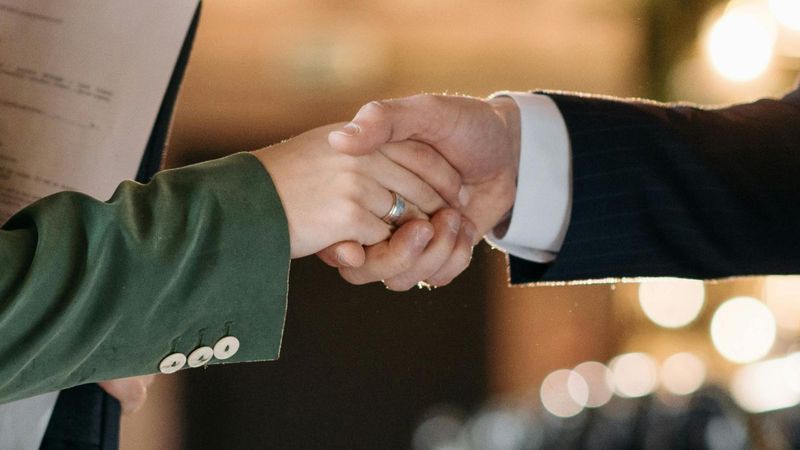
Some couples stay together long after love has faded simply because it is convenient. Shared finances, shared kids, and shared routines can hold a marriage together on the surface while the romantic connection has completely evaporated underneath.
When your relationship feels more like a logistical arrangement than a loving partnership, it is worth asking what is truly keeping you both in it. Convenience is not the same as commitment, and recognizing that difference is the first honest step toward deciding what kind of marriage, or life, you actually want.