
A good friendship should give you room to relax, speak honestly, and feel respected. When a relationship keeps leaving you hurt or worn out, it may be time to step back.
The patterns below are warning signs, not official diagnoses or a checklist all psychologists agree on. Look for repeated behavior, not one bad day, and remember that setting limits can be kinder than letting resentment grow.
1. The Gossip Who Stirs Up Trouble

A juicy secret can make lunch more exciting, but someone else’s privacy should not be the entertainment. A friend who spreads rumors or twists stories can turn a calm group into a tense one.
Keep sensitive details to yourself until trust is earned. Change the subject when gossip starts, and avoid passing rumors along.
If the person keeps sharing private information after you object, stepping back may protect both your peace and your other relationships.
2. The Friend Who Never Meets You Halfway

Your phone lights up when they need help, yet stays silent when you need support. Over time, always planning visits, checking in, and listening can make friendship feel like unpaid work.
Try asking for something clear, such as a call after a hard day. Notice whether they respond with care and effort.
Equal support does not mean keeping a scorecard, but both people should matter. A lasting imbalance deserves an honest talk and firmer limits.
3. The Companion Who Leaves You Exhausted

Some hangouts leave you needing a nap and an hour of silence. That feeling can be a clue, especially if every visit brings arguments, demands, or pressure to manage another person’s mood.
Notice how you feel before and after spending time together. Shorter visits or quieter activities may help.
Stress alone does not make someone a bad friend, but you do not have to keep accepting a pattern that regularly wears down your emotional health.
4. The Critic Who Makes You Feel Small
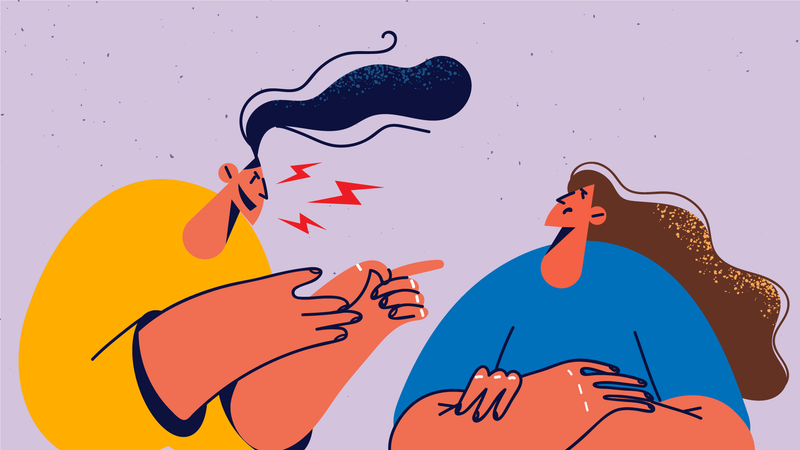
That little joke about your clothes might not feel little after the tenth time. Repeated insults, harsh comments, or praise with a hidden jab can slowly chip away at your confidence.
Explain which comment hurt and ask them to stop. Helpful feedback focuses on a choice or action without attacking your worth.
If they mock your concern or keep putting you down, limit contact. Friends can disagree with you without making you feel foolish or worthless.
5. The Boundary Breaker

No should not be the opening round of a debate. Someone who keeps pushing after you refuse a favor, request privacy, or explain your limits is not respecting your choices.
Use clear language about what you will and will not do. Then follow through, perhaps by ending a call or leaving an uncomfortable gathering.
You do not need a perfect excuse. Repeated boundary violations matter more than promises to change that never lead to different behavior.
6. The Controller Who Uses Guilt

Suddenly, choosing your own weekend plans becomes proof that you do not care. Guilt, threats to end the friendship, or pressure to drop other friends can turn closeness into control.
Pause before agreeing to anything under pressure. Ask yourself what you would choose without fear of their reaction.
Stay connected to trusted people outside the relationship. If intimidation or threats appear, seek support and prioritize safety rather than trying to win another exhausting argument with them.
7. The Rival Who Cannot Celebrate You

You share good news, and somehow the conversation becomes about their bigger achievement. A little friendly competition can be fun, but constant comparison makes sharing success feel risky.
Tell them you want encouragement, not a contest. Watch whether they can celebrate your wins without cutting them down.
Envy is a normal feeling; repeated mean behavior is the concern. Keep people close who can cheer for you, even when their own lives are moving at another pace.
8. The Constant Cloud of Negativity

Even a sunny afternoon can turn gloomy when every topic ends in a complaint. There is room for sadness and frustration in friendship, but nonstop doom can crowd out joy and useful action.
Ask whether they want listening, ideas, or a change of subject. Set a limit when the conversation keeps looping.
Avoid judging someone for depression or a difficult season. The issue is a lasting pattern that leaves no space for your feelings or needs.
9. The Friend You Cannot Count On
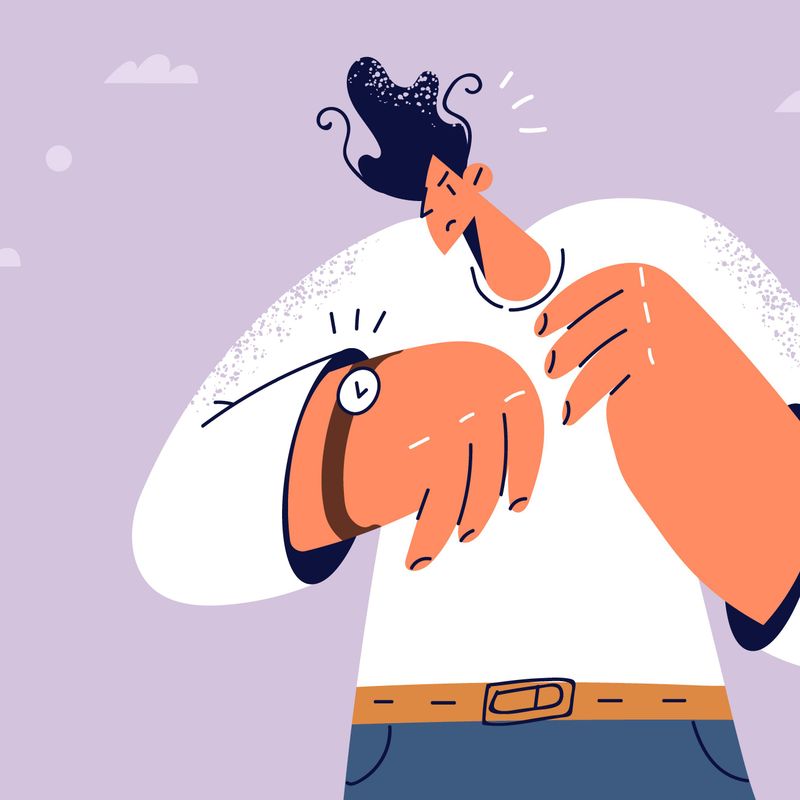
Another empty chair, another last minute cancellation, another promise forgotten. Everyone misses plans sometimes, but a repeated lack of follow through can leave you feeling that your time does not matter.
Explain how the pattern affects you and ask for realistic plans. Consider whether illness, money, or other barriers are involved.
Make backup arrangements instead of depending on promises that rarely hold. An apology becomes meaningful when it comes with clearer communication and a genuine change.
10. The Bad Influence Who Pushes Your Limits

A dare is not a good reason to ignore your values. Friends who push dangerous choices, cruel jokes, or habits you want to avoid may care more about company than your wellbeing.
Decide your limits before meeting up, and prepare a simple refusal. Arrange your own ride when possible so leaving stays an option.
You can enjoy adventure without accepting pressure. Choose companions who respect your decisions, especially when you say no to something that feels unsafe.
11. The Faker Who Breaks Your Trust

The warm smile feels different after you discover what was said behind your back. When someone’s private behavior repeatedly clashes with their friendly face, trust can become hard to rebuild.
Focus on facts rather than guesses about motives. Ask about the specific lie or broken confidence, then notice whether they take responsibility.
Share less while you assess the relationship. One misunderstanding can be repaired, but repeated dishonesty calls for caution, clearer limits, and possibly more distance.
12. The Rescuer Who Needs You Dependent

Help should make life easier, not make you feel helpless. A friend who insists on solving everything, takes over your choices, or expects praise for every favor may be building dependence.
Thank them for genuine support while keeping decisions in your hands. Ask for the kind of help you actually want, not a takeover.
Notice whether they respect your growing confidence. Caring friends can step aside and let you succeed without needing to remain the hero.
13. The Blame Shifter Who Avoids Responsibility
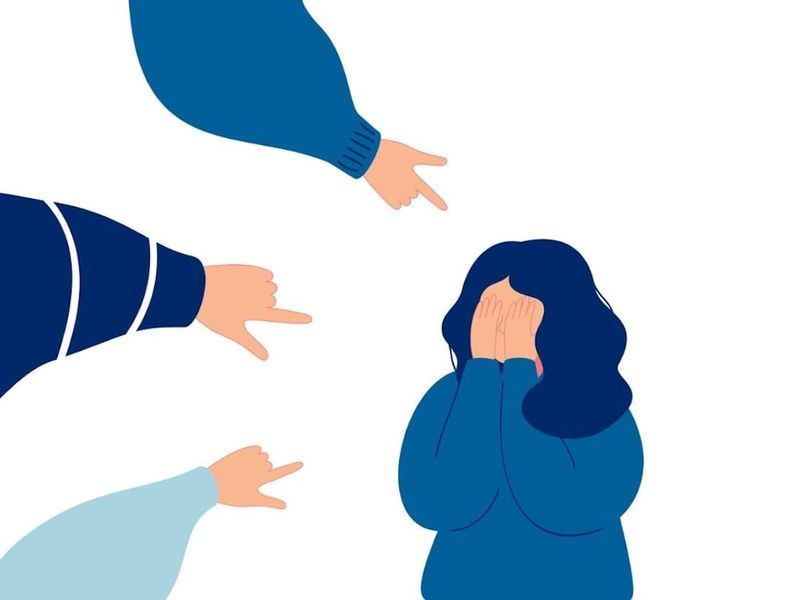
According to their stories, every problem is someone else’s fault. Being hurt deserves compassion, but repeatedly refusing responsibility can leave you carrying blame for things you did not cause.
Separate real hardship from behavior that harms you. Offer empathy without agreeing to unfair accusations or fixing every problem.
You might ask what part they can change next time. Avoid calling someone a victim as an insult; focus instead on honesty, accountability, and respect within the friendship.
14. The Person You Cannot Be Yourself Around

You rehearse a simple opinion before saying it aloud. If you often hide your interests, feelings, or harmless choices to avoid a friend’s reaction, the relationship may not feel emotionally safe.
Notice what you fear will happen when you speak honestly. Try sharing a small preference, if doing so feels safe, and watch their response.
Differences do not have to become fights. Seek more distance if being yourself repeatedly brings ridicule, punishment, or pressure to stay quiet.
15. The Friend Whose Self-Criticism Pulls You Under

Hearing someone you care about tear themselves down can be painful. Low self esteem does not make a person harmful, but endless demands for reassurance can strain a friendship.
Respond kindly without accepting the job of proving their worth all day. Encourage support from a counselor when distress keeps returning.
You can care deeply and still limit conversations that overwhelm you. Step back from hurtful behavior, not simply because a friend is struggling with difficult feelings.
16. The Agreeable Friend Who Hides Their Real Views

Agreement feels nice, until you realize you never hear an honest opinion. A friend who always says yes may fear conflict, rather than truly share every view or preference.
Make disagreement welcome by asking what they really think and listening without snapping back. Give them room to say no. Avoid treating kindness or shyness as a reason to reject someone.
The concern is ongoing dishonesty that blocks trust, hides resentment, or prevents both people from being understood.
17. The Friend Who Makes You Their Therapist

Midnight messages arrive daily, and every conversation becomes another emergency session. Listening is part of friendship, but being someone’s only emotional support can become too much.
Ask them to check whether you have time and energy before venting. Set limits on late calls and encourage professional help for ongoing distress.
You are a friend, not a trained treatment provider. If they threaten harm, involve crisis services or trusted support rather than handling the situation all alone.