
Some movies are unforgettable, but not always for the right reasons. A great story can be ruined when a character feels completely wrong, whether the acting misses the mark or the writing lets a beloved role down.
Fans and critics alike have spent years debating these casting choices and character decisions. Here are 18 iconic films where character portrayals left audiences scratching their heads or gripping their armrests in frustration.
1. Anakin Skywalker in Star Wars: Attack of the Clones (2002)
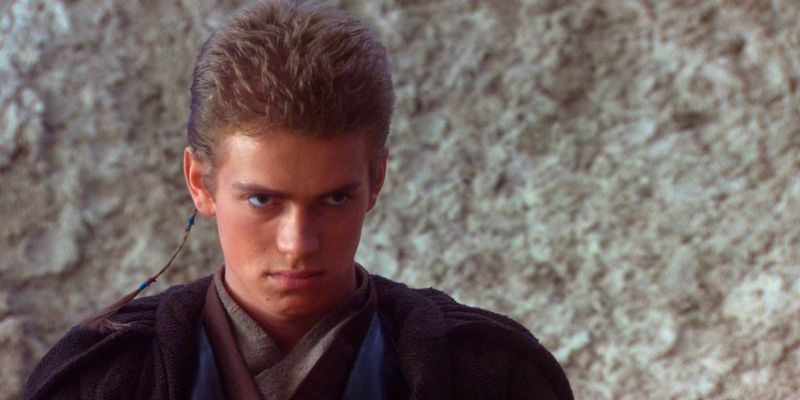
Few characters in cinema history had more potential than Anakin Skywalker, the future Darth Vader. Yet in Attack of the Clones, his portrayal came across as whiny and flat, making it hard to believe he would become one of the most feared villains ever.
Fans expected fire and complexity. Instead, they got awkward sand speeches and stiff romantic scenes.
The writing did not help, but audiences felt the performance missed a golden opportunity to build a truly compelling tragic hero.
2. Daenerys Targaryen in Game of Thrones: Season 8 (2019)
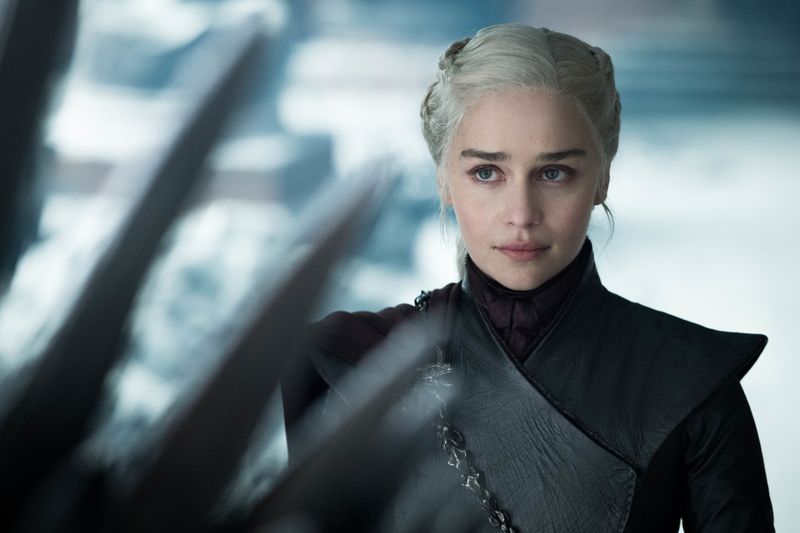
For seven seasons, Daenerys Targaryen was built up as a complex, determined leader. Then, in the final season, her turn to full villainy felt rushed and unearned, leaving millions of devoted fans deeply disappointed.
Years of careful character development were tossed aside in just a handful of episodes. Viewers who had rooted for her since the beginning felt cheated.
Her arc became one of the most talked-about examples of poor character handling in modern television and film history.
3. Lex Luthor in Batman v Superman: Dawn of Justice (2016)
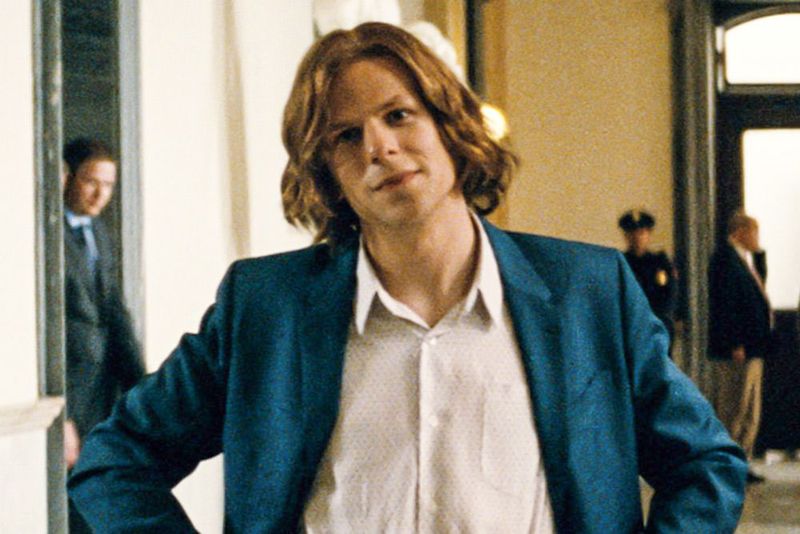
Lex Luthor is supposed to be a cold, calculating genius who sends chills down your spine. The version audiences got in Batman v Superman was twitchy, over-the-top, and oddly comedic, which clashed badly with the film’s dark and serious tone.
Many viewers felt the performance leaned too far into eccentricity rather than menace. Superman’s greatest enemy deserved a portrayal that felt genuinely threatening.
Instead, most scenes with Luthor drew eye rolls rather than the dread a villain of his caliber should inspire.
4. Indiana Jones in Indiana Jones and the Kingdom of the Crystal Skull (2008)
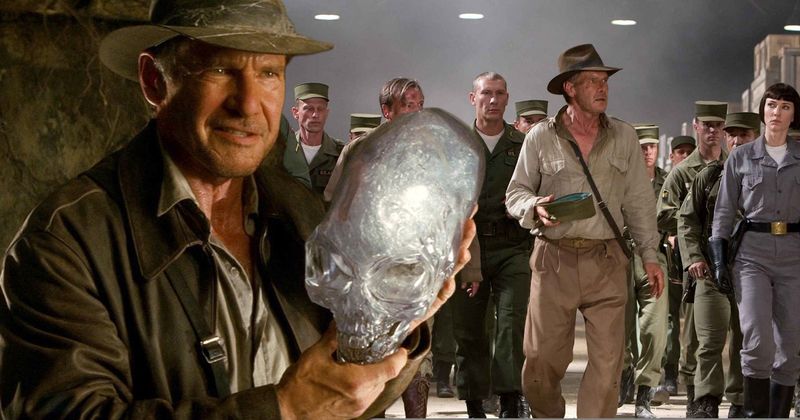
Harrison Ford’s Indiana Jones is one of cinema’s most beloved heroes. Crystal Skull tried to recapture that old magic, but instead delivered a version of Indy that felt tired and out of touch, complete with a refrigerator scene that became instantly infamous.
Longtime fans cringed at moments that felt more like parody than adventure. The character’s sharp wit and grit seemed buried under nostalgia.
For many, this portrayal did not honor the legacy of one of Hollywood’s greatest action heroes.
5. Catwoman in Catwoman (2004)
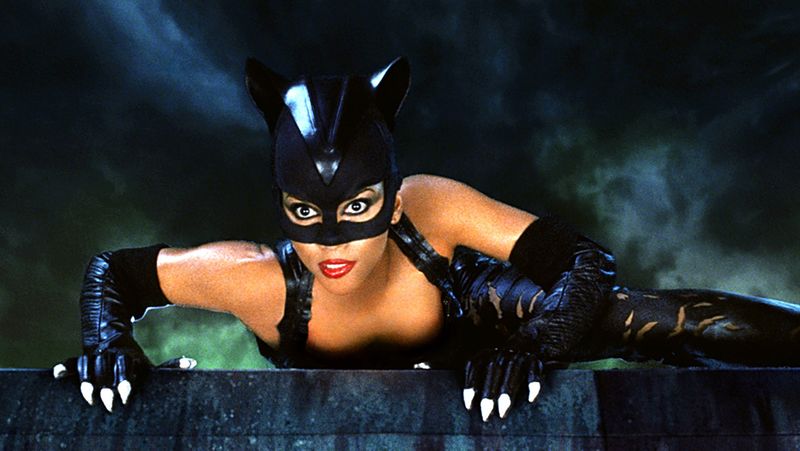
Catwoman has always been one of DC’s most stylish and compelling characters. The 2004 standalone film, however, stripped away everything that made her fascinating and replaced it with a bizarre, loosely connected story that barely resembled the source material.
Halle Berry is a talented actress, but even she could not save a script this disconnected from the character fans loved. The portrayal felt like a completely different person wearing the costume.
Berry herself later joked about it while accepting a Razzie Award, showing admirable self-awareness.
6. Peter Parker in Spider-Man 3 (2007)
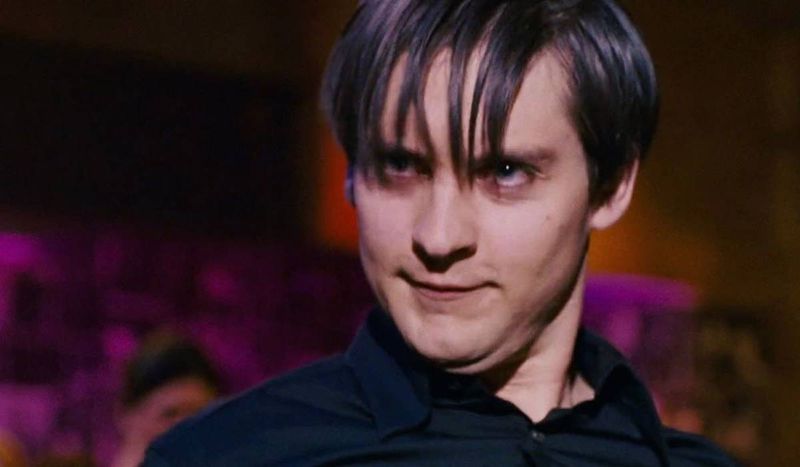
Spider-Man 3 had enormous potential, but the film is best remembered for one truly baffling creative choice: Peter Parker’s emo makeover. The scene where he struts down the street snapping his fingers is one of the most unintentionally funny moments in superhero history.
Peter Parker is supposed to be relatable and earnest. This version felt like a completely different character.
Fans who grew up with Tobey Maguire’s Spider-Man left theaters confused and slightly embarrassed for a hero they genuinely cared about.
7. Jar Jar Binks in Star Wars: The Phantom Menace (1999)
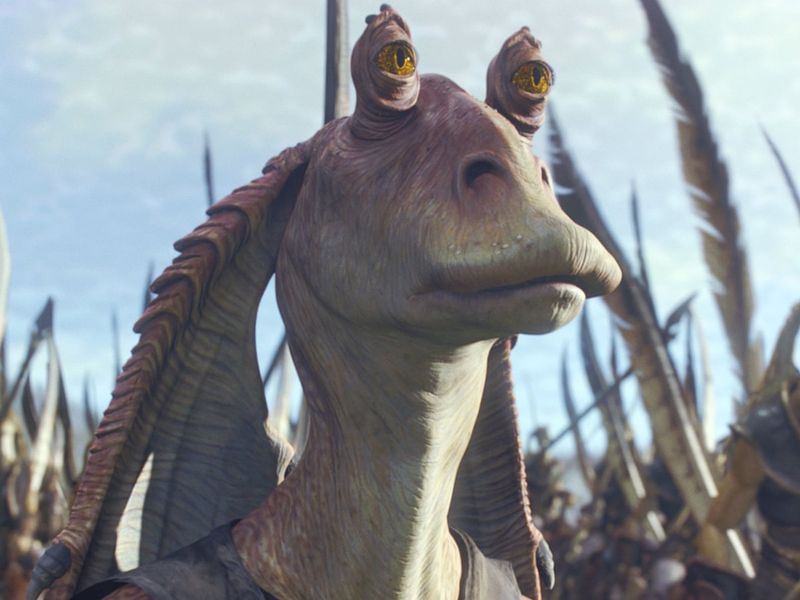
Jar Jar Binks was George Lucas’s attempt to bring comic relief and a fun sidekick to The Phantom Menace. Instead, the character became one of the most universally disliked in blockbuster history, frustrating both children and adults alike.
His slapstick humor felt forced, and his clumsy personality made serious scenes nearly impossible to take seriously. The backlash was so strong that Jar Jar’s role was significantly reduced in later films.
He remains a cautionary tale about misjudging what audiences actually want from a major character.
8. Sue Storm in Fantastic Four (2005)
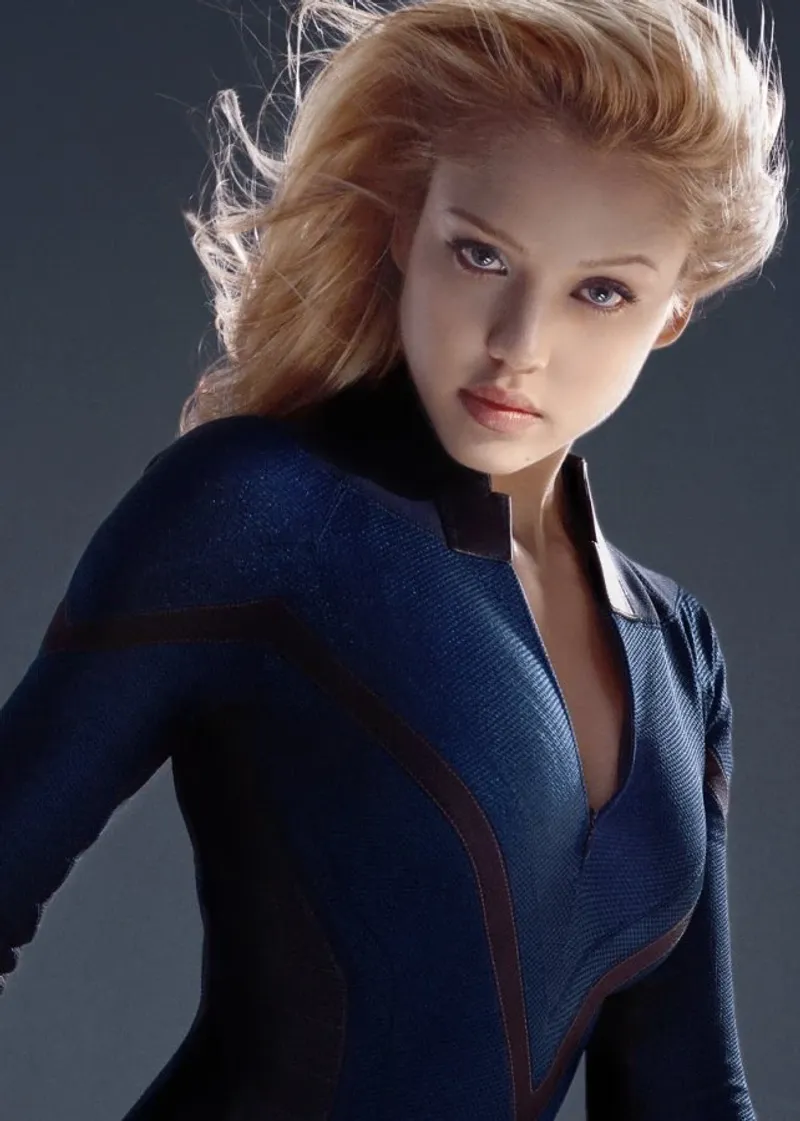
Sue Storm, also known as the Invisible Woman, is one of Marvel’s most powerful and emotionally rich characters. In the 2005 Fantastic Four film, she was largely reduced to a love interest who spent most of the movie being overlooked.
Her powers were impressive on screen, but her storyline gave her very little agency or depth. Fans who knew her from the comics were frustrated by how much potential was wasted.
A character that strong deserved writing that matched her abilities, not scripts that kept pushing her to the background.
9. Venom in Spider-Man 3 (2007)
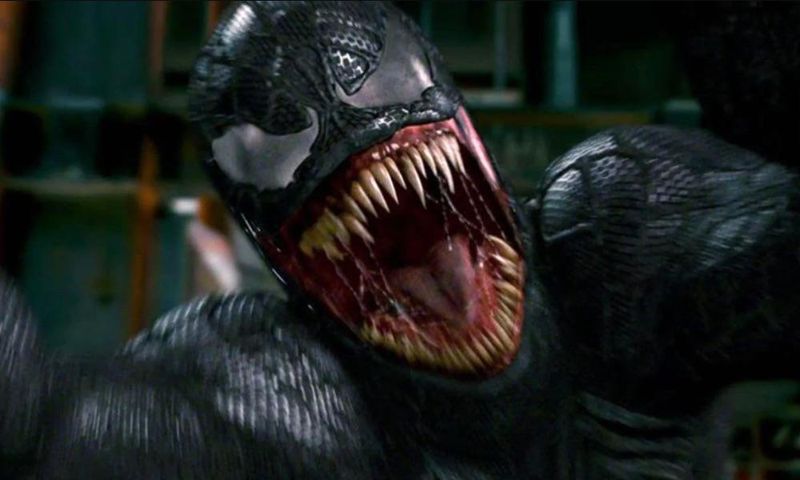
Venom is one of Spider-Man’s most iconic and terrifying villains, with a fanbase that had waited years to see him on the big screen. When he finally appeared in Spider-Man 3, fans got a version that felt rushed, underdeveloped, and shoved into a story that already had too many moving parts.
Topher Grace was an unusual casting choice that divided audiences from the start. The character barely had time to breathe before the movie ended.
It felt like a cameo rather than the full-blown Venom experience everyone had been hoping for.
10. Mystique in X-Men: Apocalypse (2016)
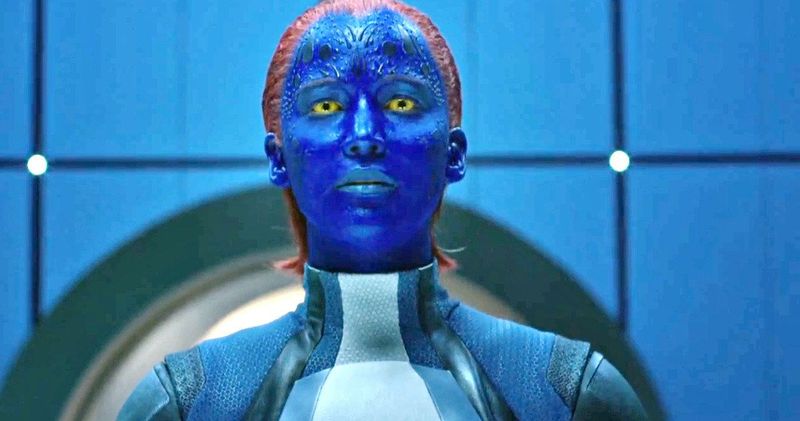
Mystique spent most of the original X-Men films as a chilling, mysterious villain. Her shift to a heroic role in the newer films felt forced, and by X-Men: Apocalypse, her leadership position seemed more like a marketing decision than an organic story choice.
Fans of the comics and original films found it hard to accept this softer version of the character. She worked best as an unpredictable, morally grey figure.
Turning her into an inspirational leader stripped away the edge that made her so compelling in the first place.
11. Laurie Strode in Halloween: Resurrection (2002)
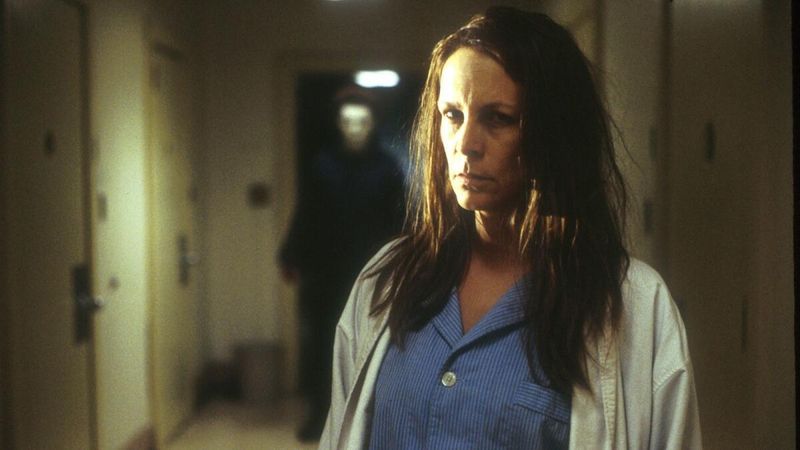
Laurie Strode spent decades becoming one of horror’s greatest final girls, a symbol of survival and resilience. Then Halloween: Resurrection opened by killing her off in the first ten minutes, in a way that completely contradicted her established intelligence and strength.
Horror fans were furious. Years of building a tough, resourceful character were undone almost instantly to make room for a new cast.
It felt disrespectful to a beloved character and to the audience that had followed her journey since the original 1978 classic.
12. T-800 in Terminator: Dark Fate (2019)
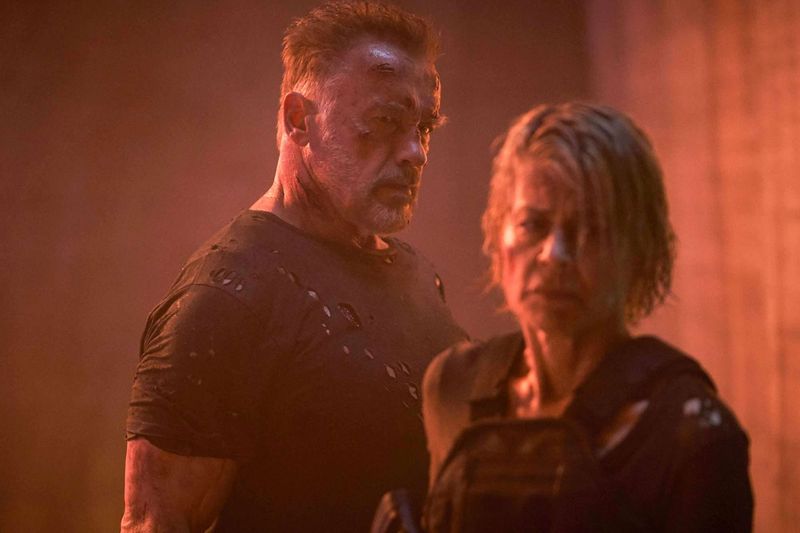
The Terminator franchise built its reputation on relentless, unstoppable machine killers. Dark Fate tried something different by giving the T-800 a domestic life, complete with a family and a drapery business.
The idea had potential, but many fans felt it undercut the character’s iconic menace.
Arnold Schwarzenegger brought charm to the role, but seeing a Terminator talk about his feelings and run a small business was jarring. It felt more like a comedy sketch than a natural evolution of a character that once defined sci-fi horror.
13. Bruce Wayne in Batman v Superman: Dawn of Justice (2016)
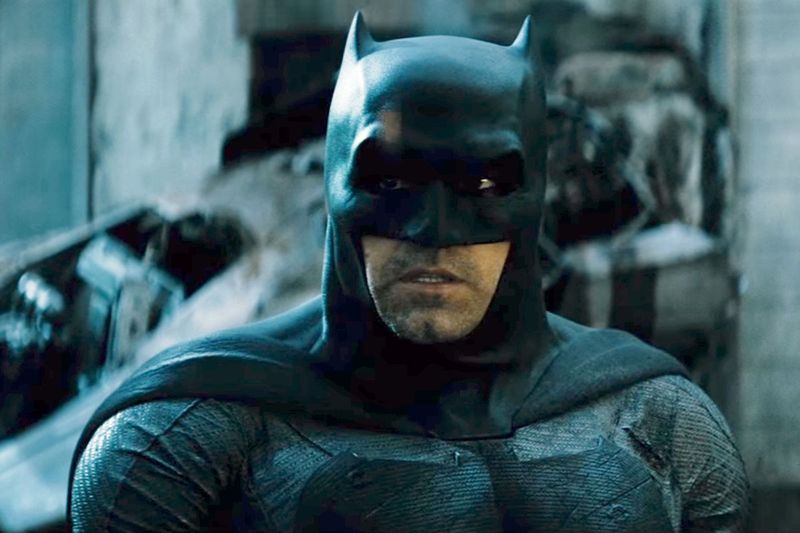
Batman has always walked a fine moral line, but in Batman v Superman, Bruce Wayne crossed it in ways that left many fans uncomfortable. This version of the character was willing to brand criminals and even planned to kill Superman, a decision that felt wildly out of character for a hero defined by his no-kill rule.
Fans who grew up with Batman felt the portrayal leaned too dark without earning it emotionally. A complex hero is compelling, but this Batman often felt more like a villain than a protector.
14. Ariel in The Little Mermaid Live-Action (2023)
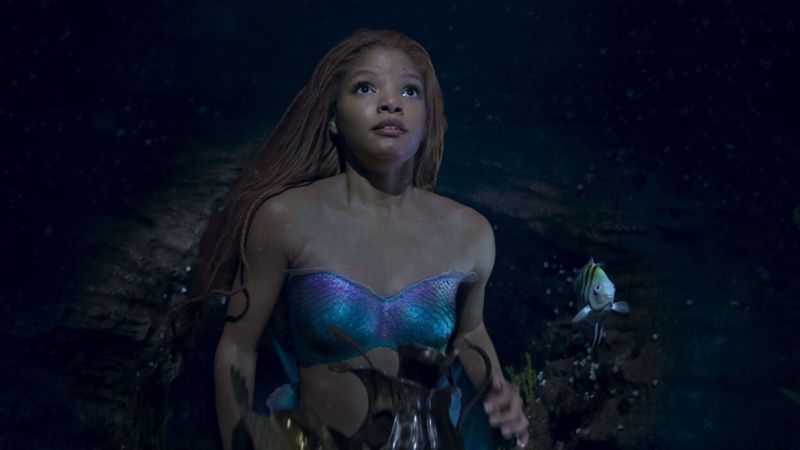
The 2023 live-action Little Mermaid brought Ariel back to the big screen with a fresh face and impressive vocals. However, some audiences felt the new portrayal leaned too heavily on spectacle and modernized dialogue, losing the wide-eyed wonder that made the original animated Ariel so endearing.
Halle Bailey’s singing was widely praised, but the script gave her fewer memorable character moments. Fans of the 1989 classic felt the emotional core got lost in the remake’s bigger budget ambitions.
Great voice, but the character’s charm felt slightly diluted.
15. John Connor in Terminator: Salvation (2009)
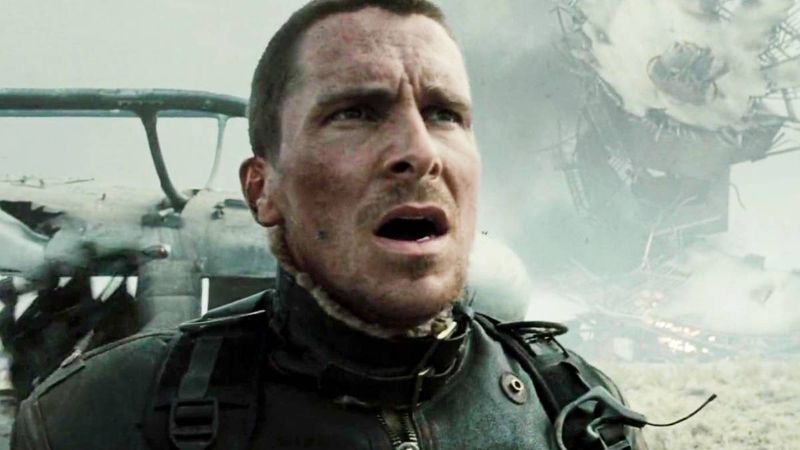
John Connor was always meant to be the legendary savior of humanity, a figure built up across three films as someone truly worth following. Terminator: Salvation finally put him front and center, and somehow made him the least interesting character in his own movie.
Christian Bale’s portrayal was intense but oddly one-note, all gruff shouting and very little emotional depth. Marcus Wright, a secondary character, ended up being far more compelling.
Fans who waited years to see the real John Connor lead felt genuinely let down.
16. Gimli in The Hobbit Trilogy (2012-2014)
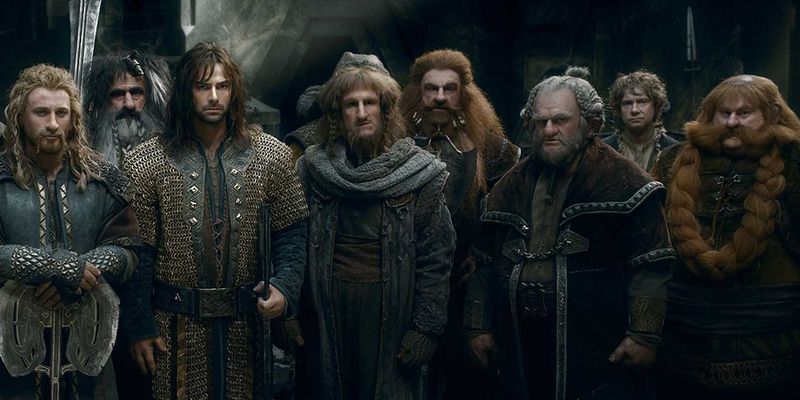
Fans of Peter Jackson’s Lord of the Rings trilogy adored Gimli as a proud, funny, and genuinely brave warrior. When The Hobbit films arrived, the dwarf characters felt more like comedic cartoons than the dignified figures fans remembered, which made comparisons painful.
The over-reliance on CGI and slapstick humor drained the seriousness from characters that worked best when grounded. Audiences who loved the original trilogy struggled to connect with these new portrayals.
The tone shift felt like a step backward rather than an exciting expansion of Middle-earth.
17. Cyclops in X-Men (2000)
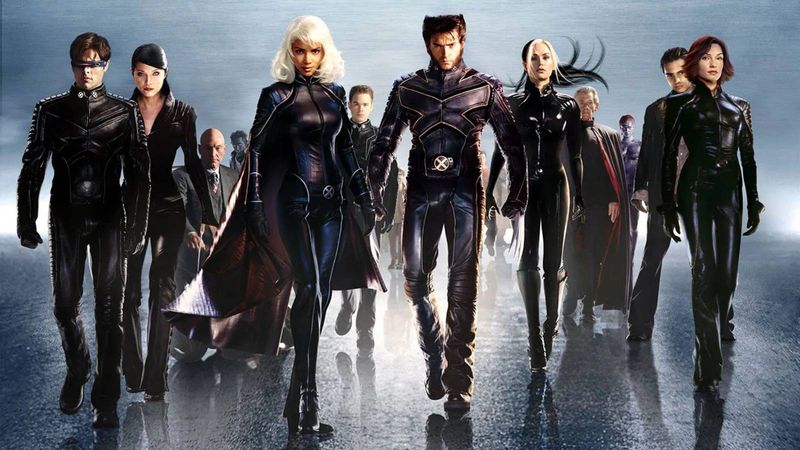
Cyclops is the field leader of the X-Men in the comics, a disciplined and emotionally complex hero. In Bryan Singer’s X-Men films, he was repeatedly sidelined in favor of Wolverine, reducing him to little more than a background character who occasionally looked annoyed.
James Marsden did his best with limited material, but fans of the comics never got the Cyclops they deserved. His relationship with Jean Grey was rushed, and his leadership qualities were almost invisible on screen.
It was a frustrating waste of a genuinely rich character.
18. Will Turner in Pirates of the Caribbean: At World’s End (2007)
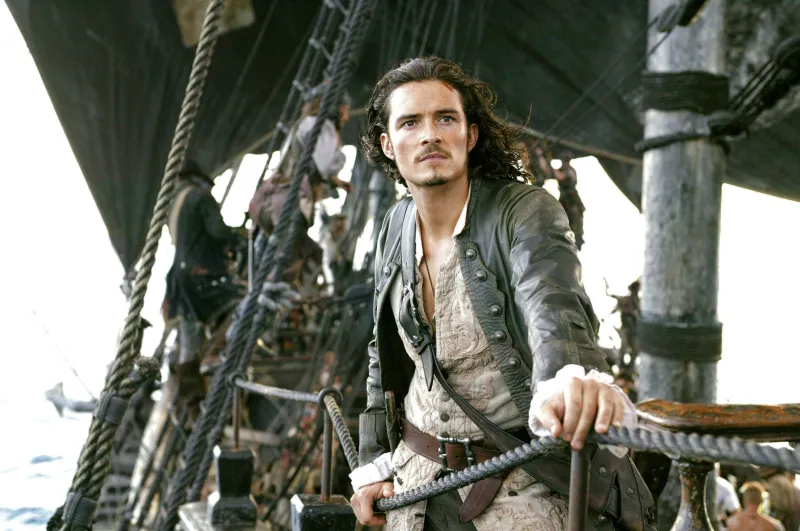
Will Turner started the Pirates of the Caribbean franchise as a likable, determined hero with a clear goal. By At World’s End, he had been pushed so far to the sidelines that his storyline felt like an afterthought compared to Jack Sparrow’s antics.
His ending, cursed to captain the Flying Dutchman and see Elizabeth only once every ten years, struck many viewers as bleak and unsatisfying for a character who deserved better. The romance that anchored the first film felt like it had simply been forgotten by the third.