
History books are full of great discoveries, breakthroughs, and movements, but they often leave out the women who made them possible. From science labs to courtrooms to concert halls, women have shaped the world in ways most people never learn about.
Some were overlooked because of their gender, their race, or simply bad luck. These 20 women changed history, and their stories are long overdue for the spotlight.
1. Claudette Colvin
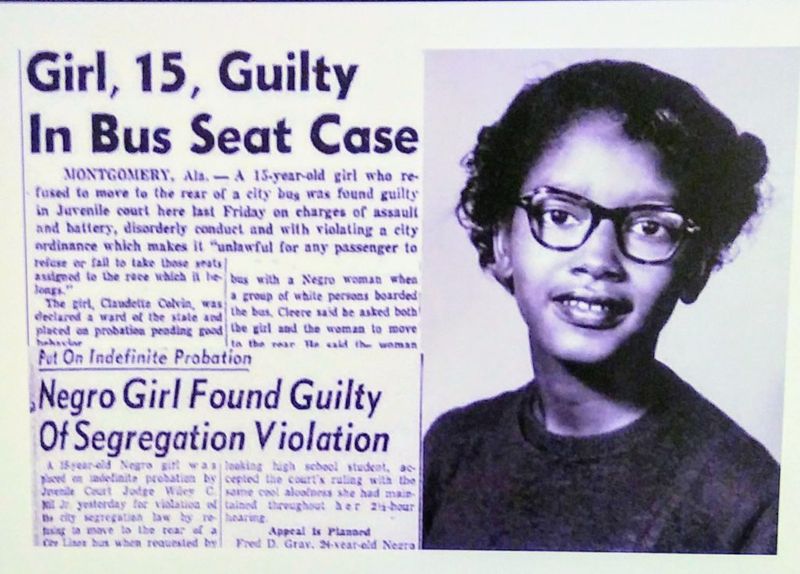
Nine months before Rosa Parks made headlines, a 15-year-old girl named Claudette Colvin refused to give up her seat on a Montgomery, Alabama bus. She was arrested on the spot, becoming the first Black woman to resist bus segregation in that city.
Her bravery did not go to waste. Colvin later became a key plaintiff in Browder v.
Gayle, the court case that declared bus segregation unconstitutional. Yet her name rarely appears in textbooks.
2. Jocelyn Bell Burnell
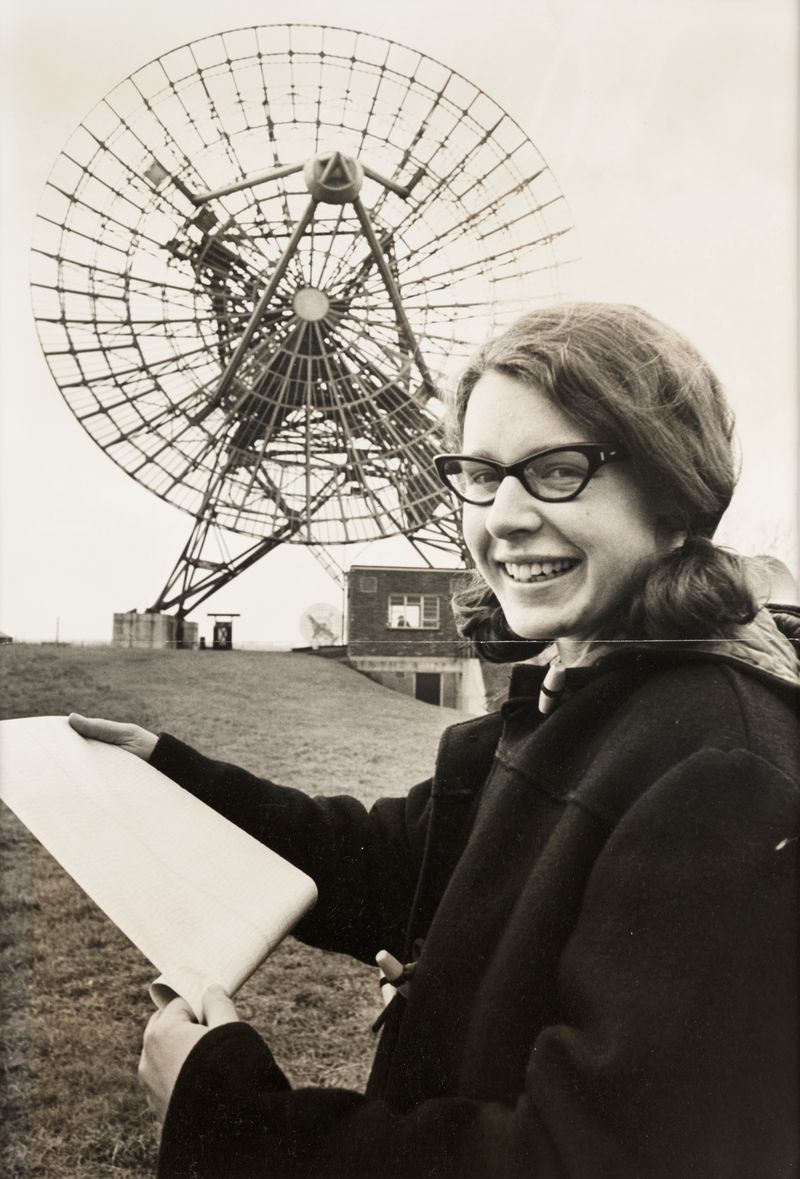
Jocelyn Bell Burnell was just a graduate student in 1967 when she spotted something strange in her telescope data. That odd signal turned out to be a pulsar, a rapidly spinning neutron star that sends out regular pulses of radiation.
It was a massive discovery.
Here is the frustrating part: her advisor, Antony Hewish, received the Nobel Prize in Physics for the find. Bell Burnell was not included, even though she made the original observation herself.
3. Marthe Gautier
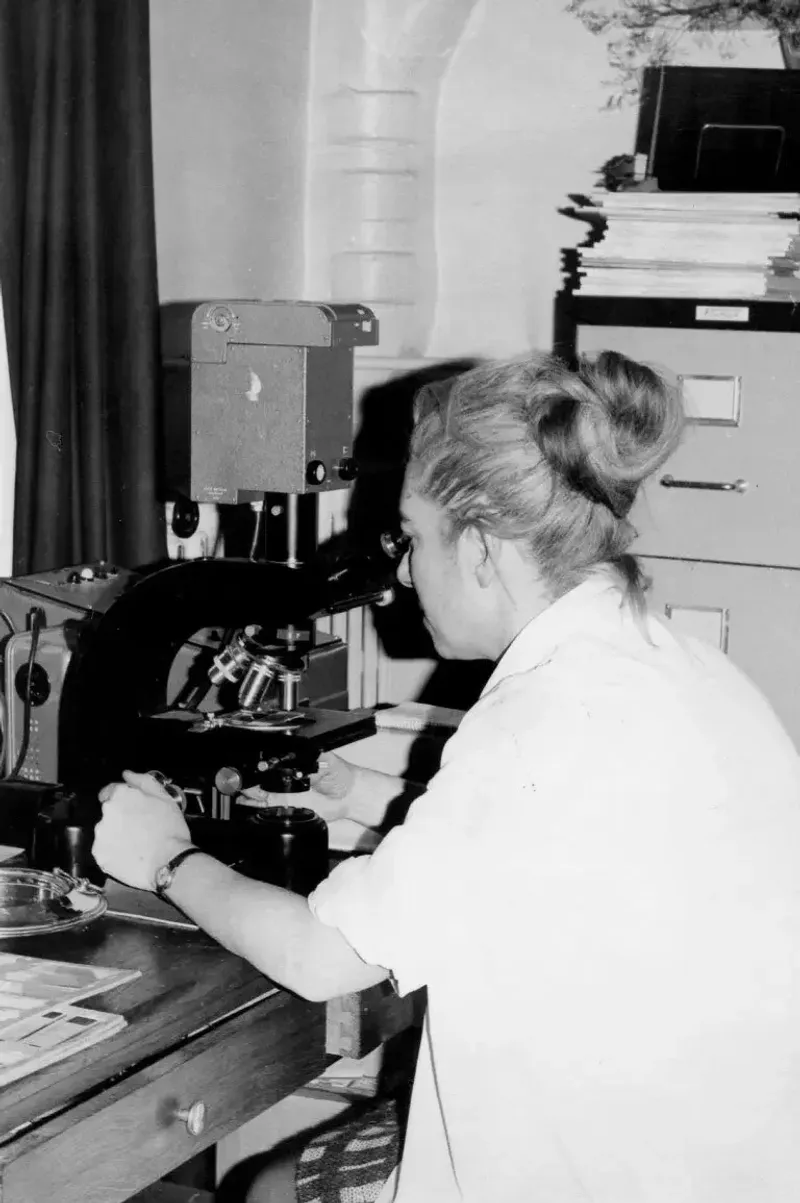
Back in 1958, French pediatrician Marthe Gautier was doing painstaking lab work when she identified the extra chromosome that causes Down syndrome, a condition known as Trisomy 21. Her discovery was a turning point in genetics and medicine.
Despite doing much of the critical research herself, credit went mainly to her male colleague, Jerome Lejeune. It took decades for the scientific community to fully acknowledge her role.
Gautier spent years quietly pushing for recognition she clearly deserved.
4. Eunice Foote
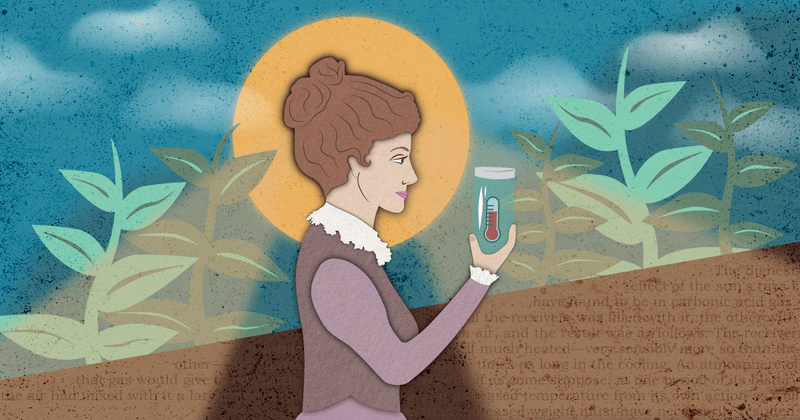
Long before climate change became a global conversation, Eunice Foote was already figuring out how carbon dioxide traps heat. In 1856, she published findings showing that CO2 absorbs more solar heat than regular air, essentially describing the greenhouse effect for the first time.
Her work was presented at a scientific conference by a man because women were not allowed to present. Irish physicist John Tyndall later got most of the credit for the same discovery, made three years after Foote.
5. Lise Meitner
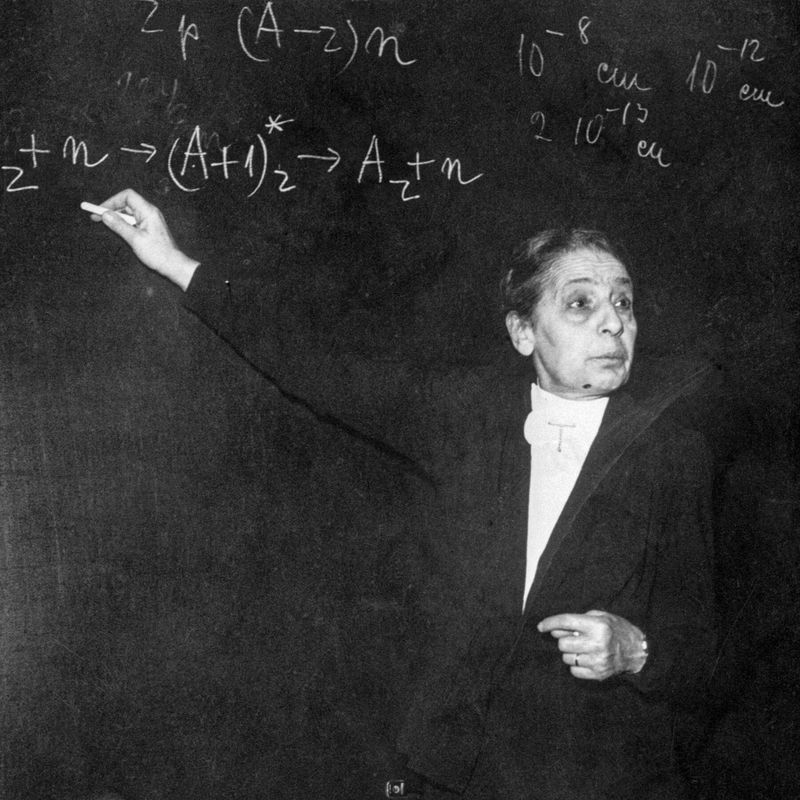
Lise Meitner spent decades working alongside chemist Otto Hahn, and together they made one of the most important scientific discoveries of the 20th century: nuclear fission. Meitner provided the theoretical explanation for how atomic nuclei split apart and release enormous energy.
When the Nobel Prize in Chemistry was awarded for this discovery in 1944, only Hahn received it. Meitner was completely left out, despite Albert Einstein reportedly calling her the German Marie Curie.
She never stopped doing science.
6. Alice Ball
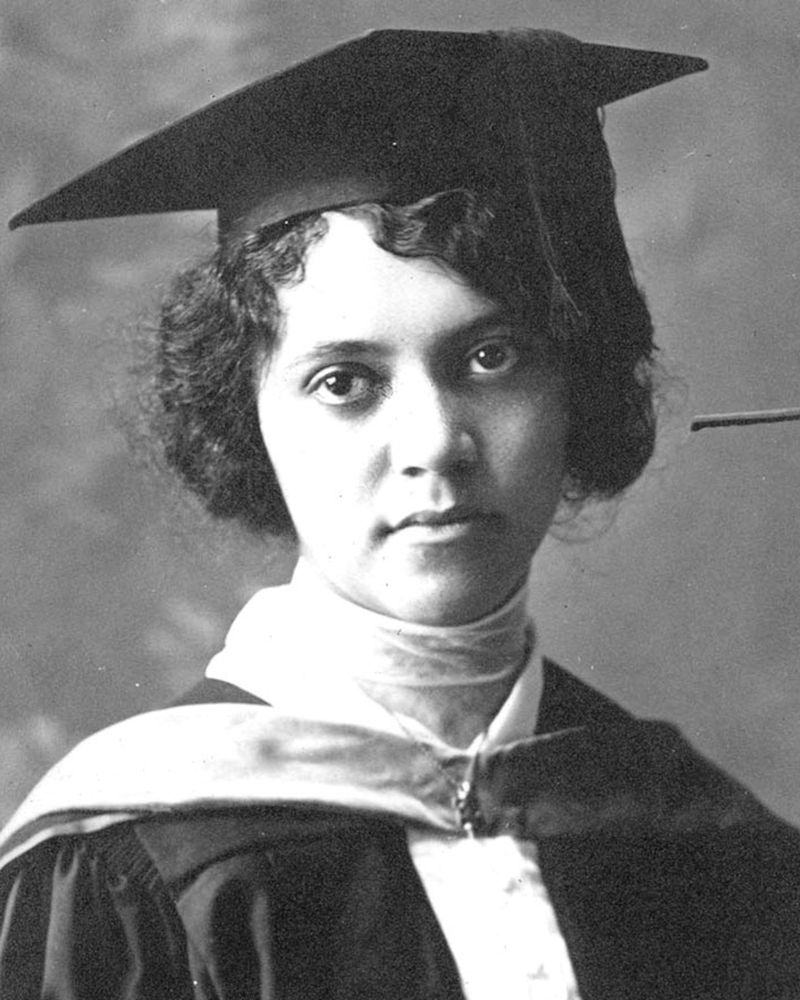
At just 23 years old, Alice Ball developed a groundbreaking treatment for leprosy, called the Ball Method, using an injectable extract from chaulmoogra oil. It was the most effective treatment available for decades, helping thousands of patients live more comfortable lives.
Tragically, Ball died young, and a male colleague published her research without giving her credit. It took nearly a century for her name to be properly restored to the discovery.
Hawaii now celebrates Alice Ball Day every February 29.
7. Bessie Blount Griffin
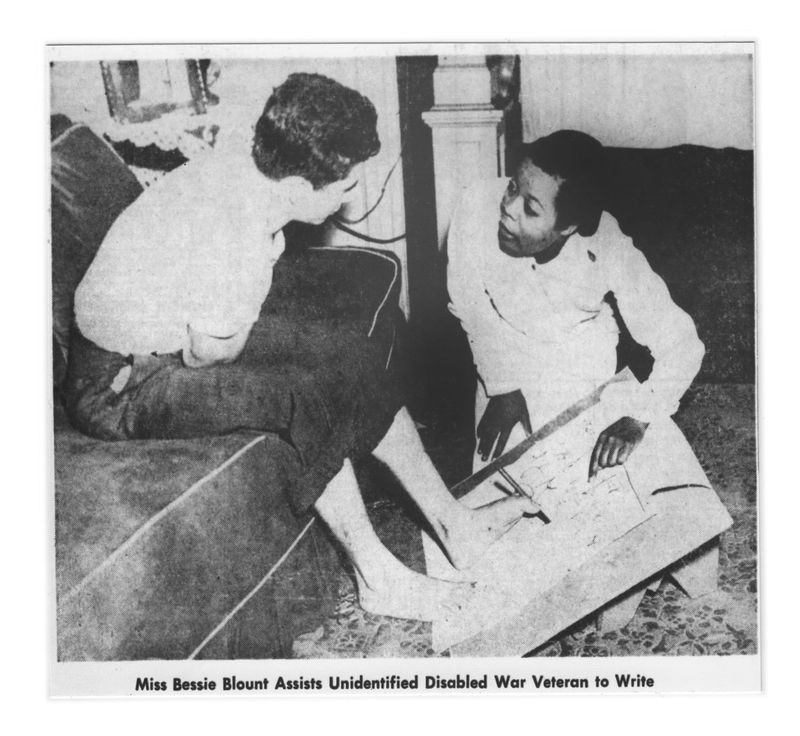
Bessie Blount Griffin wore many hats: physical therapist, inventor, and forensic handwriting expert. After working with veterans who lost limbs in World War II, she invented an electronic feeding device that allowed disabled soldiers to eat on their own without any help.
She also designed a neck-worn device to hold food for patients. When the U.S. government showed little interest, she donated her patent to France.
Griffin later became one of the first Black forensic document examiners in the country.
8. Henrietta Lacks
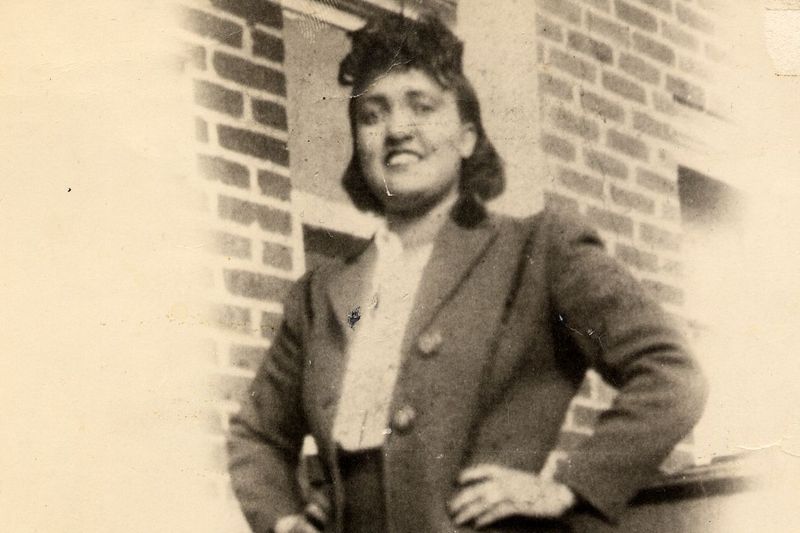
Henrietta Lacks walked into Johns Hopkins Hospital in 1951 for cancer treatment. Doctors took samples of her cells without asking her or her family.
What they discovered changed medicine forever: her cells could survive and multiply indefinitely in a lab, something never seen before.
Called HeLa cells, they helped develop the polio vaccine, advance cancer research, and support AIDS studies. Lacks never knew her cells would do all of this.
Her family was not told or compensated for years afterward.
9. Hedy Lamarr
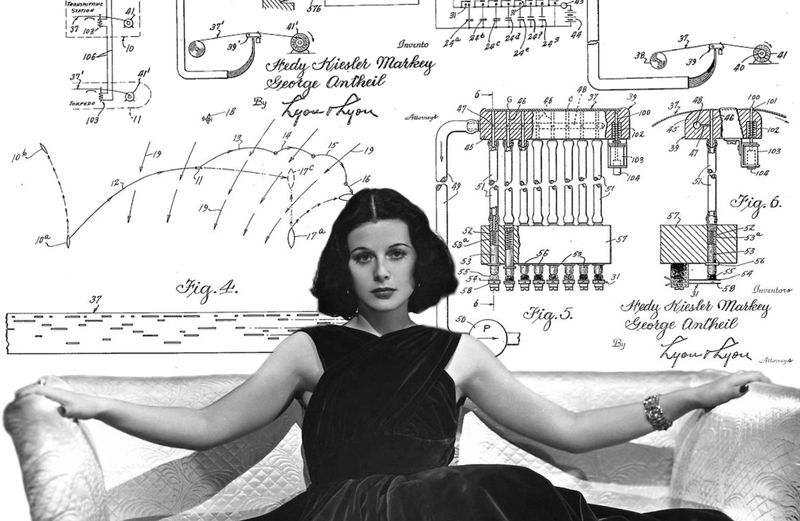
Most people know Hedy Lamarr as a golden-age Hollywood star, but she was also a self-taught inventor with a brilliant mind. During World War II, she co-developed a frequency-hopping communication system designed to make radio-guided torpedoes harder for enemies to detect or jam.
Her patent expired before anyone realized its full value. Decades later, engineers discovered that her idea formed the foundation of modern Wi-Fi, GPS, and Bluetooth technology.
She finally received a tech industry award in 1997, just a few years before she passed away.
10. Patsy Mink
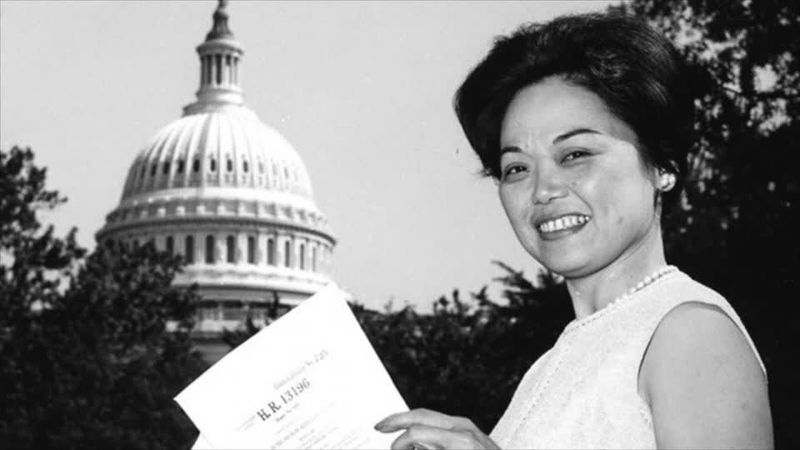
Patsy Mink broke barriers in 1964 when she became the first woman of color and the first Asian American woman elected to the U.S. Congress.
She faced enormous obstacles, including being denied entry to medical school because of her gender, which helped fuel her fight for equality.
Mink co-authored Title IX, the landmark law that bans sex-based discrimination in schools receiving federal funding. Title IX opened doors for millions of women in sports and education.
It was renamed the Patsy T. Mink Equal Opportunity in Education Act after her death.
11. Gladys Bentley
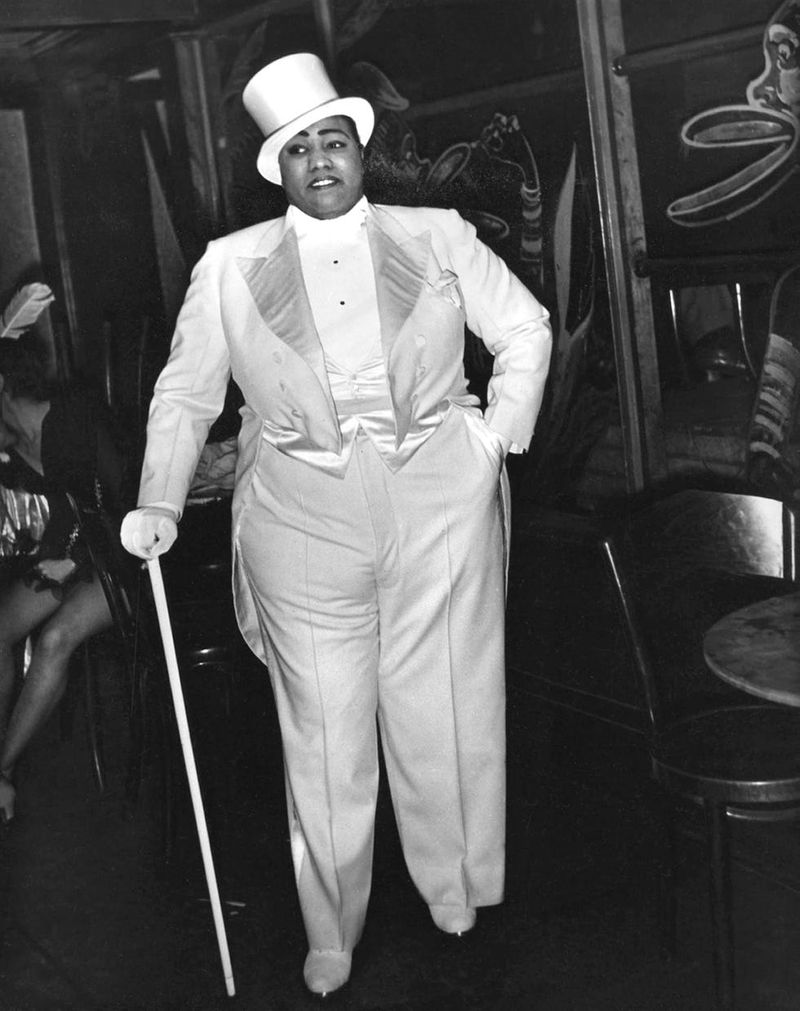
Gladys Bentley was a force of nature during the Harlem Renaissance. She performed in top hat and tuxedo, sang bold blues lyrics, and made no apologies for who she was at a time when being openly different could get you in serious trouble.
Her performances at New York City nightclubs drew huge crowds and made her a celebrated figure in Black queer culture. Bentley challenged racial and gender norms decades before those conversations became mainstream.
Her courage paved a path that many artists still walk today.
12. Mary Burnett Talbert
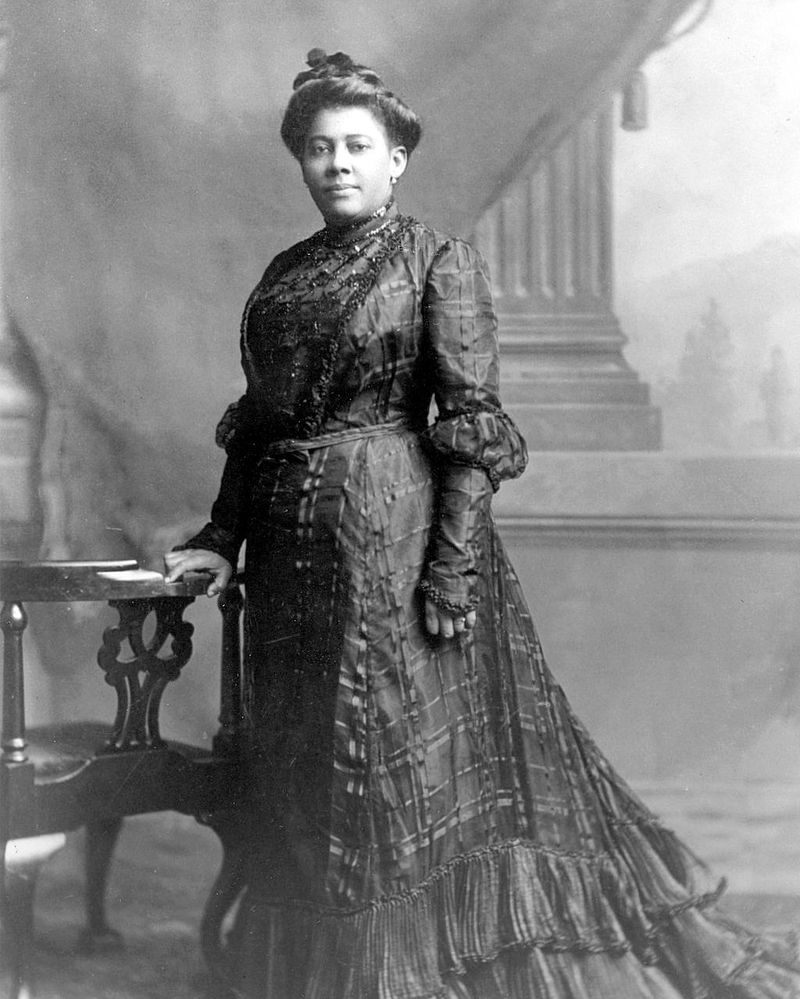
During her lifetime, Mary Burnett Talbert was called the best-known colored woman in the United States, and that reputation was well earned. She fought on multiple fronts: for women’s voting rights, against lynching, and for racial equality in education and public life.
Based in Buffalo, New York, Talbert helped restore Frederick Douglass’s home and served as president of the National Association of Colored Women. She was later inducted into the National Women’s Hall of Fame.
Her tireless activism shaped a generation of civil rights leaders.
13. Harriet Burton Laidlaw
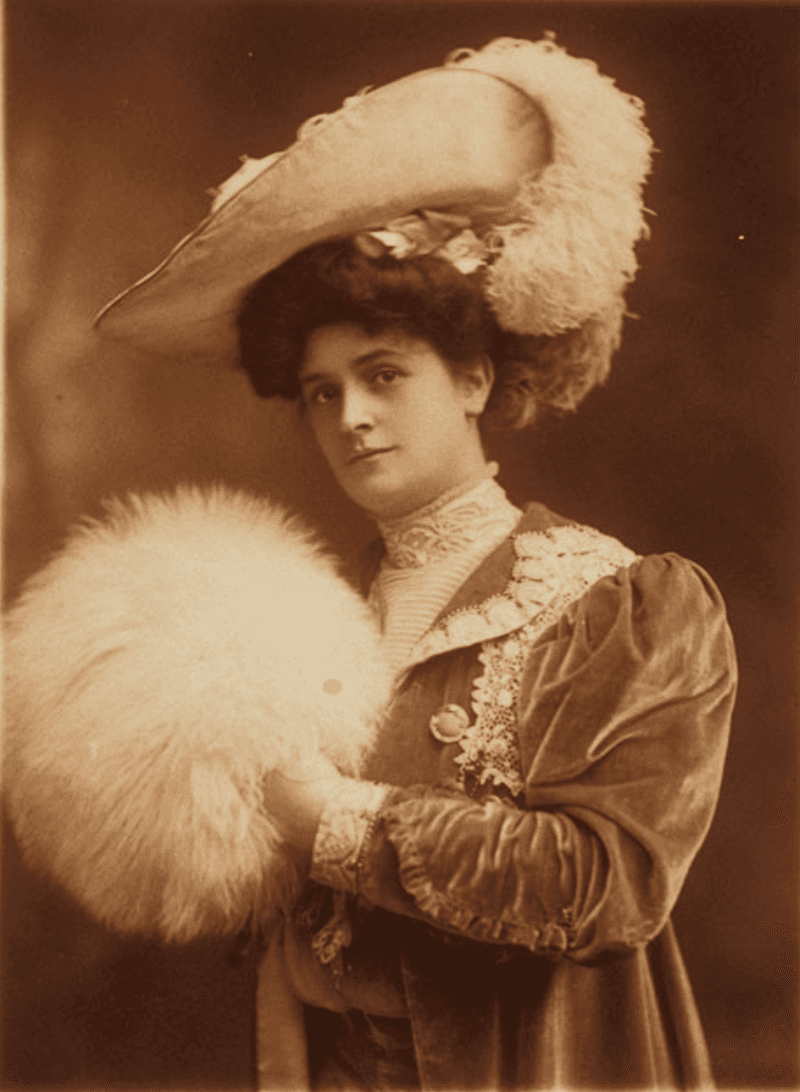
Harriet Burton Laidlaw was a powerhouse in the women’s suffrage movement, serving as chair of the Manhattan Borough of the Woman’s Suffrage Party. She organized campaigns, gave speeches, and worked tirelessly to bring more people to the cause.
One of her most impressive moves was convincing former President Theodore Roosevelt to publicly support women’s right to vote. That kind of political persuasion took skill and determination.
Yet Laidlaw’s name is rarely mentioned alongside other suffrage leaders, even though her work helped tip the scales.
14. Sarah J.S. Garnet
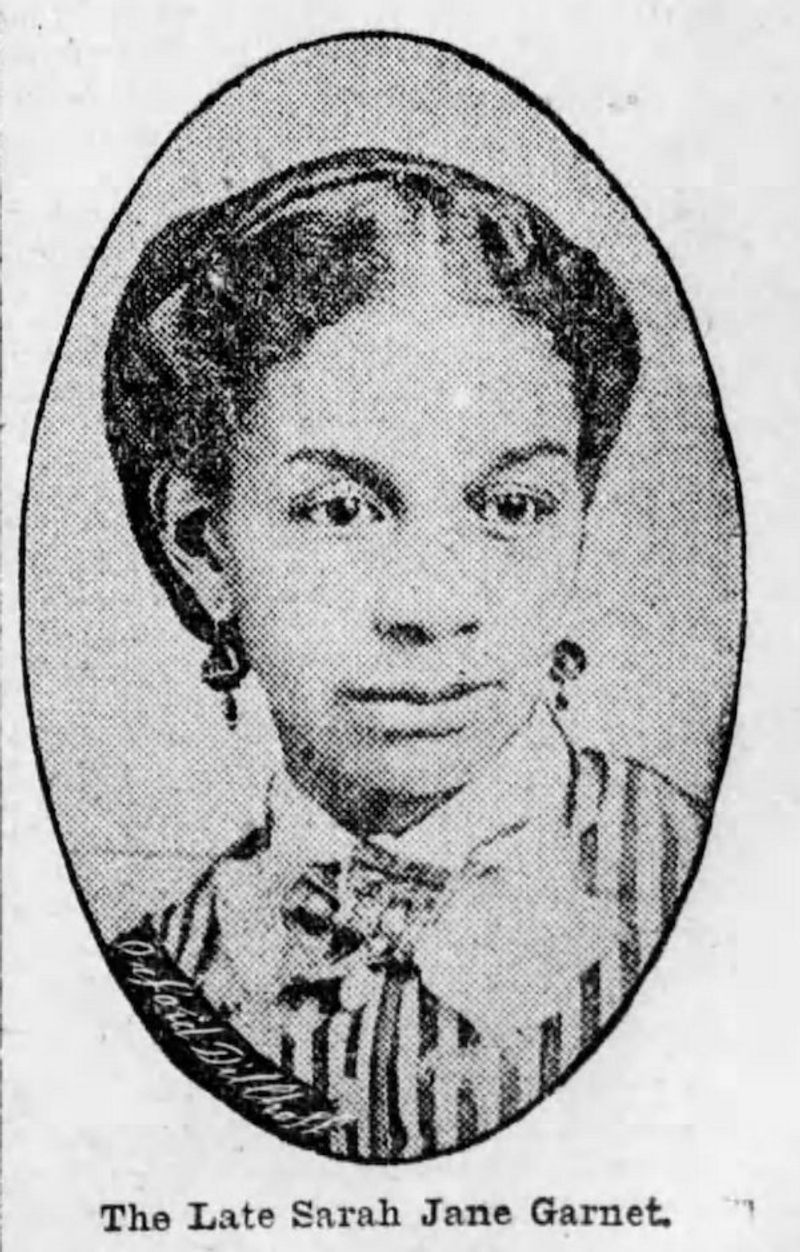
Sarah J.S. Garnet understood that the fight for women’s rights meant nothing if Black women were left out of it.
In the late 1880s, she founded the Equal Suffrage League in Brooklyn specifically to advocate for voting rights for African American women.
She later became superintendent of the suffrage department for the National Association of Colored Women, pushing the cause forward at a national level. Garnet was also a pioneering educator and one of the first Black female school principals in New York City.
15. Hypatia of Alexandria
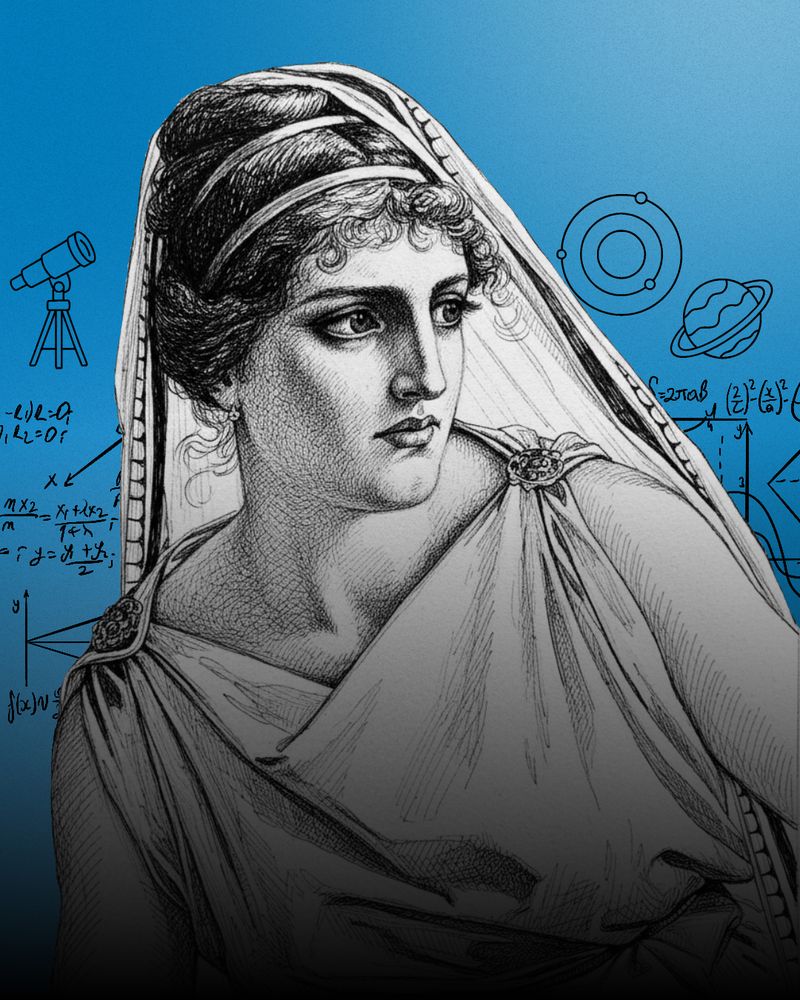
Hypatia lived in Alexandria, Egypt, around 400 AD, and she was unlike anyone around her. She taught philosophy, astronomy, and mathematics at a time when women were not expected to hold public intellectual roles.
Students traveled from far away just to hear her speak.
She is widely considered the first woman to have a notable career in mathematics and philosophy. Hypatia was eventually killed by a mob, likely for political and religious reasons.
Her story is both inspiring and heartbreaking, a reminder of what the world loses when it silences its brightest minds.
16. Sophie Wilson
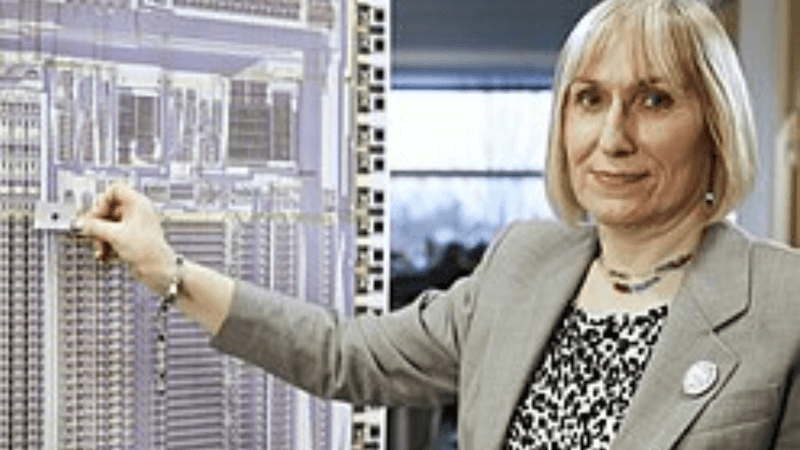
Every time you use a smartphone, you are benefiting from Sophie Wilson’s work without even knowing it. In the 1980s, Wilson designed the instruction set for the ARM processor, the chip architecture that now powers the vast majority of mobile devices around the world.
Her contribution to computing is almost impossible to overstate. ARM-based chips are in billions of devices, from phones to tablets to smart home gadgets.
Wilson was also involved in designing the BBC Micro computer, which helped introduce a generation of British kids to coding.
17. Erna Hoover
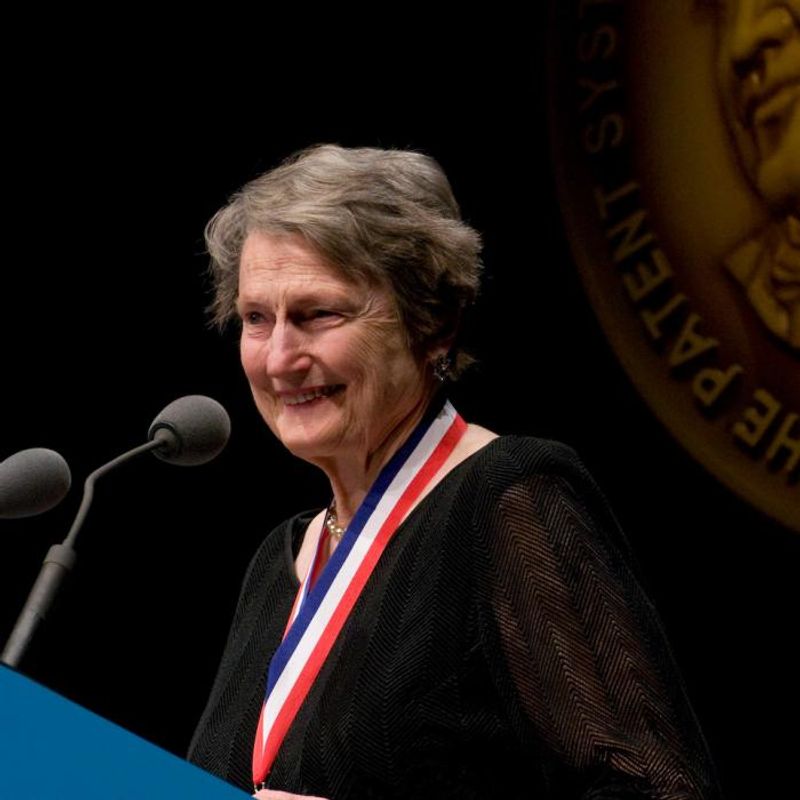
Before Erna Hoover came along, telephone exchanges could crash during peak call hours because the systems were overwhelmed. While working at Bell Labs, she invented a computerized switching system that used software to manage call traffic and prevent overloads.
Her invention earned her one of the very first software patents ever issued, back in 1971. Phone networks became far more reliable because of her work.
Despite this, Hoover is rarely mentioned in conversations about tech pioneers, even though her innovation helped lay the groundwork for modern telecommunications.
18. Radia Perlman
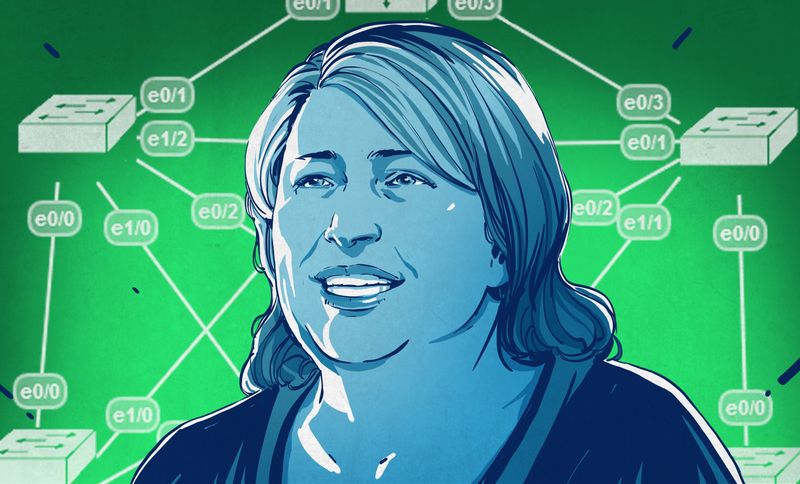
Radia Perlman is sometimes called the Mother of the Internet, and the title fits. She invented the Spanning Tree Protocol, a networking algorithm that lets large, complex computer networks run reliably without constantly crashing or looping data in circles.
Without STP, the internet as we use it today would not function. Perlman has also contributed to network security research and holds over 100 patents.
She has said she dislikes the nickname, preferring her work to speak for itself. Either way, her impact on global communication is undeniable.
19. Chien-Shiung Wu
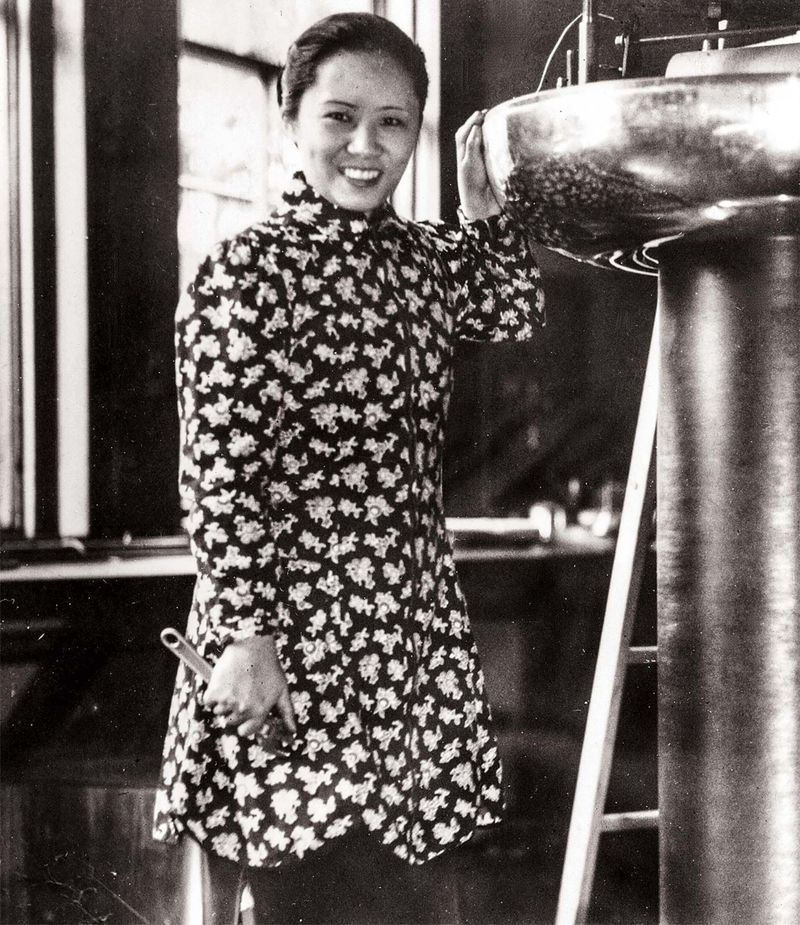
Known as the First Lady of Physics, Chien-Shiung Wu carried out one of the most precise and important experiments in the history of science. Her Wu Experiment disproved the Law of Conservation of Parity, a principle physicists had long believed was unbreakable.
Two male colleagues, Tsung-Dao Lee and Chen-Ning Yang, had theorized that the law could be violated. Wu proved it with her hands-on experiment.
They won the Nobel Prize in Physics in 1957. She did not.
Her exclusion remains one of the most discussed injustices in scientific history.
20. Mary Anning
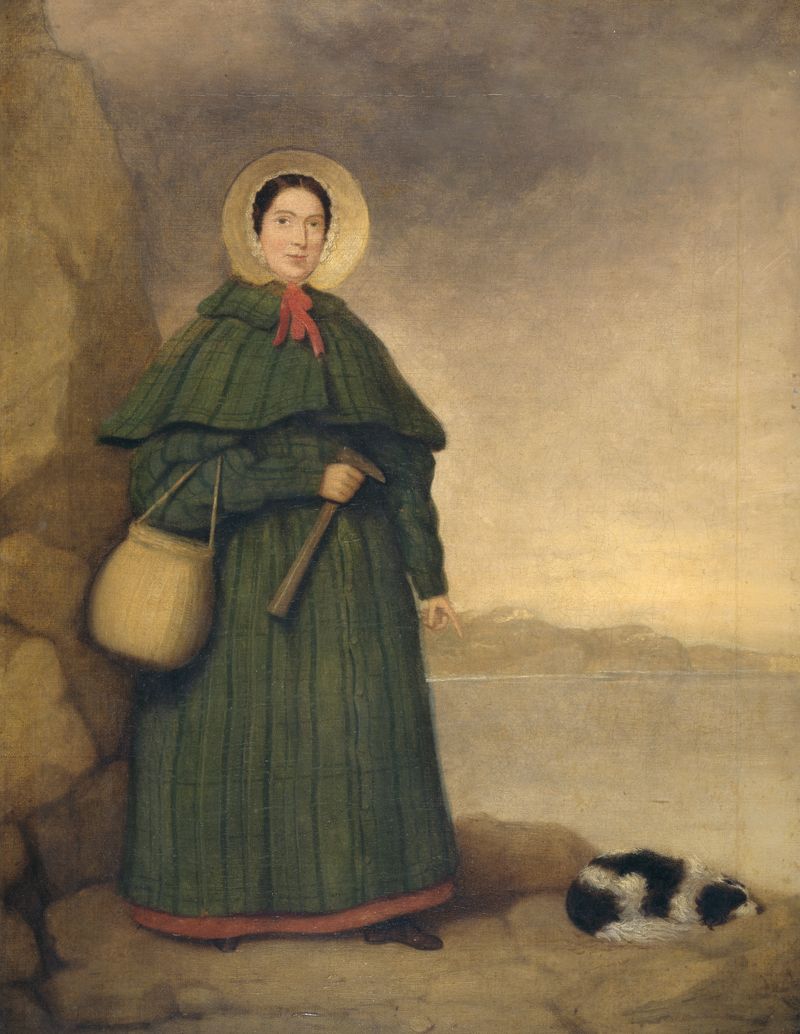
Mary Anning grew up poor in Lyme Regis, England, and spent her days searching the cliffs for fossils she could sell. What she found changed how scientists understood prehistoric life.
She discovered the first complete Ichthyosaurus skeleton, as well as the first Plesiosaur ever found.
Male scientists regularly used her findings in their research without giving her full credit. As a woman from a working-class background, she was not allowed to join the Geological Society of London.
The tongue twister she sells seashells is believed to have been inspired by her life.