
Some movies push boundaries so far that entire countries decide they have gone too far. From religious outrage to extreme violence and explicit content, certain films have been pulled from theaters, seized by police, or outright banned across the globe.
What makes a film controversial enough to spark international bans? The answers are as wild and fascinating as the movies themselves.
1. The Last Temptation of Christ (1988)
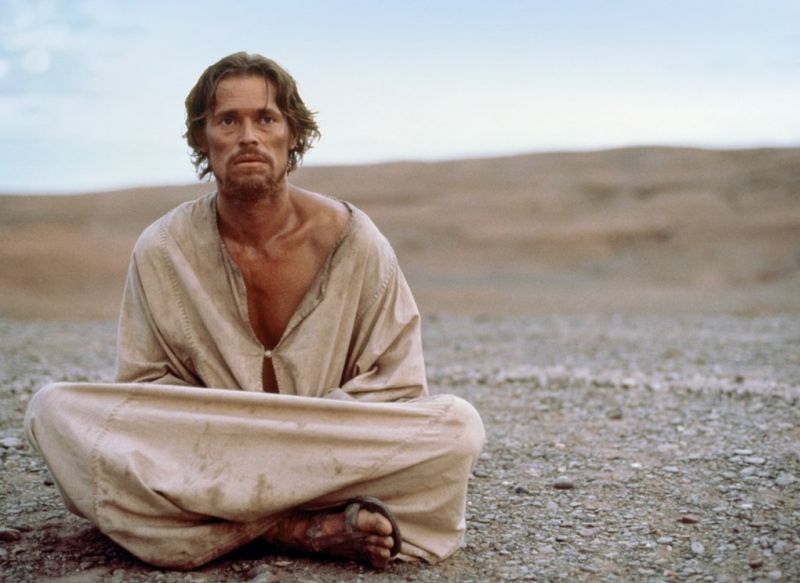
Martin Scorsese’s bold vision of Jesus Christ sparked one of the loudest protests in film history. The movie imagined Jesus contemplating a normal human life, including a romantic relationship with Mary Magdalene, which sent religious groups into a fury worldwide.
Countries like Greece, Turkey, Mexico, and the Philippines banned it outright. A Paris theater was even firebombed by protesters.
Few films have ever stirred up this much passion from audiences before a single ticket was sold.
2. Cannibal Holocaust (1980)
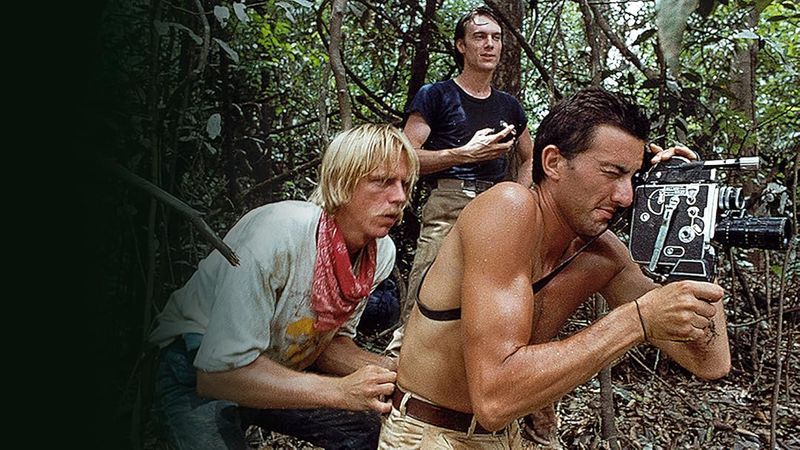
Cannibal Holocaust scared authorities so badly that its director, Ruggero Deodato, was actually arrested in Italy shortly after its release. Officials believed the actors had been murdered for real, because the footage looked disturbingly authentic.
The film was banned in over 50 countries, including the UK, Australia, and Norway, largely due to real animal killings shown on screen. Even decades later, many countries still refuse to allow it an unrestricted release.
3. The Great Dictator (1940)
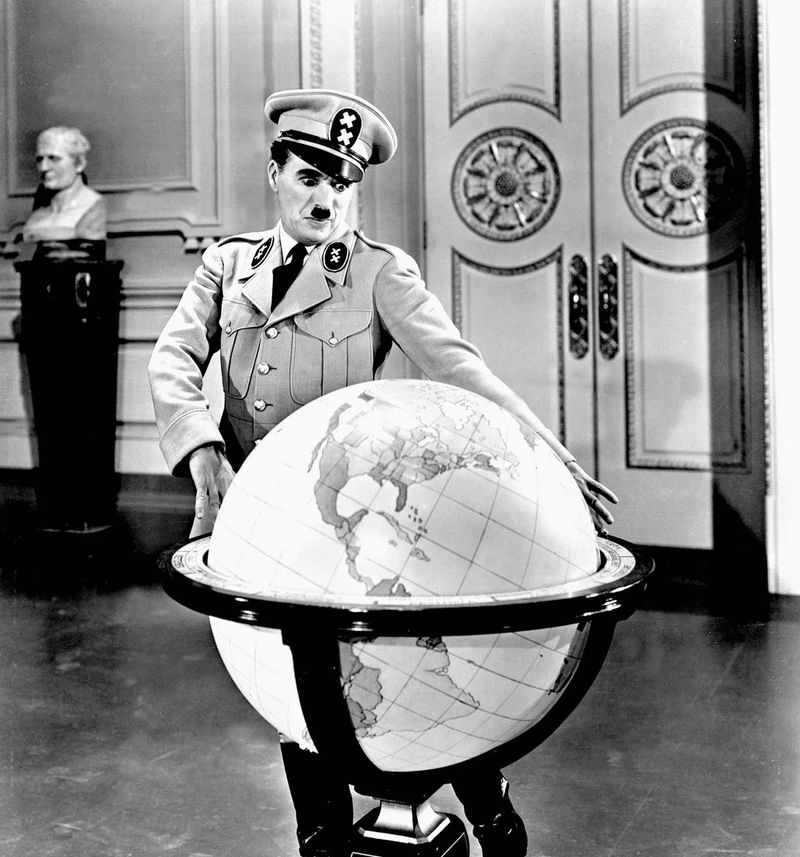
Charlie Chaplin turned Adolf Hitler into a punchline at a time when much of the world was still tiptoeing around the Nazi regime. Released before the United States entered World War II, the film was a bold and risky political statement.
Nazi-occupied territories banned it immediately, and even neutral countries like Spain and Ireland refused to screen it. Chaplin later said that if he had known the true scale of the Holocaust, he could never have made a comedy about it.
4. A Clockwork Orange (1971)
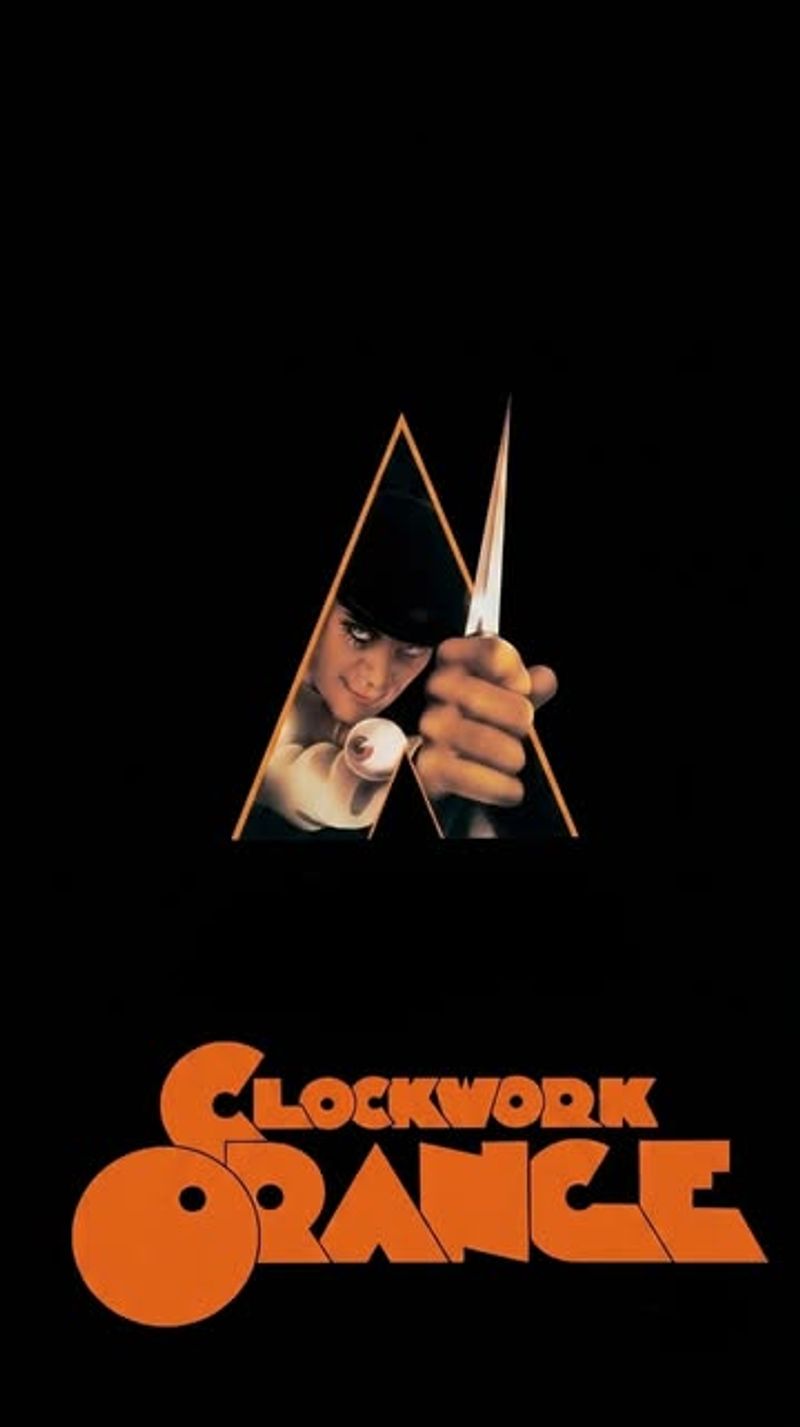
Stanley Kubrick made one of cinema’s most unsettling films, then pulled it from British cinemas himself. After receiving death threats and hearing reports of copycat crimes inspired by the movie’s brutal violence, Kubrick asked Warner Bros. to withdraw it from the UK entirely.
Britain did not see the film again until after Kubrick’s death in 1999. Argentina, Ireland, Brazil, and Singapore also banned it for varying periods.
The movie remains one of the most debated films ever made.
5. Last Tango in Paris (1972)
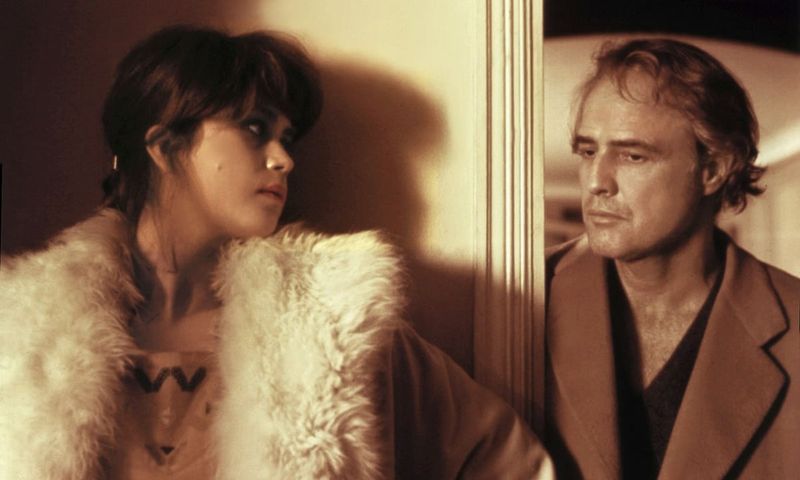
Bernardo Bertolucci’s erotic drama became one of the most legally punished films in history. Italy not only banned the movie but ordered every print destroyed, and Bertolucci received a suspended prison sentence along with a temporary suspension of his civil rights.
Actress Maria Schneider later revealed she had not been fully prepared for certain scenes, adding a deeply troubling layer to the film’s legacy. Chile kept it banned for nearly 20 years.
The controversy surrounding it has never fully faded.
6. Indiana Jones and the Temple of Doom (1984)
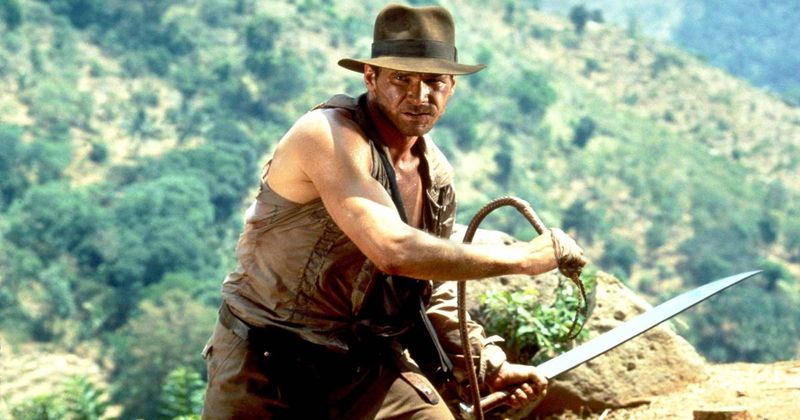
Most people know this sequel as a fun action-adventure romp, but India saw something very different. The film’s portrayal of Indian culture was seen as deeply offensive and racist, showing bizarre rituals and treating the country’s people as dangerous savages.
India banned it outright and refused to allow filming on its soil for years afterward. Back in the United States, the movie’s gory scenes were so intense they directly led to the creation of the PG-13 rating, which still exists today.
7. A Serbian Film (2010)
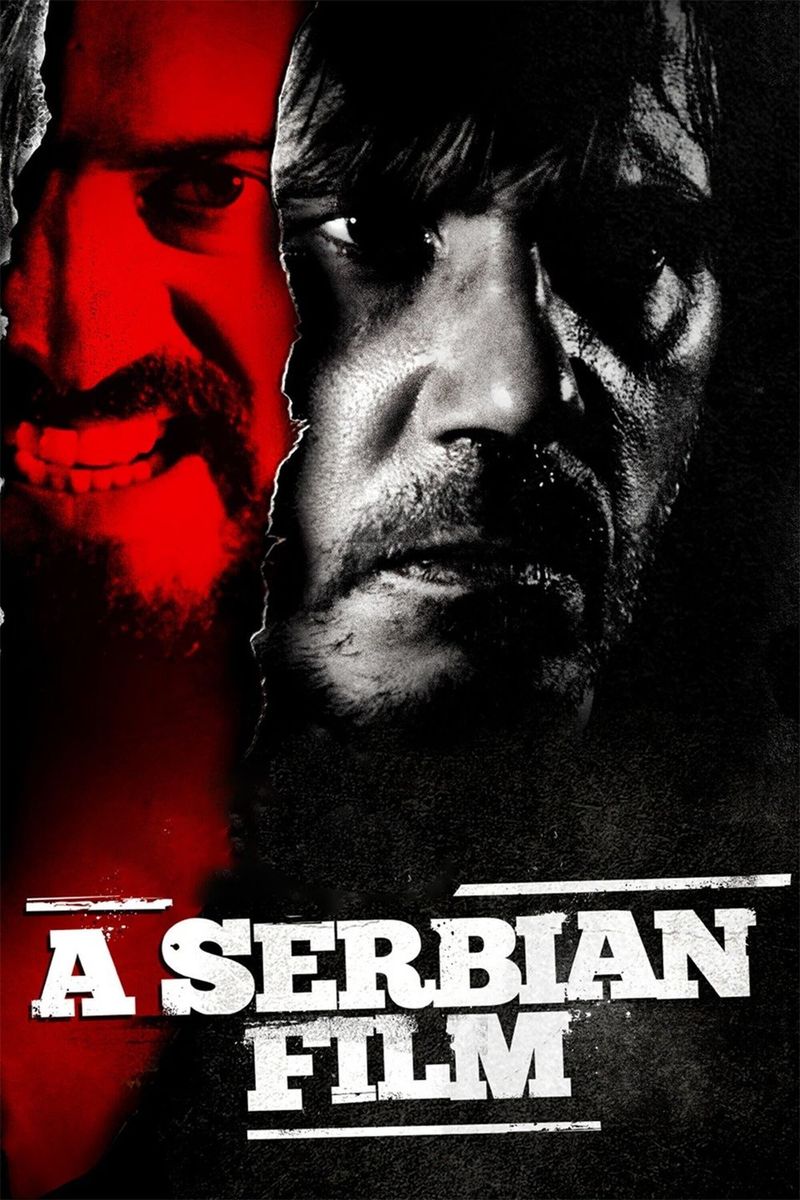
Calling A Serbian Film extreme feels like an understatement. The movie contains scenes of sexual violence so graphic and disturbing that it triggered immediate bans in countries including Ireland, Australia, New Zealand, Norway, and the Philippines upon release.
Its director claimed it was a political allegory about life under a corrupt government, but most censors were not interested in the message. The UK required significant cuts before allowing any version to be sold.
Many film critics still refuse to review it.
8. Salo, or the 120 Days of Sodom (1975)
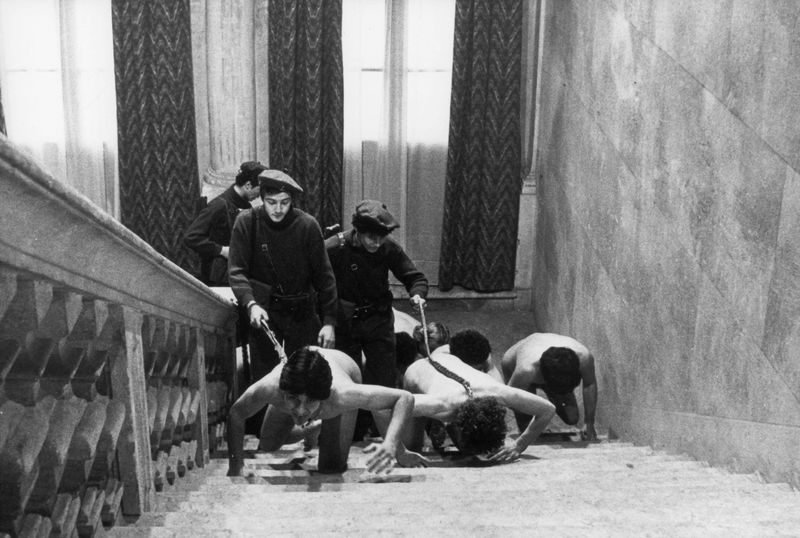
Pier Paolo Pasolini created this brutal film as an allegory for fascism, using extreme scenes of torture, abuse, and humiliation to make his point. Pasolini was murdered just weeks before the film’s release, adding a tragic dimension to its already dark legacy.
Australia banned it multiple times over the decades. The UK refused it a certificate for years.
Even today, it remains prohibited in several countries. Film scholars still debate whether it qualifies as art or something that should never have been made.
9. The Human Centipede 2 (Full Sequence) (2011)
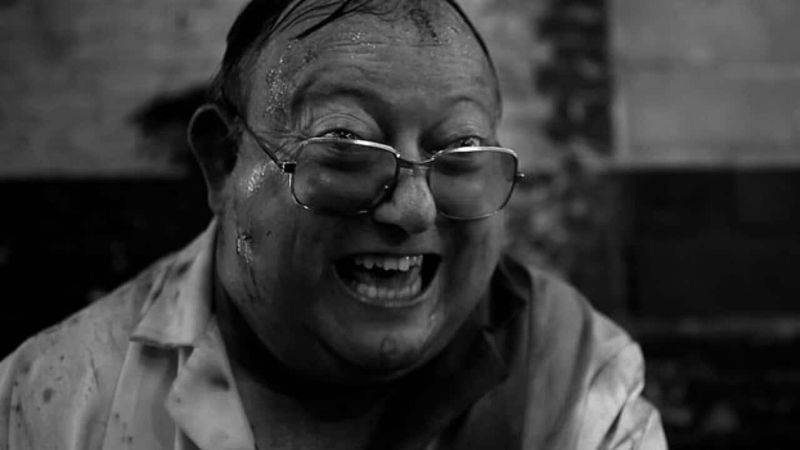
The original Human Centipede was shocking enough, but the sequel took things to a place that regulators across multiple countries refused to accept. The British Board of Film Classification initially refused it any certificate, calling it potentially harmful.
Australia followed suit with an outright ban, and New Zealand refused to classify it at all. When the UK eventually allowed a release, 32 cuts were required first.
The film seemed almost designed to test exactly how far censors could be pushed.
10. Pink Flamingos (1972)
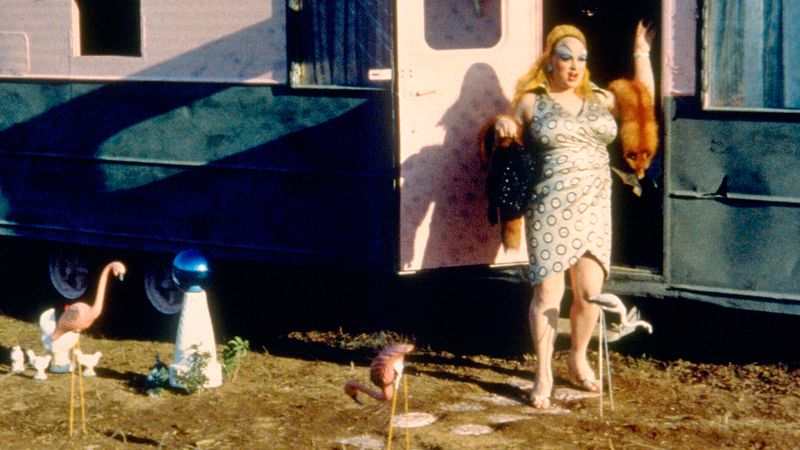
John Waters set out to make the most disgusting movie ever created, and by most accounts, he succeeded. Pink Flamingos features scenes of real animal cruelty and ends with its star eating actual dog feces on camera, all in the name of shock value art.
Australia and Norway temporarily banned it, and Switzerland refused it entirely. Parts of Canada also blocked the film from being shown.
Waters has always seemed rather proud of the outrage it caused, calling controversy the highest compliment a filmmaker can receive.
11. The Texas Chain Saw Massacre (1974)
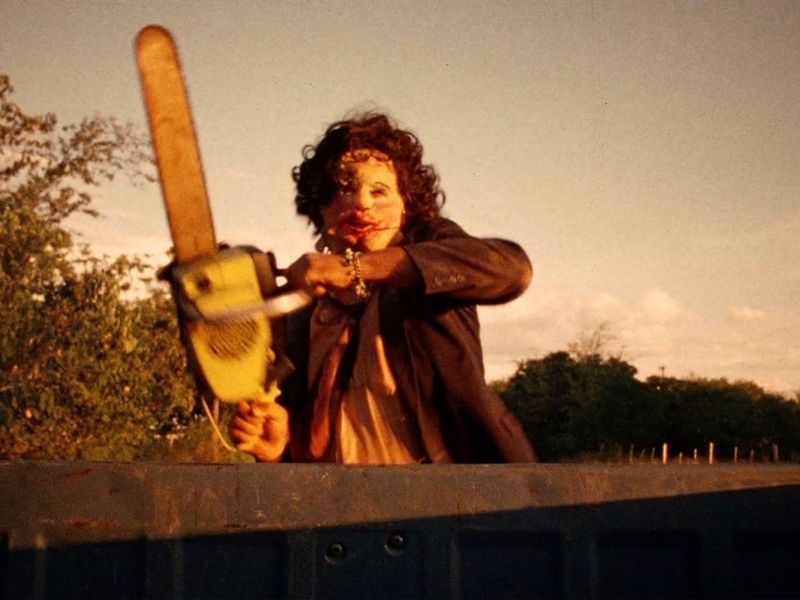
Few horror films felt as raw and real as Tobe Hooper’s low-budget nightmare. Despite containing less actual blood than many films of its era, its relentless tension and disturbing themes convinced authorities in over a dozen countries that it was simply too dangerous to show.
Brazil, France, West Germany, and Australia all blocked it at various points. The UK banned it twice, keeping it off shelves until 1999.
Finland and Norway held their bans well into the 1990s. Its reputation for being genuinely dangerous has never quite gone away.
12. Caligula (1979)
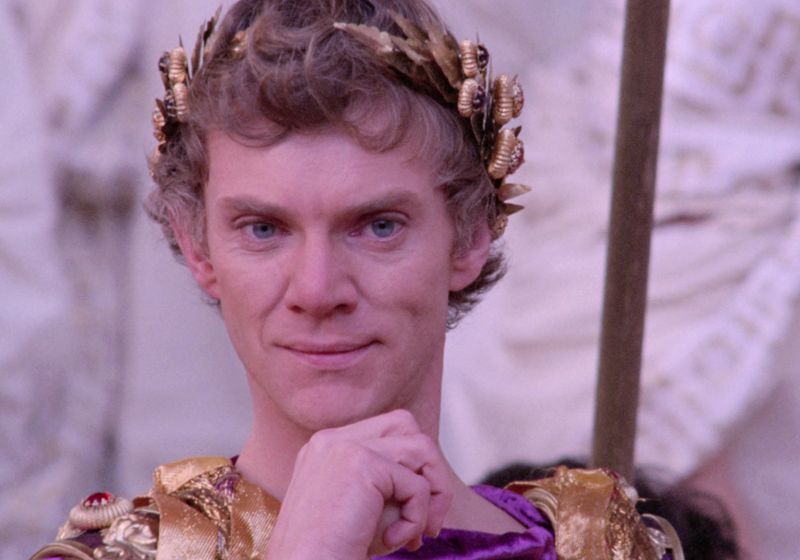
Produced by Penthouse magazine founder Bob Guccione, Caligula blended serious historical drama with hardcore pornographic content, creating something that satisfied almost no one and horrified almost everyone. Italian authorities seized it and declared it flagrantly obscene.
Canada, Australia, Iceland, Singapore, and the UK all banned the uncut version. Even the film’s own director, Tinto Brass, disowned the final cut after Guccione secretly added explicit footage without his permission.
It remains one of the strangest and most troubled productions in Hollywood history.
13. Kids (1995)
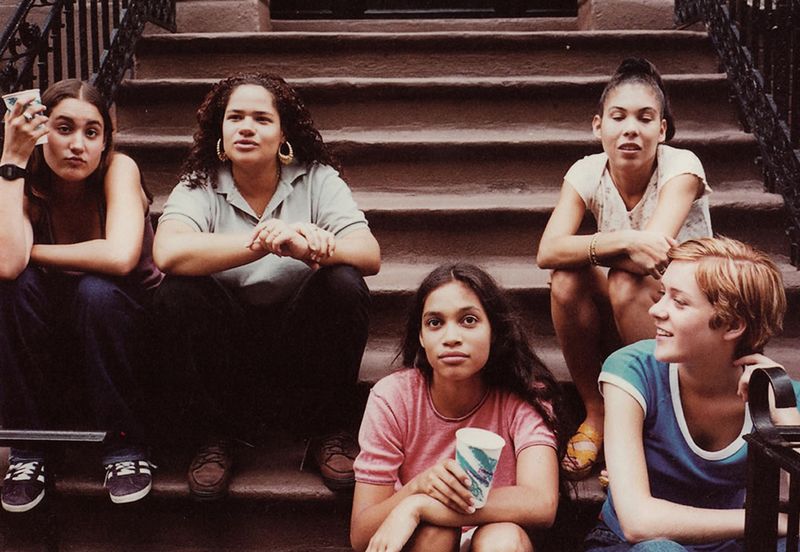
Larry Clark’s raw and unflinching portrait of New York City teenagers landed like a grenade when it arrived in 1995. The film showed underage characters engaging in unprotected sex, drug use, and casual violence with a documentary-style realism that made many viewers deeply uncomfortable.
The MPAA slapped it with an NC-17 rating in the United States, which effectively kept it out of most mainstream theaters. International markets were similarly cautious.
The debate over whether it was exploitation or important social commentary has never been fully settled.
14. The Idiots (1998)
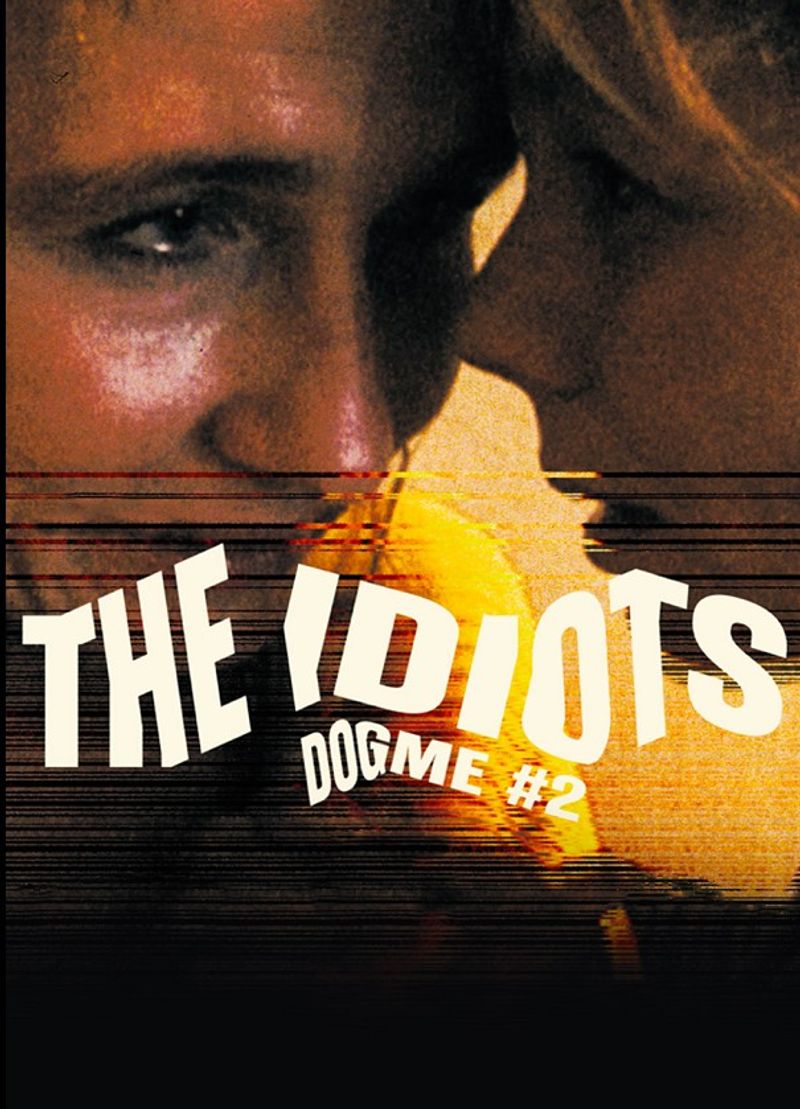
Lars von Trier has never been afraid of controversy, and The Idiots proved that early in his career. The film follows a group of people who pretend to have intellectual disabilities in public, a concept that offended viewers on multiple levels before the unsimulated sex scenes even came into the picture.
Many countries gave it heavily restricted releases, and some distributors refused to carry it at all. Von Trier shot it under the strict rules of the Dogme 95 movement, using no artificial lighting or post-production tricks, which only made the content feel more confrontational.
15. Deep Throat (1972)
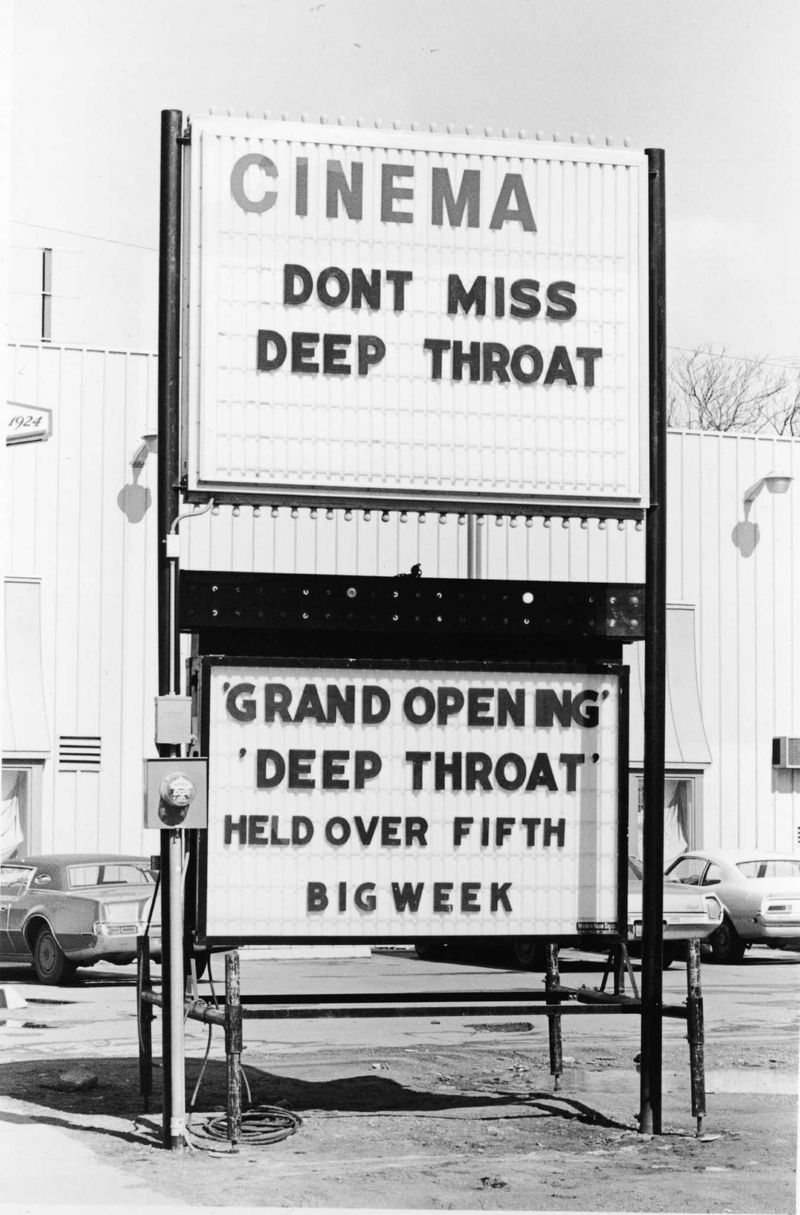
Deep Throat accidentally became one of the most culturally significant films of the 1970s, launching what critics called the golden age of adult cinema. Mainstream celebrities openly admitted to seeing it, and it grossed millions despite being a low-budget production shot in just six days.
Courts across 23 American states ruled it obscene and banned it from being shown. The UK also prohibited it.
Ironically, the legal battles only generated more publicity. The film’s title later became permanently linked to the famous Watergate whistleblower, cementing its place in pop culture history.
16. Lolita (1962)
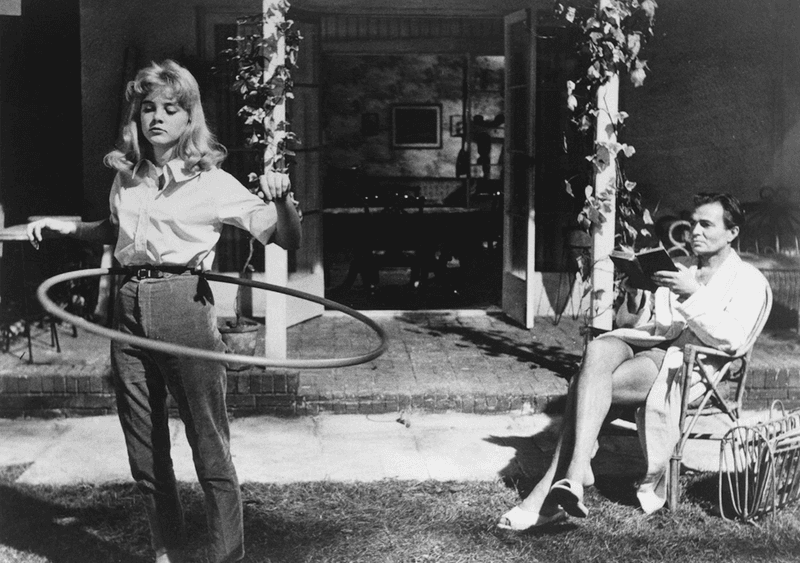
Stanley Kubrick adapted Vladimir Nabokov’s deeply uncomfortable novel with surprising restraint, yet the subject matter alone, a middle-aged professor’s obsession with a 12-year-old girl, was enough to generate enormous backlash. Religious groups and parent organizations pushed back hard against the film in multiple countries.
The UK gave it an X rating, barring anyone under 16 from seeing it. The original novel had already been banned in France, Australia, and England for obscenity.
Kubrick’s version walked a tightrope between literary adaptation and moral outrage, and many felt it fell off.
17. Blow-Up (1966)
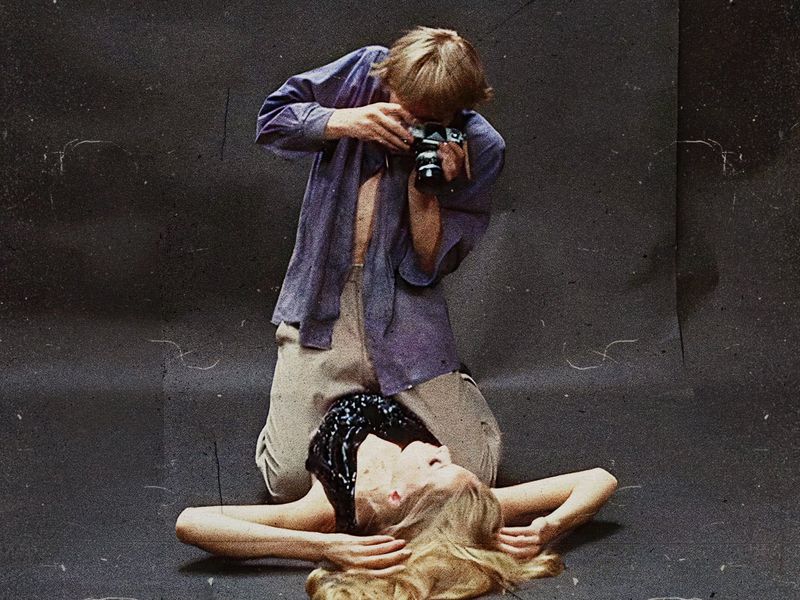
Michelangelo Antonioni’s swinging-sixties mystery film caused a surprisingly large amount of trouble for a movie that most people today consider a sophisticated art house classic. Its brief scenes of nudity were shocking enough in 1966 to put it on a collision course with Hollywood censors.
The major studios refused to distribute it under the strict Hays Code, so MGM created a separate subsidiary just to release the film. That decision helped crack open the door that eventually led to the end of Hollywood’s self-censorship era and the birth of the modern ratings system.
18. Monty Python’s Life of Brian (1979)
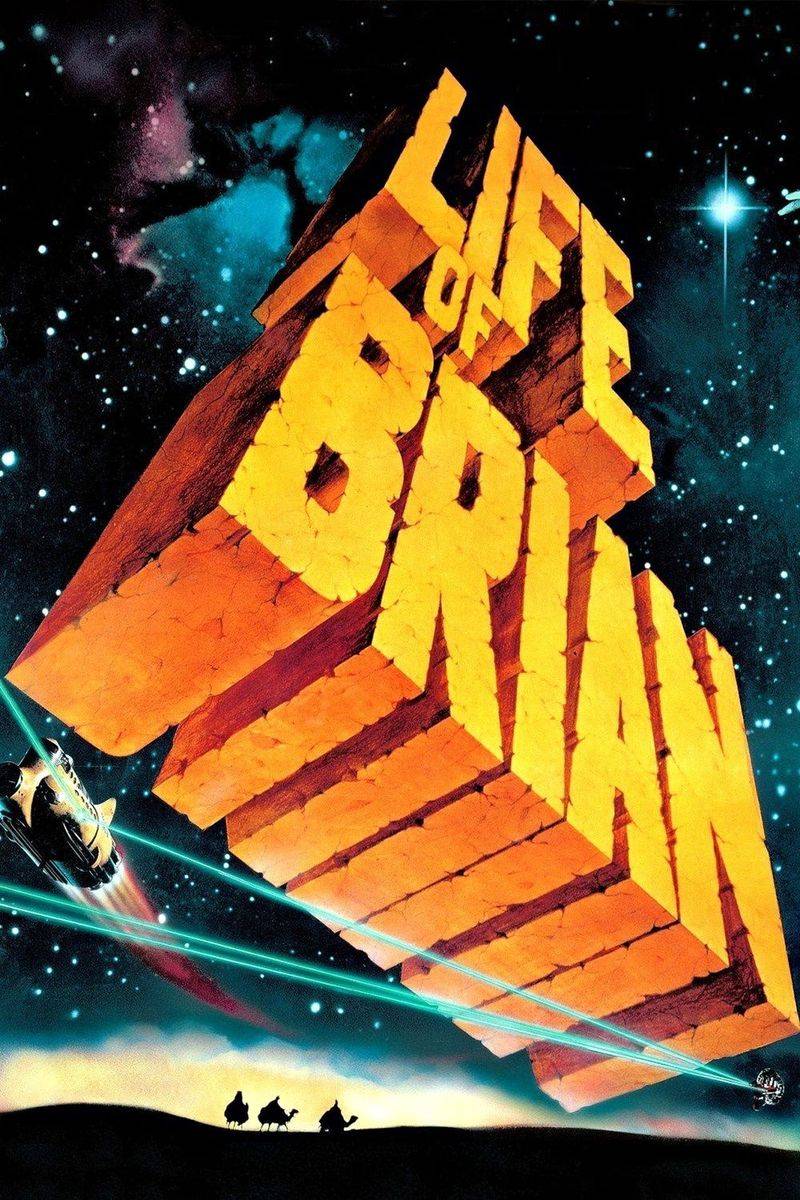
Sweden’s movie marketers had a field day when Norway banned this Monty Python comedy about a man mistaken for the Messiah. Swedish ads gleefully promoted it as “the film so funny it was banned in Norway,” which naturally made everyone want to see it even more.
Ireland also banned it, and several British towns refused to screen it despite no national prohibition. Religious groups called it blasphemous, while the Pythons insisted it was about blind faith, not Christianity itself.
Decades later, it regularly tops lists of the greatest comedies ever filmed.