
Music can help people feel seen, especially when the world tells them to hide who they are. LGBTQ+ artists have shaped everything from early blues to modern pop, often while facing unfair rules and public pressure.
Their songs opened doors, challenged expectations, and gave listeners room to be themselves. Behind many favorite records are stories of courage, creativity, and lasting change.
1. Ma Rainey: The Blues Had a Bold Mother
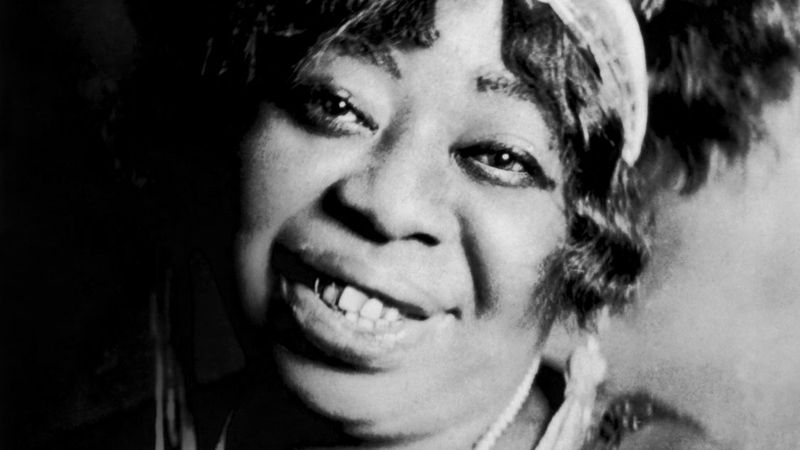
Long before pop stars spoke openly about sexuality, a blues singer dared to sing about loving women. Known as the Mother of the Blues, Ma Rainey brought a strong voice and fearless spirit to her recordings.
Her 1928 song Prove It on Me Blues challenged ideas about how women should dress and love. Listen for her playful confidence.
Her music shows that queer expression belongs to the roots of American popular music, not just its present.
2. Bessie Smith: A Voice That Demanded Respect
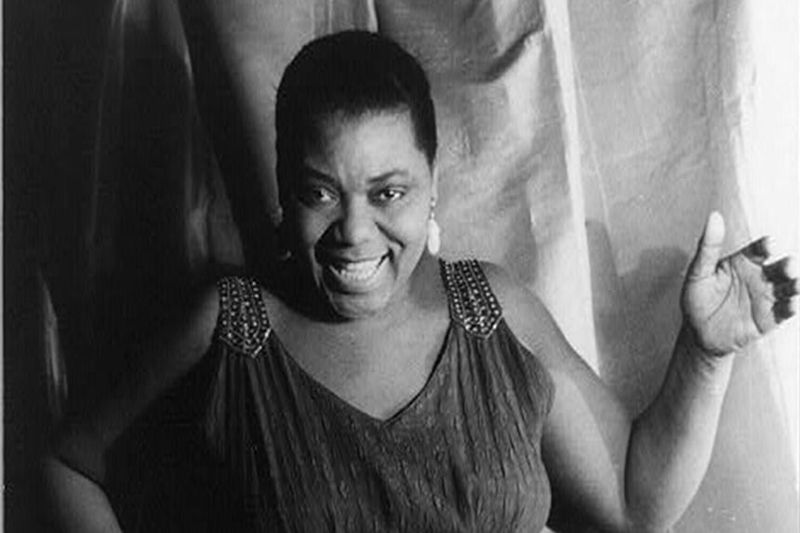
A single note could make a crowded room stop and listen. Bessie Smith earned the title Empress of the Blues through powerful singing that carried heartbreak, humor, and pride.
Biographers have documented her relationships with women and men. Her recordings also gave working people, especially Black women, stories they could recognize.
Start with Backwater Blues to hear how she turns hardship into something deeply human. Later singers learned from her rich voice and direct emotional storytelling.
3. Gladys Bentley: Harlem’s Rule-Breaking Showstopper
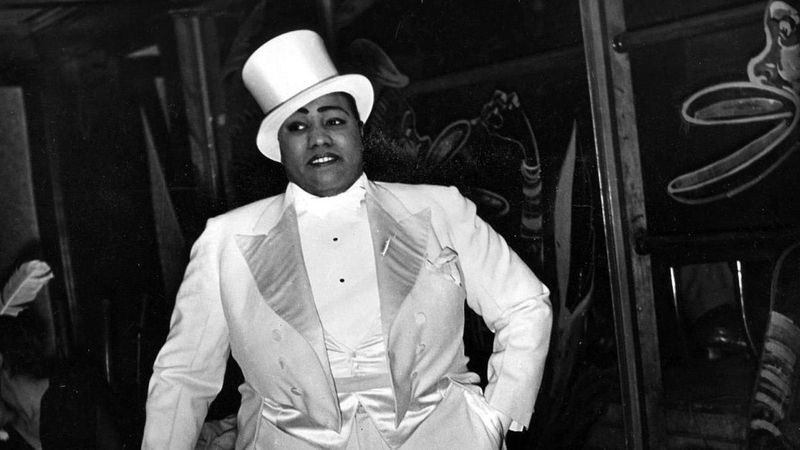
Picture a Harlem nightclub where the star wears a tuxedo and sings with wicked humor. During the Harlem Renaissance, Gladys Bentley made that scene unforgettable with her piano playing and bold blues performances.
She openly embraced relationships with women during her early career, challenging expectations about gender and sexuality. Later public statements reflected a harsher political climate.
Her story reminds listeners that visibility can be brave, complicated, and shaped by the pressures of its own time.
4. Freddie Mercury: Rock’s Unforgettable Ringmaster
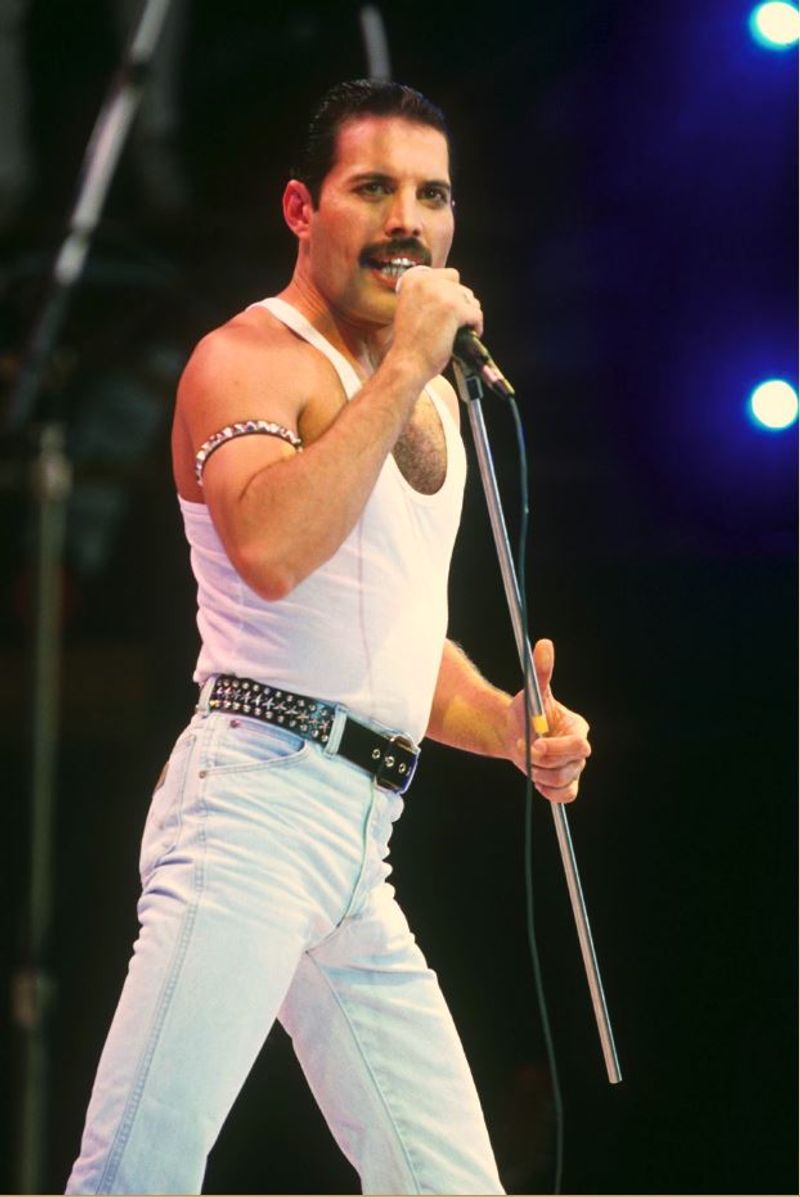
At Live Aid in 1985, one singer turned a stadium crowd into his backing choir. Queen’s frontman mixed huge vocals, cheeky confidence, and theatrical flair in a performance still celebrated today.
Freddie Mercury had relationships with women and men, though he kept much of his private life away from public discussion. Try Bohemian Rhapsody for his musical ambition, then watch his live performances.
His example encouraged generations of outsiders to imagine themselves commanding the biggest stages.
5. David Bowie: Permission to Become Someone New
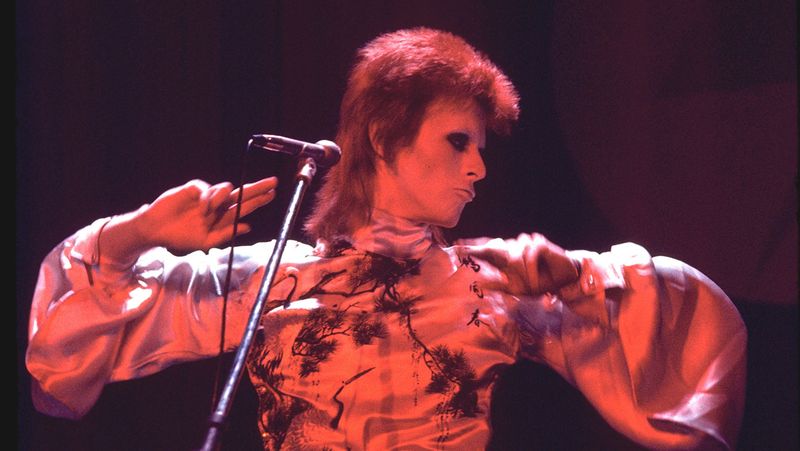
Bright hair, strange costumes, and songs about outsiders made reinvention feel exciting. Through characters such as Ziggy Stardust, David Bowie blurred boundaries between rock music, theater, and gender expression.
He described his sexuality differently across interviews, including identifying as bisexual, so his story resists one simple label. His influence on queer listeners remains powerful.
Play Starman and notice its welcoming mood. Bowie helped make pop music a place where looking different could become a creative strength.
6. Elton John: Big Songs, Bigger Compassion
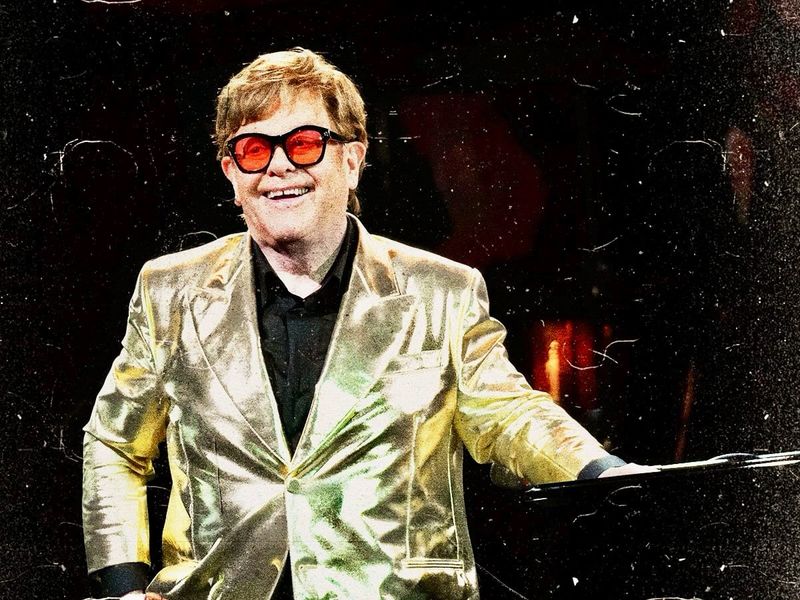
Behind the sparkling glasses sits a songwriter who can make a piano sound larger than life. Elton John built a remarkable career with lyricist Bernie Taupin, creating hits that cross generations.
He publicly identified as bisexual in 1976 and later as gay. Beyond music, his AIDS foundation has supported HIV prevention, care, and efforts against stigma.
Pair Rocket Man with Your Song to hear his range. His legacy joins unforgettable melodies with compassion for people facing exclusion.
7. George Michael: Freedom Beyond the Pop Image
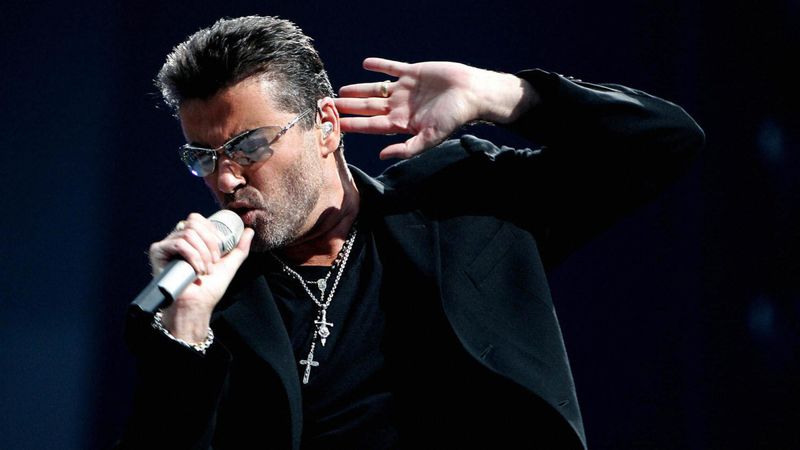
Few singers could move from a carefree dance hit to a soulful ballad so smoothly. First with Wham! and then on his own, George Michael helped define the sound of popular music.
After coming out as gay in 1998, he challenged shame through humor, honesty, and songs such as Outside. He also supported HIV charities and other causes.
Listen to Freedom! ’90 for a sharp message about fame, identity, and taking control of your own story.
8. Wendy Carlos: Tomorrow’s Sound Arrived Early

What happens when centuries-old music meets an electronic instrument? Switched-On Bach answered that question in 1968, bringing synthesizers to a much wider audience and winning three Grammy Awards.
Its creator, Wendy Carlos, later discussed being transgender publicly in 1979. Her work helped prove electronic music could be expressive, precise, and serious.
Explore her Bach recordings alongside music from Tron. The contrast reveals how her ideas connected classical traditions with sounds that shaped the future of film.
9. Sylvester: Disco With Wings
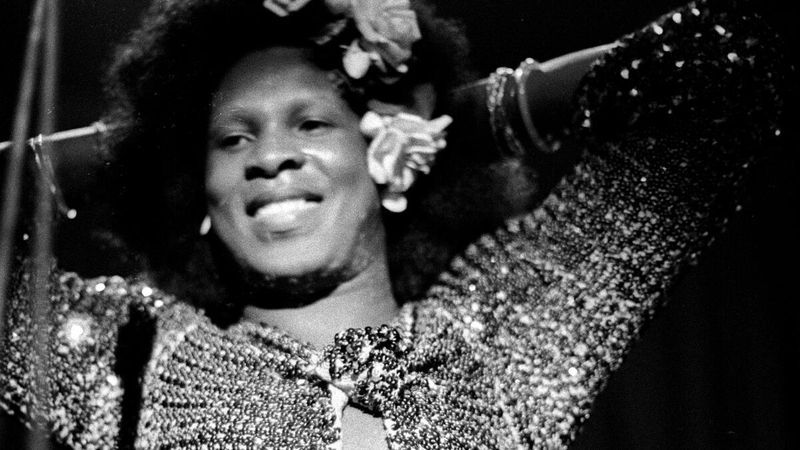
That soaring voice could lift an entire dance floor. Sylvester combined gospel roots, disco rhythms, and fearless glamour to create songs that still feel like celebrations.
An openly gay Black performer, he found a home in San Francisco’s queer music scene. You Make Me Feel (Mighty Real) became his signature anthem and a lasting dance classic.
Turn it up and hear how joy itself can carry meaning. His success widened ideas about who deserved the spotlight.
10. Frankie Knuckles: The Dance Floor Became a Movement
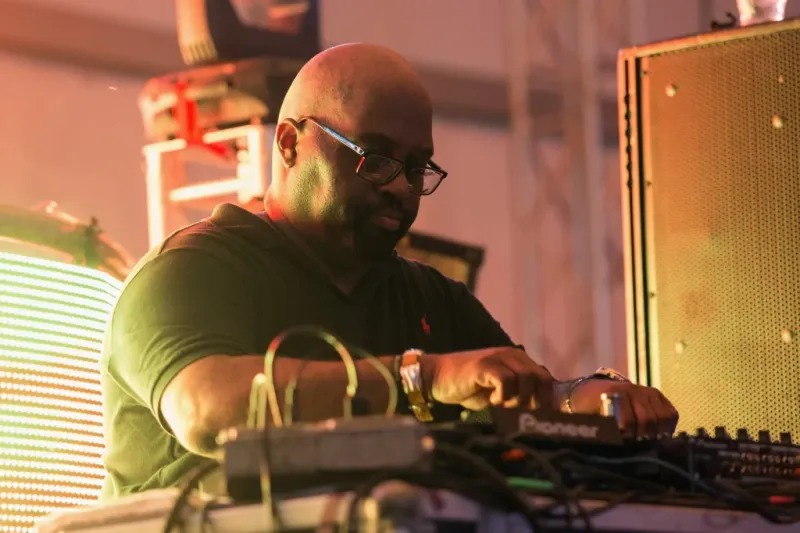
Inside Chicago clubs, a DJ helped build a new musical language from records, steady beats, and shared energy. Frankie Knuckles became known as the Godfather of House Music.
As a gay Black artist, he worked in spaces where queer dancers could find community. His sets and productions helped house travel far beyond those rooms.
Start with Your Love to hear its warm pulse. Much of today’s dance music owes something to the culture he helped grow.
11. Tracy Chapman: Quiet Songs, Lasting Power
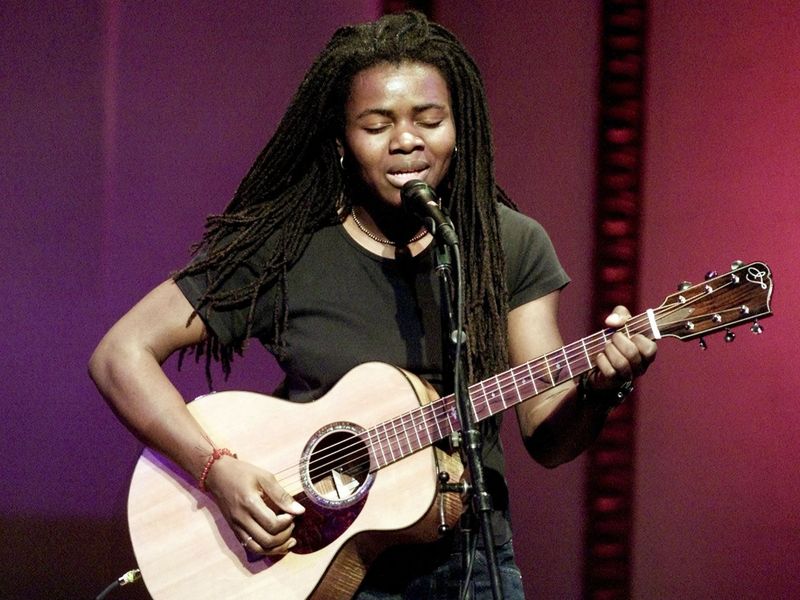
No flashy costume was needed when an acoustic guitar and a clear voice could tell the whole story. Tracy Chapman’s 1988 debut brought songs about poverty, hope, and injustice to a huge audience.
Fast Car remains especially moving because its dreams feel so familiar. Chapman has kept her personal life private, while public accounts place her within LGBTQ+ music history.
Her work offers a useful listening lesson: simple arrangements can leave room for deeply powerful stories.
12. Melissa Etheridge: Honesty Turned Up Loud
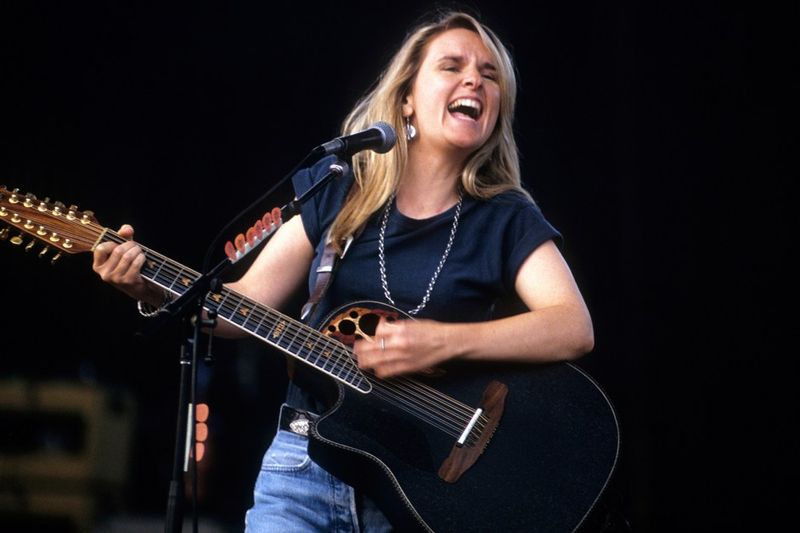
A rough-edged voice and ringing guitar made emotional honesty sound fearless. Melissa Etheridge built her reputation on rock songs filled with longing, determination, and the courage to speak plainly.
She came out as a lesbian in 1993, the same year she released her breakthrough album Yes I Am. Songs such as Come to My Window reached listeners far beyond one community.
Her career showed that being open about identity did not have to mean leaving mainstream rock behind.
13. k.d. lang: A Voice Without Borders
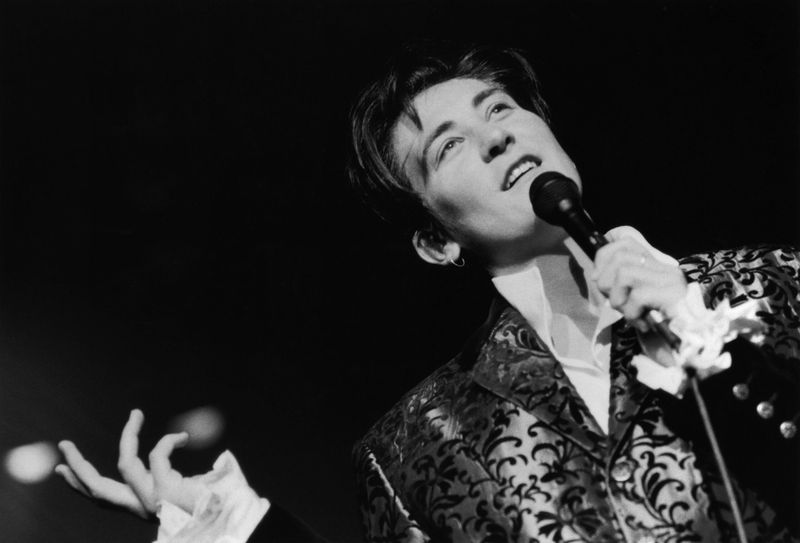
Smooth, rich, and instantly recognizable, her singing never needed to stay in one musical lane. Canadian artist k.d. lang moved through country, pop, and jazz while challenging expectations about a female star’s image.
Coming out as a lesbian in 1992 made her visibility especially meaningful in country music circles. Constant Craving became an international hit.
Compare that song with her version of Hallelujah to appreciate her control, patience, and ability to make every phrase feel personal.
14. RuPaul: Drag Stepped Into the Pop Spotlight
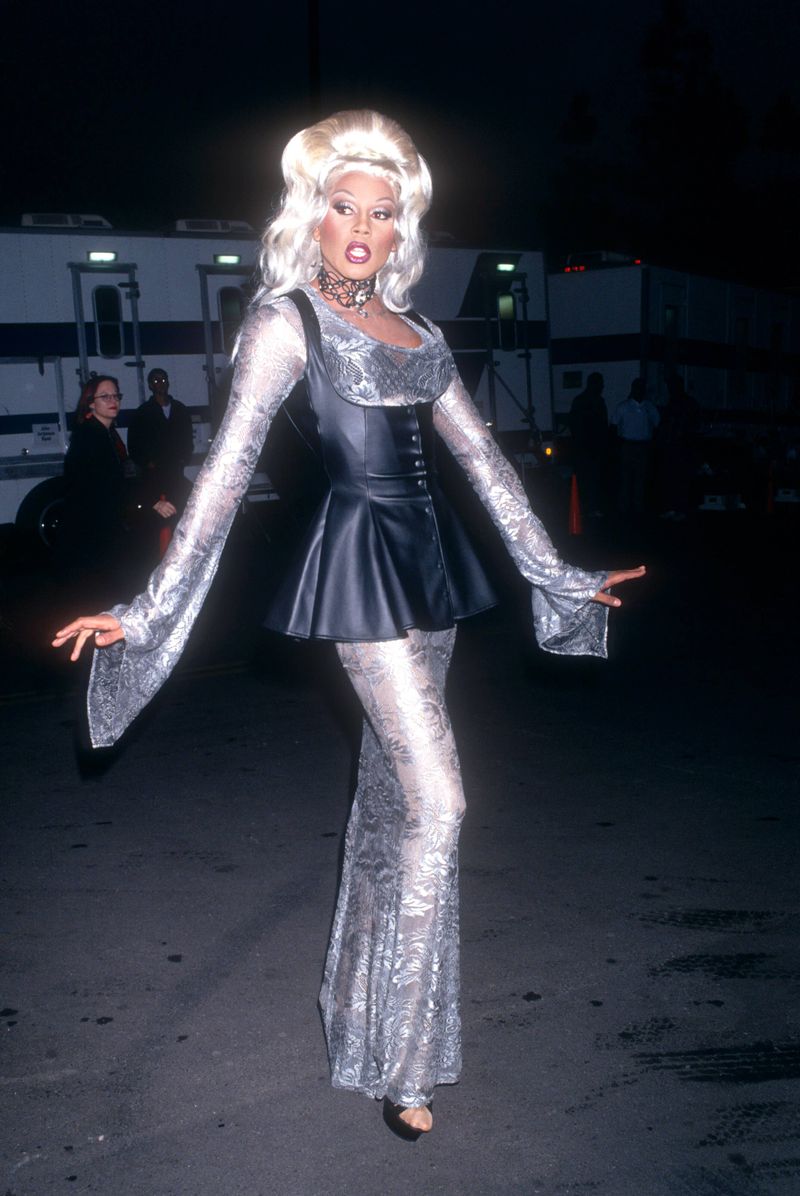
With a runway strut and an unforgettable chorus, drag reached a new pop audience. RuPaul’s 1993 hit Supermodel (You Better Work) carried nightclub confidence onto radio and music television.
An openly gay performer, RuPaul helped show that drag artists could build careers across music, fashion, and entertainment. Later television success expanded that influence, but the records deserve attention too.
Put Supermodel on a playlist and hear the playful encouragement that helped turn self-expression into a singalong celebration.
15. Lady Gaga: Pop Made Room for Everyone
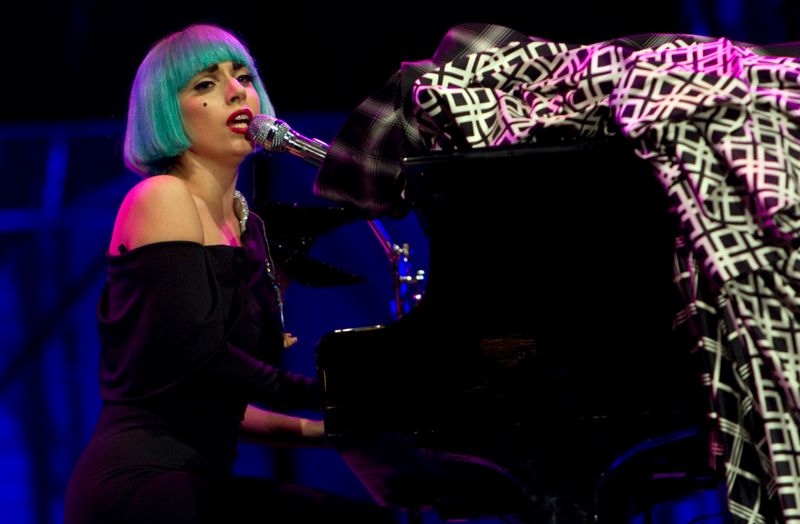
Sometimes a pop chorus becomes a message people carry into everyday life. Born This Way did exactly that, celebrating LGBTQ+ identities in a song built for huge crowds.
Lady Gaga has spoken openly about being bisexual and has repeatedly supported queer communities. Her dramatic outfits and performances also challenge narrow ideas about beauty and belonging.
Listen beyond the dance beat to the words of acceptance. Her influence connects chart success with a clear invitation to stop hiding.
16. Lil Nas X: A New Generation Refused to Hide
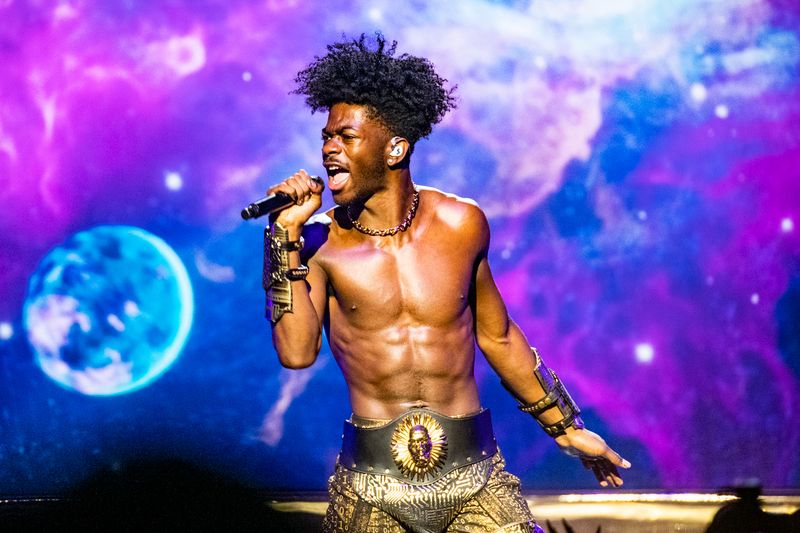
A song mixing country sounds and rap became a record-breaking pop event. Old Town Road spent 19 weeks at number one on the Billboard Hot 100, launching Lil Nas X into worldwide fame.
He came out as gay in 2019 and later placed queer desire at the center of songs and videos such as Montero. His playful online voice adds another dimension.
He shows younger artists that success does not require making their identity smaller or quieter.