
Most people have big dreams and goals, but sometimes our own habits quietly get in the way. Without even realizing it, certain everyday behaviors can slow down our progress and keep us stuck.
Recognizing these patterns is the first step toward making real changes. Read on to find out which behaviors might be holding you back and what you can do about them.
1. Procrastination

Up to 20% of adults struggle with chronic procrastination, putting off tasks until the last minute or skipping them entirely. It often creeps in when a goal feels too big or too overwhelming to start.
Breaking tasks into smaller, manageable steps makes it easier to get moving. Even starting with just five minutes of work can build momentum.
Over time, taking action consistently beats waiting for the perfect moment every single time.
2. Multitasking

Multitasking feels productive, but research shows it can actually reduce efficiency by as much as 40%. The brain is not wired to focus on several things at once, and constantly switching tasks drains mental energy fast.
Focusing on one task at a time leads to better results and less stress. Try blocking out specific time slots for each activity.
Single-tasking may feel slower at first, but the quality of your work will noticeably improve.
3. People-Pleasing

Always saying yes to make others happy sounds kind, but it quietly chips away at your own well-being. People-pleasing often leads to burnout, resentment, and a loss of trust in your own instincts and judgment.
Learning to set healthy boundaries is not selfish – it is necessary for emotional health. Saying no respectfully shows self-respect and earns respect from others too.
Your needs matter just as much as the needs of anyone else around you.
4. Negative Self-Talk

The voice inside your head can be your biggest cheerleader or your harshest critic. Persistent negative self-talk fuels feelings of unworthiness, anxiety, and depression, making it much harder to pursue goals with confidence.
Catching negative thoughts and replacing them with more balanced ones takes practice, but it genuinely works. Journaling, therapy, or simply pausing to challenge harsh inner statements can shift your mindset over time.
You deserve the same kindness you would offer a good friend.
5. Avoiding Discomfort

Growth rarely happens inside a cozy comfort zone. When fear of rejection or failure causes someone to avoid new challenges, they miss out on experiences that could truly change their life for the better.
Discomfort is often a sign that something meaningful is just around the corner. Starting small – like speaking up in class or trying a new skill – can gradually expand what feels comfortable.
Each small brave step builds confidence for even bigger ones ahead.
6. Poor Sleep Routines

Sleep is not a luxury – it is fuel for everything your brain and body need to function well. Skimping on sleep affects mood, focus, decision-making, and even physical health in ways that build up over time.
Sticking to a consistent sleep schedule, limiting screen time before bed, and creating a calming nighttime routine can make a big difference. Adults generally need seven to nine hours per night.
Prioritizing rest is one of the smartest investments you can make in yourself.
7. Digital Distractions

A quick scroll through social media can easily turn into an hour of lost time. Digital distractions offer instant gratification, but they consistently pull attention away from tasks that actually matter and move life forward.
Setting phone-free work periods, turning off non-essential notifications, and using app timers can reclaim hours of lost focus each week. Awareness is the first tool – noticing how often you reach for your phone is a powerful wake-up call that sparks real change.
8. Lack of Planning

Wandering through life without a plan is like driving somewhere new without directions – you might eventually get there, but it will take much longer and feel more stressful along the way.
Writing down goals and breaking them into weekly or daily actions gives your efforts real direction. Even a simple to-do list each morning can boost focus dramatically.
Planning does not need to be complicated to be effective – consistency matters far more than perfection when building new habits.
9. Ignoring Self-Care

Self-care is not just bubble baths and spa days – it covers the basics of keeping your body and mind functioning well. Skipping meals, neglecting medications, or ignoring hygiene are all warning signs that something important is being overlooked.
Small daily habits like drinking enough water, moving your body, and taking prescribed medications on time add up to a huge difference in how you feel. Taking care of yourself is the foundation that everything else in life is built upon.
10. Fear of Failure

Fear of failure is one of the most paralyzing forces a person can face. When self-worth gets tied to outcomes, even small risks feel terrifying – so people stop trying altogether just to avoid the sting of falling short.
Reframing failure as feedback rather than proof of inadequacy is a game-changer. Most successful people failed many times before they got it right.
Taking imperfect action beats staying still every time, and each stumble teaches something no classroom ever could.
11. Perfectionism

Perfectionism sounds like a good quality until it keeps you from ever finishing – or even starting – anything at all. Holding yourself to impossibly high standards creates a cycle of frustration, fear, and disappointment that drains motivation fast.
Done is often better than perfect, especially when starting out. Setting realistic expectations and celebrating progress over flawless results helps break the perfectionism trap.
Remember, even the most polished professionals started with rough, imperfect drafts before they created something great.
12. Self-Medication

Turning to alcohol, drugs, or comfort eating to numb emotional pain might bring short-term relief, but it creates much bigger problems over time. Self-medication rarely fixes what is hurting – it just pushes the real issue further underground.
Healthier coping strategies like talking to a counselor, exercising, or practicing mindfulness can address root causes without the harmful side effects. Reaching out for professional help is a sign of strength, not weakness, and it opens the door to genuine healing and lasting change.
13. Blaming Others

Blaming others for your problems might feel satisfying in the moment, but it hands over all your personal power to people and circumstances outside your control. Studies consistently show that high achievers take ownership of their outcomes, both good and bad.
Shifting from blame to accountability is not easy, but it is transformative. Asking yourself what you could do differently next time builds problem-solving skills and resilience.
Taking responsibility is not about guilt – it is about taking the wheel of your own life.
14. Pulling Away from Relationships

Withdrawing from people who care about you might feel protective, but isolation quietly erodes mental health and cuts off the support systems everyone needs to thrive. Sometimes people pull away because deep down they feel unworthy of connection or love.
Healthy relationships are a proven buffer against stress, depression, and burnout. Even small steps – like texting a friend or joining a group activity – can rebuild connection over time.
You do not have to face life alone, and you were never meant to.
15. Fixed Mindset
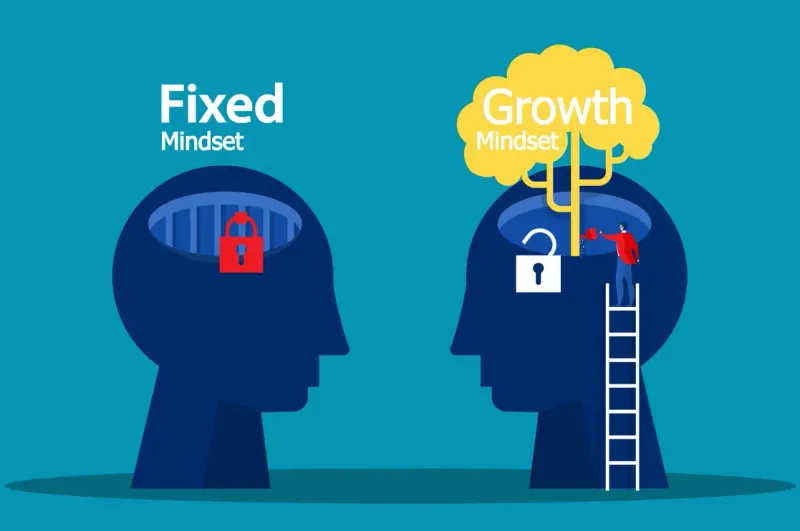
A fixed mindset whispers that talent is something you either have or you do not – and that trying harder will not change anything. This belief stops people from embracing challenges that could actually help them grow and improve over time.
Psychologist Carol Dweck’s research shows that people with a growth mindset consistently outperform those who believe abilities are set in stone. Replacing thoughts like ‘I’m not smart enough’ with ‘I can learn this’ opens entirely new doors.
Effort, not just talent, builds lasting capability.
16. Limiting Beliefs and Self-Doubt

Limiting beliefs are like invisible fences built from past failures, harsh criticism, or impostor syndrome – they keep you confined to a smaller life than you are capable of living. Self-doubt amplifies these false assumptions and makes goals feel out of reach.
Challenging these beliefs with real evidence is a powerful antidote. Write down times you succeeded against the odds.
Surrounding yourself with encouraging people and mentors also helps dismantle old stories that no longer serve who you are becoming.
17. General Negativity

Constant complaining, chronic criticism, and a focus on everything that could go wrong creates a heavy cloud that affects not just your own mood but everyone around you. A scarcity mindset – always fixating on what is missing – keeps gratitude and opportunity out of view.
Practicing solution-focused thinking, even in tough situations, gradually rewires how your brain processes challenges. Gratitude journaling is a simple but science-backed way to shift perspective.
Positivity is not about ignoring problems – it is about choosing where you direct your energy each day.