
Some relationship problems go so deep that even the best therapist in the world cannot fully repair them. Knowing when to stay and fight for love versus when to walk away is one of the hardest decisions a person can face.
Certain patterns, behaviors, and incompatibilities can quietly destroy a relationship from the inside out. Understanding these serious dealbreakers could save your emotional health and help you build a happier future.
1. Any Form of Abuse: Physical, Emotional, or Psychological

No healthy relationship can survive where one person is being hurt. Physical, emotional, and psychological abuse are never acceptable, and safety must always come first before any therapy is even considered.
Experts agree that couples therapy is generally not recommended while active abuse is happening.
The abusive partner needs individual therapy first to address their own behaviors. Staying in an abusive situation puts your well-being at serious risk every single day.
2. Repeated Betrayal and Broken Trust

Trust, once shattered repeatedly, is incredibly hard to rebuild. Chronic lying, hidden secrets, or ongoing infidelity creates wounds that often run too deep for any amount of therapy to fully heal.
Without genuine accountability from both partners, the foundation of the relationship crumbles completely.
Some couples do recover from betrayal, but when it keeps happening, the pattern itself becomes the problem. Repeated violations signal that real change may never come.
3. Completely Incompatible Core Values

Imagine one partner dreaming of raising a big family while the other never wants children. No therapist can magically close that gap.
Core value differences, like views on money, religion, family, or life priorities, often represent absolute incompatibilities that counseling simply cannot resolve.
Therapy can improve communication, but it cannot change what a person fundamentally believes or wants from life. When visions for the future clash completely, walking away may be the healthiest choice.
4. Unwillingness to Change or Take Responsibility

Therapy only works when both people genuinely want to grow. If your partner refuses to acknowledge problems, dismisses your concerns, or blames you for everything without ever looking inward, progress becomes impossible.
A therapist cannot force someone to change their behavior or attitude.
Effort has to come from both sides. When one person consistently refuses to take responsibility, the relationship gets stuck in the same painful cycle with no real way forward.
5. Ongoing Contempt and Disrespect

According to relationship researcher Dr. John Gottman, contempt is one of the strongest predictors that a relationship will end. Mockery, name-calling, belittling, and making your partner feel inferior are not just rude habits.
They are deeply corrosive behaviors that poison every interaction over time.
When disrespect becomes the norm rather than the rare exception, it signals a fundamental breakdown in how partners view each other. Consistent contempt is extremely difficult to unlearn without serious personal commitment.
6. Emotional Neglect and Unavailability

Feeling lonelier inside a relationship than you would feel on your own is a heartbreaking sign that something is deeply wrong. Emotional neglect happens when a partner consistently dismisses your feelings, ignores your needs, or remains emotionally checked out no matter what you do.
Over time, this unavailability creates a void that grows wider with every ignored conversation or unacknowledged struggle. When emotional connection is permanently absent, the relationship loses its core purpose entirely.
7. Substance Abuse Without Willingness to Seek Help

Living with a partner who struggles with substance abuse and refuses to get help is an exhausting and painful experience. Erratic behavior, broken promises, and emotional instability caused by addiction can make the relationship feel completely unpredictable and unsafe day after day.
Love alone cannot fix addiction. Without a genuine commitment to recovery and change, the cycle of harm tends to repeat.
Protecting your own mental and physical health sometimes means making the incredibly tough decision to leave.
8. Financial Dishonesty and Hidden Debt

Money secrets have a way of unraveling even the strongest relationships. Hiding debts, secret spending habits, or lying about financial situations erodes trust in a very practical and damaging way.
Financial dishonesty affects not just the relationship, but your actual future security and stability.
When a partner refuses to be transparent about money even after being confronted, it signals a deeper pattern of deception. Financial betrayal can be just as painful and relationship-ending as emotional betrayal.
9. Deep-Seated Bigotry and Offensive Beliefs

Finding out your partner holds deeply offensive, hateful, or discriminatory views is a gut-punch that many people never fully recover from in a relationship. Bigotry rooted in someone’s core worldview is rarely something a few therapy sessions can undo or rewire completely.
Shared values and mutual respect form the backbone of a loving partnership. When a partner’s beliefs fundamentally contradict your sense of dignity and decency, staying together often means compromising a piece of who you truly are.
10. Feeling Physically or Emotionally Unsafe

Your sense of safety is non-negotiable in any relationship. Walking on eggshells, fearing your partner’s reactions, or constantly bracing for conflict are serious warning signs that should never be dismissed or minimized.
Safety is the baseline, not a bonus feature of a healthy relationship.
When you feel more anxious around your partner than calm and secure, that feeling is telling you something important. No amount of love should require you to live in a constant state of fear or hypervigilance.
11. Persistent Conflict With No Resolution

Every couple argues sometimes, but when the same fights happen over and over with no real resolution, resentment quietly piles up like unpaid bills. Rehashing the same grievances without ever moving forward is emotionally draining for both partners and signals a deeper communication breakdown.
Therapy can help couples develop better tools, but both people need to genuinely use them. When arguments become the main language of the relationship, the connection underneath starts to disappear faster than either partner realizes.
12. Emotional Detachment and Loss of Intimacy

Emotional intimacy is the glue that holds a relationship together through all of life’s ups and downs. When curiosity about each other fades, meaningful conversations stop, and the two of you start feeling more like roommates than romantic partners, something essential has slipped away.
A growing emotional distance is one of the clearest signs a relationship is in serious trouble. Once both partners stop reaching for connection, the gap between them tends to widen faster than either person expects.
13. One or Both Partners Completely Stop Trying

There is a particular sadness in a relationship where one person is giving everything while the other has already mentally checked out. Avoidance of future planning, indifference toward the relationship’s health, and a clear withdrawal of effort are telling signs that the end may already be here.
Relationships require ongoing investment from both sides to survive. When trying feels pointless to one or both partners, that emotional resignation is often harder to reverse than any specific argument or conflict ever was.
14. Growing Resentment That Never Gets Addressed

Resentment is like a slow leak in a tire. You might not notice it right away, but eventually the whole thing collapses.
When past hurts pile up without being addressed, partners start keeping a mental scorecard of every wrong, every disappointment, and every unmet expectation.
Over time, that scorecard poisons even the small, good moments that remain. Unaddressed resentment transforms love into bitterness, and bitterness into a wall that becomes nearly impossible to tear down without serious, honest effort from both sides.
15. Love Replaced by Blame, Hate, or Shame
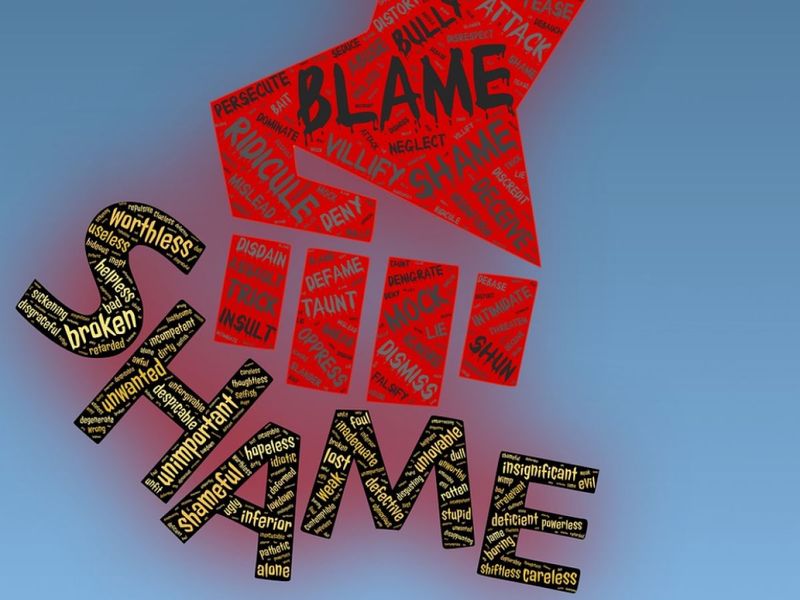
When the warmth of love gives way to constant blame, hateful words, or a pervasive sense of shame, the relationship has entered dangerous emotional territory. Healthy disagreements look nothing like interactions where one or both partners feel humiliated, despised, or routinely made to feel worthless.
Love is supposed to be a source of strength and comfort, not a source of pain and self-doubt. If negativity has become the dominant emotional tone of the relationship, that shift alone is a powerful signal worth taking seriously.
16. Unilateral Sacrifice and Imbalance of Effort
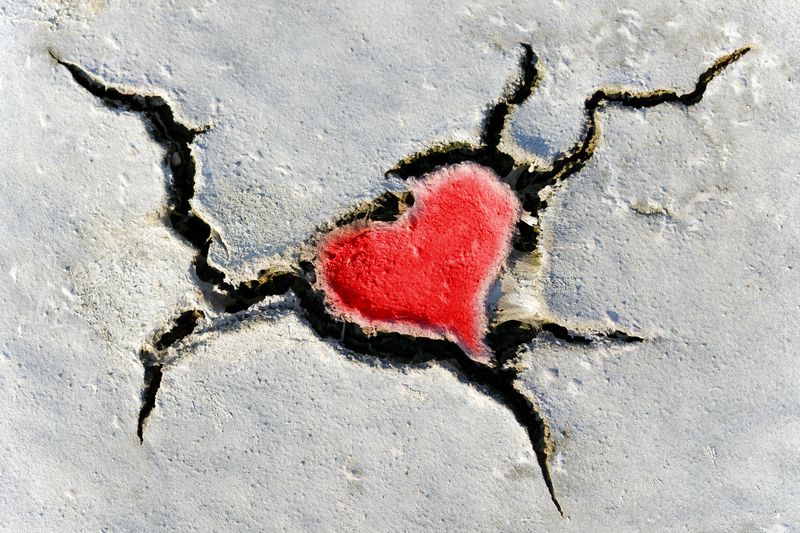
Relationships are partnerships, not one-person performances. When you are the only one making compromises, adjusting your plans, swallowing your needs, and carrying the emotional weight of everything, that imbalance will eventually become unbearable and unsustainable no matter how much you love the other person.
A partner who consistently lets you do all the heavy lifting without reciprocating is showing you, through their actions, how little they value the effort you bring. Recognizing that imbalance is the first step toward valuing yourself enough to demand better.
17. Feeling Relief and Freedom When Away From Your Partner

Pay attention to how you feel when your partner is not around. If time apart brings a wave of relief, peace, or freedom rather than missing them, that emotional reaction is worth examining honestly.
Your body and mind often know the truth before your heart is ready to admit it.
Feeling lighter and more like yourself when your partner is absent is a quiet but powerful sign that the relationship may be draining more from you than it is giving back in return.
18. The On-Again, Off-Again Relationship Cycle

Breaking up and getting back together once in a while is one thing, but a relationship stuck in a constant loop of splitting and reconciling is waving a big red flag. That cycle usually means there are unresolved core issues that neither partner has actually dealt with between rounds.
Each reunion brings hope, but without real change, the same problems resurface quickly. At some point, the pattern itself becomes the relationship, and recognizing that loop for what it is can be genuinely freeing.
19. Your Partner Refuses to Address Toxic Habits

Raising a concern about your partner’s harmful behavior takes courage. When that courage is met with denial, deflection, or outright refusal to even acknowledge the problem, it sends a clear message about how much your feelings actually matter to them.
Ignoring toxic habits does not make them disappear.
Change requires awareness, willingness, and consistent action. A partner who shuts down every honest conversation about their behavior is essentially choosing those habits over the health of the relationship and over you.