
Some cities get a bad reputation before visitors even step foot in them. Whether it is the flat landscape, the early bedtimes, or the lack of flashy attractions, certain American cities have earned the “boring” label from outsiders.
But is that label always fair? Read on to see which cities made the list and why people feel that way about them.
1. Indianapolis, Indiana
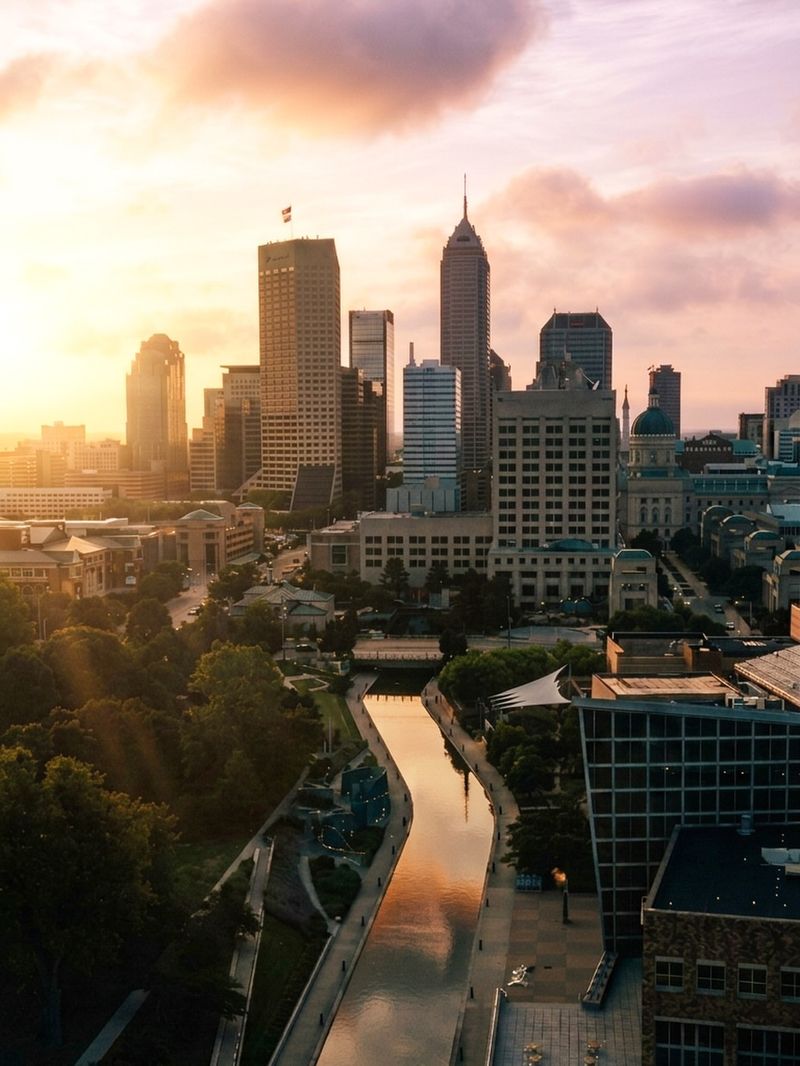
Ask anyone who has visited Indianapolis outside of race weekend, and they might mention how oddly quiet the streets feel. The city buzzes during the Indy 500, but once that energy fades, nightlife thins out fast after 10 p.m.
Its flat geography and spread-out neighborhoods make walking around feel pointless. Live music venues are few compared to similar-sized cities.
For visitors expecting non-stop action, Indy can feel like a city running on a strict schedule.
2. Columbus, Ohio
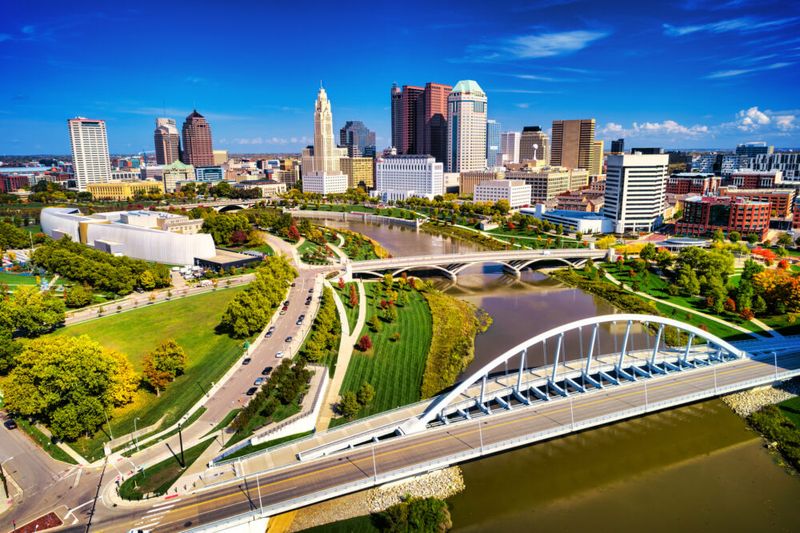
Columbus runs on Ohio State University energy, which means when students leave for summer, the city loses a big part of its pulse. Nightlife districts close early, and alcohol sales tend to stop around 11 p.m., leaving visitors wondering where everyone went.
Cultural festivals are fewer per year compared to peer cities of similar size. Museums exist, but tourist visits per year rank lower than expected.
Without the college crowd, Columbus can feel more like a quiet suburb than a major city.
3. Des Moines, Iowa
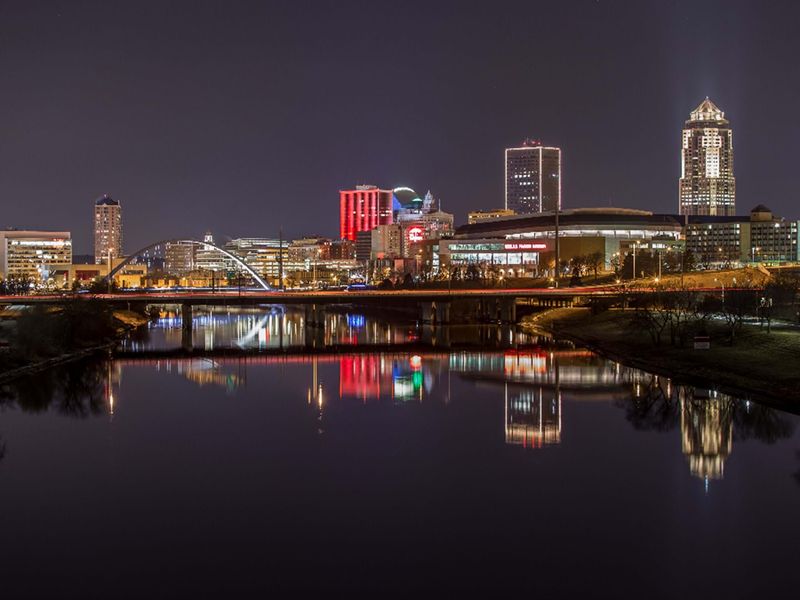
Des Moines has a reputation for being polite, clean, and well-organized, which sounds great until you realize those same qualities can make it feel a little too predictable. Cultural activities here cater mostly to locals, and the evening scene tends to wrap up early.
Visitors passing through often struggle to find a reason to stay longer than a night. The city is genuinely pleasant, but pleasant and exciting are two very different things.
Des Moines is a city that takes care of its residents, but maybe not its tourists.
4. San Jose, California
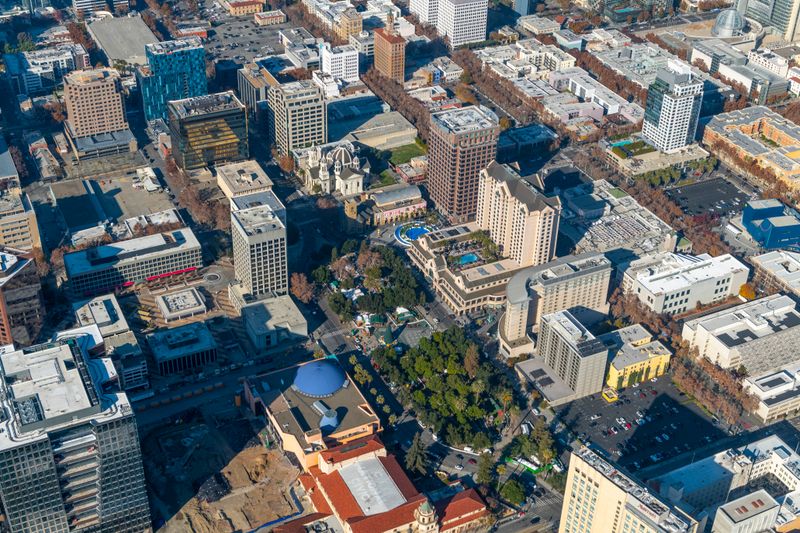
Being the third-largest city in California sounds impressive until you spend a Friday night downtown and realize how few people are out. Over 35% of San Jose’s workforce is in tech, and that work-hard-go-home culture shows on the streets after dark.
Bars and live music venues are surprisingly rare for a city of one million-plus residents. High housing costs push social life indoors, leaving public spaces feeling empty.
San Jose is a city of achievers, but its street life rarely reflects that ambition.
5. Wichita, Kansas
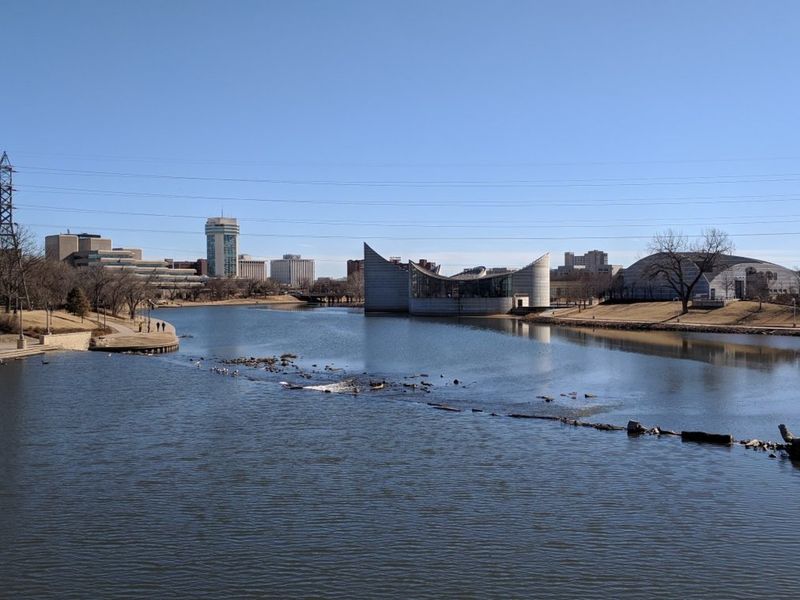
Wichita keeps a low profile, and not in a mysterious way. Major cultural events happen fewer than twice a month on average, and nightlife venues are spread so far apart that hopping between them requires a car and a lot of patience.
The city’s aviation and manufacturing industries mean early mornings are the norm, which pushes late-night demand way down. Tourism numbers stay modest for a city of its size.
Wichita is hardworking and dependable, but those qualities rarely translate into exciting weekend plans.
6. Fresno, California
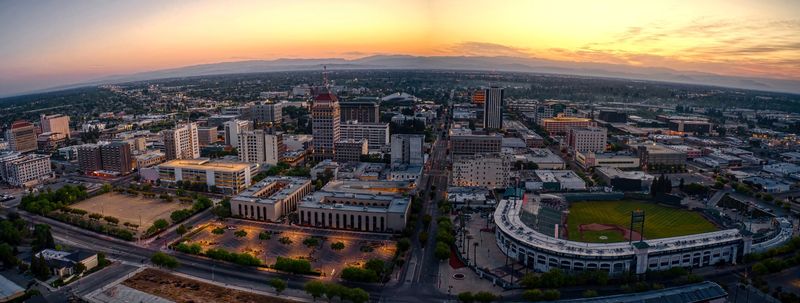
Fresno sits in the heart of California’s Central Valley, surrounded by farmland and baking under intense summer heat. That heat alone keeps many residents and visitors indoors for months at a time, which does not exactly help the city’s social scene.
Small art spaces and local restaurants add some character, but nightlife fades early and the overall vibe feels more functional than fun. Most travelers treat Fresno as a pit stop on the way to Yosemite or the coast, not a destination in itself.
That says a lot.
7. Jacksonville, Florida
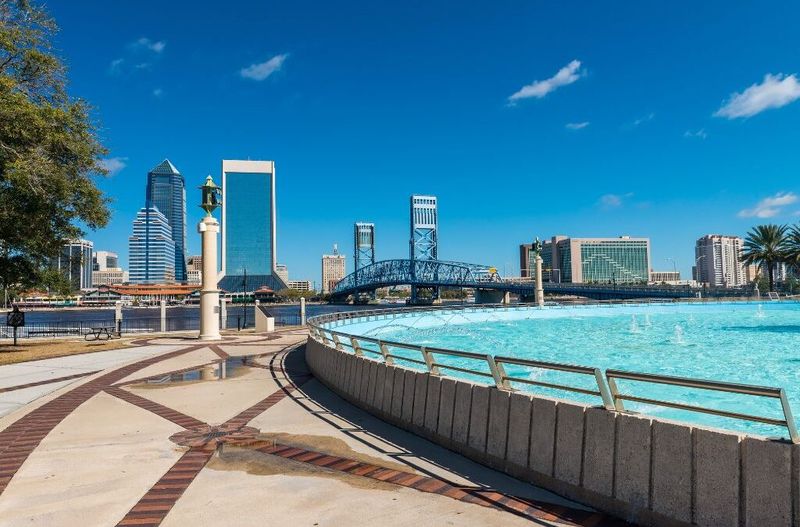
Jacksonville holds the title of one of the largest cities by land area in the contiguous U.S., but size does not equal excitement. Chain restaurants dominate the dining scene, and the number of nightclubs and concert venues is surprisingly low for a city this big.
Unique attractions are hard to come by, and park quality has been a consistent complaint from residents and visitors alike. Annual events are few and far between.
Jacksonville often gets called America’s most boring big city, and the numbers behind that label are hard to argue with.
8. Corpus Christi, Texas
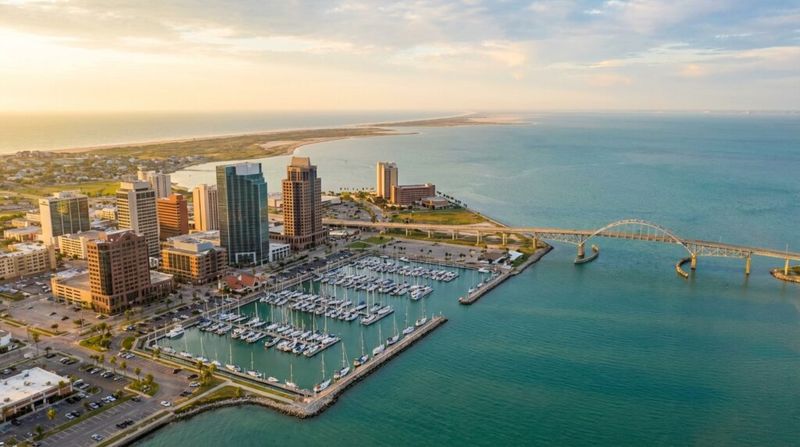
Corpus Christi has the Gulf Coast on its side, which should be a major win. But compared to livelier coastal cities, it feels surprisingly quiet.
The city ranks in the bottom 15 nationally for the number of sports teams and bottom 10 for attractions overall.
Beach days are lovely, but once the sun sets, options narrow quickly. Visitors looking for nightlife or cultural events often find themselves running out of things to do by the second evening.
Corpus Christi is peaceful, but peace and excitement rarely share the same zip code.
9. Lubbock, Texas
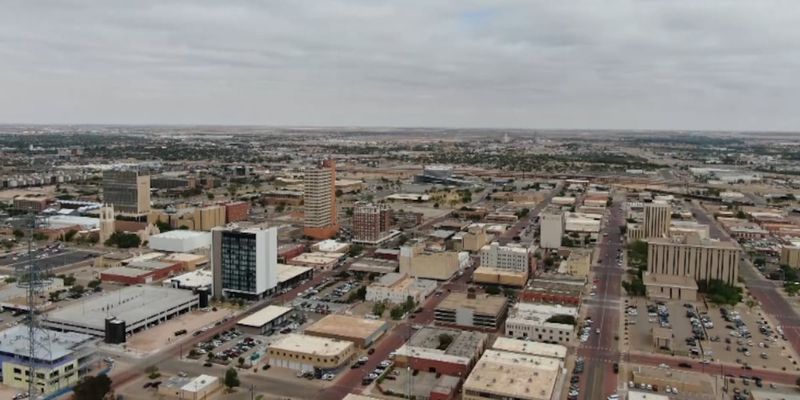
Flat land, wide streets, and long quiet nights define the Lubbock experience for most visitors. The pace here is often described as painfully slow, especially for anyone used to city energy.
Beyond the Buddy Holly Center and a handful of local bars, the entertainment options thin out fast.
The landscape offers very little visual variety, which can make even a short stay feel longer than it is. Locals embrace the calm, but outsiders tend to count the hours until their drive out.
Lubbock has heart, just not a lot of hustle.
10. Fort Wayne, Indiana
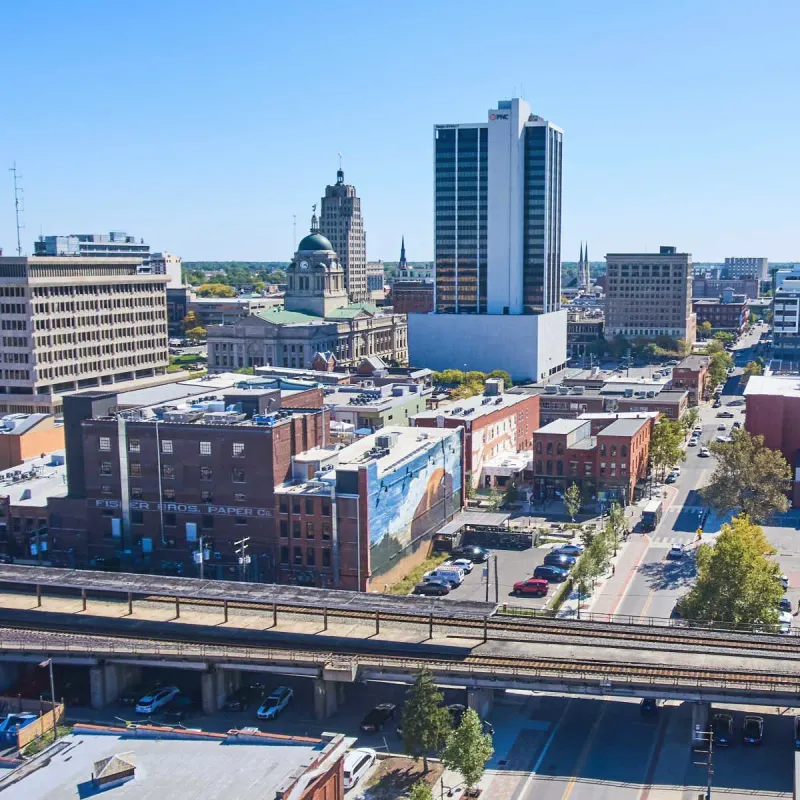
Fort Wayne scores low across nearly every measure of urban excitement: nightlife, live music, arts, and active recreation all rank below average per capita. Fast food restaurants, on the other hand, are plentiful, which tells you something about the city’s pace of life.
There is a certain wholesome charm to Fort Wayne that locals genuinely appreciate. But for a traveler seeking variety, the options feel limited quickly.
The city is safe, affordable, and friendly, but those qualities only go so far when you are looking for something to do on a Saturday night.
11. Plano, Texas
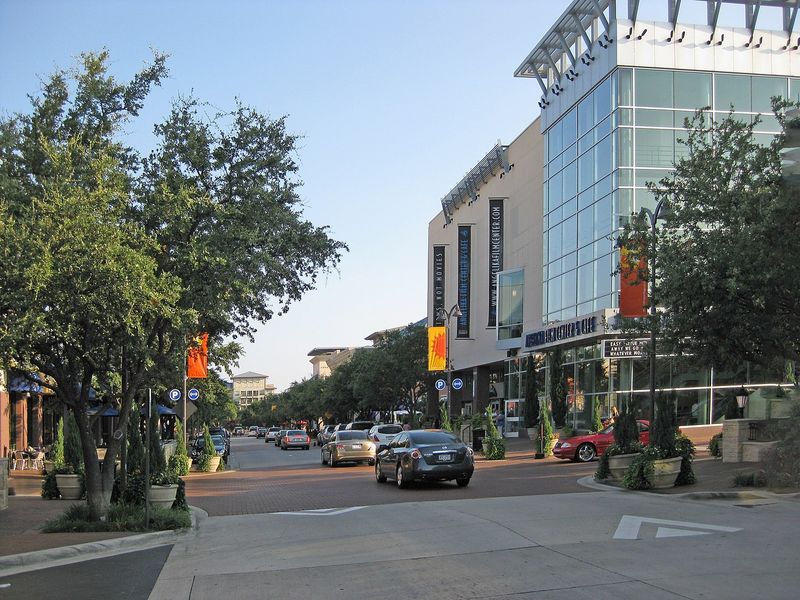
Plano is one of those cities that looks great on paper: low crime, good schools, solid economy. But when it comes to fun, the numbers tell a different story.
Nightlife venues, live music spots, and arts spaces all rank low per capita, while fast food restaurants are everywhere.
The city functions beautifully as a suburb but struggles to stand on its own as a destination. Everything feels designed for convenience, not culture.
Plano is the kind of place people move to for stability, not for the stories they will tell at parties.
12. Mesa, Arizona
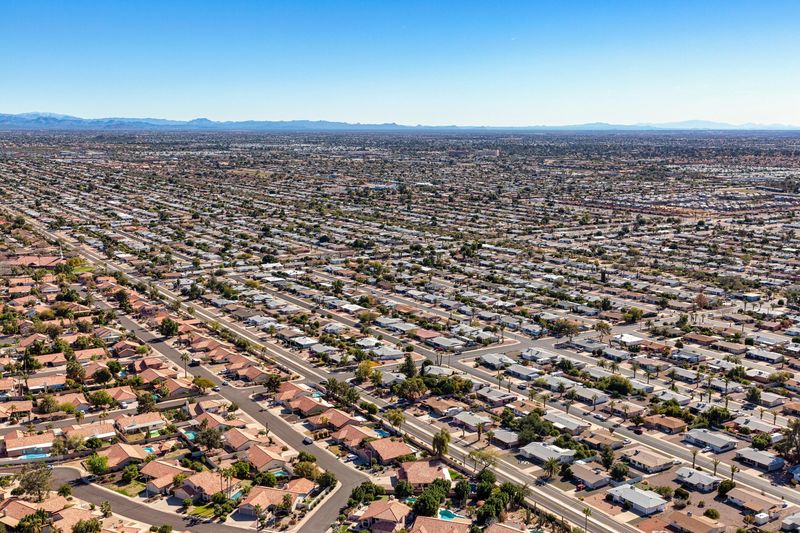
Mesa is Phoenix’s neighbor and shares many of the same car-dependent, suburban qualities that make both cities feel more like a collection of parking lots than a real urban experience. Nightlife is sparse, live music is rare, and arts venues are hard to find per resident.
Fast food chains fill in where cultural destinations are missing. The desert setting is beautiful in its own way, but Mesa’s built environment does not take advantage of it.
Visitors often describe the city as something they passed through rather than somewhere they truly explored.
13. Tallahassee, Florida
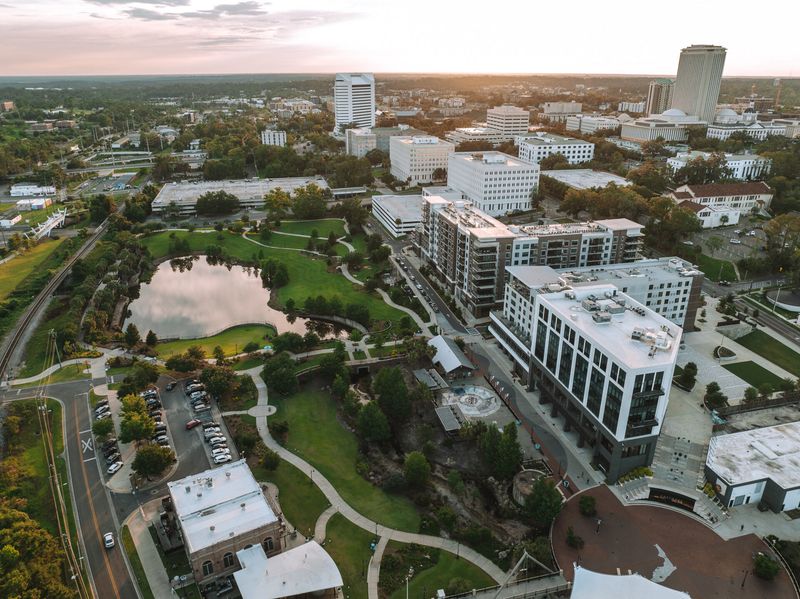
Florida’s capital has a college town vibe, but surprisingly little to show for it off campus. Tallahassee ranks among the bottom 20 cities nationally for amusement places and must-see attractions per capita, and its nightclub count per resident is one of the lowest in the country.
Students make up a big chunk of the city’s energy, but the infrastructure around them is thin. Government buildings and university offices dominate the landscape.
Once the school week ends, Tallahassee can feel like a city that forgot it was supposed to be fun.
14. Oklahoma City, Oklahoma
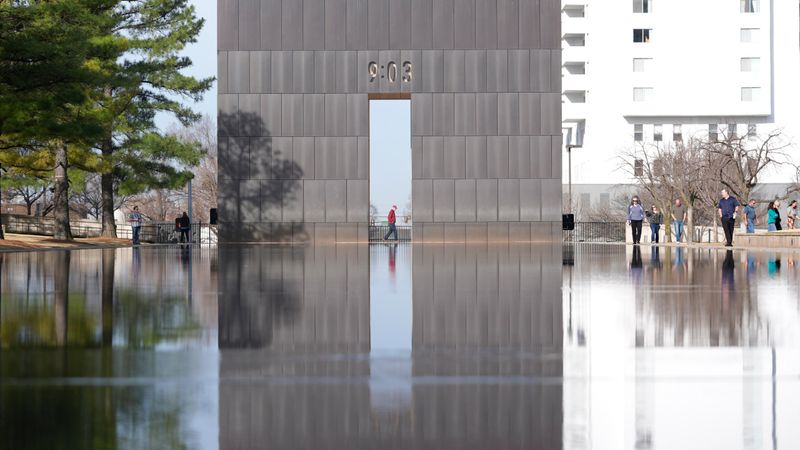
Over half of Oklahoma City’s restaurants are chains, which gives the food scene a very familiar, very predictable flavor. FinanceBuzz ranked the city among the most boring in the country, pointing to a lack of quality parks and a low number of annual events as key reasons.
The city has made real improvements in recent years, especially downtown, but the overall experience still feels thin for visitors expecting a full weekend of activities. Oklahoma City is trying, and locals will tell you it is better than it used to be, but the bar remains low.
15. San Antonio, Texas
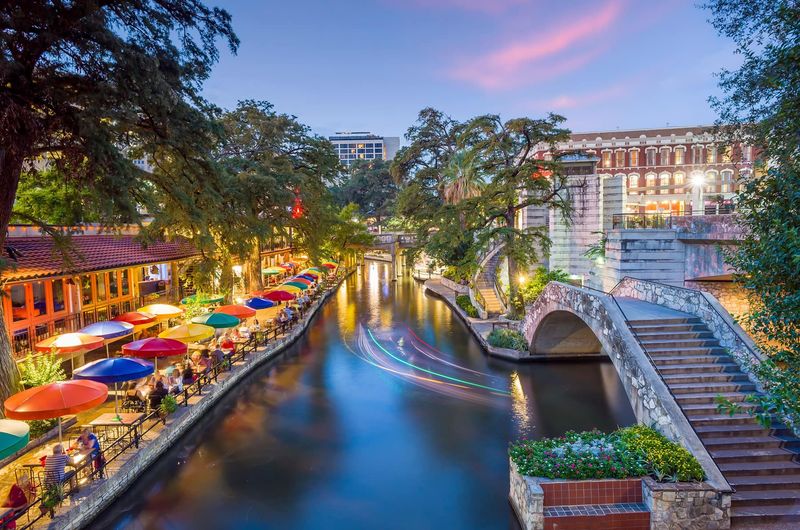
San Antonio has the Alamo and the River Walk, and after those two stops, many visitors start checking their phones for what to do next. The city ranks in the bottom 10 nationally for nightclubs per capita, concert venues per capita, and annual celebrations per resident.
For a city of nearly 1.5 million people, that is a surprisingly thin entertainment calendar. The tourism industry here leans heavily on history, which is meaningful but not always exciting for younger travelers.
San Antonio is rich in heritage but a little light on spontaneous energy.
16. Memphis, Tennessee
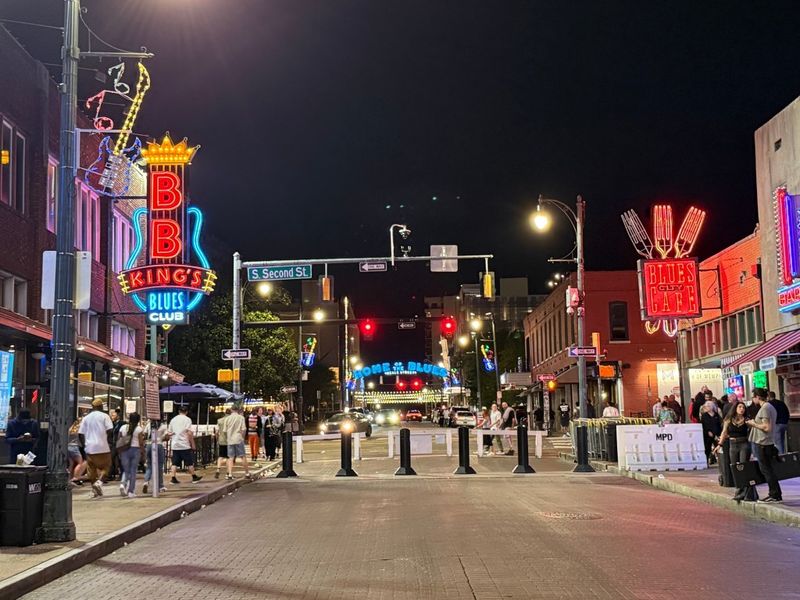
Memphis gave the world the blues, rock and roll, and some of the best barbecue in America, so the boring label feels genuinely unfair. Yet the data backs it up in certain areas: the city has very few hiking trails, low walkability scores, and limited quality green spaces.
Annual events rank among the lowest in the country, which is surprising for a city with such a rich musical identity. The soul is there, but the infrastructure around it needs work.
Memphis deserves more credit than it gets, but it also needs more to do.
17. Sioux Falls, South Dakota
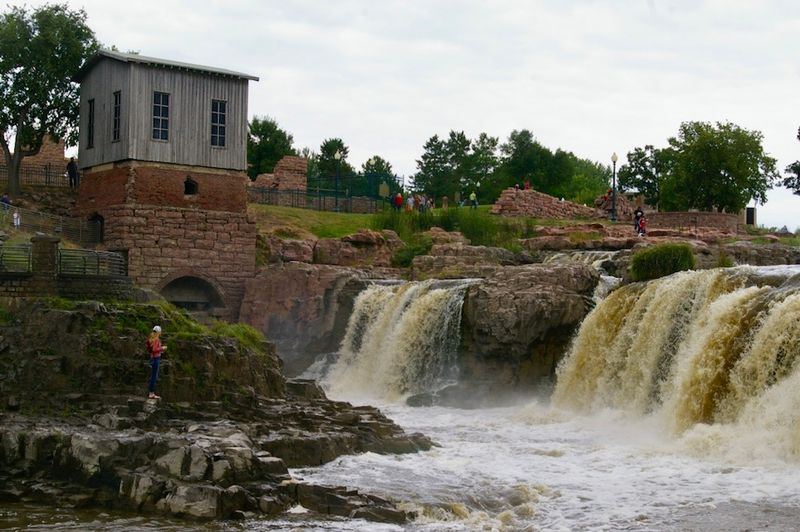
Sioux Falls holds some notable records, and not the fun kind. It has the fourth-lowest number of must-do attractions per capita in the entire country and is tied for the fewest sports teams.
On top of that, 58% of its restaurants are chains, the highest percentage of any city studied.
That chain restaurant figure really captures the city’s personality: familiar, reliable, and safe. There is nothing wrong with that for residents, but it leaves visitors feeling like they could be anywhere.
Sioux Falls is comfortable living, wrapped in a very predictable package.
18. Houston, Texas
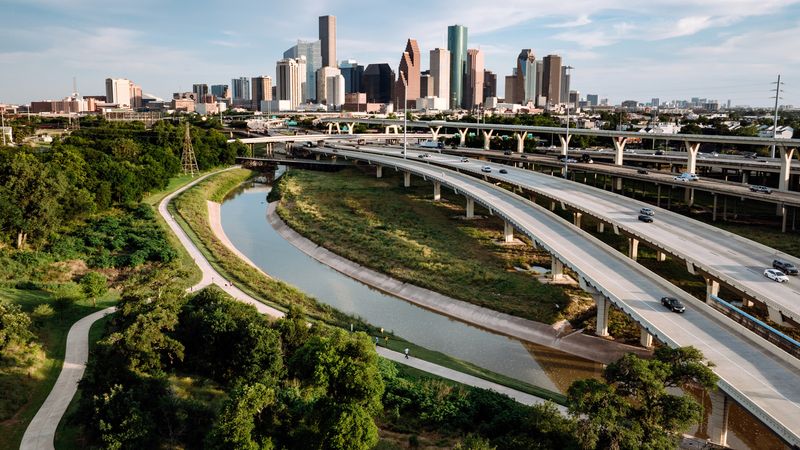
Houston is enormous, and that is both its strength and its biggest problem. The city sprawls in every direction with almost no walkable core, meaning street-level life is nearly nonexistent in most neighborhoods.
After work hours, the energy seems to disappear into garages and driveways.
Getting from one interesting spot to another requires a car, a GPS, and a solid tolerance for traffic. The food scene is genuinely world-class, but the experience of the city itself feels disconnected.
Houston has everything except the feeling that it all belongs together.
19. Orlando, Florida
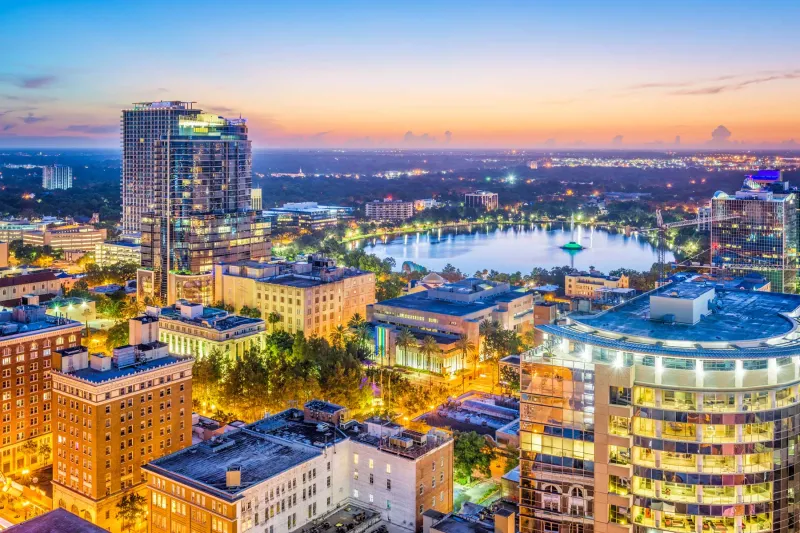
Orlando is basically a theme park that decided to become a city, and the urban fabric reflects that origin story. Beyond Walt Disney World and Universal Studios, the city offers surprisingly little in terms of neighborhood culture, walkable areas, or local character.
Suburban sprawl stretches in every direction, and most of the commercial strips look identical. Visitors who venture outside the parks often describe a feeling of emptiness, like the city exists purely to serve the attractions.
Orlando is world-famous and genuinely fun inside the parks, but step outside and the magic fades fast.
20. Albany, New York
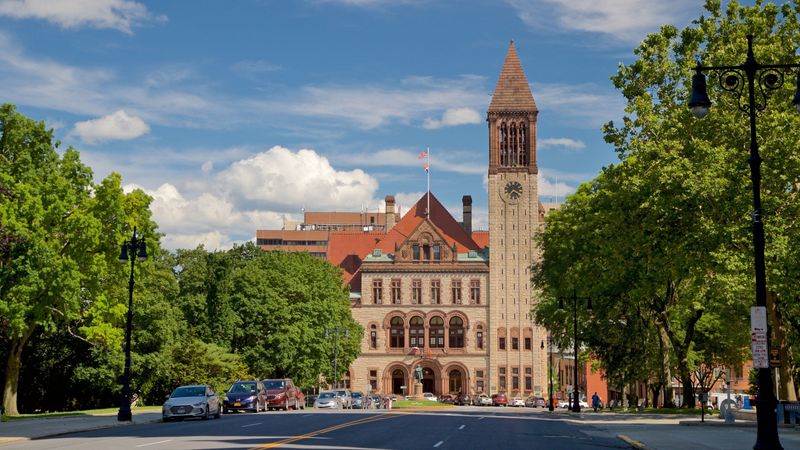
Albany surprises visitors not with energy, but with the absence of it. As New York’s capital, the city is dominated by government buildings, historic architecture, and a downtown that empties out once office workers head home for the evening.
The cultural scene exists but feels restrained, like a city that takes itself very seriously and forgot to loosen up. Locals know where to find good food and hidden gems, but first-time visitors rarely stick around long enough to discover them.
Albany is polished and proper, but it could use a little more spontaneity.