
Making movies isn’t always glamorous. Sometimes actors and crew face dangerous weather, broken equipment, or impossible challenges that turn filming into a real-life adventure.
From typhoons destroying sets to actors nearly drowning, these productions pushed everyone to their limits. Here are stories of films where getting the shot meant risking everything.
1. Apocalypse Now (1979)
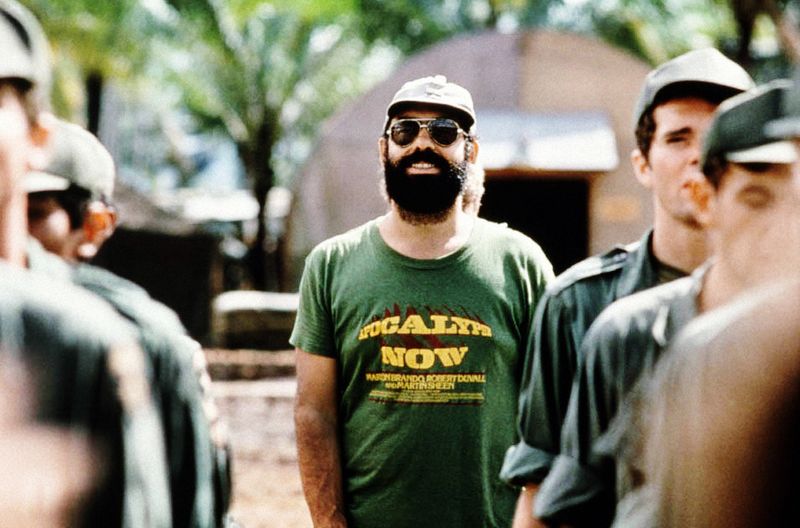
Francis Ford Coppola’s Vietnam War epic became its own battlefield. A massive typhoon swept through the Philippines and destroyed expensive sets that had to be rebuilt from scratch.
Martin Sheen suffered a serious heart attack during filming, putting the entire production at risk. Marlon Brando showed up overweight and unprepared, forcing major script changes and improvisation.
Coppola mortgaged his own house to keep the film going as costs spiraled out of control. The documentary “Hearts of Darkness” captures all the chaos and struggle that happened behind the camera.
2. The Revenant (2015)
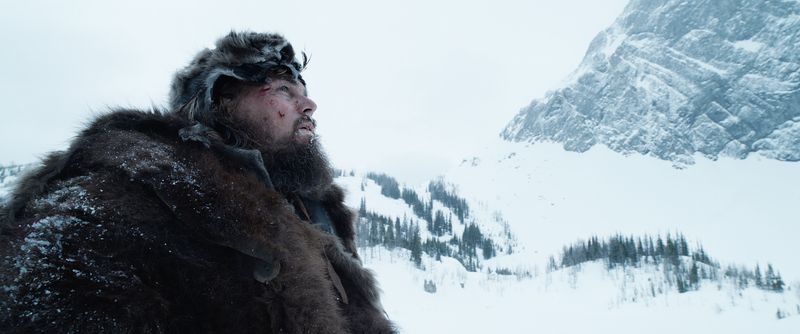
Director Alejandro G. Iñárritu made an unusual demand: shooting everything in chronological order.
This created massive headaches for the production team trying to coordinate locations and schedules.
Cast and crew endured brutal cold that tested their physical and mental limits. The budget ballooned by seven million dollars as challenges mounted.
When the weather wasn’t cold enough, they actually moved filming to another continent. Finding the perfect freezing conditions became an obsession that drove the entire production schedule and pushed everyone’s endurance to the breaking point.
3. The Abyss (1989)
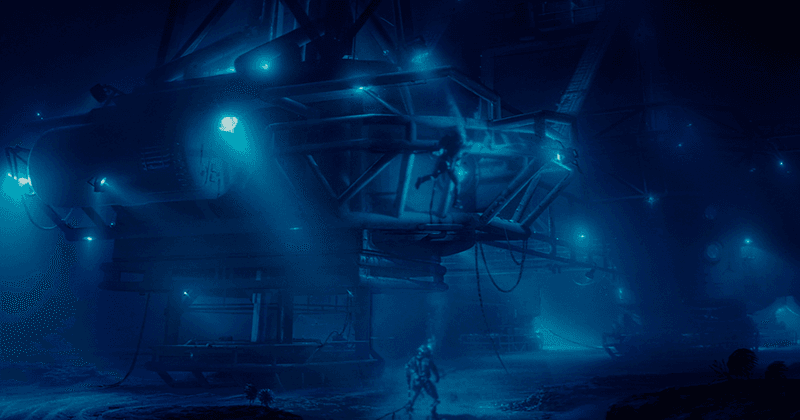
James Cameron took his cast underwater for most of this sci-fi thriller. Every single actor had to become a certified diver before cameras could roll.
After each underwater shoot, performers went through decompression procedures like deep-sea divers. Ed Harris nearly drowned during one terrifying scene and refuses to discuss the film to this day.
The cast described the experience as stressful and genuinely frightening. Breathing through regulators while performing complex scenes created constant anxiety.
What looked magical on screen felt like survival training for everyone involved in the production.
4. Jaws (1975)
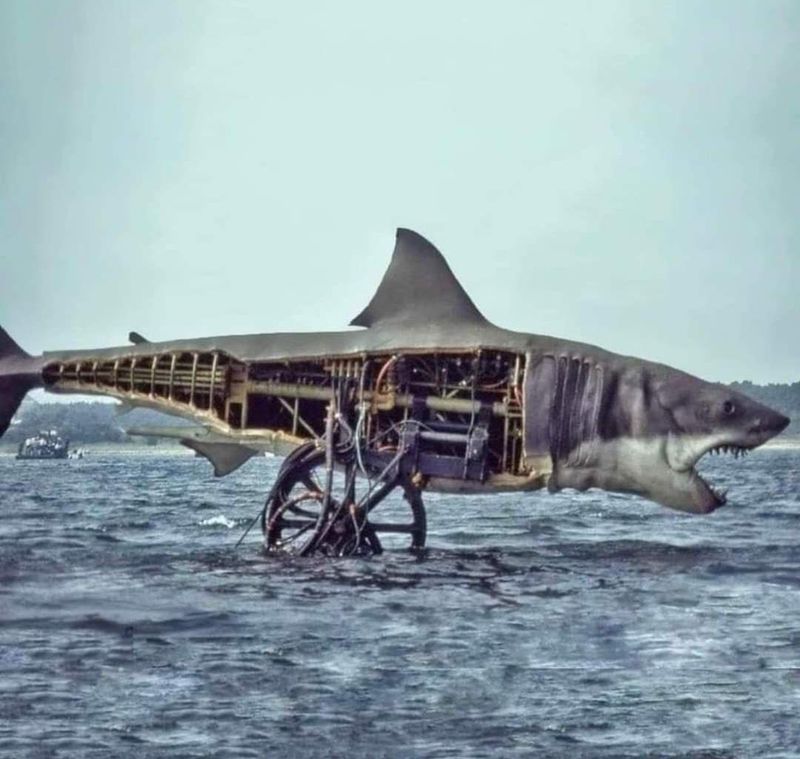
Steven Spielberg’s shark thriller became famous for what you don’t see. The mechanical shark, nicknamed Bruce, broke down constantly in the salty ocean water.
Filming on actual ocean presented endless technical problems. Boats, cameras, and equipment all struggled against waves and weather that wouldn’t cooperate with the shooting schedule.
Bruce’s frequent breakdowns forced Spielberg to get creative with suspense. He showed less of the shark and built more tension, accidentally creating a masterclass in horror.
The technical failures actually made the movie scarier than anyone originally planned.
5. Fitzcarraldo (1982)
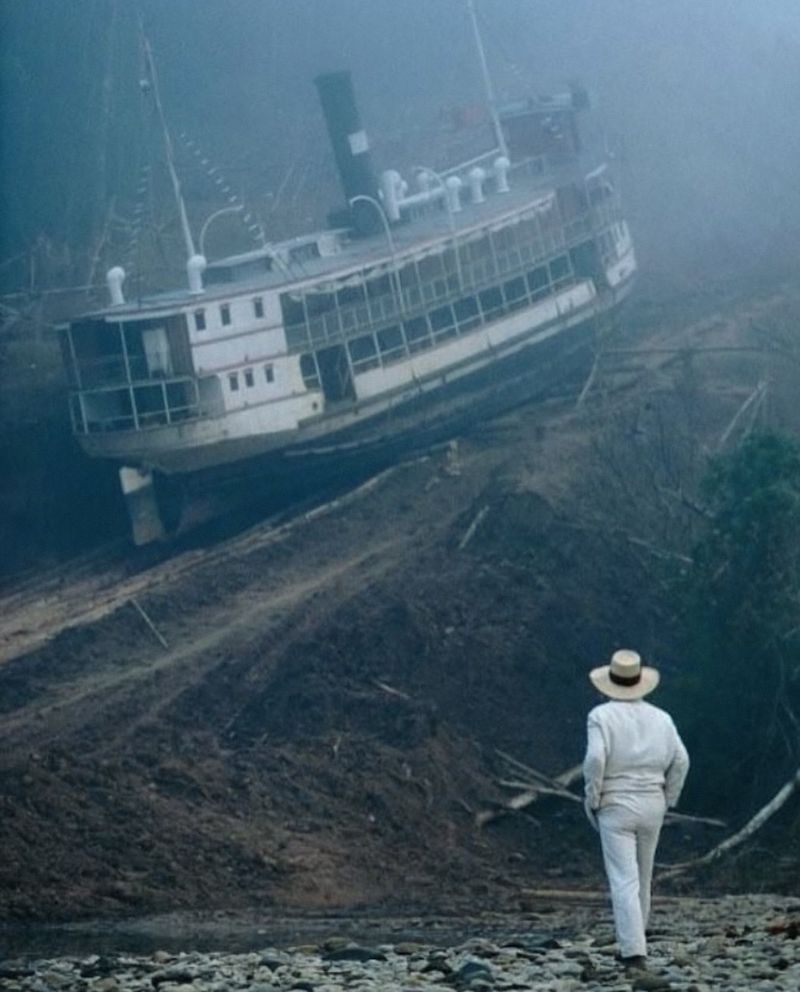
Werner Herzog refused to use miniatures or special effects for his ambitious vision. He insisted on dragging a real 320-ton steamship over a hill between two rivers in the Amazon.
The production set up camp in one of the most remote parts of South America. Dozens of local workers joined the crew for this seemingly impossible physical challenge.
Watching the massive vessel inch up the hillside took weeks of dangerous, backbreaking work. Herzog’s commitment to practical effects created one of cinema’s most authentic and grueling production stories that still amazes filmmakers today.
6. Waterworld (1995)
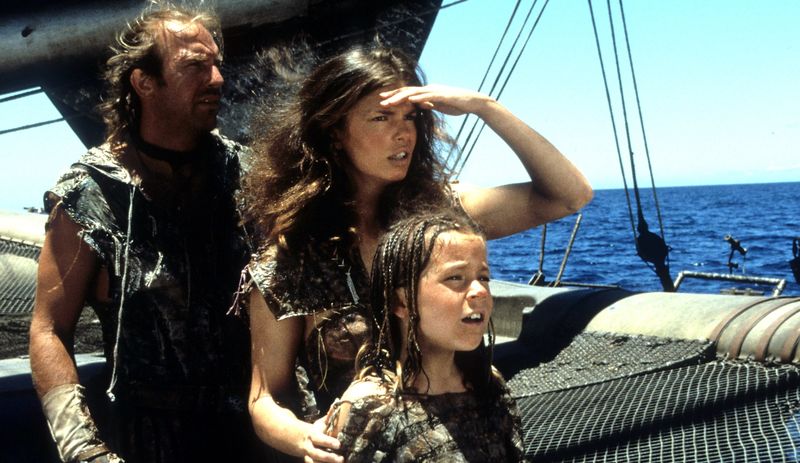
Kevin Costner’s post-apocalyptic adventure took place entirely on water, creating problems nobody anticipated. A hurricane completely destroyed the main floating set, forcing expensive rebuilds.
Costner himself nearly died when caught in a dangerous storm during filming. Actresses got stung repeatedly by jellyfish, and one stunt performer went missing at sea temporarily.
The budget exploded from 100 million to 175 million dollars. Every day on the water brought new disasters and delays.
What seemed like a cool concept became Hollywood’s most expensive lesson about filming on unpredictable oceans.
7. Titanic (1997)
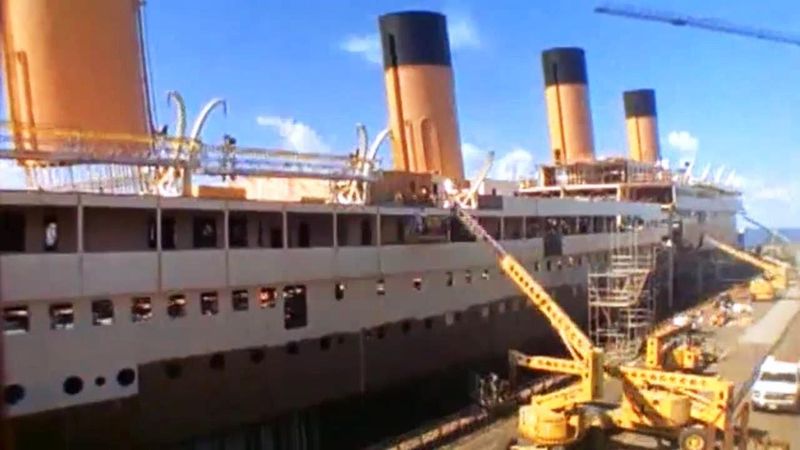
James Cameron built a massive recreation of the famous ship that many Hollywood insiders predicted would sink his career. The scale of construction seemed impossible to manage or afford.
Creating accurate period details while coordinating thousands of extras required military-level planning. The sinking sequences needed precise timing and safety measures for hundreds of performers in water.
Industry experts called it a potential disaster before release. Cameron’s obsessive attention to historical accuracy and technical perfection drove costs skyward.
Instead of failing, the film became one of history’s biggest blockbusters, proving the demanding production worthwhile.
8. The Shining (1980)
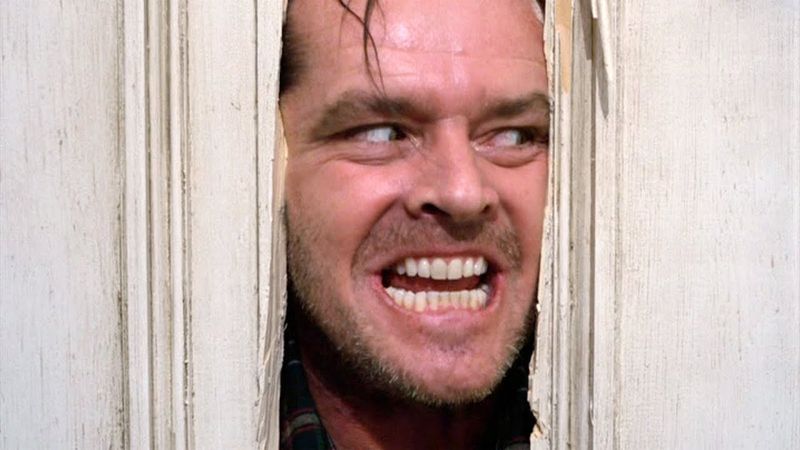
Stanley Kubrick’s perfectionism became legendary during this horror classic. The famous “Here’s Johnny!” scene required three full days of shooting and 60 different doors.
Jack Nicholson’s enthusiastic axe work kept destroying doors faster than the crew expected. He improvised the iconic line, adding to the scene’s terrifying energy.
Poor Scatman Crothers filmed one wordless scene that Kubrick made him repeat 60 times. The exhausted actor eventually broke down from frustration and fatigue.
Kubrick’s relentless demand for perfection created brilliance but tested everyone’s sanity during the long shoot.
9. Twilight Zone: The Movie (1983)
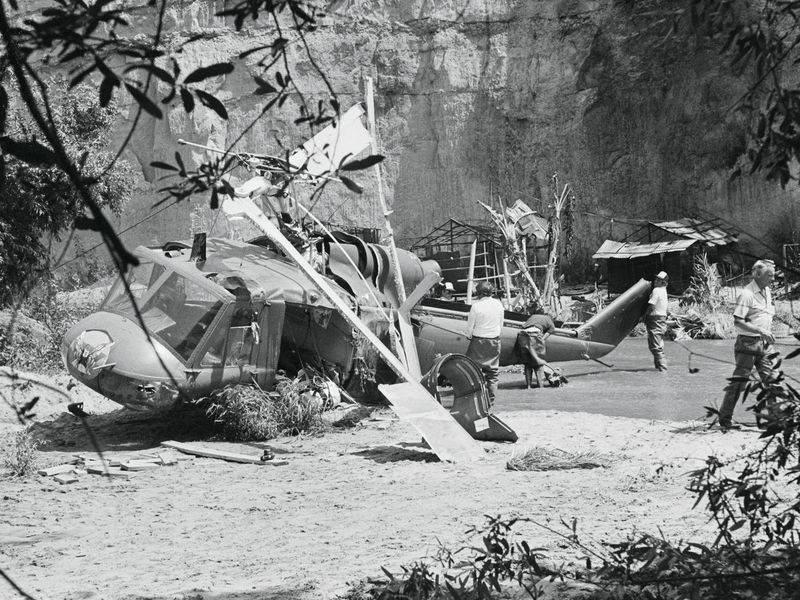
This production is remembered for tragedy rather than triumph. A helicopter crash during filming killed actor Vic Morrow and two young child actors in a horrific accident.
The disaster happened during a Vietnam War scene involving explosions and low-flying aircraft. Safety protocols were questioned, and the incident changed how Hollywood approaches dangerous stunts forever.
Multiple investigations and trials followed the deaths. The entertainment industry implemented stricter safety regulations for child actors and aerial filming.
This terrible event serves as a permanent reminder that no movie is worth risking human lives during production.
10. The Texas Chainsaw Massacre (1974)
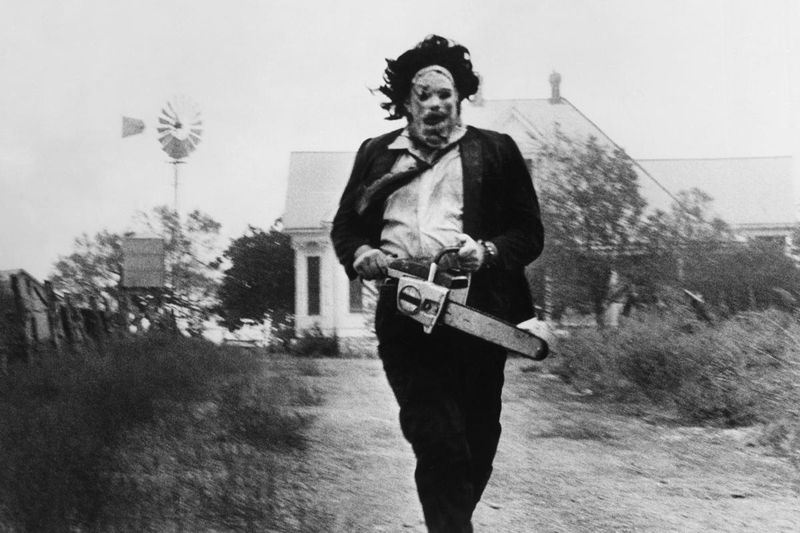
The original horror classic earned its reputation through a genuinely hellish shoot. Cast and crew endured brutal Texas heat in a house without air conditioning.
The documentary “The Shocking Truth” reveals the extreme conditions everyone suffered through. Actors wore the same blood-soaked costumes for days in sweltering temperatures.
Tempers flared constantly as exhaustion and discomfort pushed people to their breaking points. The genuine misery and tension on set translated into authentic fear on screen.
What audiences see as acting was often real distress from people working in truly awful conditions.
11. The Island of Dr. Moreau (1996)
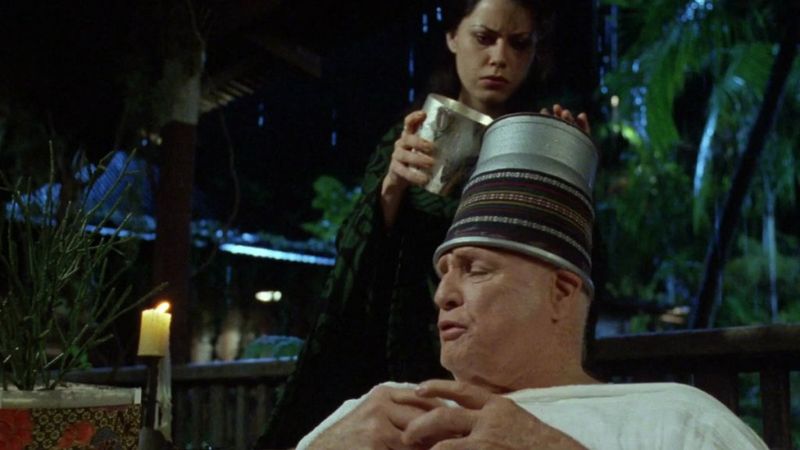
This sci-fi remake suffered epic problems that became Hollywood legend. Marlon Brando arrived weeks late and immediately demanded bizarre plot changes that derailed the script.
The troubled production spawned its own documentary chronicling the behind-the-scenes disasters. Director Richard Stanley was fired early, and replacement John Frankenheimer struggled to maintain control.
Brando’s eccentric behavior included wearing an ice bucket on his head and insisting on strange costume choices. Val Kilmer reportedly refused to cooperate with directors and co-stars.
The film became a cautionary tale about productions spiraling into complete chaos.
12. Saving Private Ryan (1998)
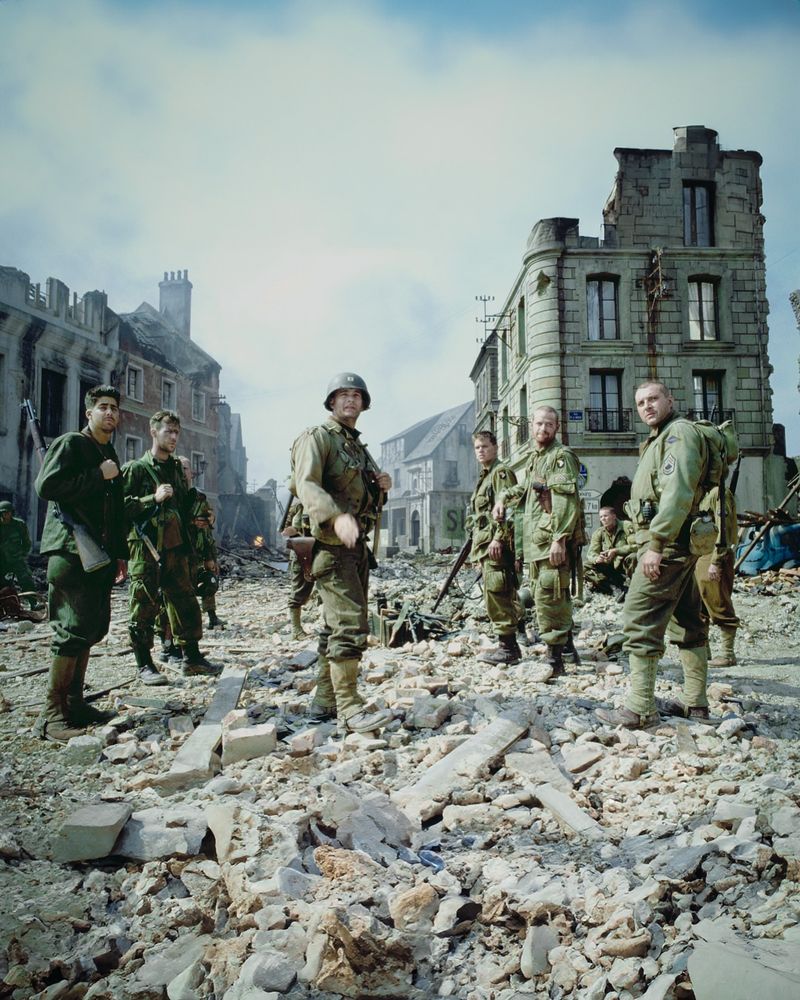
Steven Spielberg recreated D-Day with unprecedented realism using 1,500 uniformed extras, including actual Irish soldiers. The Omaha Beach assault took several days to film properly.
Spielberg skipped storyboards and shot directly, capturing chaos through multiple takes. This approach created authentic confusion and terror that feels documentary-like.
Coordinating thousands of people, explosions, and cameras required massive planning. The visceral battle sequence set new standards for war movie realism.
Extras experienced physically demanding work that gave them small tastes of actual combat stress and exhaustion.
13. Mission: Impossible – Ghost Protocol (2011)
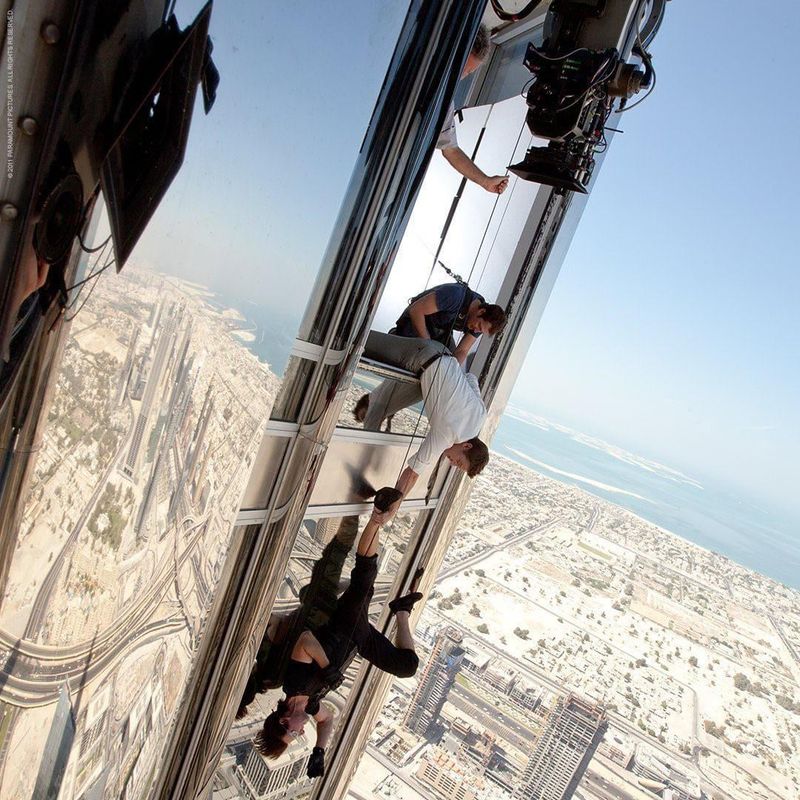
Tom Cruise scaled Dubai’s Burj Khalifa, the world’s tallest building, performing his own stunts on the exterior glass. The studio actually had to change insurance companies because of this crazy sequence.
A replica section was built specifically for the specialized rigs and safety equipment. Even with harnesses, running along glass 1,700 feet up pushed physical and mental limits.
The practical stunt created genuine tension that CGI couldn’t match. Cruise’s commitment to real danger elevated the entire franchise.
Audiences knowing he actually did it made the scene exponentially more thrilling and impressive.
14. Spider-Man (2002)
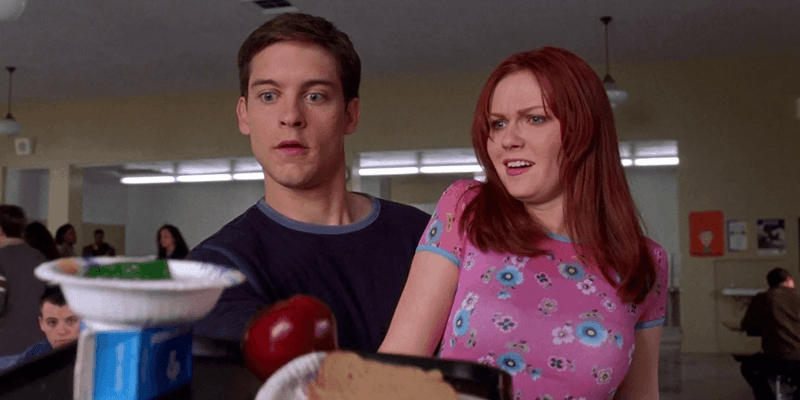
Remember Peter Parker catching Mary Jane’s falling lunch tray? That wasn’t computer magic.
Tobey Maguire performed it for real using practical effects.
It took 156 attempts and a full 16-hour shooting day to nail the sequence. Maguire used glue to help his hand stick to the tray, but the timing still required incredible precision and patience.
Director Sam Raimi insisted on practical effects whenever possible. The dedication to getting this brief moment perfect shows the commitment to authenticity.
One small scene became a testament to old-school filmmaking persistence and determination.
15. The Bridge on the River Kwai (1957)
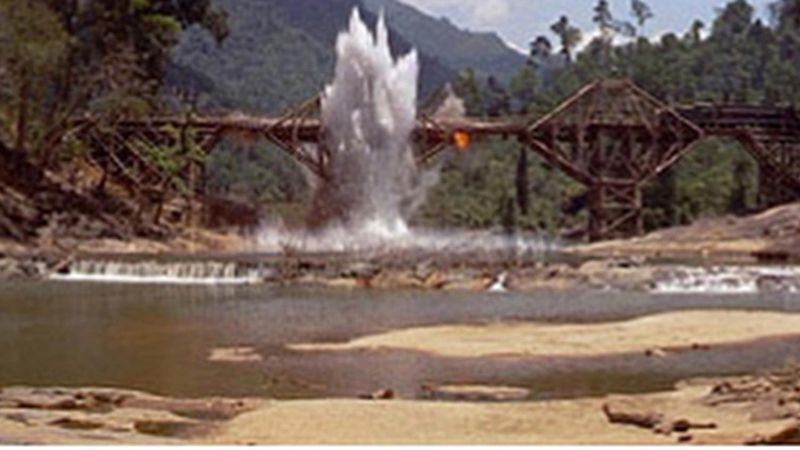
David Lean built an actual bridge solely to destroy it in one spectacular shot. The climactic explosion required perfect timing because there were no second chances.
Constructing a functional bridge just for demolition demonstrated old Hollywood’s commitment to practical effects. Engineers and filmmakers worked together to ensure both safety and visual impact.
The train crossing during the explosion had to be choreographed precisely. One mistake would waste months of construction and planning.
When cameras rolled for the destruction sequence, everyone held their breath knowing this single moment defined the entire production’s success.