
Staying in an unhappy marriage is more common than most people realize, and the reasons behind it are often complicated and deeply personal. Many couples find themselves stuck, not because they stopped caring, but because leaving feels scarier than staying.
From money worries to fear of being alone, a wide range of factors can keep two people together long after the spark has gone. Understanding these reasons can help people make clearer, healthier choices for their future.
1. Financial Dependence and Security

Money is one of the most powerful forces keeping unhappy couples together. When one partner earns significantly more, the other may fear losing their financial safety net.
Divorce can be expensive, and some studies suggest women may lose 25 to 50 percent of their pre-divorce income.
Starting over financially is terrifying, especially with a mortgage, car payments, or credit card debt in both names. Many people simply cannot picture how the numbers would work on their own.
2. Fear of the Unknown and Change

Humans are wired to feel comfortable with what they already know, even when it hurts. The idea of completely rebuilding a life from scratch can feel overwhelming, almost paralyzing.
Change means new routines, a new home, new social circles, and a new version of yourself.
Many people quietly ask themselves, “What if I make the wrong choice and regret it forever?” That fear of stepping into the unknown often wins over the discomfort of staying put.
3. Fear of Being Alone
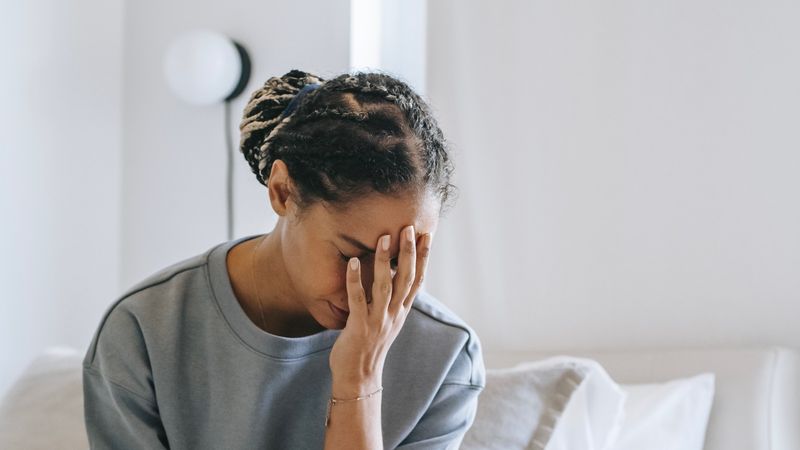
After years of sharing a life with someone, the thought of coming home to an empty house can feel unbearable. Many people have never truly lived alone as adults, and the idea of doing so at 40 or 50 is genuinely scary.
Some worry they will never find love again or that being single at their age carries a kind of social shame. Staying with a familiar partner, even an unhappy one, can feel safer than facing total solitude.
4. Concern for the Children’s Well-being

“We are staying together for the kids” is one of the most repeated phrases in troubled marriages. Parents genuinely want to protect their children from pain, and the idea of splitting a family apart feels cruel.
Many believe that two parents under one roof is always better than a divided home.
Research, however, shows that children raised in high-conflict or emotionally cold households can suffer just as much. A peaceful two-home situation often serves kids far better than a tense, unhappy one.
5. Social and Cultural Pressure
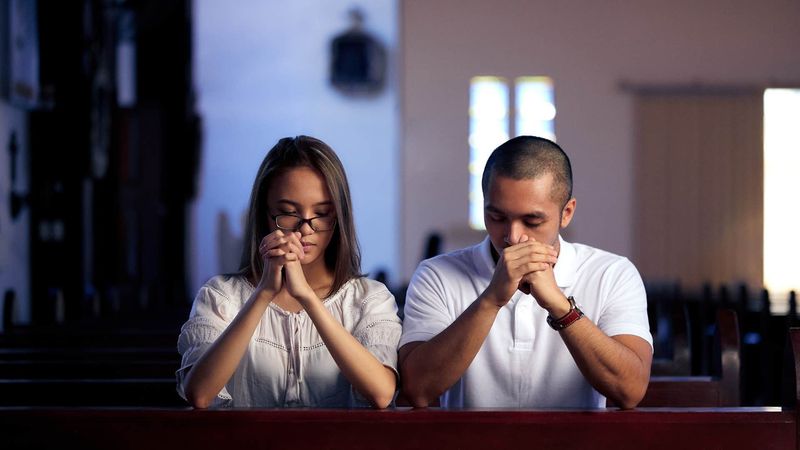
In some families, communities, and religions, divorce carries a heavy social stigma. Leaving a marriage can feel like announcing a personal failure to everyone who attended your wedding.
The fear of judgment from parents, neighbors, and close friends can be a surprisingly strong force.
Cultural expectations run deep, and many people quietly endure unhappy marriages rather than face whispered conversations or disappointed relatives. Fitting in with community norms can sometimes feel more urgent than personal happiness.
6. Holding Onto Hope for Improvement

“Maybe things will get better” is a thought that keeps countless people in marriages that have long stopped working. Good memories of early love, a surprisingly sweet moment last Tuesday, or a partner who promises to change can all reignite a flicker of hope.
Psychologists call this “intermittent reinforcement,” where occasional positive moments make the bad times feel worth enduring. Clinging to the possibility of the relationship returning to its best days is deeply human, even when the evidence says otherwise.
7. Comfort in Familiarity and Habit

There is something oddly comforting about the predictable, even when it is not making you happy. Knowing exactly how your mornings will go, which side of the bed is yours, and what your partner will order at a restaurant creates a kind of emotional autopilot.
Breaking those habits means relearning how to live, and that takes real energy. Many couples stay not because they love each other deeply, but because the routine of their shared life feels easier than the effort of dismantling it.
8. Low Self-Esteem and Loss of Identity

Years inside an unhappy marriage can quietly chip away at a person’s sense of worth. Some partners come to believe they simply do not deserve anything better, or that no one else would ever want them.
That inner voice becomes the biggest obstacle to leaving.
When your identity has been “we” for 15 years, stepping back into “I” can feel disorienting. Many people stay because they genuinely do not know who they are outside of the marriage anymore.
9. The Sunk Cost Fallacy
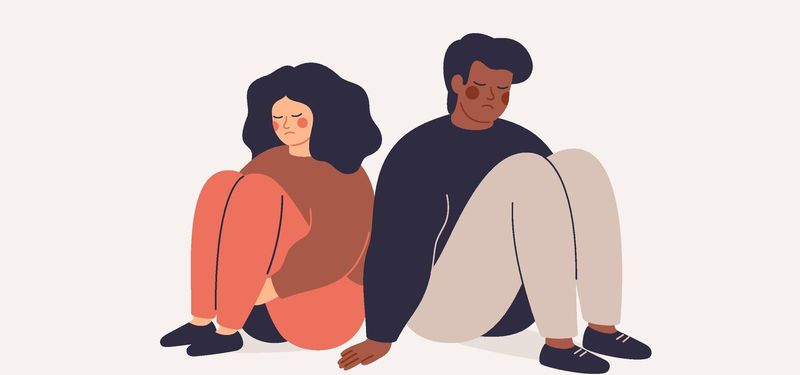
“We have put 20 years into this, so we cannot just walk away.” Sound familiar? The sunk cost fallacy tricks people into staying in bad situations simply because they have already invested so much.
Time, emotion, money, and sacrifice all feel like reasons to keep going, even when logic says otherwise.
Walking away can feel like admitting all those years were wasted. But continuing a painful relationship just to justify past investment only adds more loss to an already difficult situation.
10. Protecting a Dependent Partner

Some people stay in unhappy marriages out of genuine care for their partner’s emotional or physical well-being. If one spouse struggles with depression, illness, or deep emotional reliance, the other may feel that leaving would be cruel or even dangerous.
This kind of selfless staying often comes from a loving place, but it can also quietly become a trap. Putting a partner’s needs permanently above your own happiness is a form of sacrifice that eventually takes a serious toll.
11. Guilt and Unmet Vow Obligations

“For better or for worse” carries real weight for many people. Breaking a vow made before family, friends, or God can produce deep, lasting guilt.
Some individuals feel they have not tried hard enough, or that leaving makes them a bad person.
Guilt is a quiet but persistent reason people stay long past the point of happiness. It wraps itself around the decision to leave and makes every step toward the door feel like a moral failure rather than a courageous choice.
12. Maintaining a Lifestyle and Social Image

Divorce does not just end a relationship. It can dismantle an entire lifestyle.
Shared friend groups, country club memberships, holiday traditions, and a carefully curated public image can all disappear when a marriage does.
For some couples, the social and material life they have built together feels too valuable to give up. Keeping up appearances becomes a full-time job, and many find it easier to maintain the facade than to start building something new from the ground up.
13. Acceptance and Quiet Resignation

Over time, some people simply stop expecting more from their marriage. They accept a loveless, emotionally flat relationship as their reality and tell themselves, “This is just how life is.” The fight to feel something more gradually fades into a kind of quiet surrender.
Resignation can look like contentment from the outside, but inside it often feels like giving up. Many people convince themselves that settling is wisdom, when in truth it is a slow erosion of the life they once imagined for themselves.
14. Perceived Lack of Better Alternatives

Sometimes people stay not because the marriage is good, but because they cannot picture anything better waiting on the other side. The dating world feels foreign and intimidating, especially after a long absence from it.
Single life after 40 or 50 can feel like a territory with no map.
When someone genuinely believes their options are limited, staying feels logical. A familiar unhappiness starts to seem preferable to the uncertainty of searching for something that may not even exist.
15. Emotional Disconnection That Feels Like a Trap

When emotional connection fades gradually over years, couples can end up feeling like polite strangers sharing a house. There is no big dramatic fight, no clear breaking point, just a slow drift into emotional numbness.
Ironically, this disconnection can make leaving feel harder, not easier.
Without strong emotion pulling them apart, many couples drift into a kind of marital limbo. The absence of love does not always feel urgent enough to act on, so they stay, neither together nor truly apart.
16. The “Never a Good Time” Syndrome

“We will deal with it after the holidays.” “Not while the kids are in school.” “Maybe once things calm down at work.” Sound like excuses? They often are, but they feel completely reasonable in the moment.
There is always a reason to wait just a little longer.
This pattern of perpetual delay is sometimes called the “never a good time” syndrome. Life is always happening, and using its busyness as a reason to avoid a hard conversation keeps many people stuck indefinitely, year after year.