
Food has always been one of the easiest ways to say I care about you without using words. Around the world, people bake, twist, and mold treats into hearts, rings, knots, and circles to show love and friendship.
Each shape carries a story passed down through families for hundreds of years. Get ready to discover tasty traditions you might want to try at home with the people who matter most to you.
1. Welsh Love Spoon Biscuits
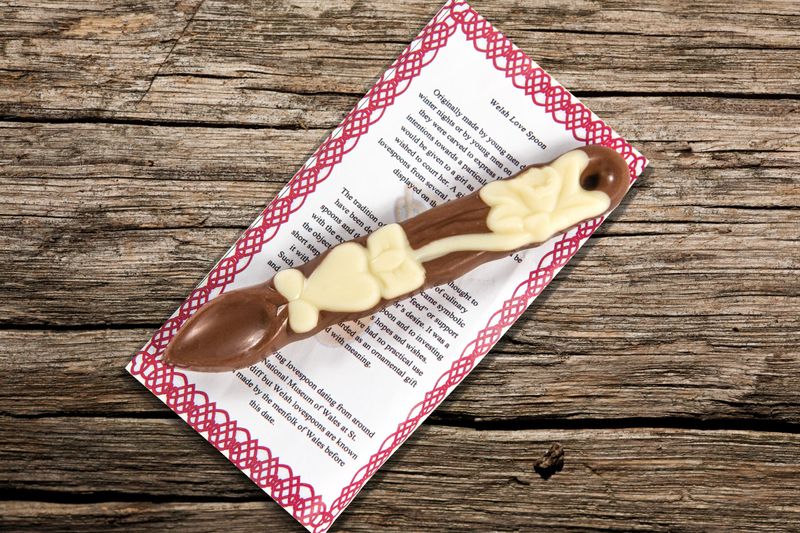
Young men in Wales once spent weeks carving wooden spoons to impress the person they hoped to marry. Bakers now borrow that romantic idea and shape biscuits like the famous love spoons.
Patterns tell secret messages. A heart means love, a knot means forever, and a bell hints at a wedding.
You can pipe these symbols with icing at home.
Gift a few on St Dwynwen’s Day, the Welsh day of love, every January 25.
2. German Lebkuchen Hearts
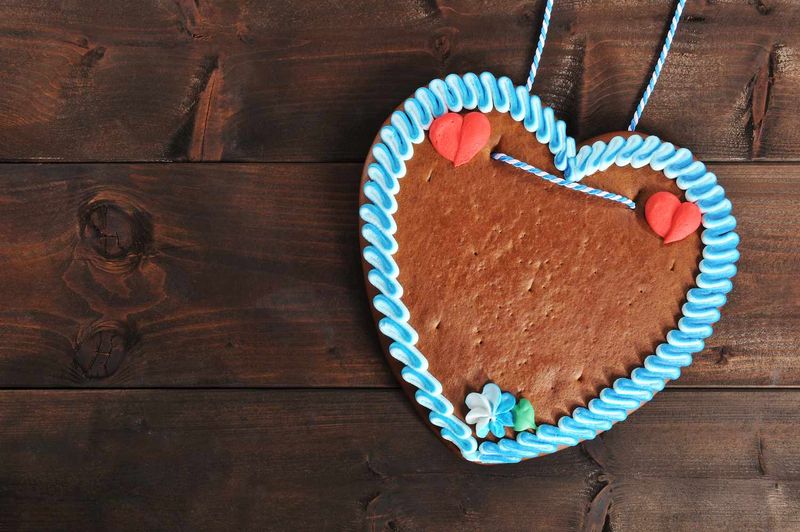
Picture a giant gingerbread heart hanging around your neck on a ribbon. At German fairs and Oktoberfest, that is a totally normal sight!
Lebkuchenherzen are decorated with sweet sayings like Ich liebe dich, meaning I love you. Couples and friends buy them for each other as keepsakes.
Here is a fun tip: most people never eat them. The cookies are often too hard, so they hang on walls as souvenirs for years.
3. Italian Taralli Rings
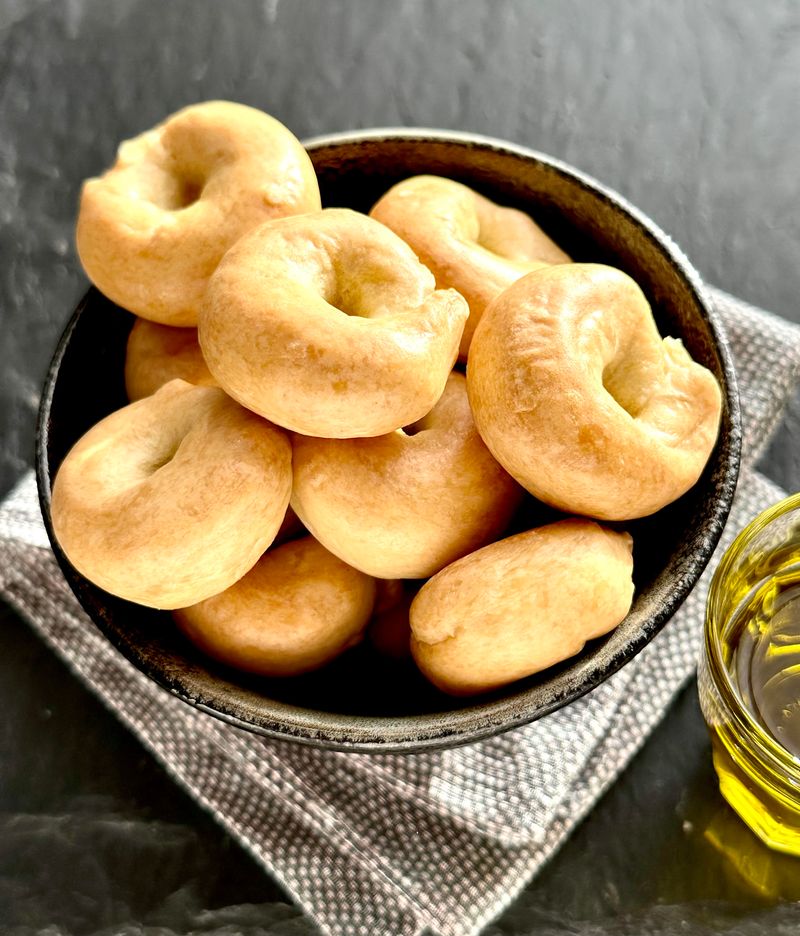
Crunchy, golden, and shaped like tiny circles, taralli come from southern Italy. Families gather to roll and boil them together, often chatting for hours.
The ring stands for the unbroken bond of family and friendship. In Puglia, a bowl of taralli on the table is a quiet welcome to any guest.
Try them with fennel seeds or black pepper. They pair wonderfully with cheese, and kids love helping to twist the dough.
4. Swiss Zopf Braided Bread
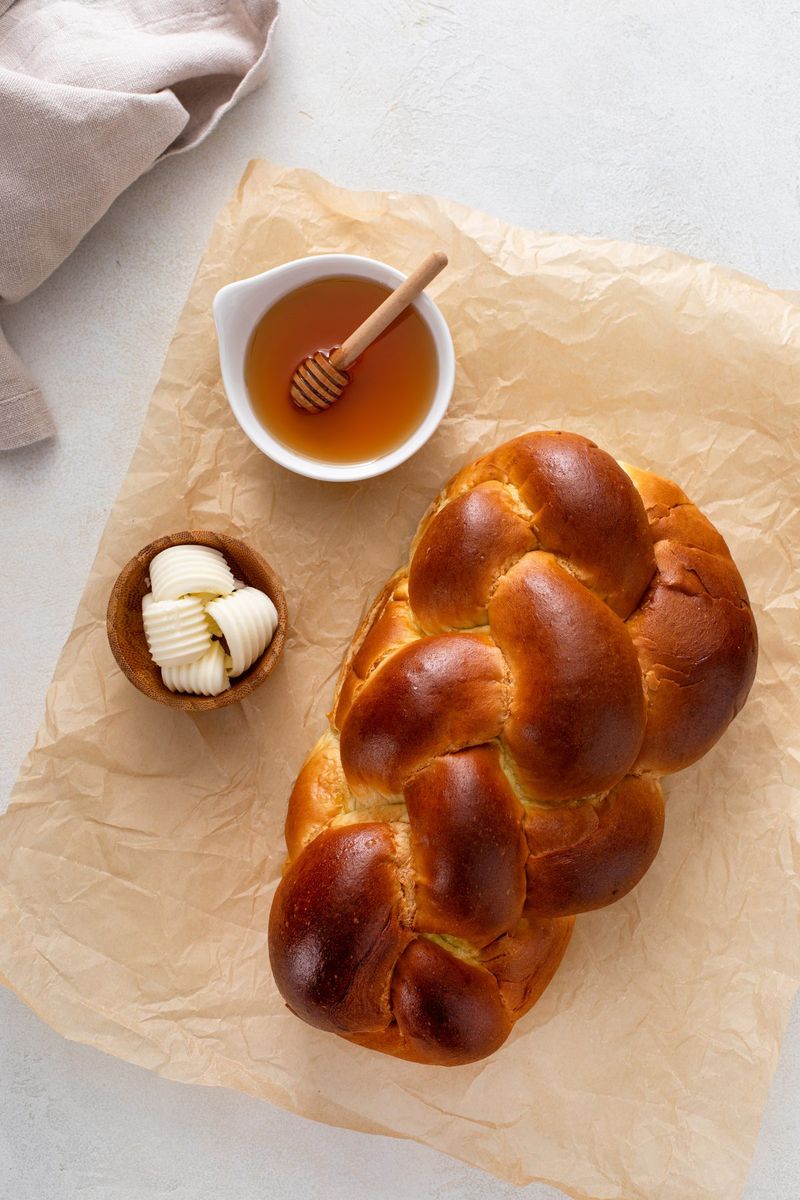
Sunday mornings in Switzerland often smell like warm butter. That scent comes from Zopf, a soft bread woven into a beautiful braid.
Each strand is separate, yet together they make something strong. Many families see it as a symbol of togetherness and lasting bonds.
Want to make one? Start with a simple three-strand braid, just like braiding hair.
Brush it with egg before baking for that glossy, bakery-worthy shine.
5. Chinese Mooncakes
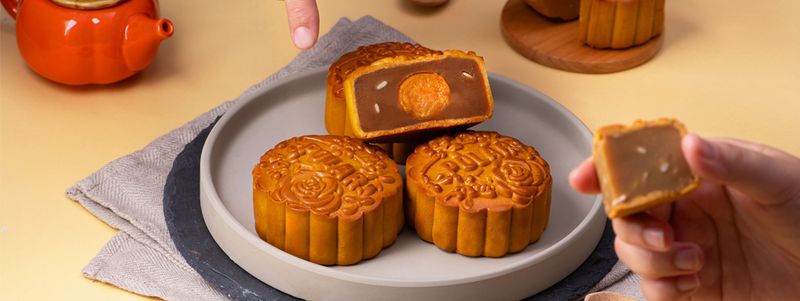
When the moon is fullest in autumn, Chinese families celebrate the Mid-Autumn Festival. The star treat is the round mooncake.
Its circle shape matches the full moon and means reunion. Relatives travel far to share mooncakes, and friends swap fancy boxes as gifts.
Fillings range from lotus seed paste to salted egg yolk. Cut one into wedges so everyone at the table gets a piece.
Sharing is the whole point!
6. Polish Korovai Wedding Bread
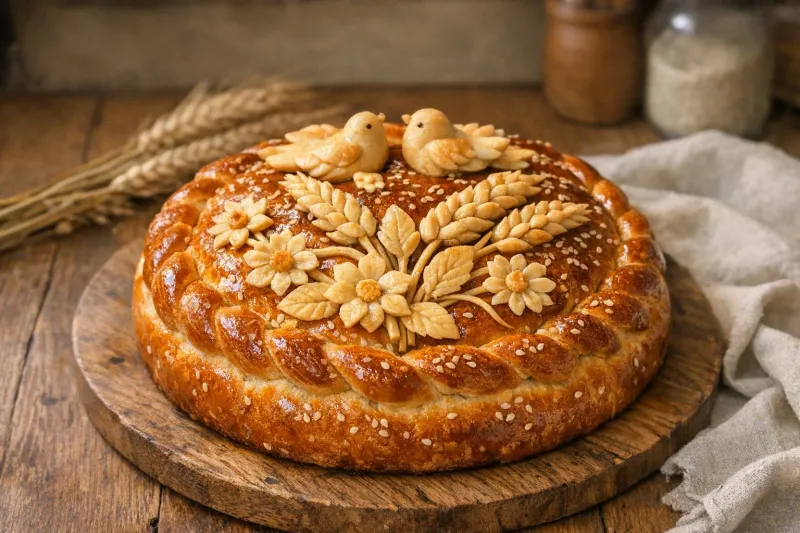
Some wedding cakes are made of frosting. In Ukraine and parts of Poland, the showstopper is korovai, a huge round bread covered in dough decorations.
Little dough birds represent the couple, while braids and flowers stand for unity and a happy future. Married women traditionally bake it while singing special songs.
The bread is shared with every guest. Eating a slice means you join in blessing the newlyweds.
7. Japanese Heart Onigiri
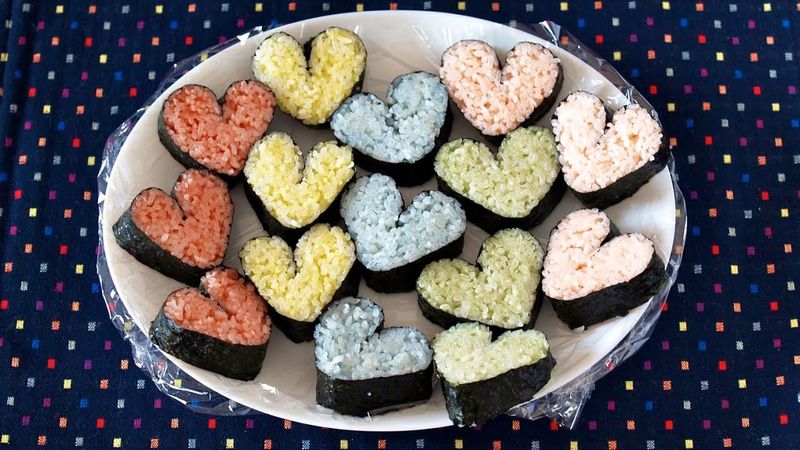
Ever opened a lunchbox and found a surprise? In Japan, parents and friends shape onigiri rice balls into hearts as a sweet message.
Bento lunches are a big way to show care in Japanese culture. A heart onigiri says you were thinking of someone.
Making one is easy. Use a heart mold or your hands, wet with salty water, then wrap a strip of nori seaweed around the bottom.
8. Indian Laddoo Spheres
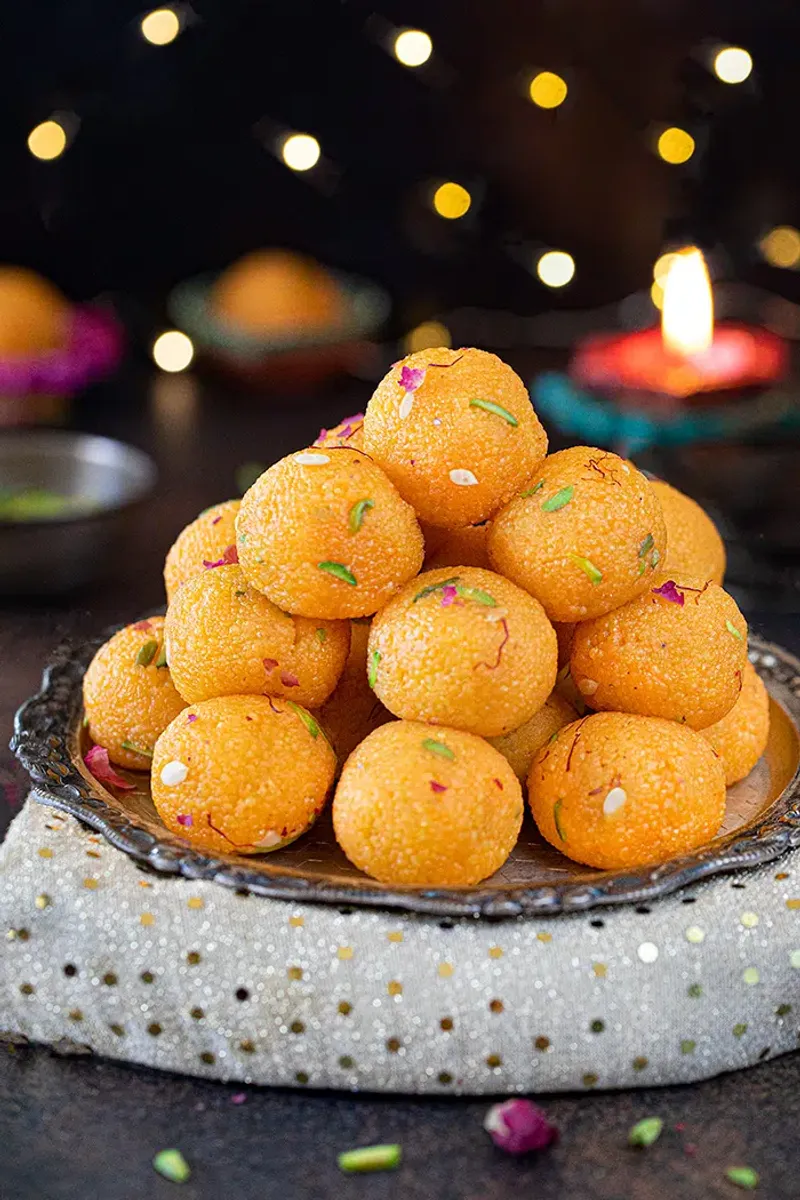
No Indian celebration feels complete without a box of laddoos. These round sweets are passed around at weddings, festivals, and good news moments.
Their ball shape represents completeness and shared joy. Handing someone a laddoo is like saying let us celebrate together.
Made from chickpea flour, ghee, and sugar, they are rolled by hand. Fun fact: cooks often press a few nuts inside, so every bite holds a little surprise.
9. Mexican Rosca de Reyes
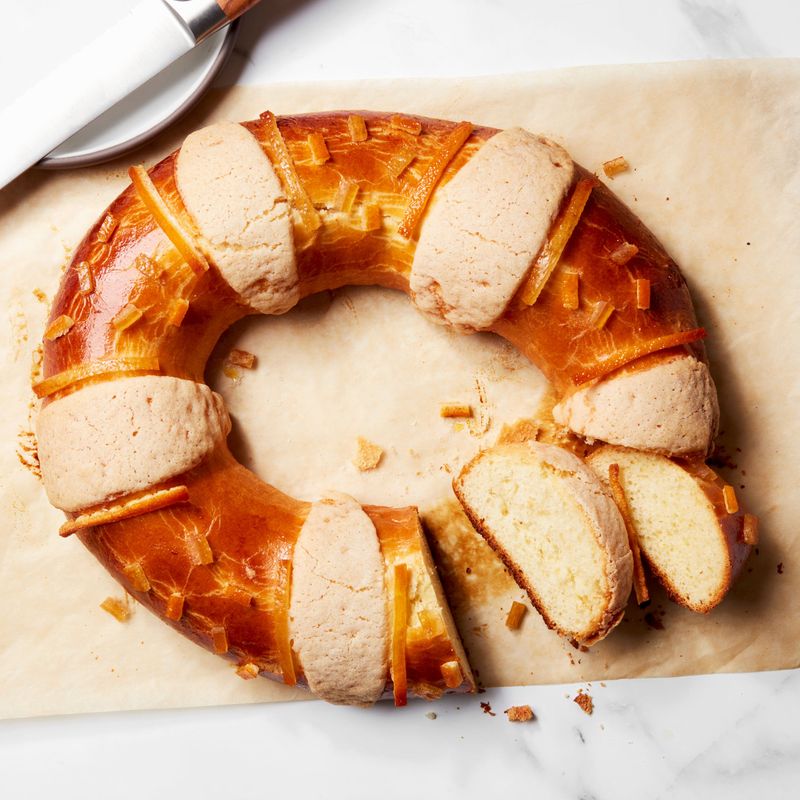
Watch out for the tiny baby figure! Every January 6, Mexican families slice into Rosca de Reyes, a large ring of sweet bread.
The circle stands for endless love, and the hidden figurine adds playful suspense. Whoever finds it hosts a tamale party on February 2.
So one shared bread leads to another gathering. It is a clever tradition that keeps friends and family coming back together month after month.
10. Danish Kransekage Tower
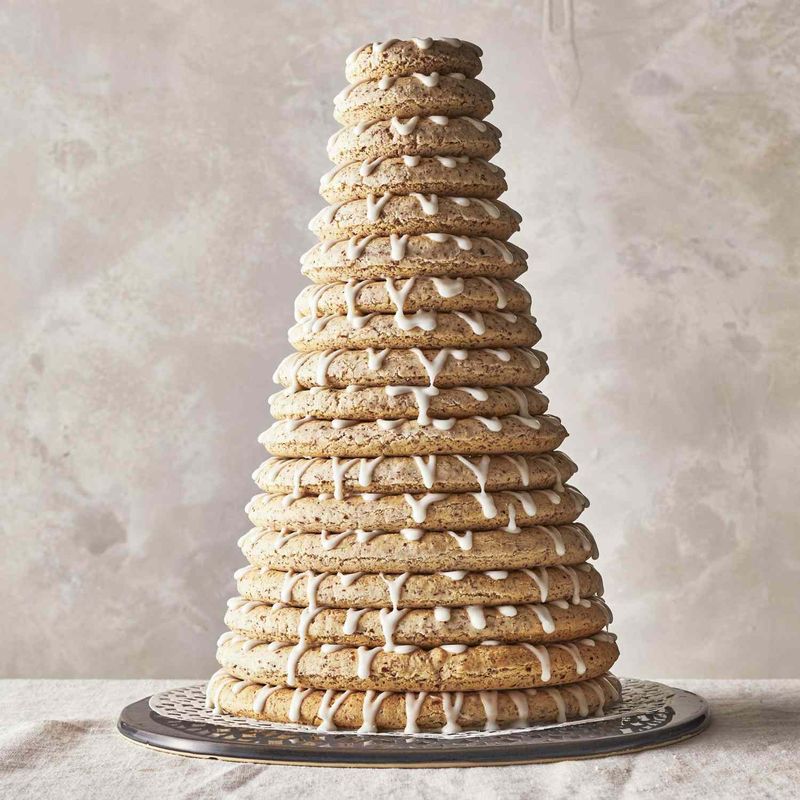
Imagine a cake built like a tower of rings. Kransekage, from Denmark and Norway, stacks 18 or more almond rings from big to small.
It shows up at weddings, New Year, and big birthdays. The stacked circles symbolize unity and good luck for everyone sharing them.
Guests break off rings instead of slicing. Bakers often hide a little bottle or surprise inside the hollow center, which makes cutting it a fun moment.
11. Korean Songpyeon
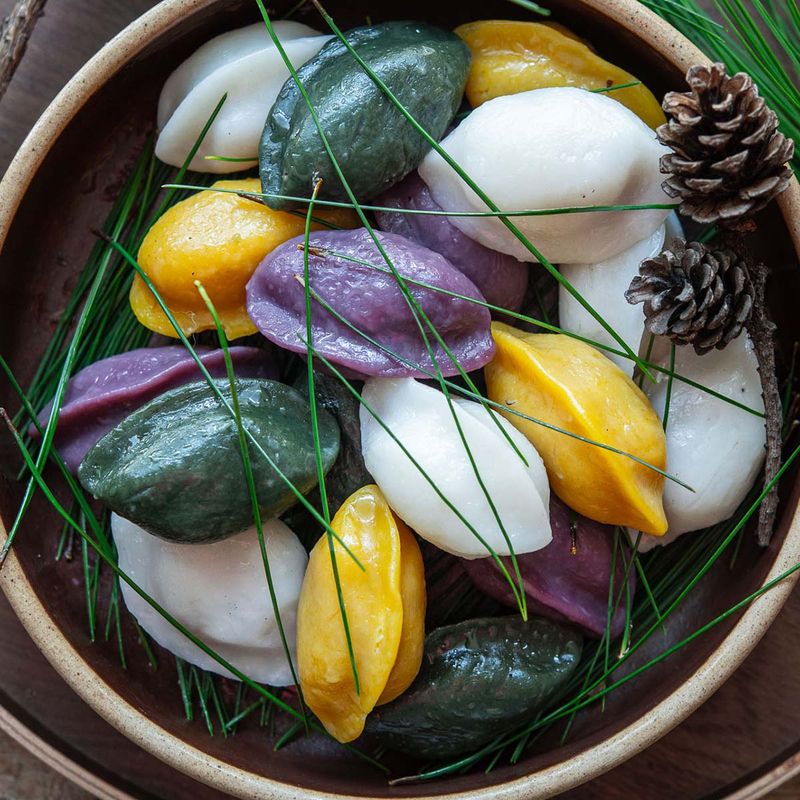
Family members sit in a circle, pinching dough into tiny half-moon shapes. That is the cozy scene during Chuseok, Korea’s harvest festival.
Songpyeon are rice cakes filled with sesame, honey, or beans, then steamed on pine needles. An old saying claims whoever makes pretty ones will have a lovely partner.
The real magic is teamwork. Grandparents teach kids, and everyone laughs at lumpy attempts, building memories with every bite.
12. Greek Vasilopita
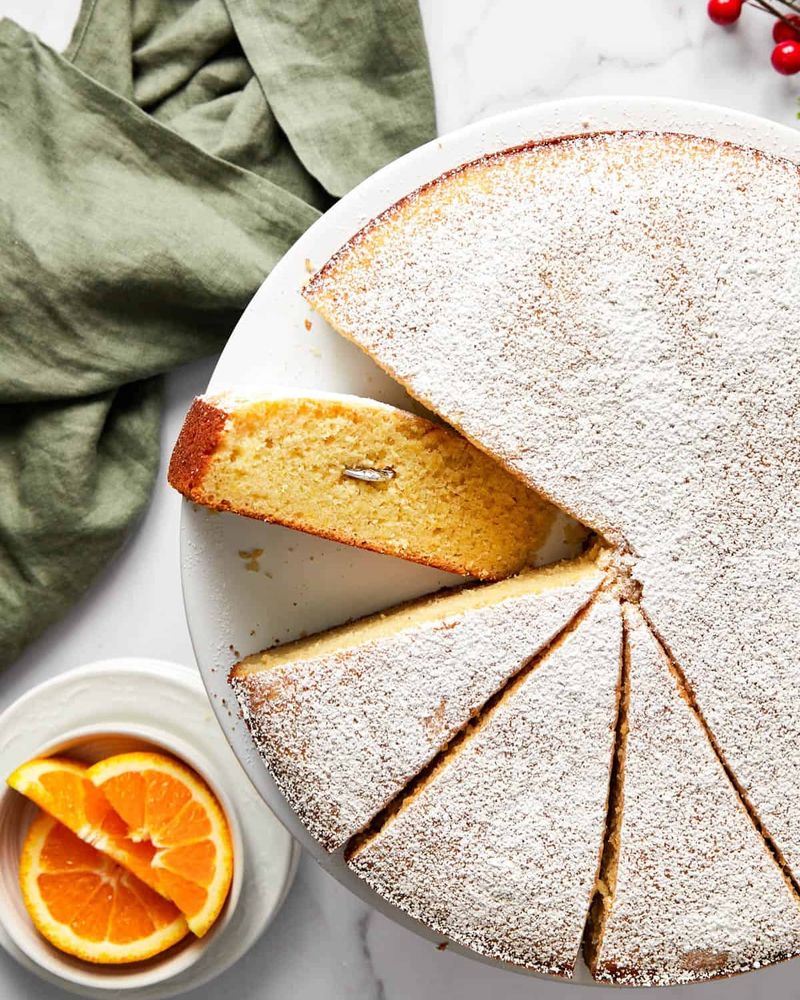
Greek New Year starts with a round cake and a hidden coin. Vasilopita is cut in a special order, with slices for each family member and even the house.
The round shape represents the unbroken family circle. Finding the coin is said to bring a year of luck.
Many offices and clubs cut one too, turning coworkers into a team. It is a sweet way to say we are in this together.
13. Pretzels From Monasteries
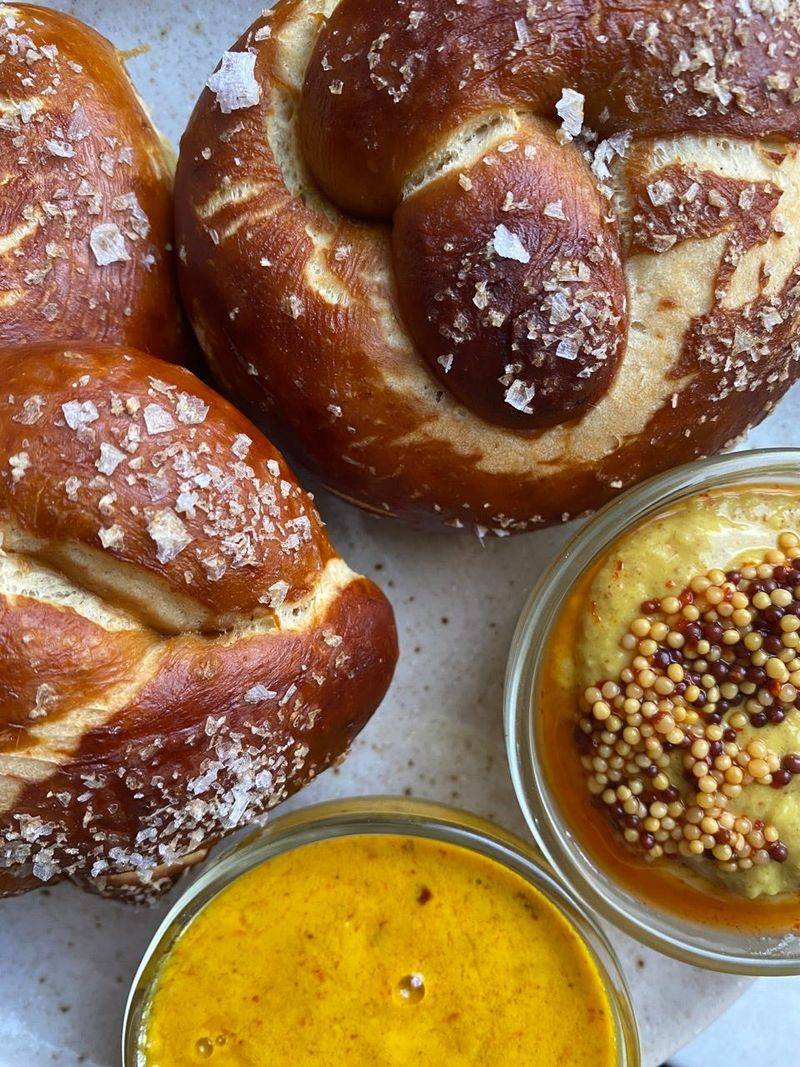
Legend says a monk long ago twisted leftover dough to look like children’s arms folded in prayer. That knot became the pretzel.
Later, the loops came to mean love and lasting bonds. In parts of Europe, couples even used pretzels in weddings, which may explain the phrase tying the knot.
Next time you snack on one, notice the three holes. Some say they represent faith, hope, and love.
14. Filipino Bibingka Circles
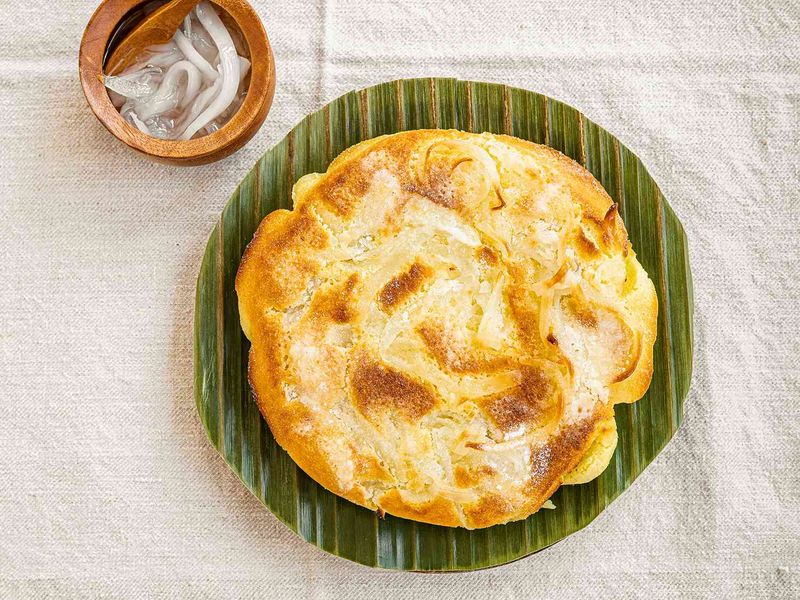
After late-night Christmas church services in the Philippines, families rush to street stalls for warm bibingka. The smell of toasted coconut fills the air.
These round rice cakes are baked in banana leaves and eaten together. Their circle shape echoes the Filipino love of close family ties.
Toppings like salted egg and cheese may sound odd, but trust us, the sweet and salty mix is wonderful.
15. Scandinavian Heart Waffles
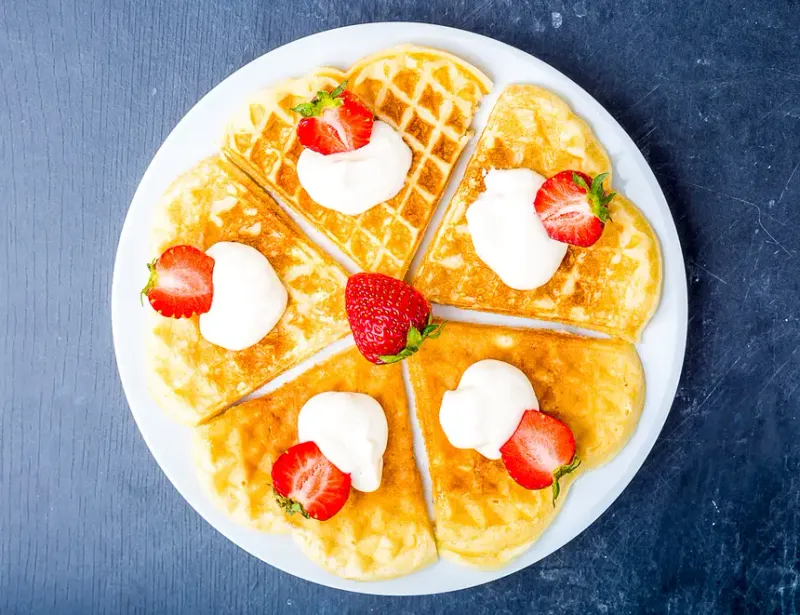
In Norway, waffles do not come in squares. They come as flower circles made of five little hearts!
Norwegians serve vafler at cozy gatherings, school events, and coffee breaks with friends. Each heart can be torn off and shared, making it easy to pass around.
Top them with jam, sour cream, or brown cheese called brunost. Borrow the idea for a weekend breakfast and let everyone grab a heart.
16. French Croquembouche
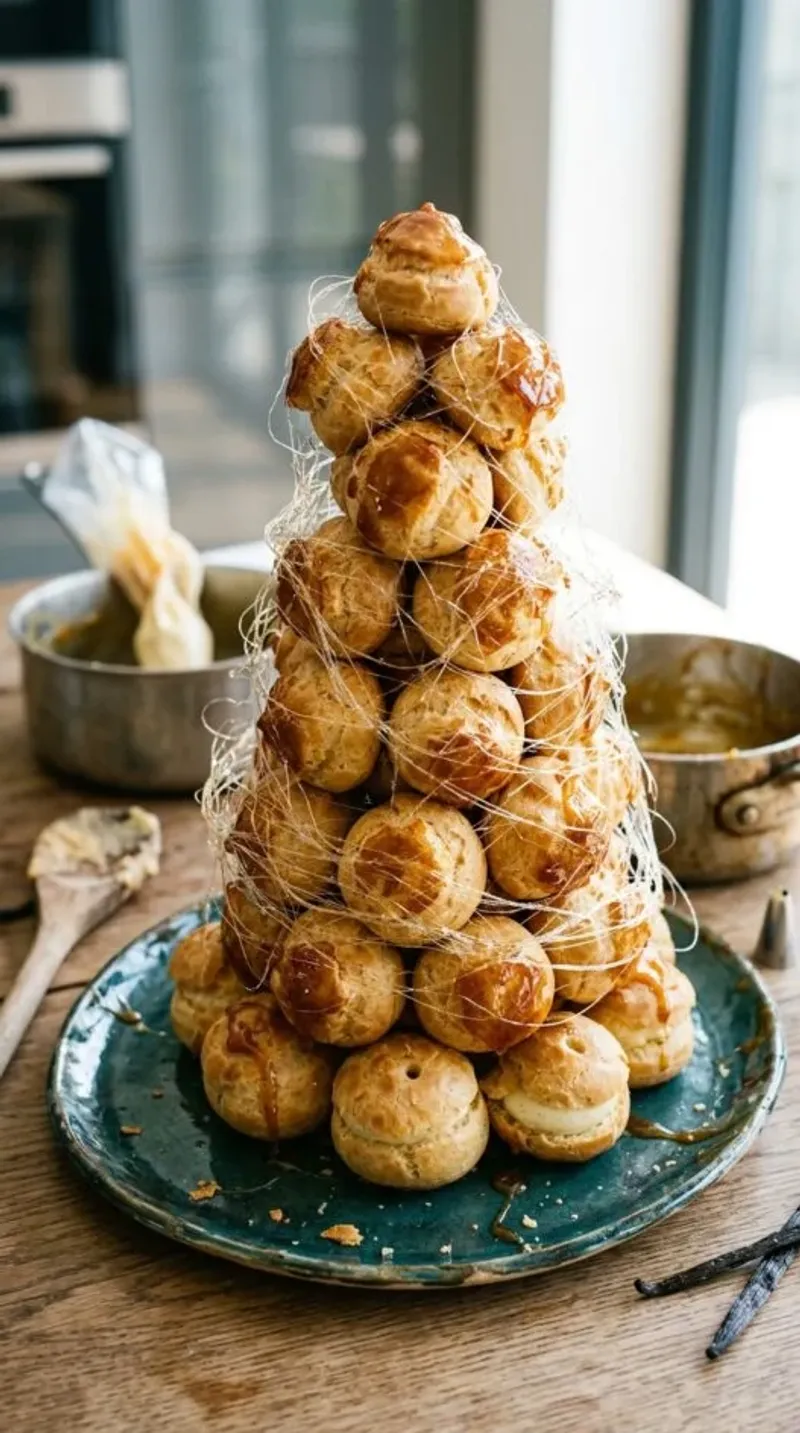
Hundreds of cream puffs, glued with caramel, rise into a sparkling cone. Croquembouche is the classic French wedding dessert.
Each puff is small alone, but stacked together they create something grand. Many see it as a picture of two families joining.
The name means crunch in the mouth, thanks to the hard caramel. Guests pull puffs off by hand, so everyone shares a bite of the celebration.
17. Turkish Simit Rings
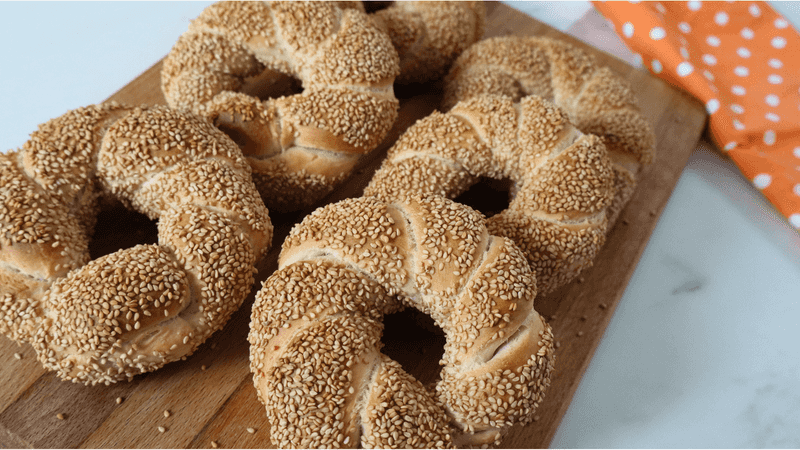
Walk through Istanbul in the morning and you will spot vendors balancing trays of simit on their heads. These sesame bread rings are everywhere.
Friends grab simit with tea and chat for ages. The ring shape and cheap price make it a food meant for sharing with anyone.
Tear one in half for a buddy. That small gesture is a very Turkish way of saying you are welcome here.
18. Valentine Heart Sugar Cookies
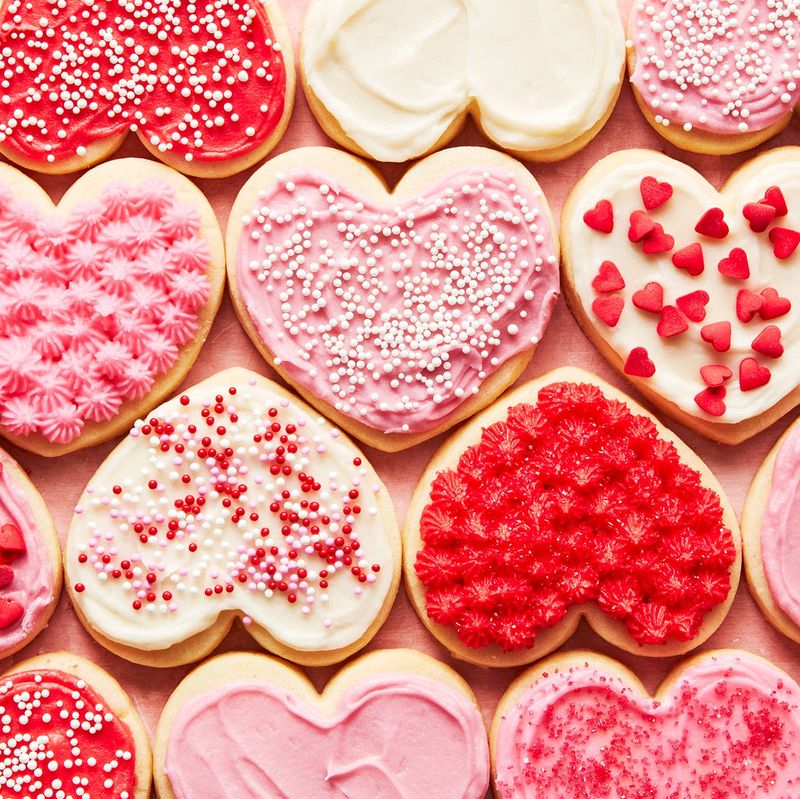
Kids across many countries cut out heart cookies every February. Valentine’s Day turned this simple shape into a worldwide symbol of affection.
Heart symbols became linked with love during the Middle Ages in Europe. Today, these cookies go to classmates, grandparents, and best friends, not just sweethearts.
Bake a batch and write each person’s name in icing. A personal touch makes a basic cookie feel truly special.
19. Russian Karavai Welcome Bread
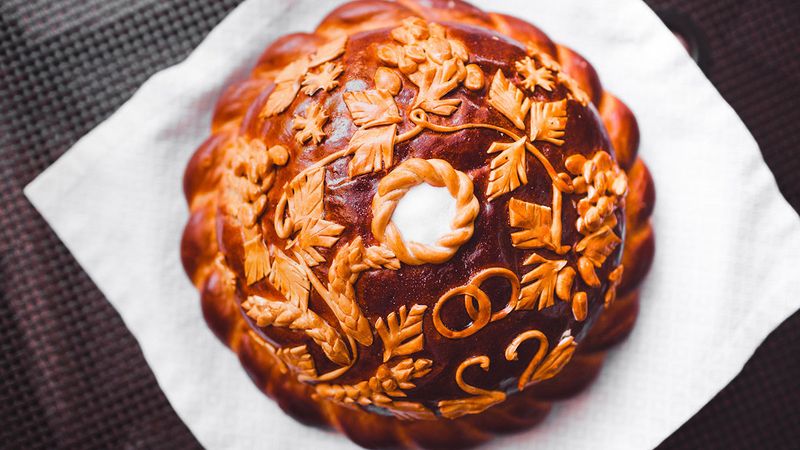
Visitors to a Russian home might be greeted with a round loaf and a tiny bowl of salt. This custom is called bread and salt.
The round karavai symbolizes friendship and a welcoming heart. Guests break off a piece, dip it in salt, and eat it as a sign of trust.
Newlyweds do it too. Folks joke that whoever takes the bigger bite will lead the household.