
Few movie genres have kept audiences on the edge of their seats quite like spy films. From shadowy agents to high-tech gadgets and globe-trotting adventures, spy movies blend action, mystery, and suspense in ways that feel almost irresistible.
Over the decades, certain films rose above the rest and completely changed what audiences expected from the genre. These are the movies that set the rules, broke them, and kept us guessing until the very last frame.
1. Dr. No (1962)
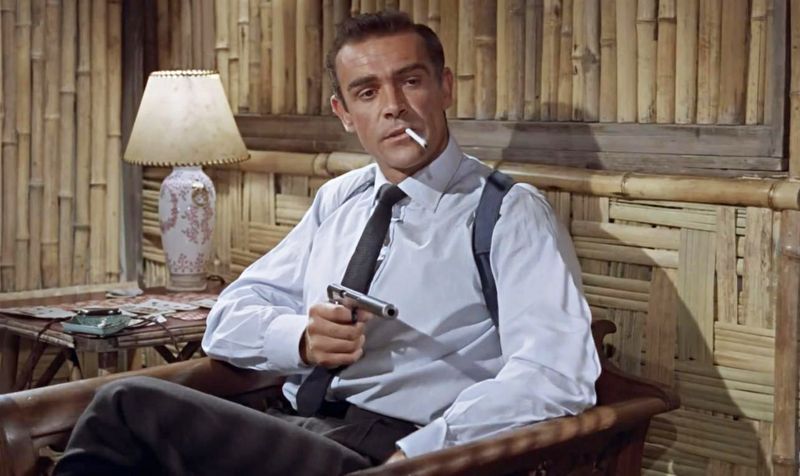
Before James Bond became a household name, nobody knew what a spy movie could truly be. Dr. No launched one of the most iconic franchises in film history, introducing Sean Connery as the cool, unflappable Agent 007.
The film set the template for everything that followed: exotic locations, a menacing villain, and a hero who never seemed to sweat.
Its confident style and sharp wit made audiences feel like spying was the most glamorous job in the world.
2. From Russia with Love (1963)
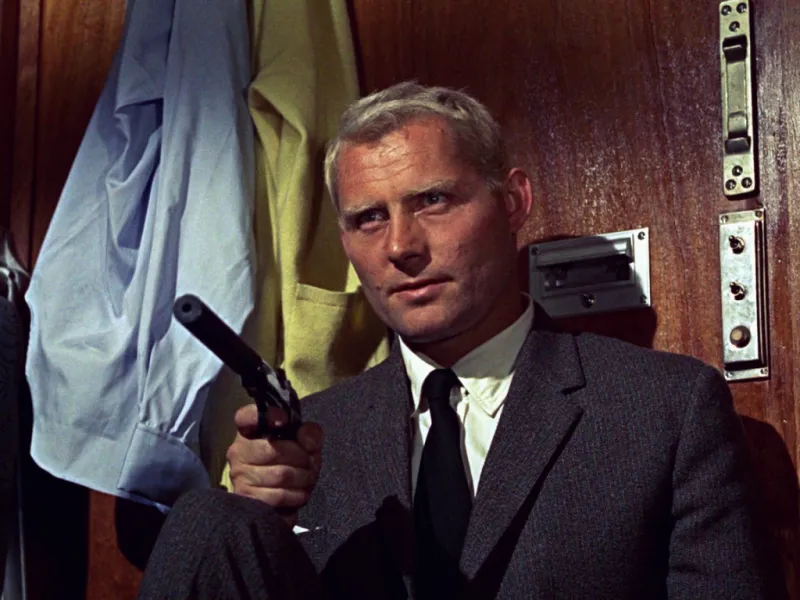
Many Bond fans quietly argue this is the best film in the entire series. From Russia with Love stripped away some of the flashier elements and replaced them with genuine Cold War tension.
The plot felt ripped from real headlines, making every scene crackle with paranoia and danger.
Robert Shaw’s terrifying villain and a legendary train fight sequence cemented this film as a masterclass in spy storytelling that later filmmakers studied closely.
3. The Ipcress File (1965)
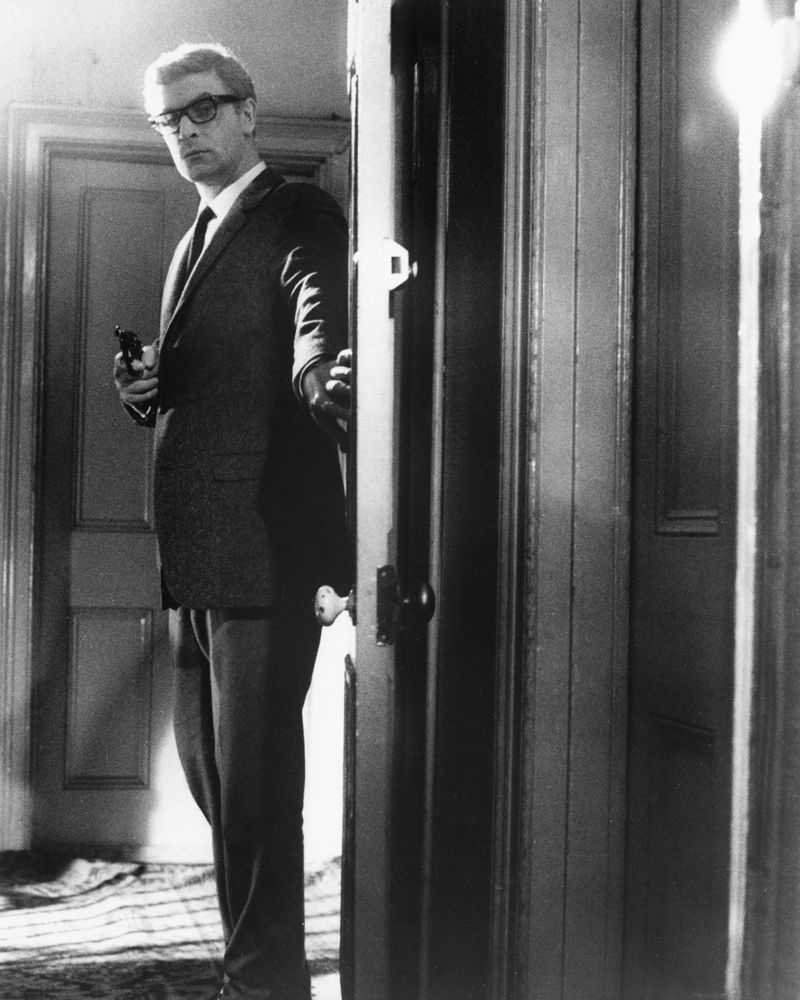
Not every spy wears a tuxedo and orders martinis. The Ipcress File introduced Harry Palmer, a glasses-wearing, grocery-shopping British agent played brilliantly by Michael Caine.
This film was a deliberate reaction to Bond’s glamour, offering a grittier and far more realistic portrait of intelligence work.
Its cold, bureaucratic world felt genuinely unsettling. The Ipcress File proved that spy movies could be cerebral, slow-burning, and just as thrilling without a single car chase.
4. Thunderball (1965)

Thunderball went bigger than any spy film had dared before it. The underwater battle sequences alone required months of production and remain some of the most ambitious action scenes ever filmed.
Bond racing against SPECTRE to recover stolen nuclear weapons gave the story real global stakes.
The movie became the highest-grossing Bond film of its era, proving that audiences wanted their spy adventures supersized. Its scale directly influenced how blockbuster action films approached spectacle for decades.
5. The Spy Who Came in from the Cold (1965)
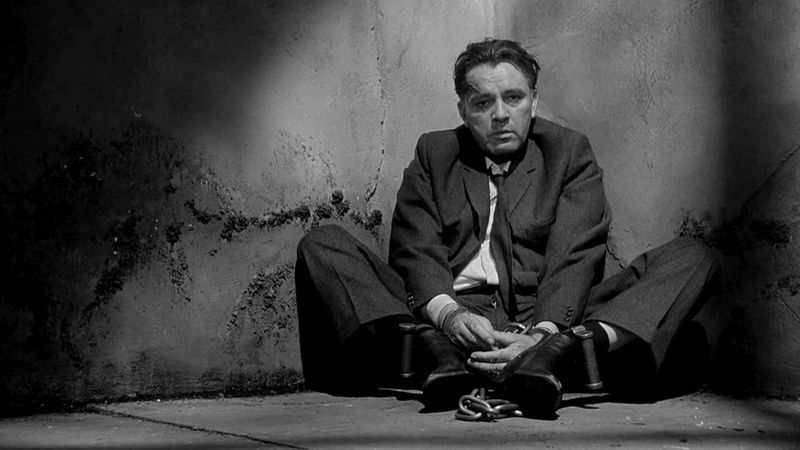
Richard Burton delivered one of cinema’s most haunting performances as a burned-out British spy sent on one final mission. Based on John le Carre’s celebrated novel, this film showed espionage as a morally bankrupt game where nobody wins.
Shot in stark black and white, every frame felt heavy with exhaustion and betrayal.
It shattered the romantic notion of spying permanently. No gadgets, no glamour, just a tired man doing terrible things for a government that would never thank him.
6. You Only Live Twice (1967)
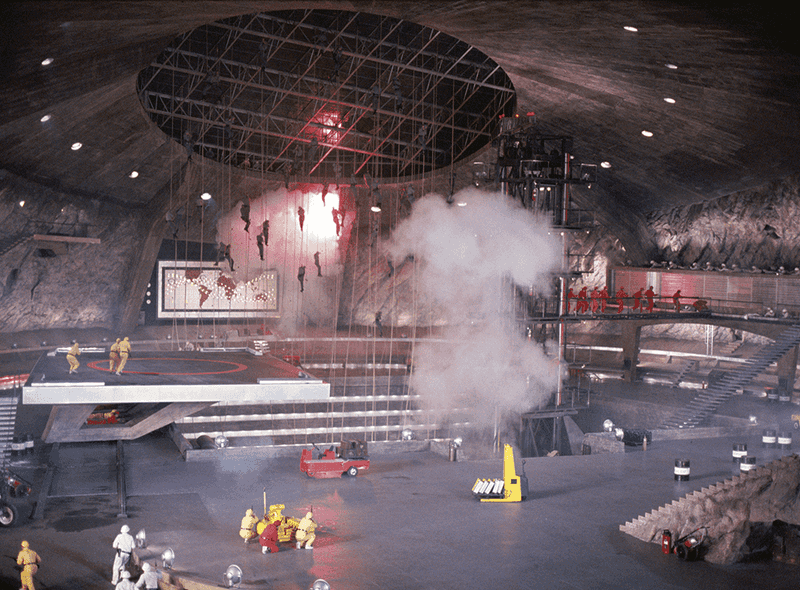
A hollowed-out volcano hideout. An army of jumpsuit-wearing henchmen.
A bald villain stroking a white cat. You Only Live Twice invented the visual language that spy movie parodies have borrowed ever since.
Ken Adam’s jaw-dropping set design pushed the genre into full-blown fantasy territory.
The film understood that audiences wanted pure escapism, and it delivered spectacularly. Nearly every spy movie spoof ever made owes something to this gloriously over-the-top adventure.
7. Three Days of the Condor (1975)
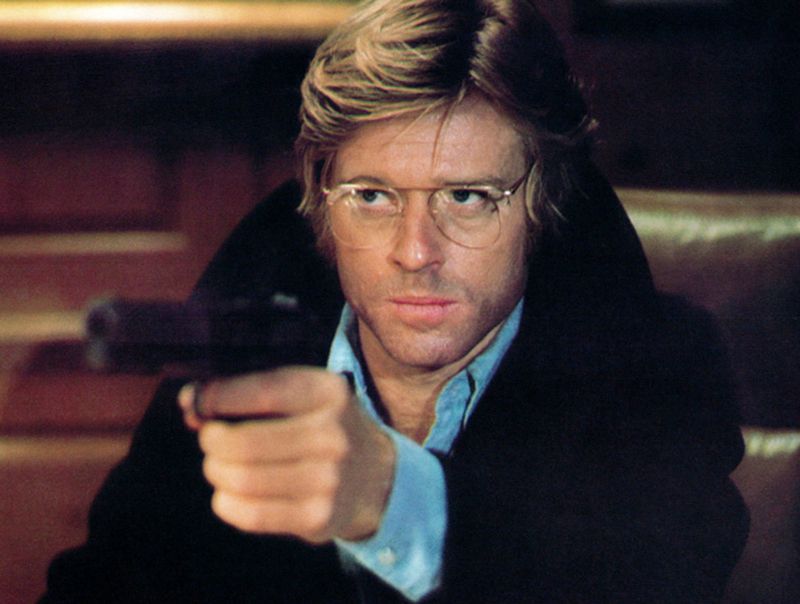
What happens when the spy is not the hunter but the hunted? Three Days of the Condor asked that question and came up with a chilling answer.
Robert Redford plays a CIA analyst who returns from lunch to find everyone in his office has been murdered. From that moment, trust becomes impossible.
The film captured America’s post-Watergate distrust of government perfectly. Its paranoid energy directly inspired countless thrillers and shaped how Hollywood portrayed intelligence agencies for years afterward.
8. The Spy Who Loved Me (1977)
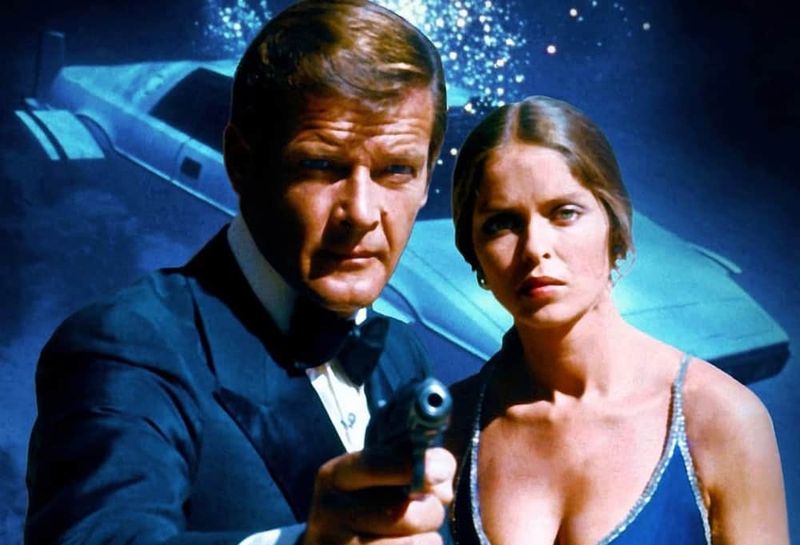
Roger Moore’s Bond found his stride here, and the result was one of the most purely entertaining spy films ever made. Teaming up with a Soviet agent played by Barbara Bach, Bond faced a villain with an underwater city and dreams of destroying civilization.
The chemistry between the leads gave the film unexpected warmth.
Carly Simon’s theme song and the iconic Lotus Esprit submarine car made this a cultural moment. It showed spy films could be joyful without losing their edge.
9. Marathon Man (1976)
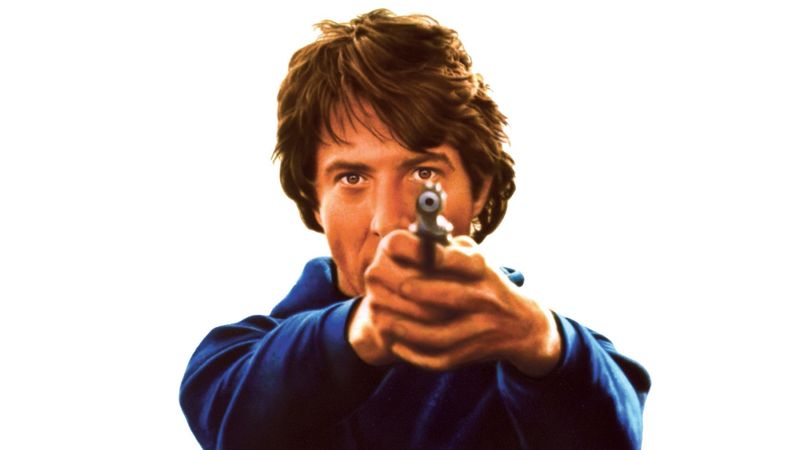
“Is it safe?” Few lines in movie history have caused as much dread as that one. Dustin Hoffman plays a graduate student accidentally pulled into a conspiracy involving a Nazi war criminal.
Laurence Olivier’s performance as the villain is one of cinema’s most genuinely frightening portrayals of evil.
Marathon Man blurred the line between spy thriller and horror film in ways that felt completely fresh. It proved the genre could terrify as effectively as it could thrill.
10. Tinker Tailor Soldier Spy (1979 – TV and 2011 Film)
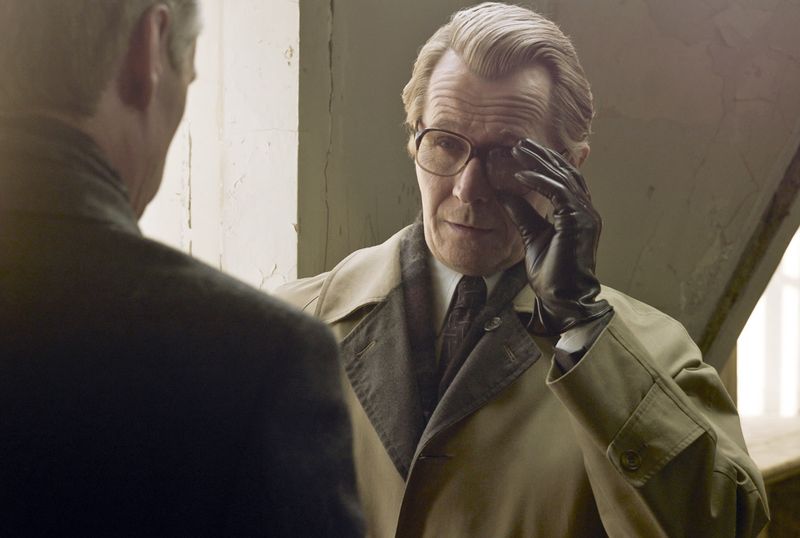
John le Carre’s masterwork got two iconic adaptations: Alec Guinness’s legendary BBC miniseries in 1979 and Tomas Alfredson’s stunning 2011 film starring Gary Oldman. Both versions explore a mole hunt inside British intelligence with extraordinary patience and intelligence.
Spying here is about reading people, not shooting them.
Gary Oldman’s nearly silent performance earned enormous praise. Together, these adaptations redefined what sophisticated espionage storytelling could look like on both the small and big screen.
11. GoldenEye (1995)
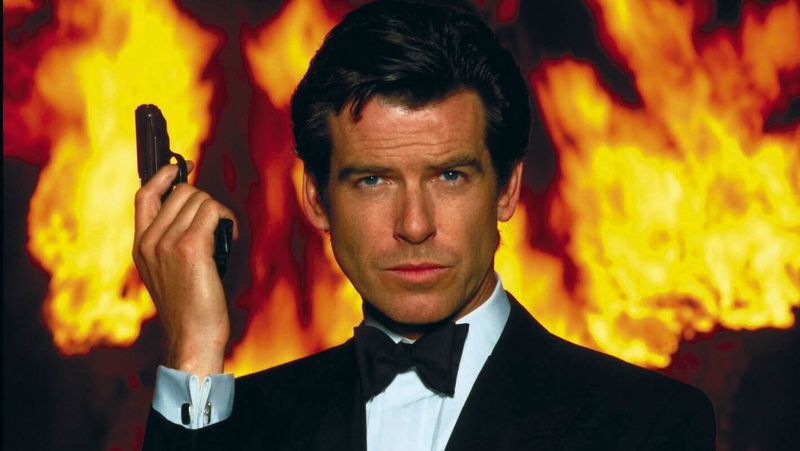
After a six-year gap, James Bond came roaring back and proved the franchise still had plenty of life left. Pierce Brosnan brought a sharper edge to 007, and GoldenEye delivered a plot that felt genuinely relevant to the post-Cold War world.
Judi Dench’s arrival as M added a refreshing layer of tension to Bond’s relationship with authority.
The film also inspired one of the greatest video games ever made. GoldenEye reminded audiences why they fell in love with spy movies in the first place.
12. Mission: Impossible (1996)
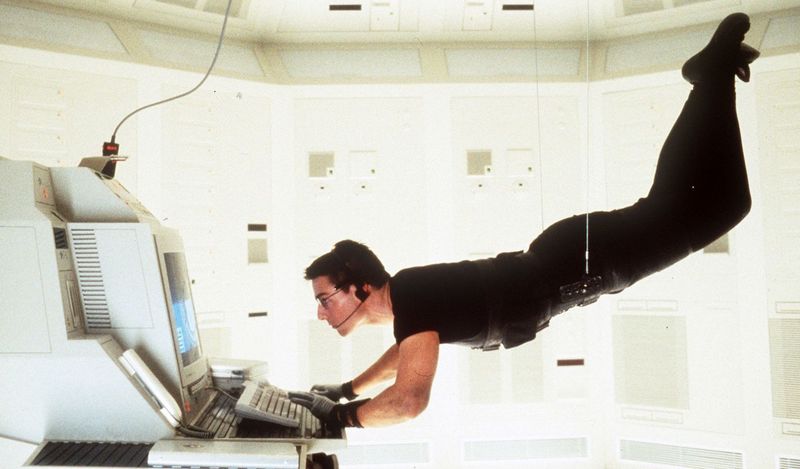
Tom Cruise dangling from a wire inside a maximum-security vault became one of cinema’s most recognizable images almost overnight. Brian De Palma’s adaptation of the classic TV show turned Ethan Hunt into a new kind of spy hero: resourceful, physically daring, and perpetually betrayed by the people he trusted.
The film launched a franchise that is still running today. Its emphasis on practical stunts and intricate planning sequences set a new standard for how spy action films could be constructed.
13. Enemy of the State (1998)
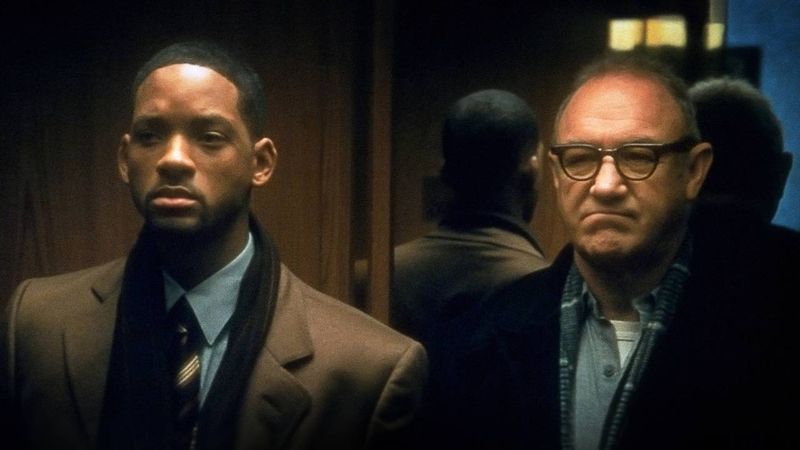
Released years before smartphones made surveillance a daily reality, Enemy of the State felt almost prophetic. Will Smith plays a lawyer who accidentally receives evidence of a government murder and suddenly finds every camera in the country pointed at him.
Gene Hackman’s performance as a ghost from the intelligence world added real depth.
The film sparked public conversations about privacy that only grew more relevant over time. It showed spy movies could function as social commentary without losing their pulse-pounding energy.
14. The Bourne Identity (2002)
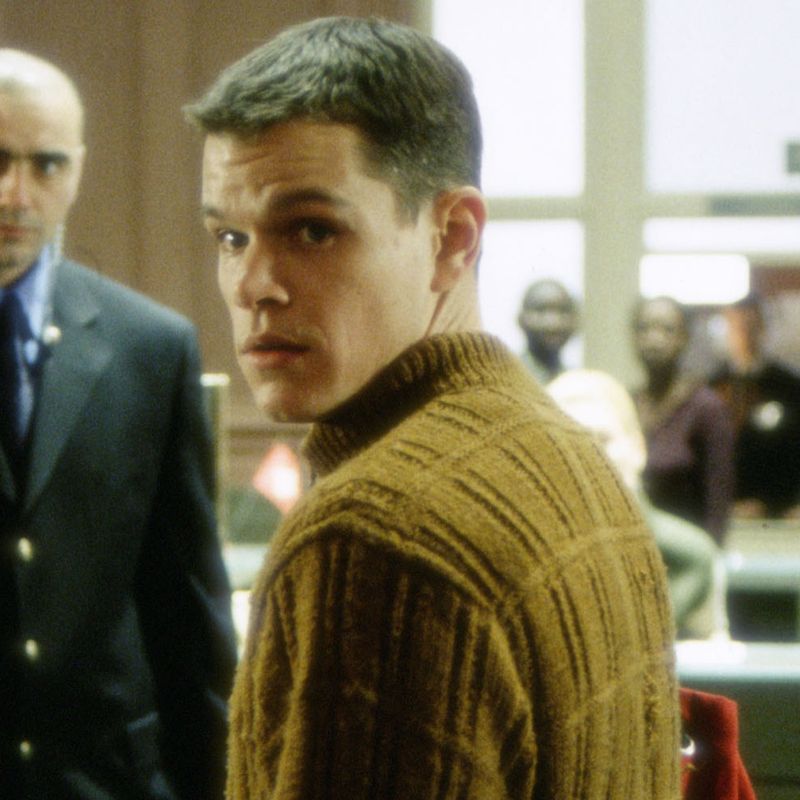
Jason Bourne woke up floating in the ocean with no memory and changed action cinema forever. Doug Liman’s film stripped spy movies of their gadgets and fantasy elements, replacing them with brutal hand-to-hand combat and genuine psychological depth.
Matt Damon’s portrayal of a man hunting his own identity felt completely different from anything the genre had offered before.
The shaky-cam aesthetic and street-level realism became hugely influential. Every gritty spy film made since 2002 owes a serious debt to Bourne.
15. Casino Royale (2006)
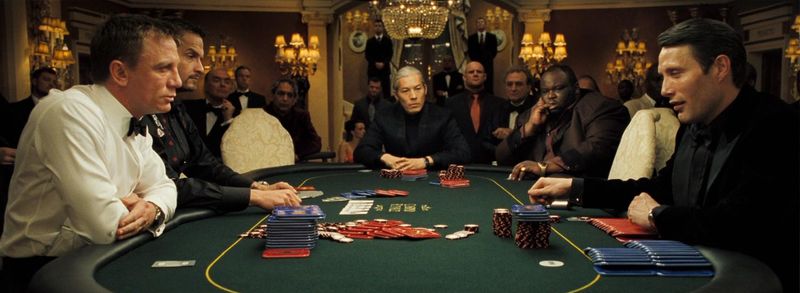
Daniel Craig’s debut as Bond felt like a full reset – and audiences loved every second of it. Casino Royale went back to basics, showing Bond before he became the polished agent we knew, still rough around the edges and capable of real emotional pain.
The poker game at the center of the film gave the story genuine tension without a single explosion.
Critics and fans agreed this was Bond at his most human. It revitalized the entire franchise and proved origin stories could be deeply compelling.
16. Munich (2005)
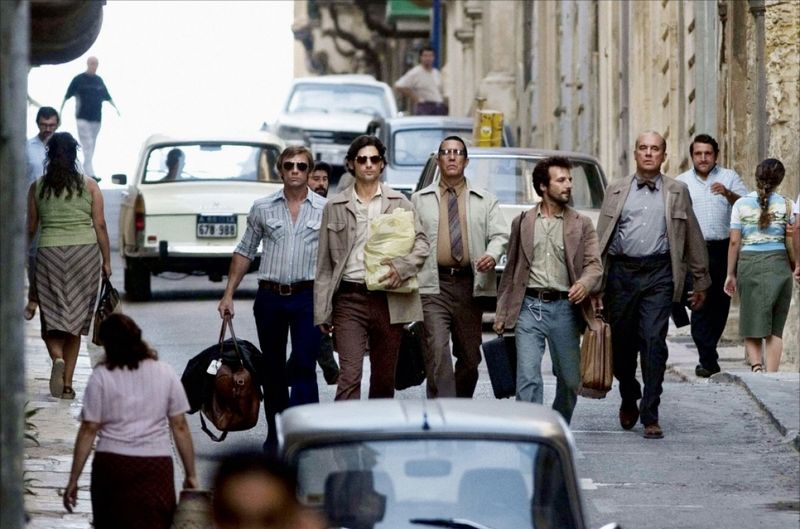
Steven Spielberg tackled one of history’s most controversial covert operations and produced one of his most mature and haunting films. Munich follows the Israeli agents tasked with hunting down those responsible for the 1972 Olympic massacre.
The film refuses to offer easy answers, showing how violence corrodes even the most righteous mission.
Eric Bana’s quietly devastating performance anchored every scene. Munich elevated spy cinema into genuine moral philosophy, asking hard questions about justice, revenge, and the cost of both.
17. Spy Game (2001)
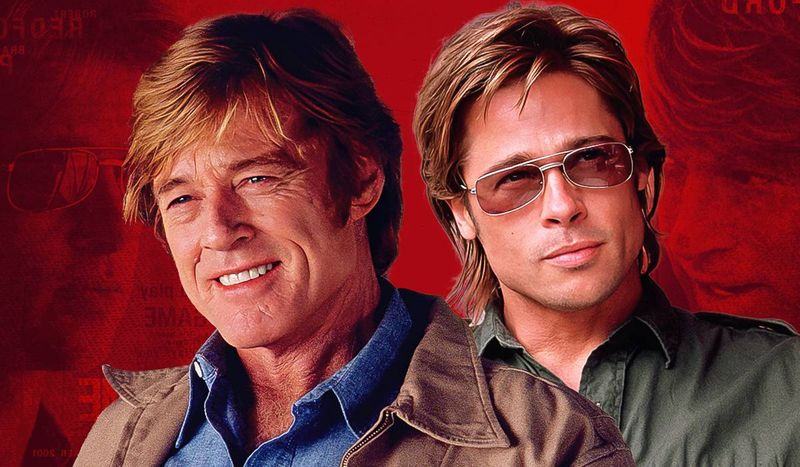
Robert Redford and Brad Pitt together onscreen as spy mentor and student sounds almost too good to be true. Fortunately, Tony Scott’s film delivered on that promise with style.
Told in flashbacks as Redford’s retiring CIA officer races to save his former asset from execution, the film explored the personal cost of a career built on deception.
The non-linear structure kept viewers constantly reorienting themselves. Spy Game reminded audiences that the most interesting spy stories are often about loyalty rather than action.
18. Kingsman: The Secret Service (2014)
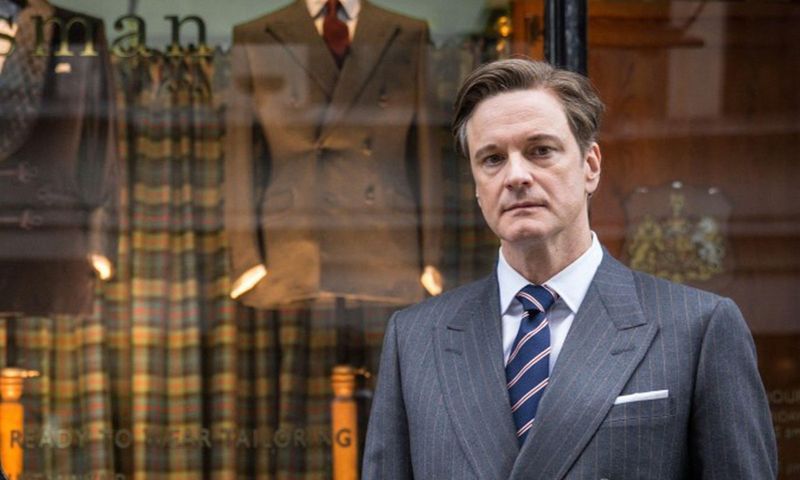
Matthew Vaughn looked at spy movie conventions and decided to have a wild, irreverent conversation with all of them at once. Kingsman introduced a young working-class recruit learning the ropes of a secret gentleman spy organization, with Colin Firth delivering an astonishing action performance nobody saw coming.
The church scene became an instant piece of action movie legend. Kingsman proved the spy genre still had room for bold reinvention, blending sharp satire with genuinely spectacular filmmaking.
19. Atomic Blonde (2017)
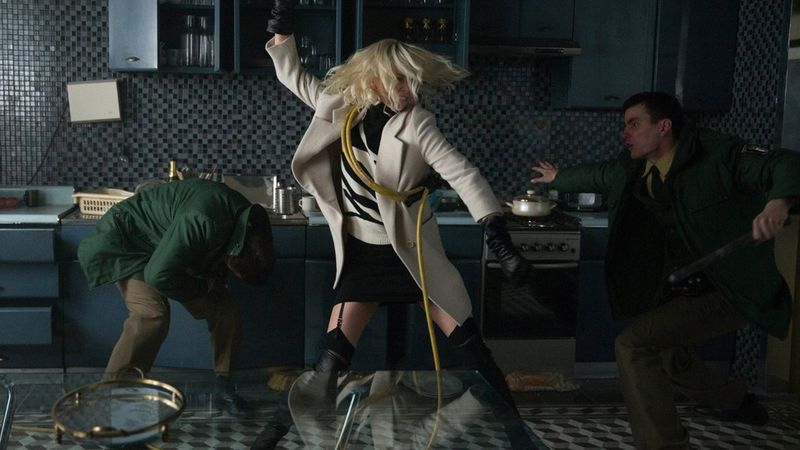
Charlize Theron arrived in 1989 Berlin and rewrote the rules on what a spy action hero could look like. Atomic Blonde followed an MI6 agent navigating a city on the brink of the Wall coming down, with fights so brutal and exhausting they felt genuinely painful to watch.
The film wore its 80s soundtrack like armor.
Theron’s performance was ferocious and completely committed. Atomic Blonde pushed female-led spy action into thrilling new territory that the genre had long needed to explore.