
A single phone call can change everything, and Hollywood has proven that time and again. Some of the most gripping, funny, and terrifying moments in film history happened when a character simply picked up the phone.
These scenes stuck with audiences long after the credits rolled, shaping the way we think about movies and storytelling. Get ready to revisit some of the most unforgettable calls ever captured on screen.
1. “I Will Find You, and I Will Kill You” – Taken (2008)
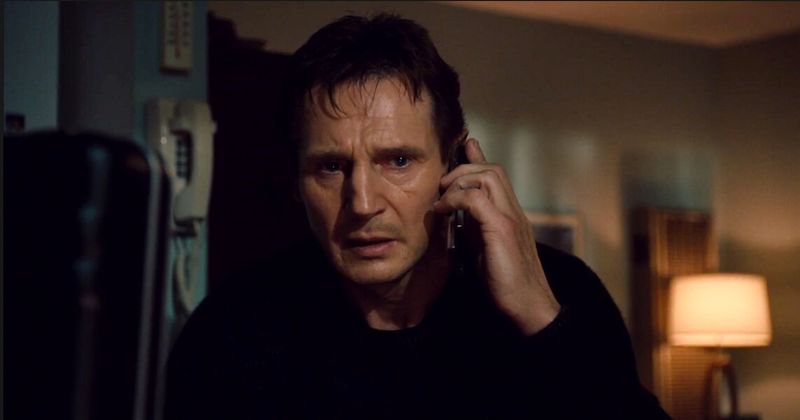
Few movie moments hit harder than when Bryan Mills picks up that phone. Liam Neeson, playing a retired government operative, delivers a calm but bone-chilling warning to the men who kidnapped his daughter.
His voice never wavers, and that quiet confidence makes the threat feel completely real.
The speech became instantly iconic and sparked countless parodies and tributes. It also launched Neeson into a whole new career as an action hero, proving that a single phone call can redefine a star.
2. The Opening Scene – Scream (1996)
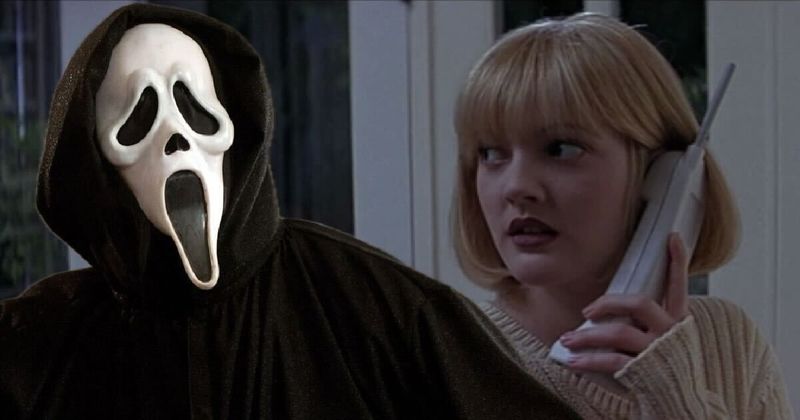
Wes Craven knew exactly what he was doing when he cast Drew Barrymore in the opening scene. What starts as a flirty wrong number quickly turns into something much darker, as a masked stranger tests a babysitter on horror movie trivia with deadly stakes.
The scene completely flipped the script on slasher films. Audiences thought they knew what to expect, and Craven used that confidence against them.
It remains one of the most brilliant opening sequences in horror history.
3. “Show Me the Money” – Jerry Maguire (1996)
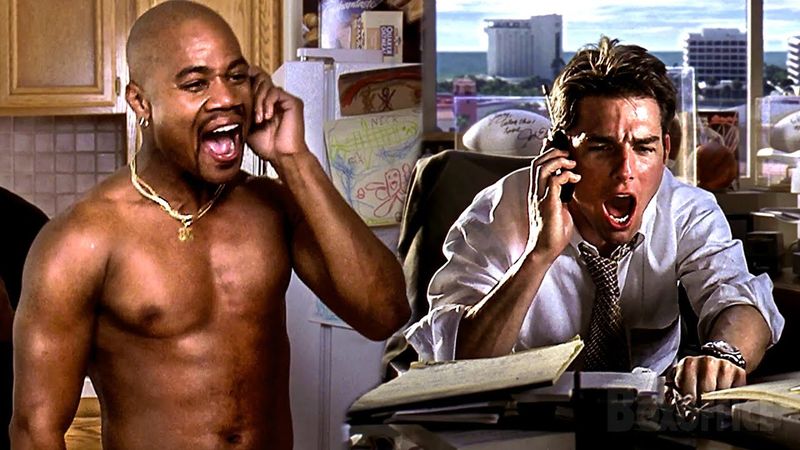
Cuba Gooding Jr. turned a simple phone call into pure cinematic gold. Rod Tidwell refuses to commit to Jerry Maguire as his agent until Jerry screams the now-legendary phrase with full enthusiasm, and the back-and-forth between them is electric from start to finish.
The scene won Gooding Jr. an Academy Award for Best Supporting Actor, which is remarkable for a moment built almost entirely on repetition and energy. It proves that great acting can turn any line into a classic.
4. “Having an Old Friend for Dinner” – The Silence of the Lambs (1991)
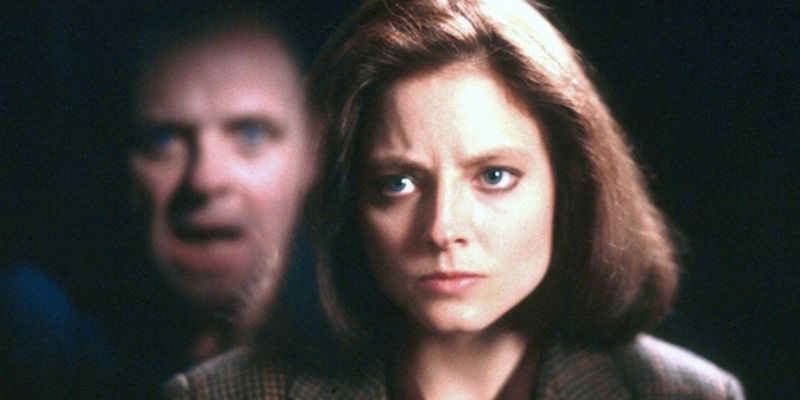
Anthony Hopkins delivered some of cinema’s creepiest dialogue in under a minute. After escaping from custody, Hannibal Lecter calls Clarice Starling to reassure her he means no harm, then casually mentions he is about to have an old friend for dinner, with a terrifying double meaning.
The line works because of what it does not say outright. Hopkins uses tone and timing to make your skin crawl.
It is a masterclass in how restraint can be far scarier than anything shown on screen.
5. “The Call Is Coming From Inside the House” – When a Stranger Calls (1979)
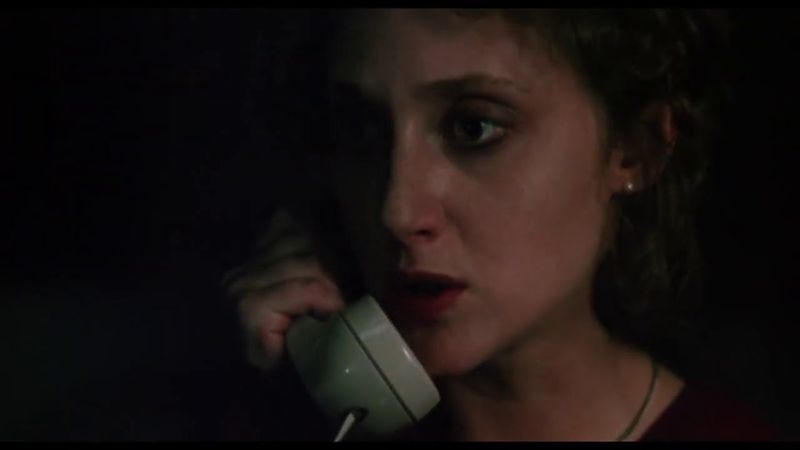
Before caller ID existed, this movie made an entire generation afraid to babysit. A teenager receives repeated unsettling phone calls from a stranger, only to learn from police that the calls are originating from inside the very house she is supposed to be protecting.
The phrase became shorthand for a certain kind of creeping dread. It has been referenced, parodied, and remade dozens of times since.
Horror films still borrow from this setup today, which is a testament to how deeply it rattled audiences at the time.
6. Calling the Soviet Premier – Dr. Strangelove (1964)
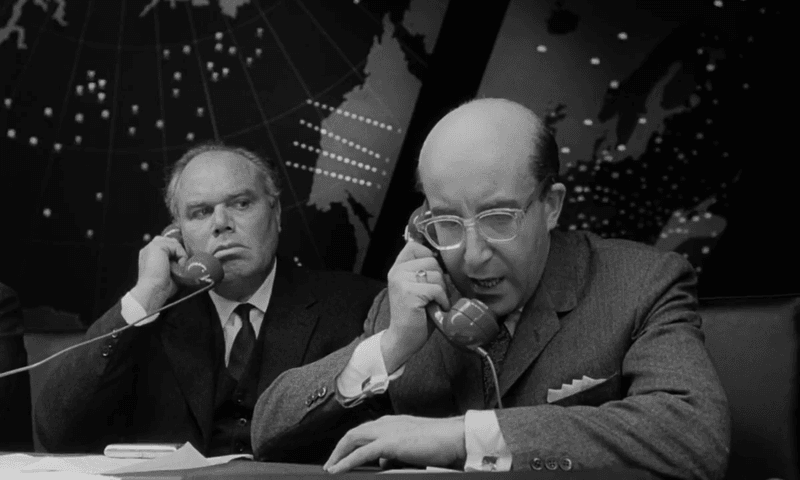
Stanley Kubrick turned nuclear catastrophe into absurd comedy, and this phone call is the heart of that joke. President Muffley, played by Peter Sellers, tries to explain an accidental nuclear launch to the Soviet Premier in the most embarrassingly polite conversation imaginable, full of pauses, apologies, and stumbling words.
The humor comes from how mundane the dialogue sounds against such enormous stakes. Kubrick was mocking Cold War politics, and audiences got the message loud and clear.
The scene still feels surprisingly relevant in today’s world.
7. “Hello… Hello…” – Dial M for Murder (1954)
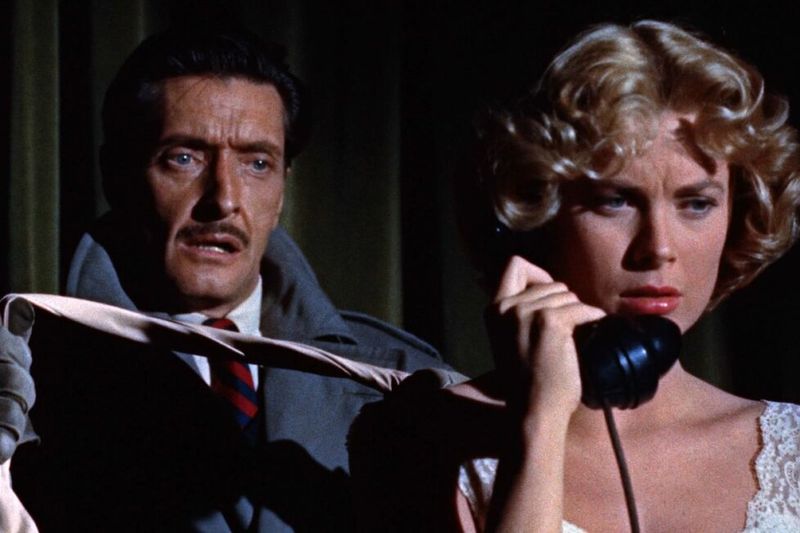
Alfred Hitchcock turned a phone call into a murder weapon, and audiences have never quite gotten over it. Tony Wendice arranges for his wife Margot to be strangled at exactly the moment he calls her at home, using the phone as the trigger for the whole deadly scheme.
What makes the scene so gripping is watching Wendice listen calmly while chaos erupts on the other end. Hitchcock shoots it with his trademark precision.
The result is a sequence that feels both cold-blooded and completely riveting.
8. E.T. Phones Home – E.T. the Extra-Terrestrial (1982)
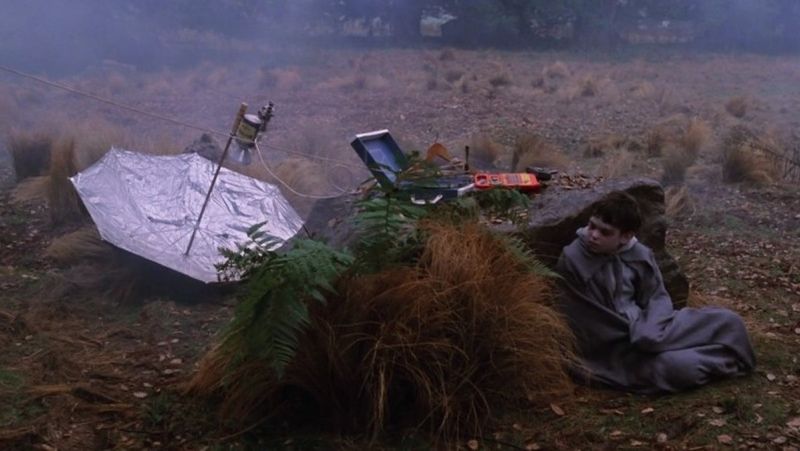
Three simple words became one of the most emotional phrases in movie history. E.T., a stranded alien, builds a communication device out of everyday junk just to reach his home planet, and the scene captures something universal: the desperate need to connect with the ones you love.
Steven Spielberg made audiences cry over a fictional phone call to outer space, which is genuinely impressive. The moment taps into childhood longing and homesickness in a way that still resonates with viewers of all ages, decades later.
9. Stuart Answers the Pay Phone – Phone Booth (2002)
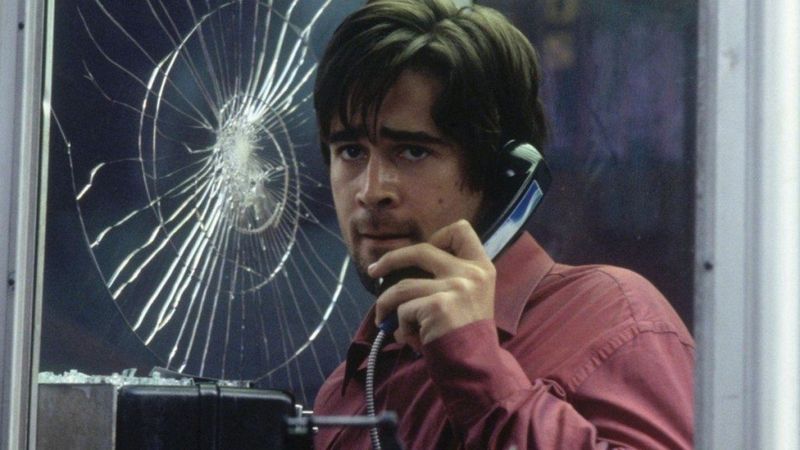
Answering a random pay phone sounds harmless enough, until it ruins your entire day. Colin Farrell plays Stuart Shepard, a slick publicist who picks up a ringing booth phone and finds himself held hostage by a sharp-shooting stranger who seems to know all his dirty secrets.
The film is set almost entirely in that one small booth, which makes the tension feel claustrophobic and relentless. Director Joel Schumacher turned a single location into a full psychological thriller, and Farrell carries nearly every scene on his own.
10. “Houston, We Have a Problem” – Apollo 13 (1995)
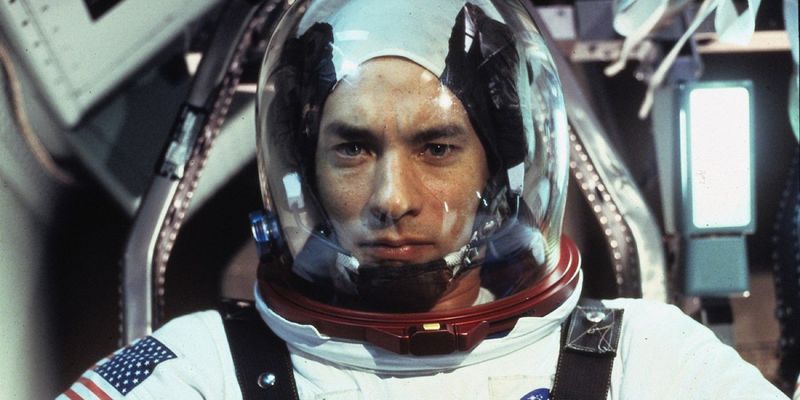
Calm voices in a crisis can be the most terrifying thing of all. Jim Lovell, played by Tom Hanks, delivers this understated report to mission control after an oxygen tank explodes aboard Apollo 13, setting off one of the most gripping survival stories in space history.
The phrase actually comes from real life, though the movie version polished it slightly. Ron Howard directed the scene with remarkable restraint, letting the gravity of the situation speak for itself.
It became a cultural shorthand for any serious, unexpected problem.
11. Neo Enters the Matrix for the First Time – The Matrix (1999)
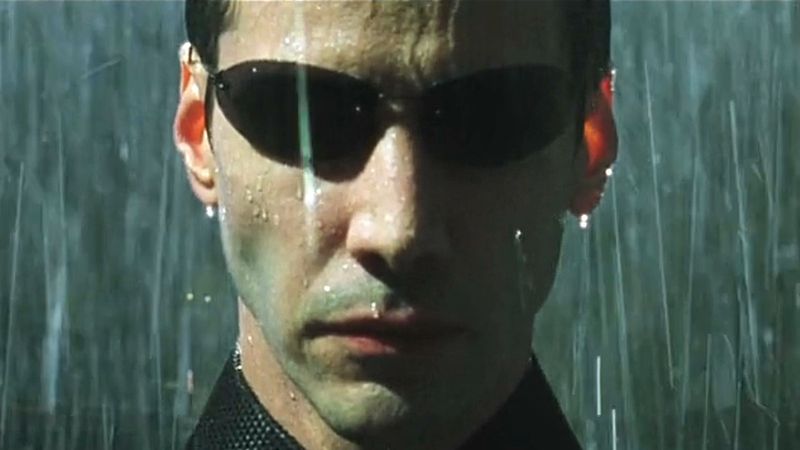
Morpheus guiding Neo through a phone call is one of the coolest mentor moments in science fiction. As agents close in, Neo follows voice instructions from a mysterious stranger, stepping across rooftops and through crowds, trusting a voice he barely knows to keep him alive.
The sequence captures the disorienting feeling of being thrown into a new world without a map. Keanu Reeves plays the confusion brilliantly.
It set the tone for the entire Matrix trilogy, establishing that in this world, phone calls are how you escape reality.
12. “Seven Days” – The Ring (2002)
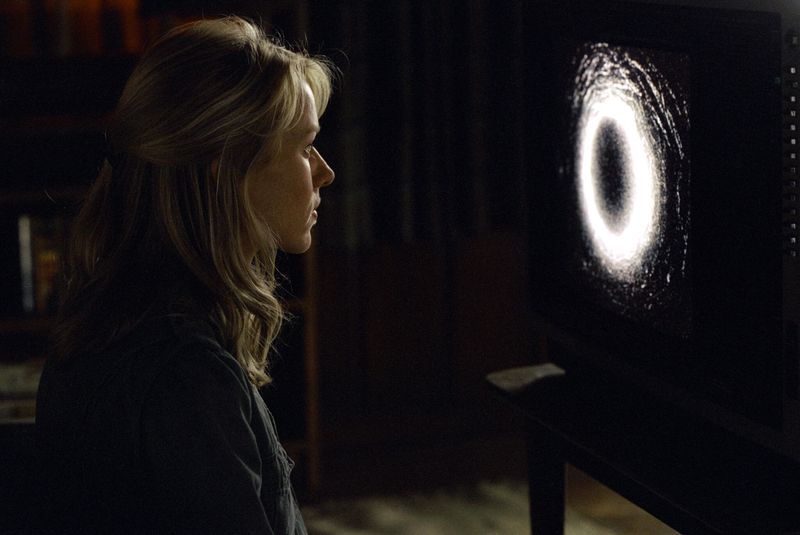
Picking up the phone after watching a creepy videotape turned out to be a very bad idea. In The Ring, anyone who watches a specific tape immediately receives a call delivering just two words: “Seven days.” That countdown becomes the film’s relentless engine of dread.
The genius of the scene is its simplicity. No monsters, no jump scares, just a quiet voice and a ticking clock.
It scared a whole generation away from VHS tapes and made Naomi Watts one of horror’s most compelling leads.
13. Tyler Durden’s Pay Phone Call – Fight Club (1999)
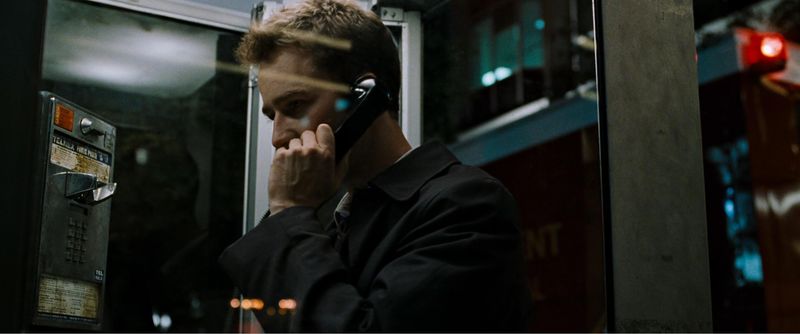
Getting a call on a pay phone that supposedly cannot receive incoming calls is a very specific kind of unsettling. The Narrator picks up a ringing pay phone only to hear Tyler Durden on the other end, which should be physically impossible and hints that something is deeply wrong with reality.
David Fincher plants this scene as a quiet clue for sharp-eyed viewers. On a second watch, it reframes everything.
Fight Club rewards attention, and this phone call is one of its most cleverly constructed breadcrumbs.
14. Ferris Bueller Fakes Sick – Ferris Bueller’s Day Off (1986)
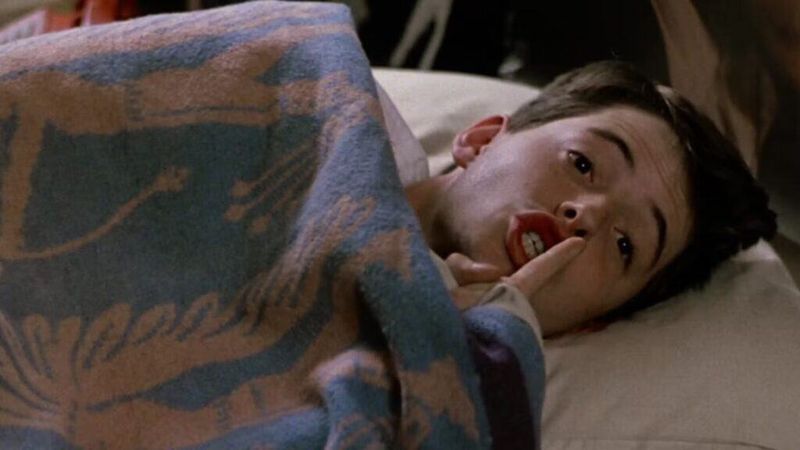
Ferris Bueller did not just skip school. He turned it into an art form.
His phone call to Principal Rooney, performed with perfectly timed coughs and a quivering voice, is a masterpiece of teenage audacity that has inspired generations of kids to try their own sick-day impressions.
Matthew Broderick plays the scene with such breezy confidence that you root for him completely, even knowing he is straight-up lying. John Hughes captured something every student secretly dreams about: outsmarting the system with nothing but charm and a telephone.
15. Jimmy Conway Destroys a Phone Booth – Goodfellas (1990)
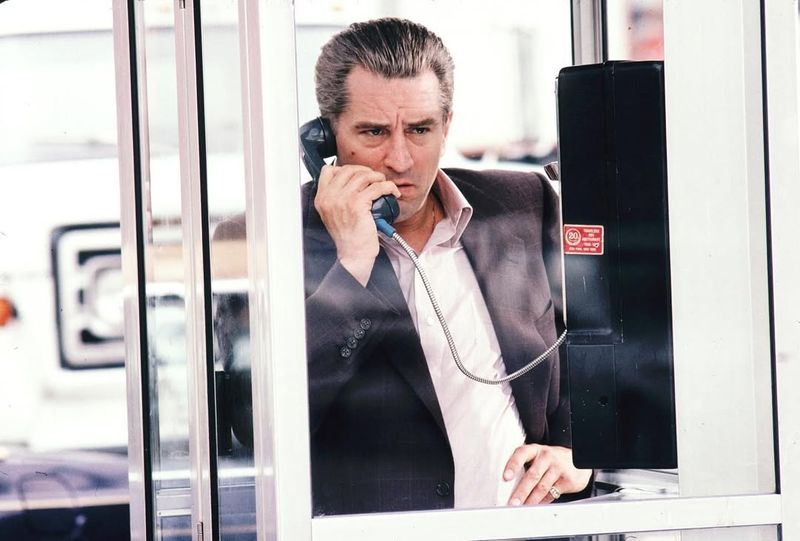
Robert De Niro does not need many words to show rage, and this scene proves it. Jimmy Conway storms out of a diner, crams himself into a phone booth, and then erupts into violent frustration after a conversation that clearly delivered very bad news, destroying the booth in the process.
Martin Scorsese uses the moment to signal a deadly shift in Jimmy’s mood and intentions. No explanation is given, which makes it more frightening.
Sometimes silence and broken glass say everything a screenplay cannot.
16. “I Am Your Boyfriend Now” – A Nightmare on Elm Street (1984)
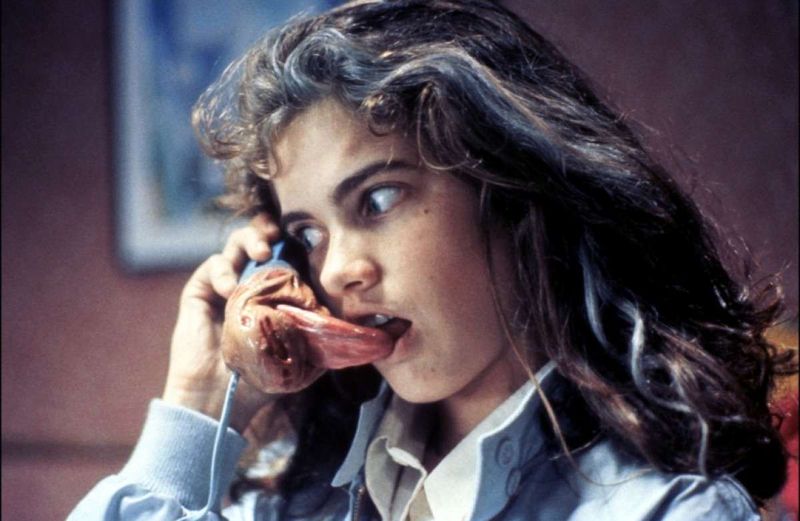
Freddy Krueger found a way to make phone calls genuinely nightmarish. Nancy Thompson receives a call from Freddy in which his face pushes through the receiver like a fleshy mask, and he whispers the creepiest possible version of a romantic declaration before trying to drag her through the phone.
Wes Craven blended surreal imagery with everyday objects to create dread that felt personal and inescapable. The scene captures why Freddy was so effective: he invaded the safest, most familiar spaces and turned them into something horrifying.