
A cover song can win new fans and still upset the person who made it famous. Sometimes the trouble comes from changed lyrics, a different mood, or a sound that misses the original point.
Other stories are less clear, with jokes and secondhand reports adding to the drama. These recordings show how differently singers and songwriters can hear the same song.
1. Cake’s ‘I Will Survive’: One Word Too Far
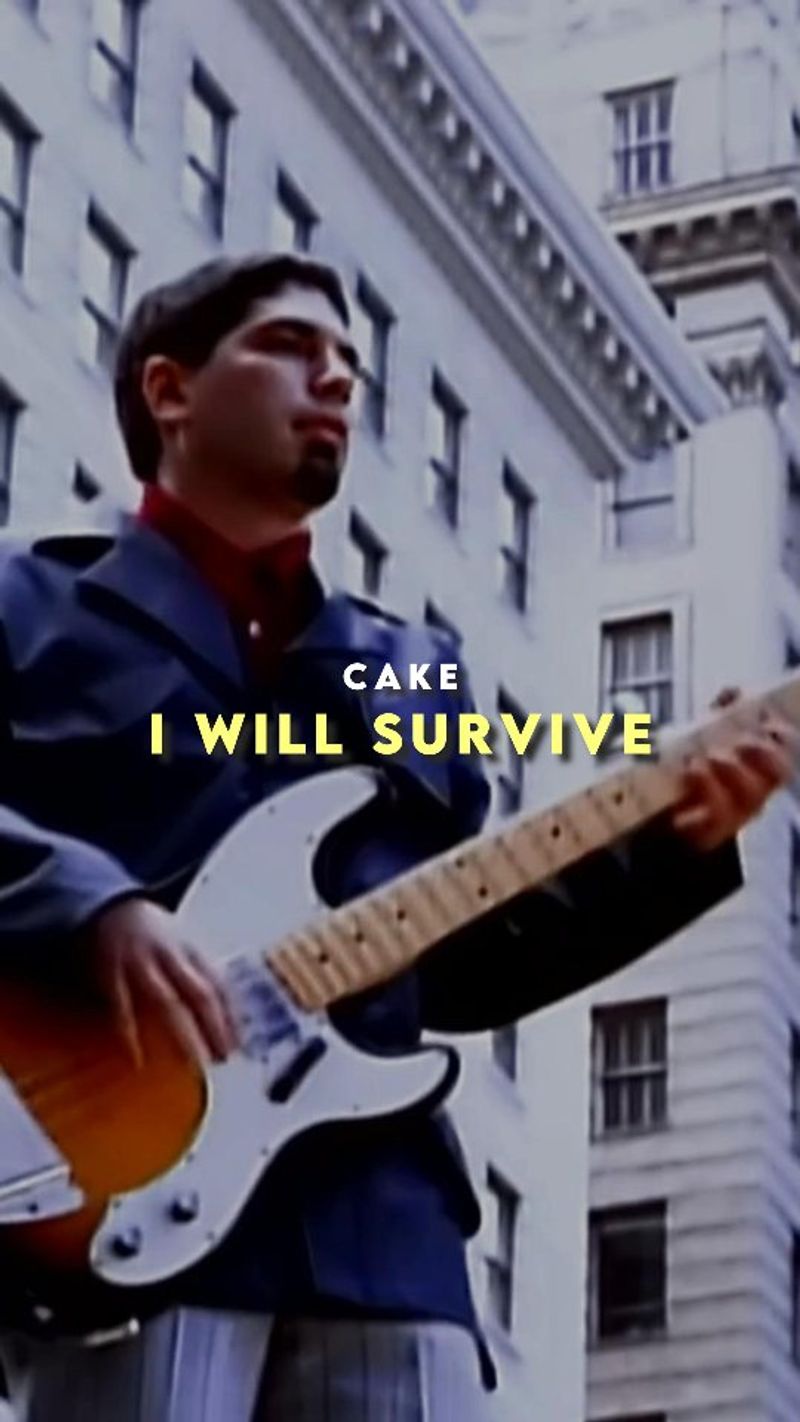
A single swear word helped turn a famous survival anthem into a sore spot. Cake gave Gloria Gaynor’s signature hit a dry vocal delivery, steady bass, and guitar bite on its 1996 album Fashion Nugget.
Gaynor objected to the added profanity rather than simply rejecting its rock sound. Her reaction makes sense for a song many listeners treat as a source of strength.
Changing the words can change what a beloved anthem stands for, too.
2. Barbra Streisand’s ‘Life on Mars?’: Bowie Wasn’t Buying It

Even a celebrated voice cannot guarantee a songwriter’s approval. Barbra Streisand recorded David Bowie’s ‘Life on Mars?’ for her 1974 album ButterFly, giving its strange, sweeping story a polished pop setting.
Bowie later described the result in blunt terms, including ‘bloody awful.’ The clash was not about whether Streisand could sing. It showed how a technically strong performance can still miss the unusual mood that made an original recording special to its creator and loyal listeners.
3. Megadeth’s ‘These Boots’: A Lyrical Battle
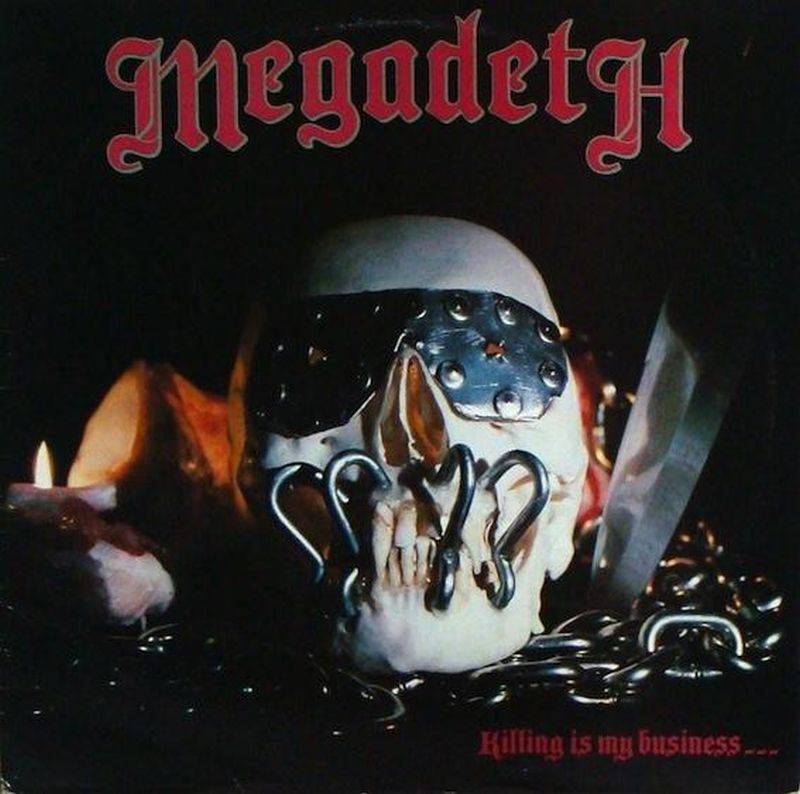
Boots built for walking became fuel for a metal fight. Megadeth sped through ‘These Boots’ on its 1985 debut, changing lyrics from the Lee Hazlewood song made famous by Nancy Sinatra.
Hazlewood objected strongly and sought its removal from later releases. The dispute eventually led to editions with the track missing or altered.
Beyond the loud guitars, the real issue was authorship: a cover’s new words can cross a boundary its songwriter never agreed to accept.
4. Manfred Mann’s ‘Blinded by the Light’: The Misheard Hit
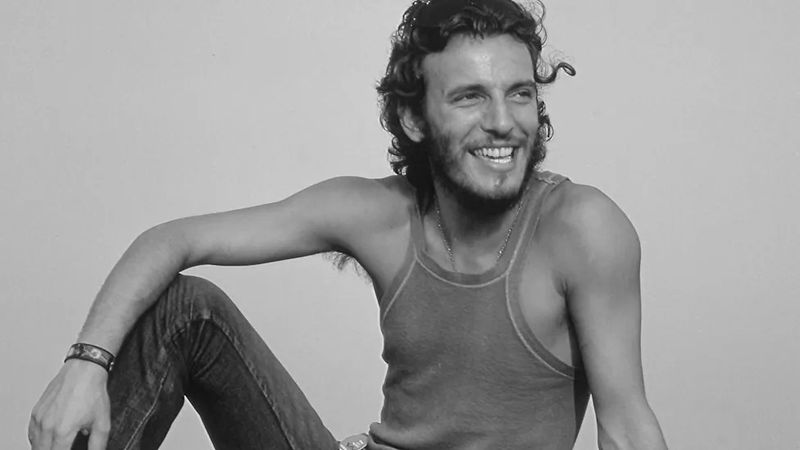
Few covers have caused more confusion over a single lyric. Manfred Mann’s Earth Band turned Bruce Springsteen’s song into a major hit, but its delivery made ‘revved up like a deuce’ sound like something very different.
Springsteen has joked about that famous misunderstanding, so reports of serious anger deserve caution. Still, the recording changed both the arrangement and wording.
Listen to the two versions together, and the gap between a writer’s intention and public memory becomes clear.
5. Peter Gabriel’s ‘Street Spirit’: A Quiet Rejection

A slow orchestral remake was meant to open a musical conversation. Peter Gabriel included Radiohead’s ‘Street Spirit’ on Scratch My Back in 2010, replacing the original guitar pattern with a heavier, more dramatic setting.
Gabriel later said he learned that the band disliked his version. Radiohead also did not complete the planned exchange of covers.
Silence alone would not prove rejection, but Gabriel’s account gives this story more weight than a simple unanswered invitation ever could.
6. Pet Shop Boys’ U2 Medley: Disco With a Wink
Disco sparkle replaced stadium seriousness when Pet Shop Boys tackled U2. Their 1991 single joined ‘Where the Streets Have No Name’ with ‘Can’t Take My Eyes Off You,’ making the grand rock anthem playful and danceable.
The duo described an ironic intent, but U2’s response is often remembered as a joke rather than clear outrage. That distinction matters.
A cover can tease its source without starting a feud, and this example belongs among the list’s less certain cases.
7. Mötley Crüe’s ‘Anarchy in the U.K.’: Meaning Lost
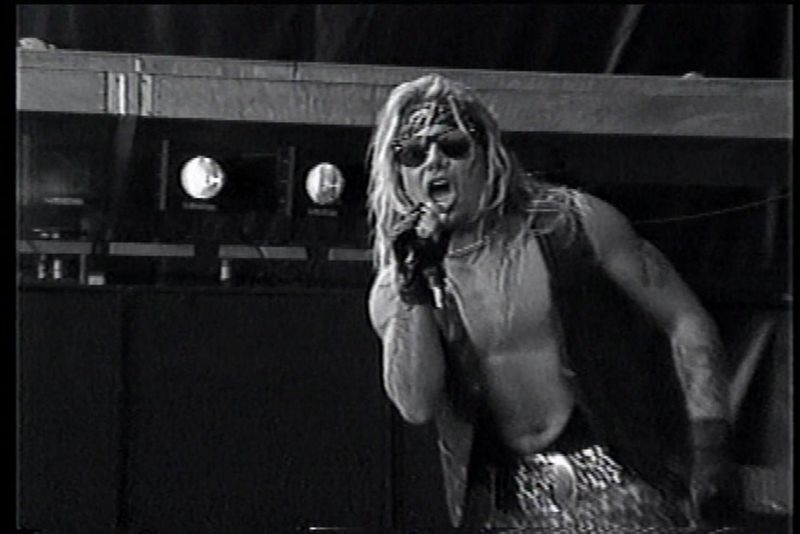
Punk anger does not always travel neatly across the Atlantic. Mötley Crüe recorded ‘Anarchy in the U.K.’ for its 1991 collection Decade of Decadence, adding its own sound and changes to the lyrics.
Sex Pistols singer John Lydon objected to the attempt at an American viewpoint, saying the band lost the meaning. His complaint points beyond musical taste.
When a song grows from a particular political setting, swapping details may weaken the message rather than update it.
8. Eagles’ ‘Ol’ 55′: Too Clean for Tom Waits
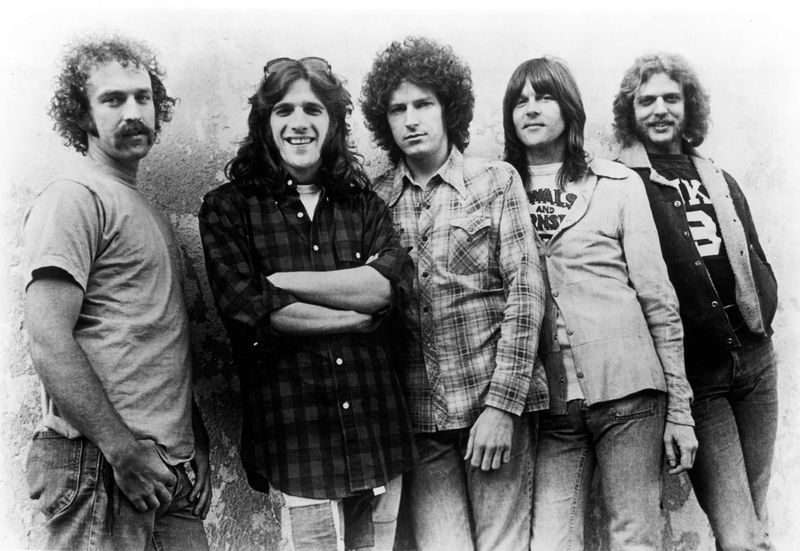
A dusty road song received a fresh coat of polish. The Eagles recorded Tom Waits’s ‘Ol’ 55′ for On the Border in 1974, surrounding it with smooth harmonies and a relaxed country rock feel.
Waits called their version ‘a little antiseptic,’ suggesting that its neat finish scrubbed away some character. His rough voice had given the original a different emotional weight.
Compare the recordings for a useful reminder: warmth and perfection are not always the same thing.
9. Van Halen’s ‘You Really Got Me’: Flash Versus Feel
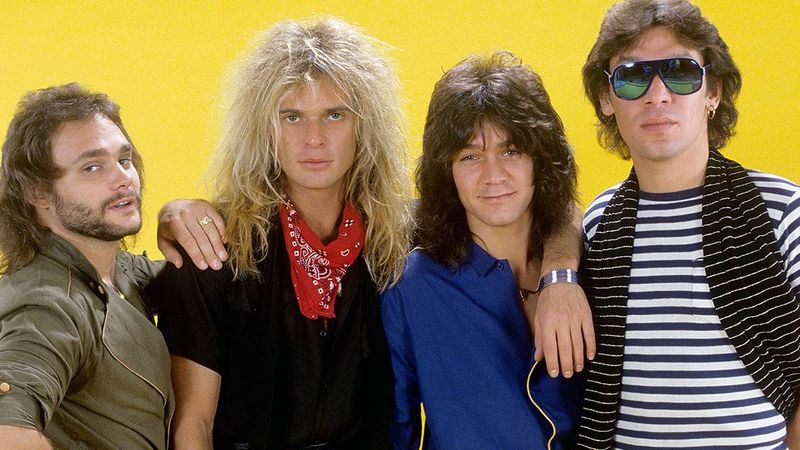
Guitar fireworks helped introduce Van Halen to a huge audience. Their 1978 debut featured a roaring version of the Kinks’ ‘You Really Got Me,’ with Eddie Van Halen’s playing adding fresh muscle.
Kinks guitarist Dave Davies found the treatment too technical and disliked its style. His reaction draws a line between skill and feeling.
A performance can dazzle listeners while leaving its original musician cold, especially when a lean, direct riff becomes part of a larger spectacle.
10. Limp Bizkit’s ‘Behind Blue Eyes’: A Disputed Verdict

A quiet Who classic became an unlikely Limp Bizkit hit. The band’s 2003 recording kept the sad opening mood but replaced the original’s harder middle section with an electronic passage.
A harsh judgment attributed to Pete Townshend often appears in cover song lists, yet that quotation should not be treated as firmly verified here. The musical changes are clear; the supposed verdict is less secure.
Enjoy comparing both arrangements without assuming every widely repeated insult has reliable backing.
11. Linda Ronstadt’s Costello Covers: Harsh Words, Later Regret
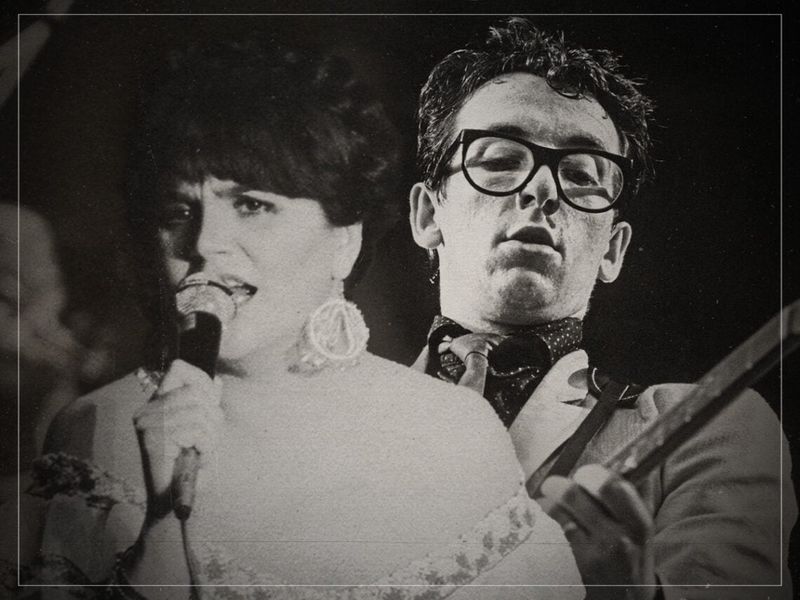
Several songs, not just one, fueled this uncomfortable exchange. Linda Ronstadt recorded Elvis Costello material including ‘Alison,’ ‘Party Girl,’ ‘Girls Talk,’ and ‘Talking in the Dark’ during the late 1970s and early 1980s.
Costello attacked the results with remarks such as ‘sheer torture’ and ‘a waste of vinyl.’ He later regretted his harshness. That later reflection adds a human twist: an artist’s first reaction can be cutting, but it need not remain their final word forever afterward.
12. Helen Reddy’s ‘You’re My Home’: Bigger Wasn’t Better
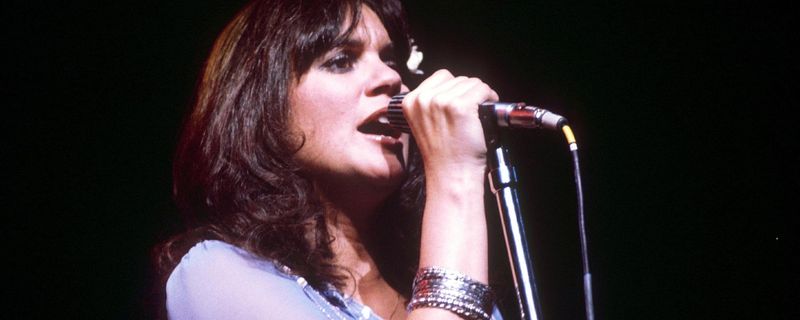
Home, in Billy Joel’s song, is a person rather than a place. Helen Reddy gave ‘You’re My Home’ a fuller pop arrangement, moving it away from the intimate feel of Joel’s recording.
Accounts of his response describe strong displeasure, with some reporting a dispute that approached legal action. Those details need careful sourcing rather than dramatic certainty.
What makes the pairing interesting is the contrast: a large arrangement can overwhelm a small, personal promise at a song’s center.
13. The Hollies’ ‘If I Needed Someone’: A British Pop Feud
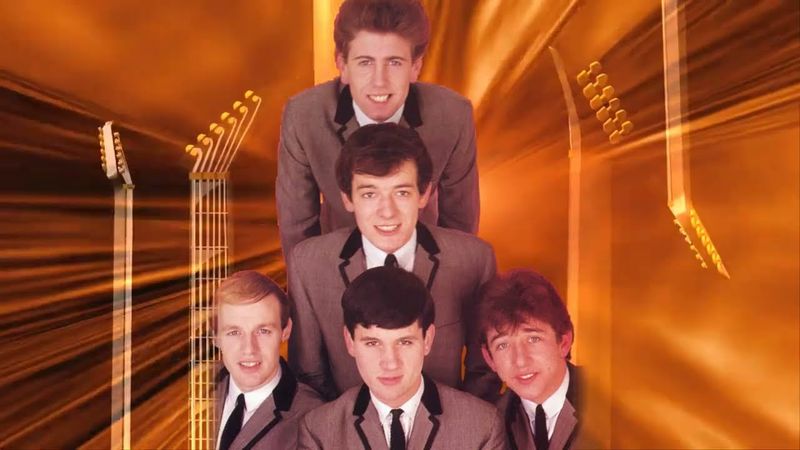
Release day turned into a competition neither side could ignore. The Hollies issued George Harrison’s ‘If I Needed Someone’ in December 1965, as Beatles listeners encountered the original on Rubber Soul.
Harrison publicly dismissed their treatment, and members of the Hollies pushed back. The exchange became a small British pop feud.
It also shows why timing matters: releasing a cover beside its source invites direct comparison, leaving little room for the new version to establish its own identity.
14. Guns N’ Roses’ ‘Knockin’ on Heaven’s Door’: An Alien Feeling

A spare farewell song grew into an arena singalong. Guns N’ Roses brought loud guitars and Axl Rose’s forceful voice to Bob Dylan’s ‘Knockin’ on Heaven’s Door,’ eventually releasing a studio version in 1991.
Dylan compared their treatment to the film Invasion of the Body Snatchers. The remark suggests something familiar had become strangely unfamiliar.
Fans may love that bigger sound, but the comparison captures how a songwriter can recognize every lyric and still feel distant from the result.
15. Maroon 5’s ‘Kiss’: Prince Wanted New Foundations
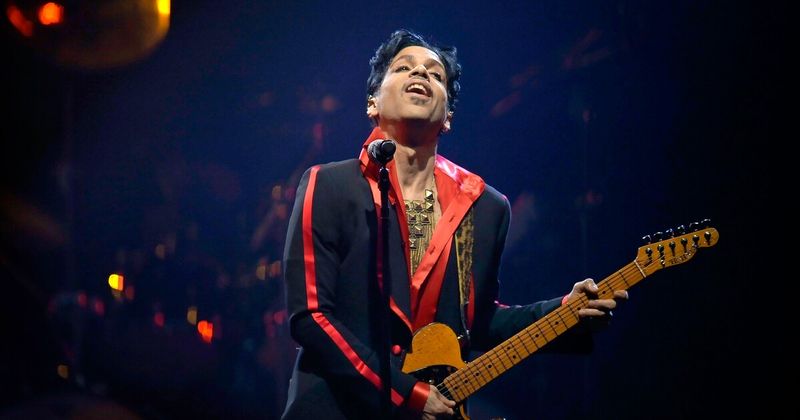
Prince’s objection reached beyond one band’s performance. After Maroon 5 covered ‘Kiss,’ he questioned the value of reworking songs that already existed, arguing that art should build something new.
That view fits a musician known for guarding his work and pushing his own sound forward. It does not mean listeners must reject every remake.
Instead, his criticism raises a useful question: does a cover bring a fresh idea, or simply lean on recognition to attract an audience?
16. The Lemonheads’ ‘Mrs. Robinson’: A Lukewarm Welcome
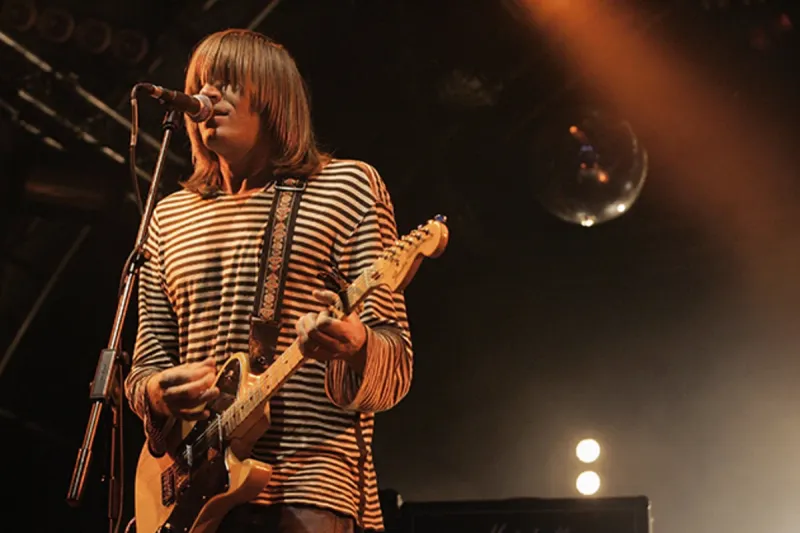
An upbeat blast of alternative rock introduced ‘Mrs. Robinson’ to younger ears. The Lemonheads released their version in 1992, trading Simon and Garfunkel’s carefully shaped sound for a loose, rushing energy.
Paul Simon is often reported to have disliked it, though his later ‘so-so’ assessment sounds more lukewarm than furious. Keeping that difference in mind prevents a mild reaction from becoming a false feud.
A successful cover does not need its writer’s applause to find a devoted audience.