
Bonanza ran on NBC from 1959 to 1973, becoming one of the longest-running and most beloved Westerns in television history. Millions of fans tuned in each week to follow the Cartwright family on their sprawling Ponderosa Ranch.
But even the most devoted viewers might be surprised by some of the behind-the-scenes secrets, quirky facts, and fascinating stories that shaped the show. Get ready to see your favorite classic Western in a whole new light.
1. The First Show Broadcast Entirely in Color
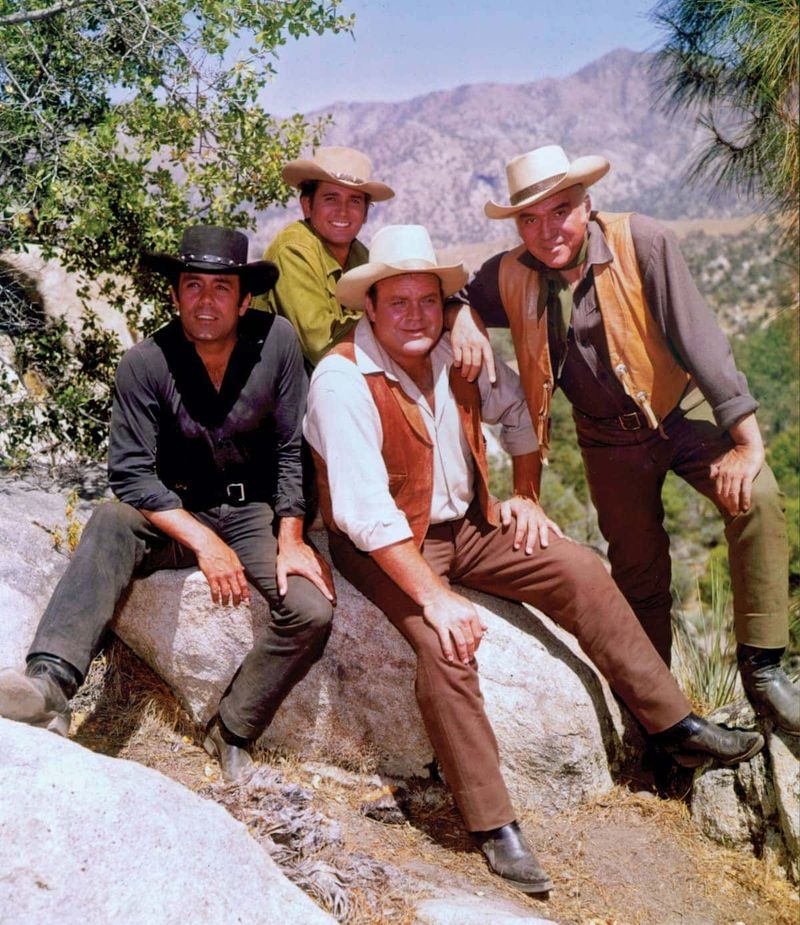
Before streaming, before HD, there was a bold gamble that changed TV forever. Bonanza holds the remarkable distinction of being the first television show shot and broadcast entirely in color.
NBC’s parent company, RCA, had a very calculated reason for this decision — they wanted to sell more color TV sets to American households.
The show essentially became a giant, entertaining advertisement for a new technology. It worked brilliantly, pushing color television into living rooms across the country.
2. The Theme Song Had Secret Lyrics
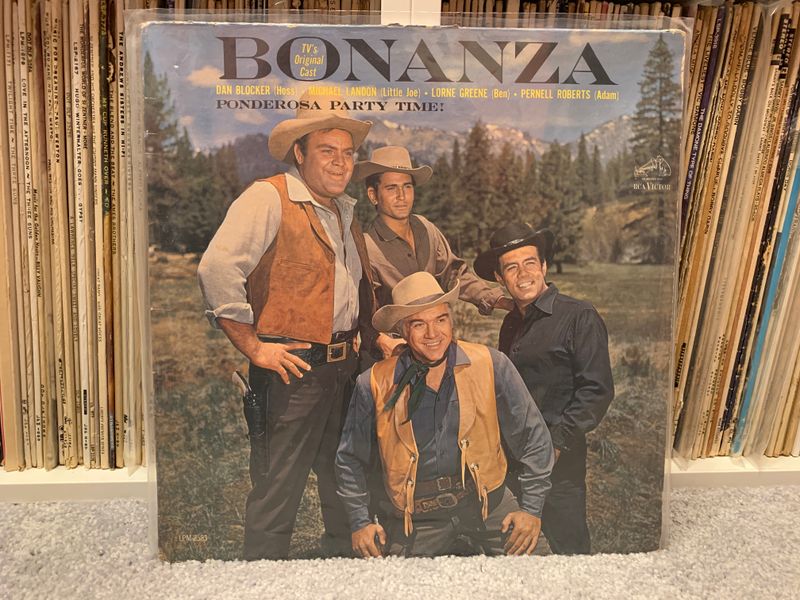
Most fans only know the Bonanza theme as an upbeat, wordless instrumental — but that is only part of the story. The theme song actually had lyrics, and multiple versions of them existed.
One set was even written by series star Lorne Greene himself, who brought his creative talents beyond acting.
Footage of the cast singing the song was filmed for the pilot episode. Producers ultimately cut the singing sequence, leaving fans with the familiar instrumental version instead.
3. Why the Cartwrights Always Wore the Same Clothes
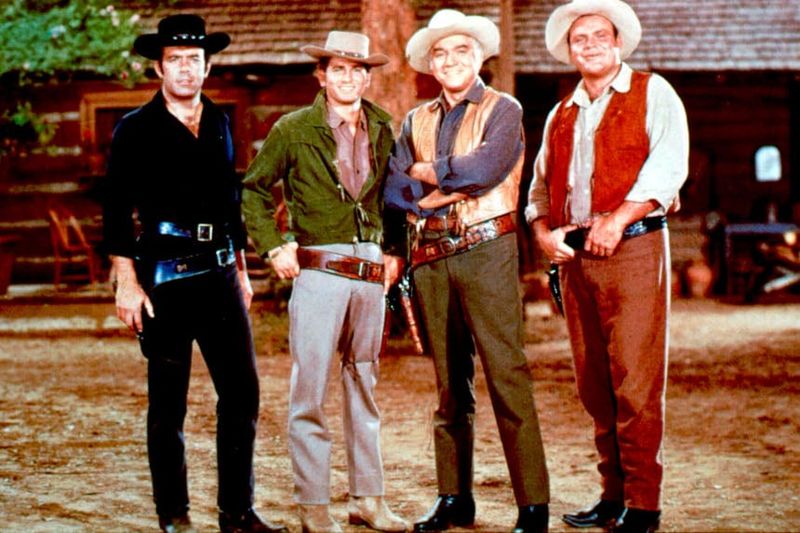
Ever notice that the Cartwright men seemed to wear the exact same outfits episode after episode? That was no accident.
Producers made a very deliberate choice to keep the characters in consistent clothing throughout the entire series run. The reason was purely practical — it made inserting stock footage into new episodes much easier and far less expensive.
Reusing existing footage saved significant production costs. It was a clever, budget-conscious trick that most viewers never even noticed while watching.
4. Bonanza Was Inspired by King Arthur
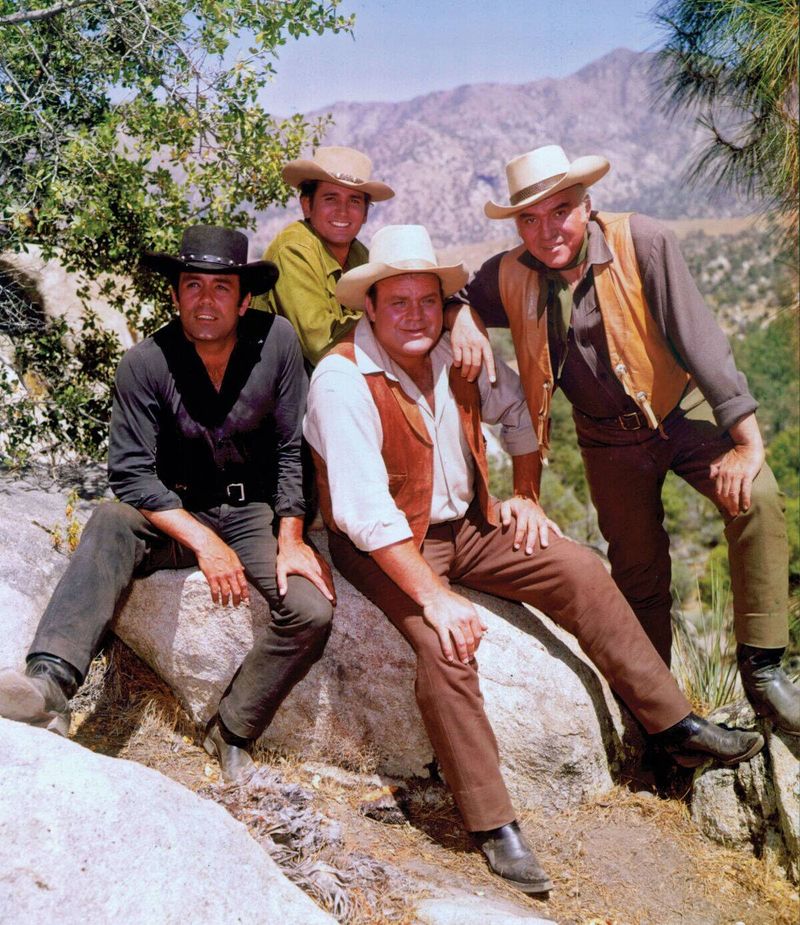
Creator David Dortort had a grand vision when he dreamed up Bonanza — one rooted in ancient legend. He conceived the show as an “Old West presentation of the legend of King Arthur.” Ben Cartwright was meant to represent King Arthur himself, wise and commanding.
His three sons — Adam, Hoss, and Little Joe — served as his knights, each with distinct personalities and moral codes. This epic framework gave the show a mythic quality that resonated deeply with audiences for over a decade.
5. The Ponderosa Ranch Was Geographically Impossible
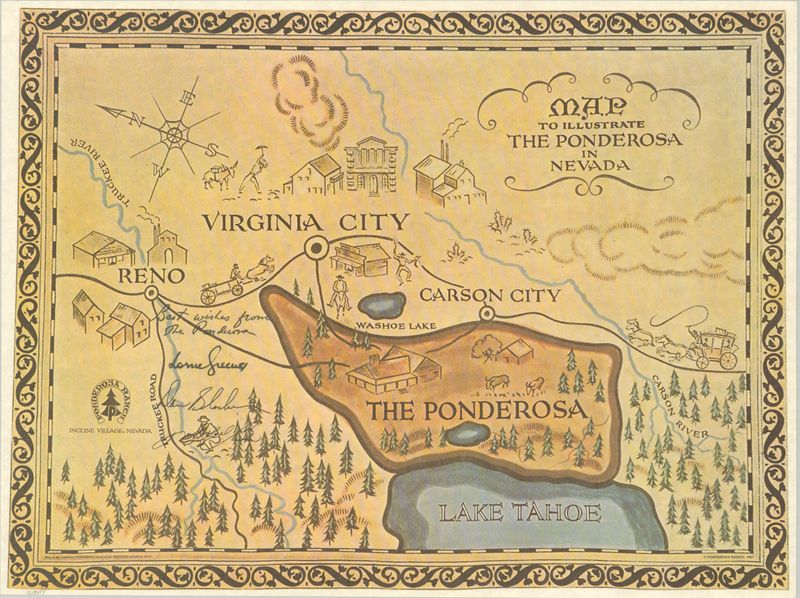
The Ponderosa sounded magnificent — a thousand square miles of rich timberland near Lake Tahoe. There is just one problem: it could never have actually existed.
A ranch that size in that real-world location would have covered barren desert, established towns, and sheer mountain cliffs.
Geographically speaking, the Ponderosa was a beautiful fiction. Fans loved the idea of it so much that nobody seemed to mind the geographical impossibility hiding right there on the map shown at the start of each episode.
6. Ladies Rarely Survived Around the Ponderosa
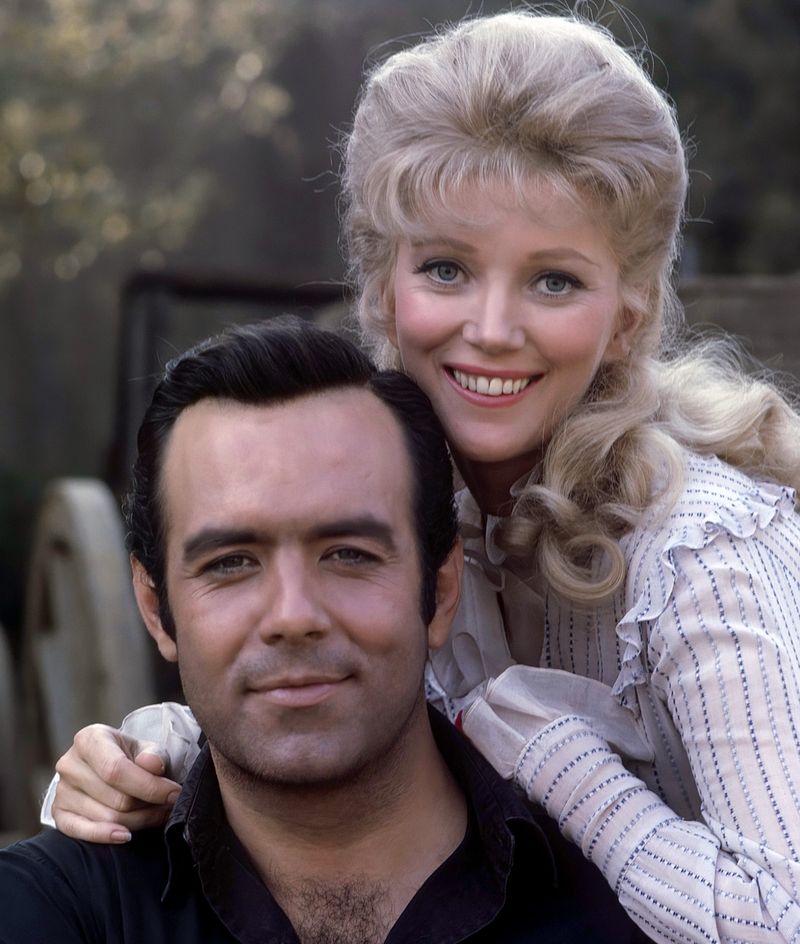
It became such a running joke that fans even gave it a name. Women who got close to the Cartwright men had a notoriously short life expectancy on the show.
Ben Cartwright was widowed not once, not twice, but three separate times throughout the series.
Romantic interests for Adam, Hoss, and Little Joe rarely lasted either — they died, disappeared, or left town with alarming regularity. The writers seemed to treat romance as a one-way ticket to heartbreak or tragedy every single time.
7. Pernell Roberts Hated Being on the Show
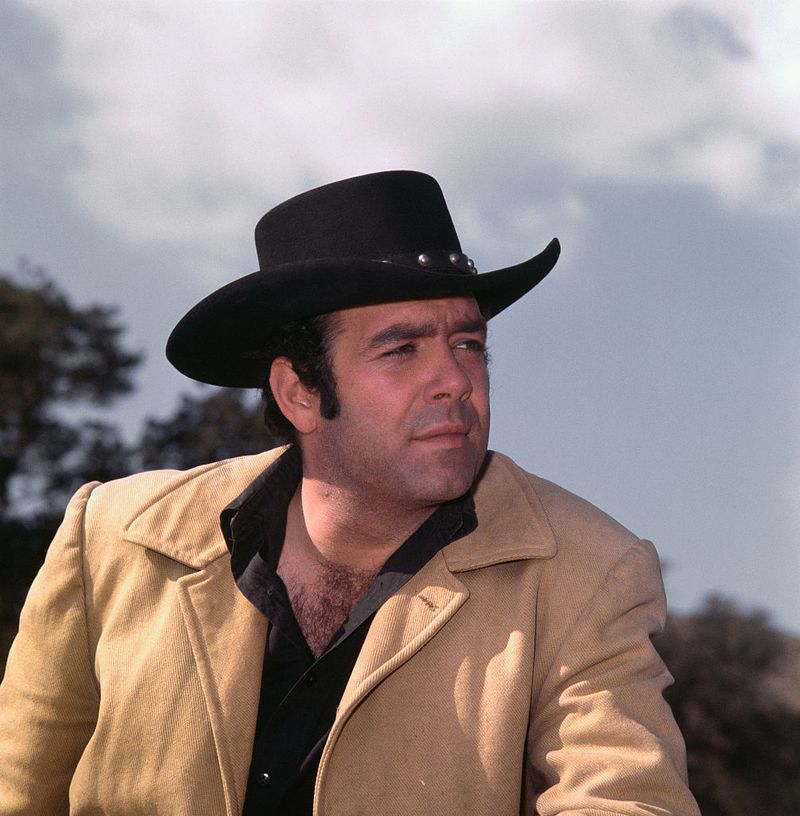
Playing Adam Cartwright made Pernell Roberts famous, but fame was not what he wanted. Roberts openly called the show “childish” and “junk TV,” and he spent years trying to escape his contract.
He felt the role offered him absolutely no artistic challenge as a trained, serious actor.
He eventually succeeded in leaving after six seasons, which was rare for that era of television. Roberts went on to find greater personal satisfaction in stage work and later in the long-running medical drama Trapper John, M.D.
8. Michael Landon Wore Four-Inch Boot Lifts
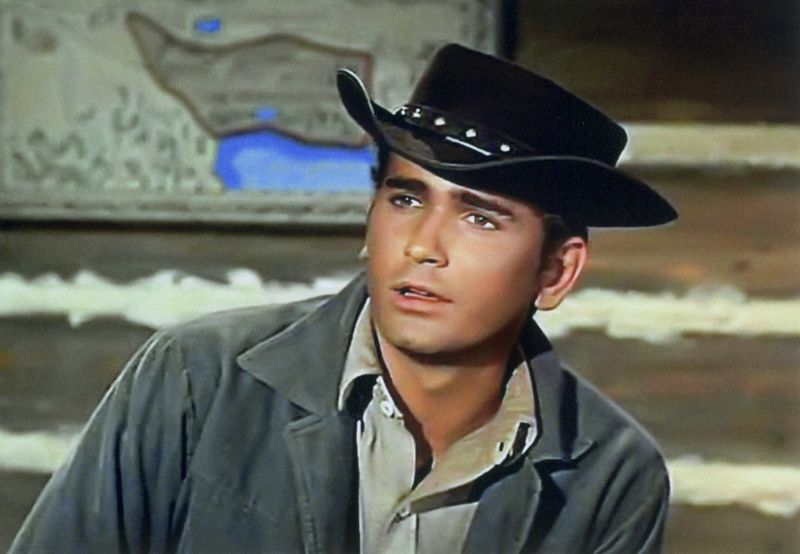
Little Joe Cartwright was charming, quick-tempered, and apparently a little shorter than his co-stars. Michael Landon, who brought Little Joe to life with undeniable charisma, wore four-inch lifts inside his cowboy boots throughout the entire run of the series.
The lifts helped him look more proportionate alongside the towering Dan Blocker and the stately Lorne Greene. It is a small but fascinating detail that shows just how much effort went into crafting the Cartwright family’s on-screen image for viewers at home.
9. Dan Blocker Was a Record-Breaking Baby
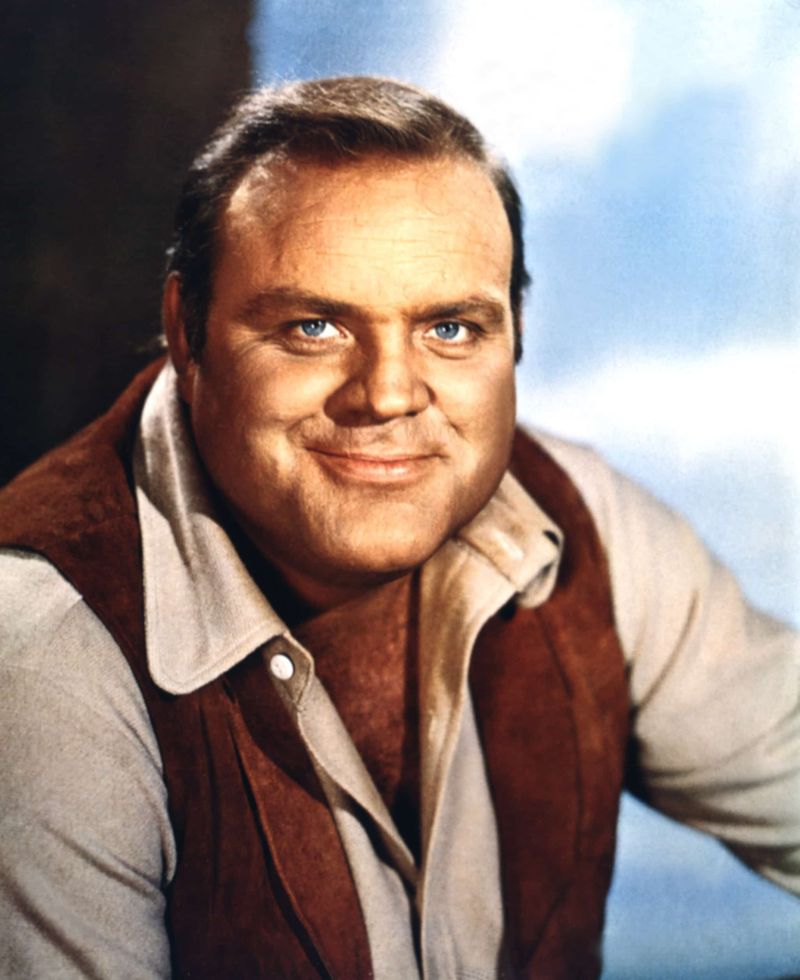
Dan Blocker, the gentle giant behind lovable Hoss Cartwright, was larger than life from the very beginning — literally. He weighed a whopping 14 pounds at birth, which set a record in Bowie County, Texas.
Most newborns weigh around seven or eight pounds, making Blocker’s birth weight truly extraordinary.
It seems fitting that the actor who became famous for playing one of television’s biggest and most warm-hearted characters started life in such a memorably oversized way from day one.
10. Dan Blocker’s Death Nearly Ended the Show
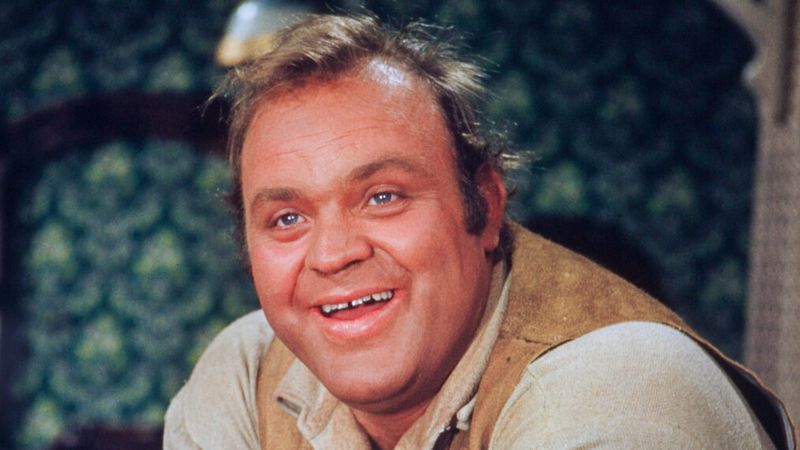
When Dan Blocker passed away in May 1972 from a pulmonary embolism following gallbladder surgery, the entire cast and crew was devastated. His death hit the show like a thunderbolt.
Producers wrote Hoss off as having died, and the emotional void left behind was impossible to fill.
Ratings dropped sharply without the beloved character anchoring the family dynamic. The show was officially canceled in 1973, and many insiders have cited Blocker’s unexpected passing as the single biggest factor in Bonanza’s end.
11. Lorne Greene Was Secretly Terrified of Horses
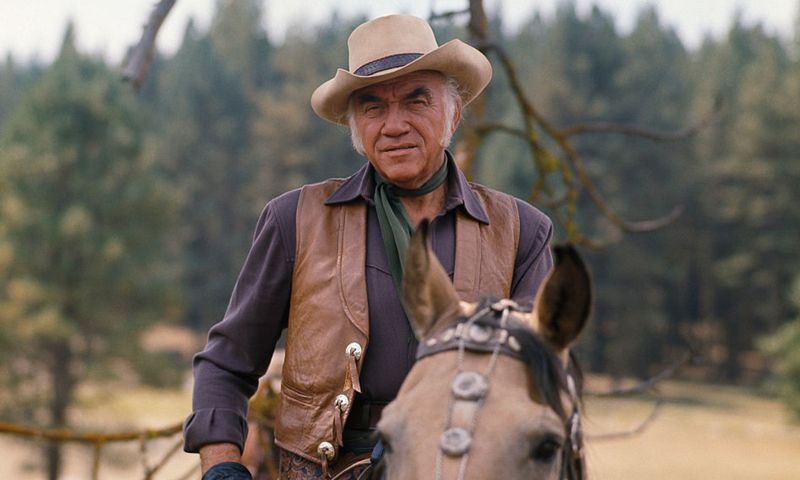
Ben Cartwright looked perfectly at home in the saddle, commanding and confident with every ride. Behind the scenes, however, Lorne Greene reportedly had a strong dislike of horses and could barely ride one convincingly.
The rugged patriarch of the Ponderosa was not exactly a natural cowboy.
Producers solved the problem by pairing him with a calm, reliable quarter horse named Dunny Waggoner, whose steady temperament made Greene appear far more skilled on horseback than he actually was in real life.
12. Bonanza Launched a Real Restaurant Chain
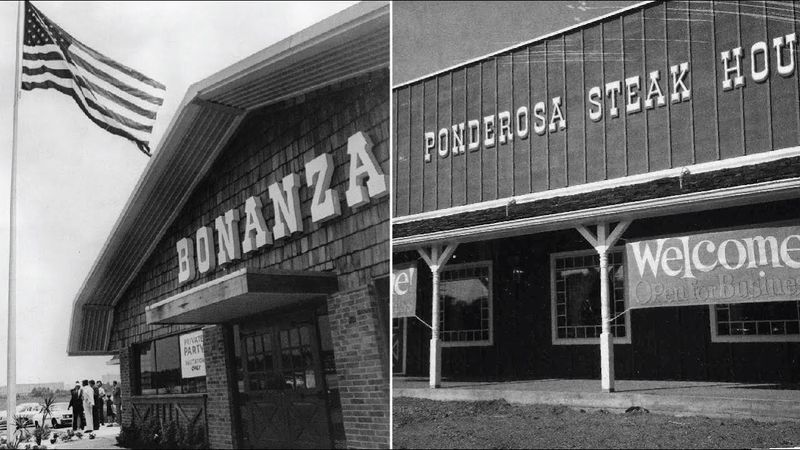
The Ponderosa was not just a fictional ranch — it became a real-world dining destination. Dan Blocker helped launch a restaurant chain initially called Bonanza and later rebranded as Ponderosa Steakhouse.
The chain grew into a recognizable name in American casual dining during the 1970s and beyond.
Adding to the real-world legacy, a Ponderosa Ranch theme park opened near the show’s filming locations in 1968 and welcomed visitors for over three decades before finally closing its gates in 2004.
13. The Show Tackled Serious Social Issues
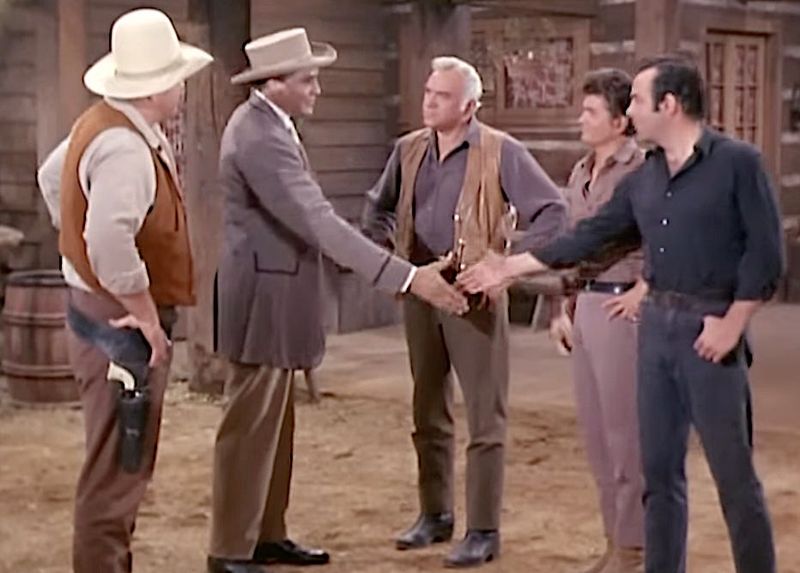
For a show set in the 1800s, Bonanza was surprisingly ahead of its time in addressing real-world problems. Episodes tackled racism, bigotry, substance abuse, and domestic violence with a compassionate and humanitarian perspective that was rare for prime-time television in that era.
Sponsors sometimes grew nervous about the show’s willingness to address controversial topics. But the producers pushed forward anyway, earning Bonanza a reputation as a Western with genuine moral courage — not just gunfights and cattle drives every week.
14. Lorne Greene Was Once Called The Voice of Doom
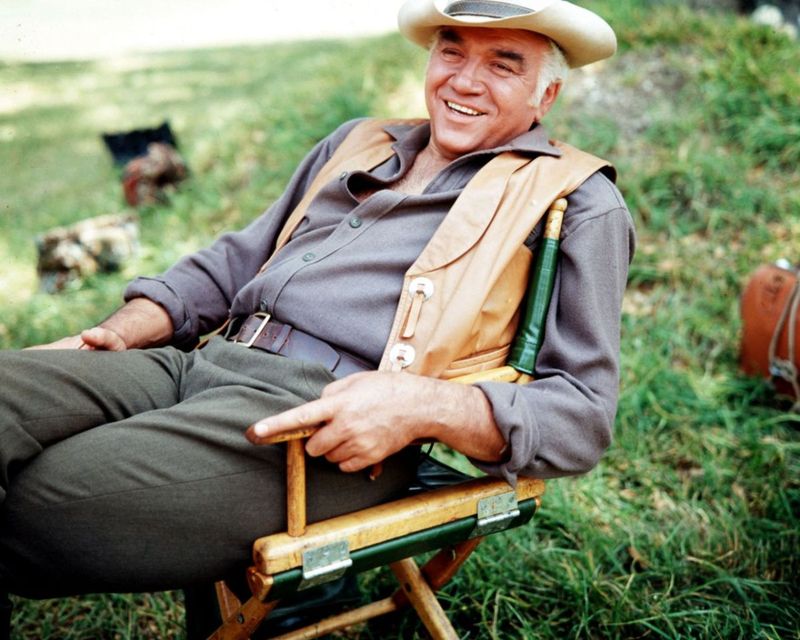
Long before Ben Cartwright ruled the Ponderosa, Lorne Greene ruled the Canadian airwaves. He worked as a respected newscaster for the Canadian Broadcasting Corporation, where his deep, authoritative voice made him one of the most recognized voices in the country during World War II.
His somber, serious delivery of wartime news earned him the unforgettable nickname “The Voice of Doom.” It is a striking contrast to the warm, fatherly character he would later make famous on one of America’s most beloved television shows.
15. All Four Main Stars Were Paid Equally
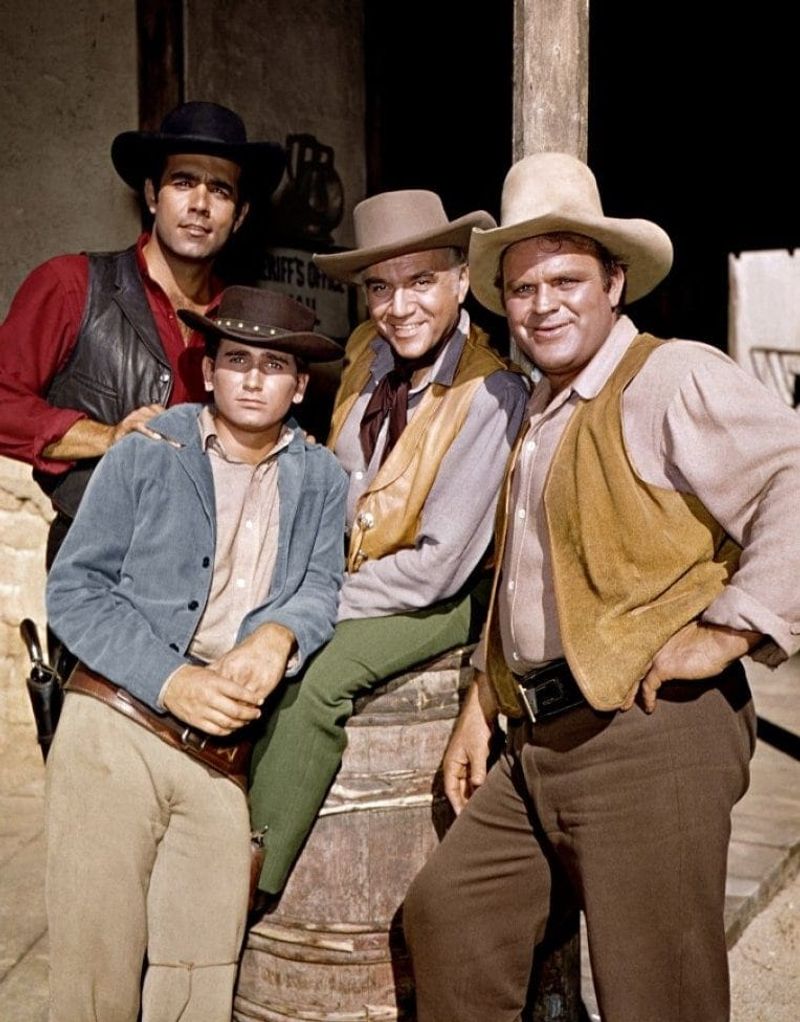
Hollywood has a long history of paying its stars very differently based on billing, fame, and negotiating power. Bonanza broke that mold in a meaningful way.
In its early seasons, all four main Cartwright actors — Lorne Greene, Pernell Roberts, Dan Blocker, and Michael Landon — received equal pay.
For television in the early 1960s, that kind of equal pay arrangement was genuinely unusual. It reflected the show’s emphasis on the family unit as a whole rather than elevating one single star above the rest.
16. A Sunday Slot Change Saved the Whole Show
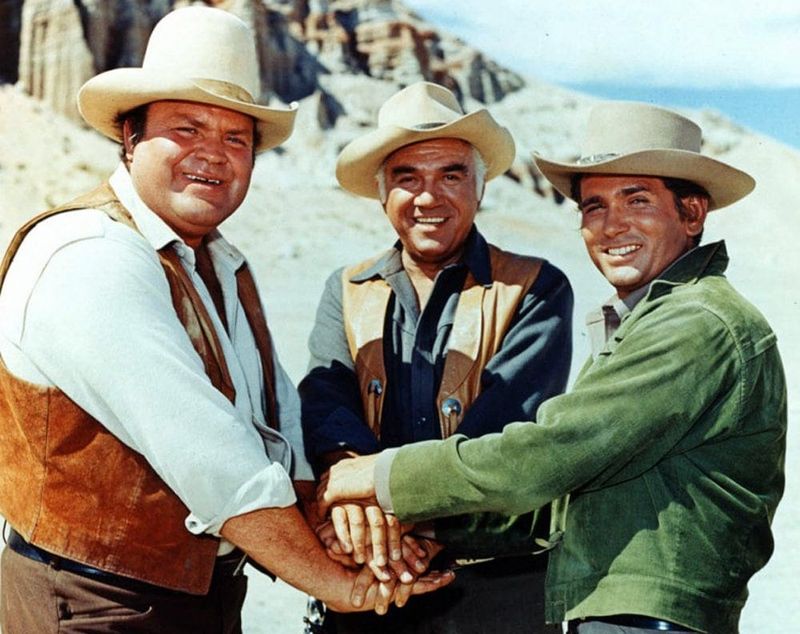
Bonanza almost did not survive its first few seasons. The show struggled with low ratings when it aired on Saturday nights, and NBC executives were seriously considering pulling the plug altogether.
Then came a simple but game-changing decision: move the show to Sunday evenings.
The audience response was extraordinary. Ratings soared, and Bonanza eventually became the first show in history to remain in the Nielsen Top Five for nine consecutive seasons.
A single scheduling change turned a struggling series into a television legend.