
Growing up, most kids just want to feel loved, heard, and safe. But sometimes, the way parents behave leaves deep emotional marks that children carry long into adulthood.
Resentment doesn’t usually happen overnight — it builds slowly through repeated experiences that make a child feel unseen, unworthy, or controlled. Understanding these patterns is the first step toward breaking the cycle and building healthier family relationships.
1. Emotional Abuse and Constant Criticism
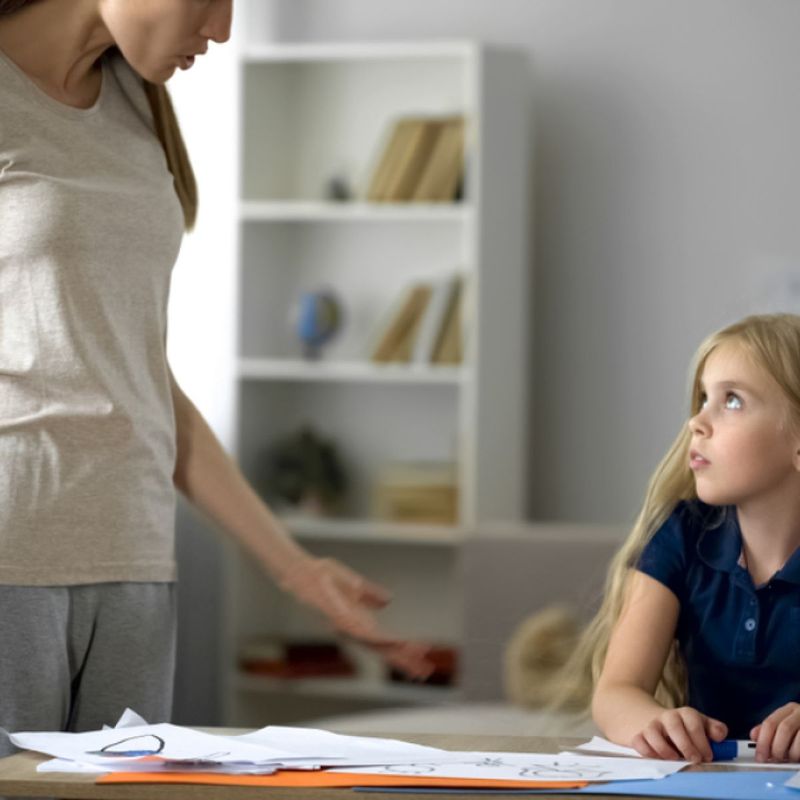
Words leave marks that no one can see. When a parent constantly criticizes, belittles, or mocks a child, that child starts believing the negative things being said about them.
Over time, this chips away at their confidence and self-worth.
Children who grow up hearing they are “not smart enough” or “always messing up” often carry that voice into adulthood. Healing from emotional abuse takes years, and the resentment it builds can feel impossible to shake.
2. Lack of Emotional Support and Neglect
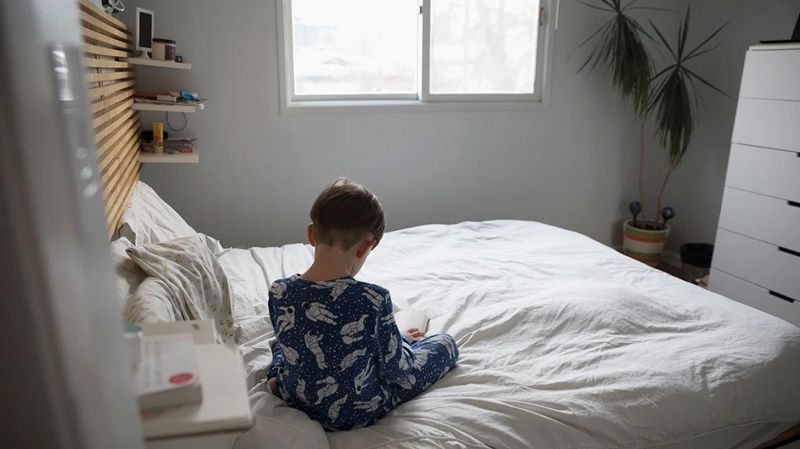
Imagine crying and having no one show up for you — not physically, but emotionally. Emotional neglect happens when parents consistently dismiss or ignore their child’s feelings, leaving the child feeling invisible and unimportant.
Kids who never felt emotionally supported often grow into adults who struggle to trust others or express their needs. The resentment from feeling emotionally abandoned can quietly poison relationships for decades, even when the child becomes an adult.
3. Narcissistic Parenting
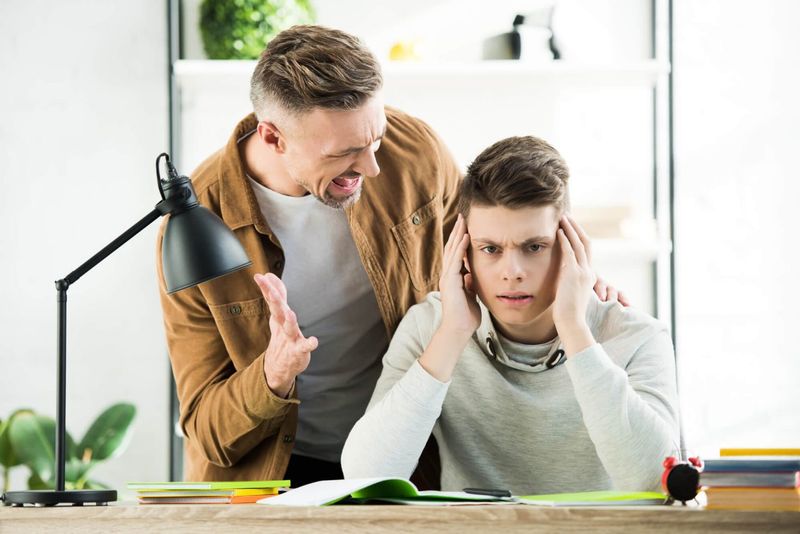
Some parents make everything about themselves — their feelings, their image, their needs. A narcissistic parent rarely asks how their child is doing because, in their world, the child exists to serve the parent’s emotional needs rather than the other way around.
Kids raised in this environment often struggle with chronic self-doubt and low self-esteem. They may spend years wondering why they never felt “good enough,” not realizing the problem was never theirs to fix.
4. Authoritarian Parenting Style
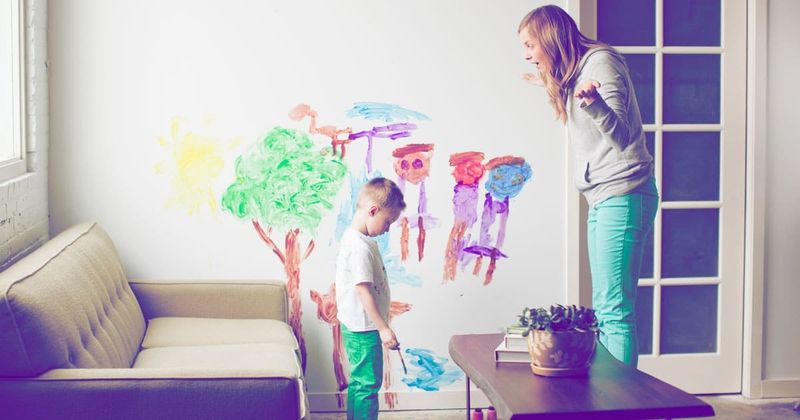
Rules without reasons breed rebellion — or resentment. Authoritarian parents run their households like a military camp: strict rules, zero negotiation, and little warmth.
Children in these homes quickly learn that obedience is valued far more than their opinions or feelings.
Over time, this creates kids who feel controlled rather than guided. They may follow the rules on the outside while building deep anger on the inside, often pulling away from their parents once they gain independence.
5. Overprotective Parenting
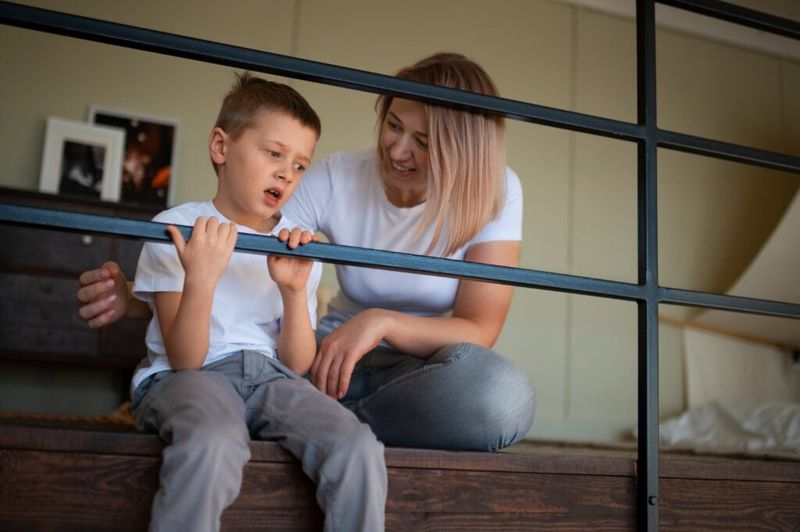
Being kept in a bubble might feel safe, but it can also feel suffocating. Overprotective parents, driven by fear, often prevent their children from taking normal risks, making their own choices, or learning from mistakes.
Children raised this way tend to feel controlled and underprepared for real life. When they finally step out into the world and struggle, they often look back with frustration — wondering why they were never allowed to figure things out on their own.
6. High Parental Conflict
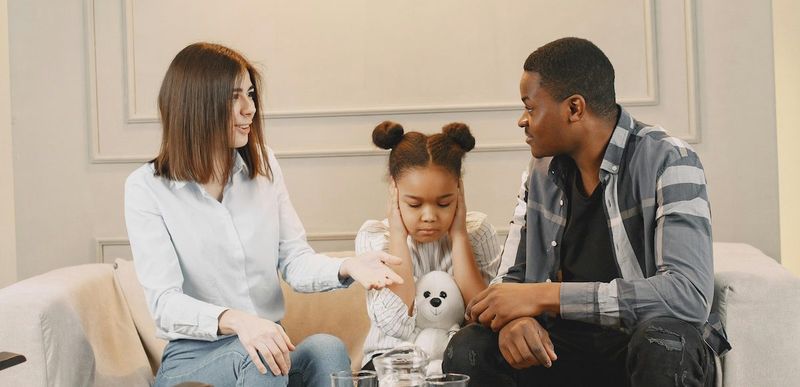
Growing up in a war zone — even a verbal one — takes a serious toll on children. When parents constantly fight, argue, or create a tense atmosphere at home, kids are robbed of the sense of safety they need to thrive emotionally.
Children caught in the middle of parental disputes often feel anxious, stressed, and responsible for the chaos around them. That helplessness can turn into deep-seated resentment toward one or both parents as they grow older.
7. Favoritism and Scapegoating
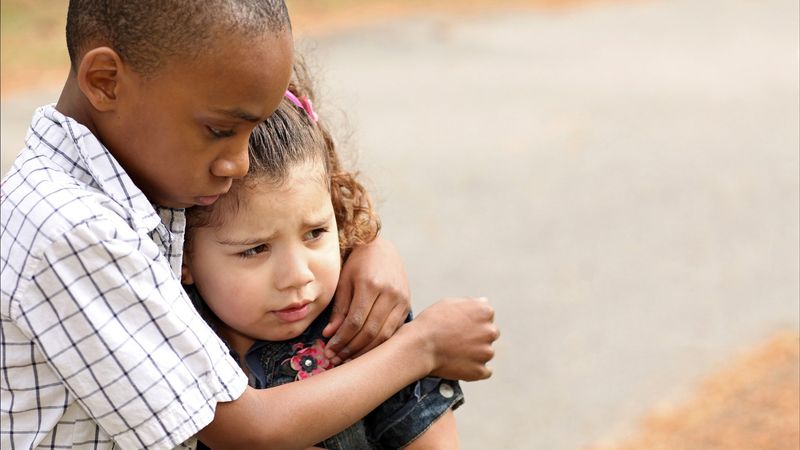
“Why does my sibling always get treated better?” That question haunts many adults who grew up as the unfavored child. Favoritism sends a loud message: you matter less.
And when one child is constantly blamed for family problems — scapegoated — the damage goes even deeper.
Children who were scapegoated or overlooked often grow up with wounds to their identity and self-worth. The resentment that forms can strain family relationships well into adulthood, sometimes permanently.
8. Disrespect for Boundaries

Privacy matters, even for kids. When parents read diaries, go through phones without asking, or dismiss a child’s need for personal space, they send a clear message: your boundaries do not count here.
Children who grow up without their boundaries respected often feel powerless and disrespected. As they get older and gain independence, they may pull away from their parents entirely — not out of rebellion, but out of a need to finally protect themselves and their personal space.
9. Unrealistic Expectations and Constant Comparison

“Why can’t you be more like your sister?” Few phrases sting quite like being compared to someone else by your own parent. Constant comparison tells a child they are not enough just as they are, which quietly destroys their self-worth over time.
Unrealistic expectations pile on even more pressure. Children who could never seem to meet the bar their parents set often grow into adults carrying a heavy mix of exhaustion and resentment toward those who demanded so much and appreciated so little.
10. Refusal to Apologize

A parent who never says “I’m sorry” teaches their child that adults are above accountability. Over time, children start to notice the injustice — they are expected to apologize for everything, yet their parent never does the same.
That double standard breeds resentment that can last decades. Adults who grew up with parents who refused to admit wrongdoing often describe a lasting sense of unfairness that damaged their trust and made it difficult to feel respected within the relationship.
11. Parentification

Children should not have to be their parent’s therapist, problem-solver, or emotional support system. Parentification happens when a parent leans on their child to fill an adult role — sharing adult problems, depending on the child emotionally, or making them responsible for keeping the family together.
Kids placed in this position often lose their childhood without realizing it. As adults, they frequently feel angry about the weight they were made to carry at such a young age, long before they were ready.
12. Using Guilt as a Parenting Tool

“After everything I’ve done for you…” Sound familiar? Guilt-tripping might seem like a harmless parenting tactic, but it slowly replaces genuine love with a sense of obligation.
Children raised this way learn to associate family with duty, not warmth.
When every good deed comes with a reminder of what was sacrificed, kids stop feeling grateful and start feeling trapped. That emotional debt never truly gets paid off — and the resentment it creates can quietly poison the parent-child bond for life.
13. Chronic Anger and Yelling

A household full of yelling is an exhausting place to grow up. When anger is the default response to problems, children learn to walk on eggshells — always bracing for the next explosion and never feeling truly safe at home.
Over time, frequent yelling makes children feel unloved and inadequate. Many internalize the message that they are the cause of the anger, which crushes their self-esteem.
The resentment that follows is a natural response to years of feeling like a burden rather than a blessing.
14. Lack of Flexibility and Trust

As kids grow up, they need more freedom — and they need to feel trusted. Parents who refuse to loosen the reins, stick to rigid rules that no longer fit, or constantly assume the worst about their teenager send a painful message: I don’t believe in you.
That lack of trust stings deeply. Teens who feel perpetually doubted or micromanaged often pull away emotionally, and that distance can harden into resentment that follows them long after they leave home.
15. Dismissing a Child’s Emotional Reality
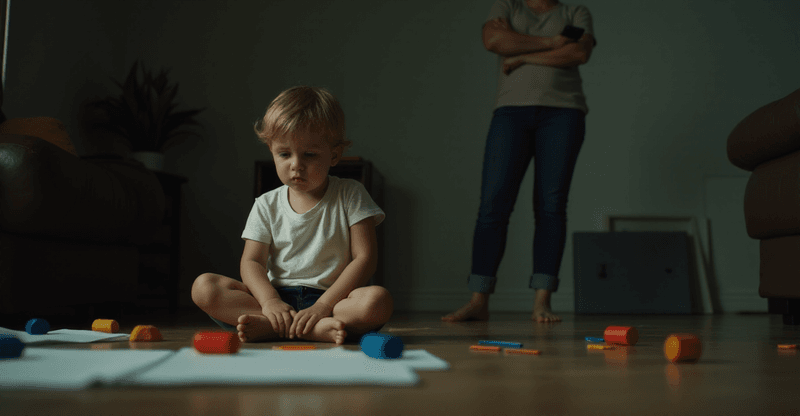
“You’re too sensitive.” “That’s not a big deal.” “Stop crying.” These phrases, repeated over and over, teach a child that their inner world is wrong and untrustworthy. When parents consistently dismiss or minimize their child’s feelings, kids learn to suppress their emotions instead of processing them.
That emotional suppression does not disappear — it turns into quiet, simmering anger. Adults who were told their feelings were invalid often struggle with self-trust and carry deep resentment toward parents who made them feel broken for simply feeling things.