
Some concerts are more than just music — they become moments that shape history. The 1970s were packed with performances so electric, so raw, and so unforgettable that no recording could ever fully capture what it felt like to be standing in that crowd.
From massive outdoor festivals to tiny clubs that launched entire music movements, these shows changed everything. If you missed them, you missed something truly once-in-a-lifetime.
1. The Who – University of Leeds Refectory, England (February 14, 1970)
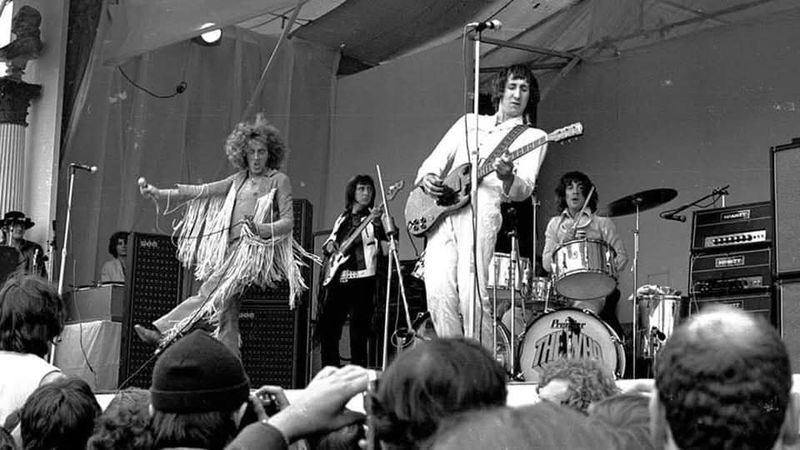
Valentine’s Day 1970 gave rock fans something far better than chocolates — one of the greatest live performances ever captured on tape. The Who tore through the Leeds University Refectory with such ferocity that the resulting album, “Live at Leeds,” became a blueprint for how live rock should sound.
What made it legendary was its stripped-down honesty. No crowd mics, no studio tricks — just raw, thunderous energy.
Future bands studied this recording like a textbook.
2. Led Zeppelin – Bath Festival of Blues and Progressive Music (June 28, 1970)
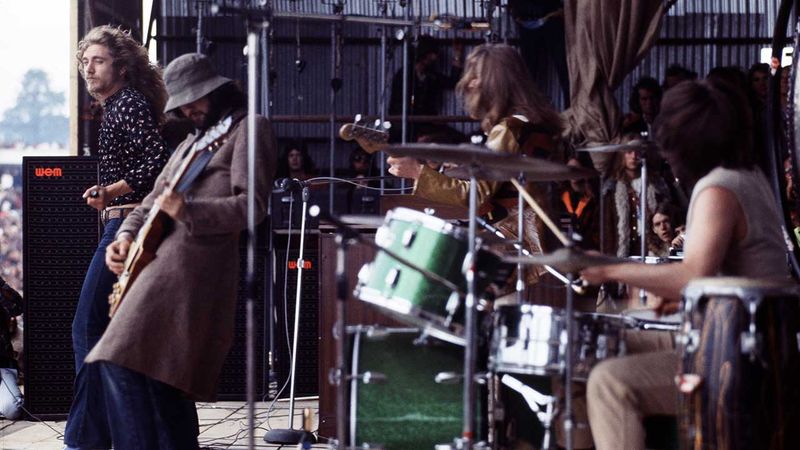
Picture 150,000 people losing their minds as Jimmy Page’s guitar ripped open the very first live performance of “Immigrant Song.” That was the opening move at Bath Festival 1970, and the crowd never recovered — in the best possible way.
This show flipped the script on Led Zeppelin’s reputation in Britain, where American fans had previously embraced them more warmly. Their set stretched over three hours with five encores.
Michael Eavis left so inspired he created Glastonbury Festival.
3. Isle of Wight Festival – Afton Down, England (August 26-30, 1970)
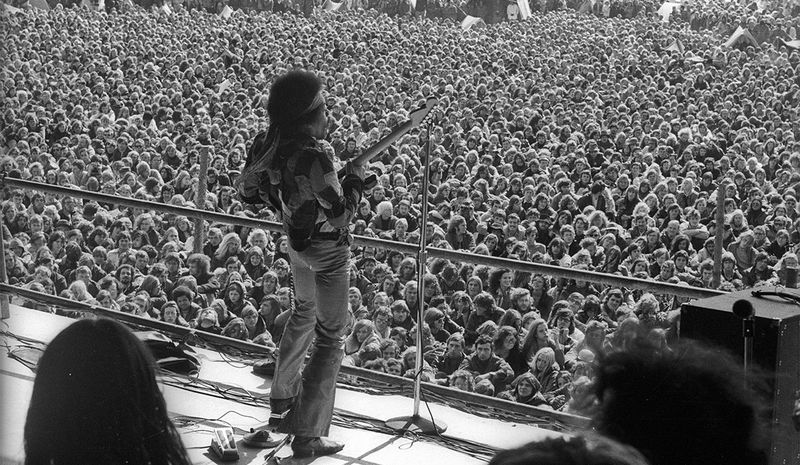
Woodstock gets all the glory, but the Isle of Wight Festival 1970 actually drew more people — somewhere between 600,000 and 700,000 attendees packed onto a small English island. That number alone is staggering, but the lineup matched the madness.
Jimi Hendrix, The Doors, Joni Mitchell, Miles Davis, and The Who all performed. Hendrix played one of his final concerts here.
The sheer scale overwhelmed organizers, and they eventually declared it a free festival just to manage the chaos.
4. Glastonbury’s Very First Festival – Worthy Farm, Pilton, England (September 19, 1970)
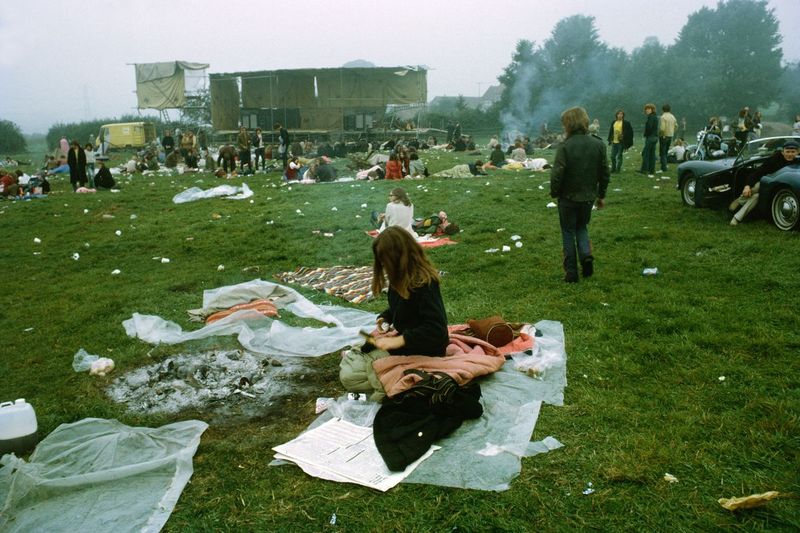
Only 1,500 people showed up, tickets cost just one British pound, and milk was included in the price. That was the humble, almost accidental birth of what would become the world’s most famous music festival — Glastonbury.
Marc Bolan’s Tyrannosaurus Rex stepped in last minute after The Kinks dropped out. Founder Michael Eavis had been so electrified by Led Zeppelin at Bath that he simply had to create his own event.
Those 1,500 early attendees witnessed the very first chapter of a legend.
5. Atlanta International Pop Festival – Byron, Georgia, USA (July 3-5, 1970)
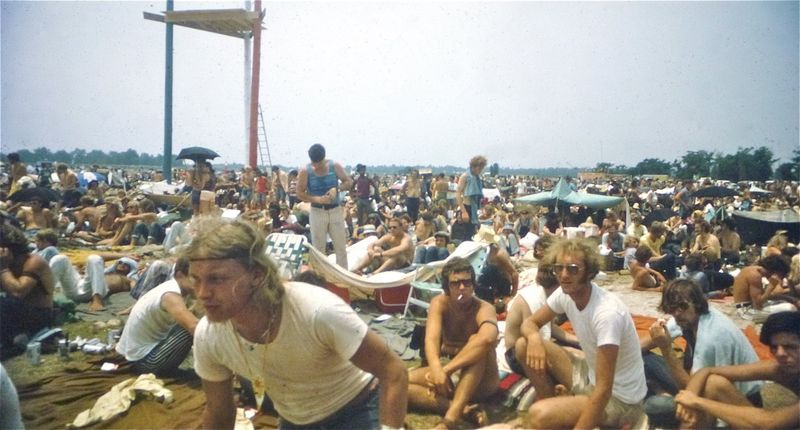
When organizers realized they had drastically underestimated the crowd size, they simply opened the gates and let everyone in for free. That spontaneous decision turned the Atlanta International Pop Festival into one of the last truly free great music gatherings of the era.
The Allman Brothers Band, B.B. King, and Procol Harum brought the heat — both musically and literally, under the Georgia summer sun.
It captured a spirit of communal generosity that the decade would rarely see again after this.
6. Allman Brothers Band – Fillmore East, New York (March 1971)
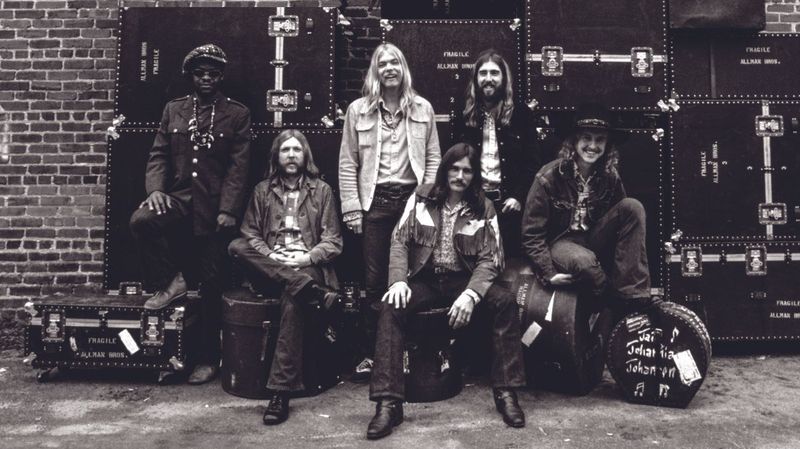
Few live albums have ever hit as hard as “At Fillmore East,” recorded during the Allman Brothers Band’s March 1971 performances at one of New York’s most beloved venues. The band played two full sets per night, each one bursting with improvisational brilliance.
Duane Allman’s slide guitar work during these shows became the stuff of legend. The Library of Congress later added the album to the National Recording Registry, recognizing it as a piece of American cultural history worth preserving forever.
7. Pink Floyd – Live at Pompeii, Pompeii, Italy (October 1971)
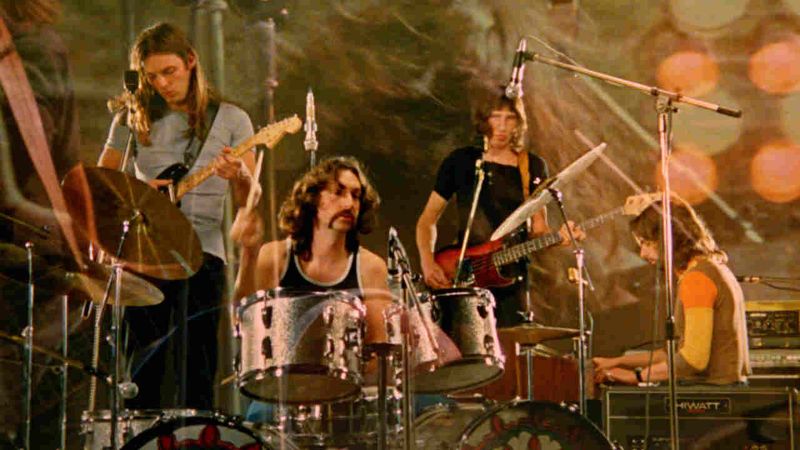
No audience. Just Pink Floyd, a film crew, and the ancient ruins of a Roman amphitheater.
That unusual setup made “Live at Pompeii” one of the most visually and musically haunting concert films ever made.
Filmed over four days in October 1971, the band played extended, spacey instrumentals that echoed through 2,000-year-old stone walls. When the film was re-released in 1974, it included footage of the band building “The Dark Side of the Moon” — making it a double time capsule of pure creative genius.
8. The Rolling Stones – Madison Square Garden, New York (July 26, 1972)
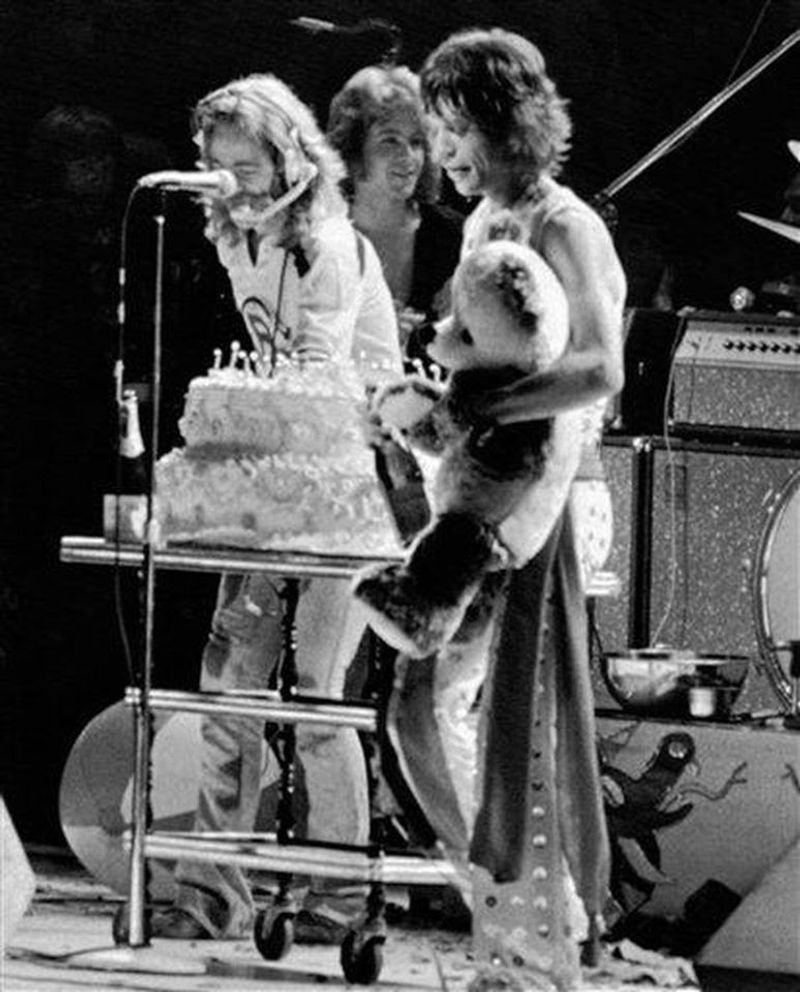
Happy birthday, Mick Jagger — celebrated with 20,000 screaming fans, a pie fight on stage, and confetti raining from the ceiling of Madison Square Garden. His 29th birthday concert became one of the most talked-about nights of the entire “Exile on Main St.” tour.
The Stones were at their dangerous, unpredictable best here. The setlist was loaded with hits, the energy was chaotic in the greatest way possible, and the backstage scene was equally wild.
Rock and roll had never felt more alive.
9. Wattstax – Los Angeles Memorial Coliseum (August 20, 1972)
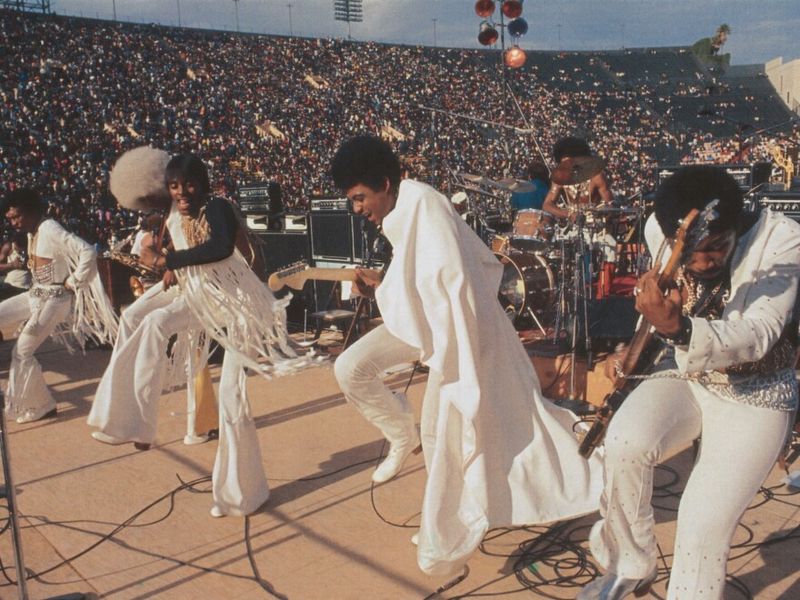
For just one dollar admission, over 100,000 people filled the Los Angeles Memorial Coliseum for Wattstax — a soul music celebration and tribute to the Watts community, organized by Stax Records to mark the seventh anniversary of the 1965 Watts riots.
Artists delivered soul, gospel, funk, and blues with an emotional power that no recording fully captures. Remarkably, not a single violent incident occurred.
The event was documented in a celebrated film and double album, but those who attended felt something recordings simply cannot replicate.
10. Grateful Dead – Old Renaissance Faire Grounds, Veneta, Oregon (August 27, 1972)
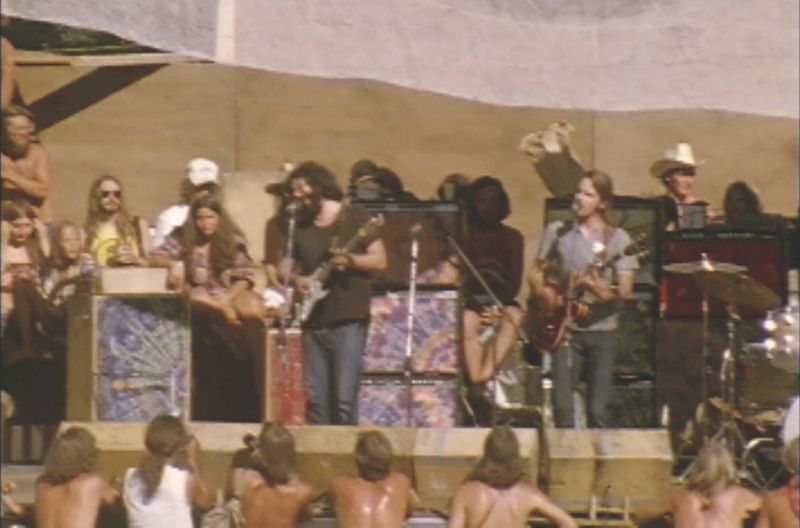
Out in a sun-baked Oregon field, the Grateful Dead played what many hardcore fans consider their single greatest show. The August heat was brutal, the setting was rustic, and the band responded by delivering three sets of improvisational magic that felt completely untethered from ordinary reality.
Jerry Garcia and the band seemed to tap into something transcendent that afternoon. The documentary “Sunshine Daydream” later captured the day, but longtime Deadheads will tell you — the film only scratches the surface of what being there actually felt like.
11. David Bowie – Hammersmith Odeon, London (July 3, 1973)
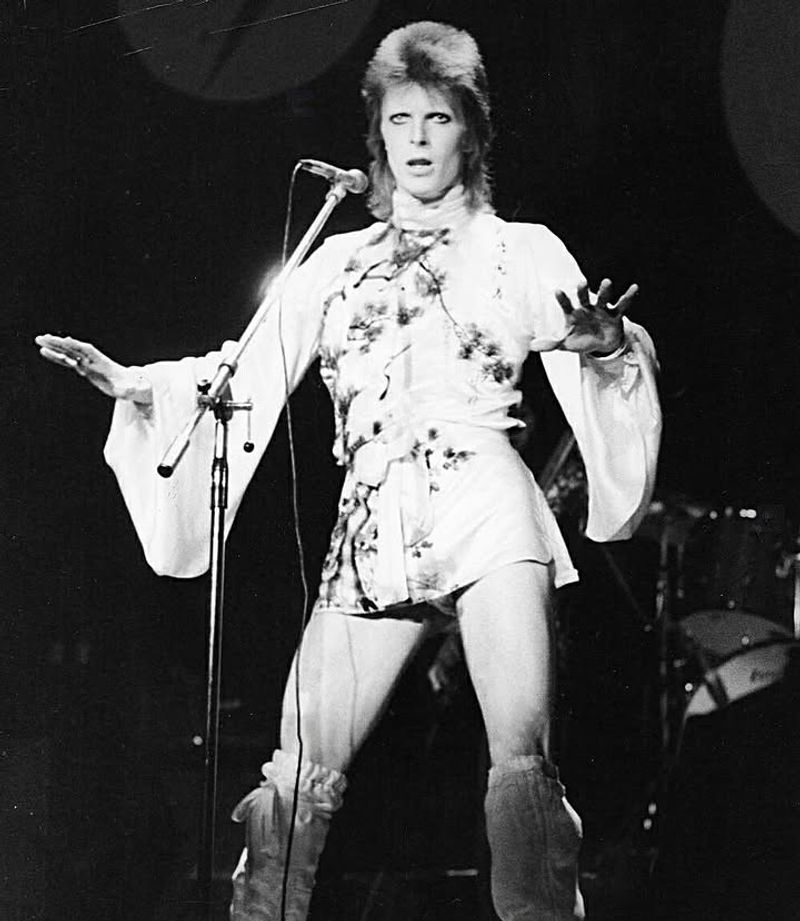
“Not only is this the last show of the tour, but it’s the last show we’ll ever do.” Those words, spoken quietly by David Bowie mid-concert, sent shockwaves through the Hammersmith Odeon. Most fans thought he was quitting music entirely — but he was actually retiring Ziggy Stardust.
The crowd had no idea what was happening. One of rock’s most beloved characters vanished in real time, right in front of them.
It was theater, it was heartbreak, and it was pure Bowie — completely unannounced and utterly unforgettable.
12. Led Zeppelin – Madison Square Garden, New York (July 1973)
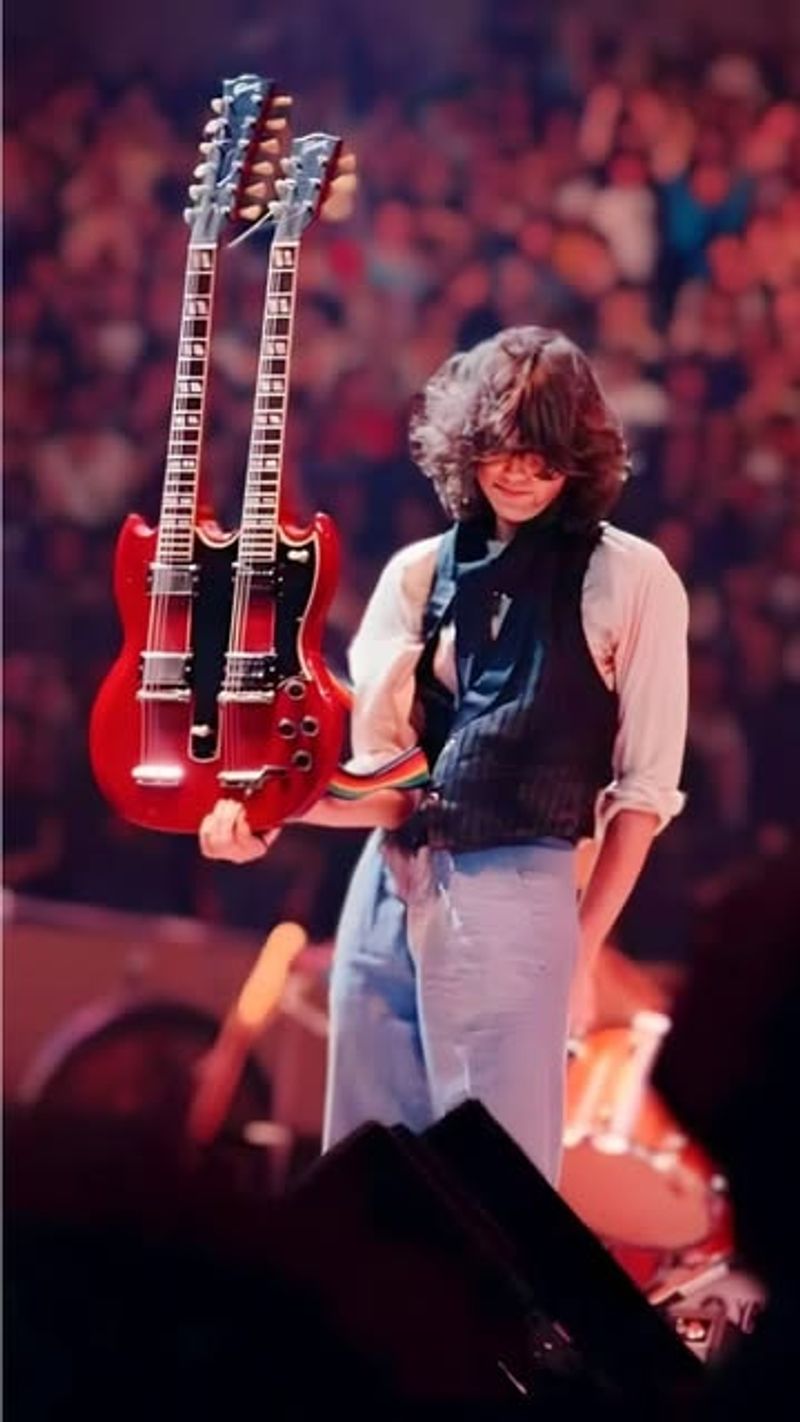
By the summer of 1973, Led Zeppelin had already released five albums and redefined what rock music could be. Their Madison Square Garden run that July captured a band operating at the absolute peak of their powers, playing to arenas full of devoted, overwhelmed fans.
The concert film “The Song Remains the Same” preserved these performances for history. But fans who stood in that arena describe a physical, almost overwhelming experience — the volume, the light show, the sheer force of it — that no film could ever fully replicate.
13. The Band – Winterland Ballroom, San Francisco (November 25, 1976 – The Last Waltz)
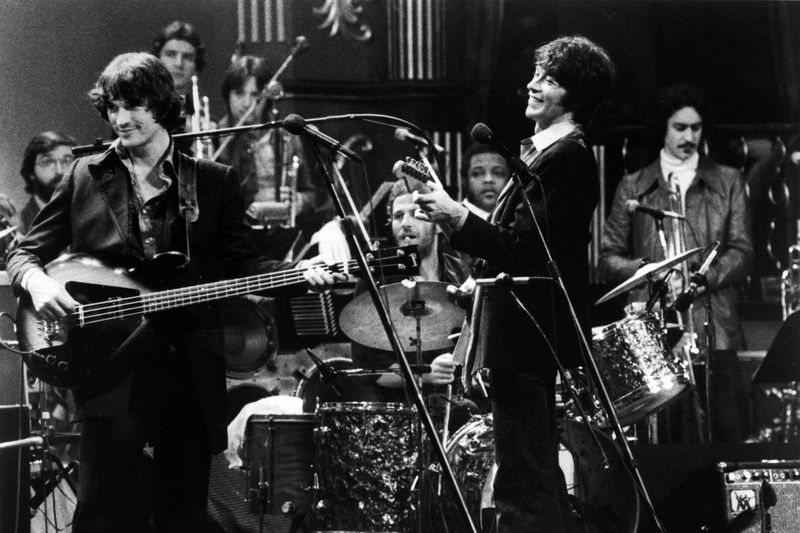
Thanksgiving night, 1976 — The Band threw themselves the greatest going-away party in rock history. The Winterland Ballroom was transformed with chandeliers and a sit-down dinner, and the guest list read like a who’s-who of rock royalty: Bob Dylan, Neil Young, Joni Mitchell, and more.
Martin Scorsese filmed the entire evening, creating a documentary that stands as one of cinema’s finest concert films. But those lucky enough to eat turkey and watch history unfold that night experienced something no camera lens could fully contain.
14. Sex Pistols – Lesser Free Trade Hall, Manchester (June 4, 1976)
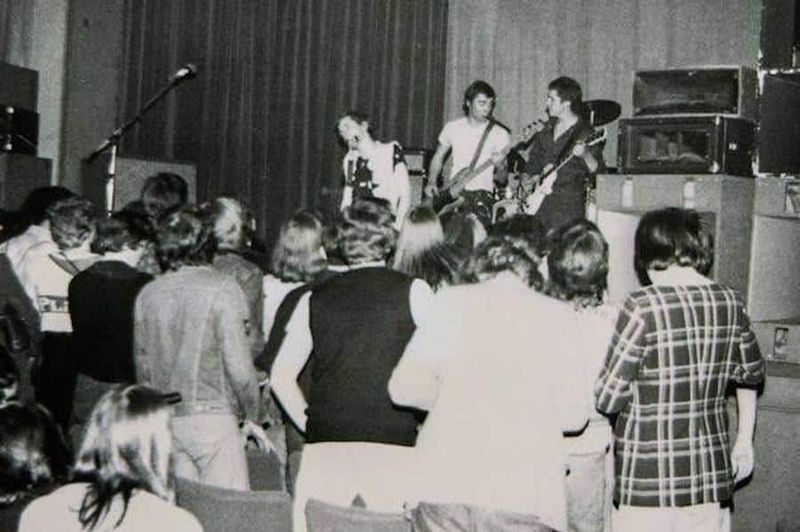
Roughly 40 people were in the room. Just 40.
Yet this tiny Sex Pistols gig at Manchester’s Lesser Free Trade Hall is credited with changing the entire direction of British music — earning its nickname, “The Gig That Changed the World.”
Among those 40 attendees were future members of Joy Division, The Smiths, Buzzcocks, and The Fall, plus Factory Records founder Tony Wilson. Everyone who was there went home and started a band.
Few concerts in history have had such an enormous impact from such an impossibly small beginning.
15. Queen – Hyde Park, London (September 18, 1976)
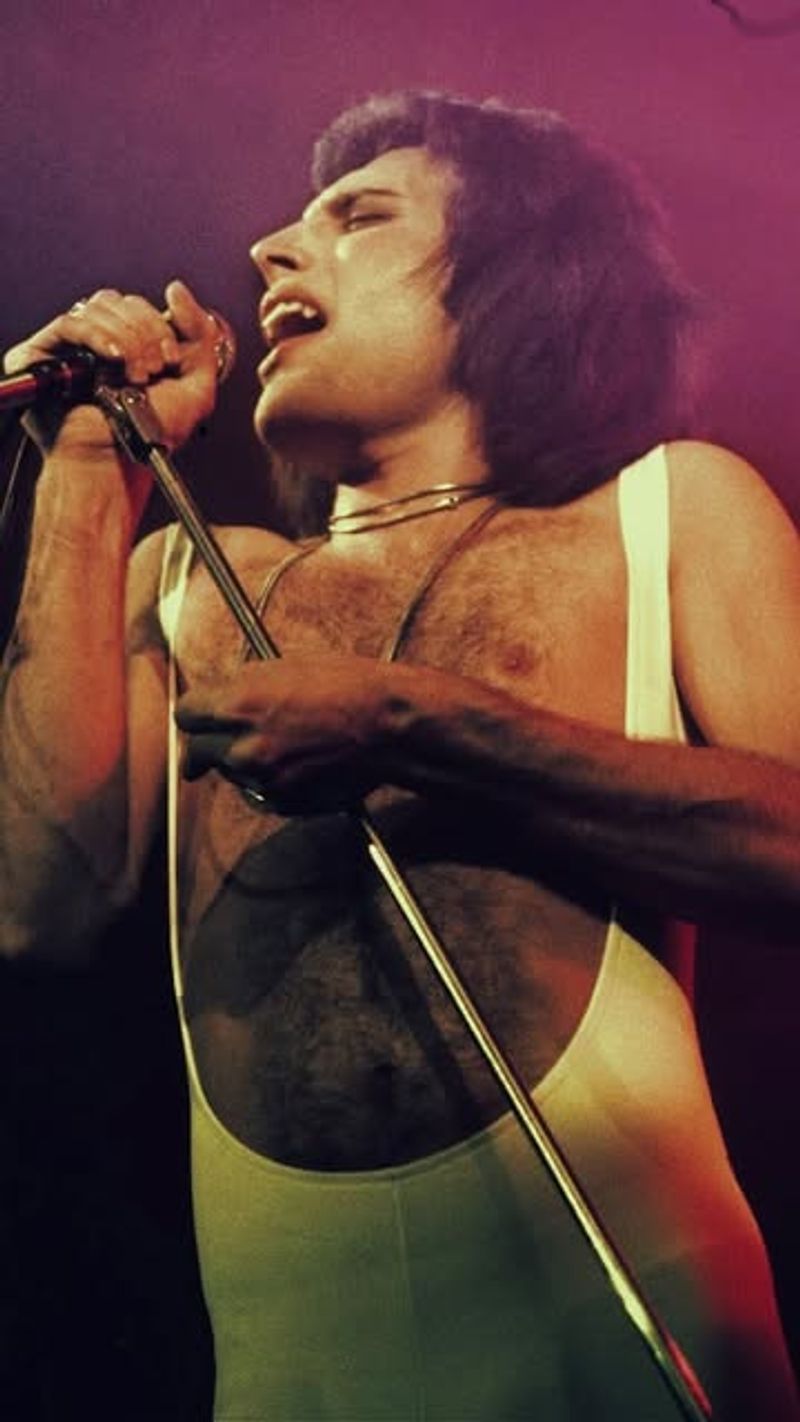
Freddie Mercury commanding 150,000 to 200,000 people in Hyde Park on a free Saturday afternoon — that image alone tells you everything about Queen’s extraordinary pull in 1976. Organized by Richard Branson, the show was a coronation of sorts for one of rock’s most theatrical bands.
The concert ended abruptly after 80 minutes when police threatened to arrest the band if they dared play an encore past curfew. Brian May remembered it vividly.
The crowd, though, never forgot the 80 minutes they did get.