
Some desserts had their big moment decades ago, then quietly disappeared from menus and recipe books. But just because they fell out of fashion does not mean they stopped being delicious.
From wobbly gelatin molds to creamy pudding cakes, these old-school sweets are packed with charm and flavor. Get ready to rediscover some seriously underrated treats that deserve a second chance.
1. Blancmange
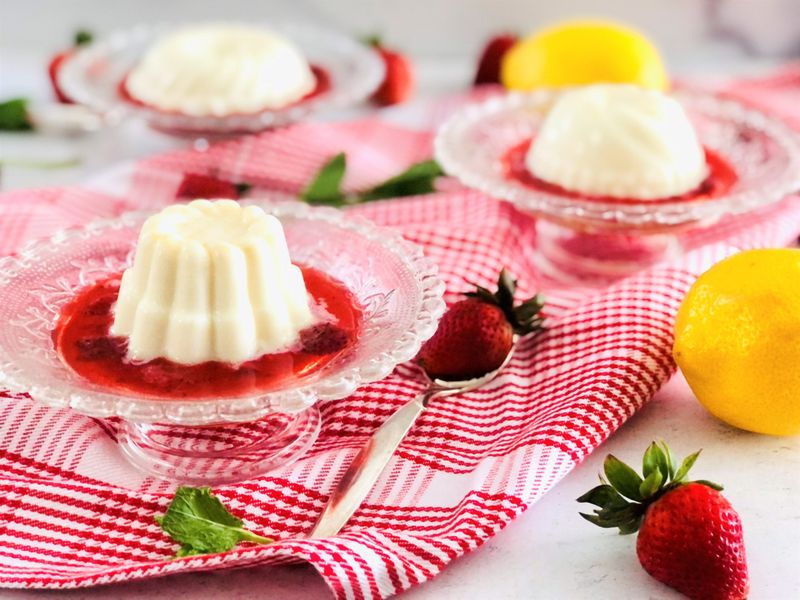
Silky, pale, and impossibly smooth, blancmange was once the crown jewel of Victorian dinner parties. Made from milk thickened with cornstarch or gelatin and flavored with almond or vanilla, it has a delicate taste that feels almost luxurious.
Many people have never even heard of it today, which is a real shame. It takes only a handful of ingredients and minimal effort to make.
Try topping it with a simple berry sauce for a dessert that looks far fancier than it actually is.
2. Charlotte Russe
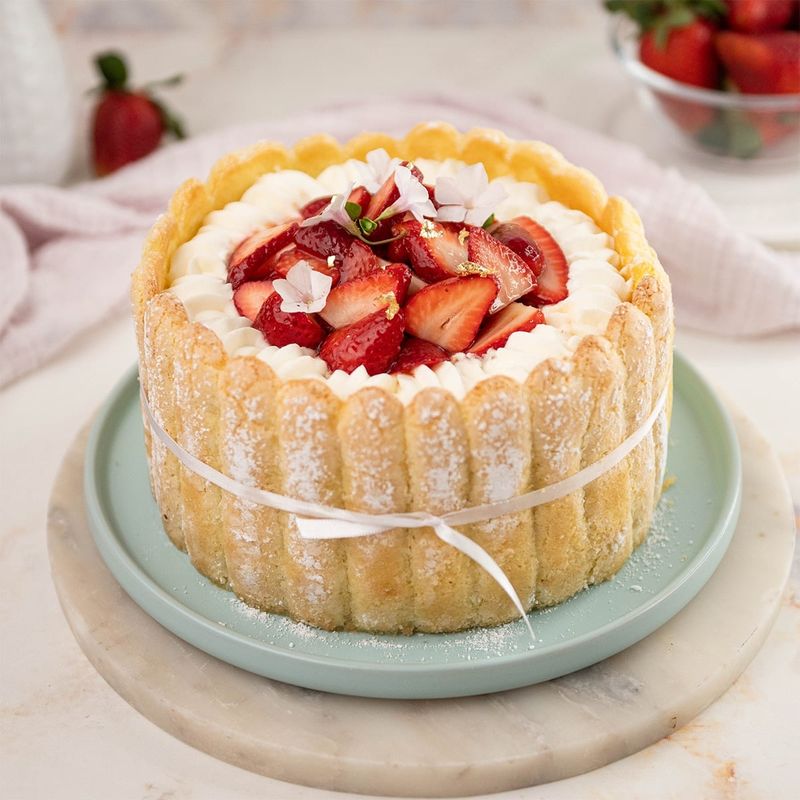
Picture a ring of soft ladyfinger cookies hugging a cloud of Bavarian cream. That is Charlotte Russe, and it was once the showstopper dessert at fancy gatherings across Europe and America.
Named after Queen Charlotte or possibly a French chef, its origin is still debated. Either way, the result is stunning and surprisingly easy to assemble.
You do not need to bake anything, just arrange, fill, and chill. It is practically made for impressing guests with minimal stress.
3. Syllabub
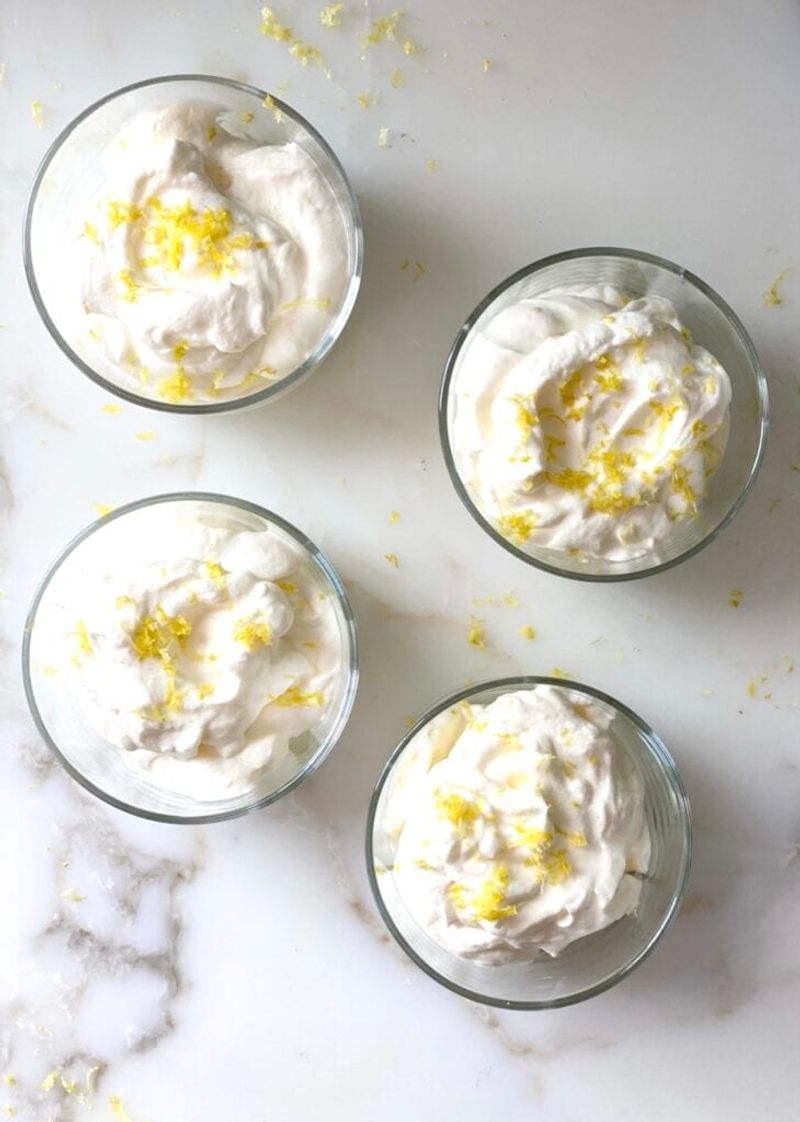
Syllabub sounds like something from a fairy tale, and honestly, eating it feels that way too. This old English dessert is made by whipping cream with wine, lemon juice, and sugar until it becomes a light, airy foam.
Back in the 1600s, people would actually milk cows directly into a bowl of wine to make it frothy. The modern version is a bit more refined.
Served chilled in a glass, syllabub is elegant, refreshing, and surprisingly simple to pull together at home.
4. Nesselrode Pudding
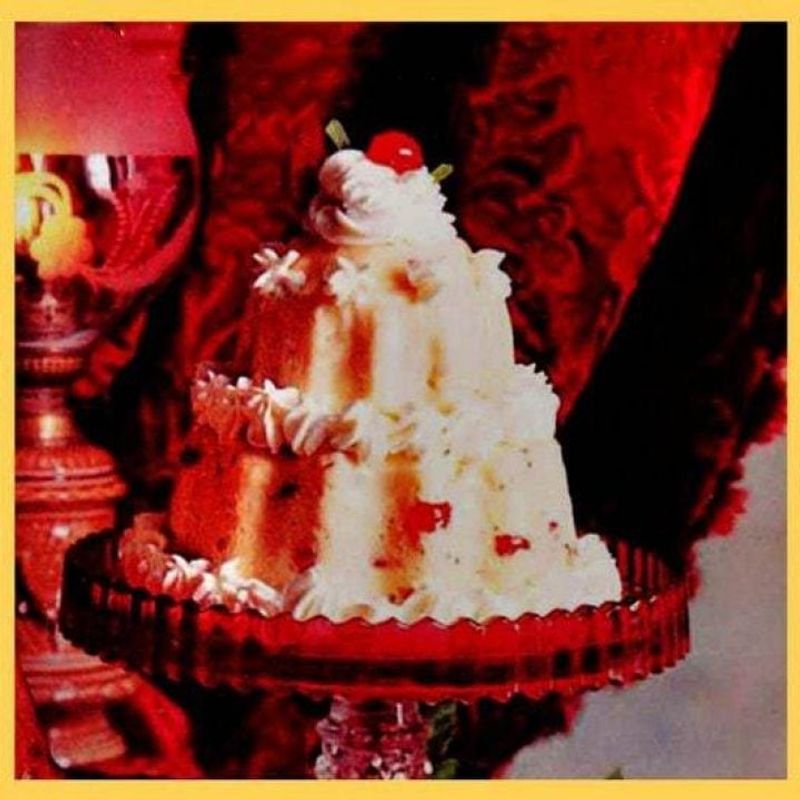
Chestnuts are not exactly a common dessert ingredient today, but Nesselrode Pudding once made them the star of the show. Created in 19th-century France by chef Mony for a Russian count, this frozen dessert was layered with chestnut puree, candied fruits, and rich cream.
It was considered the height of sophistication at the time. The flavor is nutty, sweet, and complex in a way that feels totally unique.
Bringing it back would be a bold and rewarding move for any adventurous home baker.
5. Flummery
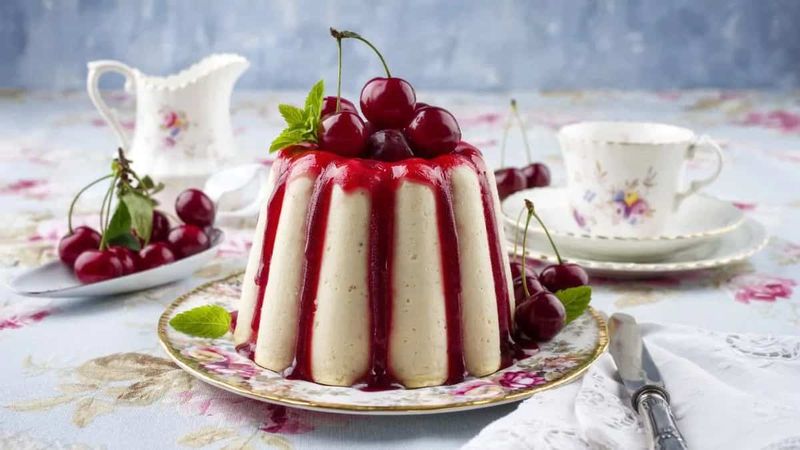
Flummery is one of those desserts where the name alone should bring it back. It has been around since the 1600s and started as a simple Welsh dish made from soaked oats.
Over time, it evolved into a sweet, creamy, gelatin-set pudding popular across Britain and colonial America.
George Washington reportedly enjoyed it at Mount Vernon, which is a pretty solid endorsement. Lightly sweet with a smooth, wobbly texture, flummery pairs beautifully with fresh fruit or a drizzle of honey.
6. Baked Alaska
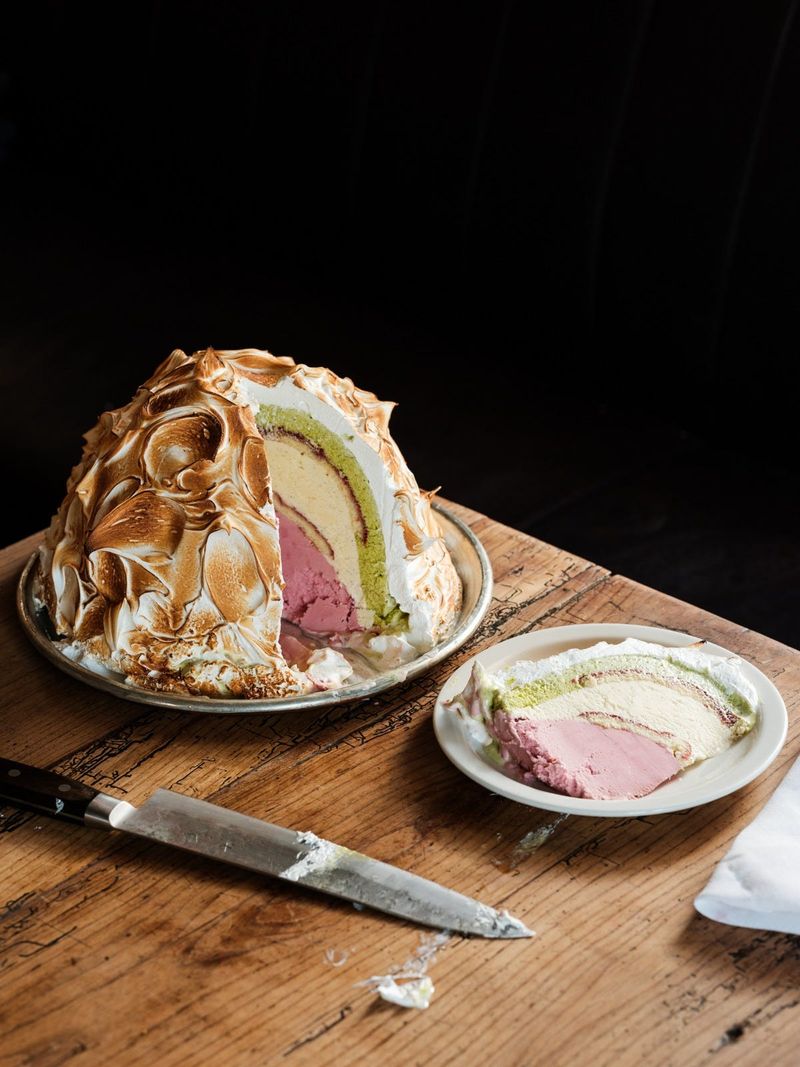
Hot on the outside, frozen on the inside, Baked Alaska is basically a science experiment you get to eat. It had its golden era in the 1960s and 1970s when tableside flambeing was a restaurant trend that made diners gasp with delight.
The meringue acts as an insulator, keeping the ice cream cold while the outside browns in the oven. It is theatrical, playful, and genuinely impressive.
Few desserts can compete with that kind of wow factor, and it is way more achievable at home than it looks.
7. Steamed Treacle Pudding
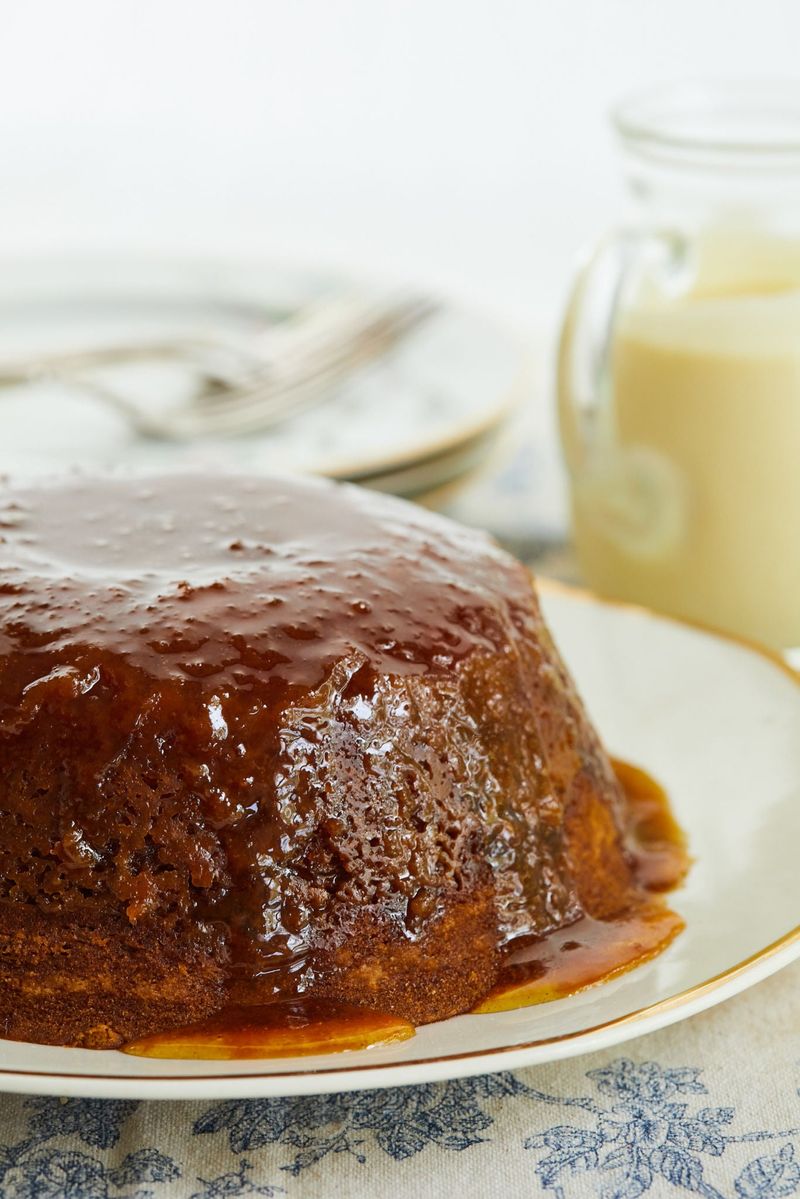
On a cold winter evening, few things beat a steamed treacle pudding fresh from the stovetop. This deeply British dessert is a soft, spongy cake cooked slowly over steam until it becomes wonderfully moist and tender.
Black treacle gives it a rich, slightly bitter sweetness that pairs perfectly with a big pour of custard or clotted cream. It was a weeknight staple in British homes for generations before convenience foods took over.
Warm, filling, and full of old-fashioned comfort, it is overdue for a comeback.
8. Tipsy Cake
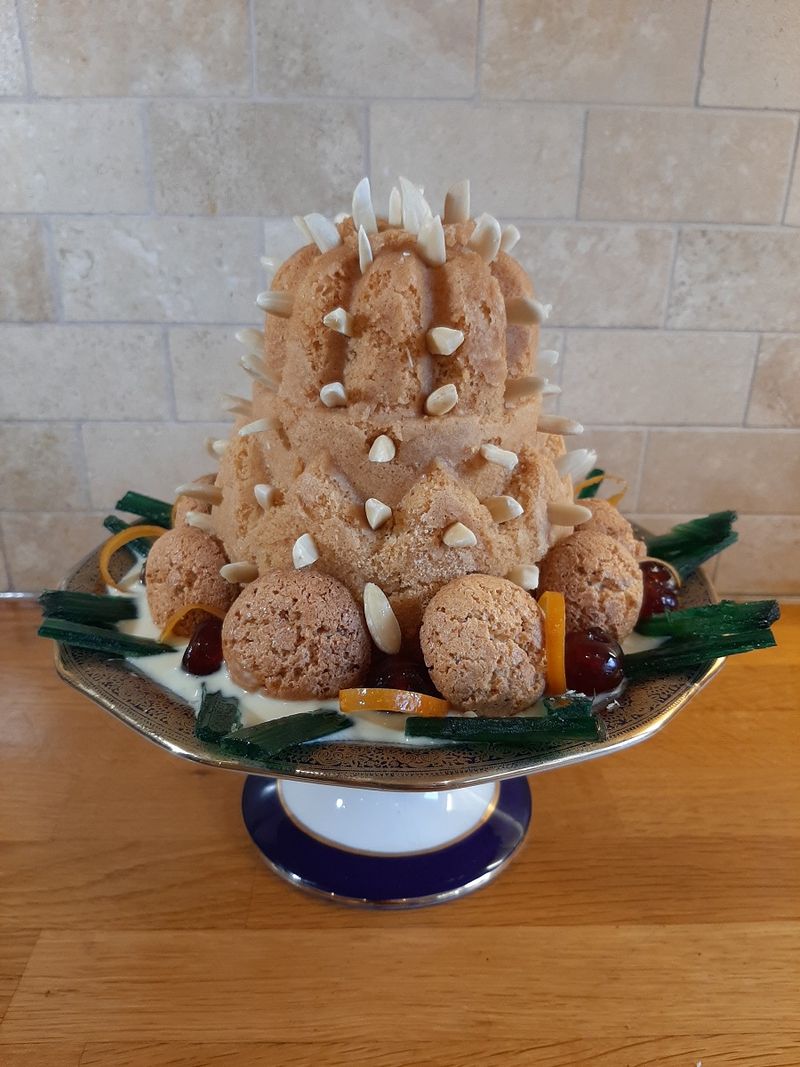
Long before boozy desserts became trendy, there was Tipsy Cake. This old-fashioned British treat is made from sponge cake soaked generously in sherry or wine, then surrounded by rich custard and topped with almonds.
It was a popular centerpiece at Victorian gatherings, where guests found its name as charming as its flavor. The alcohol-soaked sponge is soft, aromatic, and deeply satisfying.
Think of it as a simpler, slightly naughtier cousin of the classic trifle, and just as worthy of a spot on your dessert table.
9. Floating Island
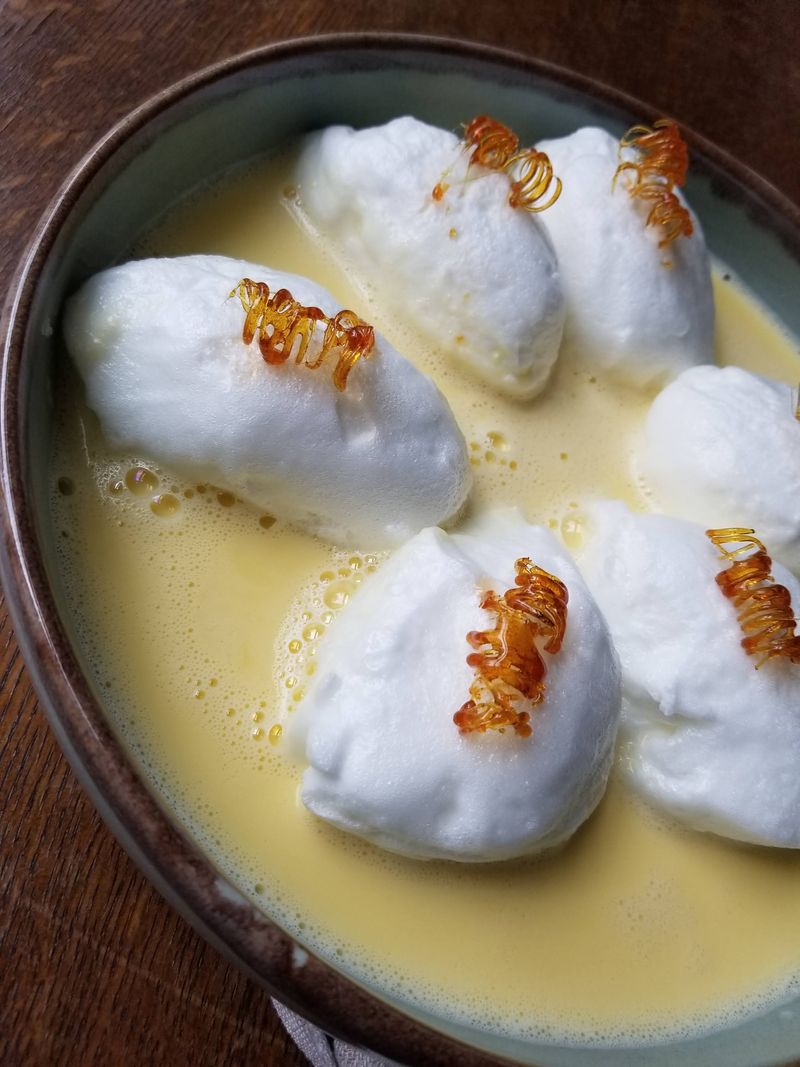
Imagine a cloud of meringue bobbing gently in a sea of vanilla custard. That is Floating Island, or “oeufs a la neige” in French, and it is one of the most poetic desserts ever created.
The meringue is poached rather than baked, giving it an incredibly light, pillowy texture. A drizzle of caramel on top adds just the right amount of drama.
Once a staple of French bistros and American supper clubs, this airy classic has nearly vanished from modern menus, which is genuinely baffling.
10. Junket
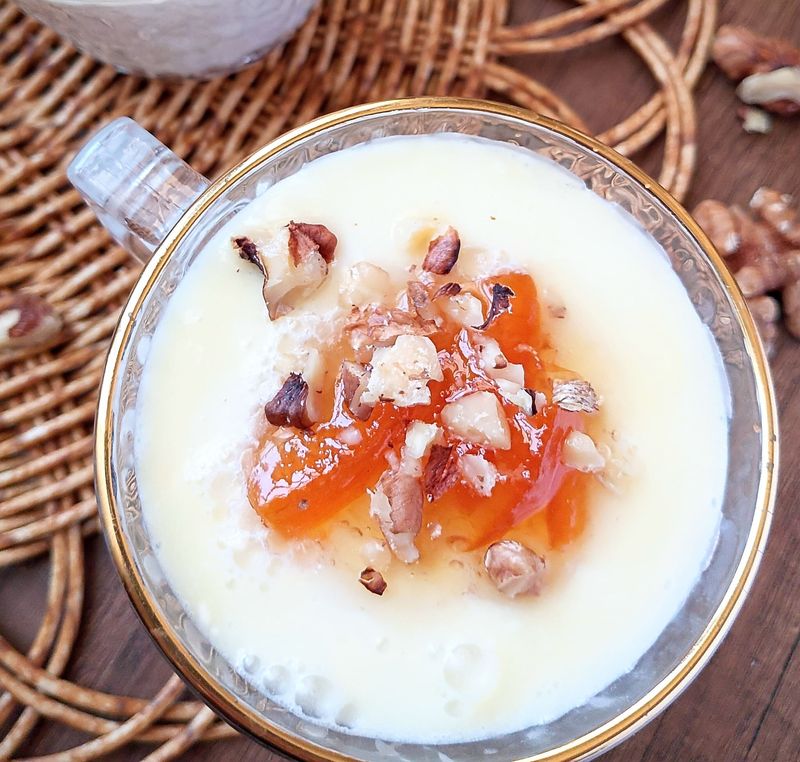
Junket is one of those desserts that sounds strange until you try it. Made by setting warm sweetened milk with rennet, it has a soft, silky texture somewhere between yogurt and panna cotta.
Before refrigeration, junket was a common treat for children and those recovering from illness because it was easy to digest. Flavored with vanilla or nutmeg and served with a spoonful of jam, it is mild, comforting, and quietly delicious.
It may be old-fashioned, but that is exactly what makes it charming.
11. Jam Roly-Poly
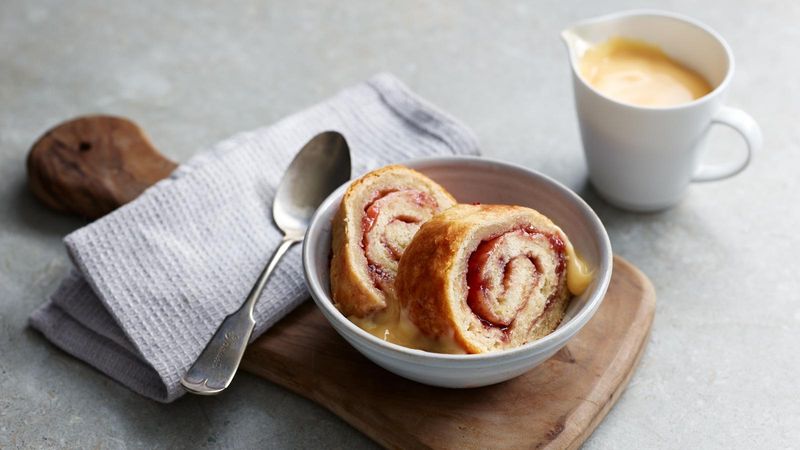
Jam Roly-Poly goes by many affectionate nicknames in Britain, including “Dead Man’s Arm” and “Shirt Sleeve Pudding,” because it was historically steamed inside a cloth. Despite the colorful names, the dessert itself is cheerful and comforting.
Soft suet pastry is spread with jam, rolled up like a log, and baked or steamed until golden. Served hot with a river of custard, it is hearty, sweet, and deeply satisfying.
School cafeterias across Britain once served it weekly, and kids absolutely loved it.
12. Snow Pudding
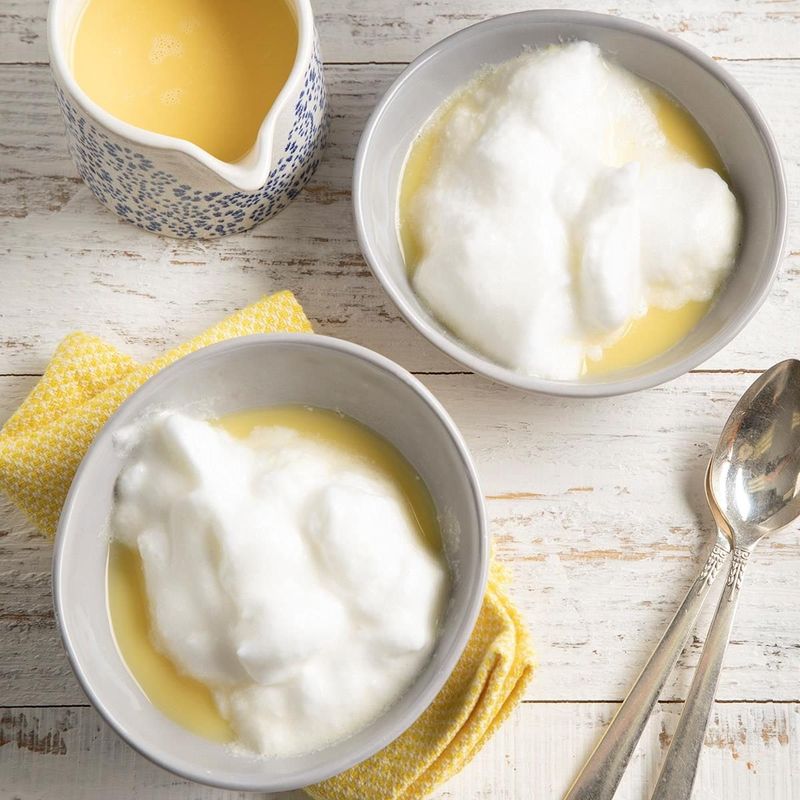
Snow Pudding earned its name honestly. This light, airy dessert is made from lemon-flavored gelatin that gets whipped into a frothy, cloud-like foam before it sets.
The result is a jiggly, refreshing treat that practically melts on your tongue.
Popular in American cookbooks from the late 1800s through the mid-1900s, it was a warm-weather favorite at church suppers and family gatherings. Served with a side of vanilla custard sauce, it is bright, tangy, and wonderfully old-school without feeling heavy or overly sweet.
13. Brown Betty
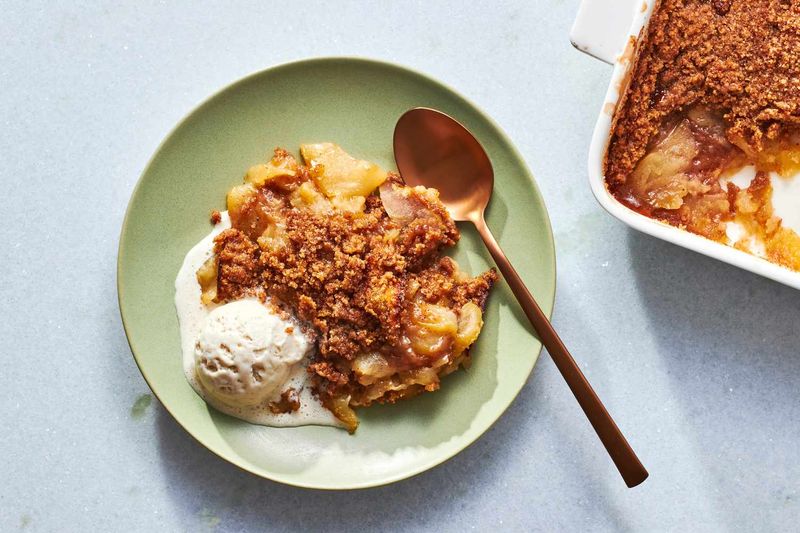
Apple pie gets all the glory, but Brown Betty deserves equal recognition. This humble American dessert layers spiced apples with buttered breadcrumbs and bakes them together until everything is golden, caramelized, and irresistible.
It appeared in cookbooks as far back as the 1860s and was a household staple for generations. The breadcrumb topping soaks up the apple juices and crisps up beautifully in the oven.
Served warm with a scoop of vanilla ice cream, Brown Betty is simple, satisfying, and criminally underrated.
14. Prune Whip
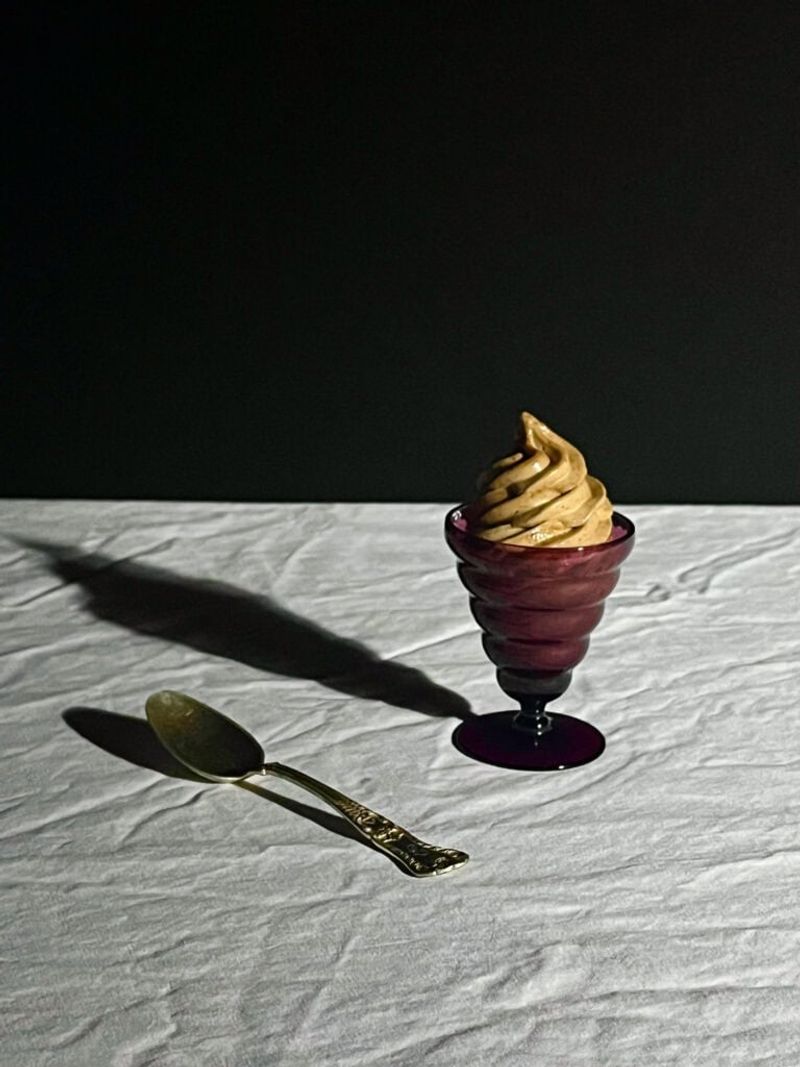
Before prunes became the butt of every joke, they were a serious dessert ingredient. Prune Whip was a beloved American treat from the early 1900s, made by folding sweetened prune puree into stiffly beaten egg whites to create a light, mousse-like dessert.
It sounds humble, but the flavor is surprisingly sophisticated, earthy and sweet with a hint of vanilla. Served chilled in a tall glass, it is elegant in its simplicity.
Prune Whip proves that even the most overlooked ingredients can shine with the right recipe.
15. Boiled Fruit Cake
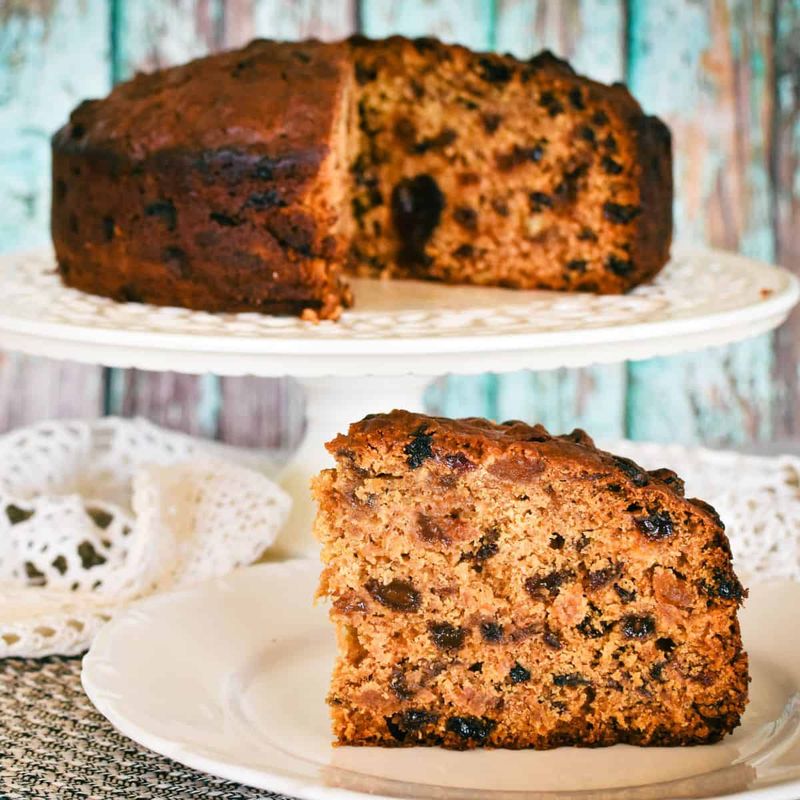
Boiled fruit cake skips the creaming and beating and goes straight to the good stuff. Dried fruits are simmered in butter, sugar, and water before being mixed into the batter, which keeps the cake incredibly moist for days.
This method was popular in Australia and New Zealand for generations, especially at Christmas. The result is dense, deeply flavorful, and packed with plump fruit in every bite.
Unlike fussy celebration cakes, this one is forgiving and easy to make, yet still feels like a proper occasion dessert.
16. Lemon Sponge Pudding
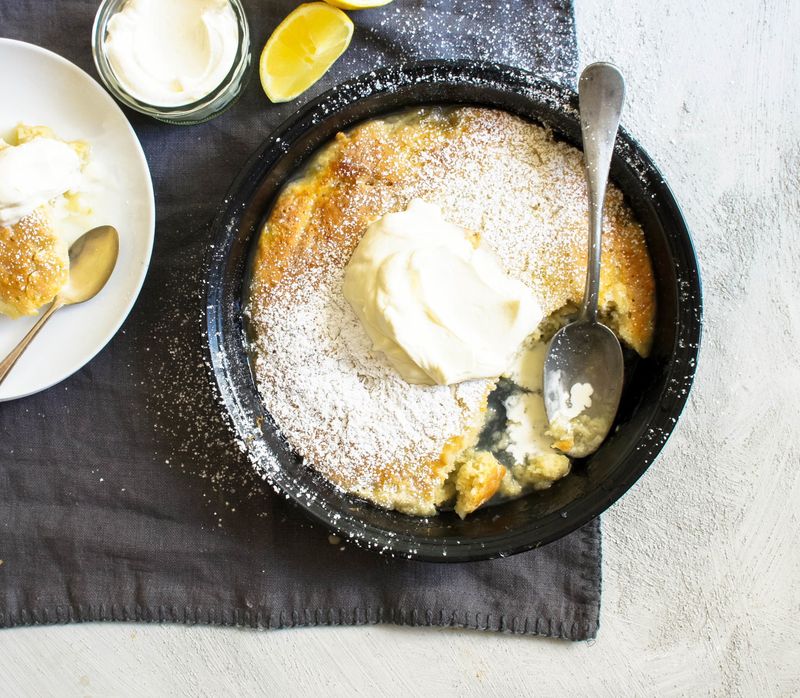
Here is a dessert with a magic trick built right in. Lemon sponge pudding starts as a single batter but separates in the oven into two distinct layers: a fluffy sponge on top and a tangy lemon curd sauce underneath.
Every spoonful delivers two textures and two intensities of flavor at once. Bright, citrusy, and not overly sweet, it is the kind of dessert that makes people ask for the recipe immediately.
Lemon sponge pudding was a midcentury classic that genuinely belongs back on modern tables.
17. Gelatin Mold Salad Dessert
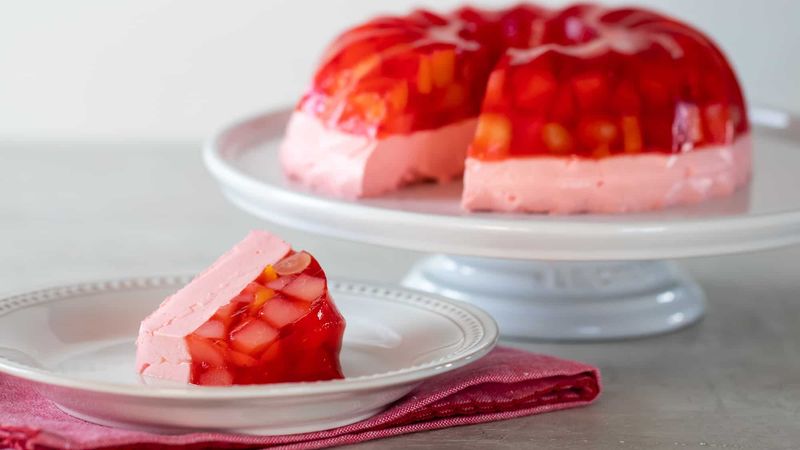
Few things scream mid-century American cooking quite like a wobbly, jewel-colored gelatin mold. These molded creations were centerpieces at potlucks, holiday tables, and church dinners throughout the 1950s and 1960s.
Sweet versions packed with canned fruit, cream cheese, and flavored gelatin were surprisingly crowd-pleasing. They jiggle, they gleam, and they are oddly satisfying to unmold onto a plate.
There is something genuinely joyful about this dessert that modern food culture has been too quick to dismiss as kitsch.