
The American frontier was a tough, resourceful place where wasting food simply wasn’t an option. Cowboys, settlers, and pioneers made meals out of whatever nature and their livestock provided, from tails to tongues and everything in between.
Some of these dishes sound shocking by today’s standards, but back then, they were everyday survival food. Get ready to discover 18 wild, weird, and surprisingly creative Old-West recipes that would turn heads at any modern dinner table.
1. Stewed Squirrel
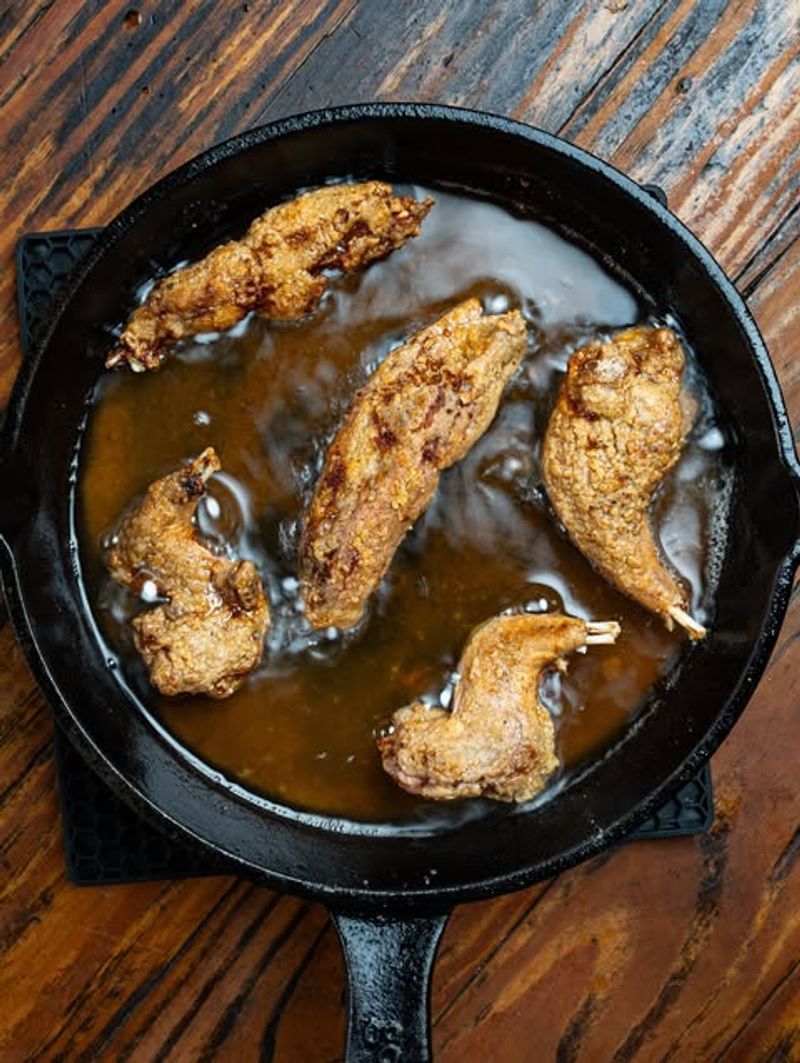
Before grocery stores existed, frontier families ate what roamed nearby, and that included squirrel. Settlers and mountain men would trap or shoot squirrels, then slow-cook them with dumplings or fry them up with thick, hearty gravy.
The meat is surprisingly lean and flavorful, similar to dark chicken. While most modern cooks wouldn’t dream of it, stewed squirrel was a reliable, filling meal that kept many pioneers alive through long, harsh winters.
2. Mock Turtle Soup
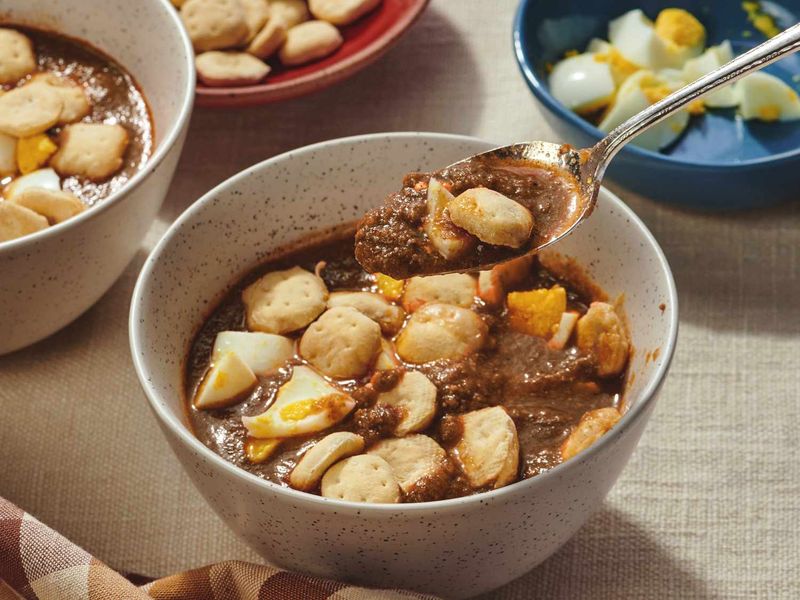
Real turtle meat was a luxury most frontier folks couldn’t afford, so clever cooks invented a workaround using calf’s head. The tongue, brains, and other parts were soaked overnight, then simmered with eggs, cream, wine, and spices to mimic the taste.
It sounds bizarre, but the dish was actually considered quite refined in its day. Mock Turtle Soup even made it into classic literature, appearing in Lewis Carroll’s “Alice in Wonderland” as a playful cultural reference.
3. Pigeon Pie
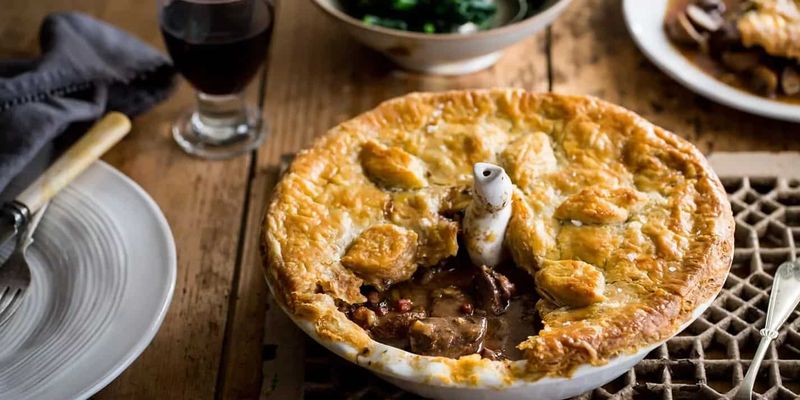
Passenger pigeons once darkened the skies of North America in flocks so massive they blocked out the sun. Frontier cooks took full advantage, roasting, pickling, and baking pigeons into savory pies that fed entire families.
Pigeon meat is rich and dark, much like duck, making it a natural fit for hearty pies. The dish was especially popular during the Civil War era when food supplies were unpredictable and creative cooking was a matter of daily survival.
4. Beaver Meat Stew
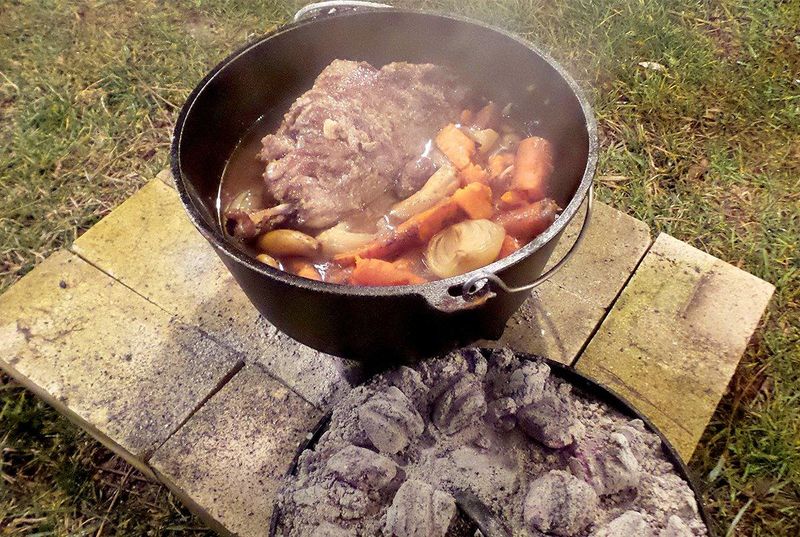
Trapping beavers was big business in the early American West, but mountain men didn’t let the meat go to waste. Beaver has a strong, gamey smell, so cooks would treat it with baking soda, soak it in vinegar, then season and roast it or toss it into a stew.
The tail was considered a special treat, fatty and rich. Few modern diners would volunteer for a plate, but frontier trappers genuinely looked forward to beaver stew nights around the campfire.
5. Prairie Oysters (Rocky Mountain Oysters)
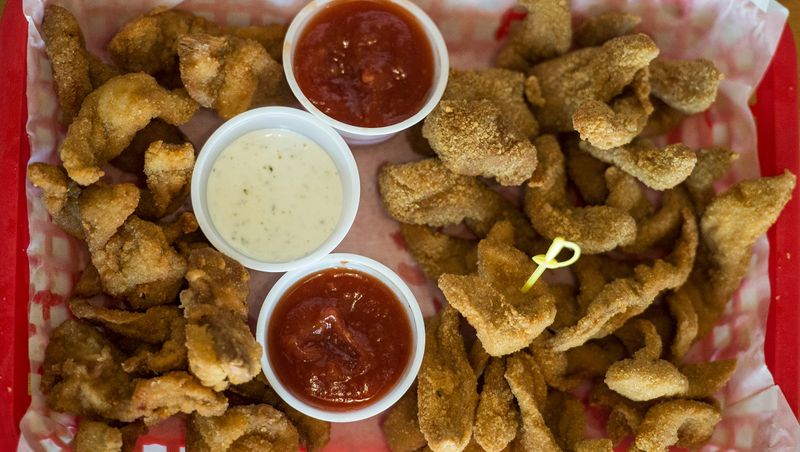
Nothing about the name gives away what these actually are. Prairie Oysters, also known as Rocky Mountain Oysters, are fried bull testicles, cooked up right after cattle castration events on the ranch.
Cowboys treated them as a no-waste protein source, and over time they became a genuine Western delicacy. Today, some Western towns still hold annual Rocky Mountain Oyster festivals celebrating the tradition.
Adventurous eaters say they taste surprisingly mild, a bit like chewy fried chicken.
6. Son-of-a-Gun Stew
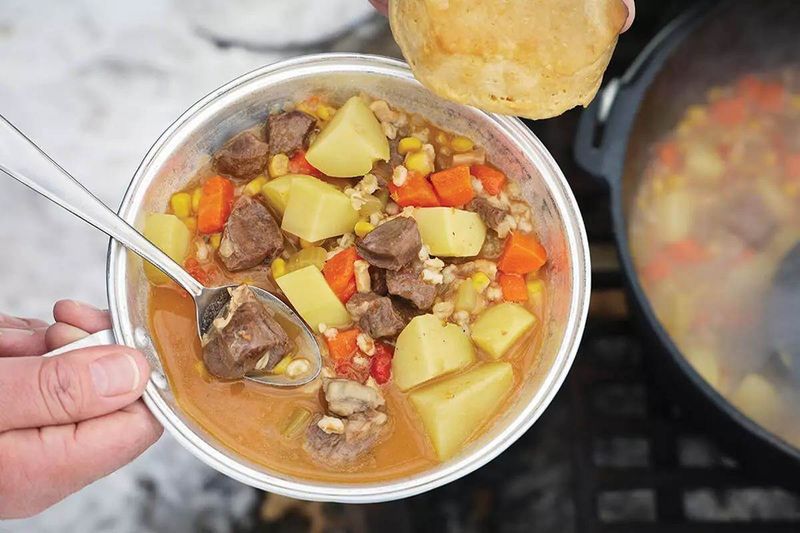
Cowboy trail cooks earned a reputation for making something out of nothing, and Son-of-a-Gun Stew is the ultimate proof. After a cattle slaughter, the cook would gather the organs, heart, liver, brains, and the mysterious marrow gut, then slow-cook everything together for hours.
The marrow gut, a tube connecting two parts of a calf’s digestive system, gave the stew its distinctive rich flavor. Hungry cowboys didn’t ask questions.
They just ate and appreciated the warm meal after a long day on the trail.
7. Calf’s Head Soup
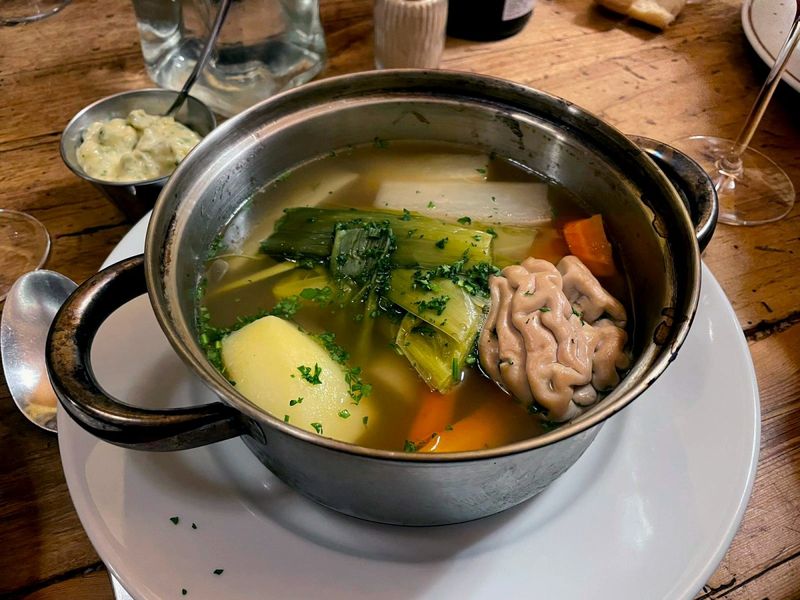
Waste not, want not was the golden rule of frontier cooking. When a calf was butchered, the head went straight into the soup pot, skin, bone, and all, to create a rich, gelatinous broth loaded with flavor.
Calf’s head soup was common in cookbooks from the 1800s and was considered respectable home cooking. Today, bone broth has made a trendy comeback, but the idea of dropping an entire calf’s head into your stockpot would still raise plenty of modern eyebrows.
8. Baked Hog Tongue
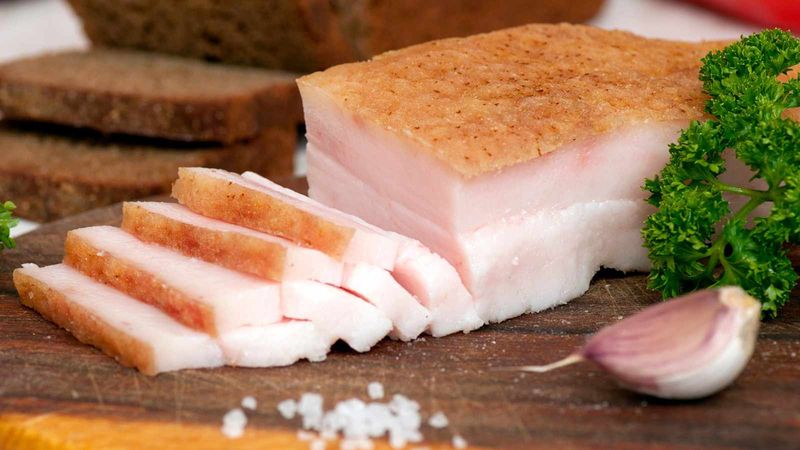
Recipes from the 1870s show that hog tongue was a perfectly normal dinner option for frontier families. The tongue was cleaned, seasoned, and slow-baked until tender, then often sliced thin and served warm or cold.
Tongue meat is actually quite tender and flavorful since it’s a constantly working muscle with rich marbling. While it’s still eaten in many cultures worldwide today, most American grocery shoppers walk right past it without a second glance, which the pioneers definitely would not understand.
9. Pig Head Hash
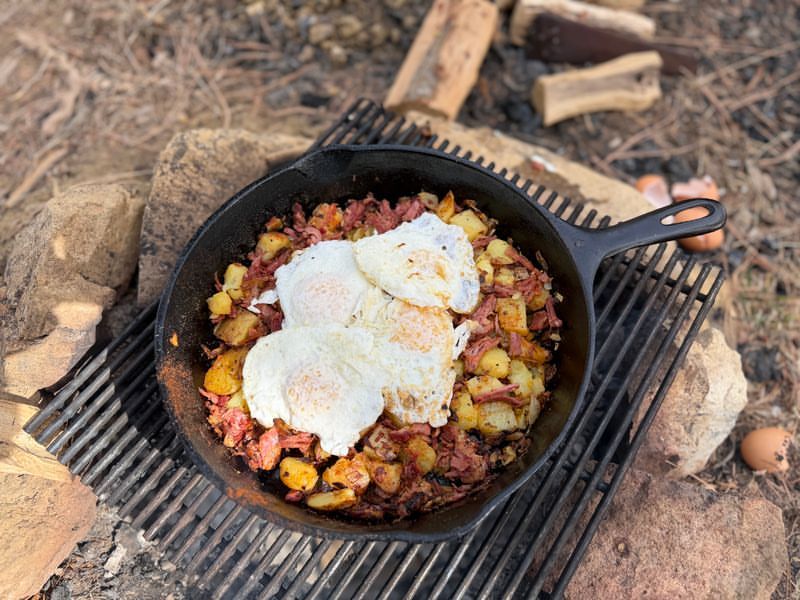
When a pig was slaughtered on the frontier, absolutely every part found its way to the table, including the head. Pig head hash involved boiling down the skull, picking off every bit of usable meat, then frying it up with onions and potatoes into a hearty hash.
The cheeks, jowls, and snout yielded surprisingly rich, flavorful meat. Modern chefs have actually revived this concept with upscale “whole-hog” cooking, though today’s version comes with a much fancier price tag than the pioneer original.
10. Roast Ox Heart
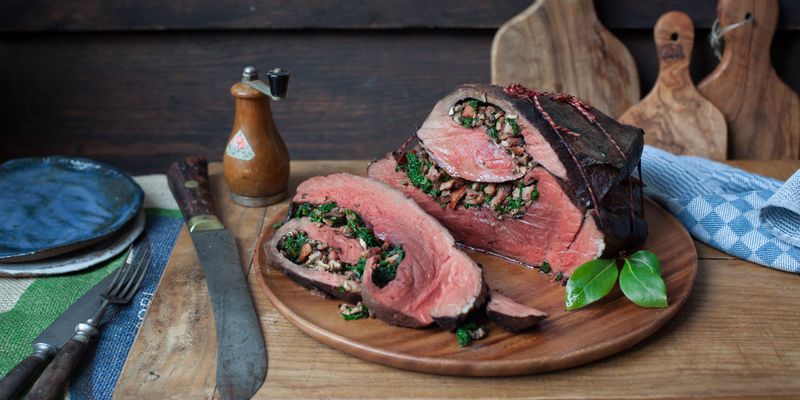
Wagon train travelers needed dense, calorie-rich food to fuel days of grueling travel, and ox heart delivered exactly that. The heart is a powerful muscle, firm and deeply flavored, usually stuffed with herbs and slow-roasted over an open fire.
A single ox heart could feed a large family, making it incredibly practical. Homesteaders and trail travelers valued every organ they could get.
Interestingly, heart meat is now considered a nutritional powerhouse by modern health enthusiasts, packed with iron, zinc, and B vitamins.
11. Calf Brain Pudding
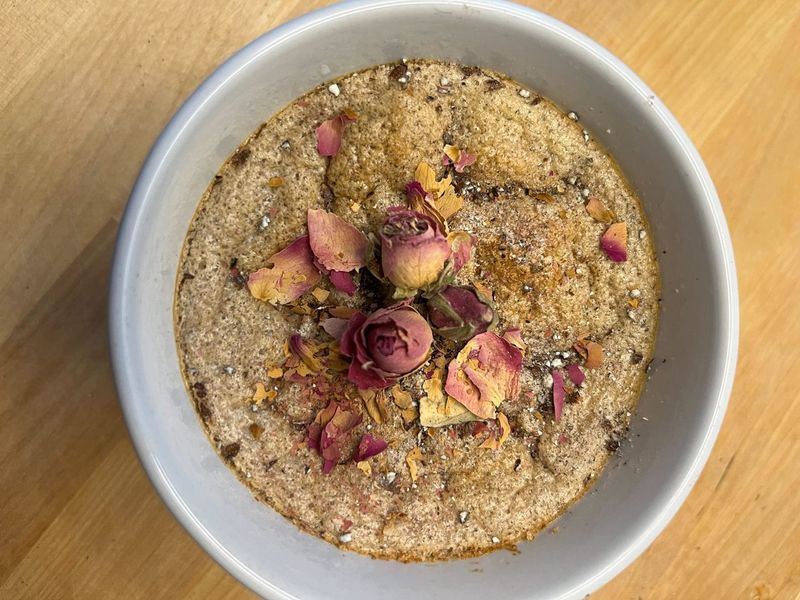
Brains might be the ultimate frontier food that modern diners refuse to consider. Calf brain pudding was a real recipe from the 1800s, mixing cooked brains with eggs, cream, and seasoning into a smooth, custard-like dish that was steamed or baked until set.
The texture was reportedly silky and mild, more like a savory mousse than anything alarming. Lamb brain fricassee was another popular variation.
Both dishes reflected a time when using every part of an animal wasn’t adventurous eating, it was just common sense.
12. Roasted Porcupine
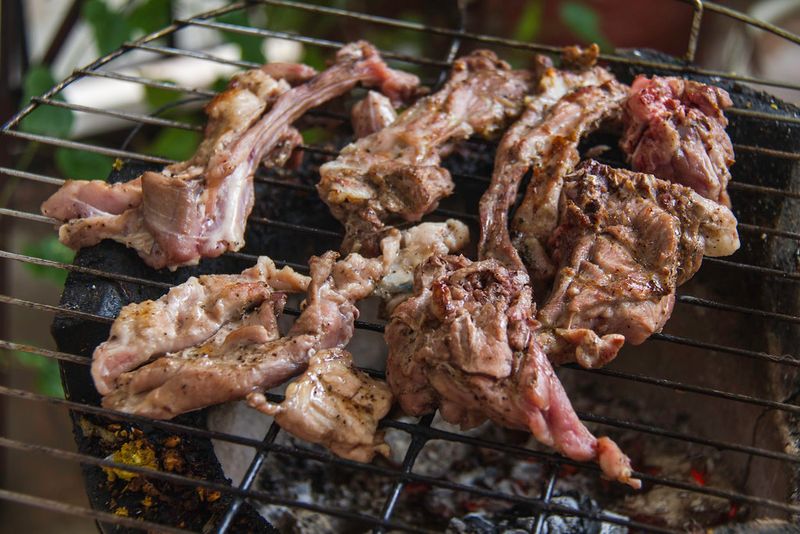
Porcupines were considered an emergency food source by many frontier travelers, and for good reason. Once the quills were carefully removed and the animal skinned, the pale meat underneath looked and tasted surprisingly like pork.
It was roasted whole over a fire or cooked in a Dutch oven with salt and whatever wild herbs were nearby. Native American tribes had long eaten porcupine meat, and mountain men picked up the habit quickly.
A hungry traveler with a porcupine was a lucky traveler indeed.
13. Roasted Rattlesnake
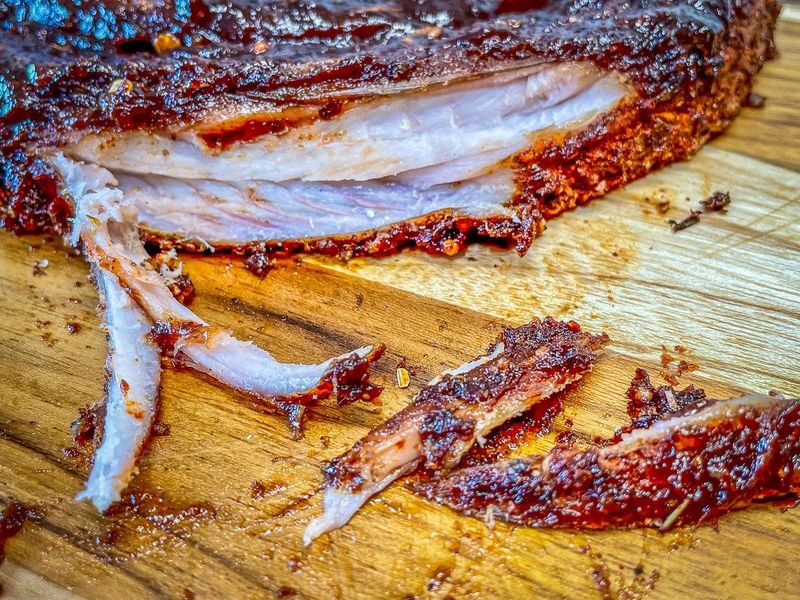
Out on the dry plains and desert Southwest, rattlesnakes were both a danger and a dinner option. Frontiersmen would skin and gut a rattlesnake, then roast it over coals on a stick or wrap it in foil made from bark and bake it in the embers.
Most people who tried it compared the taste to chicken, mildly flavored with a slightly firm texture. Eating rattlesnake wasn’t just about bravery.
It was about making use of whatever the land provided, venom and all.
14. Ash Cakes
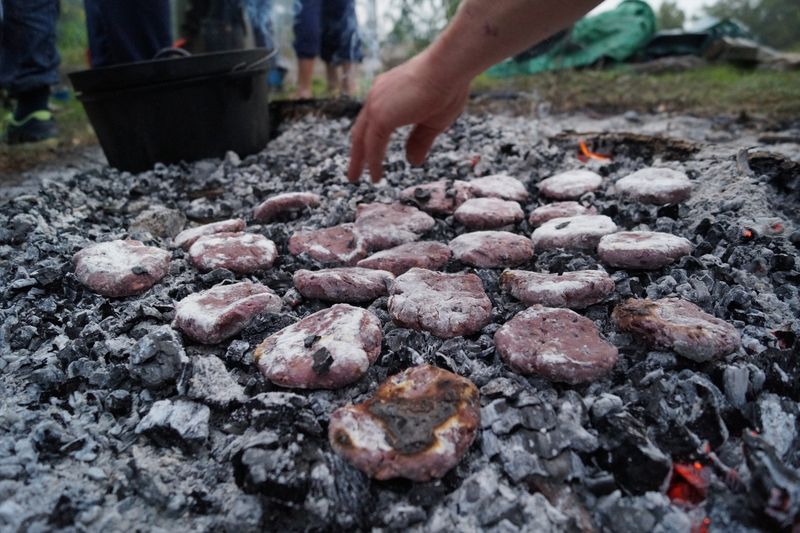
Ash cakes were about as simple as bread could get. Pioneer cooks mixed cornmeal, salt, and water into a stiff dough, shaped it into flat rounds, and pressed them directly onto hot embers or wrapped them in corn husks to bake.
The outside would char slightly, giving the bread a smoky, earthy flavor that paired well with beans or salt pork. Brushing off the ash was part of the process.
Quick, fuel-free, and filling, ash cakes were the ultimate on-the-move meal for anyone crossing the frontier.
15. Mud Apples
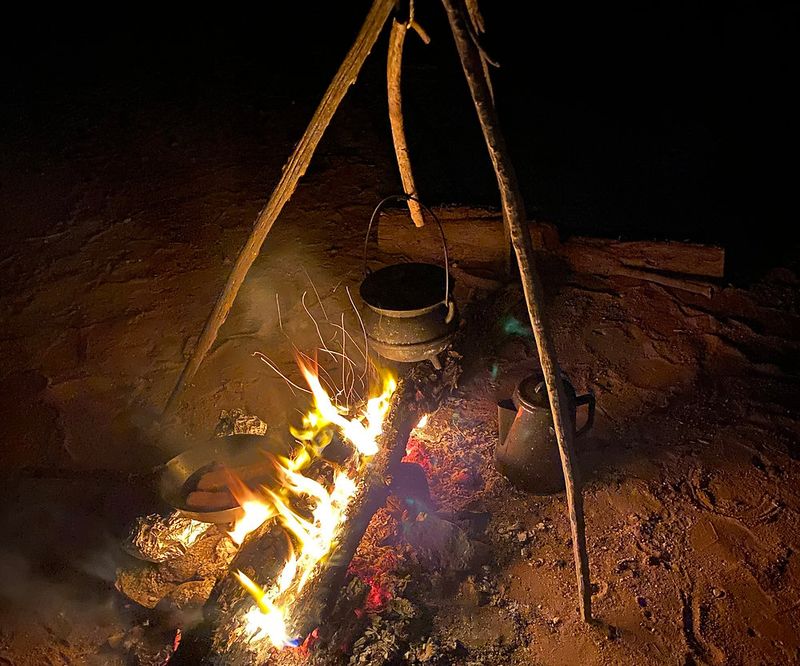
Mud Apples sound like a kids’ prank, but this was a genuine Old-West cooking method with roots in Native American food traditions. Apples were packed in wet mud and buried in hot coals for about 45 minutes, essentially steam-baking inside their natural skin.
When the mud cooled and cracked off, it took the peel with it, revealing soft, sweet, perfectly cooked apple pulp underneath. The mud acted as a protective shell, keeping the fruit moist and evenly cooked without burning.
Simple, brilliant, and surprisingly delicious.
16. Hoe Cakes (Johnnycakes)
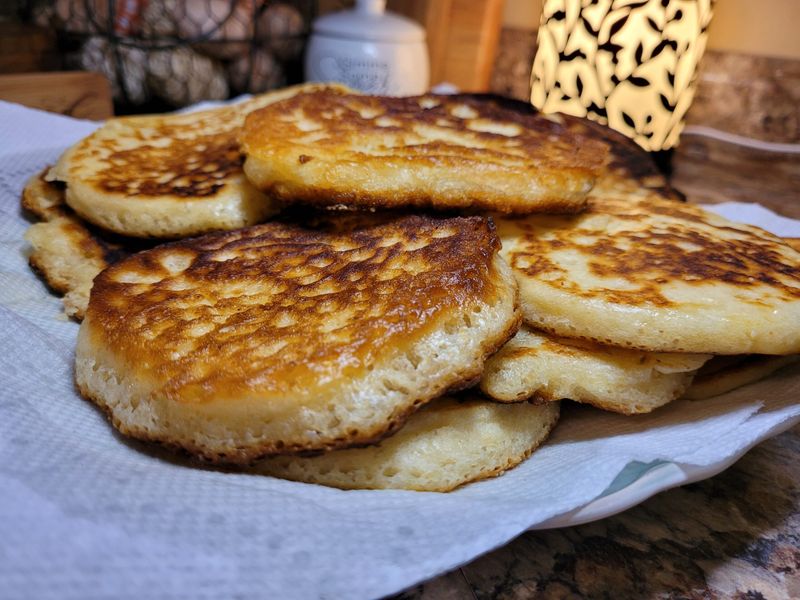
The name says it all. Hoe cakes were literally cooked on the flat metal blade of a garden hoe held over an open fire, making them one of the most creatively named dishes in American history.
Cornmeal, water, and a pinch of salt were all it took.
Wheat flour was expensive and hard to come by on the frontier, so corn was king. Hoe cakes, also called Johnnycakes, were sweet, crispy-edged, and deeply satisfying.
Field workers and travelers alike relied on them as a quick, energy-packed meal throughout the day.
17. Vinegar Pie
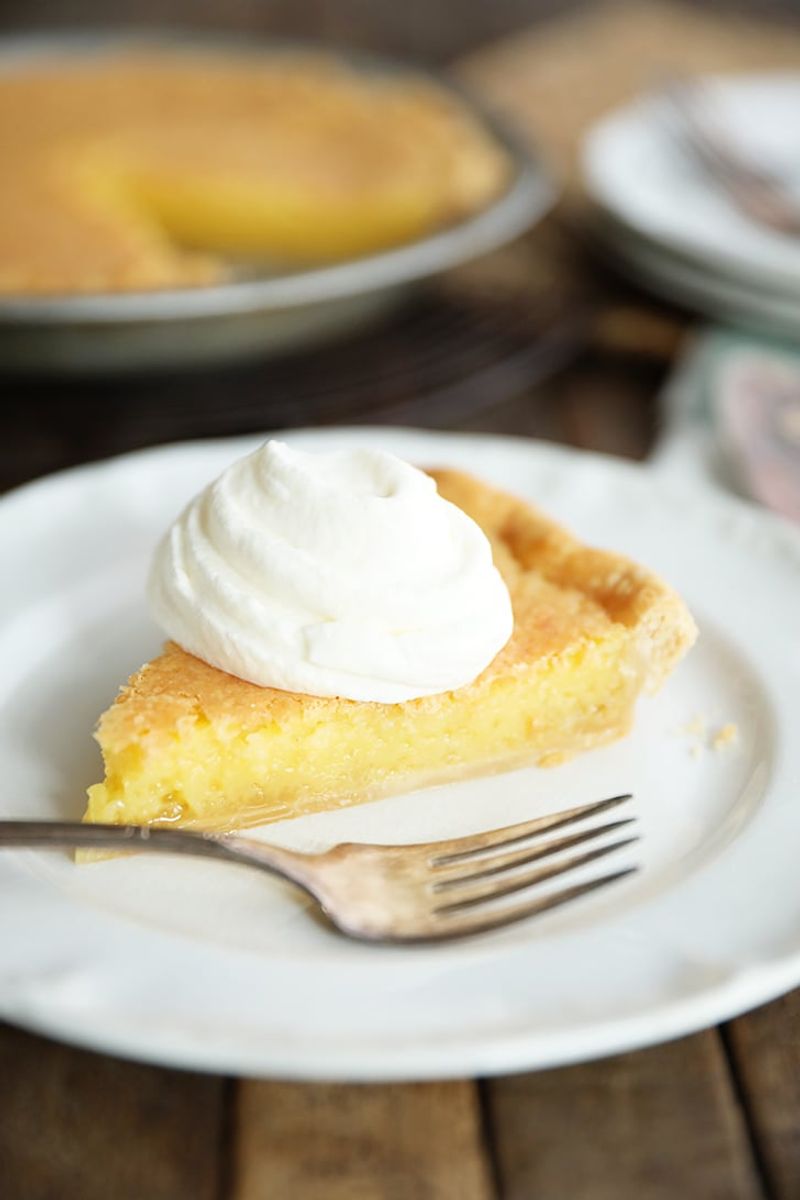
Lemons were a rare luxury on the frontier, so bakers got crafty. Vinegar pie used apple cider vinegar to mimic the bright, tart flavor of lemon in a classic custard-style filling, sweetened with sugar and thickened with eggs and butter.
The result was surprisingly tasty, tangy, smooth, and satisfying in a way that sounds impossible until you actually try it. Frontier bakers proved that great desserts don’t require fancy ingredients.
Vinegar pie is one of the most underrated examples of American pioneer ingenuity hiding in plain sight.
18. Spotted Pup Pudding
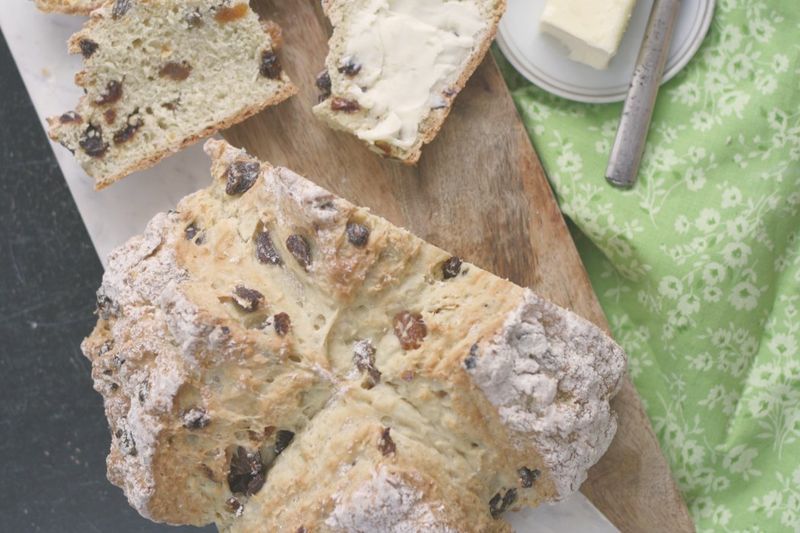
Cowboys had a sweet tooth too, and Spotted Pup Pudding was their campfire dessert of choice. Made from rice, milk, eggs, salt, and sugar, the “spots” came from raisins stirred into the mixture before cooking, with nutmeg sprinkled on top for warmth and flavor.
Trail cooks carried dried rice and raisins because they traveled well and lasted for weeks. After a long day in the saddle, a warm bowl of Spotted Pup was a small, comforting luxury that made the hard frontier life feel a little more like home.