
Eating out should be a fun, enjoyable experience, but sometimes a restaurant sends up red flags before your food even arrives. Knowing what to look for can save you from a bad meal, an upset stomach, or worse.
Whether you are a casual diner or a serious foodie, these warning signs are worth paying attention to. Here are 20 things that should make any smart diner think twice before taking another bite.
1. Dirty Restrooms That Smell Like Trouble
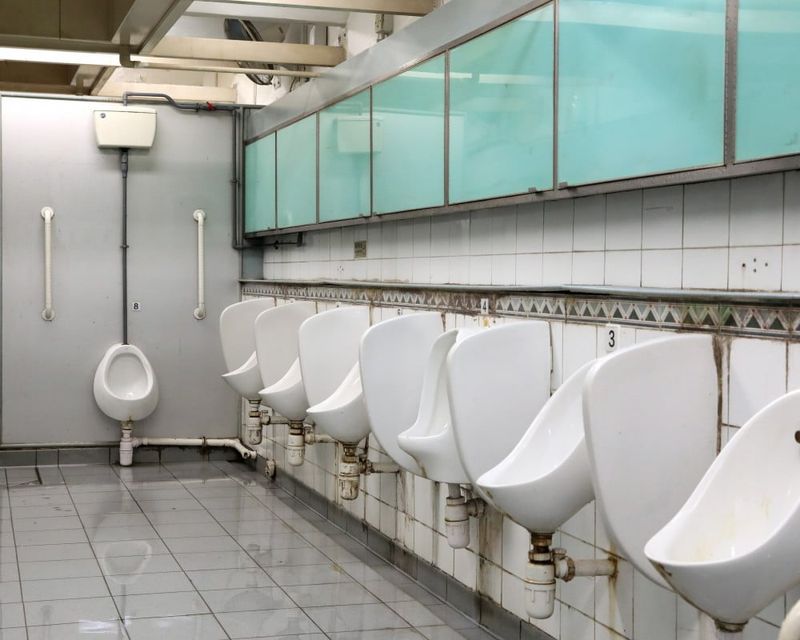
Walk into a restaurant restroom and you have basically found the management’s report card. If the bathroom smells awful, has broken locks, or looks like it hasn’t been cleaned in days, that tells you everything about how the kitchen is probably running too.
A clean restroom takes effort, and restaurants that skip that effort are likely cutting corners elsewhere. Always check the bathroom before you order anything.
2. Greasy or Spotted Dishes and Glassware
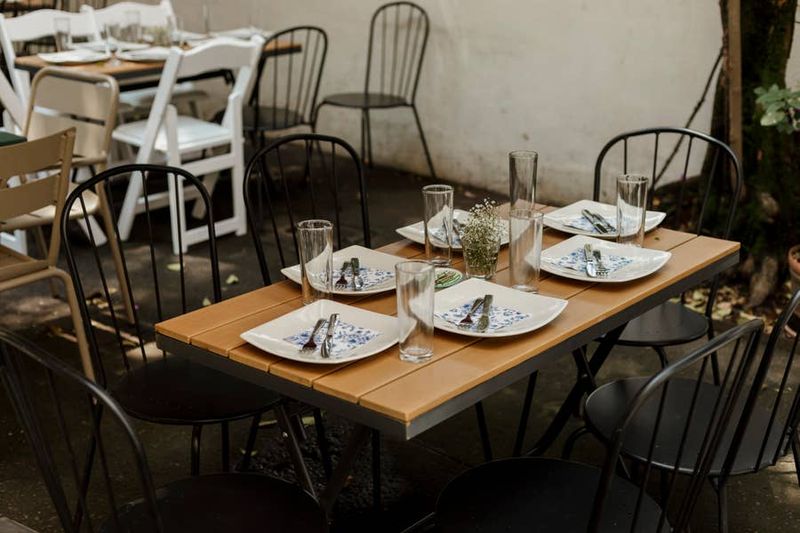
Picking up your glass and spotting a smudge of someone else’s lipstick is enough to ruin any appetite instantly. Greasy dishes, foggy glasses, and grimy forks are signs the dishwasher is not doing its job, or worse, the staff just doesn’t care.
Clean tableware is one of the most basic standards in the food industry. If a restaurant can’t get that right, what else is sliding by unnoticed back in the kitchen?
3. Sticky, Stained Menus That Feel Ancient
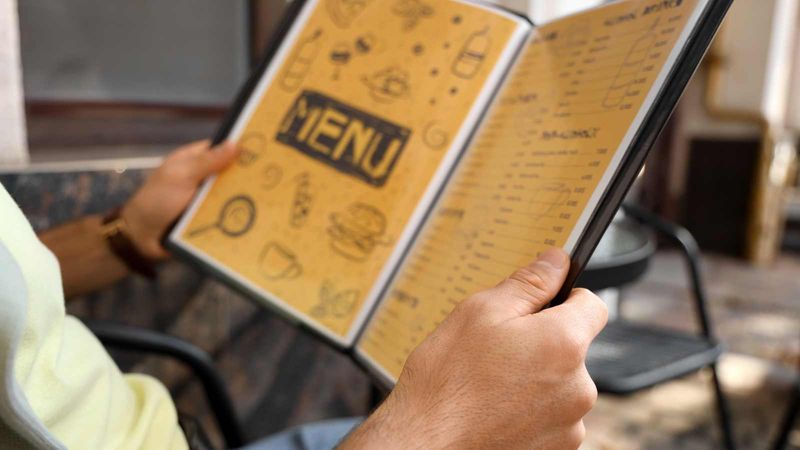
Menus get touched by every single customer who walks through the door, which makes them one of the germiest objects in any restaurant. A menu that feels sticky, smells funky, or looks like it survived a food fight from three years ago is a major red flag.
Restaurants that care about cleanliness wipe down or replace menus regularly. Crusty, stained ones show a lack of attention to the small details that really matter to diners.
4. Tables That Were Never Really Cleaned
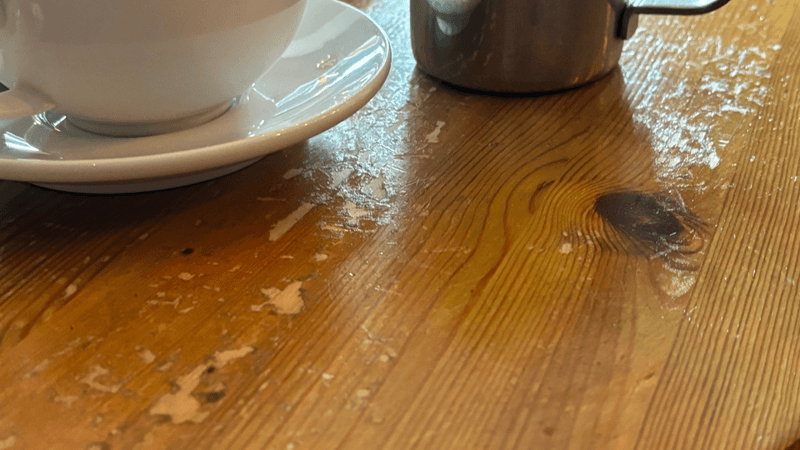
Ever sat down at a restaurant table and immediately noticed your arm stuck slightly to the surface? That sticky film means the table was wiped with a dirty rag or not cleaned at all between customers.
It’s honestly one of the grossest feelings before a meal.
A properly sanitized table should feel clean and smell neutral. Crumbs, sauce smears, and tacky surfaces signal that hygiene standards are not exactly a top priority here.
5. Floors Covered in Crumbs and Food Debris
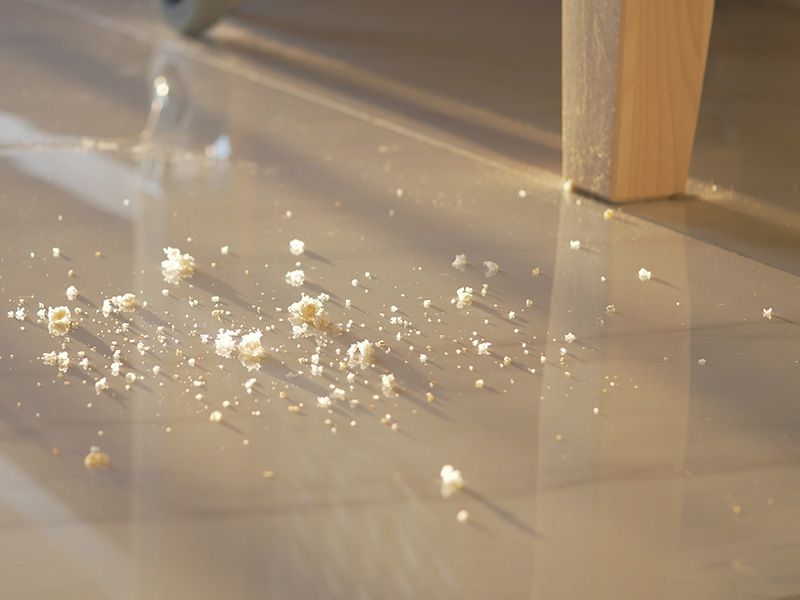
Floors in a busy restaurant will always get a little messy, but there’s a difference between a quick spill and a floor that looks like it hasn’t seen a broom all week. Visible crumbs, dropped food, and mystery stains piling up during service are not a good look.
Regular sweeping shows a restaurant takes pride in its space. When debris builds up and nobody seems to notice or care, that level of neglect usually extends to the food prep area as well.
6. Signs of Pests Lurking Around
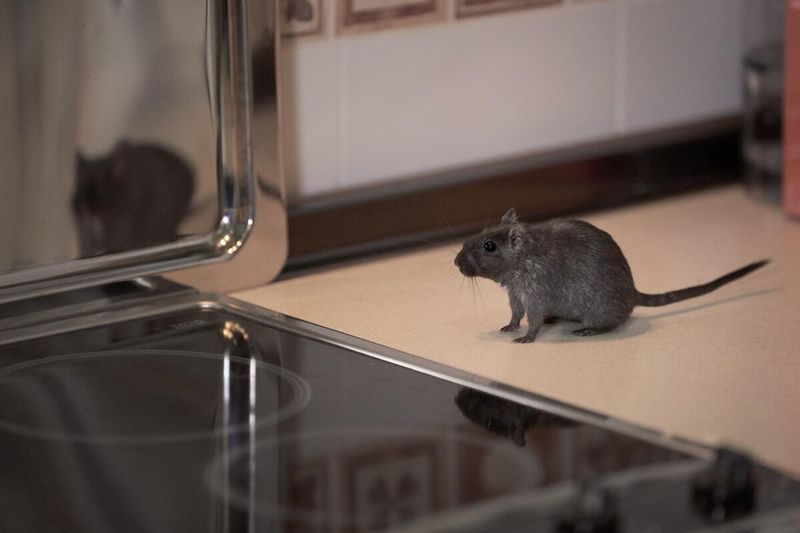
Spotting a cockroach scurry across the floor or noticing a rodent trap tucked near the wall is an immediate signal to grab your coat and go. Pest problems in restaurants are serious health hazards and usually mean sanitation has been ignored for quite a while.
Flies buzzing around food, rodent droppings, or even just visible pest traps suggest the problem is ongoing. No amount of good reviews or fancy decor should convince you to stay and eat in a place with a bug problem.
7. Staff With Poor Personal Hygiene
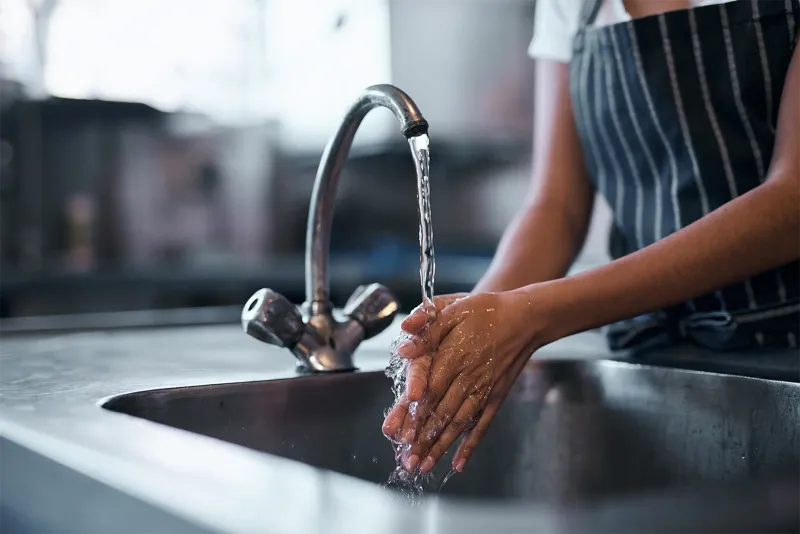
Your server’s appearance tells you a surprising amount about a restaurant’s standards. Wrinkled, stained uniforms, dirty fingernails, or a strong body odor coming from someone handling your food is understandably off-putting and raises real food safety concerns.
Personal hygiene training is part of any responsible food service operation. When employees look like they rolled out of bed and skipped a shower, it makes you wonder what other basic standards are being overlooked behind the scenes.
8. Wiping Tables With a Dirty Rag
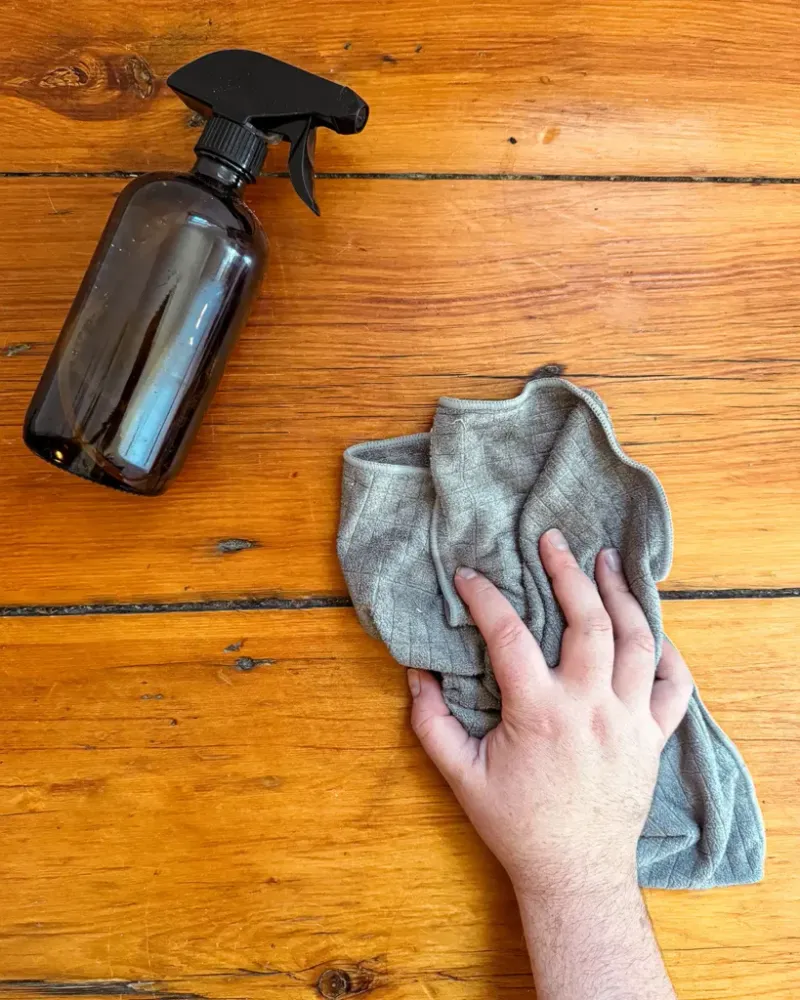
Watching a busser grab a gray, questionable-smelling rag and drag it across your table is one of those small moments that instantly kills your excitement for the meal ahead. Instead of cleaning the surface, that rag is just moving bacteria from one spot to another.
Sanitizing cloths should be clean, damp with actual disinfectant, and replaced frequently. If the rag looks like it’s been used all day, the table you are about to eat on is probably not as clean as it looks.
9. No Hand Soap in the Restroom
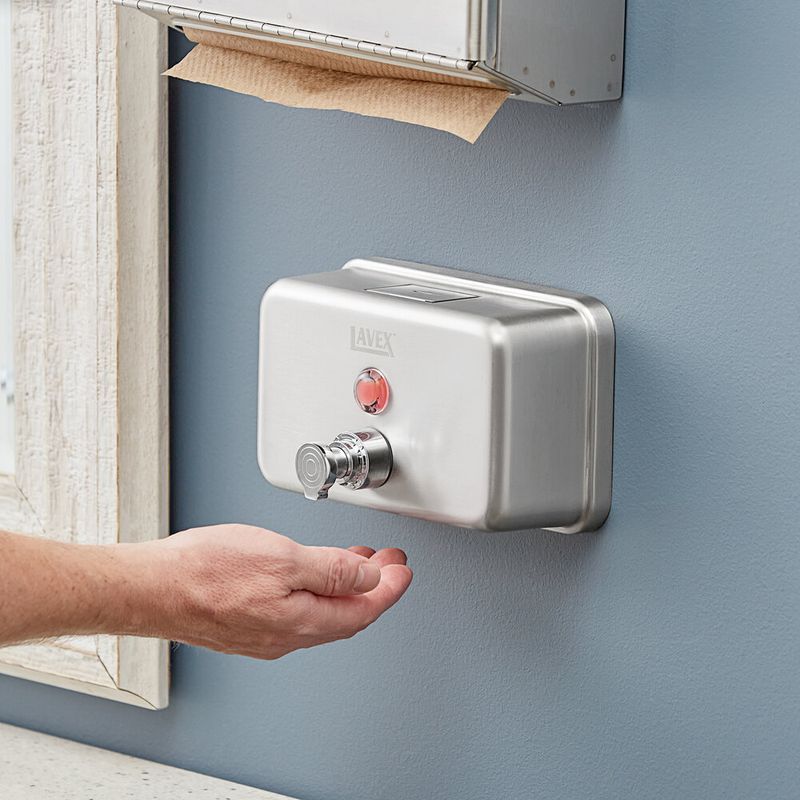
Running out of hand soap in a restaurant restroom is not just an inconvenience, it is a genuine public health problem. Handwashing is one of the most effective ways to prevent the spread of germs, and an empty soap dispenser suggests nobody is monitoring the basics.
If customers cannot wash their hands properly, staff probably face the same issue. Food handlers who cannot clean up thoroughly before returning to the kitchen are a recipe for contamination and foodborne illness.
10. Hot Food Served Cold or Lukewarm
There is nothing quite as disappointing as ordering a bowl of soup and discovering it is barely warm. Cold hot food is more than a quality issue though, it can actually be a food safety problem if items were not kept at the right temperature during storage or service.
Bacteria multiply quickly in the “danger zone” between 40 and 140 degrees Fahrenheit. A restaurant that consistently serves lukewarm entrees may not be managing holding temperatures correctly, which puts your health at real risk.
11. Undercooked Meat or Poultry on Your Plate
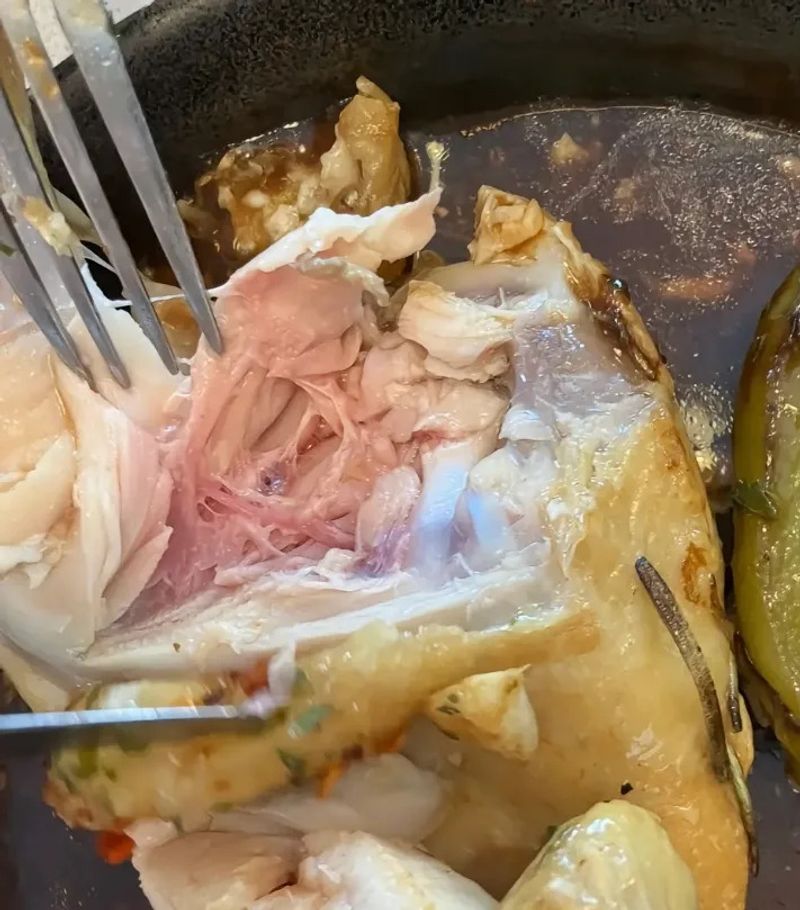
Cutting into a chicken breast and finding it pink and raw inside is not something any diner should have to deal with. Undercooked meat is a serious health hazard that can lead to salmonella, E. coli, and other dangerous foodborne illnesses.
Proper cooking temperatures exist for a reason, and any kitchen worth its salt knows them by heart. If your meat arrives clearly underdone, send it back immediately, and seriously consider whether you want to continue dining there at all.
12. Finding a Hair in Your Food
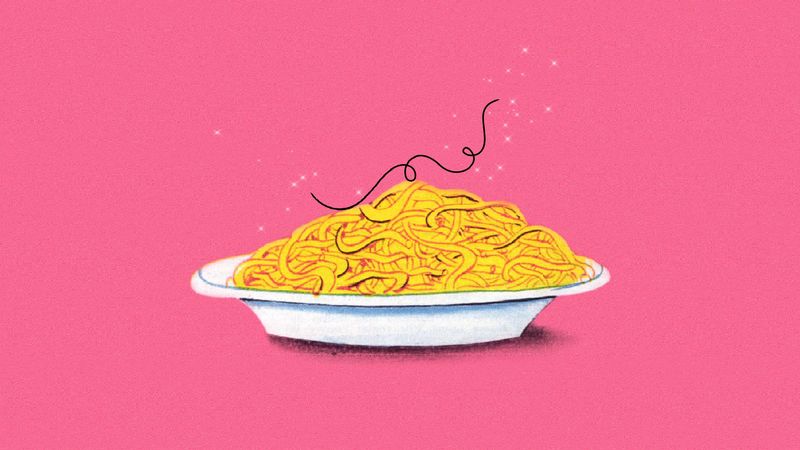
Nobody wants to pull a long strand of hair out of their pasta. Finding foreign objects in your meal is one of the most universally unpleasant dining experiences, and hair is the most common culprit by far.
Kitchen staff should wear hair nets or hats during food prep. When they don’t, it’s only a matter of time before something ends up in someone’s plate.
One hair might be an accident, but repeated incidents point to a kitchen with loose hygiene rules and little accountability.
13. Food That Tastes Old or Fried in Stale Oil
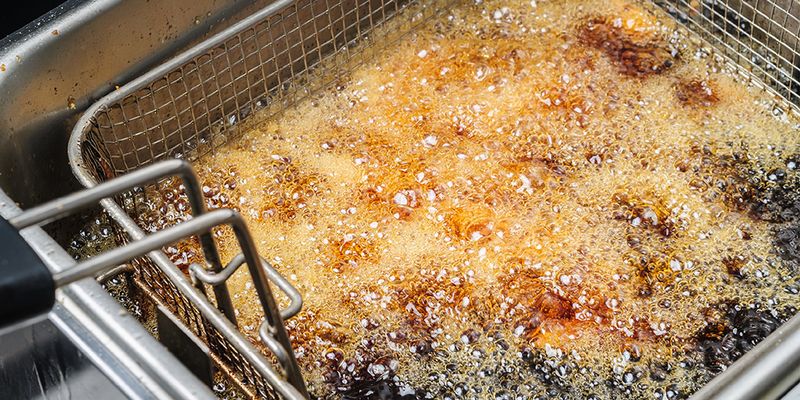
Ever bitten into french fries and instantly tasted something rancid? Old frying oil has a distinct, unpleasant flavor that coats your mouth and lingers long after the meal is over.
It is a clear sign the kitchen is reusing oil way past its prime.
Fresh oil produces crispy, golden results. When fried food comes out soggy, dark, and greasy with a bitter aftertaste, the restaurant is almost certainly skipping the cost of regular oil changes.
That shortcut affects both flavor and your health.
14. Staff Who Don’t Take Food Allergies Seriously
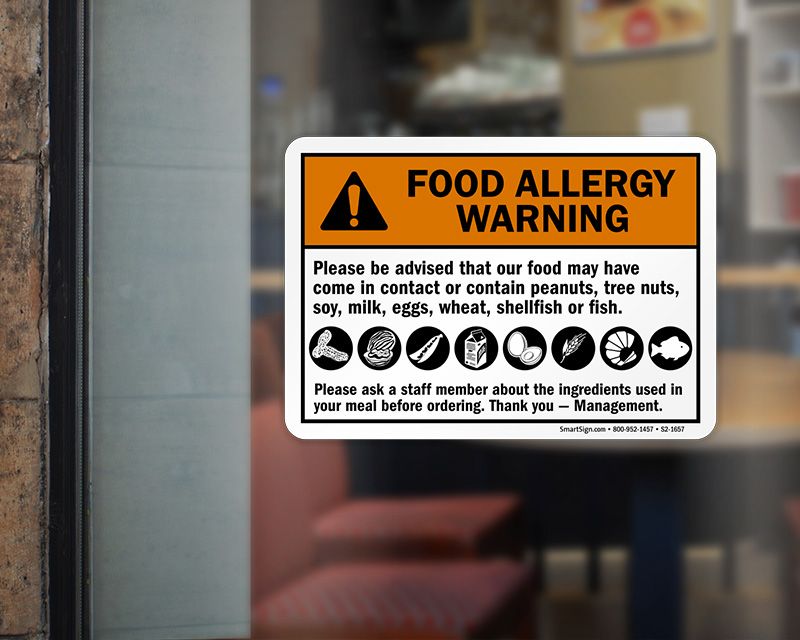
Telling your server about a serious food allergy should trigger a careful, attentive response, not a shrug and a vague “I think it’s fine.” Allergic reactions can be life-threatening, and a restaurant that treats that information casually is genuinely dangerous to visit.
Well-trained staff know exactly what is in each dish and how to communicate with the kitchen about special needs. When a server seems clueless or dismissive about dietary restrictions, that is a sign you might want to eat somewhere that actually prioritizes your safety.
15. A Persistent Stale or Greasy Smell in the Air
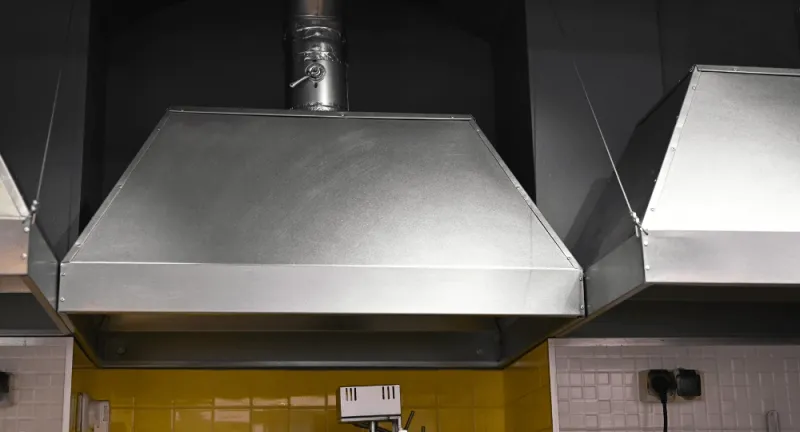
Restaurants are supposed to smell like good food, not like a deep fryer that hasn’t been cleaned since the place opened. A persistent stale or rancid odor hanging in the dining room usually means the exhaust system is clogged or the kitchen surfaces are overdue for a serious scrubbing.
When grease and food smells build up without being properly ventilated, it signals a lack of regular deep cleaning. That kind of neglect doesn’t stay in the air, it ends up in your food too.
16. A Menu That Tries to Do Absolutely Everything
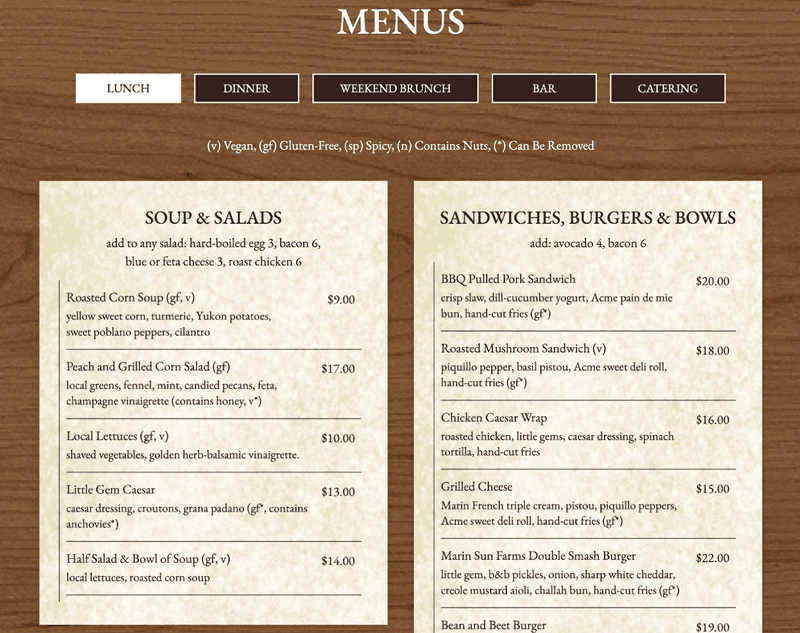
A menu that spans sushi, wood-fired pizza, Indian curry, and Texas barbecue all in one place sounds exciting until you start thinking about what that actually means in the kitchen. Restaurants that try to cover every cuisine under the sun rarely do any of them particularly well.
More importantly, a massive menu often means ingredients are not always fresh because nothing moves fast enough to stay truly fresh. Focused menus tend to signal a kitchen that knows what it’s doing and takes quality seriously.
17. Sick Staff Members Still Working the Floor
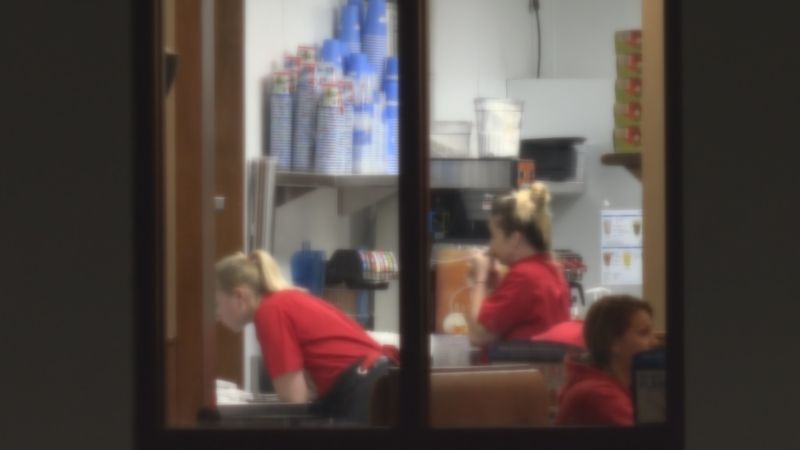
Seeing your server sneeze into their elbow and then grab your bread basket is enough to make anyone lose their appetite completely. Sick employees working in food service are one of the leading causes of foodborne illness outbreaks, yet it still happens far too often.
Responsible restaurants send sick staff home, period. When a manager allows an obviously unwell employee to keep working, it shows they are prioritizing short-term staffing convenience over the health of every single customer in the building that day.
18. Employees Eating or Drinking in Food Prep Areas
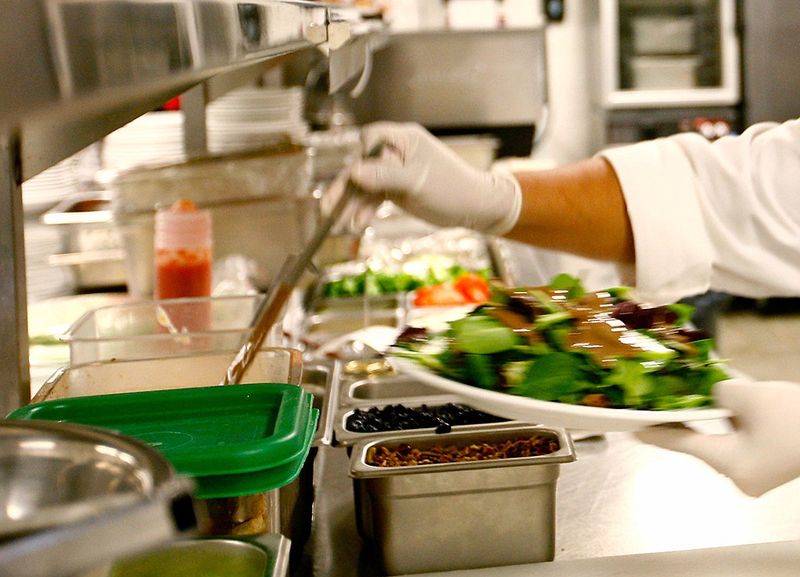
Catching a kitchen worker snacking over the prep counter or sipping a drink next to raw ingredients is a textbook health code violation. Food and drink in prep areas create real contamination risks, and it suggests the kitchen is operating without proper hygiene protocols in place.
Health departments take this seriously for good reason. Crumbs, saliva, and spills near food being prepared for customers can introduce harmful bacteria into dishes.
If you can see it happening, imagine what is going on when no one is watching.
19. An Empty Parking Lot During Peak Dinner Hours
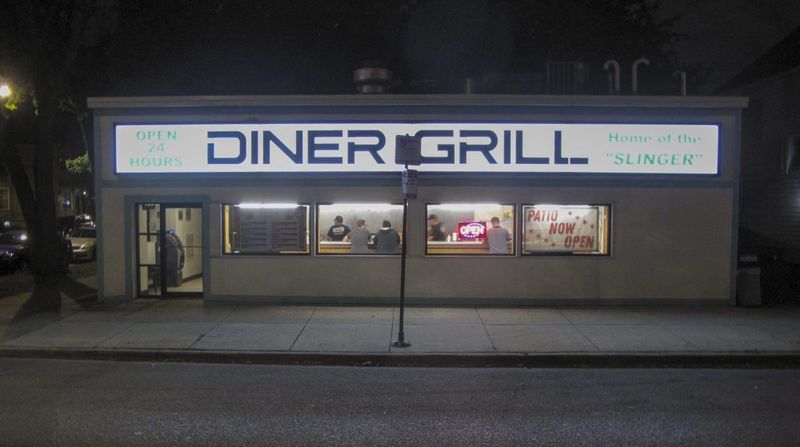
Driving past a restaurant at 7 PM on a Friday and seeing maybe three cars in the lot is a quiet but telling detail. Locals usually know which restaurants are worth their time, and an empty dining room during the busiest hours of the week speaks volumes.
Word of mouth is powerful in the restaurant world. A persistently empty room during prime hours often means repeat customers are not coming back, and that is usually because something, whether the food, service, or cleanliness, was not up to standard.
20. A Poor Health Department Rating on Display
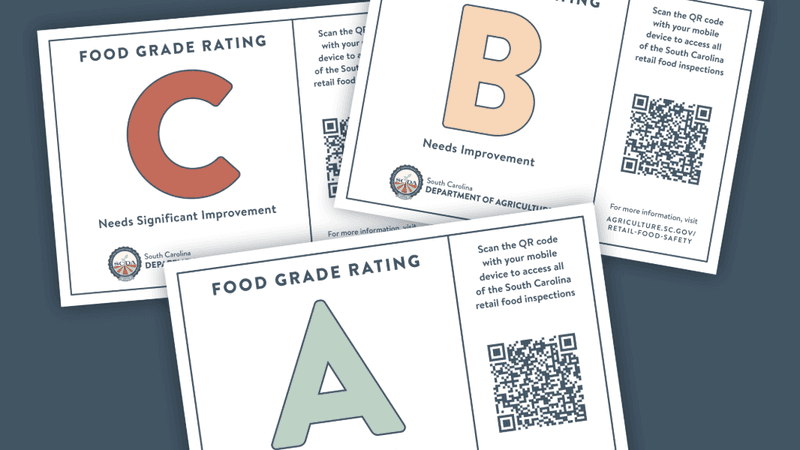
Many cities require restaurants to post their health inspection scores where customers can see them, and a low grade should absolutely factor into your decision to eat there. An “C” or lower grade means inspectors found real problems, not just minor paperwork issues, during their visit.
Health inspections cover everything from food storage and cooking temperatures to pest control and employee hygiene. A poor rating is not something to brush off as bad luck.
It is documented proof that the restaurant failed to meet basic safety standards set to protect you.