
Most marriages don’t fall apart overnight. Instead, they slowly unravel through small changes that are easy to miss at first.
Therapists who work with couples every day say there are clear patterns and stages that show up when a relationship is heading toward a breaking point. Knowing what these stages look like can help you catch problems early and decide what steps to take next.
1. Subtle Dissatisfaction

Something feels off, but you can’t quite put your finger on it. One or both partners start feeling unappreciated, like their efforts go unnoticed or their needs don’t matter.
Arguments pop up more often than they used to, even over small, silly things.
This quiet unhappiness is easy to brush off at first. But therapists say ignoring that nagging feeling is one of the first mistakes couples make.
Early awareness can make a real difference.
2. Emotional Withdrawal and Detachment

When the emotional spark starts fading, conversations become shallow and surface-level. Partners stop sharing what they’re really thinking or feeling, and the deep connection that once existed quietly slips away.
One telling sign therapists point to is when someone feels relieved, not sad, when their partner leaves the room. That shift from longing to relief signals that emotional detachment has already taken root in a serious way.
3. Communication Breakdown

Healthy couples talk through problems, but in a struggling marriage, conversations start to feel like walking through a minefield. Attempts to bring up issues are often met with defensiveness, eye-rolling, or complete silence.
Stonewalling, where one partner simply shuts down and refuses to engage, is a major red flag therapists watch for. When communication breaks down this badly, small problems pile up fast and become much harder to fix later on.
4. Increasing Resentment and Bitterness

Resentment is like a slow poison in a marriage. It builds when hurts go unaddressed and apologies never come.
Partners start keeping mental scorecards of every wrong, every forgotten anniversary, every harsh word said in anger.
Therapists describe this stage as especially dangerous because bitterness crowds out the love that used to be there. Once the score-keeping starts, it becomes very hard to see your partner as an ally instead of an opponent.
5. Loss of Intimacy

Physical affection doesn’t disappear all at once. Hugs become less frequent, goodnight kisses stop happening, and eventually, even a simple touch on the shoulder feels awkward or unwelcome.
Beyond the physical side, emotional intimacy fades too. Partners stop being each other’s go-to person for good news or bad days.
Therapists note that when couples stop being each other’s closest confidants, the foundation of the relationship starts to crack in a deeply significant way.
6. Escalating and Unresolved Conflicts

Every couple fights, but there’s a big difference between healthy conflict and the kind that never gets resolved. In troubled marriages, the same arguments replay over and over like a broken record, draining both partners completely.
Therapists warn that unresolved conflict creates a growing sense of hopelessness. When people feel like nothing ever gets fixed no matter how many times they try, they eventually stop trying altogether, which only makes things worse over time.
7. The Four Horsemen Warning Signs
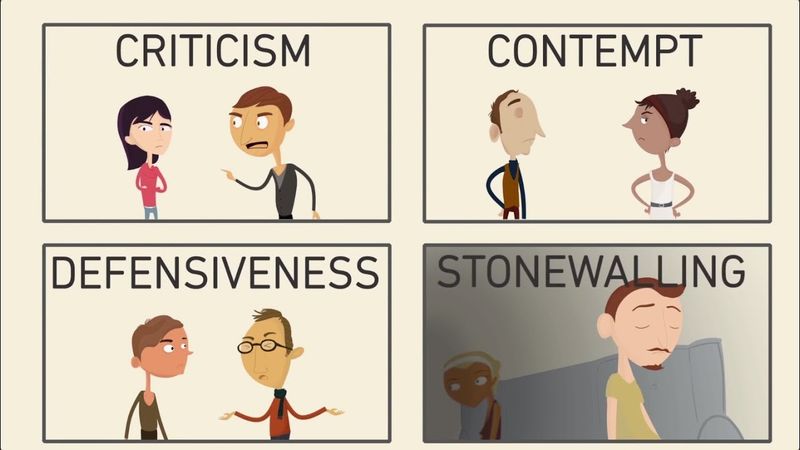
Dr. John Gottman, a well-known relationship researcher, identified four behaviors that strongly predict divorce: criticism, contempt, defensiveness, and stonewalling. Of the four, contempt is considered the most destructive by far.
Contempt looks like eye-rolling, mocking, or treating your partner as inferior. When these patterns show up regularly, therapists treat it as a serious emergency signal.
Catching and addressing these behaviors early through counseling can sometimes still turn things around before the damage becomes permanent.
8. Blame Shifting and Lack of Accountability

Taking responsibility is hard, but in a healthy relationship, both partners own their mistakes. When a marriage is falling apart, one or both people start deflecting every problem onto the other person instead of looking inward.
Therapists say blame-shifting is exhausting for both partners. The one being blamed feels constantly attacked, while the one doing the blaming never grows or changes.
Breaking this cycle almost always requires outside help from a professional who can offer an objective perspective.
9. Controlling Behaviors and Excessive Jealousy

Jealousy in small doses is normal, but when it turns into constant monitoring, questioning, or trying to cut a partner off from friends and family, it crosses a serious line. Control is not love, even when it’s disguised as concern.
Therapists often link controlling behavior to deep insecurity or fear of abandonment. Left unchecked, it creates a suffocating environment where the other partner feels trapped rather than cherished.
Recognizing this pattern early is crucial for the safety of both people involved.
10. Apathy and Absence of Longing

Fighting takes energy, and so does love. When both run out, what’s left is something far more alarming than anger: complete indifference.
Partners stop missing each other when apart and may even feel lighter when the house is empty.
Therapists describe apathy as the final emotional alarm bell. Anger means there’s still something worth fighting for, but when neither person feels much of anything anymore, the attachment bond has essentially gone dormant.
That emotional flatline is extremely difficult to reverse.
11. Private Acknowledgment of Deep Unhappiness

Before anyone says a word out loud, there’s usually a long period of silent suffering. One partner starts privately admitting to themselves that something is very wrong, replaying moments and wondering where things went off track.
Therapists call this the intrapsychic stage. During this time, people often confide in a close friend or write in a journal, testing out their feelings before bringing them into the open.
It’s a lonely, confusing place to sit, but it’s often where real clarity begins.
12. Going Public With the Marital Struggles

At some point, the unhappiness stops being a private secret. Couples begin openly expressing their struggles, sometimes in therapy, sometimes to family and friends.
The problems that were once hidden behind closed doors start becoming visible to the outside world.
Therapists note this stage can go two ways. Some couples use this openness to finally get real help and work toward healing.
Others use it to build their case for why the other person is at fault, which only deepens the divide between them.
13. Actively Considering Separation or Divorce

There’s a significant emotional shift when “I’m unhappy” turns into “Maybe this marriage is over.” One or both partners begin seriously weighing whether the relationship can realistically be saved or whether moving on is the healthier choice.
Therapists say this stage is painful but also clarifying. For some couples, hitting this point motivates real change and genuine effort.
For others, it confirms what they’ve quietly known for a long time. Either way, professional guidance during this stage is incredibly valuable and worth pursuing.
14. Emotional Exhaustion and Deep Hopelessness

Chronic marital stress takes a serious physical and mental toll. Partners may develop anxiety, depression, or a bone-deep tiredness that no amount of sleep seems to fix.
The constant emotional labor of a painful marriage wears people down completely.
Therapists frequently see clients at this stage who have lost all hope that things can improve. That hopelessness isn’t weakness; it’s the natural result of long-term emotional strain.
Seeking individual therapy at this point, even apart from couples counseling, can be a genuinely life-changing first step.
15. The Villain Narrative and Severed Bond

By this final stage, one or both partners have rewritten the story of the marriage with themselves as the victim and their spouse as the villain. Empathy disappears, replaced by a cold emotional distance that feels almost impossible to bridge.
Therapists describe this as emotional abandonment. The bond that once held two people together has been so thoroughly severed that kindness feels impossible.
Reaching this point doesn’t always mean divorce is inevitable, but rebuilding from here requires enormous courage, commitment, and skilled professional support.