
Growing up without much money shapes the way you see the world in surprising ways. Things that some people barely notice, like a full fridge or a brand-new pencil case, can feel like pure magic when you rarely had them as a kid.
For many adults who grew up in tough financial situations, small everyday comforts carry a deep meaning that others might never fully understand. These tiny luxuries are quietly treasured long after childhood ends.
1. Grocery Shopping Without Watching Every Price

Walking through a grocery store and just grabbing what looks good, without mentally adding up totals or putting things back, feels like a superpower to many who grew up broke. As kids, grocery trips were stressful math exercises.
Now, being able to toss name-brand cereal into the cart without a second thought is quietly thrilling. It sounds small, but that freedom carries real emotional weight for people who once knew the anxiety of a tight food budget.
2. Ordering Anything Off the Restaurant Menu

For kids who grew up with little money, eating out was rare, and when it happened, the rule was simple: order the cheapest thing. Scanning a menu for price rather than preference becomes second nature pretty fast.
As adults, being able to order the steak, the fancy pasta, or even an appetizer without guilt feels almost rebellious in the best way. That moment of freely choosing what sounds delicious, not what costs least, is quietly celebrated every single time.
3. Owning Real Food Storage Containers

Margarine tubs, Cool Whip containers, and old yogurt cups served as the “Tupperware” in many low-income households. You never quite knew if that blue tub held butter or last night’s leftovers until you opened it.
Owning an actual matching set of food storage containers feels surprisingly grown-up and satisfying. It is one of those purchases that seems completely ordinary to some people but quietly signals stability and comfort to those who spent years making do with repurposed packaging.
4. Buying Fresh Flowers Just Because

Fresh flowers are entirely impractical. They wilt in a week, they serve no real purpose, and they cost money that could go toward actual groceries.
That is exactly why buying them feels so luxurious.
Growing up without extras meant flowers were never on the shopping list. As adults, people who grew up broke often describe buying a bouquet as a quiet act of self-care and celebration.
It is proof that today, there is enough, and that feels genuinely wonderful.
5. Choosing Name-Brand Options at the Store

Generic everything was the rule. Store-brand cereal, off-brand ketchup, and no-name shampoo were simply how life worked when money was tight.
Name-brand items might as well have had velvet ropes around them.
Picking up the name-brand version of something without calculating whether the budget can handle it is a tiny but meaningful act of freedom. Many adults who grew up with very little still feel a quiet rush of satisfaction choosing the option they were never allowed to reach for as kids.
6. The Pure Joy of Getting a Piece of Candy

Candy was not something that just appeared in many low-income homes. It was a special occasion item, a rare reward, or something scraped together with leftover change.
Finding a peppermint in a grandparent’s pocket felt like striking gold.
That childhood experience of treating candy as genuinely special never fully leaves. Many adults who grew up broke still feel a little spark of joy unwrapping a chocolate bar, because somewhere deep down, it still feels like a treat worth savoring slowly.
7. Homemade Pizza Night With All the Toppings
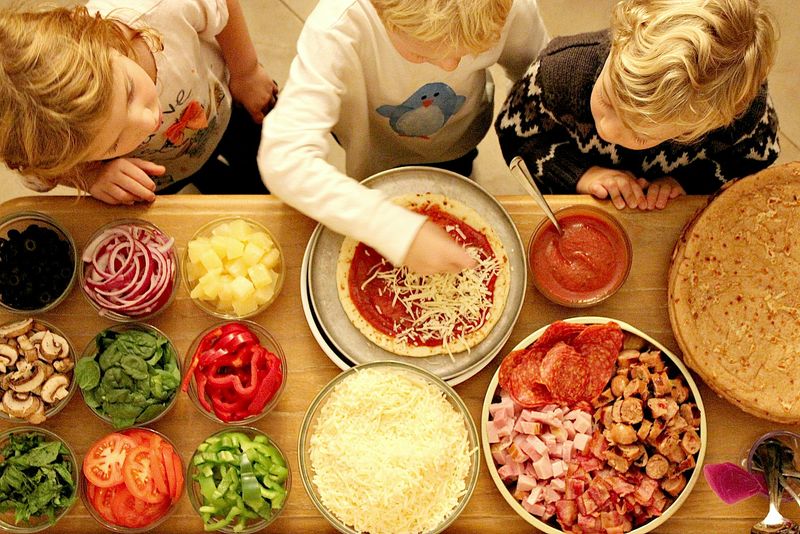
Pizza delivery was out of the question for many families watching every dollar. But homemade pizza?
That was something creative parents could pull together with dough, sauce, and whatever happened to be in the fridge.
What made it special was the abundance of toppings, even if they were simple ones. Kids who grew up in tight financial situations often remember homemade pizza nights with deep warmth, not because it was fancy, but because it felt like a celebration of togetherness and enough.
8. Having a Reliable Car With Working AC

Unreliable cars were a constant source of stress in many low-income households. Praying the engine would start on a cold morning, sweating through summer without air conditioning, and hoping the tires would hold through winter were real childhood memories.
Owning a car that simply works, one with cold air conditioning, good brakes, and tires that are not bald, feels like genuine luxury to people who grew up with clunkers. That quiet reliability is something they never stop appreciating.
9. Bills on Autopay Without Worry

The dread of a disconnection notice was familiar to many kids from low-income families. Watching a parent stress over whether the electricity bill could be paid before the lights went out was an anxiety that stuck around long after childhood.
Having bills on autopay, and actually having enough money in the account to cover them, is a form of peace that feels almost surreal. No more mental tracking, no more dread.
Just quiet, steady financial stability that once felt completely out of reach.
10. Brand-New School Supplies Every Year

Starting a new school year with hand-me-down supplies or borrowed pencils was a quiet kind of embarrassment many kids from low-income families knew well. Other kids showed up with crisp new folders and matching sets; you made do.
For adults who grew up that way, buying a fresh set of school supplies, whether for themselves or their own children, carries surprising emotional weight. That smell of new erasers and unsharpened pencils represents something far bigger than just being prepared for class.
11. Not Stressing Over Home Repairs
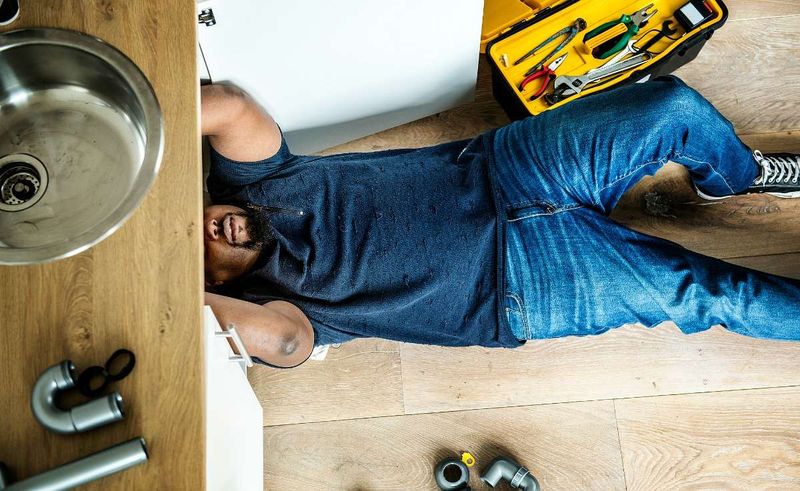
Broken things stayed broken in many low-income households. A leaky faucet, a cracked window, or a busted heater could sit unfixed for months because the repair cost simply was not there.
Kids learned early that some problems just had to wait.
Being able to call someone and get something fixed without spiraling into financial panic is a quiet but powerful form of security. Adults who grew up poor often name this as one of the most underrated feelings of stability they now treasure.
12. An Extra Refrigerator in the Garage
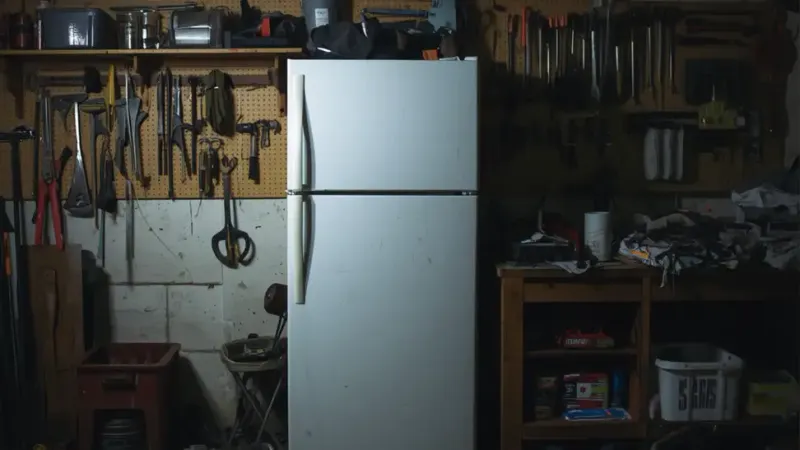
Having a second refrigerator in the garage is one of those things that sounds completely unremarkable until you grew up in a home where the one fridge was barely keeping up. Extra food storage was a symbol of abundance that felt far away.
Many adults who grew up broke describe their garage fridge with a kind of quiet pride. It means there is more than enough, that buying in bulk is now an option, and that the scarcity mindset from childhood has finally, truly, started to loosen its grip.
13. Access to Books for Reading and Escaping

Books were a lifeline for many kids who grew up without much. They cost nothing at the library and could take you completely out of a stressful home situation and into another world entirely.
That escape was priceless.
Adults who treasured reading as children often hold a deep, almost reverent appreciation for books. Whether it was a dog-eared paperback passed around or a library card treated like gold, those stories shaped imaginations and offered hope during times when real life felt heavy and uncertain.
14. Free Outings to Parks, Museums, and Libraries

Paid activities were largely off the table for families with tight budgets. But free places, parks, libraries, and museum free days, became treasured destinations that felt just as exciting and special as anything that cost money.
Adults who grew up this way often carry a genuine love for these spaces. A Saturday afternoon at the park or a browse through the library stacks was not a consolation prize.
It was real joy, and many people from low-income backgrounds still feel that appreciation deeply as adults.
15. Imaginative Play With Repurposed Everyday Items
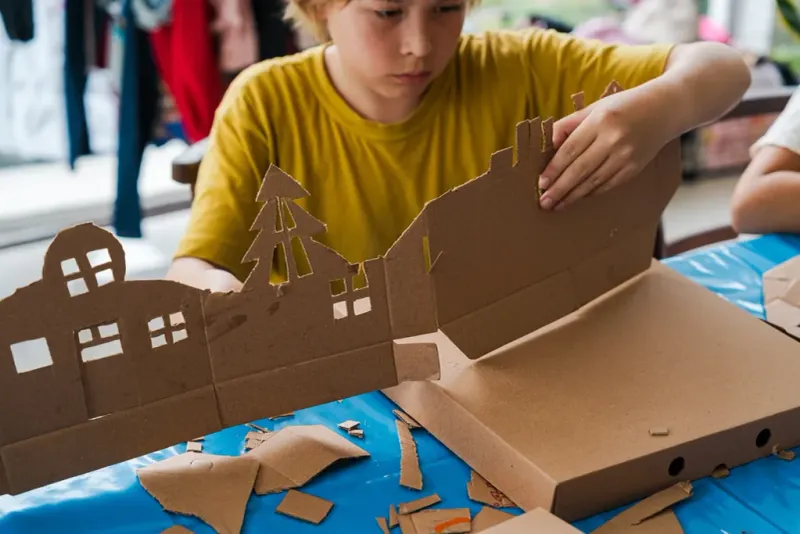
When there were no fancy toys, imagination filled the gap. Cardboard boxes became castles, blankets turned into tents, and empty cans transformed into drums.
Kids from low-income families became experts at seeing possibility in ordinary objects.
That creativity never fully disappears. Many adults who grew up making their own fun look back on those inventive play sessions with genuine fondness.
They learned early that entertainment does not require a price tag, and that lesson quietly shapes how they find joy even now.
16. Family Storytelling and Simple Shared Moments

When there was not money for entertainment, families talked. Grandparents shared stories from their own childhoods, parents described how things used to be, and kids listened with wide eyes.
Those evenings cost absolutely nothing and meant everything.
For adults who grew up in financially stretched homes, those storytelling moments are among the most cherished memories they carry. No screen, no ticket, no purchase required.
Just voices, laughter, and connection, reminding everyone around that table exactly where they came from and who they belong to.