
Harry Potter is more than a story about magic and adventure. Beneath the spells, creatures, and enchanted castles lies a series packed with real, sometimes painful lessons about life.
J.K. Rowling wove hard truths into every chapter, truths that kids and adults alike can recognize from their own lives.
Here are the powerful lessons hiding in plain sight throughout Harry’s journey.
1. Death Is Unavoidable and Should Not Be Feared
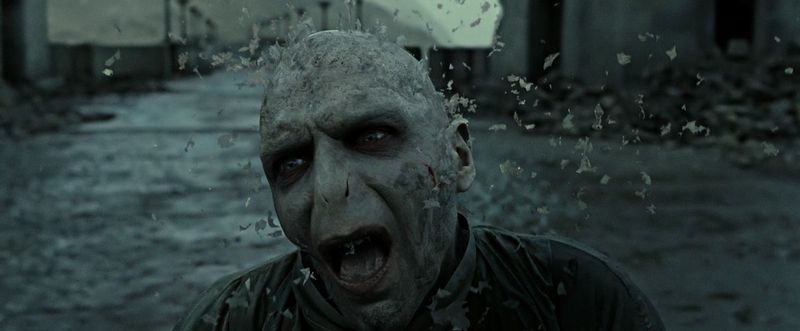
Voldemort’s entire reign of terror began with one simple fear: dying. He tore his soul apart, hurt countless people, and destroyed families just to avoid something that comes for everyone.
Meanwhile, Harry walked calmly into death when the moment demanded it.
That contrast is striking. The series teaches that fearing death too much can make a person cruel, while accepting it can make someone genuinely brave.
Facing the unavoidable with courage is one of life’s most difficult but freeing acts.
2. Love Is the Most Powerful Magic of All
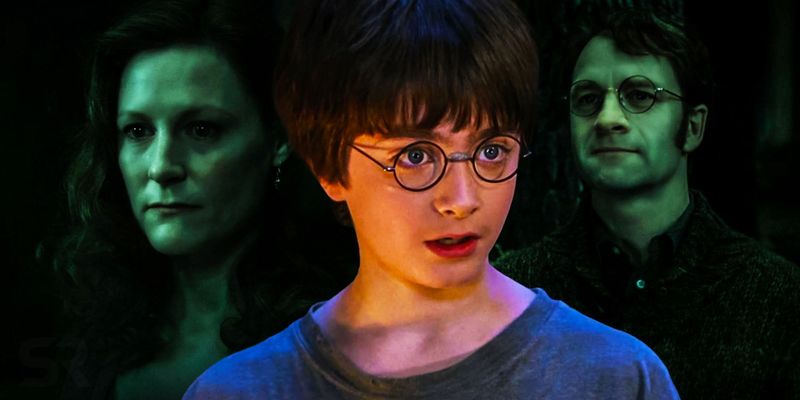
Lily Potter had no wand when Voldemort came for her son. What she had was love so fierce it rewrote the rules of magic itself.
Her sacrifice created a shield that even the darkest curse could not break.
Throughout the series, love keeps showing up as the one thing dark wizards cannot understand or replicate. Rowling makes it clear that emotional connection is not a weakness.
It is, in fact, the most unbeatable force in any world, magical or otherwise.
3. Prejudice Is Harmful and Built on Nothing Real
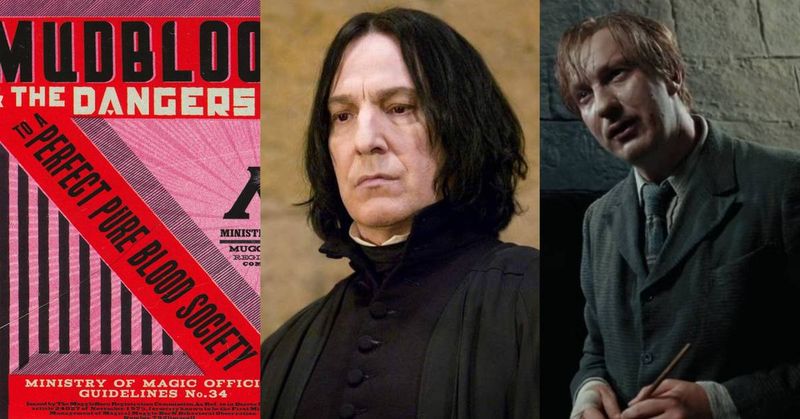
Pure-blood wizards looked down on Muggle-borns for no real reason at all. Hermione Granger, one of the most brilliant witches Hogwarts ever saw, was called a “Mudblood” simply because of her parents.
That kind of hatred had nothing to do with ability.
Rowling drew a clear parallel to real-world racism and intolerance. Prejudice always sounds logical to those practicing it, but the series exposes it as hollow and destructive every single time.
Discrimination only divides; it never builds anything worth keeping.
4. Your Choices Define You More Than Your Origins
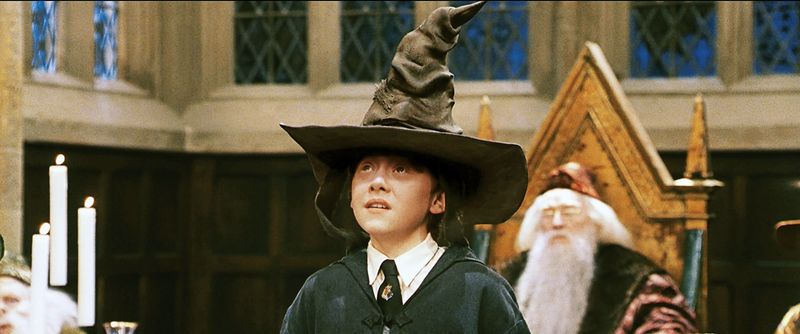
“It is our choices, Harry, that show what we truly are, far more than our abilities.” Dumbledore said it simply, but the weight behind those words runs through every book. Harry shared a connection with Voldemort, yet chose a completely different path.
The Sorting Hat even considered placing Harry in Slytherin. He asked for Gryffindor instead.
That one quiet request changed everything. Where you come from matters far less than what you decide to do once you get there.
5. Power Corrupts Those Who Chase It Too Hard
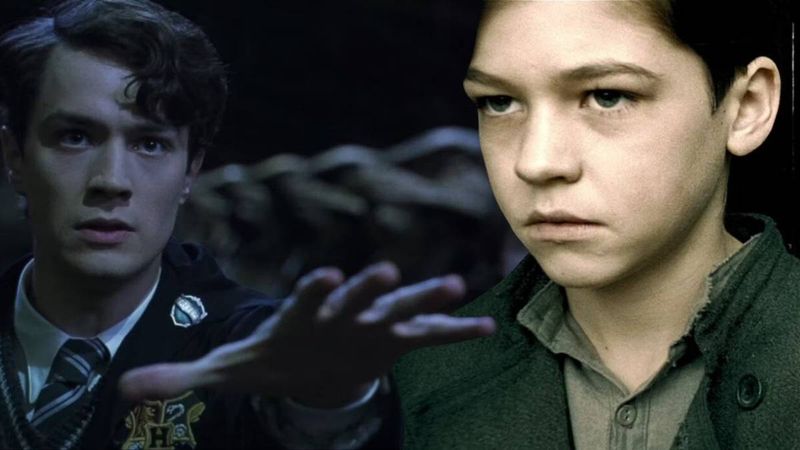
Voldemort started as Tom Riddle, a brilliant but troubled boy who wanted control over everything, especially death. The more power he grabbed, the less human he became.
By the end, he was barely recognizable as someone who had ever known warmth.
Even Dumbledore admitted he could not be trusted with power in his youth. The series quietly argues that the people most deserving of leadership are often those least eager to hold it.
Ambition without empathy is a dangerous combination.
6. Grief Is a Long Journey, Not a Single Moment
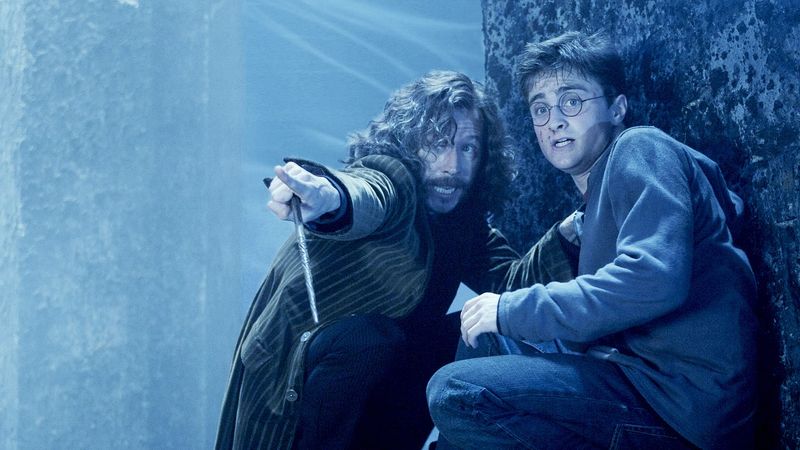
Harry lost his parents before he could even form memories of them. Then came Cedric, Sirius, Dumbledore, Fred, and so many others.
Each loss hit differently and left a different kind of mark. Grief in this series is never wrapped up neatly.
Rowling never lets Harry simply move on. He carries his losses with him, and they continue to shape his decisions.
That feels honest. Grief does not follow a schedule, and pretending it does only makes it harder for people who are still quietly hurting.
7. Real Friendship Carries You Through the Darkest Times
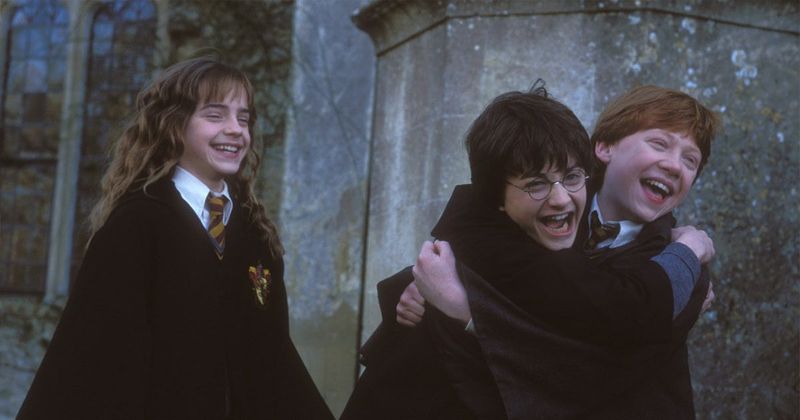
Harry, Ron, and Hermione argued, drifted apart, and sometimes drove each other absolutely crazy. But when it mattered most, they showed up.
Ron came back in the frozen forest. Hermione never once stopped believing.
That kind of loyalty is rare and worth everything.
No hero survives alone, not really. The trio proved that friendship is not just about good times; it is about staying when things get ugly and complicated.
The bonds they built were, in many ways, more powerful than any spell they ever cast.
8. Nobody Is Purely Good or Purely Evil
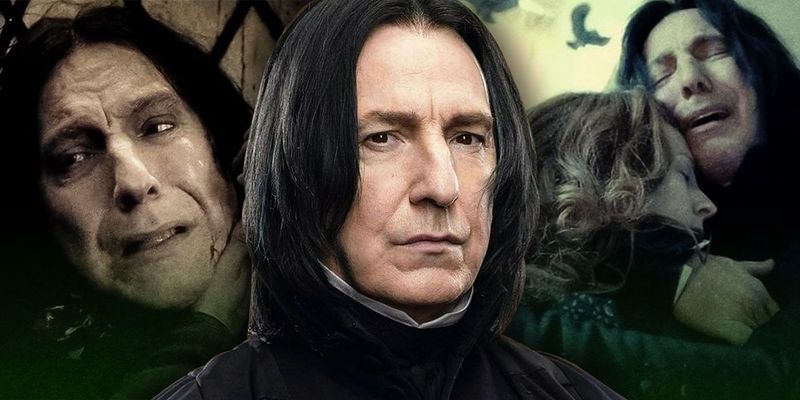
Sirius Black said it plainly: the world is not divided into good people and Death Eaters. Even characters who seem heroic, like Dumbledore, made selfish and harmful choices.
And characters like Draco Malfoy showed moments of hesitation that hinted at something more complex inside.
Snape is perhaps the most powerful example. He was cruel, petty, and brave all at once.
Rowling never lets the reader get too comfortable with simple labels. People are layered, and understanding that makes you far less likely to misjudge someone too quickly.
9. Justice Systems Can Fail the People They Claim to Protect
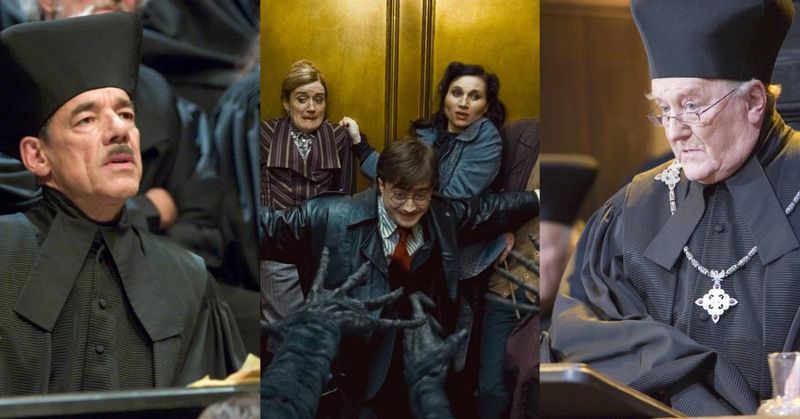
Sirius Black spent twelve years in Azkaban for a crime he never committed. The Ministry of Magic sent a Dementor after Harry before hearing a single word of his side.
When it was convenient, justice became a tool for control rather than fairness.
Rowling mirrors real-world institutions that protect power more than people. Bureaucracy, bias, and fear can twist even well-intended systems into something harmful.
Recognizing when a system has failed is the first and often hardest step toward actually fixing it.
10. War Leaves Wounds That Do Not Disappear Quickly
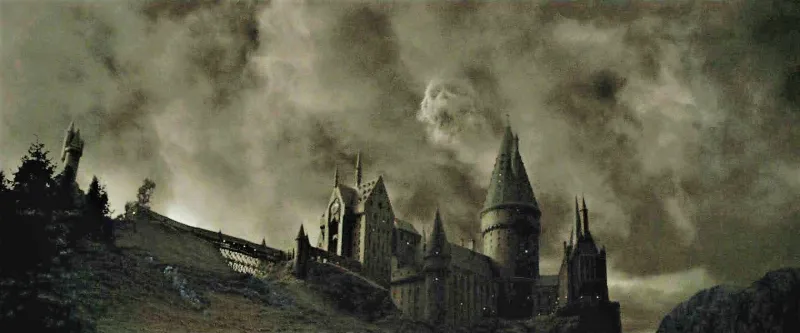
The Battle of Hogwarts was not just exciting action. Fred Weasley died.
Lupin and Tonks, new parents, never came home. Hundreds suffered, and the wizarding world was left to rebuild from rubble both physical and emotional.
Rowling does not glamorize any of it. War in this series has a real cost, paid in people and memories and futures that simply vanish.
That honesty matters. Understanding the full weight of conflict makes readers less likely to see it as anything remotely heroic on its own.
11. Sacrifice for Others Is the Truest Form of Heroism
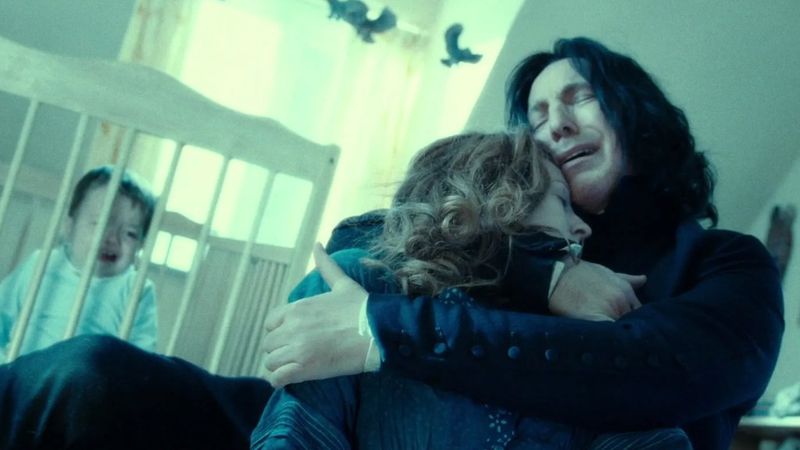
Snape spent nearly two decades living a dangerous double life, protecting the son of a man he resented, all out of love for someone long gone. Lily walked toward death willingly.
Harry stepped into the Forbidden Forest knowing what waited for him.
None of those choices were easy or celebrated in the moment. True sacrifice rarely is.
The series argues that heroism is not about glory; it is about choosing others over yourself when the stakes are real and the outcome is uncertain.
12. Chosen Family Can Be Just as Meaningful as Blood
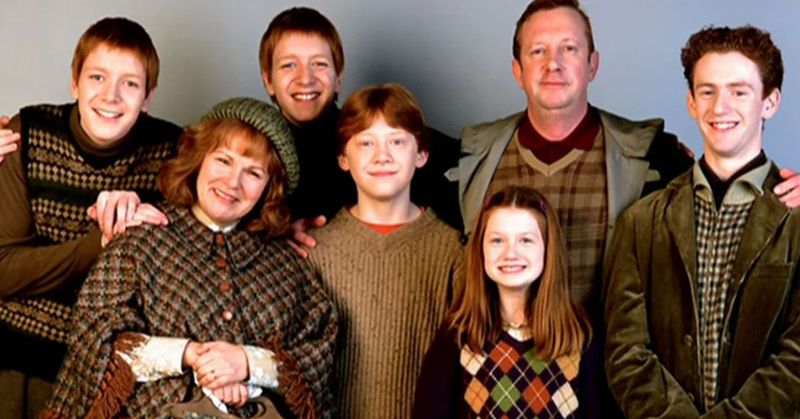
The Dursleys gave Harry a cupboard under the stairs. The Weasleys gave him a bedroom, a seat at the dinner table, and a place that actually felt like home.
Molly Weasley fought Bellatrix Lestrange like a lioness defending her own cub.
Blood does not automatically create belonging. Rowling shows that the people who choose to love you, who show up without obligation, can fill the spaces that biological family sometimes leaves empty.
Family is built through consistent love and presence, not just shared last names.
13. Growing Up Means Facing Hard Things Without a Map
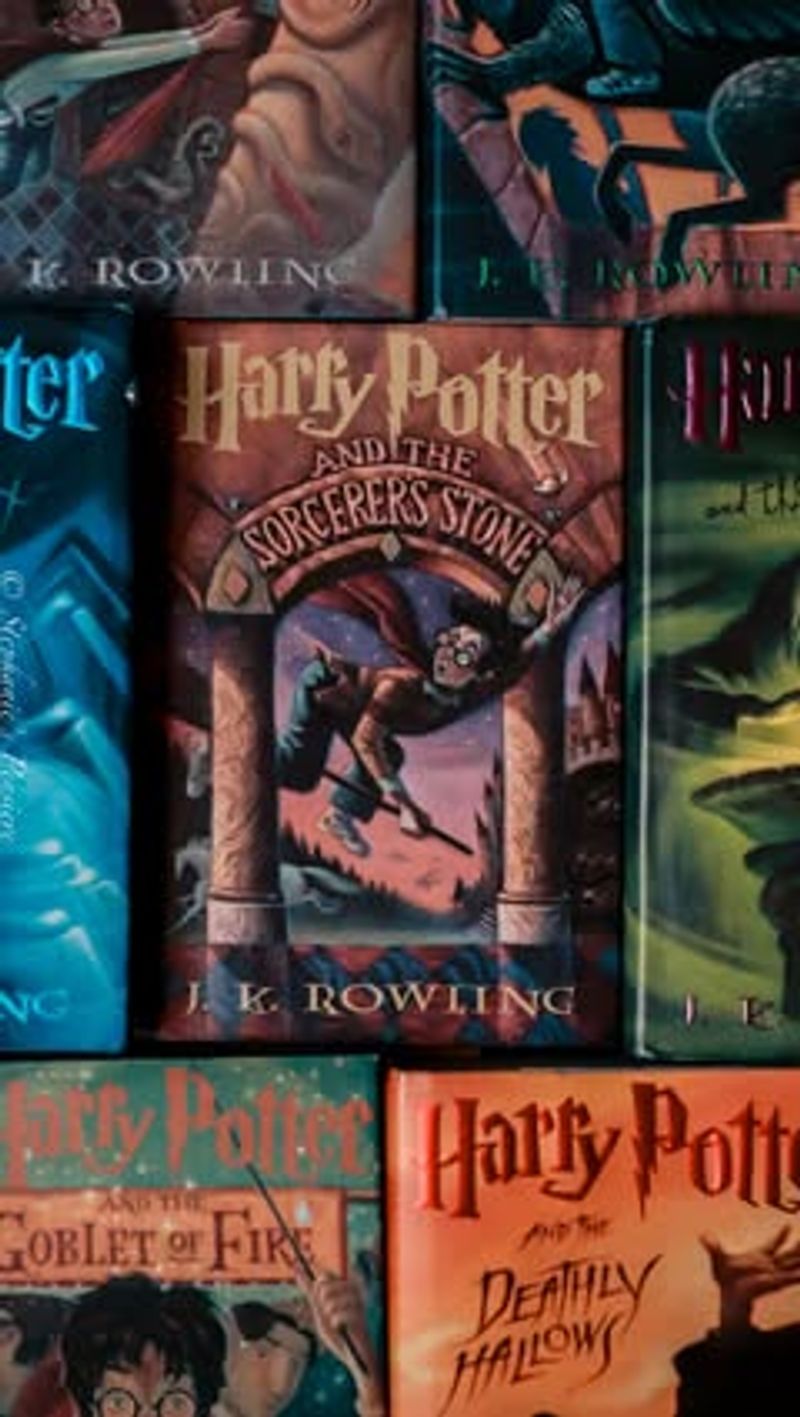
Harry did not get a gentle introduction to adulthood. By fourteen, he was facing dragons and watching classmates die.
By seventeen, he was carrying the fate of an entire world on his shoulders with no real instruction manual to guide him.
Coming of age in this series is raw and uncomfortable, which is exactly what makes it feel true. Growing up means taking on weight you did not ask for and finding the strength to carry it anyway.
Nobody hands you a guide; you figure it out as you go.
14. Discrimination Reaches Beyond One Group to Touch Many
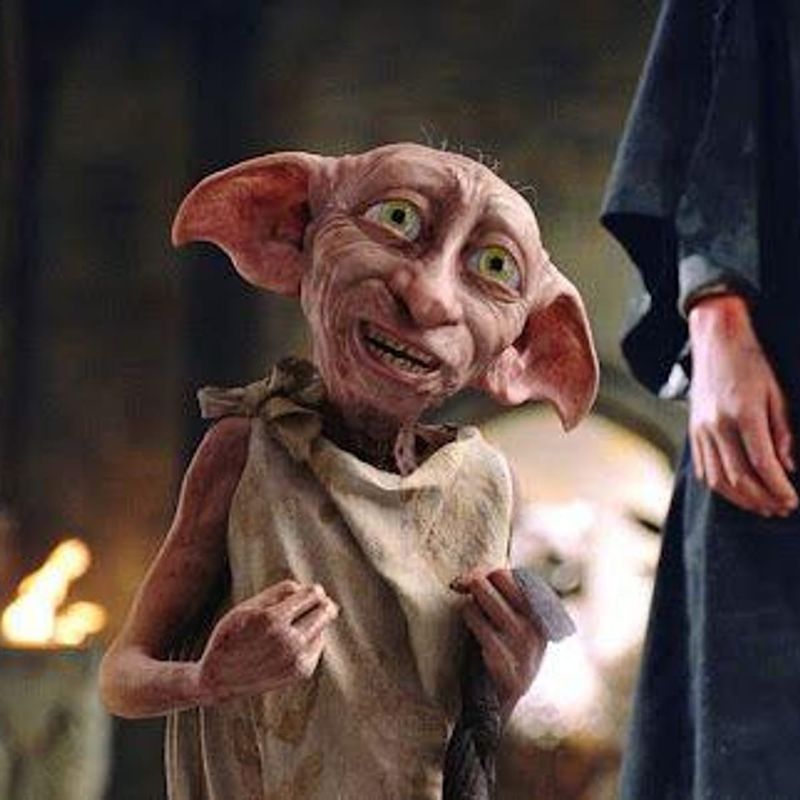
House-elves were enslaved and told to feel grateful for it. Werewolves like Lupin could not keep steady jobs because of what they were, not what they did.
Goblins were denied wands. Centaurs were treated as lesser beings by the very society they lived beside.
Rowling layered the series with examples of how prejudice spreads to touch anyone considered different or inconvenient. It is never just about one group.
Once a society accepts discrimination in any form, it tends to expand until someone decides enough is enough.
15. Standing Up for What Is Right Takes Real Courage
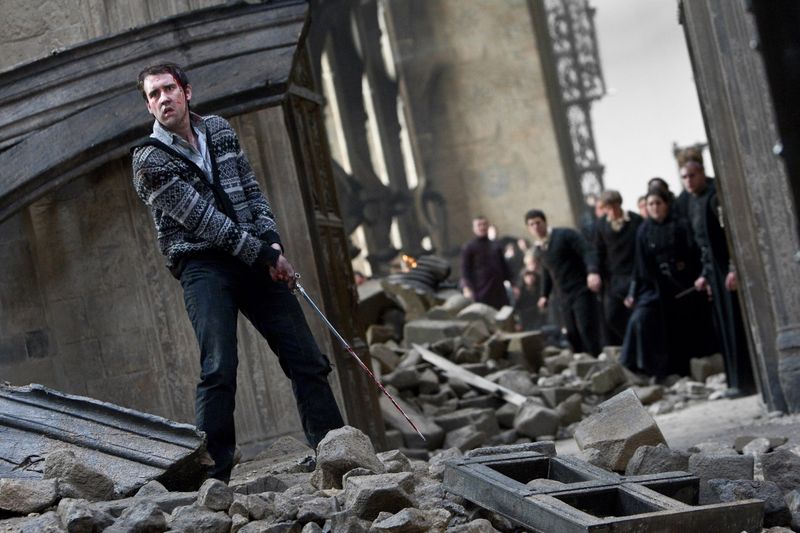
Neville Longbottom was terrified of nearly everything, yet he stood up to his own friends in the first book and eventually led Dumbledore’s Army when Harry was gone. That kind of bravery is quieter but just as important as fighting dark wizards.
Speaking truth to authority when it is safer to stay silent is one of the hardest things anyone can do. The series honors those who do it anyway.
Moral courage does not always look dramatic; sometimes it is just one person refusing to look the other way.
16. Hope Is a Choice That Keeps People Moving Forward
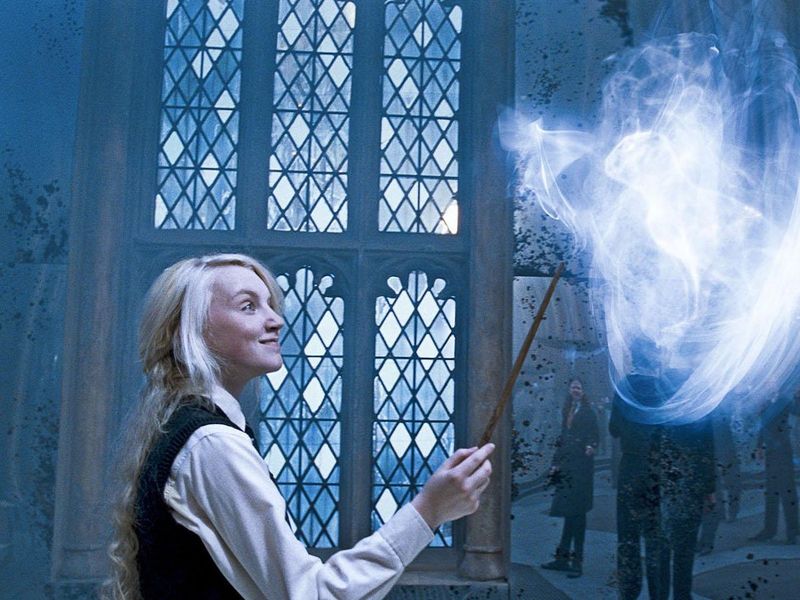
During the darkest stretch of Deathly Hallows, with Horcruxes unfound and allies falling, hope was genuinely the only thing keeping the trio moving. Dumbledore had prepared Harry for years with the quiet, steady belief that good could still win.
Hope is not wishful thinking; it is an active decision to keep going when logic says to stop. The series frames it that way consistently.
Those who hold onto hope, even imperfectly, are the ones who create enough momentum to actually change things for the better.
17. Even the Greatest Heroes Carry Flaws and Make Mistakes
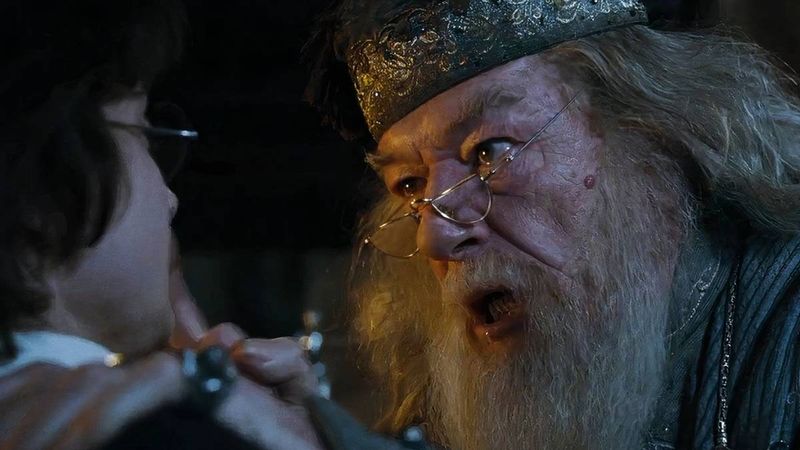
Dumbledore once chased pure-blood supremacy alongside Grindelwald in his youth. He made decisions for Harry without explanation, leaving him underprepared for truths he deserved to know sooner.
Harry himself acted impulsively and cost people he loved dearly.
No hero in this series gets to be perfect. That is actually one of the most reassuring things Rowling does.
It means heroism is not reserved for flawless people; it belongs to anyone who keeps trying to do better, even after making a genuine and costly mess of things.
18. Living in the Past Steals the Life You Have Right Now
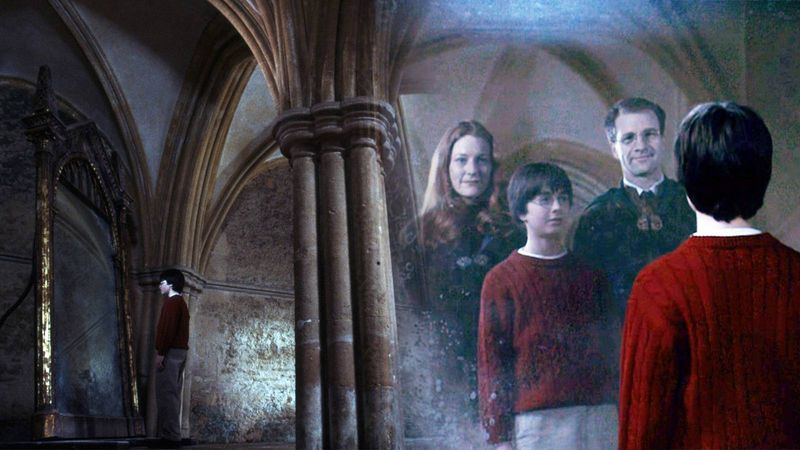
The Mirror of Erised showed Harry exactly what he wanted most: a family he had never known. Dumbledore warned him gently but clearly that men had wasted entire lives in front of that mirror, unable to pull themselves away from an image that could never be real.
Longing for what is gone or what never was can quietly hollow out the life you actually have. Rowling builds this truth into the story early.
Honoring the past is healthy; being trapped by it is something else entirely, and learning the difference matters more than most people realize.
19. Asking for Help Is a Mark of Strength, Not Weakness
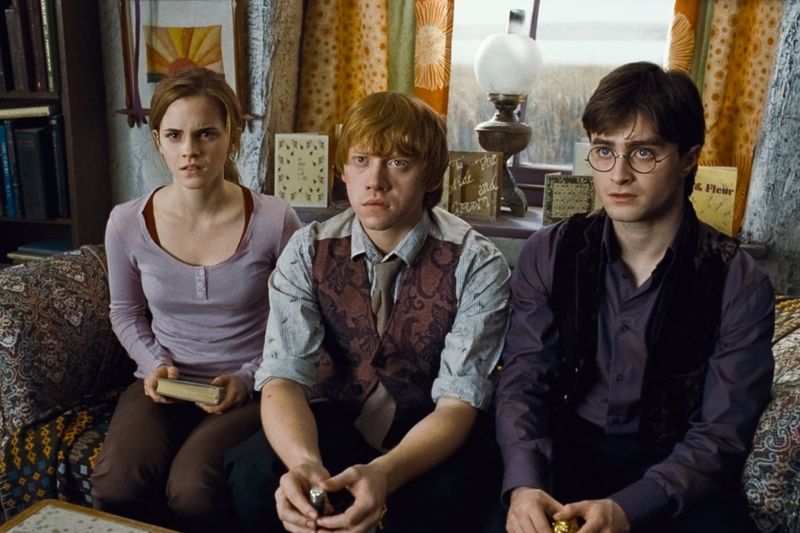
Harry had a stubborn habit of carrying everything alone. He kept secrets to protect others, refused assistance to avoid burdening people, and nearly collapsed under the weight of it all.
The times he let people in were consistently the times things actually improved.
Accepting help is not giving up control; it is recognizing that no single person has everything figured out. The series makes that case quietly but repeatedly.
Strength looks like Ron staying loyal, Hermione researching through the night, and Harry finally admitting he cannot do this alone.
20. Propaganda and Manipulation Can Distort What People Believe Is True
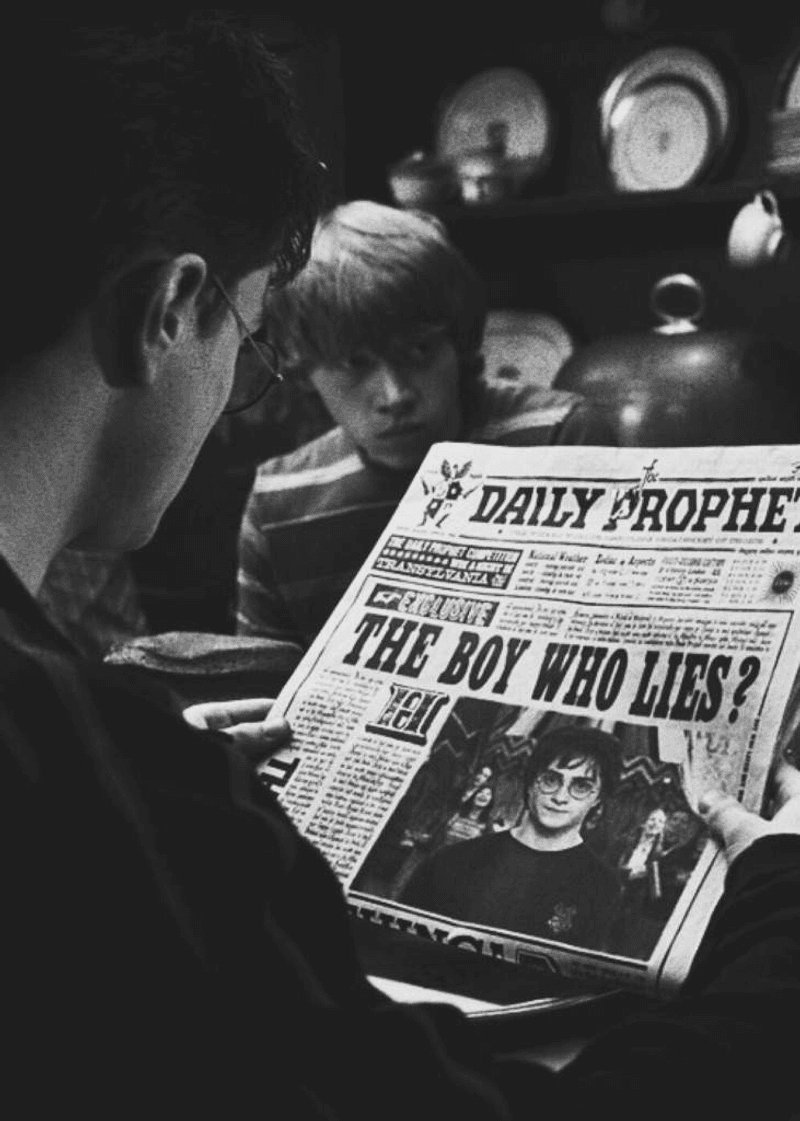
When Voldemort returned, the Ministry of Magic and the Daily Prophet did not sound the alarm. They attacked Harry’s credibility and painted Dumbledore as a deluded old man.
People believed it, not because they were stupid, but because authority made it feel safe to believe.
Propaganda works by making the comfortable lie feel more trustworthy than the uncomfortable truth. Rowling wrote that lesson into the series with striking accuracy.
Questioning official narratives, even when it is socially awkward, is one of the most important habits any reader can develop in the real world.