
Most parents try their best, but good intentions don’t always prevent hurt feelings. Sometimes, things said or done during a child’s upbringing leave invisible scars that don’t show up until adulthood.
Adult children often carry quiet resentment they never fully express, and many parents have no idea it’s there. Understanding these common triggers can open the door to healthier, more honest relationships.
1. Emotional Neglect That Was Never Named

Growing up feeling invisible leaves a mark that time alone cannot erase. When parents consistently failed to acknowledge their child’s emotions, that child often grew into an adult who struggles to trust others or ask for help.
Emotional neglect is tricky because nothing obviously “bad” happened — yet the absence of warmth and validation still caused real damage. Many adult children only recognize this pattern years later, and that realization can quietly fuel deep resentment.
2. Constant Criticism That Wore Them Down

Words stick around long after they’re spoken. When parents offered more criticism than encouragement, children learned to see themselves through a harsh, unforgiving lens that followed them well into adulthood.
Constant correction, ridicule, or nitpicking slowly chips away at self-esteem. Adult children raised this way often feel like nothing they do is ever good enough.
That exhausting inner voice — the one that sounds suspiciously like a parent — tends to breed lasting resentment over time.
3. Unrealistic Expectations Tied to Love

Imagine working as hard as you possibly can and still feeling like it’s never enough. That was daily life for kids whose parents linked love and approval to achievement, grades, or performance.
When affection feels conditional, children grow up anxious and approval-seeking. As adults, they may realize the pressure they carried was unfair — and that realization stings.
Resentment builds not because parents wanted to harm them, but because love should never come with a report card attached.
4. Boundaries That Were Never Respected
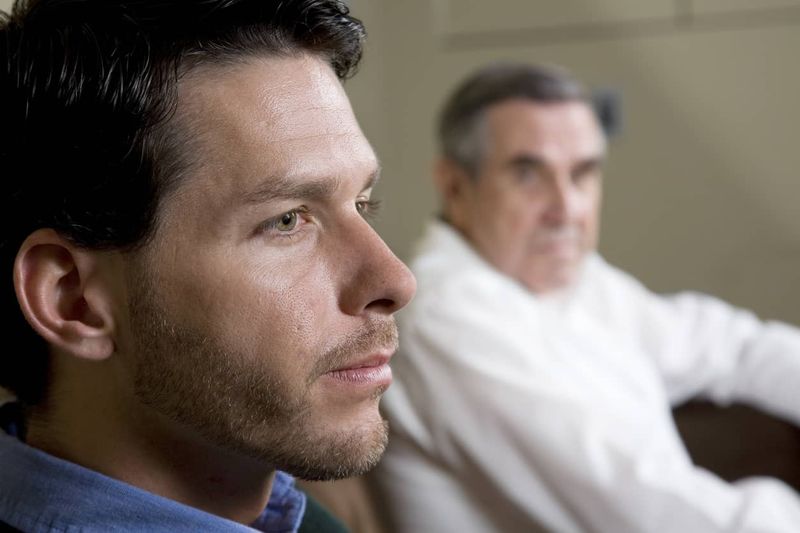
Respecting someone’s boundaries is a basic form of love. When parents routinely ignored their adult child’s limits around privacy, lifestyle choices, or personal relationships, it sent a clear message: your autonomy doesn’t matter here.
Even well-meaning parents can fall into the trap of overstepping. Over time, these repeated violations create emotional distance.
Adult children who never had their boundaries honored often feel unseen and disrespected, and they may quietly pull away without ever fully explaining why.
5. Being Used as an Emotional Caretaker

Some kids grew up being their parent’s therapist without ever signing up for the job. Parentification — when a child is made responsible for a parent’s emotional well-being — robs children of a carefree childhood and places an unfair burden on young shoulders.
Adults who carried this weight often feel cheated. They spent years managing someone else’s feelings instead of developing their own.
The resentment that follows isn’t selfish — it’s the natural result of a childhood spent giving more than receiving.
6. Guilt Used as a Control Tool

“After everything I’ve done for you” — few phrases carry more emotional weight or cause more quiet damage. When guilt becomes a parent’s go-to tool, relationships shift from genuine connection to obligation and dread.
Children raised on guilt trips often struggle to set healthy boundaries as adults because they’ve been conditioned to feel selfish for having needs. Over time, they may start dreading family interactions altogether.
Resentment grows not from ingratitude, but from years of feeling emotionally cornered.
7. A Refusal to Ever Apologize

Nobody is a perfect parent, and most adult children don’t expect perfection. What they do need, though, is acknowledgment.
Parents who never admit wrongdoing or offer a genuine apology send a painful message: my pride matters more than your feelings.
This pattern teaches children that authority figures avoid accountability. As adults, they carry unhealed wounds from moments that were never addressed.
A simple “I’m sorry” can do remarkable things — and its absence can quietly harden into resentment that lasts for decades.
8. Favoritism Among Siblings

Few childhood wounds cut as deep as feeling like the less-favored child. When parents openly preferred one sibling over another — through praise, opportunities, or simple attention — the other children noticed every single time.
Favoritism doesn’t just damage the relationship between parent and child; it also poisons sibling bonds that might otherwise be lifelong sources of support. Adults who grew up feeling “less than” often carry a persistent sense of unworthiness that quietly shapes how they see their parents today.
9. Broken Promises That Piled Up

Trust is built in small moments — and destroyed in them too. Every missed school event, forgotten promise, or canceled plan added a tiny crack to the foundation of trust between parent and child.
One broken promise is forgivable. A lifetime of them creates a pattern that’s hard to ignore.
Adult children who repeatedly experienced this kind of disappointment often struggle to rely on their parents today. That learned distrust doesn’t vanish with age — it tends to quietly simmer beneath the surface.
10. Abuse That Was Never Addressed

Physical, emotional, or verbal abuse during childhood leaves wounds that don’t simply heal with time. Many adult children carry trauma they’ve never fully processed, especially when the abuse was minimized, denied, or never discussed.
What makes this especially painful is when parents act as though nothing happened, leaving their adult children to quietly grieve alone. Resentment in these cases isn’t just understandable — it’s a natural response to real harm.
Healing becomes much harder when the person responsible refuses to acknowledge the damage done.
11. Refusing to Accept Their Identity

When a child comes out as LGBTQ+, changes religion, or makes life choices that clash with family values, the response from parents matters enormously. Rejection or cold silence in these moments can cause wounds that never fully close.
Adult children who felt their core identity was unwelcome at home often carry a quiet grief — the loss of the unconditional acceptance they deserved. Resentment here is less about anger and more about mourning a relationship that could have been so much warmer and more accepting.
12. Controlling Behavior Disguised as Care
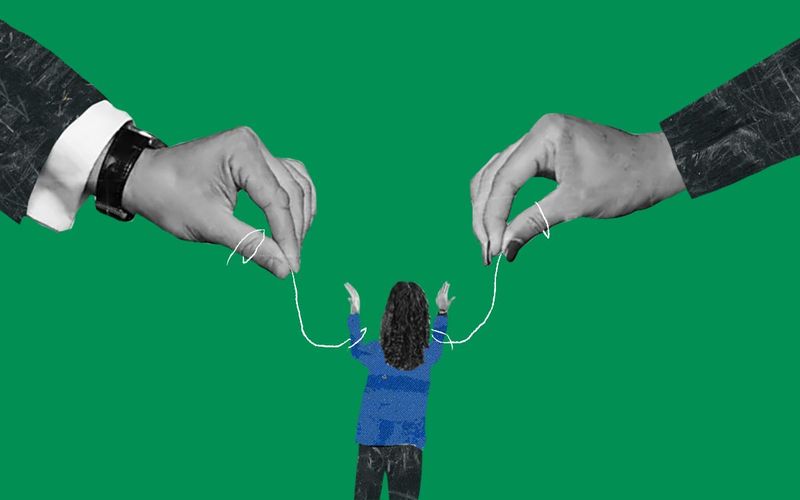
“I just worry about you” can sometimes be code for “I need to be in control.” Parental overreach that masquerades as concern is one of the most confusing dynamics adult children face, because it’s wrapped in love but feels suffocating.
When parents insert themselves into career decisions, romantic relationships, or financial choices without being invited, they signal that they don’t fully trust their child’s judgment. That lack of trust stings deeply.
Over time, it can push adult children away, even when they genuinely love their parents.
13. Financial Support With Hidden Strings

Financial help from parents can be a genuine lifeline — or it can quietly become a leash. When money comes attached to expectations, criticism, or emotional leverage, it stops feeling like support and starts feeling like control.
Adult children in this situation often feel trapped between gratitude and resentment. They appreciate the help but feel unable to make their own choices freely.
Over time, the weight of that dependency — and the strings attached — can create frustration that’s hard to shake, even after the financial support ends.
14. Treating Them Like They’re Still a Child

There’s something deeply frustrating about being a capable, independent adult and still being treated like a teenager at the family dinner table. Some parents genuinely struggle to update the image they hold of their child.
When parents dismiss adult children’s opinions, make decisions for them, or refuse to acknowledge their growth and maturity, it feels disrespectful. Adult children in this situation often feel unseen for who they’ve actually become.
That persistent gap between who they are and how they’re treated quietly builds into real resentment.
15. Deep Value and Belief Clashes

Politics, religion, culture, lifestyle — these aren’t small topics, and when families sit on very different sides, conversations can quickly turn painful. It’s not always the disagreement itself that causes resentment, but how those differences are handled.
Adult children who felt consistently judged, lectured, or belittled for their beliefs often start avoiding deeper conversations altogether. When parents can’t respect different worldviews, emotional distance follows naturally.
Over time, what started as a difference of opinion can harden into a wall that separates the relationship entirely.
16. Enmeshment That Blurred Every Line

Some families are so tightly wound together that individual identity gets lost in the mix. Enmeshment happens when parents and children become so emotionally fused that personal boundaries essentially disappear — and it’s often mistaken for closeness.
Adult children raised in enmeshed families frequently struggle to form healthy relationships outside the family unit. They may feel guilty for wanting space or independence.
That guilt, combined with the slow realization that their autonomy was never truly respected, can quietly grow into a resentment that’s hard to articulate but impossible to ignore.
17. Unresolved Childhood Wounds Left Festering

Sometimes resentment isn’t about one big event — it’s the accumulation of small, unacknowledged hurts that were never given space to heal. When families avoid difficult conversations, those old wounds don’t disappear; they just go underground.
Adult children who never received acknowledgment for their childhood pain often feel like their experiences were erased or minimized. Healing requires honesty, and honesty requires courage.
Without it, old grievances quietly take root and grow stronger over time, making genuine connection between parent and adult child harder and harder to reach.