
Progressive rock pushed the boundaries of what music could be, mixing classical structures, jazz improvisation, and rock energy into something truly extraordinary. From concept albums that told epic stories to mind-bending instrumental journeys, prog rock changed how musicians and listeners thought about the art form.
These 15 albums represent the genre at its most creative and daring, each one leaving a permanent mark on music history.
1. King Crimson – In the Court of the Crimson King (1969)
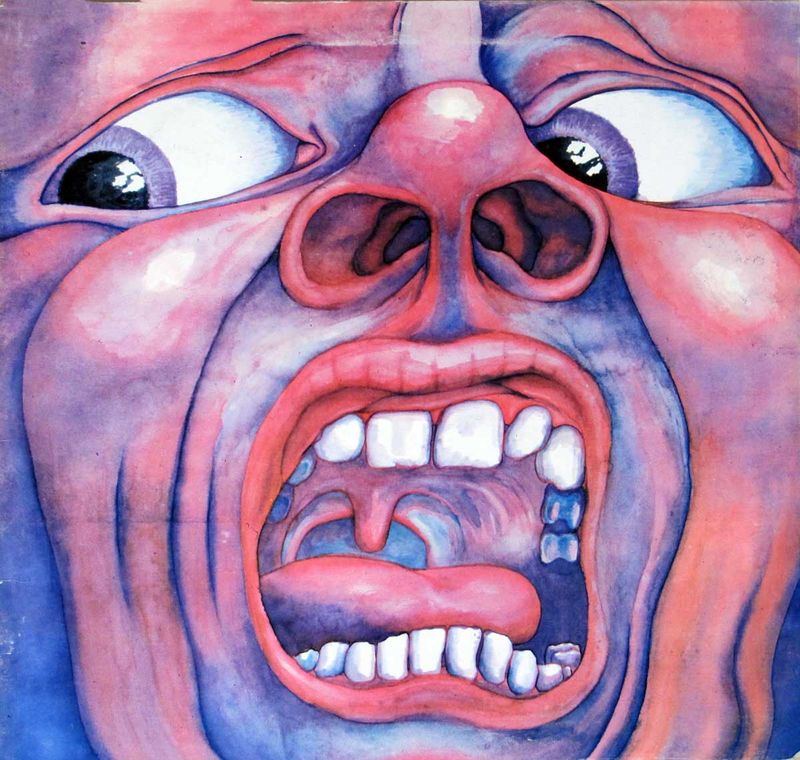
Few debut albums in rock history hit as hard as this one. Released in 1969, King Crimson’s first record practically invented the progressive rock blueprint overnight, blending Mellotron swells, jazz-influenced rhythms, and Robert Fripp’s searing guitar.
Tracks like “21st Century Schizoid Man” still sound futuristic today. The majestic title track alone is enough to make any listener stop and pay attention.
This album is the original blueprint for everything prog rock became.
2. Pink Floyd – The Dark Side of the Moon (1973)
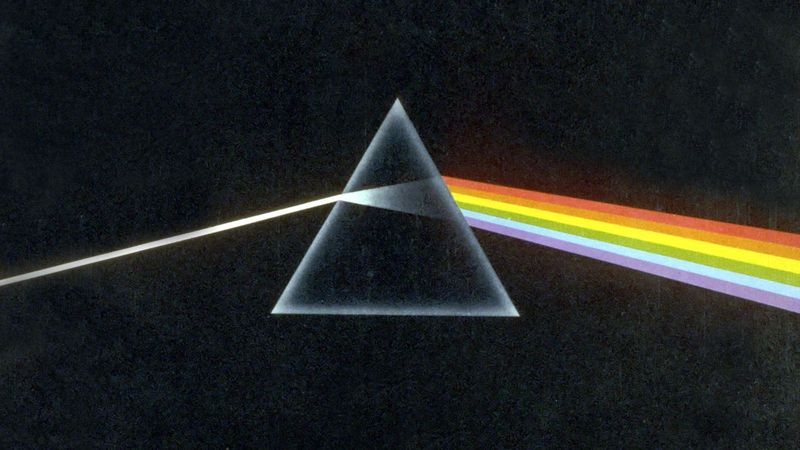
Spending over 900 weeks on the Billboard charts is no small feat, and Pink Floyd earned every single one of them with this masterpiece. Released in 1973, the album weaves together themes of time, greed, and mental illness with seamless song transitions that feel like one long, breathing piece of music.
Innovative studio effects gave it a cinematic quality unlike anything before it. Roger Waters and David Gilmour created something that transcends genre labels entirely.
3. Yes – Close to the Edge (1972)
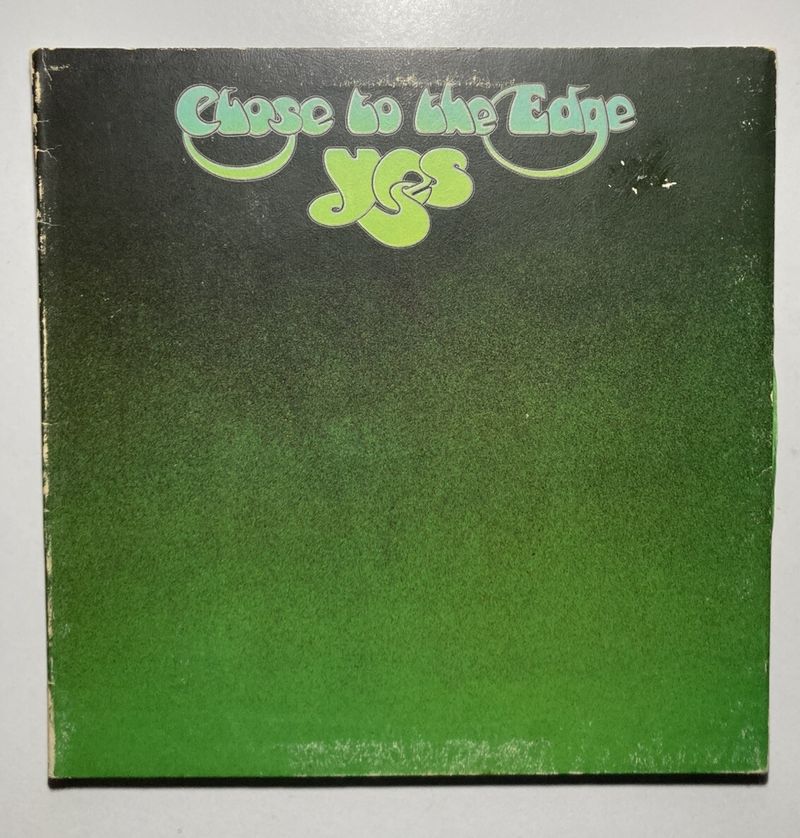
Yes were already pushing boundaries, but Close to the Edge took things to a whole new level. The title track alone runs over 18 minutes and packs in more musical ideas than most bands fit into an entire career.
Drummer Bill Bruford, guitarist Steve Howe, and keyboardist Rick Wakeman locked into something truly special here. Critics and fans consistently call this Yes’s creative peak, and after one listen, it is easy to understand exactly why.
4. Genesis – Selling England by the Pound (1973)
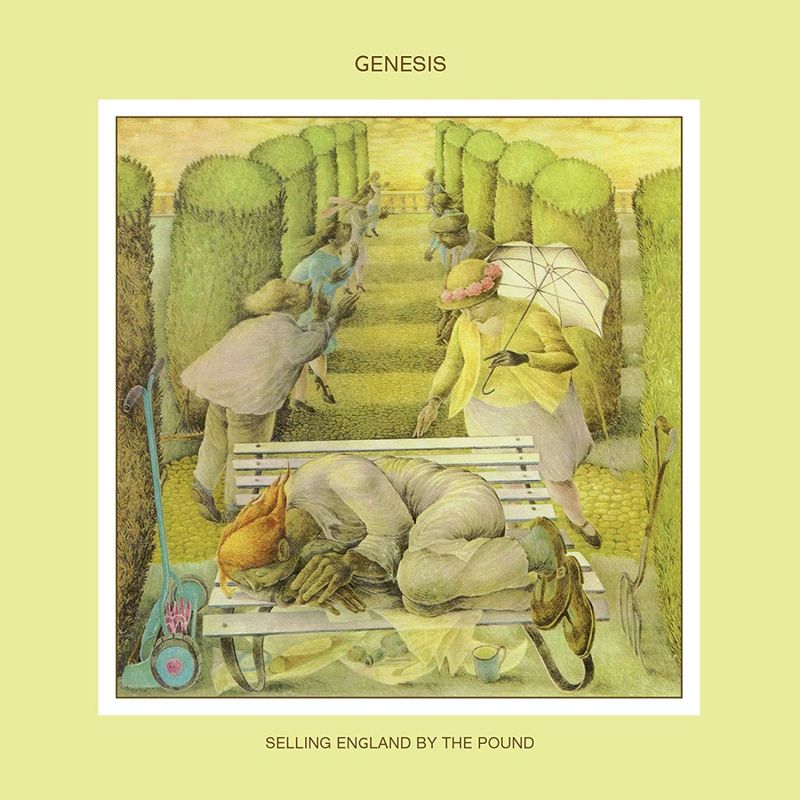
Whimsical, theatrical, and deeply British, this Genesis record captures the band at their most imaginative. Peter Gabriel’s storytelling was at its sharpest here, painting vivid pictures of English folklore and eccentricity across every track.
Songs like “Firth of Fifth” feature some of Tony Banks’s most breathtaking piano work. The album blends symphonic grandeur with playful quirkiness in a way that no other band could quite pull off.
It remains a beloved gem of the genre.
5. Jethro Tull – Thick as a Brick (1972)
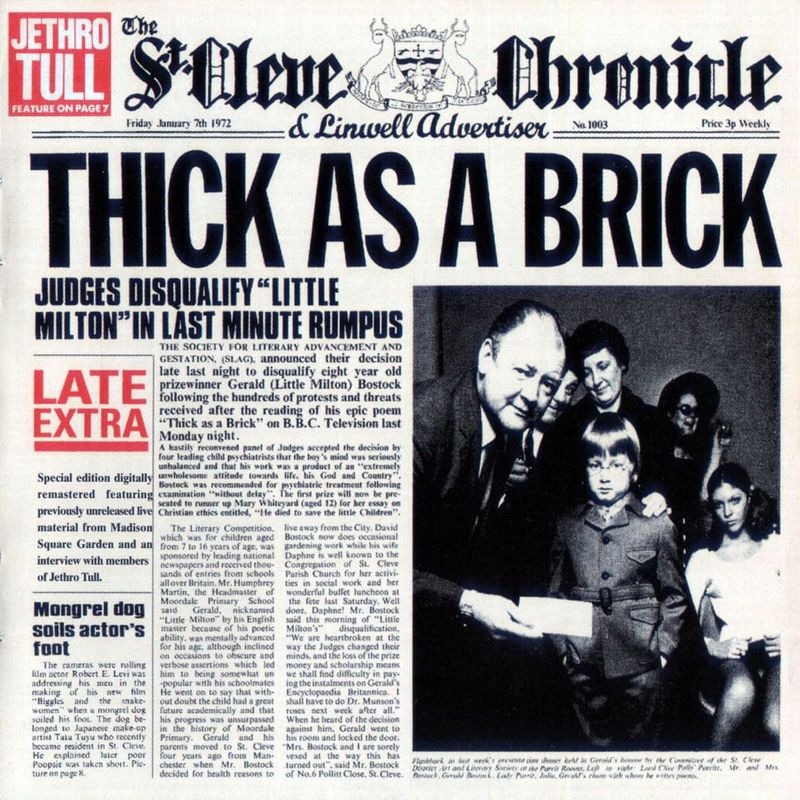
Jethro Tull created this album as a playful joke aimed at critics who took concept albums too seriously, and then accidentally made one of the greatest concept albums ever recorded. The entire record is one continuous piece of music split across two sides of vinyl, clocking in at around 43 minutes.
Ian Anderson’s flute weaves through complex time signatures and shifting moods effortlessly. The fake newspaper packaging that came with the original release is a legendary piece of rock memorabilia.
6. Rush – 2112 (1976)
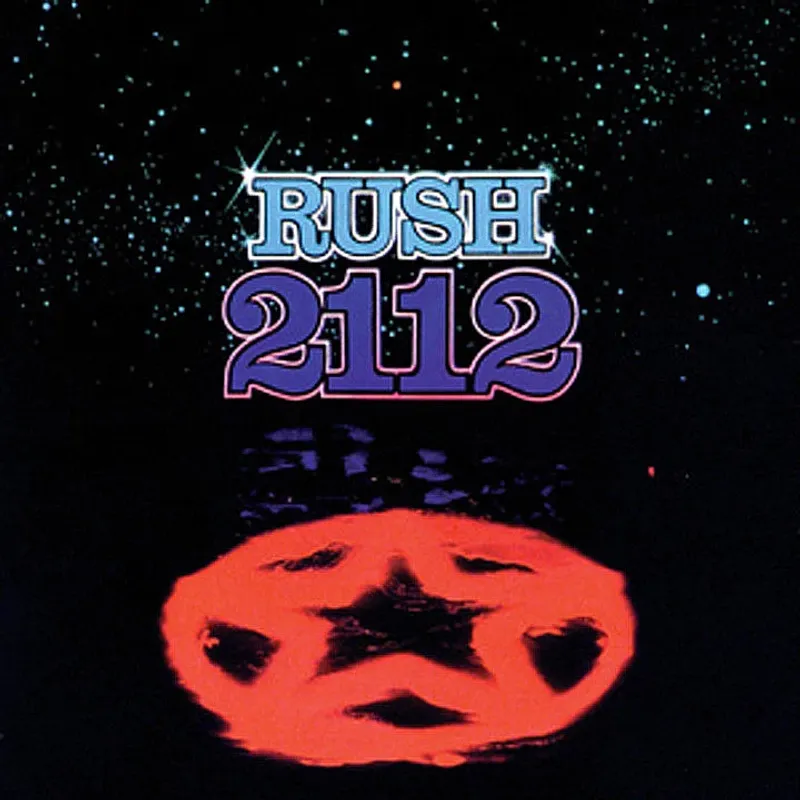
When record executives pressured Rush to make simpler, more commercial music, the band responded with a 20-minute sci-fi epic about a dystopian future controlled by a solar federation. That kind of boldness is rare at any point in music history.
The “2112” suite tells its story with hard rock firepower and prog sophistication in equal measure. The album’s second half features some of Geddy Lee and Alex Lifeson’s most inventive playing.
Rush never looked back after this defining statement.
7. Emerson, Lake and Palmer – Brain Salad Surgery (1973)
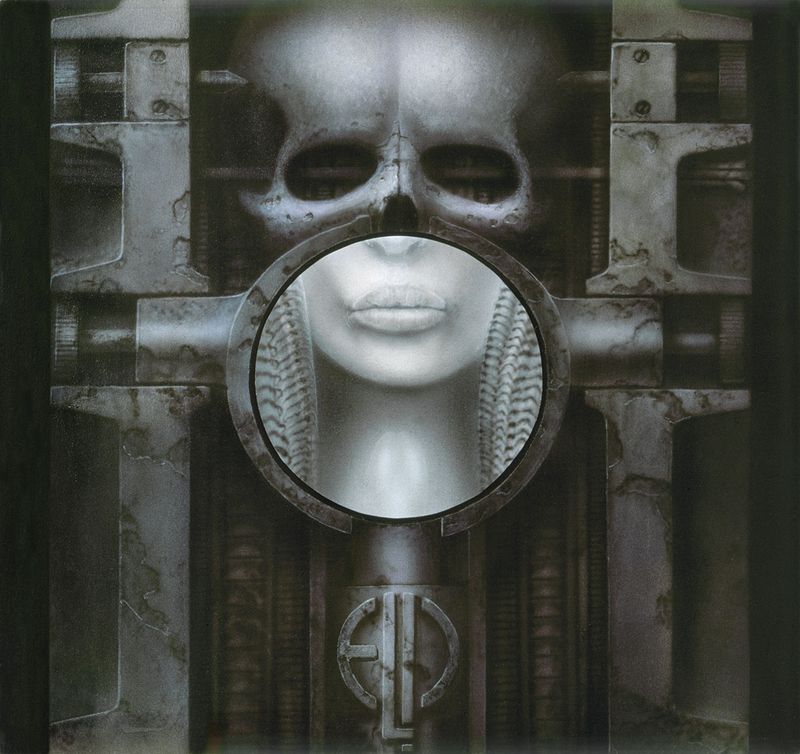
Before H.R. Giger became famous for designing the creature in Alien, he created the unforgettable cover art for this ELP record.
The music inside matches the artwork’s ambition perfectly, with Keith Emerson’s keyboards taking center stage in spectacularly dramatic fashion.
The sprawling “Karn Evil 9” suite stretches across much of the album and remains one of prog rock’s grandest gestures. Brain Salad Surgery is the sound of a band refusing to accept any limits whatsoever on their creativity.
8. Yes – Fragile (1971)
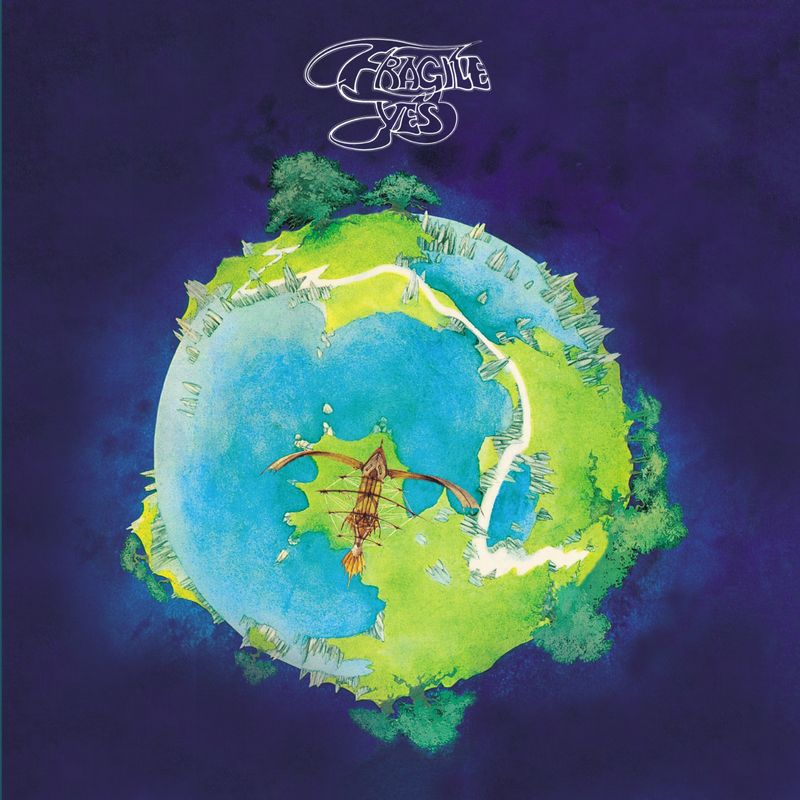
Rick Wakeman joining Yes changed everything. His arrival on Fragile brought a new level of keyboard wizardry that gave the band a richer, more layered sound than ever before.
The album cleverly alternates between full-band tracks and solo showcases from each member, letting listeners appreciate every player individually. “Roundabout” became one of prog rock’s most recognizable opening riffs. Fragile struck a balance between accessibility and complexity that made it a gateway album for countless new prog fans discovering the genre.
9. Pink Floyd – Wish You Were Here (1975)
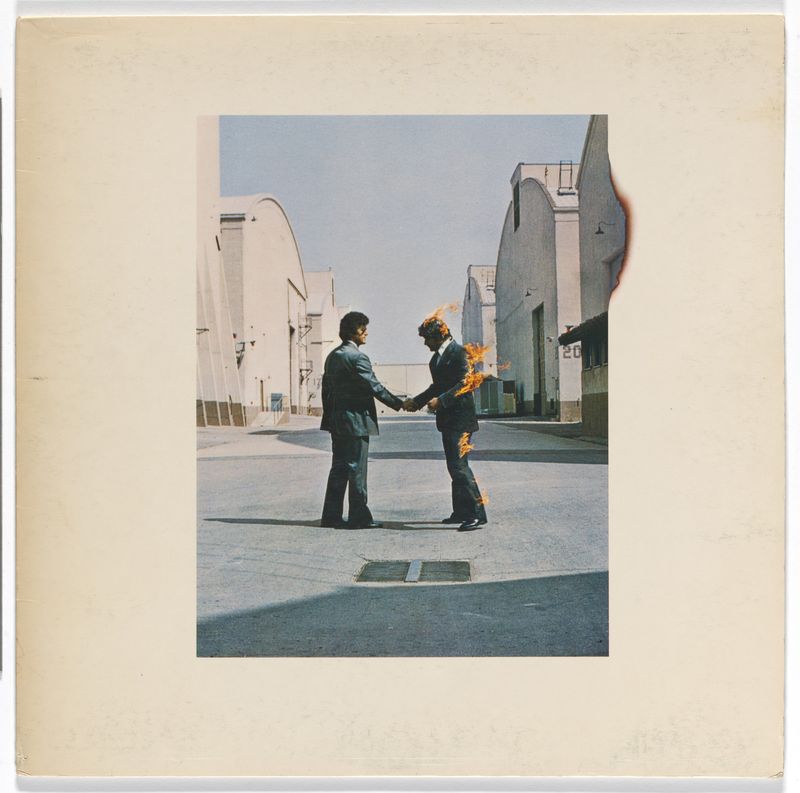
Written largely as a tribute to former bandmate Syd Barrett, this album carries an emotional weight that few rock records can match. The nine-minute centerpiece “Shine On You Crazy Diamond” is heartbreaking and beautiful in equal measure, built around a melody that lingers long after the music ends.
David Gilmour’s guitar work here is some of his most expressive and soulful. Pink Floyd stripped things back slightly compared to their previous album, and the result feels deeply personal and utterly timeless.
10. King Crimson – Red (1974)
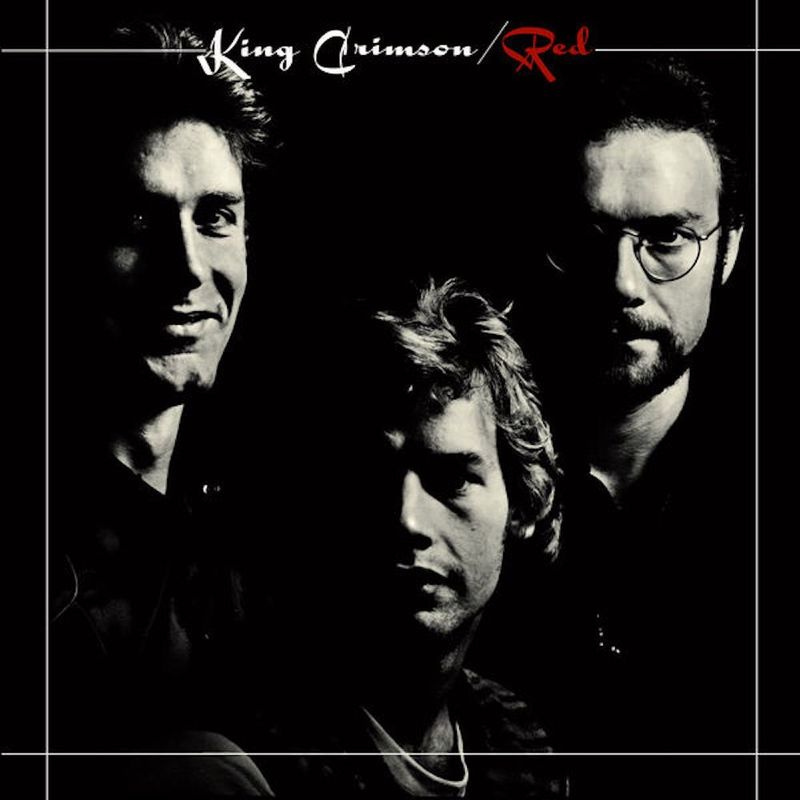
King Crimson was never a band content to repeat themselves, and Red proved that point dramatically. Recorded as the band was fracturing apart, the album channels internal tension into some of the most aggressive and adventurous music of the entire prog era.
The title track opens with a thunderous guitar riff that sounds like nothing else from 1974. Guest appearances from former members add an emotional complexity to the record.
Red stands as proof that creative chaos can produce genuinely brilliant results.
11. Rush – Moving Pictures (1981)
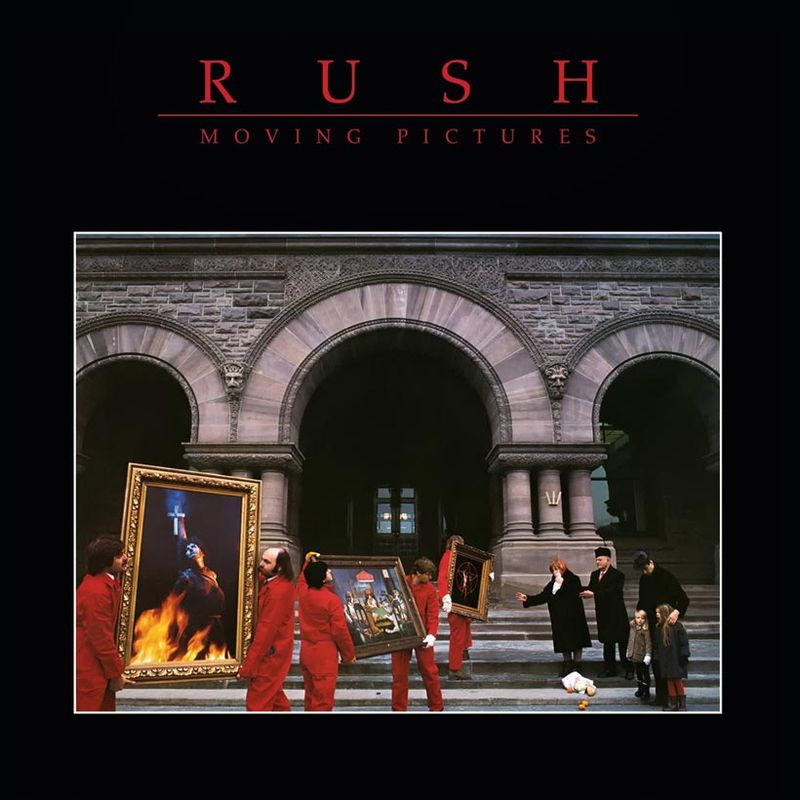
By 1981, Rush had perfected the art of making complex music feel completely natural and effortless. Moving Pictures is the rare progressive album that became a genuine radio phenomenon, with “Tom Sawyer” and “Limelight” earning heavy rotation on classic rock stations for decades.
Neil Peart’s drumming on this record is a clinic in precision and power. The album proved that progressive ideas and mainstream appeal do not have to be opposites.
Rush made it look easy, even though nothing about it was.
12. The Moody Blues – Days of Future Passed (1967)
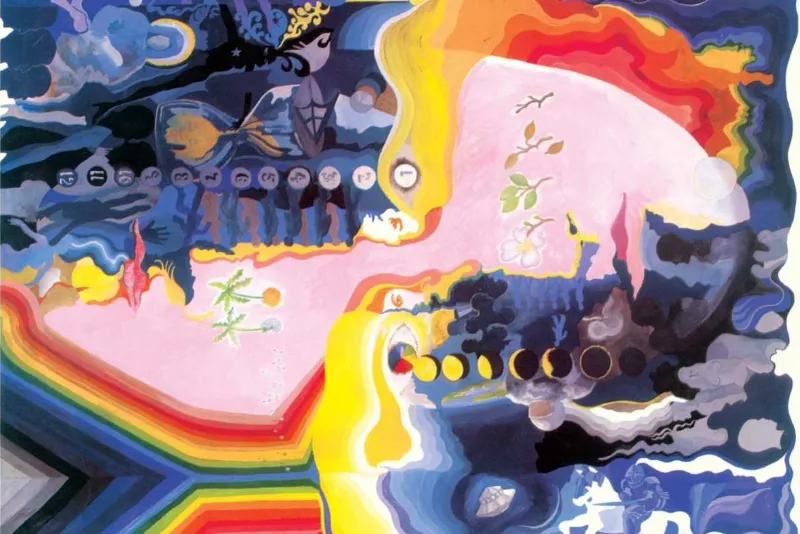
Long before prog rock even had a name, The Moody Blues were quietly inventing it. Days of Future Passed came out in 1967 and blended full orchestral arrangements with rock songwriting in a way that genuinely shocked listeners at the time.
The album follows a single day from morning to night as its concept, giving it a cinematic flow that was revolutionary for its era. “Nights in White Satin” became one of the most recognizable songs of the decade, cementing the band’s legacy forever.
13. Gentle Giant – Octopus (1972)
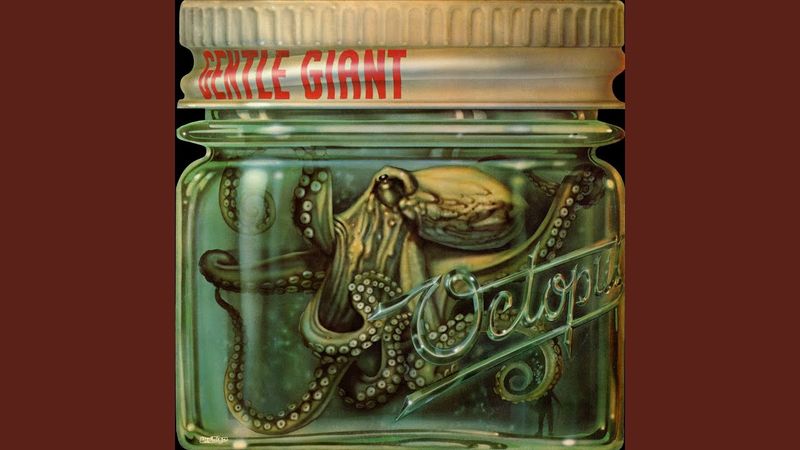
Gentle Giant never chased radio hits, and Octopus is the most joyful proof of that philosophy. Released in 1972, the album showcases the band’s astonishing ability to blend medieval music, jazz, classical composition, and hard rock into something entirely their own.
Complex vocal harmonies stack on top of each other in ways that sound almost impossible to perform live. Many fans and critics consider Octopus the starting point of the band’s most ambitious and rewarding creative period, full of vibrant energy and bold experimentation.
14. Mike Oldfield – Tubular Bells (1973)
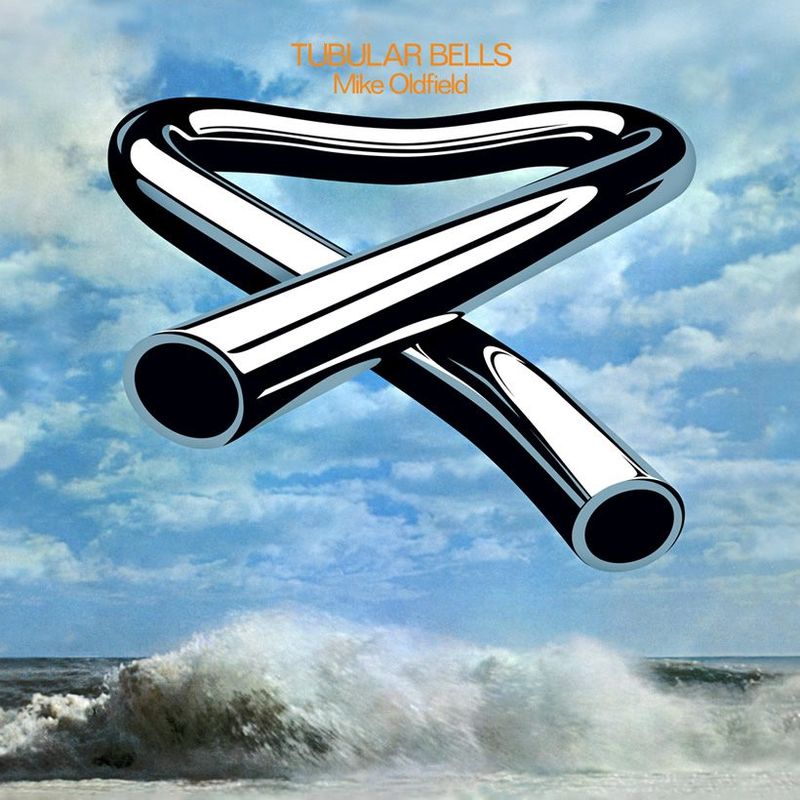
A 19-year-old recording most of an album by himself, playing dozens of different instruments layer by layer, sounds like a fantasy. Mike Oldfield actually did it, and the result became one of the most celebrated instrumental works in rock history.
Tubular Bells launched Richard Branson’s Virgin Records label and gained global attention after appearing in the film The Exorcist. Its gradual building structure, where themes evolve and return in unexpected ways, influenced countless ambient and progressive artists who followed.
15. Caravan – In the Land of Grey and Pink (1971)
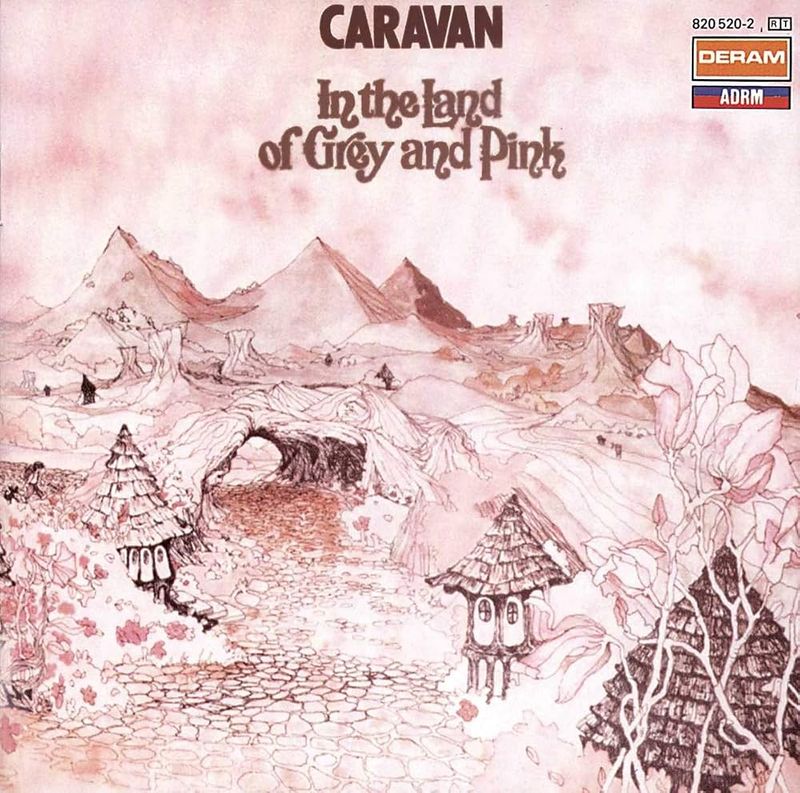
Canterbury, England produced its own unique flavor of progressive rock, and Caravan’s third album is the finest example of that scene’s warm, quirky charm. The music blends jazz improvisation with medieval folk melodies and a playful sense of humor that makes it feel unlike any other prog record.
“Golf Girl” and the epic side-long “Nine Feet Underground” show off the band’s remarkable range. The album’s easygoing personality makes it one of the most inviting entry points into the wider world of progressive rock.