
Not all seafood is created equal. Some fish and shellfish carry hidden risks, from dangerously high mercury levels to serious environmental concerns like overfishing and species extinction.
Knowing which seafoods to think twice about can protect both your health and the ocean. Here is a closer look at 16 seafood choices worth approaching with caution.
1. Shark
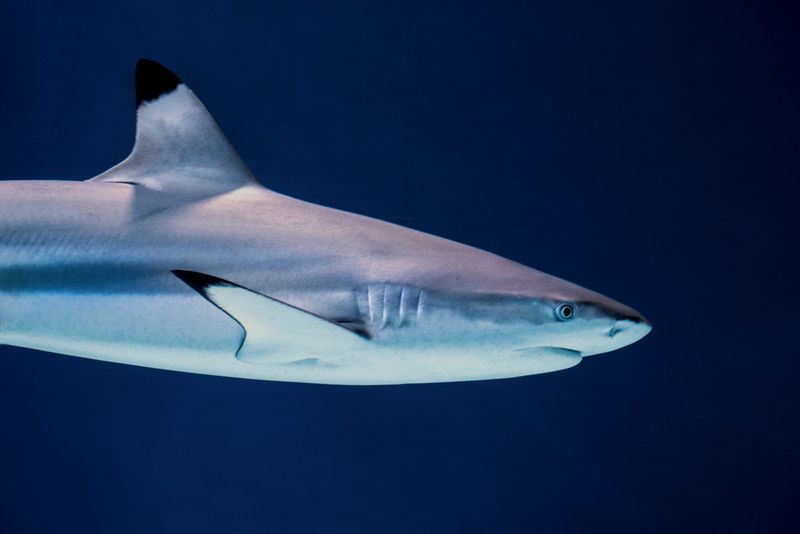
Sitting at the very top of the ocean food chain, sharks absorb mercury from every creature they eat, making their flesh one of the most mercury-contaminated seafoods available. Eating shark regularly can pose serious health risks, especially for children and pregnant women.
Beyond personal health, removing sharks from ecosystems throws entire ocean food webs out of balance. Many shark species are already endangered.
Choosing shark-free meals is one of the simplest ways to support healthier oceans.
2. Swordfish
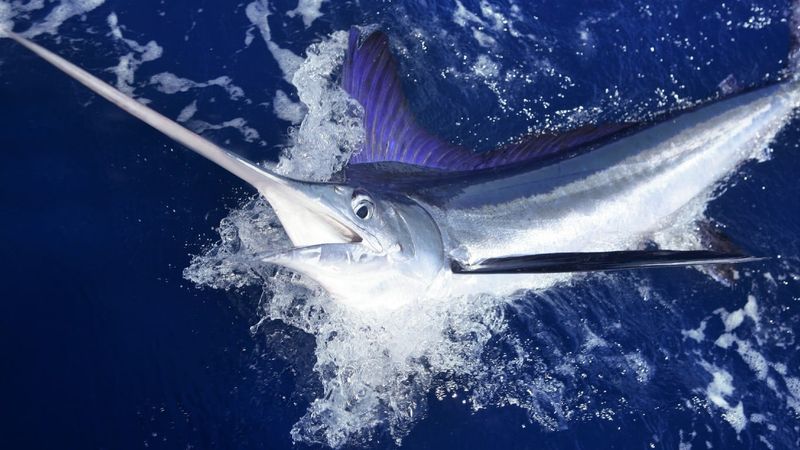
With its dramatic sword-like bill and firm, meaty flesh, swordfish has long been a restaurant favorite. However, its impressive size comes with a serious downside: swordfish consistently rank among the highest-mercury fish tested by food safety agencies worldwide.
Pregnant women and young children are especially advised to skip this one entirely. Overfishing pressures have also taken a toll on swordfish populations in certain ocean regions, making sustainability another reason to reconsider ordering it.
3. King Mackerel
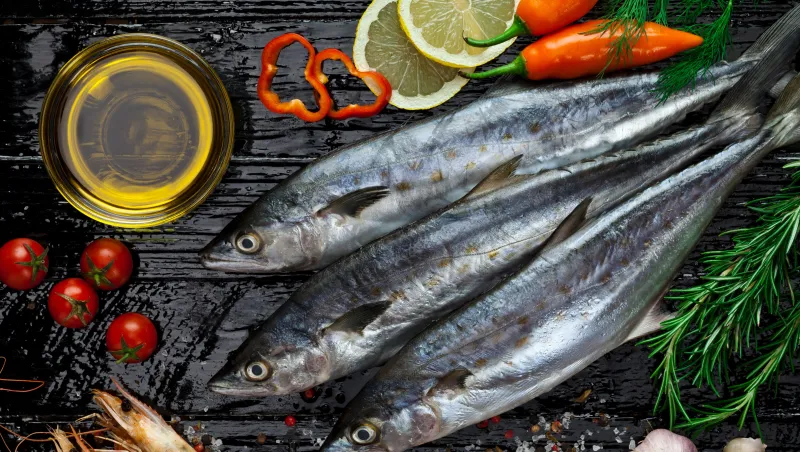
King mackerel is a fast, powerful fish popular among sport fishers along the Gulf Coast and Atlantic waters. What many people do not realize is that it consistently appears on government lists of fish with dangerously high mercury concentrations.
Health agencies recommend that pregnant women, nursing mothers, and children avoid king mackerel altogether. Even healthy adults are encouraged to limit how often they eat it.
Swapping it for lower-mercury options like sardines or tilapia is a smart and easy trade.
4. Orange Roughy
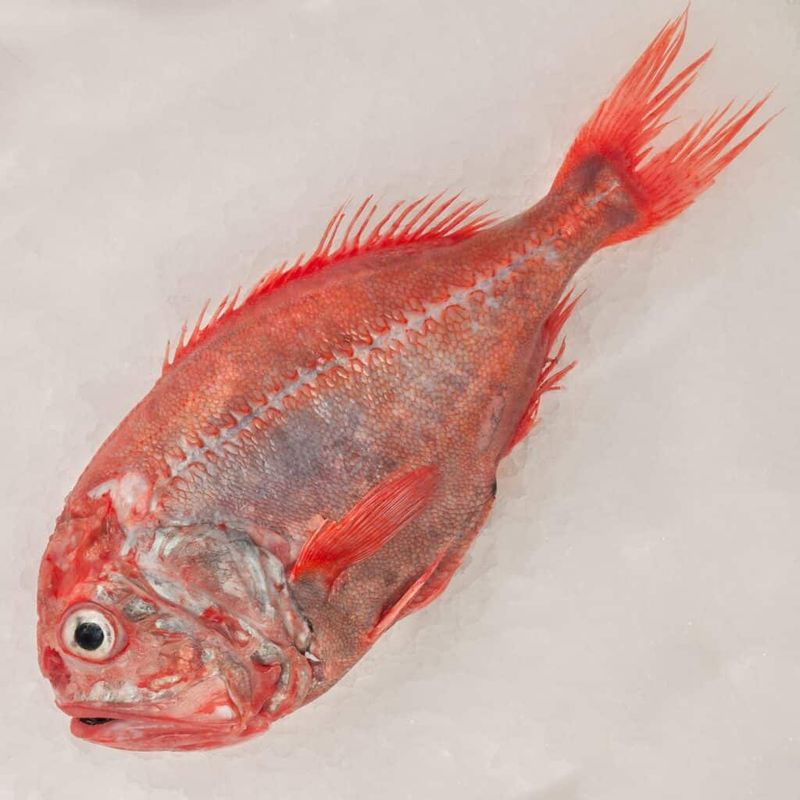
Orange roughy looks harmless enough on a restaurant menu, but this deep-sea fish hides a troubling secret: it can live for over 100 years. Because it grows so slowly and reproduces late in life, populations cannot recover quickly once they are fished down.
Add high mercury accumulation from decades of deep-ocean living, and orange roughy becomes a double concern. Many conservation groups list it as vulnerable or endangered.
Ordering it essentially supports a fishery that struggles to sustain itself long-term.
5. Marlin
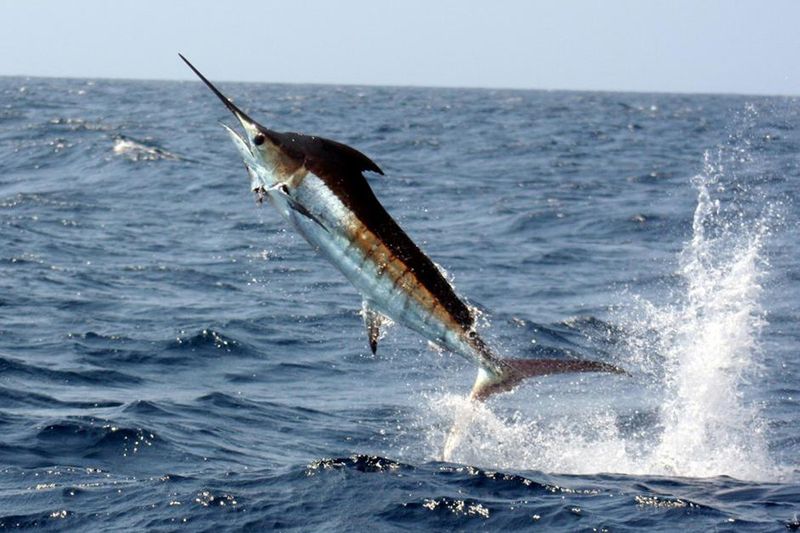
Marlin is the stuff of deep-sea fishing legends, famously immortalized in Ernest Hemingway’s The Old Man and the Sea. But these magnificent fish carry high mercury loads, and the longline fishing methods used to catch them accidentally trap sea turtles, sharks, and seabirds along the way.
That bycatch problem makes marlin fishing particularly damaging to ocean biodiversity. Several marlin species are already listed as threatened.
Admiring marlin from a distance, rather than a dinner plate, is the wiser choice here.
6. Tilefish (Gulf of Mexico)
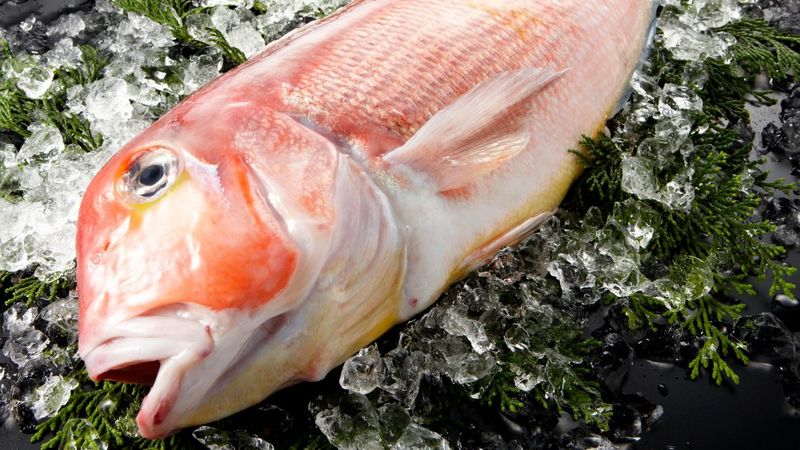
Tilefish from the Gulf of Mexico hold the unfortunate distinction of being among the highest-mercury fish ever recorded in government testing. The FDA places them on a strict avoid list for pregnant women, children, and anyone eating seafood frequently.
What makes this tricky is that tilefish from the Atlantic has somewhat lower mercury levels, so location of origin really matters. Always ask where your tilefish comes from before ordering.
When in doubt, choosing a different fish entirely is the safest bet.
7. Bluefin Tuna
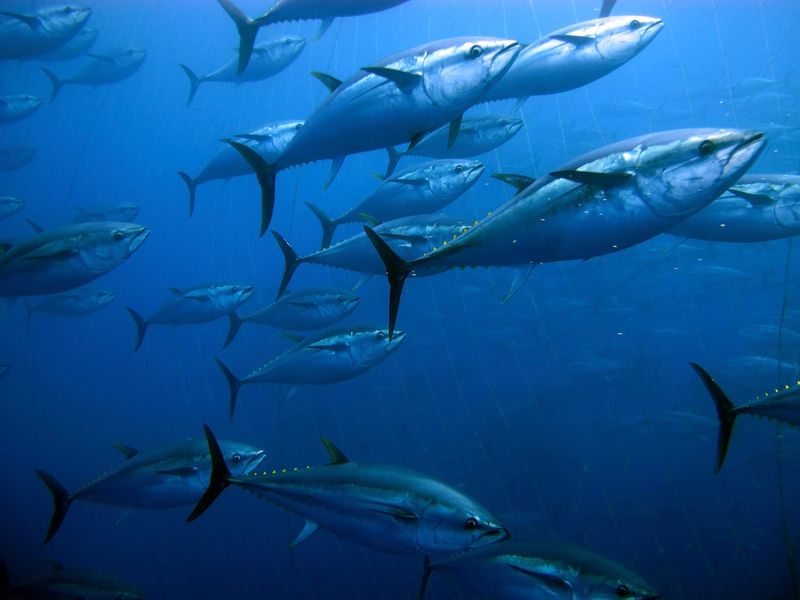
Few fish command the jaw-dropping prices that bluefin tuna does at Tokyo’s famous Tsukiji auction. Sadly, that sky-high demand has pushed Atlantic bluefin tuna dangerously close to extinction, with some scientists warning that certain stocks may never fully recover.
Bigeye bluefin also carries high mercury levels, adding a health concern on top of the environmental one. Choosing skipjack or albacore tuna instead can satisfy a sushi craving without contributing to the collapse of one of the ocean’s most iconic species.
8. Grouper
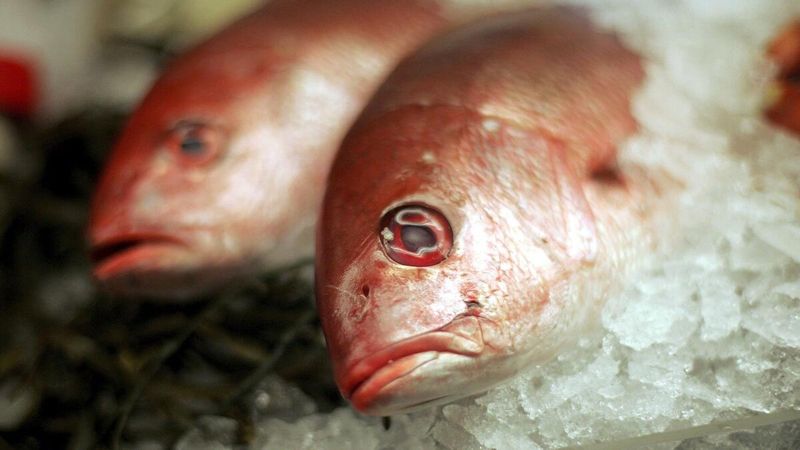
Grouper is beloved for its mild, flaky white flesh, but ordering it comes with a few hidden complications. Several grouper species carry moderately high mercury levels, and many are considered at-risk due to years of overfishing in popular fishing zones.
Grouper is also one of the most commonly mislabeled fish in restaurants, with cheaper species often swapped in without customers knowing. If sustainability and food honesty matter to you, asking detailed questions about sourcing before ordering grouper is always a smart move.
9. Chilean Sea Bass
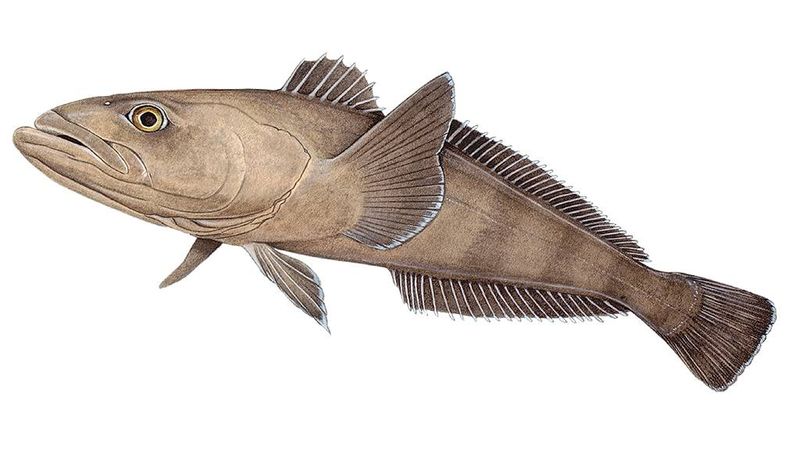
When chefs started calling it Chilean sea bass in the 1970s, nobody wanted to eat the fish’s real name: Patagonian toothfish. The rebranding worked a little too well, triggering explosive demand that led to severe overfishing across cold southern ocean waters.
These slow-growing, long-lived fish cannot reproduce fast enough to keep up with commercial harvesting rates. Some certified sustainable options exist, but they are rare and expensive.
Checking for the Marine Stewardship Council label is essential if you choose to buy it.
10. Atlantic Cod
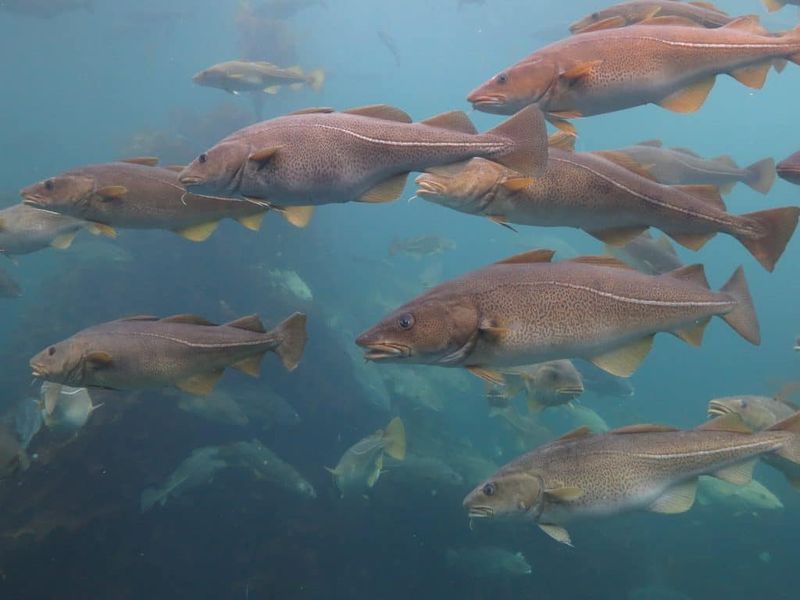
Atlantic cod once filled the waters of the North Atlantic so abundantly that early European explorers claimed you could scoop them out with baskets. Then came centuries of intense commercial fishing, and by the early 1990s, the Grand Banks cod stocks had collapsed almost entirely.
Decades later, recovery remains painfully slow in many regions. Some North Sea populations are still critically low.
Choosing Pacific cod from well-managed Alaskan fisheries is a responsible swap that delivers similar flavor without the conservation baggage.
11. European Eel
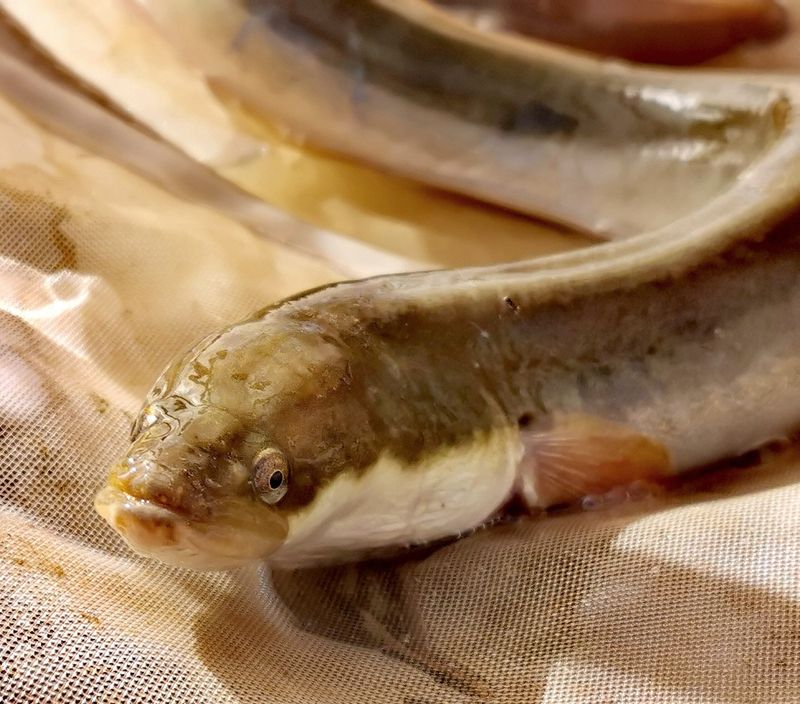
European eels are one of nature’s most mysterious creatures, traveling thousands of miles from European rivers all the way to the Sargasso Sea to spawn, only once in their entire lifetime. Unfortunately, their populations have crashed by more than 90% over the past 40 years.
They are now critically endangered, and experts agree that eating them is simply not justifiable given how precarious their survival has become. Pollution, habitat loss, and overfishing all contribute to their alarming decline.
Removing this one from your menu choices helps protect a truly irreplaceable species.
12. Imported King Crab
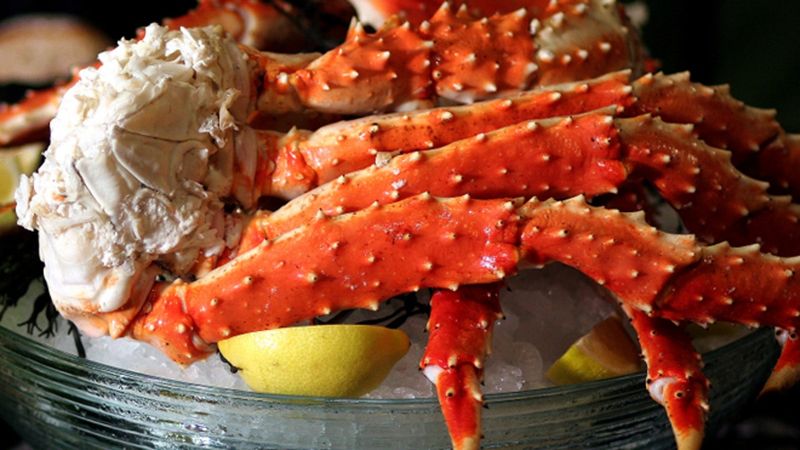
King crab legs are a luxury treat for many seafood lovers, but what appears on the label does not always match what is in the package. A significant portion of king crab sold in American stores is imported from Russia, where fishing regulations are far less strict than in Alaska.
Illegal harvesting and mislabeling of cheaper crab species as Alaskan king crab are both widespread problems. Look for certified Alaskan king crab from reputable sources, and do not hesitate to ask your fishmonger exactly where the product originated.
13. Atlantic Halibut
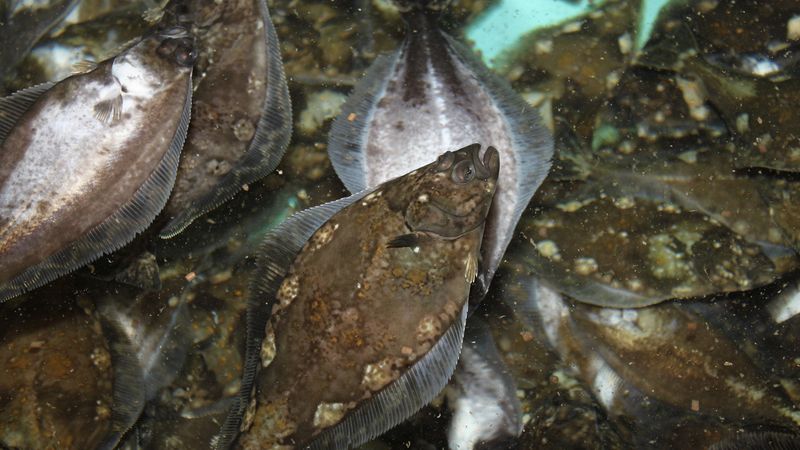
Atlantic halibut is the largest flatfish in the world, capable of growing to over 700 pounds, and it has been prized as a food fish for centuries. That long history of heavy fishing has left wild Atlantic halibut populations significantly depleted in many parts of their range.
Mercury accumulation is also a concern, particularly in larger, older individuals. Pacific halibut from well-managed Alaskan fisheries is a far better choice for both health and sustainability.
Checking the origin label before purchasing can make a real difference here.
14. Humphead Wrasse
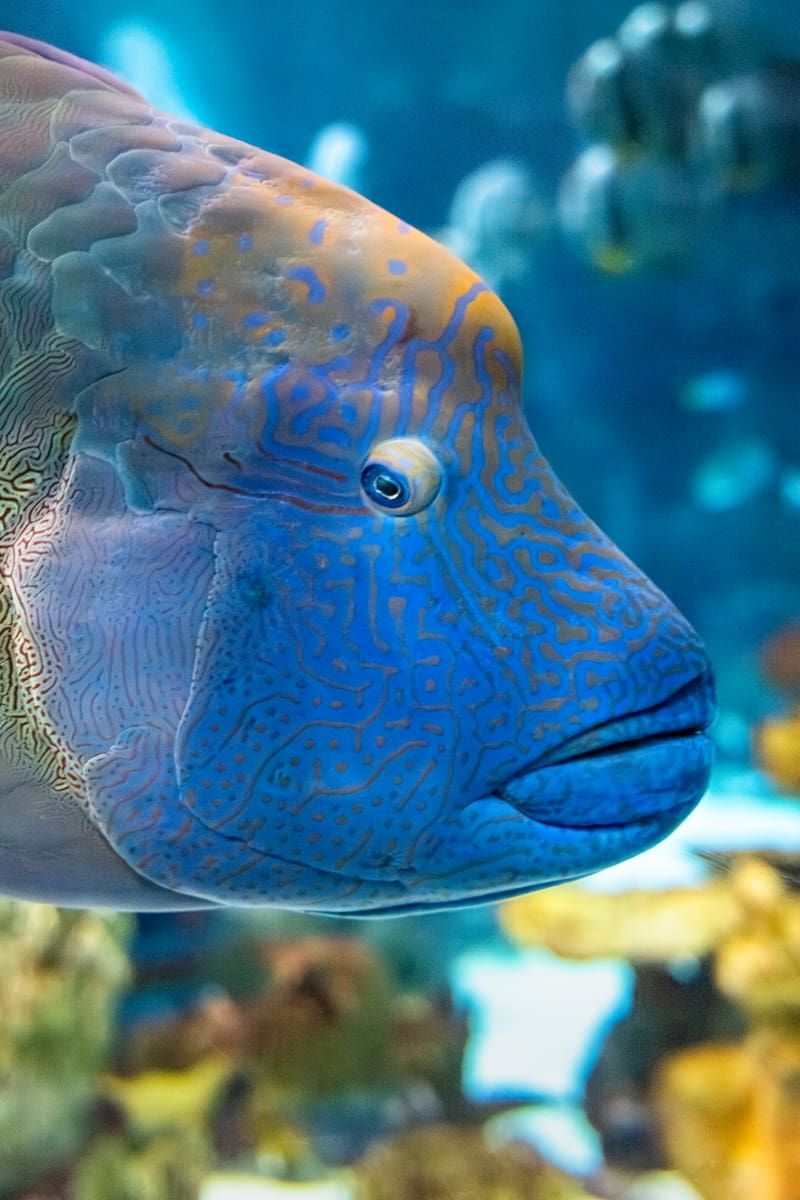
One look at a humphead wrasse and you understand why divers travel great distances just to spot one in the wild. These striking, hump-headed reef fish can live for 30 years, but their slow growth and low reproduction rate make them extremely vulnerable to population loss.
Demand for live humphead wrasse in luxury seafood markets, particularly across parts of Asia, has pushed the species to endangered status. International trade is heavily restricted, yet illegal collection continues.
Refusing to order it sends a powerful message to suppliers.
15. Skates and Rays
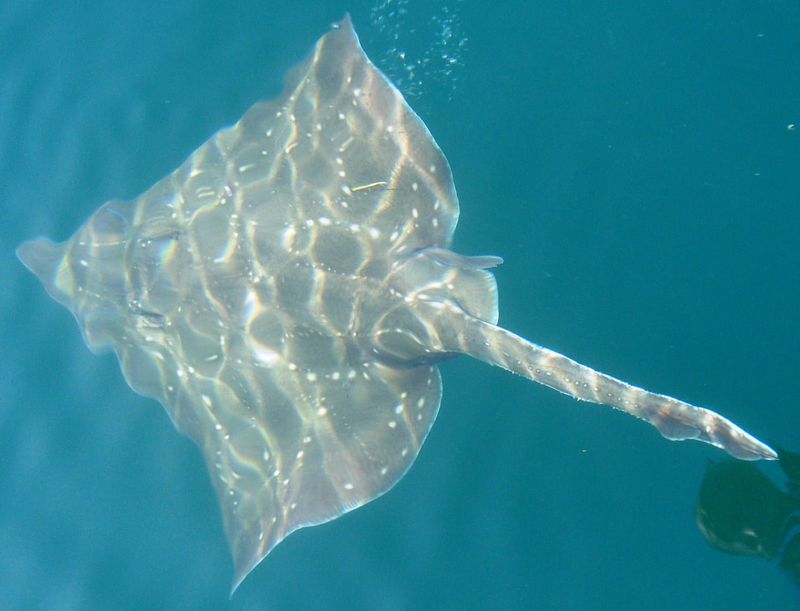
Skates and rays glide through the ocean like living kites, and they play important roles in maintaining healthy seafood ecosystems. Sadly, at least one in five ray species is now threatened with extinction, largely because they reproduce slowly and are frequently caught as bycatch in commercial trawl nets.
When targeted directly for food, their populations struggle to rebound. Manta rays are among the most endangered, but smaller species face serious pressure too.
Supporting fisheries that use bycatch-reducing gear helps protect these remarkable creatures from disappearing quietly beneath the waves.
16. Farmed Atlantic Salmon
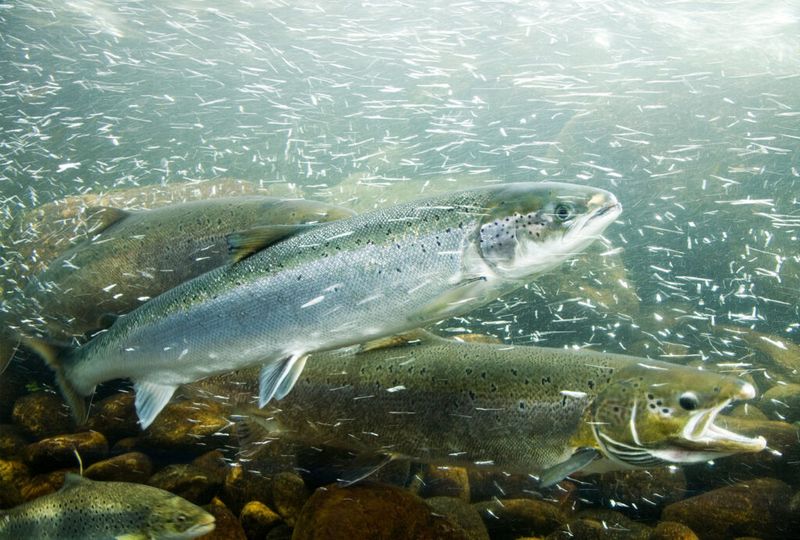
Salmon has earned a reputation as one of the healthiest fish you can eat, packed with omega-3s and protein. But intensively farmed Atlantic salmon raises some uncomfortable questions about how that fish actually reaches your plate.
Crowded farming conditions encourage disease and parasites, leading to heavy antibiotic use. The wild fish harvested to make salmon feed adds another layer of environmental strain.
Wild Atlantic salmon populations are also dangerously low. Choosing wild Alaskan or certified sustainable farmed salmon is a noticeably better option for both people and the planet.