
Some foods are so unusual that they make you stop and stare before you even think about tasting them. From crispy insects to pungent fruits, the world is full of dishes that most people have never heard of.
These uncommon foods come from different cultures and traditions, each with its own story and flavor. Get ready to explore 17 foods that are anything but ordinary.
1. Southern Fried Rattlesnake
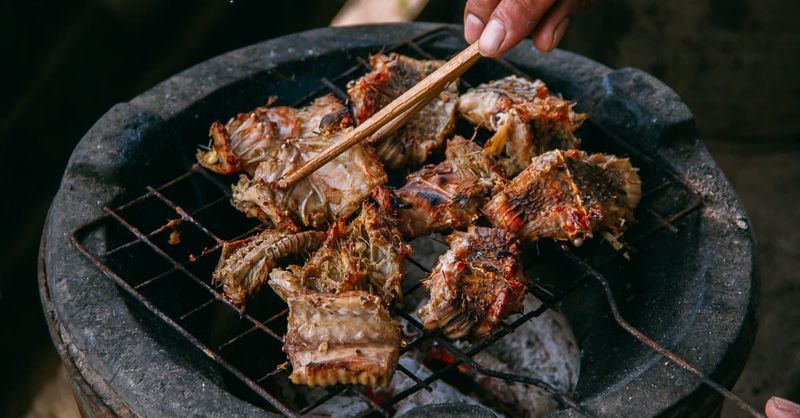
Believe it or not, rattlesnake is a real dish that people in the American South have been eating for generations. The meat is coated in seasoned batter and fried until it turns a beautiful crispy golden brown.
Many first-timers are shocked by how mild it tastes.
The flavor is subtle with a slight gamey edge, and the texture is surprisingly similar to chicken. It is often served at festivals and roadside diners as a novelty dish that curious eaters love to try.
2. Haggis
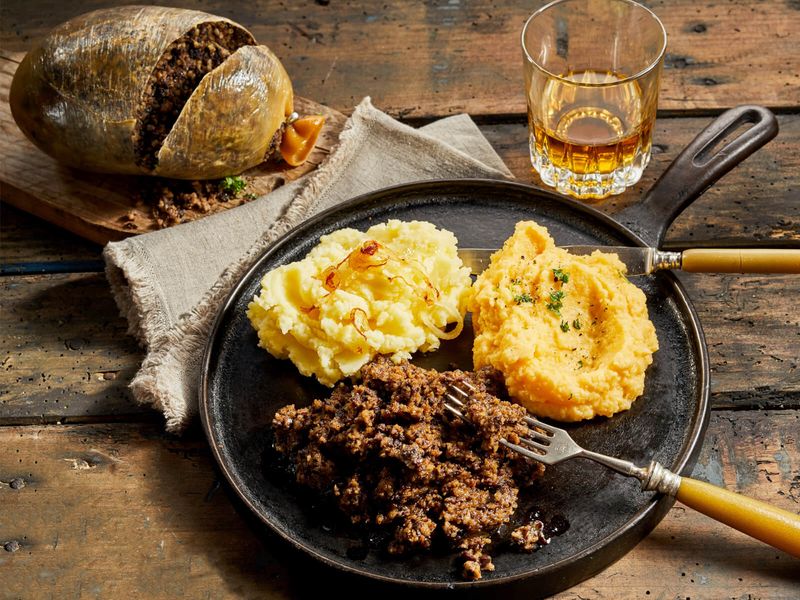
Scotland’s most famous dish has a reputation that scares off many visitors, but locals swear by its rich, hearty flavor. Haggis is made from sheep’s heart, liver, and lungs mixed with oatmeal, suet, and a bold blend of spices.
Traditionally, the whole mixture is boiled inside a sheep’s stomach.
The result is a deeply savory, earthy, and peppery dish that warms you right up. Fun fact: importing traditional haggis into the United States is actually banned due to food safety regulations around sheep lung.
3. Blood Pudding (Black Pudding)
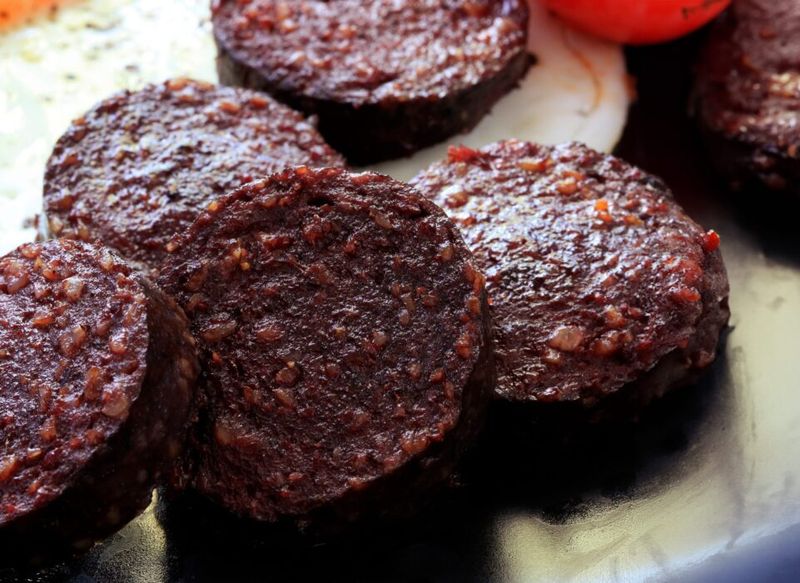
Black pudding sounds like something from a Halloween menu, but it has been a breakfast staple in the United Kingdom and Ireland for centuries. Made from cooked animal blood mixed with grains or vegetables, it is packed into a sausage casing and sliced before serving.
The flavor is rich, slightly metallic, and deeply savory. Many people enjoy it as part of a full English breakfast.
Once you get past the unusual ingredient list, it is surprisingly satisfying and filling.
4. Frog Legs
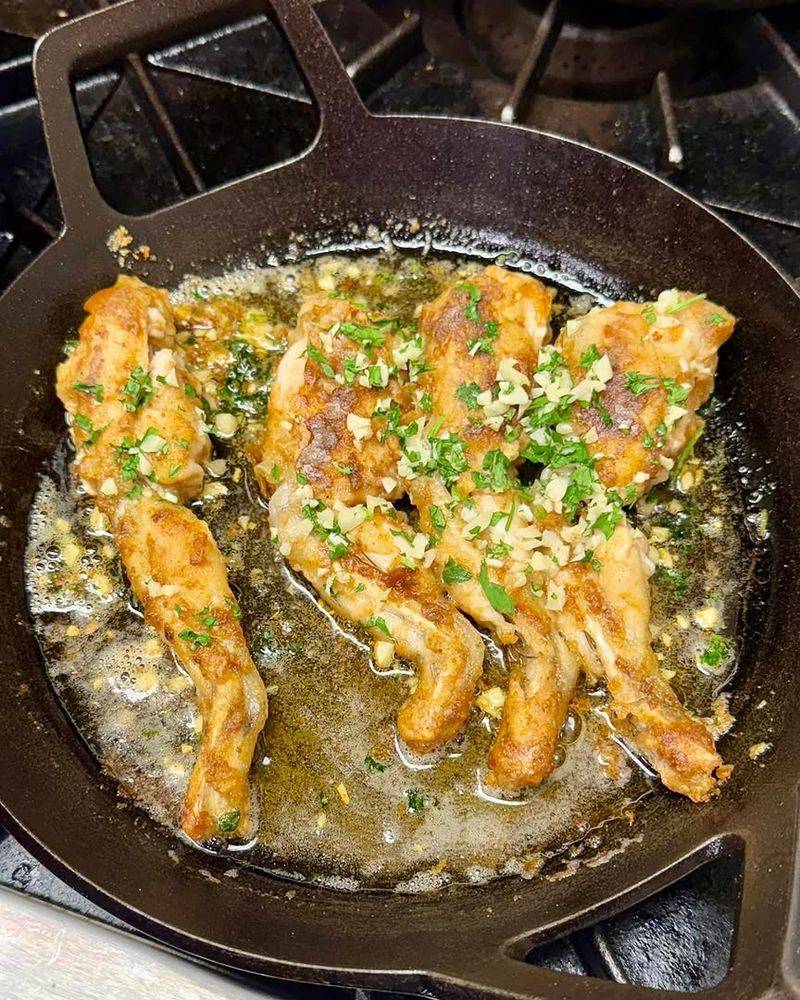
Long considered a classic delicacy in French cuisine, frog legs have been enjoyed across Europe and Asia for hundreds of years. The meat is incredibly tender and mild, often drawing comparisons to chicken or even white fish.
Chefs typically prepare them with butter, garlic, and fresh herbs to let the natural flavor shine.
Most people who try frog legs for the first time are pleasantly surprised. The texture is soft and juicy, making them easy to enjoy even for adventurous eaters who are a little nervous about the name.
5. Escargots
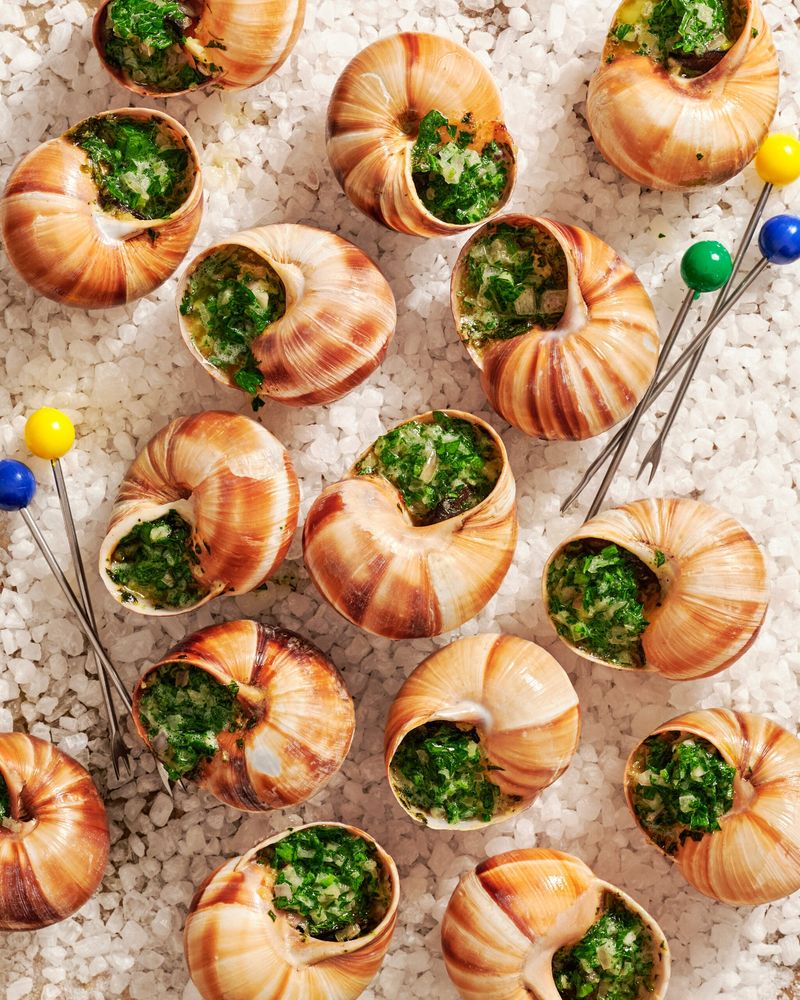
Snails on the dinner table might sound strange, but escargots have been a celebrated part of French cuisine for centuries. These small land snails are cleaned, cooked, and stuffed back into their shells before being baked with a generous amount of garlic butter and fresh herbs.
The result is a tender, earthy bite with a rich, buttery finish that is hard to resist. Served as an appetizer in fine dining restaurants worldwide, escargots are proof that some of the best flavors come in unexpected packages.
6. Sakura Niku (Horse Meat)
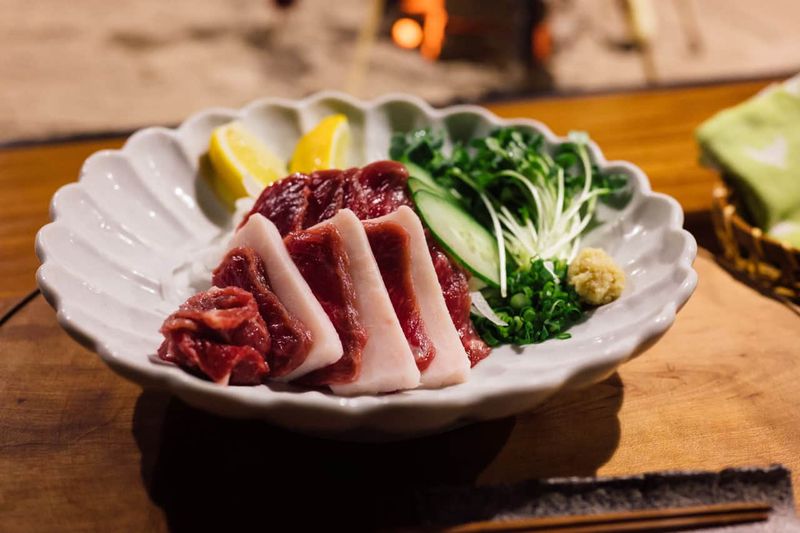
In Japan, horse meat is known as Sakura Niku, which translates to “cherry blossom meat” because of its soft pink color. It is often eaten raw as sashimi, thinly sliced and served with soy sauce, ginger, and garlic.
The flavor is lean, clean, and surprisingly mild compared to beef.
Horse meat is low in fat and high in protein, making it a nutritious choice. While it may raise eyebrows in Western countries, it has been a respected part of Japanese food culture for many years.
7. Casu Marzu (Maggot Cheese)
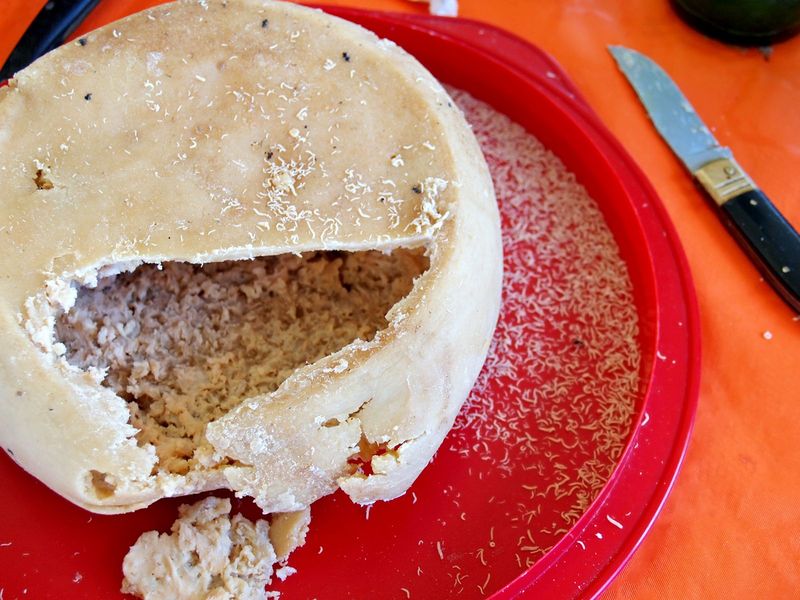
If you thought regular cheese was bold, Casu Marzu takes things to a completely different level. This Sardinian specialty starts as pecorino cheese, then it is left in a dark, cool spot for months until flies lay eggs inside it.
The larvae break down the fats, creating a soft, intensely pungent paste.
Technically banned from commercial sale due to health concerns, it is still made and eaten by locals in Sardinia who consider it a prized tradition. It is not for the faint of heart, but those who try it say the flavor is unforgettable.
8. Deep Fried Tarantula
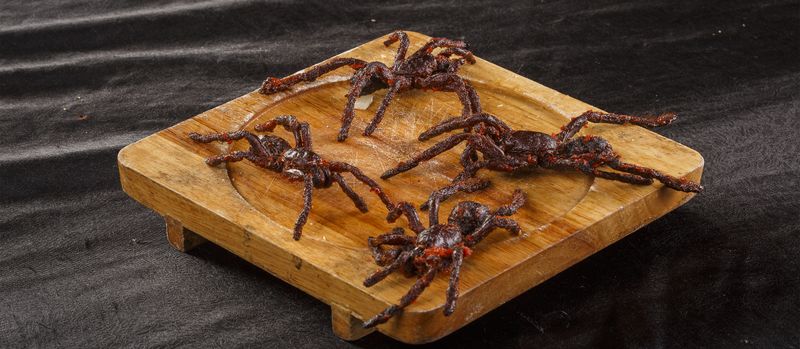
Walking through the town of Skuon in Cambodia, you will spot vendors selling something that stops most tourists cold: whole fried tarantulas. Before hitting the hot oil, the spiders are marinated in a blend of salt, sugar, and MSG to build deep umami flavor.
The finished product has a satisfying crunch on the outside, similar to pork crackling, with a softer center. Locals have eaten them for decades, and adventurous food lovers from around the world now seek them out as a must-try street food experience.
9. Pacha (Khash)
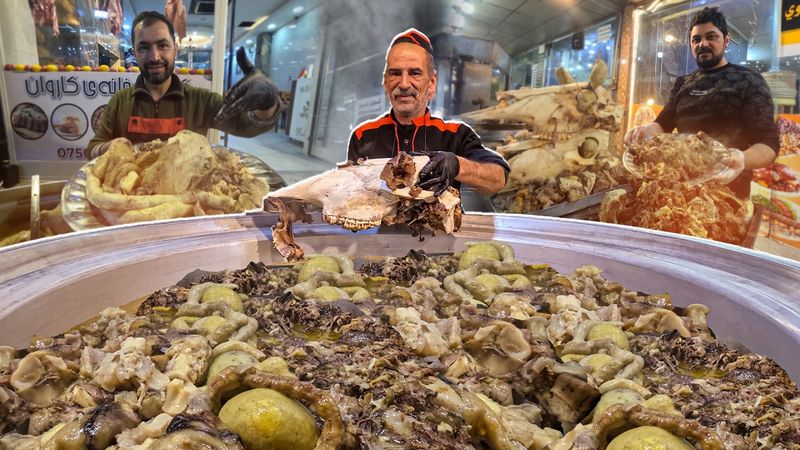
Khash, also called Pacha in some regions, is a dish that has warmed people up in Persia and the Near East for centuries. It is made by slowly boiling an entire sheep’s skull, along with the feet and intestines, until everything breaks down into a thick, intensely flavored broth.
Traditionally eaten early in the morning, it is considered a restorative meal that gives you energy for the day. The rich, gelatinous texture and bold flavor are an acquired taste, but devoted fans would not trade it for anything.
10. Rocky Mountain Oysters
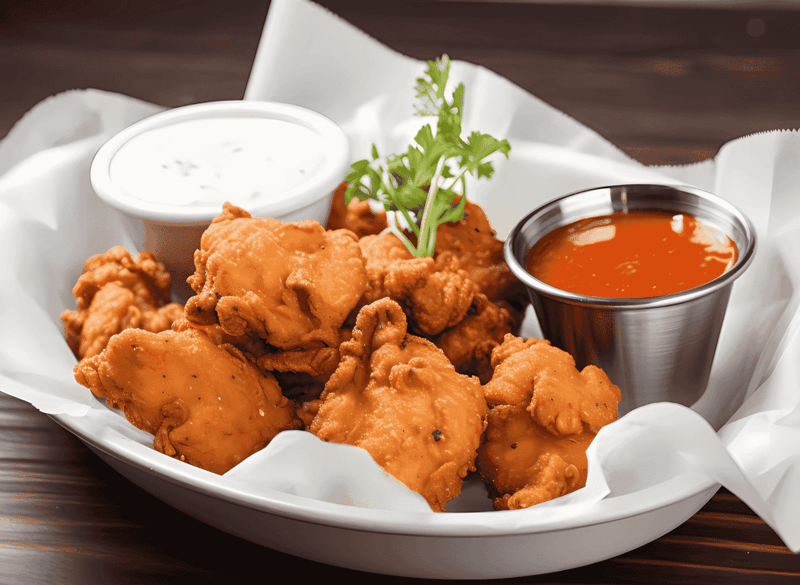
Despite the seafood-sounding name, Rocky Mountain Oysters have absolutely nothing to do with the ocean. These are bull or buffalo testicles, typically sliced, breaded, and deep-fried until the outside is crispy and the inside stays tender and juicy.
The dish has roots in cowboy culture, where wasting any part of a slaughtered animal was simply not an option.
Today, Rocky Mountain Oysters are served at festivals and steakhouses across the American West. They have a mild, slightly gamey flavor that surprises most first-time tasters expecting something far more intense.
11. Cuy (Guinea Pig)
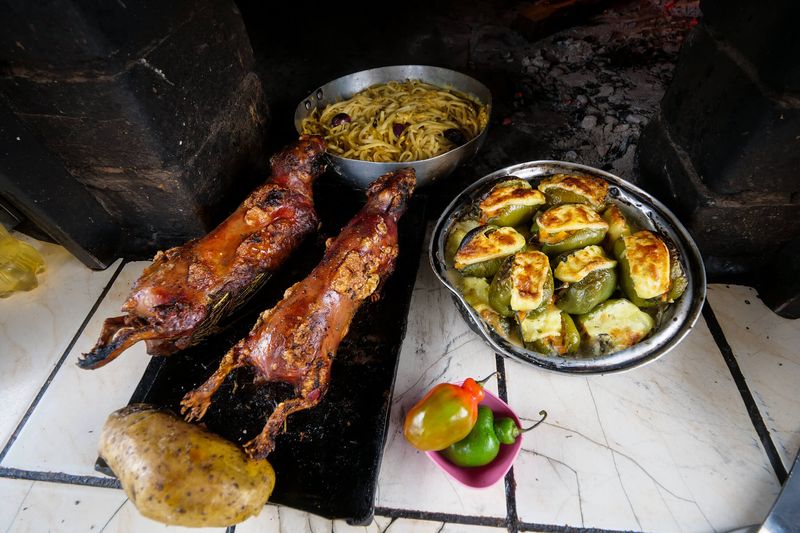
Guinea pigs are beloved pets in many parts of the world, but in Peru, they are a cherished part of the national food culture. Known as Cuy, they have been raised and eaten in the Andes for thousands of years, long before Spanish colonizers arrived.
The meat is lean, flavorful, and rich in protein.
Restaurants throughout Peru serve Cuy roasted whole, and you can even find it sold on a stick at street markets. The flavor is often compared to rabbit, with a slightly richer, earthier taste that locals celebrate with pride.
12. Fried Silkworms
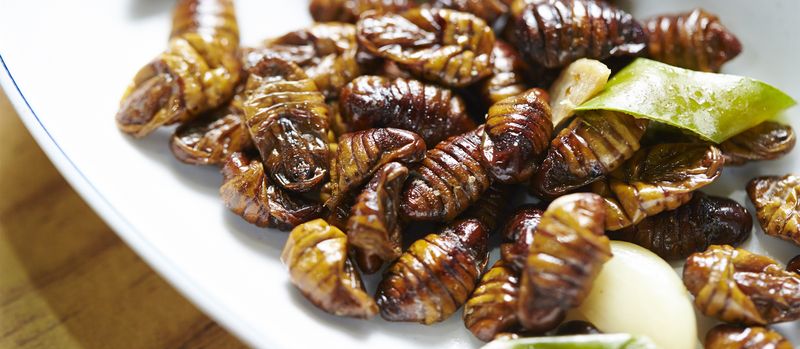
Fried silkworms, called Beondegi in South Korea, are one of those snacks that smell stronger than they taste. Sold by street vendors in paper cups, the silkworm pupae are boiled or stir-fried and seasoned with simple spices.
In parts of Northeast India, they are cooked with onions and chilies for a spicier kick.
The flavor is often described as earthy, similar to egg yolk, though a well-fried batch can taste surprisingly close to prawns. They are packed with protein, making them a nutritious and surprisingly filling snack option.
13. Fried Grasshoppers (Chapulines)
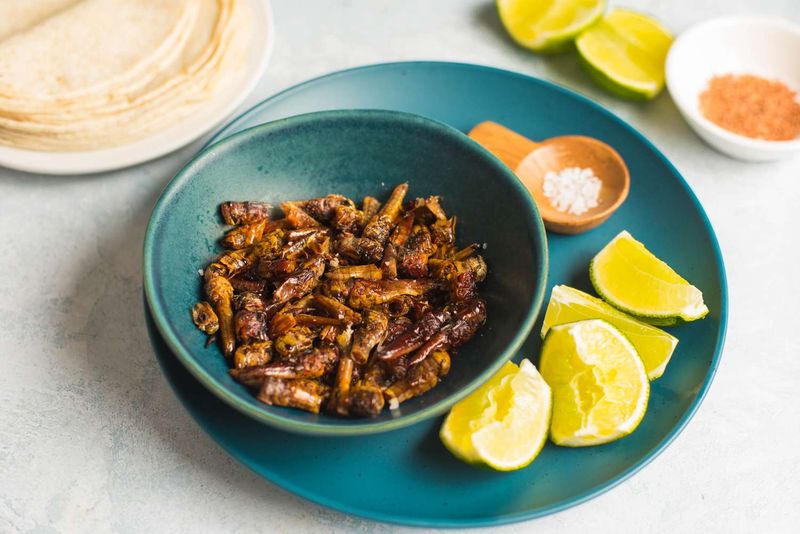
Chapulines have been a crunchy, protein-packed snack in Oaxaca, Mexico, for thousands of years, long before they became a trendy food for adventurous eaters. These fried grasshoppers are tossed with chili, lime, and garlic, giving them a bold, tangy flavor with a satisfying nutty crunch.
They are commonly mixed into guacamole or piled onto tacos.
In Thailand and other parts of Asia, grasshoppers are also a popular street food staple. Rich in protein and low in fat, chapulines are getting attention from sustainability experts as a smart food for the future.
14. Durian
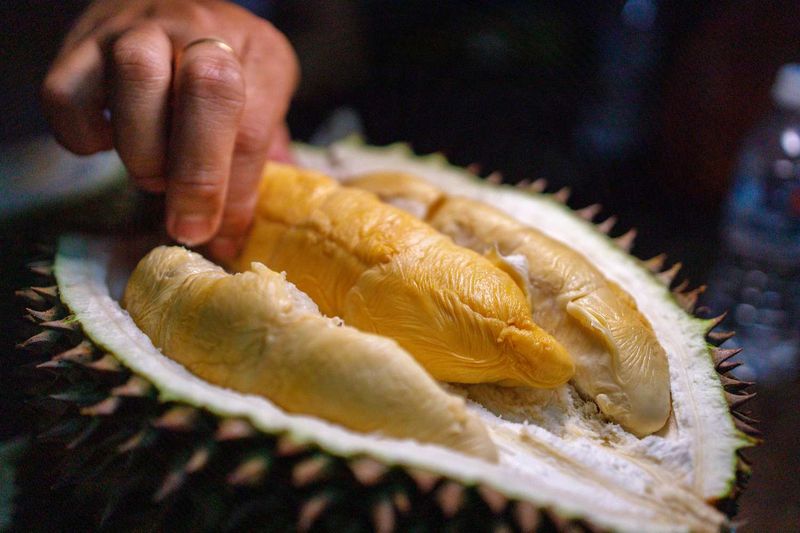
Nicknamed the “King of Fruit,” durian is famous for two things: its incredibly creamy, custard-like flesh and its absolutely overpowering smell. The aroma has been compared to everything from ripe cheese to sewage, and it is strong enough that durian is banned on public transportation and in hotels across several Southeast Asian countries.
Despite the controversial scent, devoted fans find the flavor deeply addictive, rich, and sweet with hints of vanilla and almond. Trying durian for the first time is truly one of the most memorable food experiences you can have.
15. Century Egg (Preserved Egg)
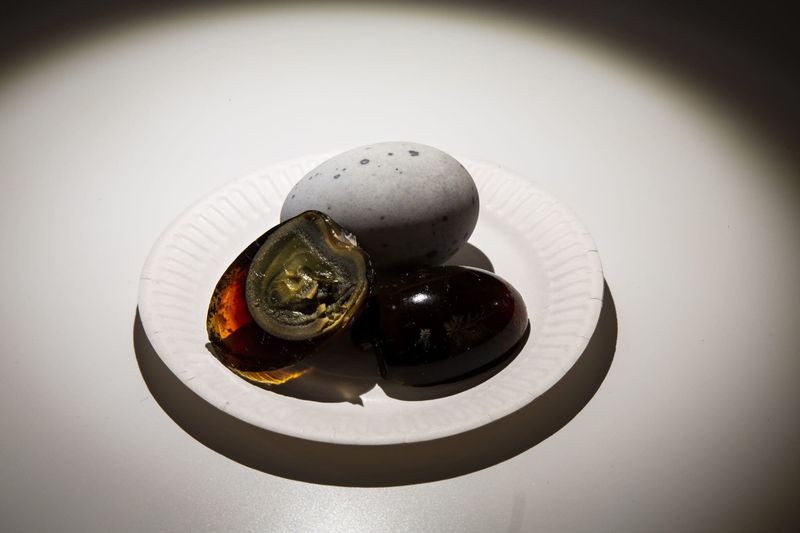
Century eggs look like something out of a science fiction movie, with their dark, translucent jelly-like whites and deep green-gray yolks. Despite the dramatic name, they are not actually aged for a hundred years.
The preservation process takes anywhere from a few weeks to a few months using clay, ash, salt, and alkaline materials.
Popular across China and other parts of Asia, century eggs have a bold, creamy flavor that is far more complex than a regular egg. They are often served sliced with pickled ginger as a refreshing appetizer or added to congee for extra depth.
16. Tuna Eyeballs
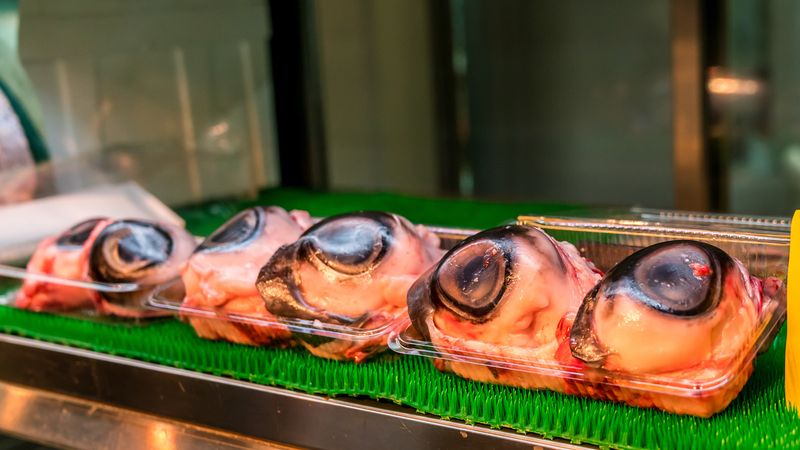
Tuna eyeballs might be the most startling item on any menu, but in Japan, they are considered a flavorful and affordable delicacy worth seeking out. Found in supermarkets and served in soups or simmered dishes, each eyeball is surprisingly large and meaty.
When properly cooked, the texture becomes tender and slightly chewy around the outer layer.
The flavor inside is rich and gelatinous with a gentle hint of the ocean. Many Japanese home cooks season them simply with soy sauce and mirin to let the natural taste come through without overwhelming it.
17. Ackee
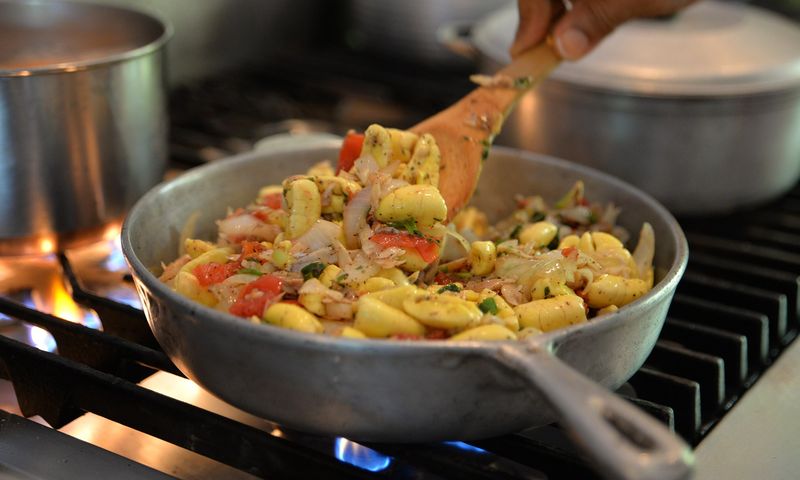
Ackee is Jamaica’s national fruit and one of the most misunderstood foods in the world. It grows in a bright red pod that splits open when ripe, revealing soft, creamy yellow flesh that looks almost like scrambled eggs once cooked.
The flavor is mellow and buttery, unlike any other fruit you have probably tried.
Paired with saltfish, it creates Jamaica’s beloved national dish, Ackee and Saltfish. One important note: unripe ackee contains toxins and must never be eaten before it naturally opens on the tree.