
Some movies break the rules so boldly that they change what film can even be. These cult classics didn’t just entertain audiences — they rewired how directors think about storytelling, visuals, and genre.
From midnight screenings to indie shoestring budgets, each film on this list left a permanent mark on cinema history. Get ready to explore the movies that dared to do something nobody had seen before.
1. Eraserhead (1977)
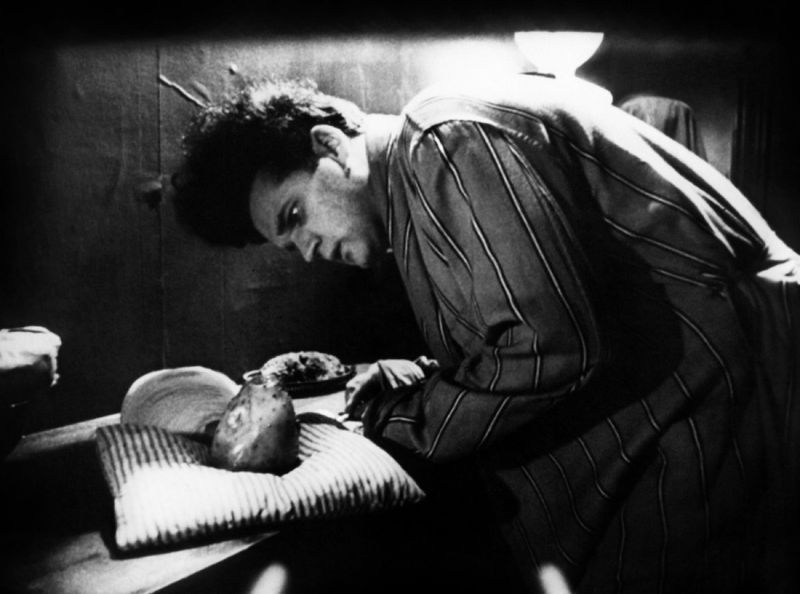
Before David Lynch became a household name, he spent five years crafting this nightmare in a chicken coop. Eraserhead invented a visual language for horror that nobody had dared attempt — industrial soundscapes, grotesque imagery, and a silence so heavy it feels alive.
Film students still study it today as a masterclass in atmosphere over plot. Lynch proved that mood itself could be the story, and that low budgets could birth genuinely disturbing art.
2. A Clockwork Orange (1971)
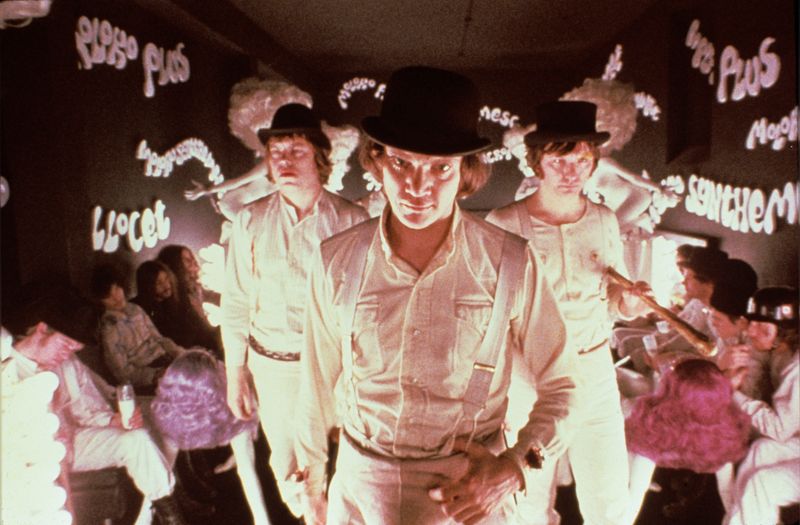
Stanley Kubrick turned Anthony Burgess’s controversial novel into what critics called a “visual weapon” — and they weren’t exaggerating. Every frame feels like a painting designed to unsettle you, with color, costume, and camera angles working together as tools of psychological force.
The film’s bold style influenced music videos, fashion, and advertising for decades. Kubrick showed that cinema could be confrontational art, not just entertainment, and audiences never quite recovered from the experience.
3. El Topo (1970)
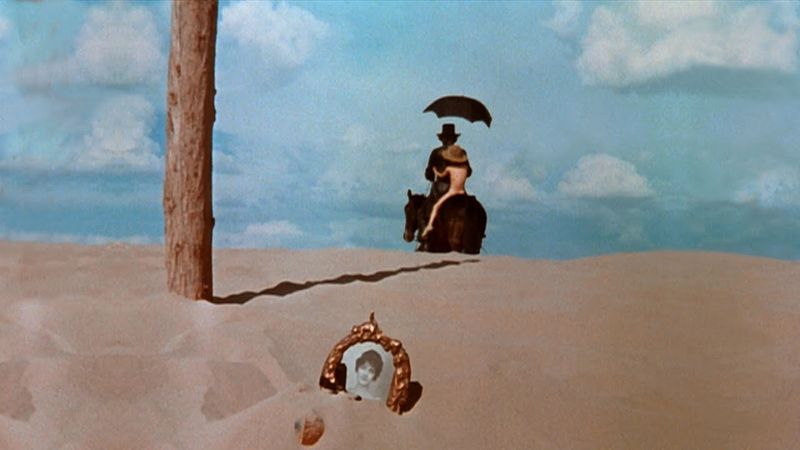
Alejandro Jodorowsky didn’t just make a western — he blew the genre apart and reassembled it as something completely alien. El Topo invented the “psychedelic western,” mixing spaghetti western shootouts with religious allegory and hallucinatory imagery nobody expected to see on screen.
John Lennon reportedly funded its U.S. distribution after falling in love with it. Fun fact: it became the original midnight movie, quietly launching an entire cultural tradition that still thrives today.
4. The Rocky Horror Picture Show (1975)
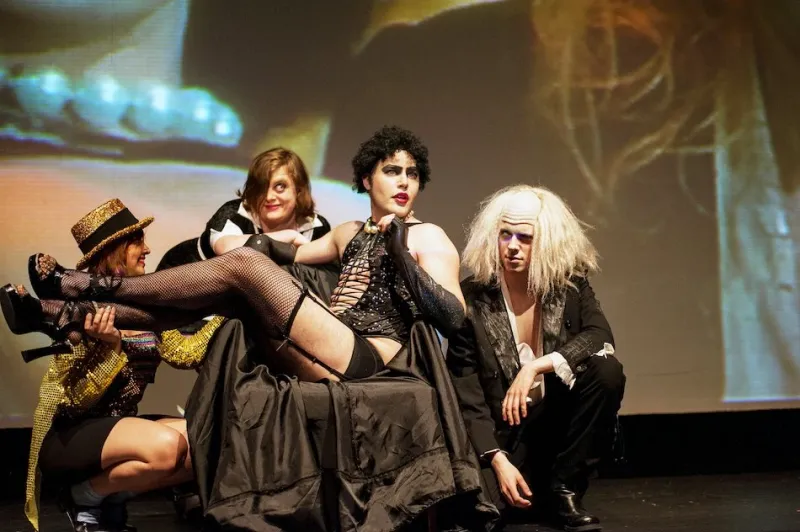
No film has ever turned watching a movie into a full-blown party quite like this one. Audiences showed up in fishnet stockings, threw toast at the screen, and shouted callbacks at characters — creating an interactive live event that nobody had planned for but everybody loved.
Rocky Horror essentially invented the modern cult movie experience from scratch. It proved that a film’s community of fans could become just as iconic as the film itself, changing how Hollywood thought about audience engagement forever.
5. Night of the Living Dead (1968)
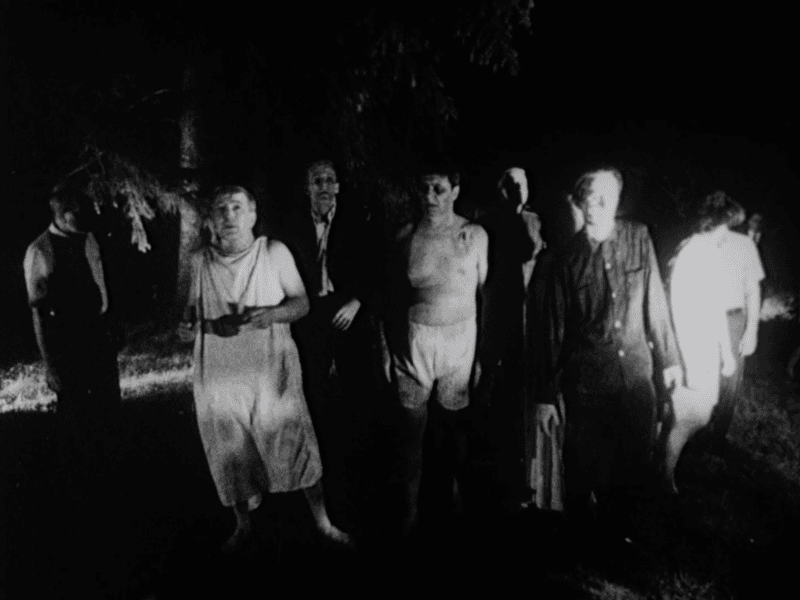
George Romero made zombies terrifying again by stripping away the voodoo magic and replacing it with something far scarier — mindless, unstoppable reanimated corpses with no motivation except hunger. That simple switch rewrote horror forever.
Shot on a tiny budget in rural Pennsylvania, the film also broke new ground by casting a Black man as its lead hero, a radical choice for 1968. It proved that independent horror could carry serious social commentary while still scaring audiences out of their seats.
6. Blade Runner (1982)
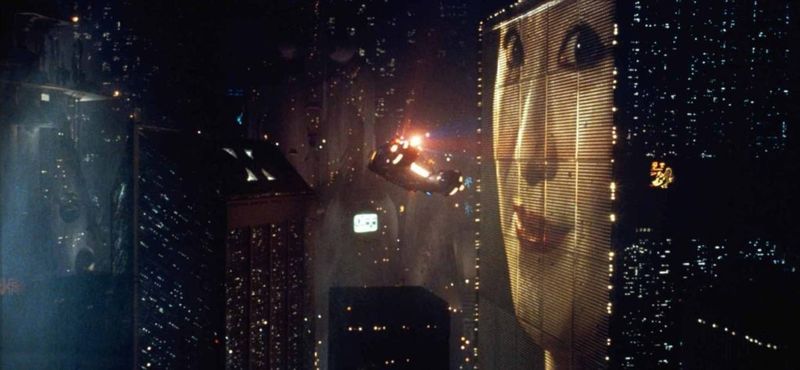
Rain-slicked streets, towering video billboards, and a sky permanently choked with smog — Ridley Scott’s vision of 2019 Los Angeles became the blueprint for cyberpunk aesthetics in every medium that followed. Production designers worldwide borrowed from it shamelessly for decades.
What made Blade Runner revolutionary wasn’t just the look — it was the layered, overcrowded world-building that felt genuinely lived-in rather than staged. Science fiction filmmaking has never quite shaken its influence, and honestly, why would it want to?
7. Akira (1988)
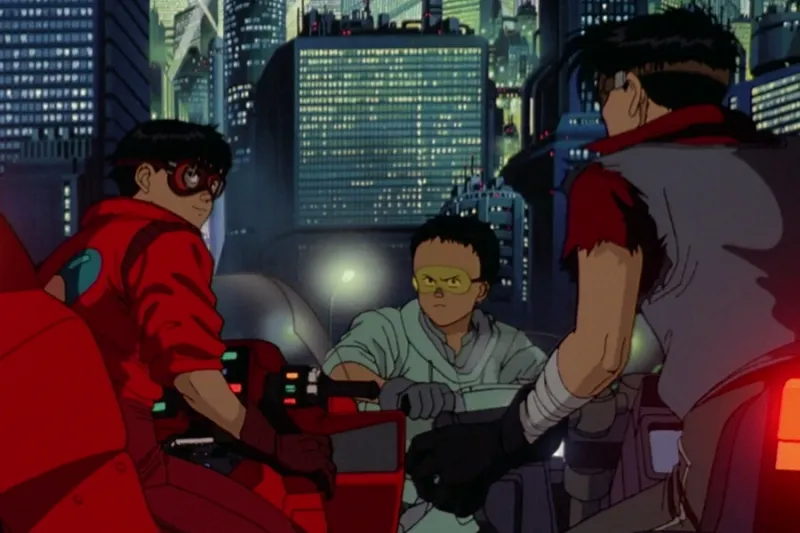
Western animation was playing it safe in 1988 when Akira arrived and completely redrew the rules. The film used a staggering 327 distinct color shades and obsessively detailed hand-drawn frames to bring Neo-Tokyo to life with a richness animation had never attempted before.
Beyond the visuals, it tackled government corruption, youth rebellion, and runaway scientific power with a maturity that shocked audiences expecting cartoons to be for kids. Akira permanently expanded what animated storytelling was allowed to be.
8. Pulp Fiction (1994)
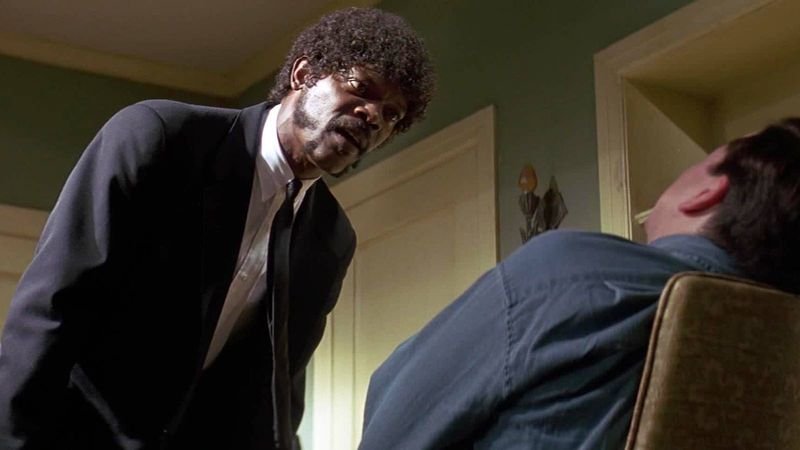
Quentin Tarantino scrambled the timeline, mixed pop culture references with brutal violence, and somehow made it all feel effortlessly cool. Pulp Fiction didn’t follow a straight story — it circled back, jumped forward, and trusted audiences to keep up without hand-holding.
Independent cinema was struggling before this film arrived and blew the doors off. It revitalized the entire indie film movement, showed studios that unconventional storytelling could fill seats, and introduced postmodern filmmaking to a mainstream audience hungry for something genuinely fresh.
9. The Blair Witch Project (1999)
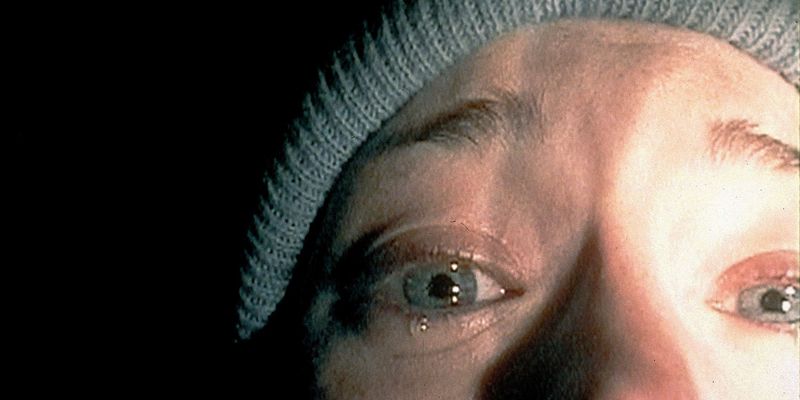
Three student filmmakers, a borrowed camera, and $60,000 somehow convinced the entire world they had captured real supernatural footage. The marketing campaign was genius — the internet was used to blur the line between fiction and reality months before the film even opened.
Hollywood took careful notes. The Blair Witch Project proved that found-footage horror could terrify on a massive commercial scale and that consumer-grade equipment was a legitimate filmmaking tool.
A generation of low-budget horror directors owes this movie an enormous debt.
10. The Thing (1982)
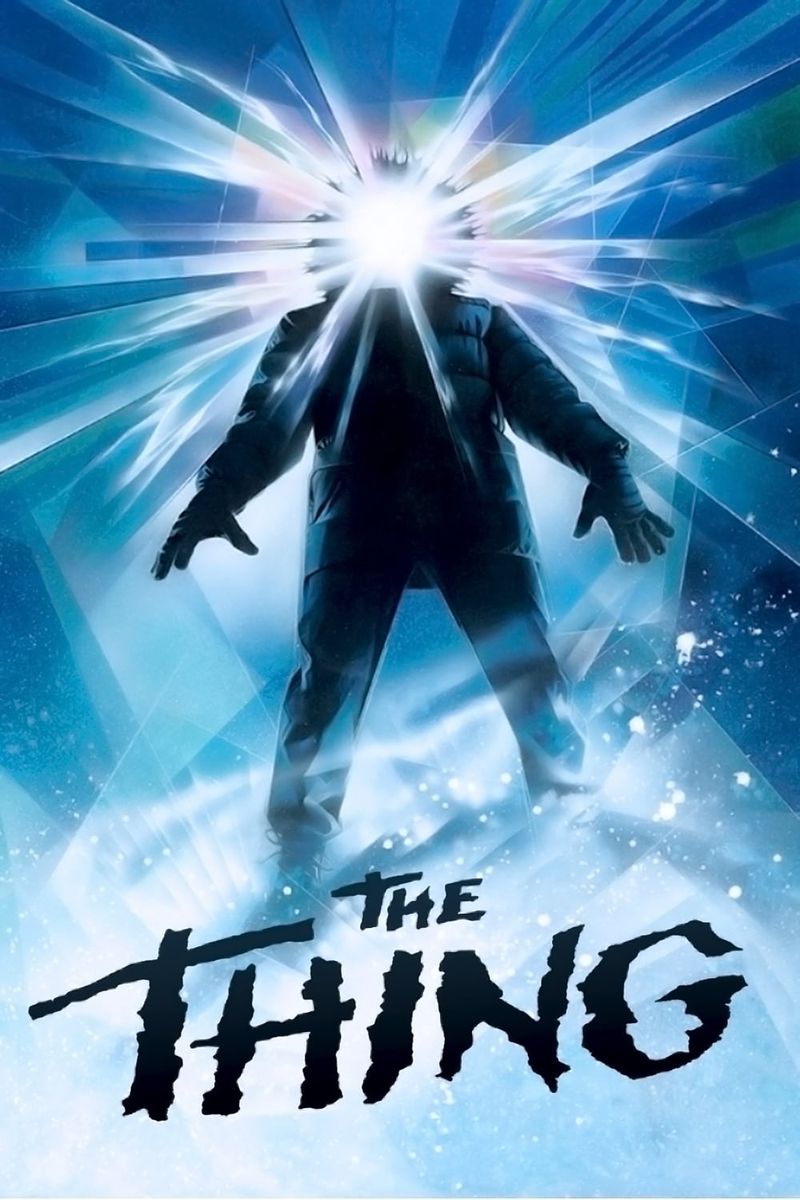
Trust nobody. That’s the terrifying core of John Carpenter’s masterpiece, where a shape-shifting alien hides among a group of Antarctic researchers and paranoia becomes deadlier than any monster.
The horror isn’t just what you see — it’s not knowing who’s already been replaced.
Blending science fiction with psychological dread, The Thing built unbearable tension through character suspicion rather than jump scares. Its practical special effects still hold up today, and the film remains a foundational text for anyone studying how to sustain genuine suspense across a full runtime.
11. Pink Flamingos (1972)
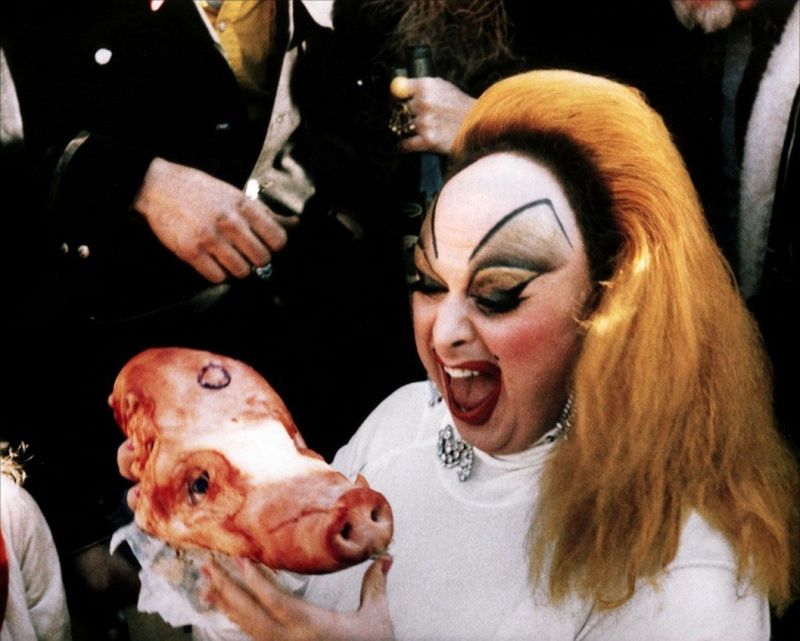
John Waters set out to make the most disgusting film ever made — and by most accounts, he succeeded spectacularly. Pink Flamingos didn’t just push the boundaries of good taste; it gleefully bulldozed them and danced on the rubble in a sequined dress.
The film birthed an entire subgenre of transgressive, proudly campy cinema that celebrated everything polite society rejected. It sparked heated debates about censorship and artistic freedom that still feel relevant today, proving that pure audacity can itself become a cinematic statement worth studying.
12. Donnie Darko (2001)
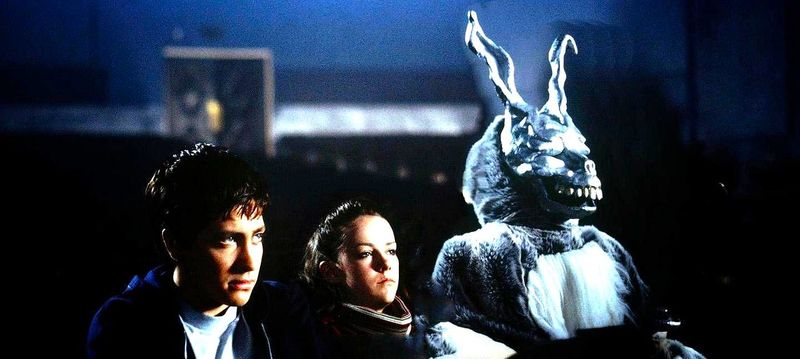
A giant rabbit in a Halloween mask delivers apocalyptic warnings to a troubled suburban teenager — and somehow that sentence barely scratches the surface of how strange and layered this film gets. Donnie Darko rewards multiple viewings, each one revealing new threads to pull.
It became a cornerstone for indie film lovers who appreciate movies that trust their audience’s intelligence. Director Richard Kelly built a puzzle-box narrative that sparked years of fan theories and debate, proving that ambiguity handled confidently could turn a box-office disappointment into an enduring cultural touchstone.
13. Oldboy (2003)
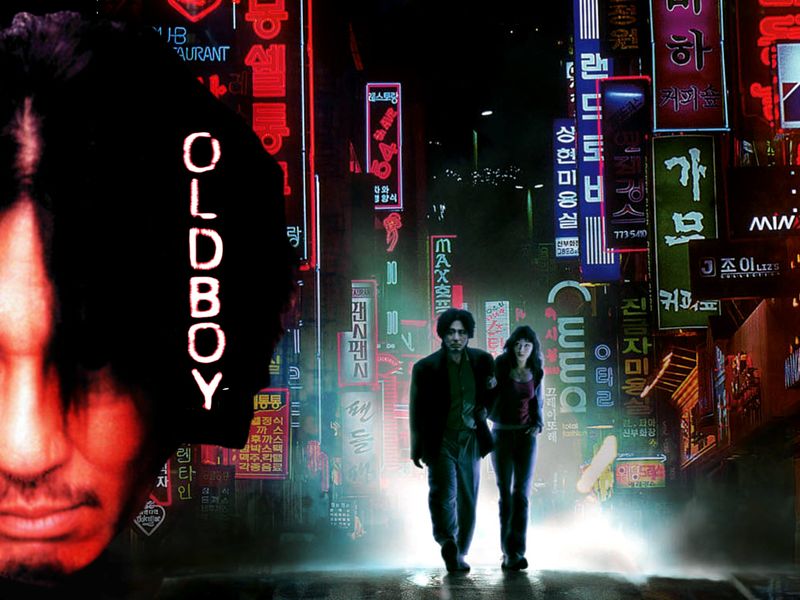
Park Chan-wook choreographed one of cinema’s most legendary action sequences — a single, unbroken hallway fight where an exhausted man battles a crowd of attackers without a single cut. It’s brutal, messy, and completely unlike anything Hollywood had produced at the time.
Oldboy announced Korean cinema to global audiences in a way that couldn’t be ignored. Its mastery of revenge, tragedy, and moral complexity influenced international filmmakers profoundly and helped open Western markets to subtitled films that didn’t compromise their cultural identity for mainstream appeal.
14. Eternal Sunshine of the Spotless Mind (2004)
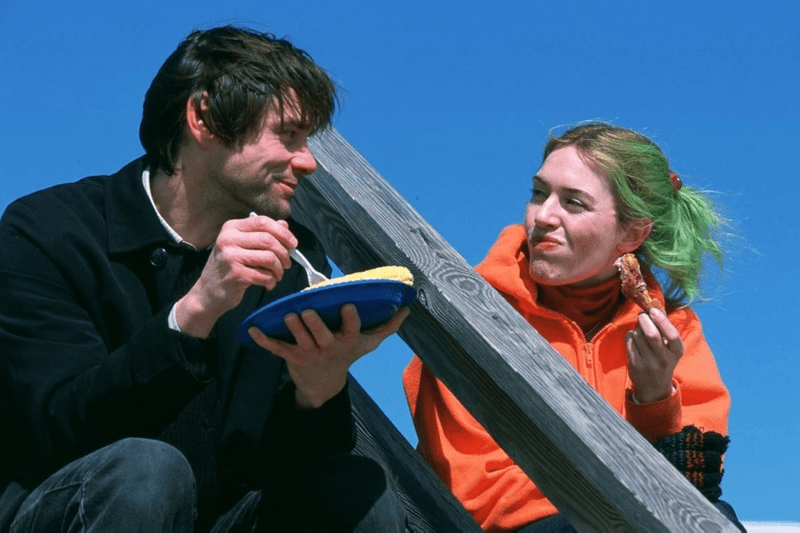
Michel Gondry used in-camera practical tricks instead of CGI to visualize the crumbling architecture of a man’s erased memories — and the result felt more emotionally real than any digital effect could have managed. The film’s technical creativity perfectly served its heartbreaking story.
What began as a beloved indie cult classic has since grown into one of the most influential romance films of the 21st century. It demonstrated that science fiction premises could be intimate rather than epic, and that love stories could be told backwards, sideways, and inside-out.
15. Scott Pilgrim vs. the World (2010)
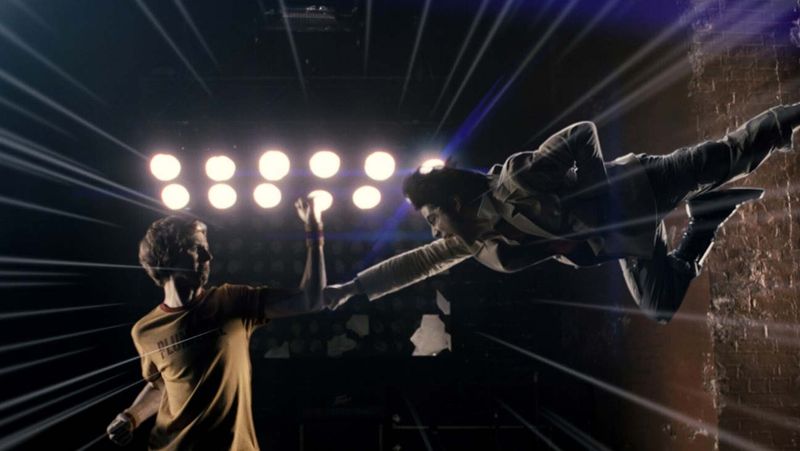
Edgar Wright edited this film like a video game running at maximum speed — comic book panels, 8-bit sound effects, and split-second visual gags stacked so densely that first-time viewers genuinely miss things. Rewatching it isn’t optional; it’s basically required.
When it flopped at the box office in 2010, nobody predicted it would become a defining cult classic of the entire decade. Its visual language influenced countless music videos, commercials, and films that followed, proving that a movie can lose the opening weekend battle and still win the cultural war decisively.
16. Repo Man (1984)
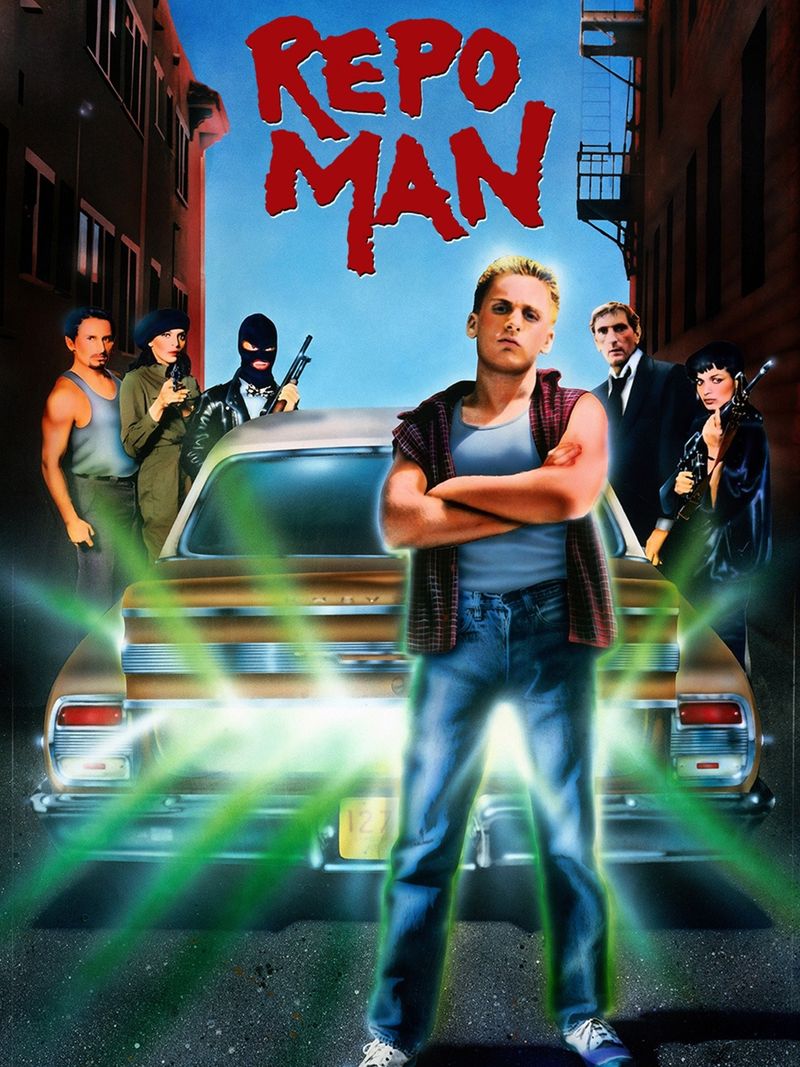
Punk rock attitude, alien conspiracies, and deadpan street-level satire — Repo Man jammed all of it into a grimy Los Angeles setting and somehow made it feel completely coherent. Director Alex Cox made the film for almost nothing using guerrilla filmmaking techniques that matched the punk ethos perfectly.
The film became a masterclass in how a movie’s production style can mirror its cultural message. Its deliberately rough edges weren’t limitations — they were the point, making Repo Man one of the most authentic expressions of 1980s American counterculture ever committed to film.
17. Brazil (1985)
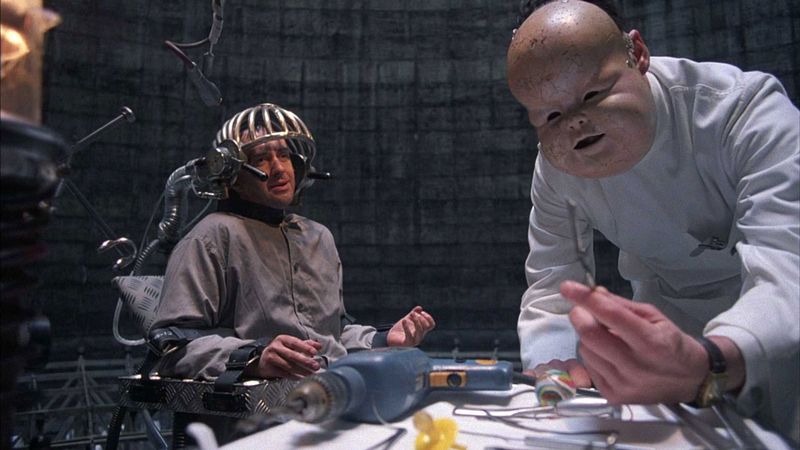
Terry Gilliam built a dystopia out of paperwork, broken heating ducts, and suffocating bureaucracy — and made it feel terrifyingly familiar. Brazil imagined a future that looked backward, cluttered with retro technology and ruled by administrative incompetence taken to its logical, monstrous extreme.
The film’s production design alone was a cinematic achievement, creating an entire world from scratch on a modest budget. Gilliam’s battle with Universal Studios over the final cut became legendary in Hollywood, turning Brazil into a symbol of artistic integrity fighting against corporate creative control.
18. The Evil Dead (1981)
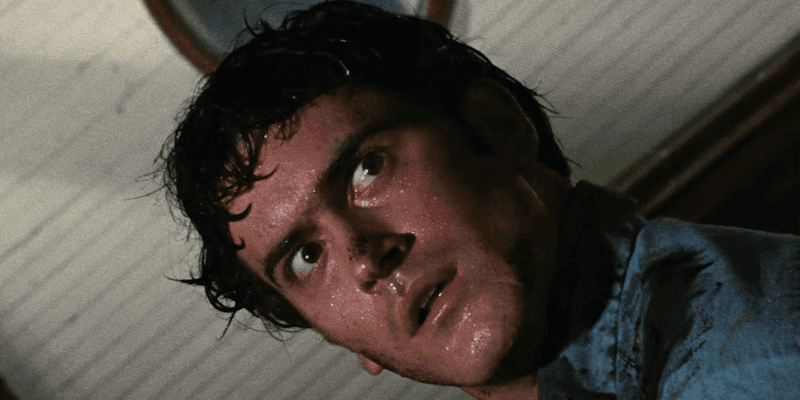
Sam Raimi was 21 years old when he dragged his friends into the Tennessee woods and made one of the most influential horror films ever created on a budget of roughly $375,000. The sheer inventiveness of the camerawork — trees with eyes, impossible angles, relentless kinetic energy — announced a major filmmaking talent immediately.
The Evil Dead launched a beloved franchise and became the godfather of horror-comedy as a genre. Countless scary movies since have traced their DNA directly back to Raimi’s cabin in the woods and his refusal to let budget limit imagination.
19. Rosemary’s Baby (1968)
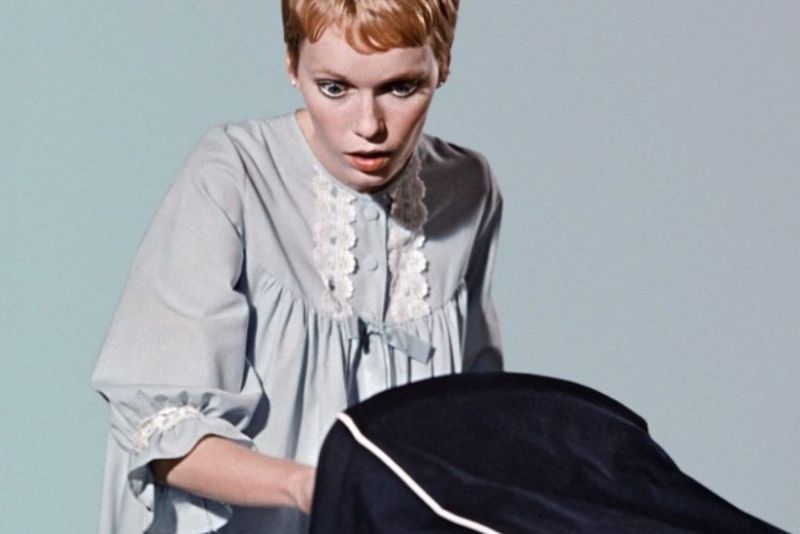
Roman Polanski moved horror out of crumbling gothic castles and placed it inside a bright, modern Manhattan apartment — and that relocation made everything ten times more frightening. Evil wasn’t hiding in some faraway haunted place; it was living next door and borrowing your sugar.
The film served as a genuine wake-up call for the entire genre, proving that psychological dread rooted in everyday domestic settings could be more effective than any monster. Its influence reshaped horror permanently, paving the way for films like Get Out and Hereditary decades later.