
Hollywood casting decisions can spark massive debates long before a movie even hits theaters. Sometimes a choice feels so wrong that fans flood studios with angry letters, while other times a seemingly terrible pick turns into a legendary performance.
From yellowface controversies to nepotism accusations, these casting moments changed how we talk about representation, fairness, and talent in film. Here are 15 casting choices that had everyone talking.
1. Mickey Rooney as Mr. Yunioshi in Breakfast at Tiffany’s (1961)
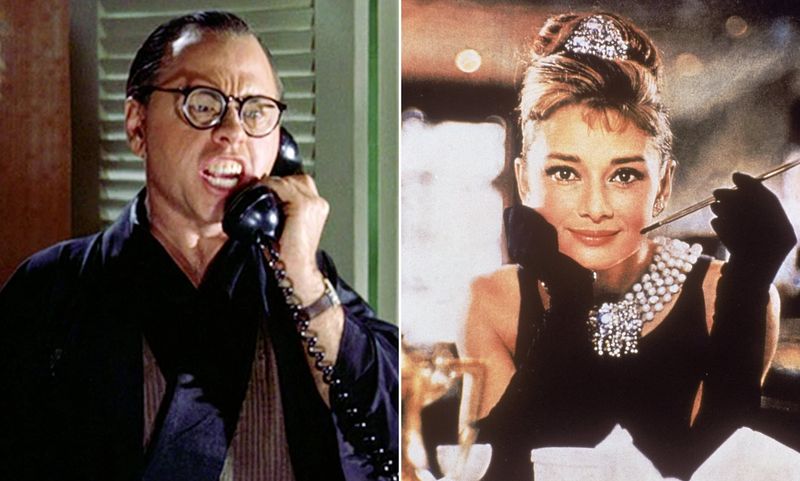
Few casting decisions have aged as badly as this one. Mickey Rooney wore prosthetic eyelids, exaggerated makeup, and buck teeth to play Mr. Yunioshi, a Japanese character, despite being a white actor.
The performance leaned hard into harmful stereotypes.
Today, film courses study this role as a cautionary example of Hollywood’s yellowface era. Rooney himself later admitted feeling embarrassed by the portrayal, calling it something he deeply regretted taking on.
2. Scarlett Johansson as Major Motoko Kusanagi in Ghost in the Shell (2017)
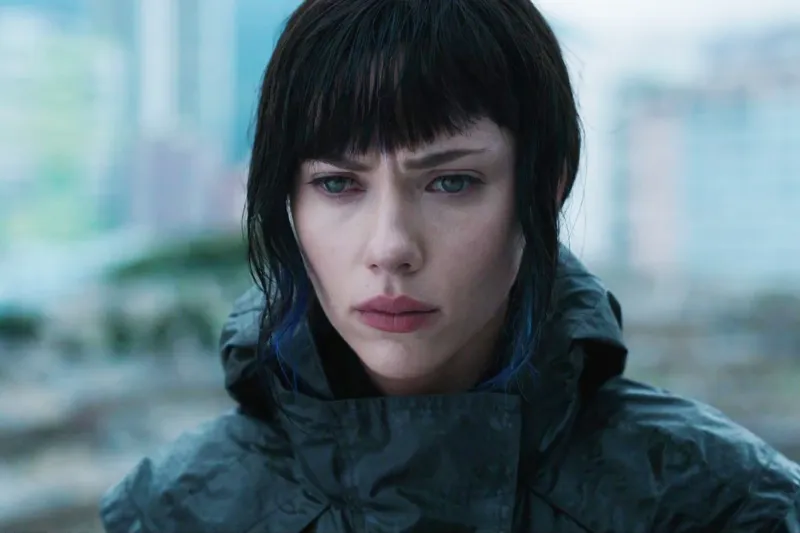
Casting Scarlett Johansson as a Japanese character from a beloved manga and anime series set off a fierce whitewashing debate. Critics argued that an Asian actress deserved the role, especially given the character’s deep cultural roots in Japanese storytelling.
The filmmakers tried to address the controversy within the plot itself, but that move backfired and felt tone-deaf to many viewers. The backlash noticeably affected how the film was received at the box office.
3. Emma Stone as Allison Ng in Aloha (2015)

Allison Ng was written as a character of Hawaiian and Chinese descent, so casting Emma Stone raised immediate questions about authenticity. Audiences noticed right away, and the criticism spread quickly across social media and entertainment news outlets.
Director Cameron Crowe later issued a public apology, acknowledging the misstep and taking full responsibility. Stone also expressed regret.
The situation became a broader conversation about how Hollywood writes and casts characters from underrepresented ethnic backgrounds.
4. Johnny Depp as Tonto in The Lone Ranger (2013)
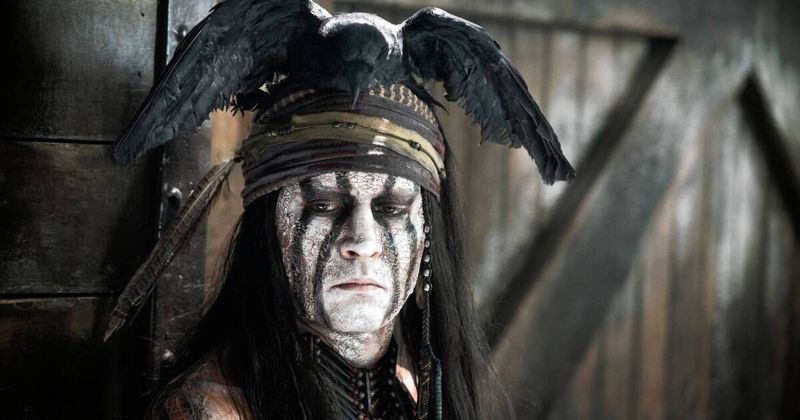
Playing Tonto, a Native American character, put Johnny Depp at the center of a cultural appropriation storm. Although Depp claimed partial Cherokee ancestry, critics were unconvinced, pointing to his exoticized costume and performative portrayal as more caricature than tribute.
Indigenous advocacy groups pushed back hard, noting that Hollywood has a long history of sidelining actual Native actors. The debate reignited important conversations about who gets to tell Indigenous stories on screen.
5. Jake Gyllenhaal as Prince Dastan in Prince of Persia: The Sands of Time (2010)
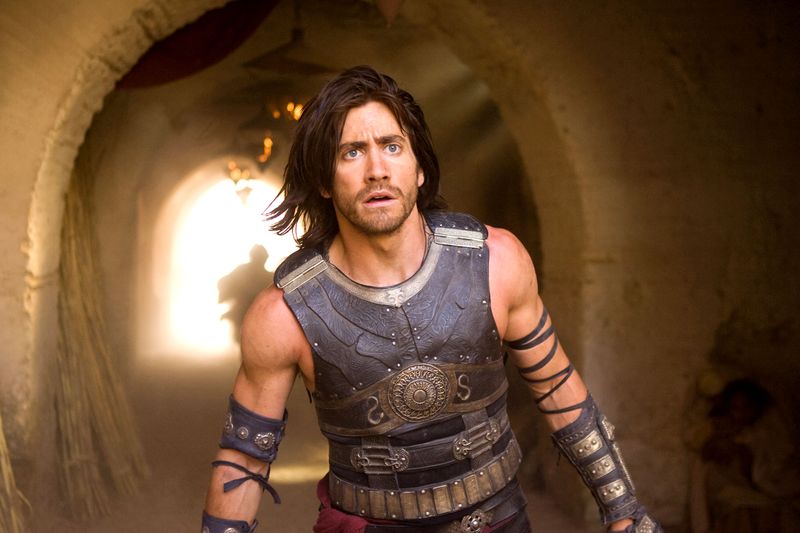
Casting a white American actor to play a Persian prince drew sharp criticism from Middle Eastern communities and film scholars alike. Jake Gyllenhaal wore a tan and period costume, but critics argued the role should have gone to an actor with authentic cultural ties to the region.
Gyllenhaal later reflected on his decision and acknowledged the concerns surrounding cultural appropriation. The film became a go-to example in discussions about Hollywood’s habit of casting white actors in non-white roles.
6. Zoe Saldana as Nina Simone in Nina (2016)
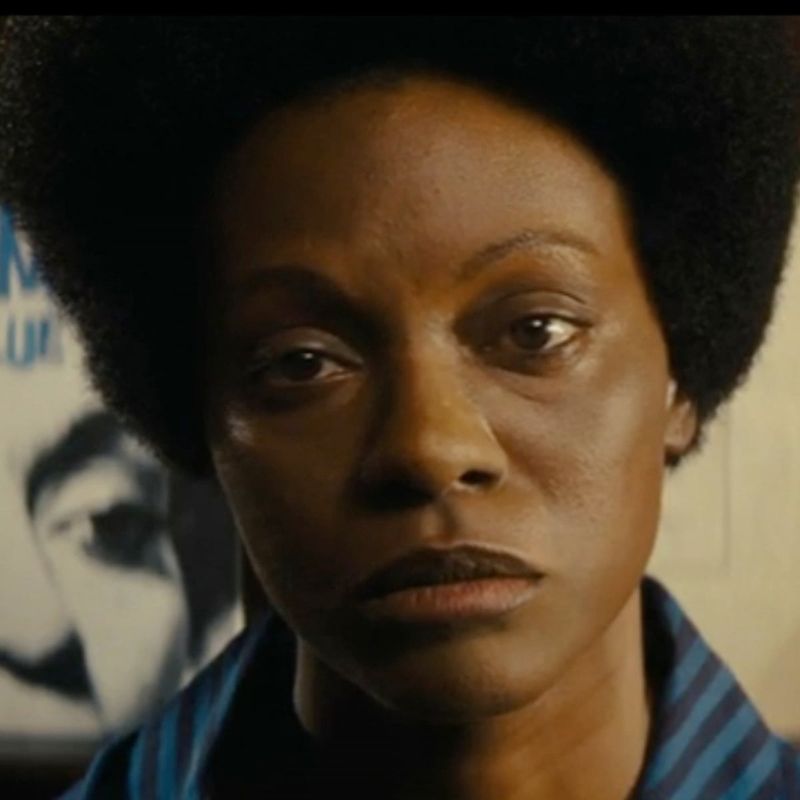
Nina Simone was a musical icon with a distinctive look and powerful voice, so casting Zoe Saldana felt jarring to many fans from the start. Saldana wore a prosthetic nose and had her skin darkened for the role, choices that sparked immediate outrage.
Simone’s own estate publicly condemned the casting decision. Critics questioned both the physical transformation and Saldana’s singing background, arguing the role demanded someone far closer to Simone’s lived experience and appearance.
7. Eddie Redmayne as Lili Elbe in The Danish Girl (2015)
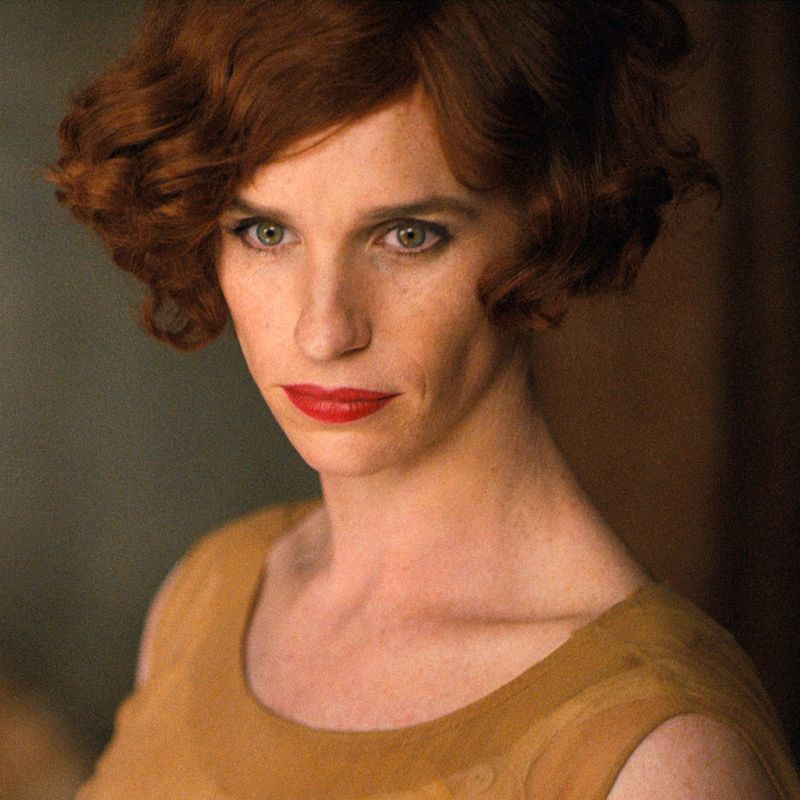
Lili Elbe’s story is a landmark moment in transgender history, which made the casting of cisgender actor Eddie Redmayne all the more controversial. Many in the trans community felt the role should have gone to a transgender actress who could bring authentic personal experience to the part.
Redmayne later expressed regret, saying he would not take the role today. His statement reflected a growing industry shift toward more thoughtful and inclusive casting practices for trans and non-binary stories.
8. Ben Platt as Evan Hansen in Dear Evan Hansen (2021)
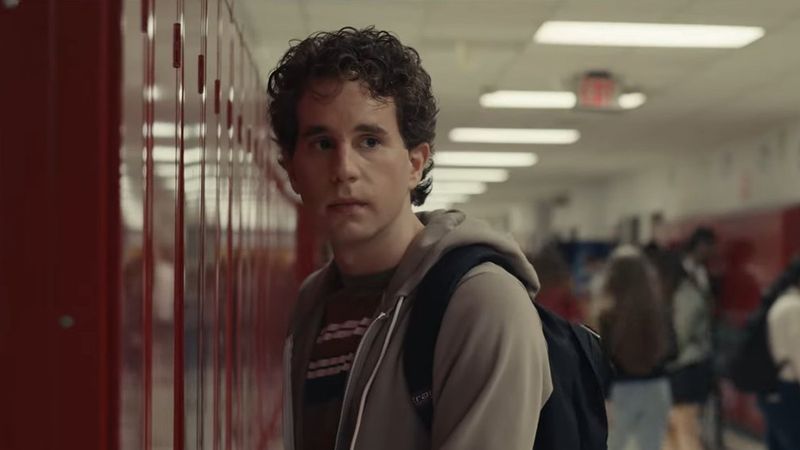
Ben Platt originated the role of Evan Hansen on Broadway, but bringing him to the film version at age 27 was a decision that most audiences simply could not accept. The age gap between actor and character was impossible to ignore on the big screen.
Adding fuel to the fire was the fact that Platt’s father produced the film, prompting nepotism accusations. Poor box office numbers and multiple Razzie nominations made this one of the most mocked casting choices of recent years.
9. Jennifer Lawrence as Katniss Everdeen in The Hunger Games (2012)
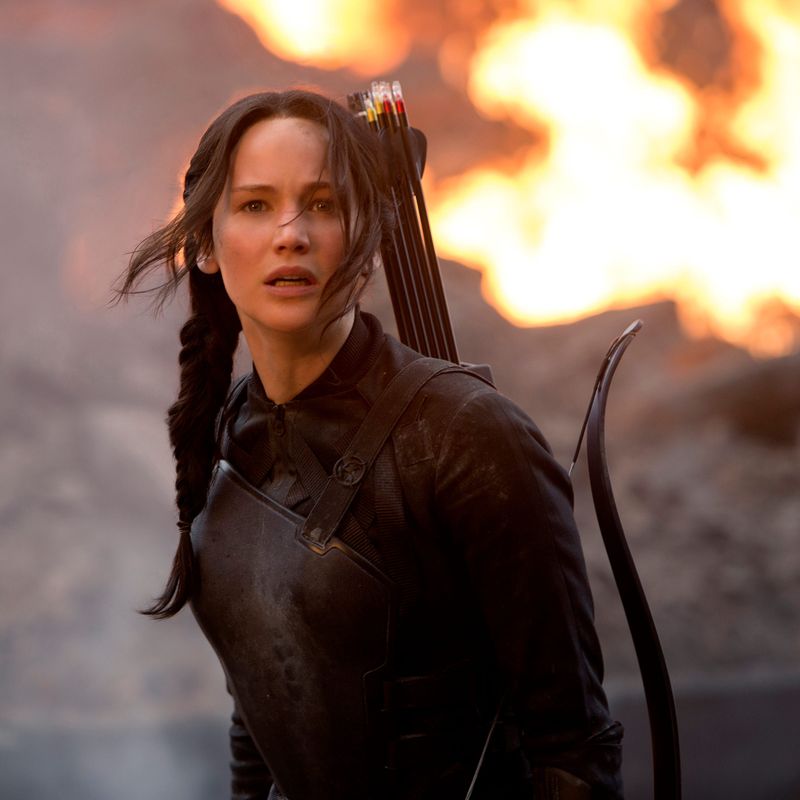
Book fans had strong opinions about Katniss Everdeen long before any actress was announced. The character was described with olive skin and dark hair, so casting blonde Jennifer Lawrence immediately stirred up complaints across fan forums and social media.
Lawrence dyed her hair and trained intensively for the physical demands of the role. Once audiences actually saw her performance, most critics and fans came around quickly.
Her portrayal is now widely praised as one of the best YA adaptations ever committed to film.
10. Heath Ledger as The Joker in The Dark Knight (2008)
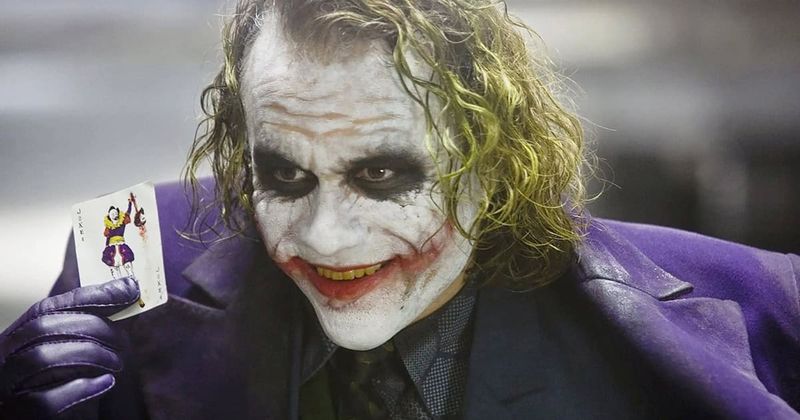
Before The Dark Knight released, fans were furious. Heath Ledger was known for romantic dramas and lighter fare, so casting him as the Joker felt like a bizarre gamble to most Batman loyalists who expected a more menacing, experienced choice for the iconic villain role.
What followed was one of cinema’s greatest surprises. Ledger’s haunting, unpredictable performance silenced every critic and earned him a posthumous Academy Award.
His Joker remains the gold standard for comic book villain portrayals decades later.
11. Daniel Craig as James Bond in Casino Royale (2006)
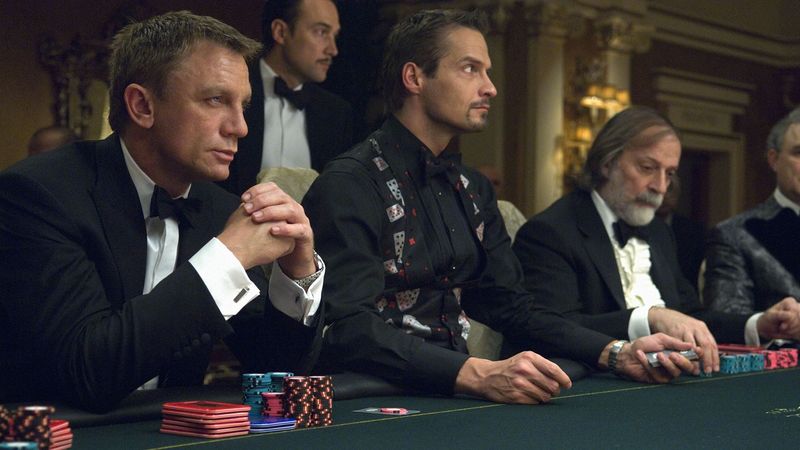
When Daniel Craig was announced as the new James Bond, the reaction was brutal. Fans and tabloids questioned everything about him, from his blonde hair to his build, insisting he lacked the suave charisma the role demanded.
A petition even circulated against his casting.
Casino Royale proved every doubter spectacularly wrong. Craig brought a raw, grounded intensity that reinvented Bond for a modern audience.
His run as 007 is now considered one of the most successful reboots in franchise history.
12. Michael Keaton as Batman in Batman (1989)
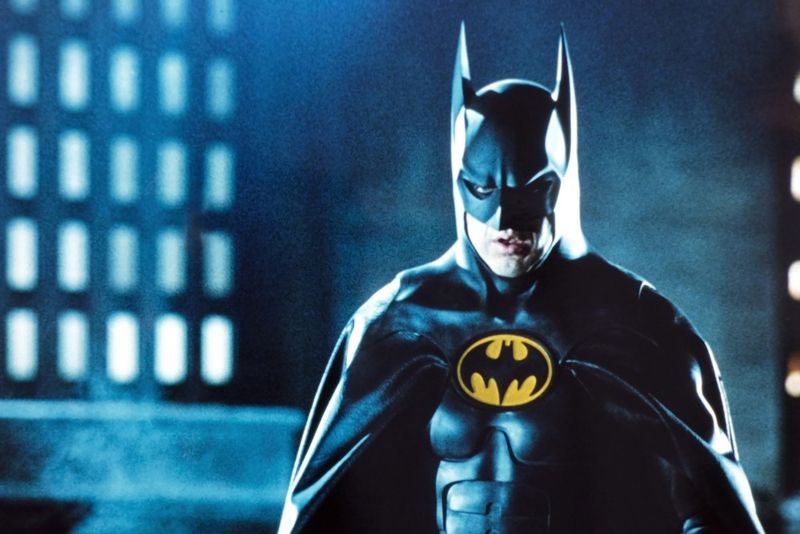
Over 50,000 protest letters flooded Warner Bros. offices when Michael Keaton was cast as Batman. Fans knew him mostly from comedies like Beetlejuice and Mr. Mom, and the idea of a funny guy putting on the Dark Knight’s cape felt almost insulting to devoted comic book readers.
Director Tim Burton stood firm, and Keaton delivered a brooding, magnetic performance that shocked everyone. That film helped launch the modern superhero movie era and proved that casting against type can sometimes produce pure movie magic.
13. Rooney Mara as Tiger Lily in Pan (2015)
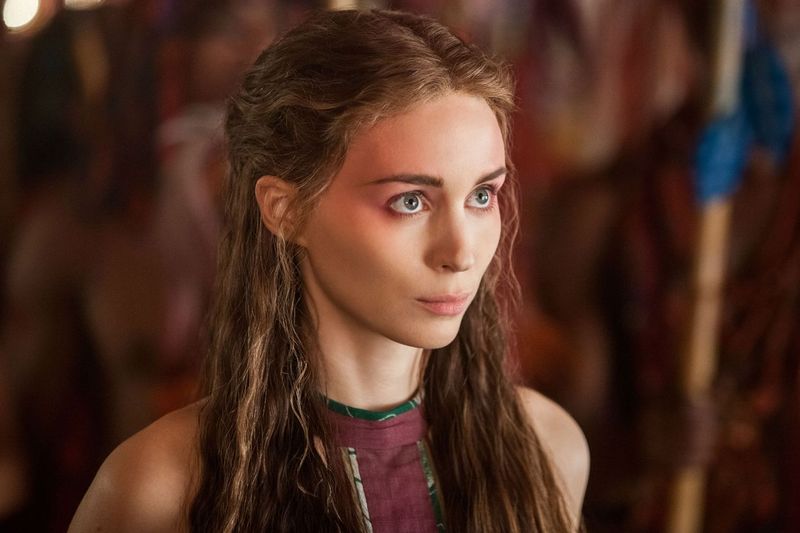
Tiger Lily has traditionally been depicted as a Native American character, so casting white actress Rooney Mara felt like a step backward for Hollywood diversity efforts. The decision drew swift criticism from Indigenous advocacy groups and representation activists alike.
Mara later acknowledged her regret over accepting the role, and director Joe Wright also faced pointed criticism. The controversy around Pan became part of a larger industry conversation about why diverse characters keep getting handed to white actors.
14. Sofia Coppola as Mary Corleone in The Godfather Part III (1990)
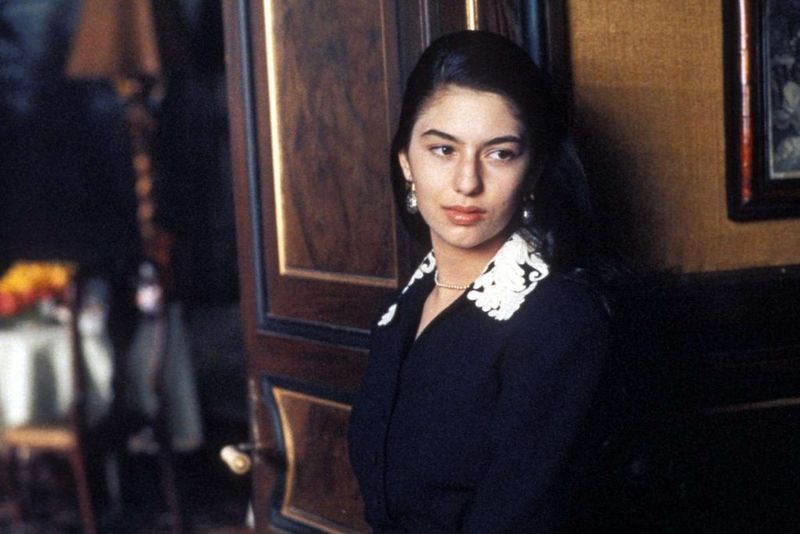
Francis Ford Coppola stepped into controversy when he cast his own daughter, Sofia, as Mary Corleone after other actresses fell through. Critics were merciless, describing her performance as flat and emotionally hollow in a film that demanded powerful dramatic energy throughout.
Many fans felt her presence weakened an otherwise strong film, calling it an obvious case of nepotism. Sofia Coppola later found remarkable success as a director, but this early acting experience remains one of Hollywood’s most referenced examples of behind-the-scenes favoritism gone wrong.
15. John Wayne as Genghis Khan in The Conqueror (1956)
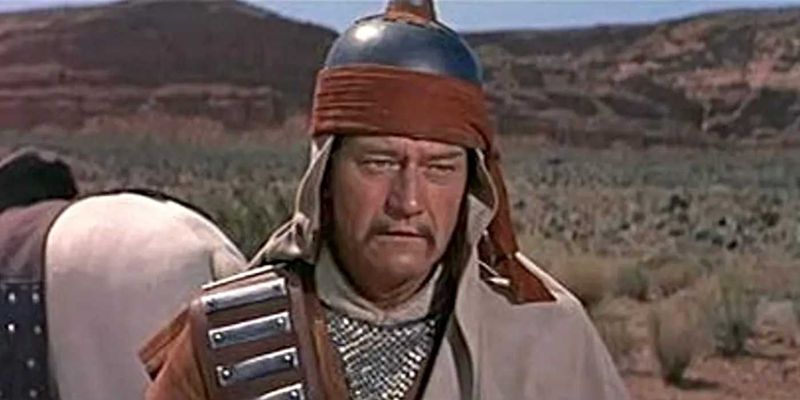
Putting John Wayne in the role of Mongolian ruler Genghis Khan is widely considered one of the most baffling miscasting decisions in Hollywood history. Wayne, famous for cowboy drawls and Western swagger, brought none of the cultural authenticity the role required.
The result was painful to watch and even Wayne himself later admitted the part was wrong for him. The film is now a textbook example of old Hollywood’s reckless disregard for cultural accuracy and its troubling habit of casting white stars in roles from other ethnicities.