
Kids may not remember every toy you bought them or every vacation you planned, but they will remember how you made them feel. The little everyday moments, the way you showed up, and the warmth you gave them quietly shape who they become.
Parenting is less about being perfect and more about being present. Here are 15 meaningful things your child will carry with them long after they have grown up.
1. Your Warmth and Affection
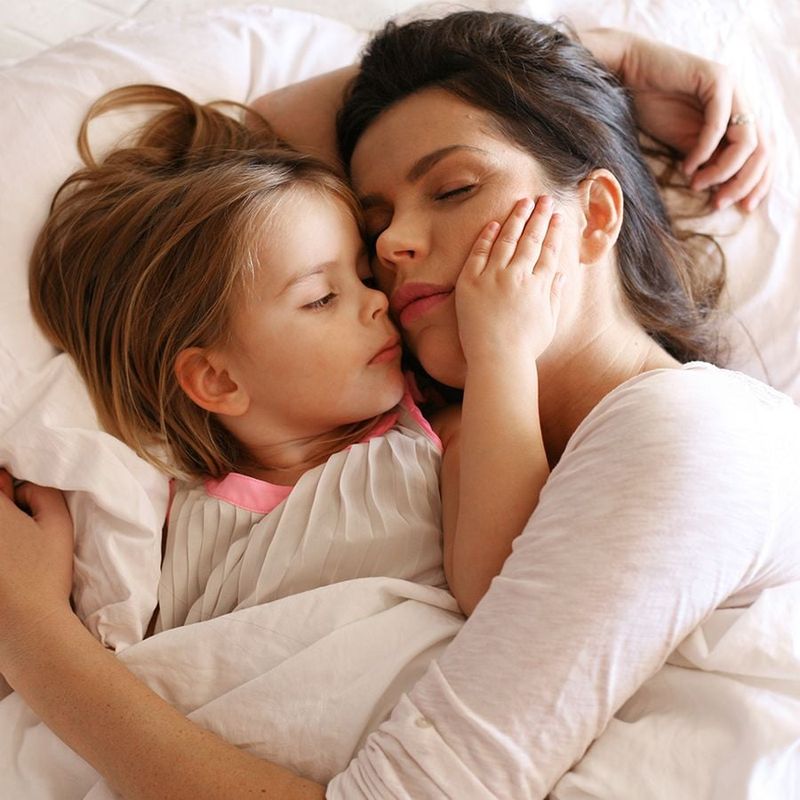
A simple hug can do more than any gift ever could. Research shows that children who receive consistent warmth from their parents grow up healthier, less anxious, and more emotionally stable.
That physical closeness tells a child’s brain, “You are safe and loved.”
Affection between ages 5 and 10 can shape a child’s personality for life. So hold them tight, say “I love you” often, and never underestimate the power of a warm smile from across the room.
2. The Emotional Climate of Your Home
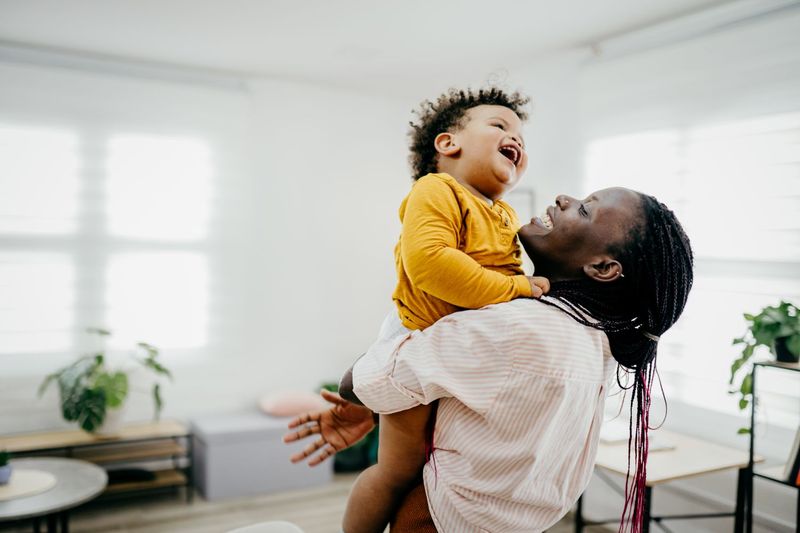
Your child may forget what you said during dinner, but they will never forget how your home felt to be in. Was it a place of laughter and ease, or tension and walking on eggshells?
Children absorb the emotional atmosphere around them like a sponge.
That invisible “weather” inside your walls shapes their sense of security. Building a home filled with kindness, calm, and genuine connection gives your child an emotional foundation they will carry forever.
3. How You Handled Conflict
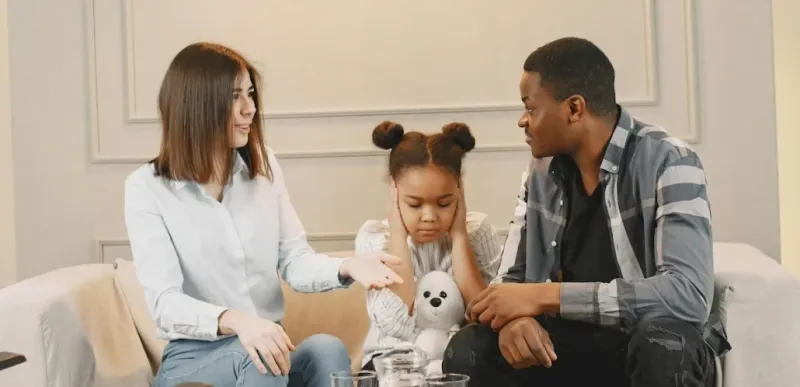
Kids notice everything, especially how adults fight. More than whether arguments happened, children remember how they ended.
Did someone say sorry? Did both sides listen?
Was there a repair, or did silence take over for days?
Watching parents work through conflict with respect teaches children that disagreements do not have to be destructive. Modeling calm communication and genuine apologies gives your child a powerful blueprint for handling tension throughout their own life.
4. Letting Them Be Themselves
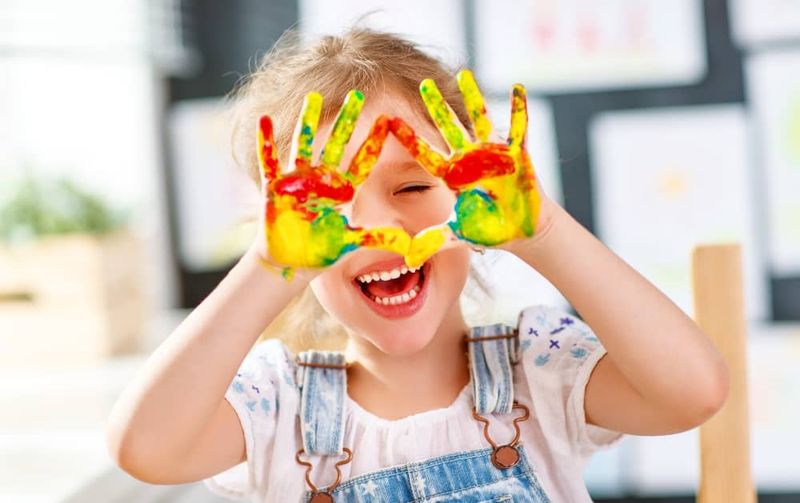
There is a quiet kind of confidence that grows in a child who knows their parent truly accepts them. When kids feel free to be loud, quirky, sensitive, or bold without being corrected into something more convenient, they thrive.
Acceptance is not just about big moments. It shows up in the small ones, like not rolling your eyes at their obsessions or letting them wear the mismatched outfit they chose themselves.
That freedom to be real is unforgettable.
5. Cheering Them On

Showing up matters more than winning. Whether it was a school play, a science fair, or a clumsy first soccer game, children remember the parent who was there in the crowd, cheering louder than anyone else.
That kind of support sends a message that goes beyond the event itself. It says, “What matters to you, matters to me.” Those memories of feeling seen and celebrated stay with kids well into adulthood, fueling their confidence in quiet but lasting ways.
6. Your Everyday Rituals and Habits
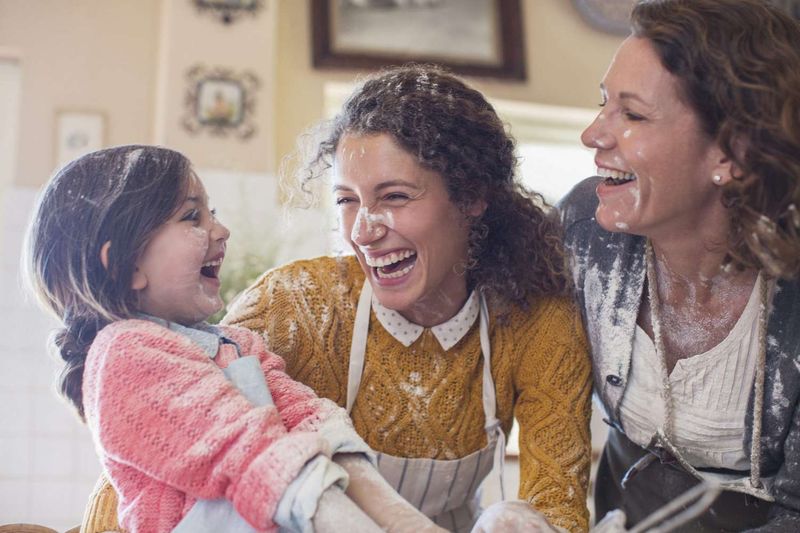
It was not the big vacations that your child will talk about decades later. More likely, it will be the terrible dad jokes at breakfast, the special way you said goodnight, or the silly song you always sang in the car.
Repetition gives rituals their power. These small, consistent moments create a comforting rhythm that children associate with love and safety.
They become anchors in memory, the kinds of things your grown-up child will one day recreate with their own kids.
7. Your Undivided Attention

Kids know the difference between a parent who is physically present and one who is truly there. When you put down your phone, made eye contact, and actually listened, your child felt it deeply.
That focused attention told them their world was worth your time.
Even just 15 to 20 minutes of real, distraction-free interaction each day can leave a lasting impression. Quality beats quantity every time, and your child will remember those moments of genuine connection for years to come.
8. How You Handled Hard Times

Life throws curveballs, and children are watching closely to see how their parents respond. When illness, loss, or hardship arrived, did you stay steady?
Did you comfort them, or did fear take over the room?
Children who feel protected during difficult moments develop a deep sense of resilience and trust. You do not have to have all the answers.
Simply staying calm, staying close, and saying “We will get through this together” becomes one of the most powerful memories they hold.
9. The Things You Said About Yourself

“I look terrible today.” “I am so bad at this.” Offhand comments parents make about themselves are picked up by little ears with surprising accuracy. Children internalize those words and often carry them as their own internal voice later in life.
Speaking kindly about yourself models healthy self-worth for your child. When you treat yourself with grace and humor rather than harsh criticism, you quietly teach your child to do the same.
Your self-talk becomes part of their inner dialogue too.
10. How You Treated Other People
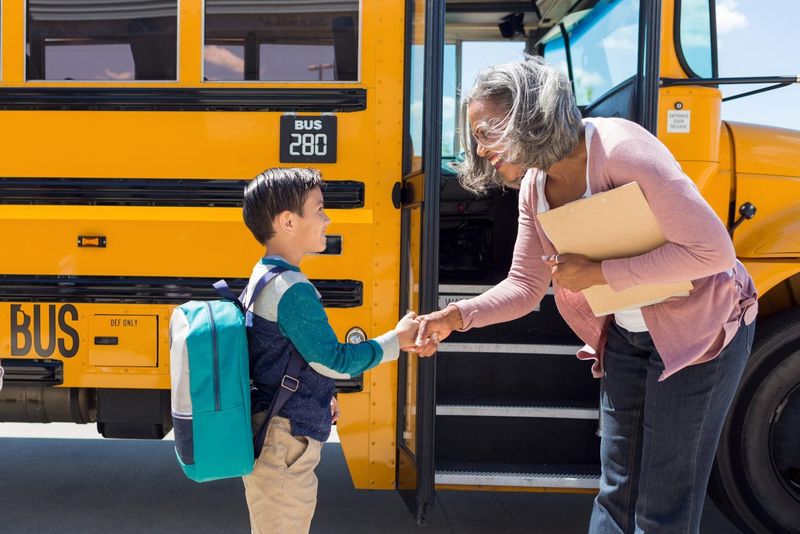
Your child was watching the way you spoke to the cashier, the patience you showed the slow driver, and whether you tipped kindly. Children build their understanding of how to treat other people almost entirely from watching you in action.
Kindness toward strangers, respect for service workers, and basic courtesy in everyday life teach your child more than any lecture ever could. Those quiet observations become the moral compass they carry into their own relationships and interactions as adults.
11. Being Truly Listened To
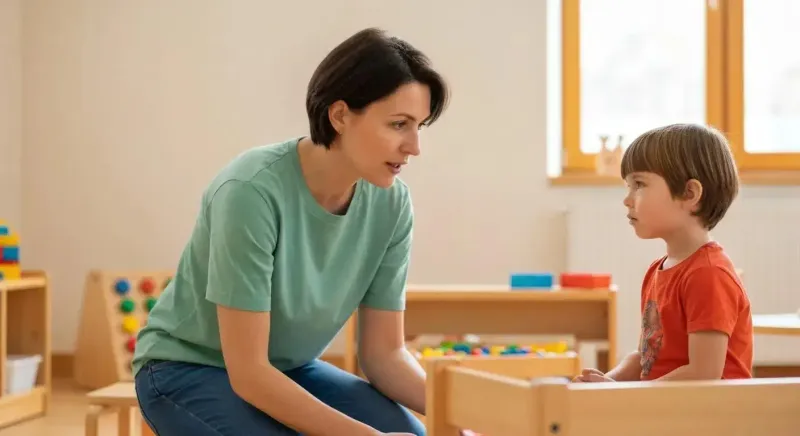
There is a world of difference between half-listening while scrolling and actually hearing what your child is saying. When you stopped, got down to their level, and responded with genuine curiosity, it told them something powerful: their thoughts matter.
Children who feel truly heard develop stronger emotional intelligence and greater self-confidence. The habit of listening without judgment creates a safe space where kids learn to trust both themselves and you.
That feeling of being understood is something they never forget.
12. Your Family Traditions

Ask any adult what they cherish most from childhood and traditions almost always come up. Sunday pancake mornings, the annual camping trip, movie nights with homemade popcorn.
These recurring rituals give children a sense of identity and belonging that sticks.
Traditions do not need to be elaborate or expensive. What makes them meaningful is the consistency and the feeling of togetherness they create.
Your child will grow up knowing they are part of something special, and that is a gift beyond measure.
13. Feeling Unconditionally Loved

Unconditional love is not about ignoring bad behavior. It is about making sure your child always knows that your love does not depend on their performance, grades, or choices.
That security changes everything about how they move through the world.
Kids who feel unconditionally loved grow up with stronger empathy, healthier relationships, and better emotional resilience. Telling your child “I love you no matter what” and meaning it in the hard moments as much as the easy ones is the greatest gift a parent can give.
14. Teaching Them Life Skills
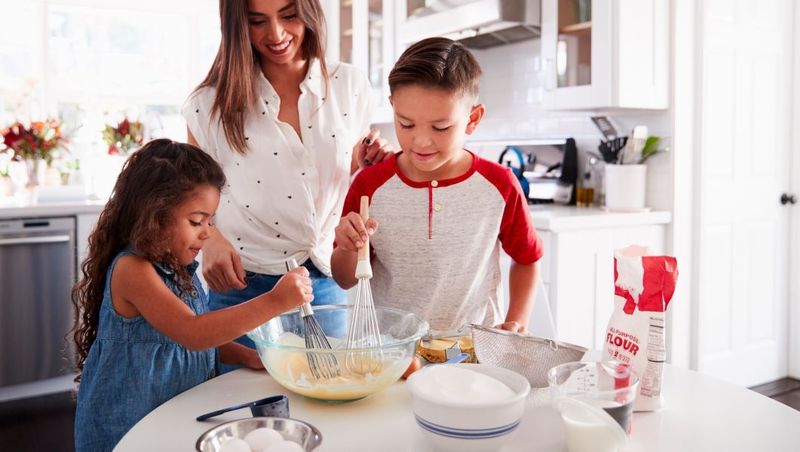
Remember the first time someone taught you to ride a bike or scramble an egg? Those moments of guided learning feel small at the time, but they leave a lasting mark.
Children remember the parent who took time to teach them how to do things for themselves.
Beyond the skill itself, those lessons communicate trust and belief in their capability. Whether it was cooking, fixing something broken, or managing money, the confidence built in those shared learning moments follows your child straight into adulthood.
15. Simply Spending Time Together
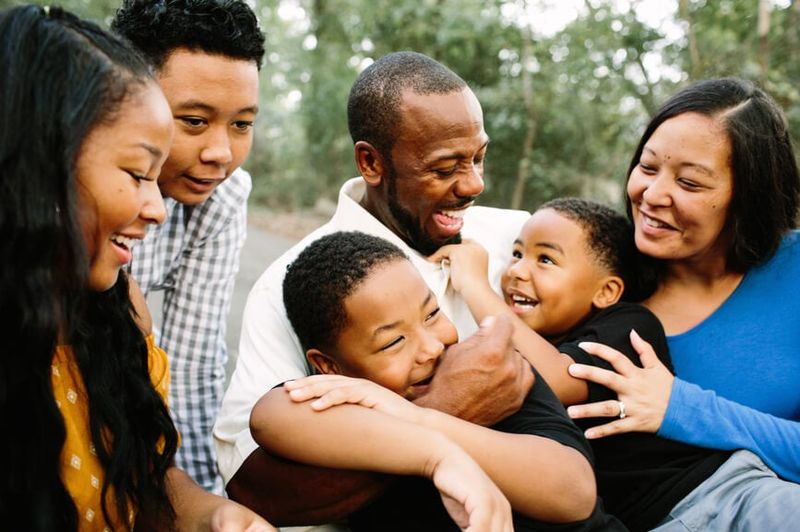
Above all else, children want their parents. Not the upgraded version, not the one with more patience or better answers.
Just you, present and available. Studies consistently show that time spent together, especially in those early years, shapes self-esteem, emotional regulation, and a child’s overall sense of worth.
You do not need a plan or a destination. A walk, a shared snack, or an evening on the porch can be deeply meaningful.
Presence is the one thing no gift can replace.