
Language is always changing, and every generation leaves behind its own colorful words and sayings. Baby Boomers grew up with phrases that made perfect sense in their time, but today those same expressions can leave younger people completely puzzled.
From references to old technology to long-forgotten pop culture, these sayings are a fascinating window into the past. Here are 19 phrases that Boomers still use that might make you scratch your head.
1. Don’t Touch That Dial
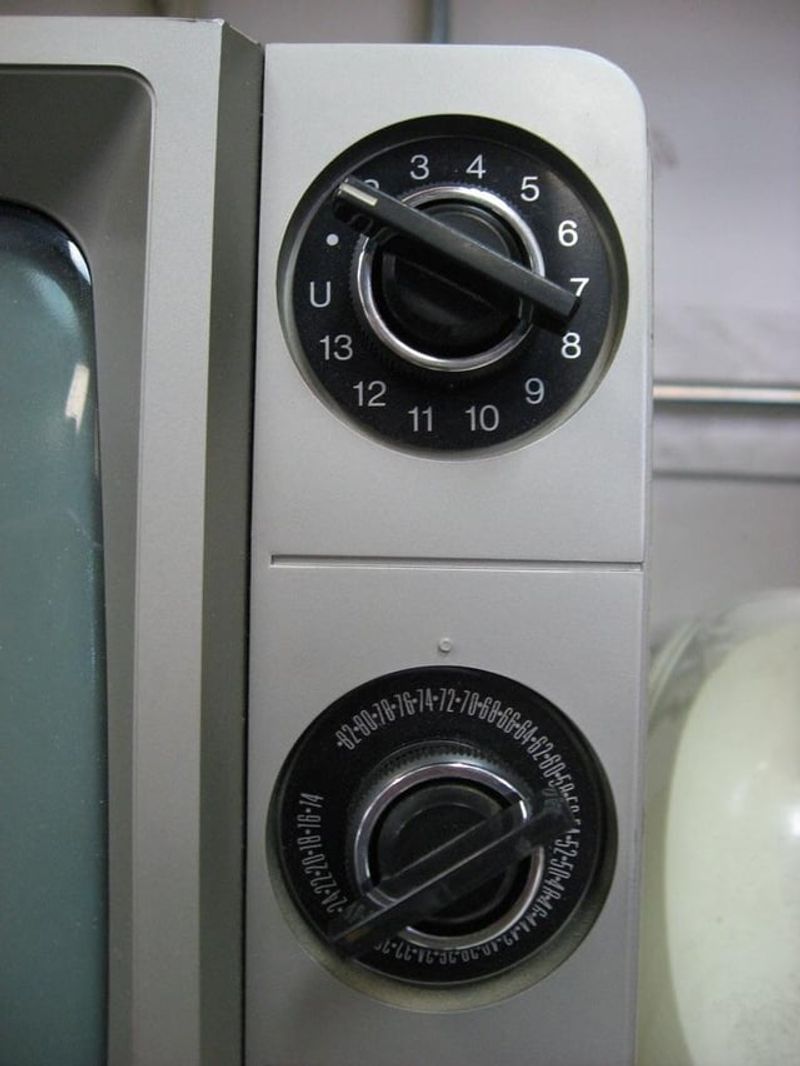
Picture a world where changing the channel meant walking up to the TV and physically turning a knob. That was everyday life for Boomers.
When someone says “don’t touch that dial,” they mean stay on the current channel. But younger viewers raised on remote controls and streaming apps have never seen a TV dial in real life, making this phrase feel like it came straight out of a museum exhibit.
2. Adjust the Rabbit Ears
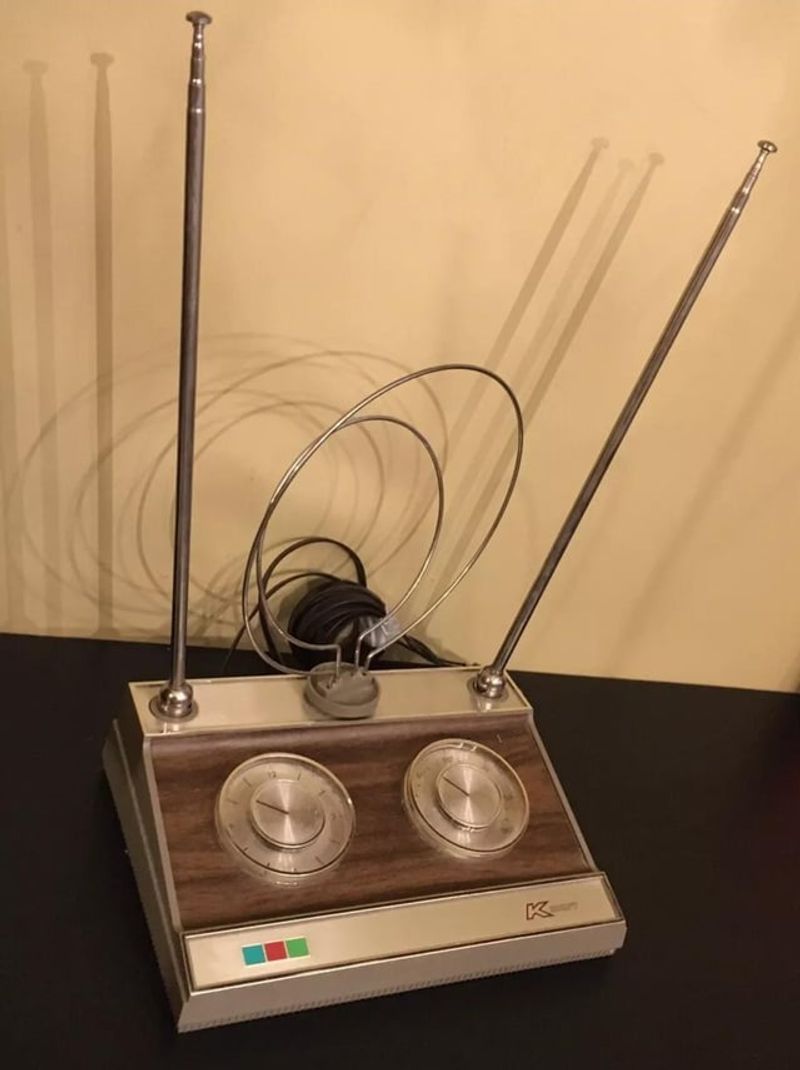
Before Wi-Fi and cable, getting a clear TV picture was basically a sport. Families would twist and bend two metal antennas on top of their television sets, hoping for a less snowy image.
Those antennas were called “rabbit ears” because of their shape. Today, with digital streaming and smart TVs everywhere, the idea of physically wrestling with an antenna for better reception sounds almost unbelievable to younger generations.
3. Sounds Like a Broken Record
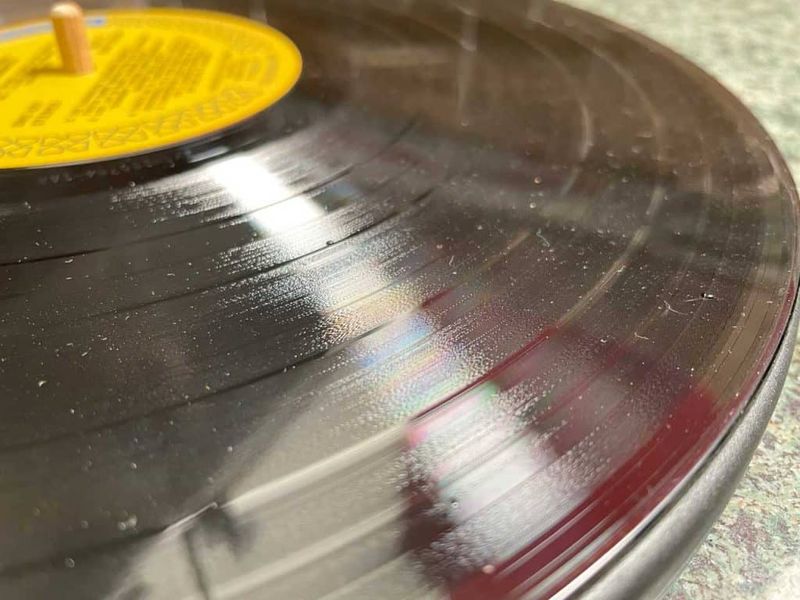
Vinyl records were the main way people listened to music for decades. When a record got scratched, the needle would get stuck and replay the same sound over and over again.
Saying someone “sounds like a broken record” means they keep repeating themselves. Kids who grew up with Spotify or Apple Music have likely never experienced a skipping record, so this phrase can feel oddly specific and completely random.
4. That Was an E Ticket Ride
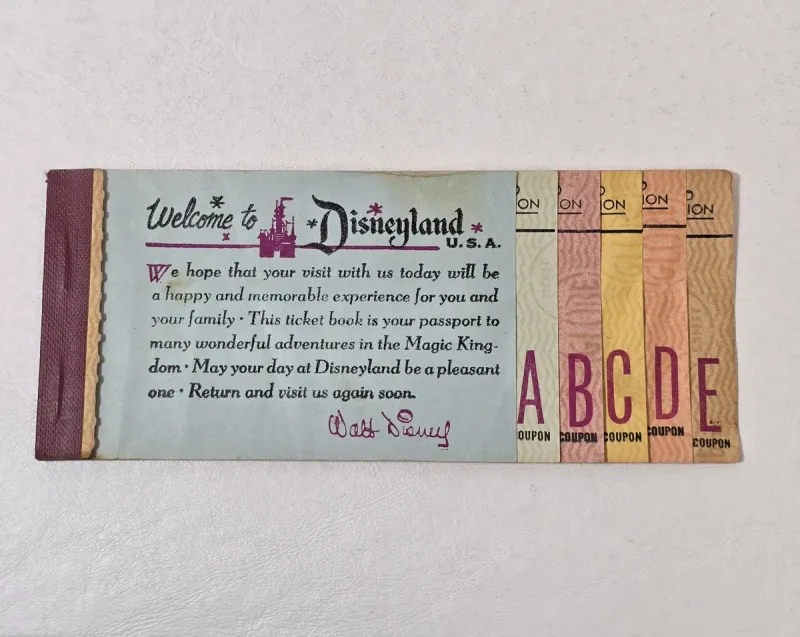
Back in the early days of Disneyland, guests bought booklets of tickets labeled A through E, with E Tickets being reserved for the most thrilling rides. Calling something an “E Ticket ride” means it was an incredibly exciting experience.
Disneyland dropped this ticketing system in 1982, so anyone born after that era has zero context for this phrase. To them, it just sounds like an airline boarding pass reference.
5. Dial Tone
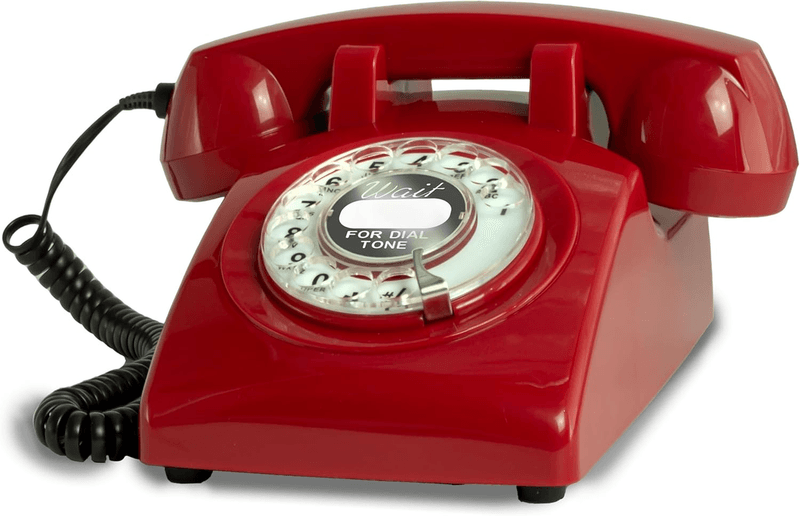
Picking up a landline phone used to produce a steady humming sound that told you the line was ready to use. That sound was the dial tone, and it was completely familiar to anyone who grew up with a home telephone.
Today, most young people have only ever used cell phones, which have no dial tone at all. Mentioning a dial tone in conversation can genuinely confuse someone who has never owned a landline.
6. Carbon Copy (CC)
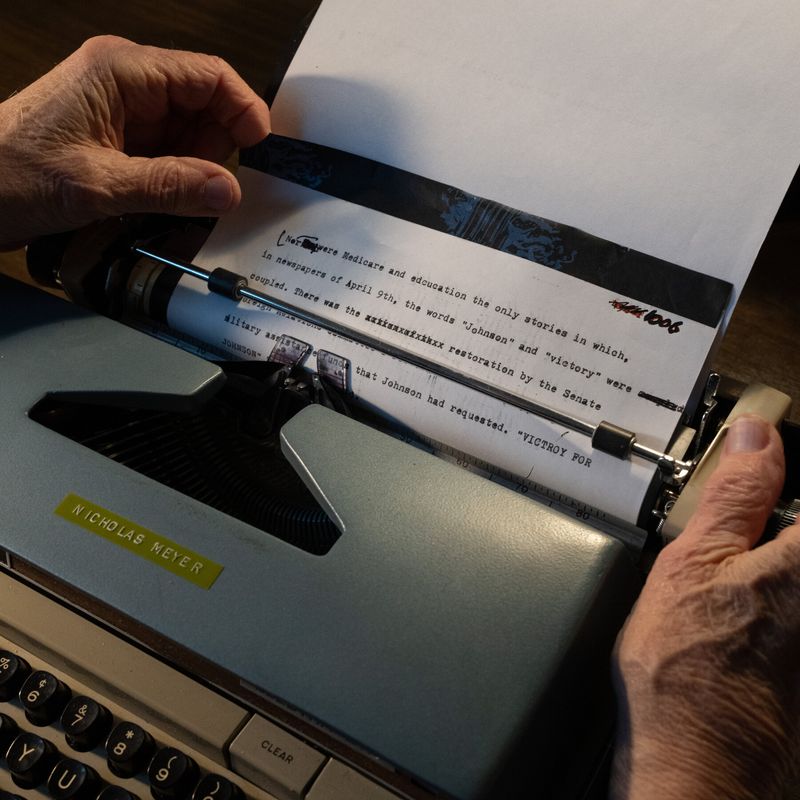
Long before the copy machine, people used thin black carbon paper sandwiched between sheets to duplicate handwritten or typed documents. The copy produced was called a carbon copy.
That term eventually became “CC” in the world of email, meaning a message was sent to an additional recipient. Most people click CC without thinking twice, but the actual origin involving smudgy black paper is a mystery to nearly everyone under 40.
7. Put a Sock in It
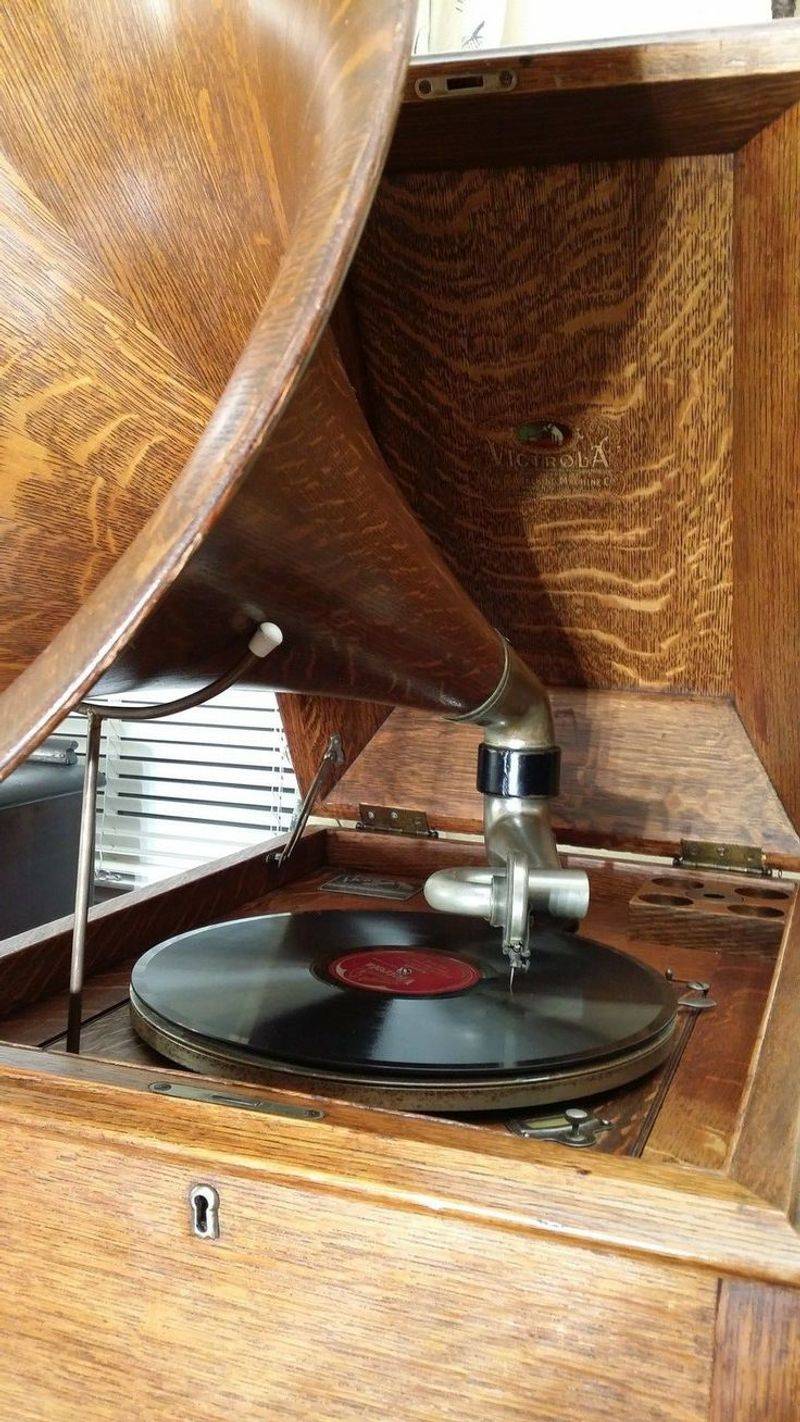
Here is a phrase with a genuinely weird backstory. Early gramophones had large horn-shaped speakers, and people discovered that stuffing a sock into the horn would muffle the sound.
Over time, telling someone to “put a sock in it” became a colorful way of saying “be quiet.” Without knowing that quirky piece of audio history, this phrase sounds more like laundry advice than a request for silence, which is pretty amusing.
8. Mad as a Hatter
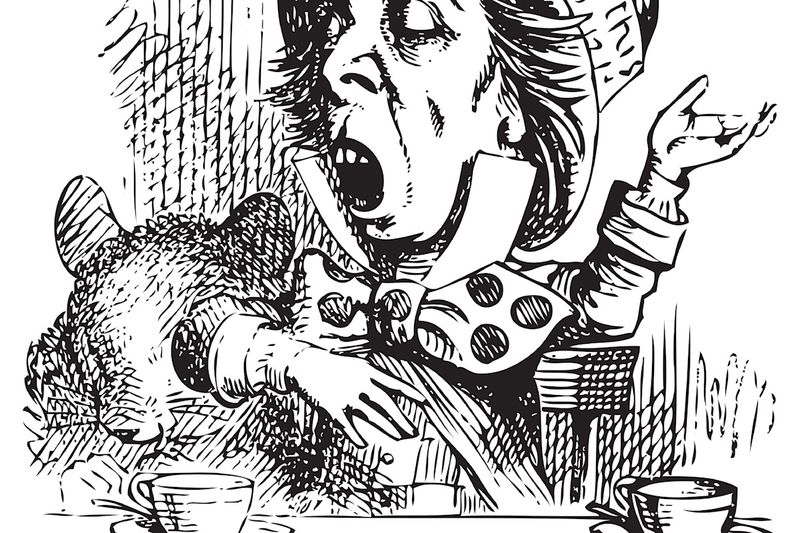
Hat makers in the 17th and 18th centuries used mercury to shape felt hats. Over time, mercury exposure caused serious neurological damage, leading to tremors, mood swings, and erratic behavior.
That is where the phrase “mad as a hatter” comes from. Lewis Carroll made it even more famous in Alice in Wonderland.
Still, most young people today associate it with the cartoon character rather than the genuinely dark industrial history behind it.
9. The Milkman’s Baby
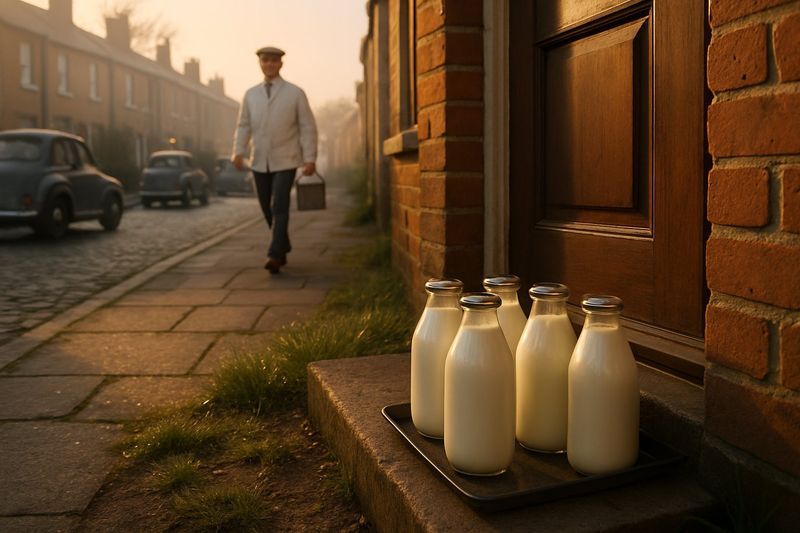
Decades ago, milkmen made daily deliveries right to people’s front doors. Because they visited homes regularly while husbands were at work, they became the subject of old jokes about infidelity.
Calling someone “the milkman’s baby” was a nudge-and-wink implication about a wife’s faithfulness. With home milk delivery practically extinct and gender roles dramatically changed, this expression now reads as both confusing and noticeably outdated to younger audiences.
10. Calling the Remote a “Gun”
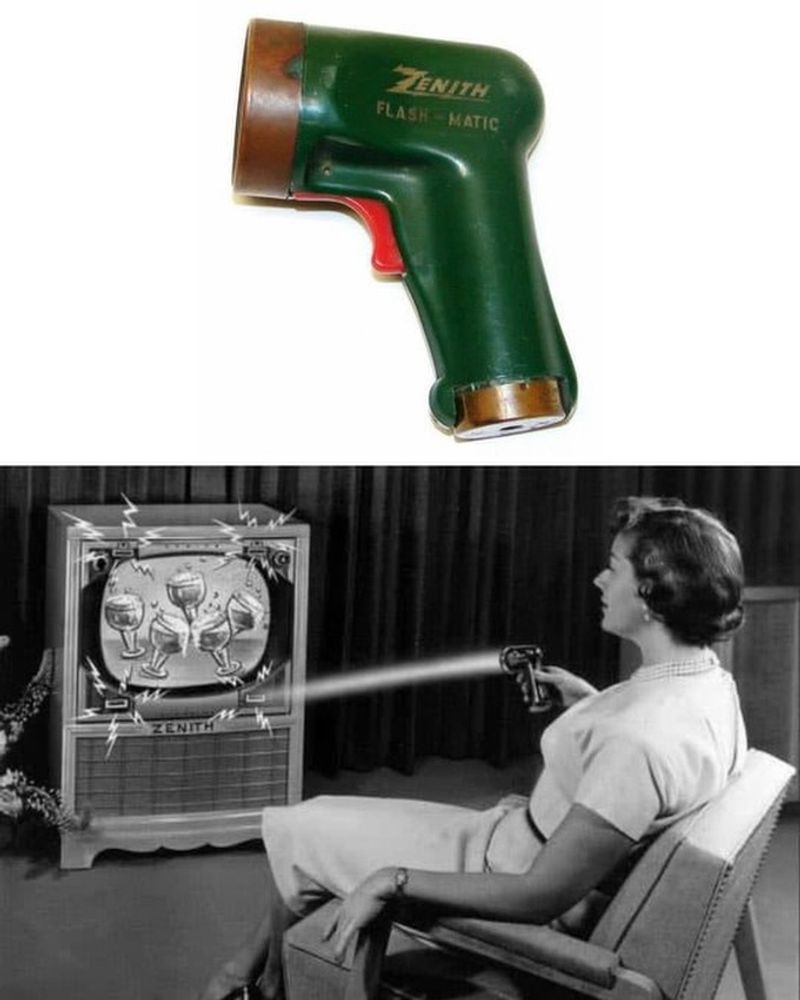
The very first TV remote, introduced by Zenith in 1955, was called the Flash-Matic and was shaped like a handheld ray gun. It was a futuristic design meant to feel exciting and space-age.
Some older viewers carried that “gun” nickname forward for decades. Today, sleek rectangular remotes look nothing like a firearm, so hearing someone casually ask for the “gun” to change channels can cause a very alarming moment of confusion.
11. It’s a Gas
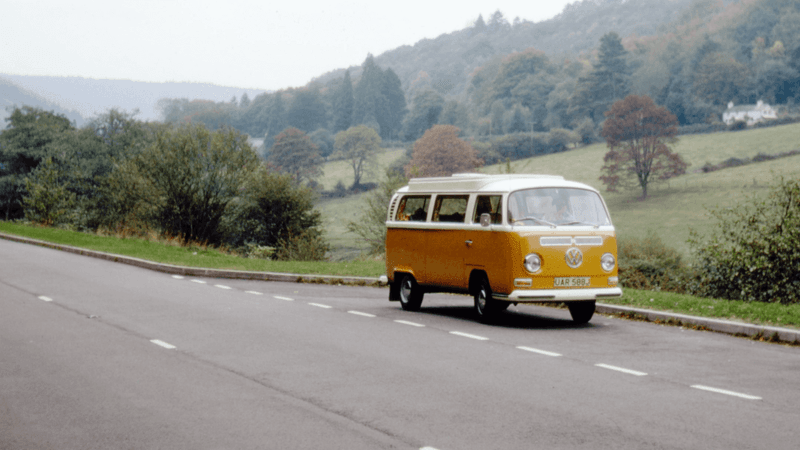
In the 1960s, calling something “a gas” meant it was an absolute blast, full of fun and good energy. The Rolling Stones even referenced it in their song “Jumpin’ Jack Flash.” While the phrase had serious cool factor back then, it has aged considerably.
Drop “it’s a gas” into a modern conversation and most people will assume you are talking about fuel prices or a cooking appliance, not complimenting a great time.
12. The Skinny
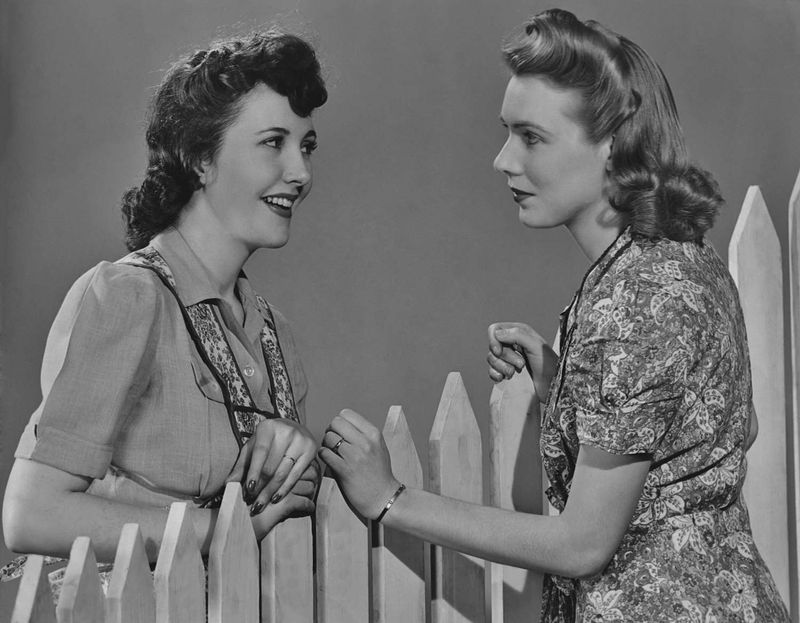
“Give me the skinny” was the Boomer way of asking for the inside scoop or latest gossip. The phrase likely comes from the idea of getting the lean, stripped-down truth without extra fluff.
While it pops up occasionally in older movies and TV shows, today’s younger crowd is far more likely to say “spill the tea” for the same meaning. Hearing “the skinny” now can make younger listeners think someone is commenting on body size.
13. Don’t Bogart

Humphrey Bogart had a signature on-screen habit of letting a cigarette dangle from his lips for long stretches without passing it. That image inspired the slang term “bogart,” meaning to selfishly hog something instead of sharing it.
The phrase was especially popular during the 1960s and 70s. Unless someone is a classic film buff, the connection to Bogart is completely lost today, making this phrase sound like a random made-up word.
14. Groovy
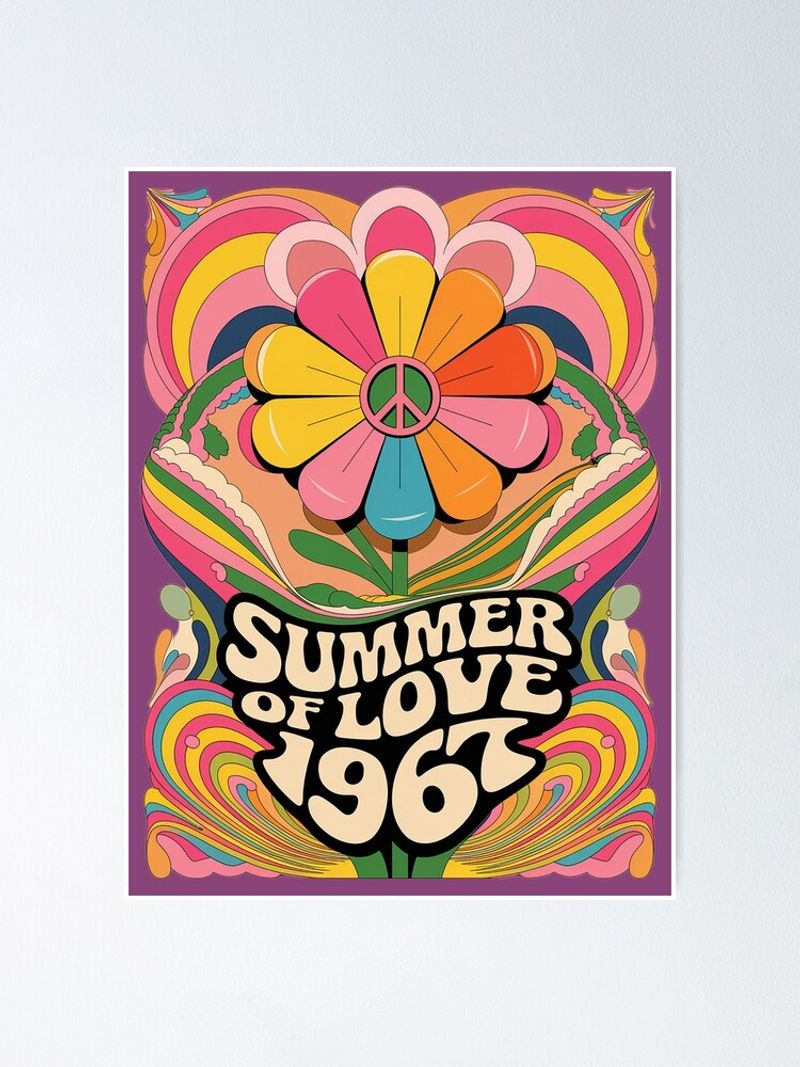
Few words scream “1960s” louder than “groovy.” It was the ultimate seal of approval during the counterculture era, used to describe anything cool, fashionable, or enjoyable. Austin Powers brought it back briefly as a joke, but that actually reinforced how dated the word sounds.
Younger people rarely use it sincerely. When a Boomer drops “groovy” in a genuine compliment, the reaction from younger listeners is usually a mix of amusement and mild confusion.
15. Square
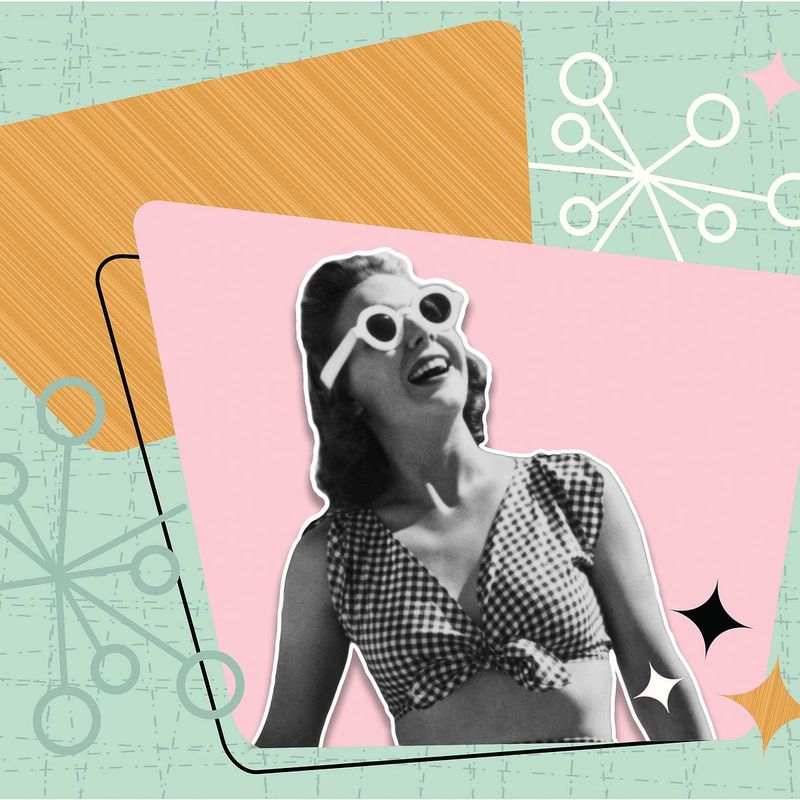
Calling someone a “square” was once a cutting insult meaning they were boring, conventional, and completely out of touch with cool culture. The term was huge in the 1950s and 60s jazz and beatnik scenes.
Fast forward to today, and “square” has been replaced by words like “basic” or “lame.” Using it now mostly draws blank stares. Ironically, the person using the word “square” unironically might be the one considered out of touch.
16. Copacetic
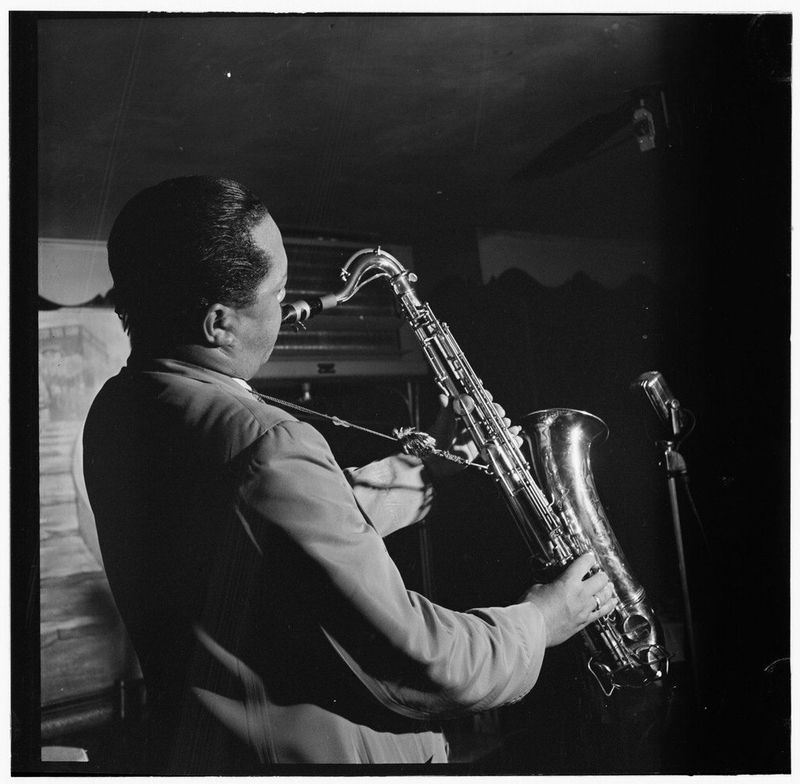
Smooth, sophisticated, and slightly mysterious, “copacetic” means everything is perfectly fine and in excellent order. Jazz musicians helped spread this word through American slang in the early 20th century, and it stuck around through the Boomer years.
Despite sounding undeniably cool, it has nearly vanished from everyday speech. Younger people hearing it for the first time often have no clue what it means, and many assume it is a made-up or foreign word.
17. Threads
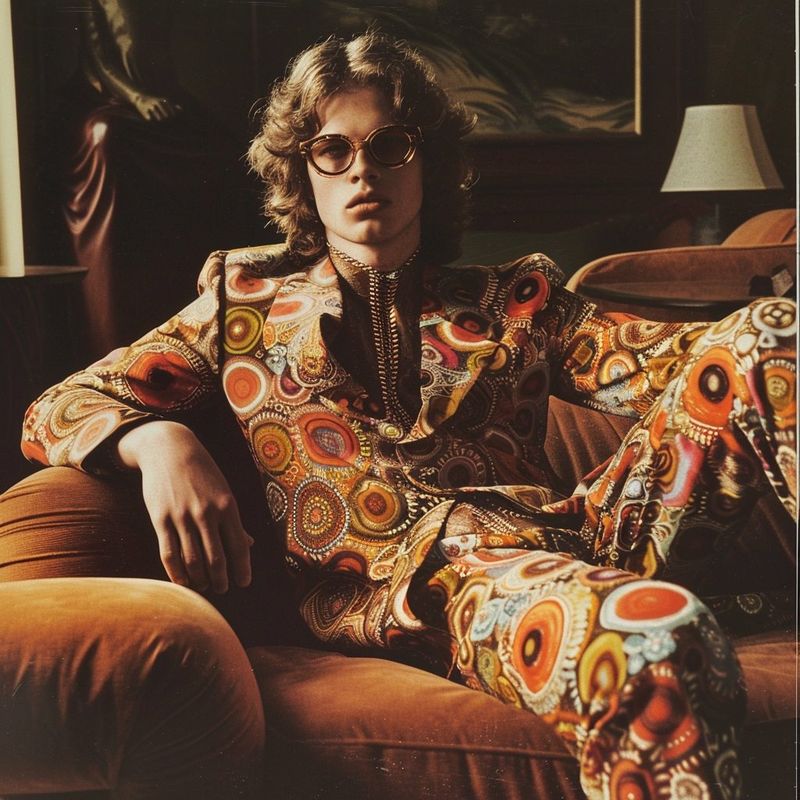
Referring to clothes as “threads” was once seriously fashionable slang. The word makes sense when you think about it literally, since clothing is made of threads, but that connection rarely occurs to anyone hearing it today.
In the 1960s and 70s, complimenting someone’s threads was a genuine style flex. Now, the word mostly appears in old movies or is used humorously.
Younger people are far more likely to say “fit” or “drip” instead.
18. Dropped a Dime
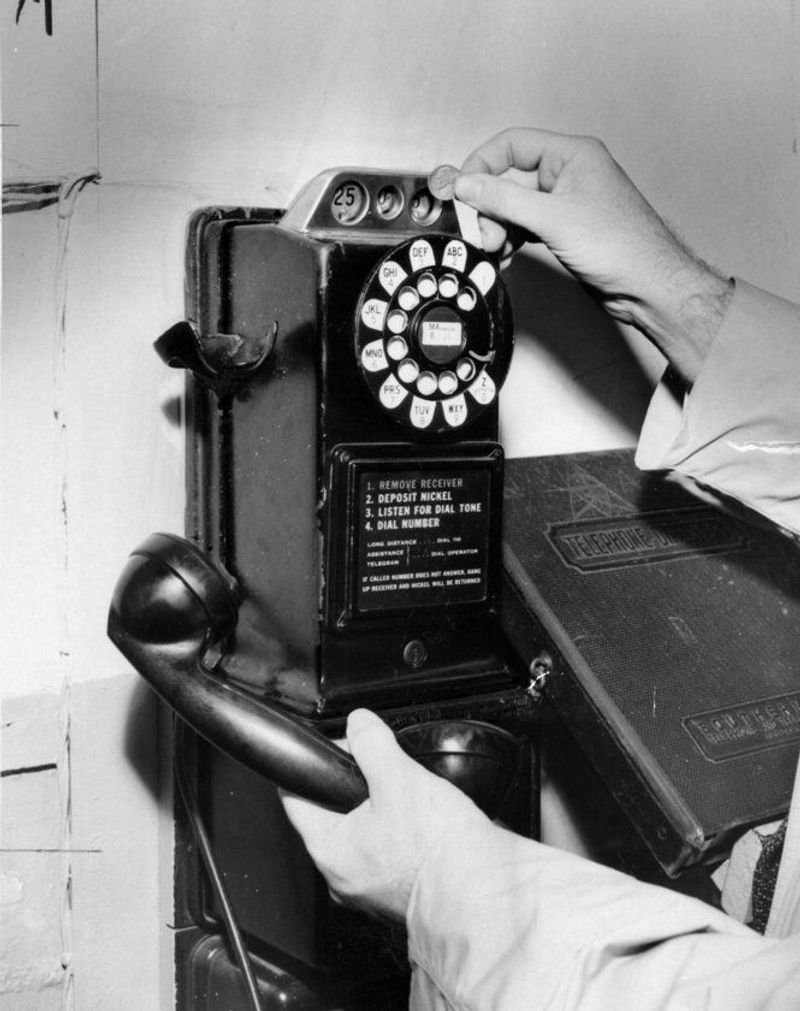
Before cell phones existed, making a public call meant finding a payphone and inserting a dime. “Dropping a dime” originally meant making that call, but it evolved to specifically mean tipping off the police or reporting someone. The phrase carries a sneaky, dramatic weight that made it popular in crime films and TV shows.
For anyone who has never seen a payphone in real life, the dime connection makes absolutely no logical sense.
19. Don’t Have a Cow
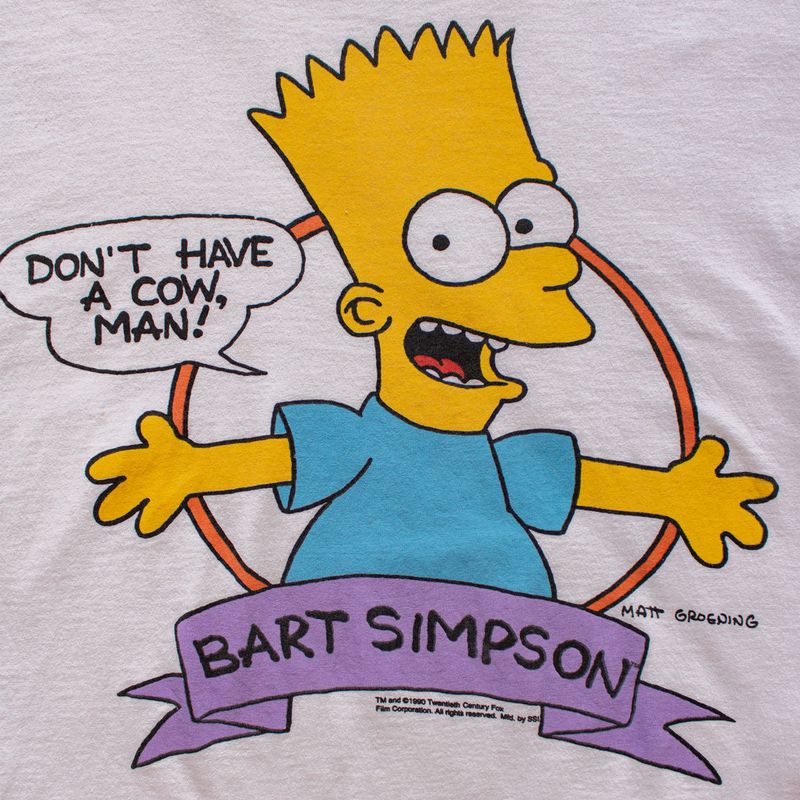
Bart Simpson made this phrase wildly popular in the early 1990s, but Boomers were actually using it long before the show aired. Telling someone “don’t have a cow” means calm down and stop overreacting.
The image of someone so stressed they might spontaneously produce a farm animal is deliberately absurd and funny. Today, younger people associate it almost entirely with The Simpsons, treating it more as a nostalgic joke than genuine advice worth taking seriously.