
Chinese restaurants are full of amazing flavors, but not every dish on the menu is doing your body any favors. Some plates are packed with lean protein, fiber, and good nutrients, while others hide surprising amounts of calories, fat, and sugar.
Knowing which is which can make a huge difference in how you feel after a meal. Here is a breakdown of what to order and what to skip next time you visit your favorite Chinese spot.
1. Hot and Sour Soup
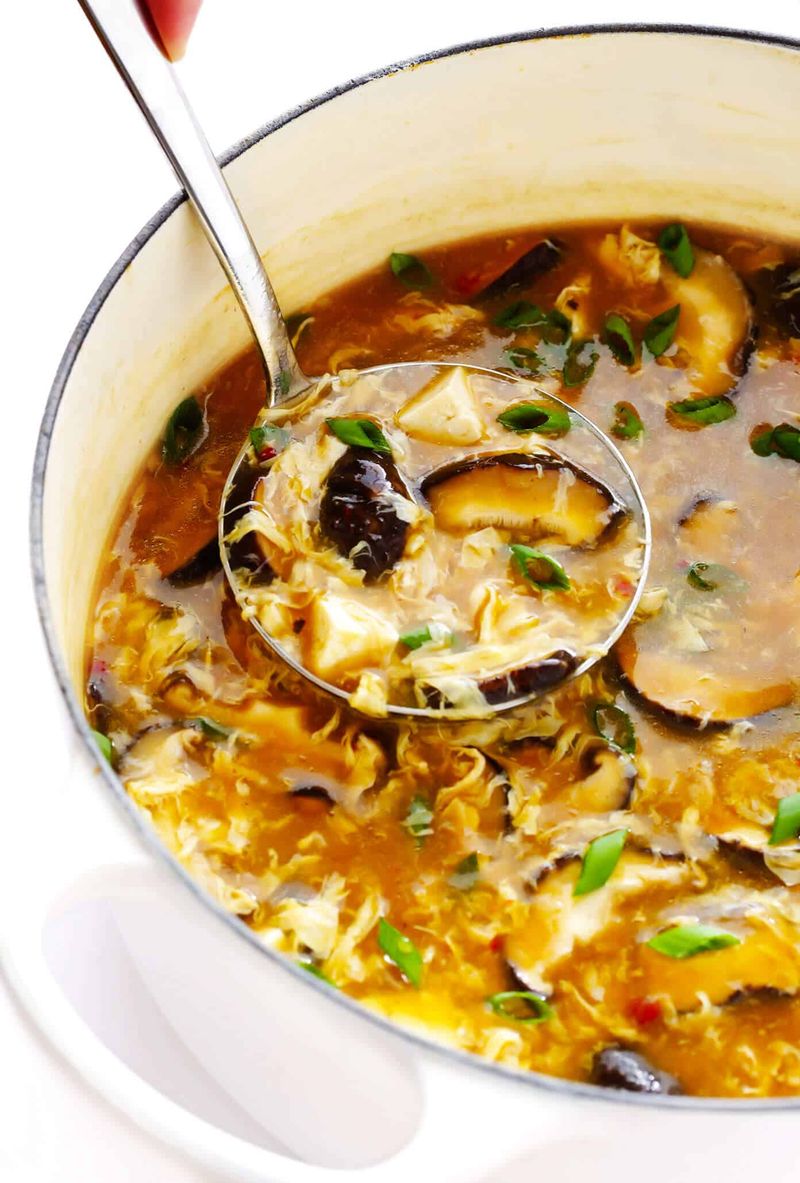
Fewer than 100 calories per cup — that is a seriously impressive number for a dish this satisfying. Hot and sour soup is packed with mushrooms, tofu, and vegetables swimming in a tangy, spicy broth that warms you up fast.
Broth-based soups are known to help you feel full before the main course even arrives. Starting your meal with a bowl of this is one of the smartest moves you can make at any Chinese restaurant.
2. Chicken Lettuce Wraps
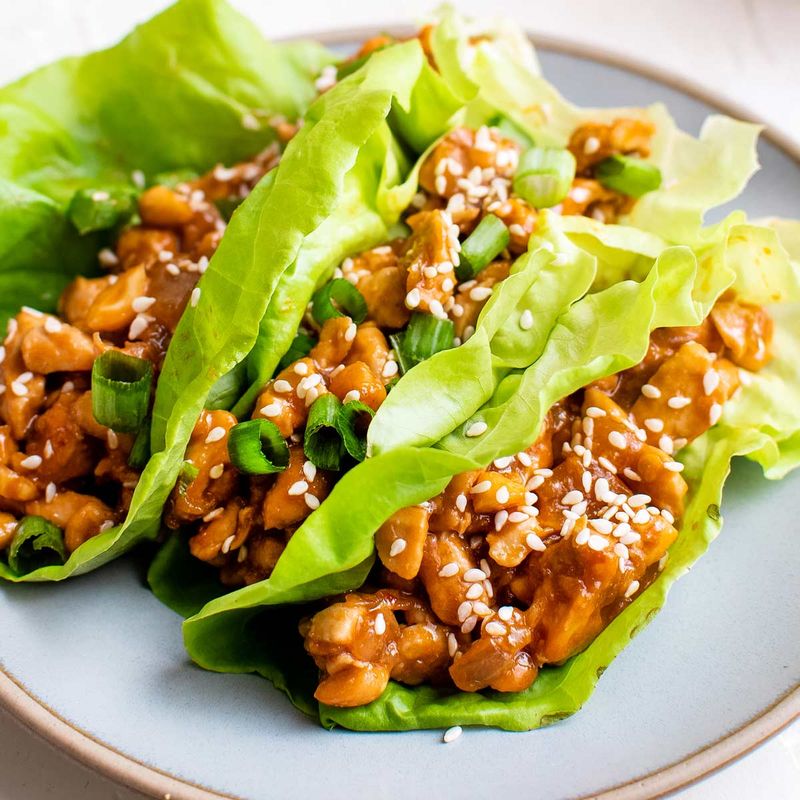
Crisp lettuce leaves filled with seasoned chicken and crunchy vegetables — what is not to love? Chicken lettuce wraps give you a solid hit of lean protein while keeping things light and refreshing.
The lettuce replaces heavy bread or tortillas, cutting down on unnecessary carbs. You also get a good mix of textures and flavors in every bite.
Ask for the sauce on the side to keep sodium levels in check and stay in full control of your meal.
3. Steamed Dumplings
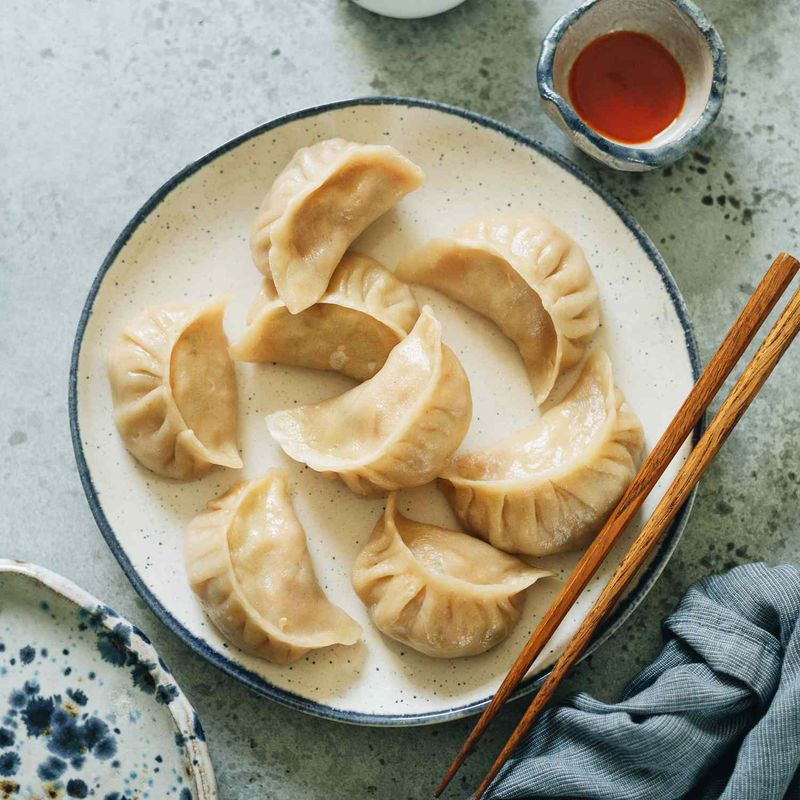
Steamed dumplings are the unsung heroes of the Chinese appetizer menu. Unlike their deep-fried cousins, these little pockets of goodness skip the oil bath entirely, making them a much smarter choice for your waistline.
Fillings like shrimp or mixed vegetables add fiber and lean protein without loading you down. Pair them with a light soy-based dipping sauce and you have got a starter that actually sets your meal up for success rather than derailing it before it starts.
4. Garlic String Beans
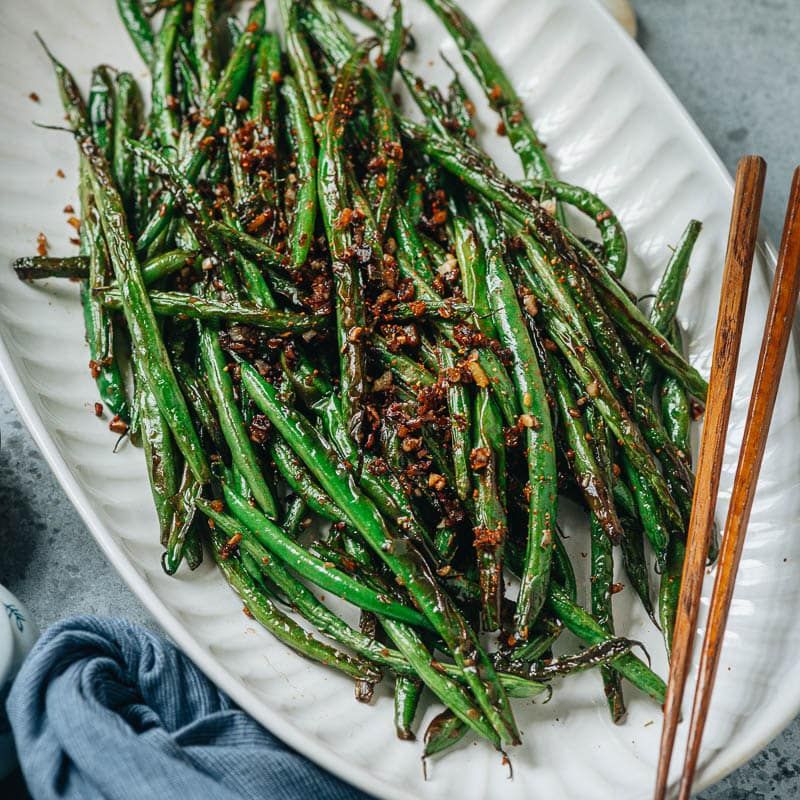
Bold garlic flavor, satisfying crunch, and almost zero guilt — garlic string beans check every box. Green beans are naturally low in calories and loaded with fiber, which keeps your digestive system happy and your hunger in check.
Stir-frying them with garlic adds flavor without piling on heavy sauces or extra fat. Vegetables like bok choy, broccoli, and snow peas fall into this same winning category.
Ordering a side of these alongside your main dish is always a smart call.
5. Buddha’s Delight
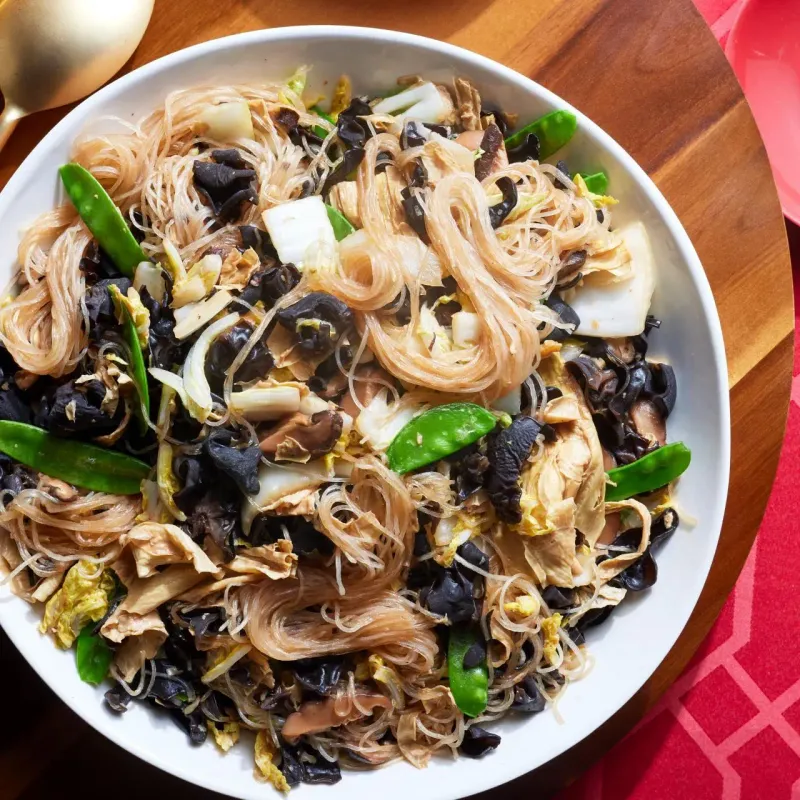
Originally a dish served during Chinese New Year celebrations, Buddha’s Delight has a history as rich as its flavor. This fully vegetarian stir-fry combines tofu, mushrooms, glass noodles, and a rainbow of vegetables into one deeply satisfying bowl.
High in fiber and low in fat, it is one of the most nutritionally balanced options on any Chinese menu. If you are trying to eat more plant-based meals without sacrificing taste, this dish makes an incredibly compelling case for going meatless at dinner.
6. Kung Pao Chicken
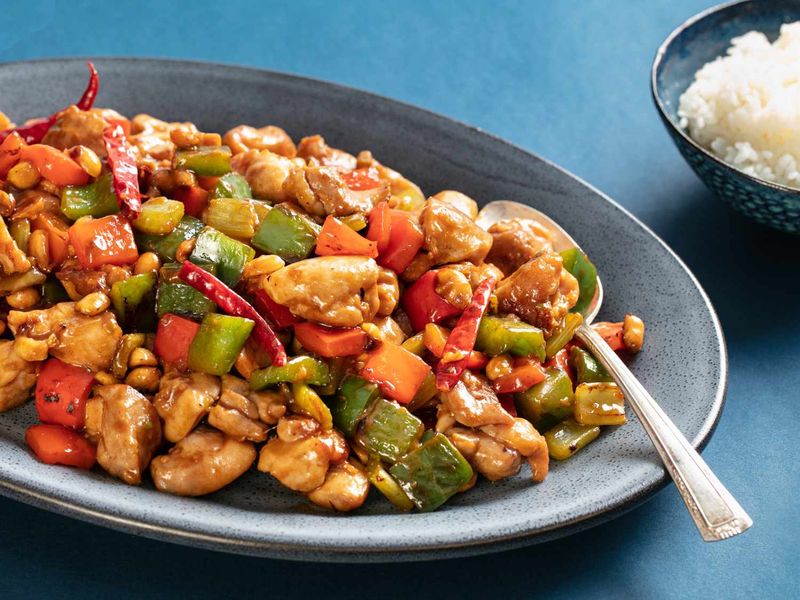
Spicy, nutty, and packed with protein — Kung Pao chicken earns its spot on the good-for-you list. A 100-gram serving delivers around 16.7 grams of protein and only about 3 grams of sugar, which is a fraction of what you find in sweeter dishes like orange chicken.
The chili peppers and peanuts add real nutritional value, not just heat and crunch. Since it is stir-fried rather than deep-fried, the calorie count stays much more manageable compared to other popular chicken dishes at Chinese spots.
7. Shrimp with Mixed Vegetables
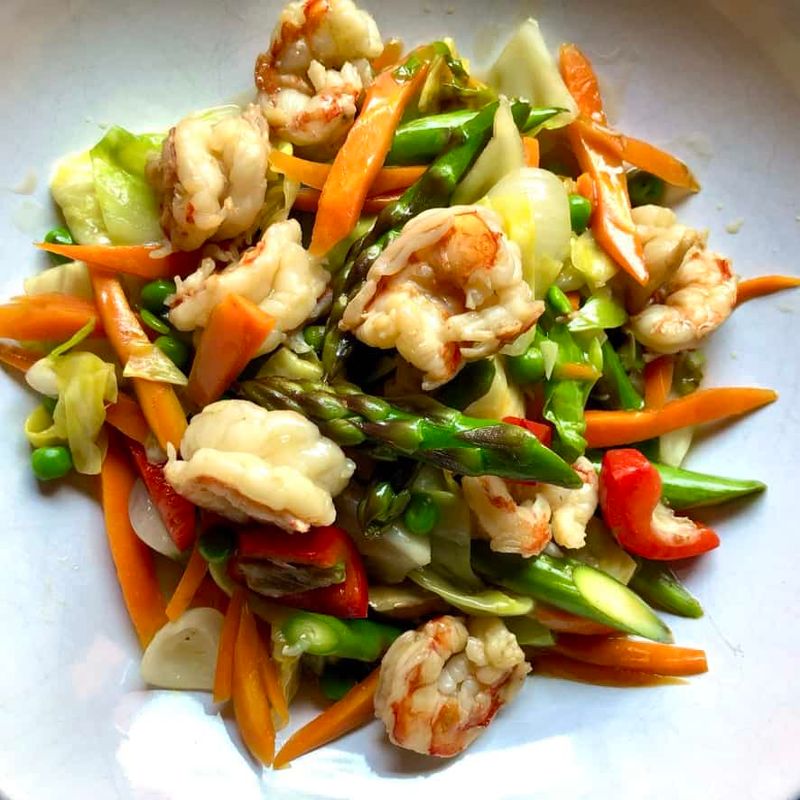
Shrimp might just be one of the most underrated proteins at a Chinese restaurant. Low in calories, high in lean protein, and rich in selenium — a mineral that supports your immune system — shrimp with mixed vegetables is a nutritional win on multiple levels.
The colorful vegetables add fiber and vitamins that round out the meal beautifully. Ask your server for less oil and sauce, and you will have a dish that feels indulgent while actually being one of the healthiest choices on the entire menu.
8. Mapo Tofu
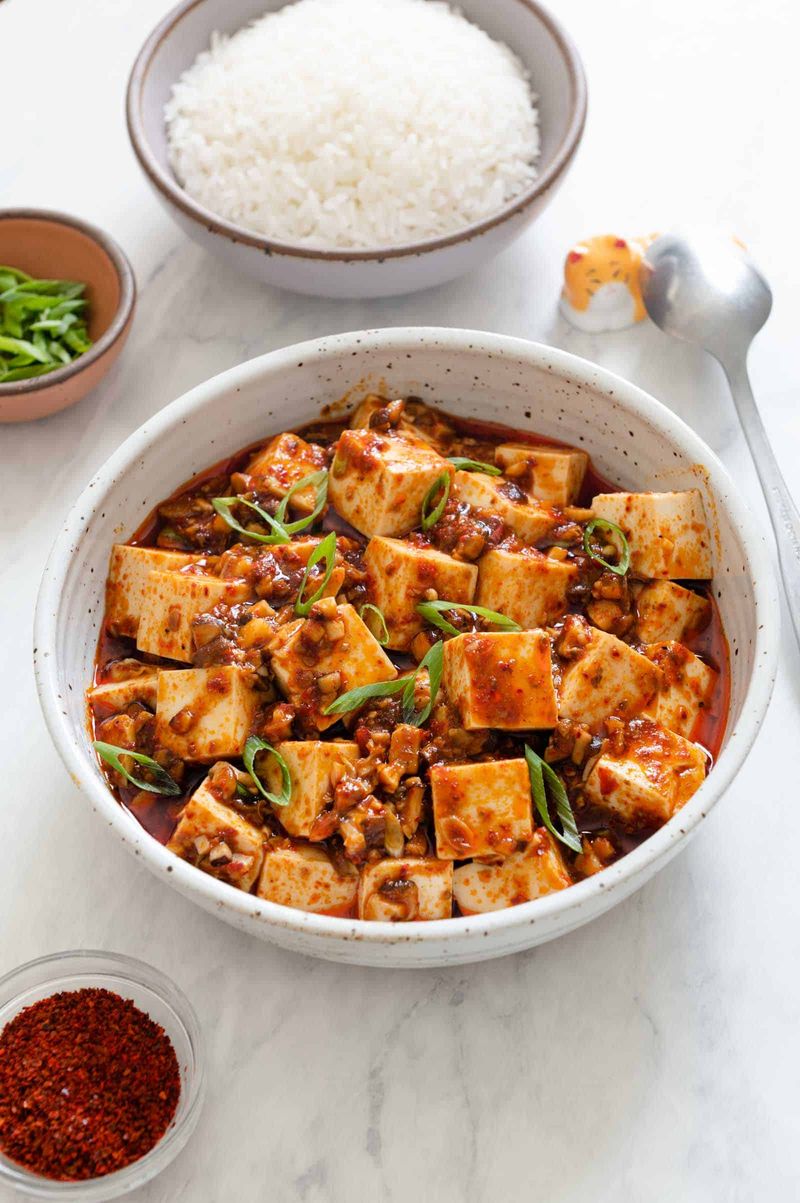
Do not let the fiery red color fool you — Mapo tofu is actually a nutritional powerhouse. Tofu made from soybeans delivers roughly 11 grams of protein per half cup, along with iron and calcium that your body genuinely needs.
A standard serving clocks in around 375 calories with 20 grams of protein, making it surprisingly filling. The spice comes from chili peppers, not excessive sodium.
Ordering the vegetarian version trims the calorie count even further, making this one of the smartest picks at any Chinese spot.
9. Sweet and Sour Pork
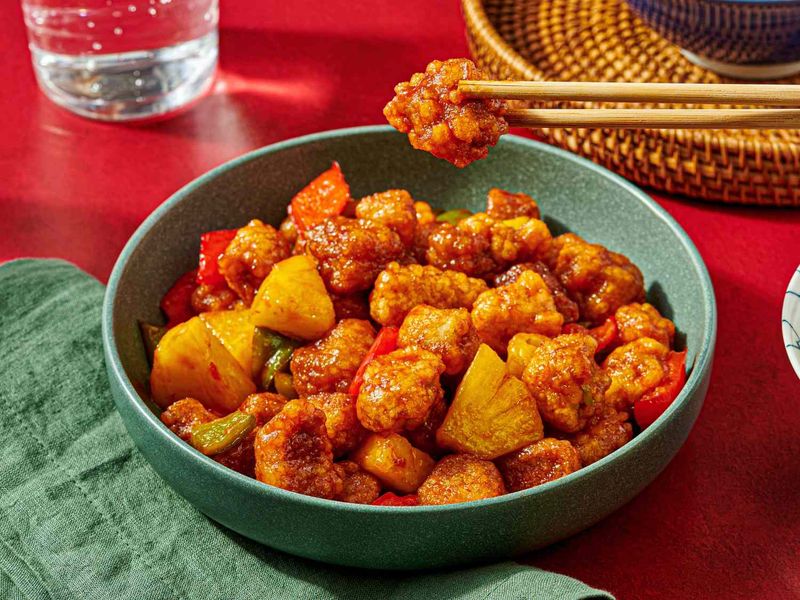
Sweet and sour pork looks cheerful on the plate, but the numbers behind it are sobering. A single restaurant-style order can pack up to 1,644 calories, with over half of those coming from fat alone.
A 226-gram serving contains about 23 grams of sugar — roughly the same as eating several spoonfuls of sugar straight from the bag. The pork is deep-fried before being coated in that sticky sauce, which doubles the damage.
This is a dish best saved for rare special occasions rather than regular ordering.
10. General Tso’s Chicken
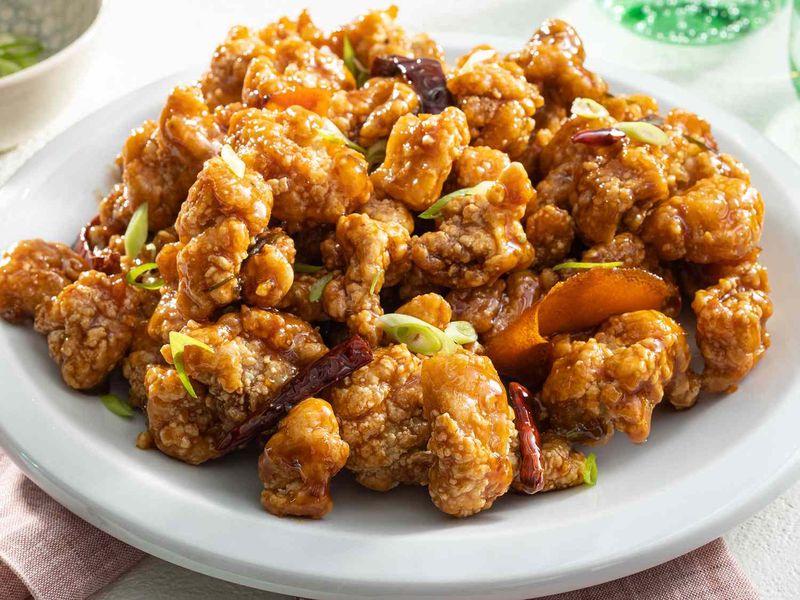
Few dishes at a Chinese restaurant carry as many hidden calories as General Tso’s chicken. One full order can reach a staggering 1,578 calories, and a single 5-ounce serving already contains 2,822 milligrams of sodium — that is 123 percent of your recommended daily limit in one sitting.
The chicken is deep-fried and then coated in a thick, sugary glaze that adds fat and carbs on top of fat and carbs. It tastes amazing, but the nutritional cost is genuinely hard to justify on a regular basis.
11. Fried Rice
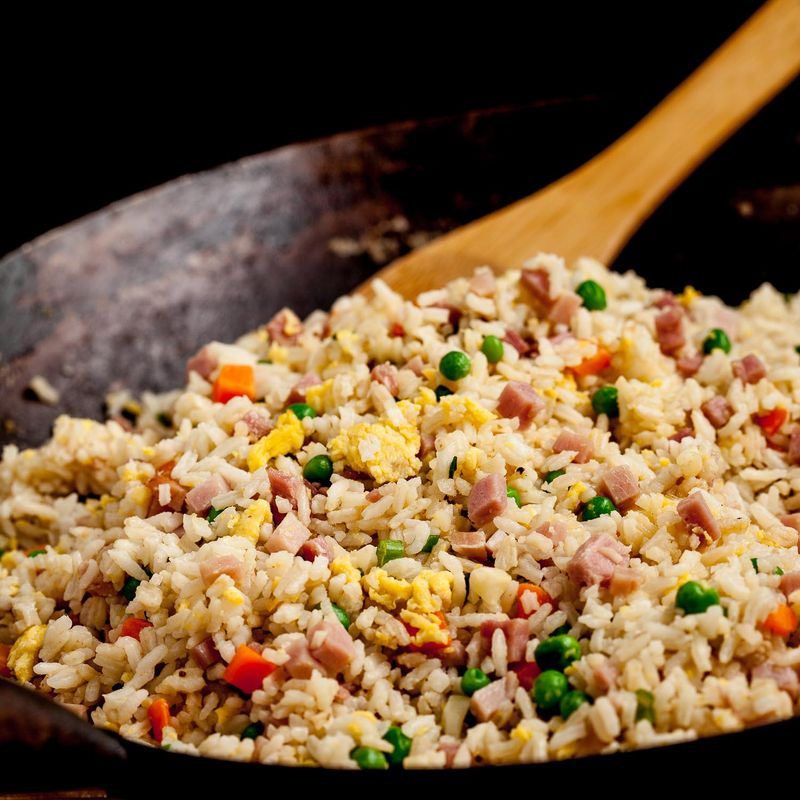
Fried rice is one of those side dishes that sounds harmless but adds up quickly. A single cup of vegetarian fried rice contains around 289 calories and 1,140 milligrams of sodium — and most restaurant portions are two to three cups at minimum.
Add pork, beef, or chicken and those numbers climb even higher. White rice is already low in fiber, and frying it in oil removes most of the remaining nutritional benefit.
Swapping it for steamed brown rice is a straightforward upgrade that makes a real difference.
12. Egg Rolls
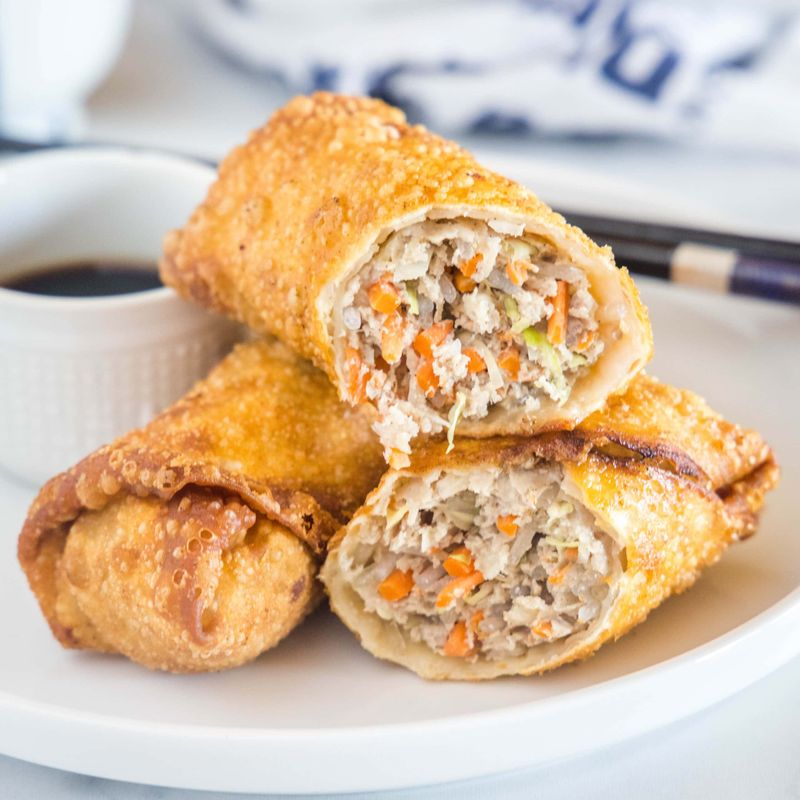
Crunchy, golden, and deeply satisfying — egg rolls are one of the most popular starters at Chinese restaurants, and unfortunately one of the most calorie-dense. Just three vegetable spring rolls can deliver 295 calories and over 23 grams of fat before your main dish even arrives.
Deep-frying the wrapper soaks it in oil, turning what could be a vegetable-filled snack into a fat-heavy appetizer. Choosing steamed dumplings instead is an easy swap that saves you significant calories without sacrificing that satisfying starter feeling.
13. Lo Mein
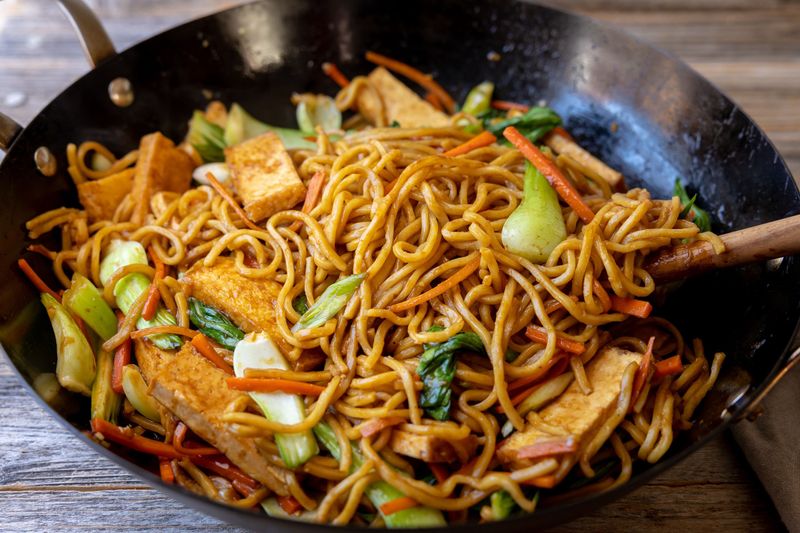
Lo mein has a sneaky reputation — it looks like a lighter option compared to fried dishes, but a full restaurant order of vegetable lo mein can reach nearly 900 calories. The thick noodles are made from refined white flour, which spikes blood sugar and offers very little fiber.
Add meat, and the fat content rises considerably. The sauce coating those noodles is also typically high in sodium.
Sharing a small portion alongside a protein-rich main dish is a much smarter way to enjoy lo mein without overdoing it.
14. Orange Chicken
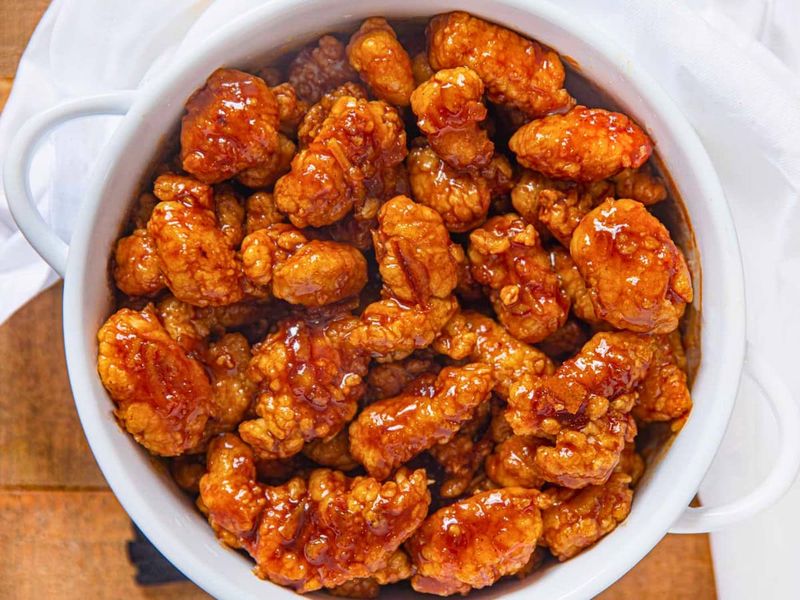
Orange chicken is one of the most ordered dishes at Chinese-American restaurants, and also one of the biggest diet traps on the menu. A 100-gram serving contains around 14 grams of sugar — nearly five times more than Kung Pao chicken — along with 303 calories and 14 grams of fat.
A regular restaurant bowl can easily hit 500 to 700 calories before you factor in rice or sides. The sweet glaze is the main culprit, turning fried chicken into something closer to dessert than dinner.
15. Crispy Duck
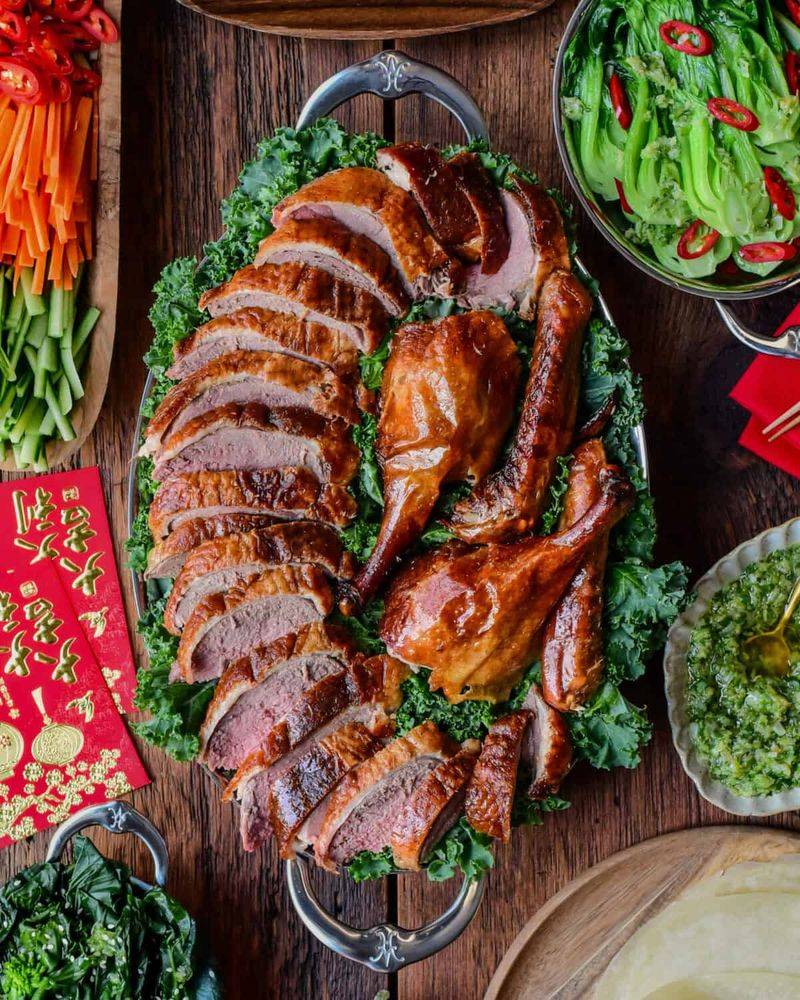
Crispy duck is undeniably delicious, but the fat content is hard to ignore. A 200-gram serving packs 472 calories and 35 grams of fat, and around 19 grams of that fat per 100 grams is the saturated kind — the type linked to higher cholesterol levels over time.
Compared to roasted chicken, crispy duck is significantly heavier in both calories and fat. The crispy skin, while irresistible, is where most of that fat lives.
Enjoying it occasionally rather than regularly is the most realistic way to keep it in your diet.