
Some people move through life with a quiet, nagging feeling that they just don’t quite fit in. Whether it’s at school, work, or a social gathering, that sense of being the “odd one out” can feel isolating and confusing.
But here’s the thing — many people share this experience, and it often shows up in very specific habits and behaviors. Understanding these patterns is the first step toward feeling more confident and connected.
1. Over-Explaining Everything They Say

Ever feel like you need to justify every single thing you say? People who feel like outsiders often add extra details, backstory, or apologies to their words — even when no one asked for them.
This habit usually comes from a fear of being misunderstood or judged. They want to make sure their point lands perfectly, so they keep talking past the finish line.
Learning to say less and trust that others “get it” can be a game-changer.
2. Going Quiet in Group Settings

Loud rooms can feel like a foreign language for someone who already feels out of place. Many people who identify as the “odd one out” tend to go silent in group settings, not because they have nothing to say, but because speaking up feels risky.
It’s easier to listen and observe than to risk saying something that gets ignored or misunderstood. Over time, this habit can shrink their social confidence.
Small steps, like sharing one thought per gathering, can slowly rebuild that voice.
3. Struggling to Start or Keep Conversations Going

Starting a conversation can feel like jumping onto a moving train — terrifying and easy to miss. For people who often feel like outsiders, small talk can seem like a complicated puzzle with no obvious solution.
They may freeze up when trying to think of what to say, or trail off mid-sentence because they worry they’re boring the other person.
Practicing simple conversation starters, like asking about someone’s weekend, can make the whole thing feel less overwhelming.
4. Avoiding or Feeling Awkward With Eye Contact

Eye contact sounds simple, but for someone who feels socially out of place, it can feel incredibly intense — like staring into a spotlight. Some people avoid it altogether, while others force it so hard it becomes robotic and unnatural.
This habit is often tied to self-consciousness. They worry their eyes will reveal how nervous or out-of-place they feel.
A helpful trick: focus on the space between someone’s eyes — it looks like eye contact without the pressure.
5. Being Hyper-Aware of How Others Perceive Them
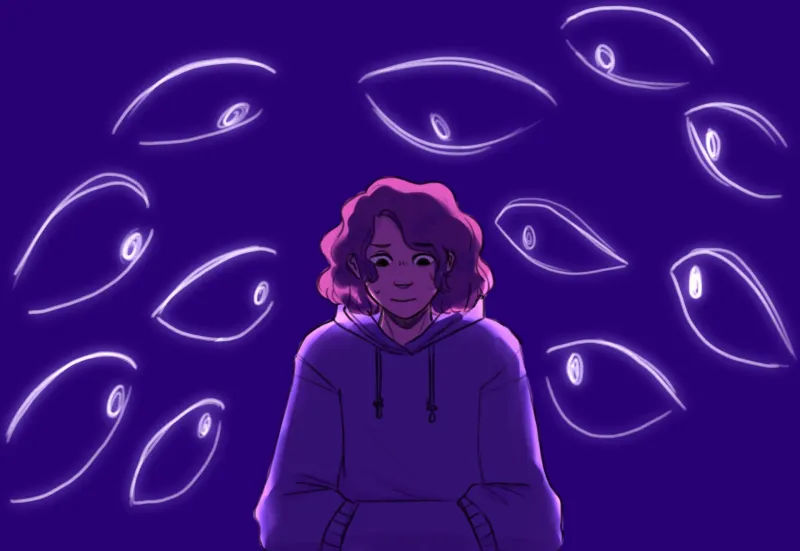
Walking into a room and immediately scanning for signs of judgment is exhausting — but it’s a daily reality for many people who feel like outsiders. Every glance, whisper, or laugh nearby can feel personally directed at them.
This hyper-awareness acts like an alarm system set too sensitive. It picks up everything, even things that have nothing to do with them.
Mindfulness techniques, like grounding exercises, can help quiet that mental noise over time.
6. Replaying Social Interactions Over and Over
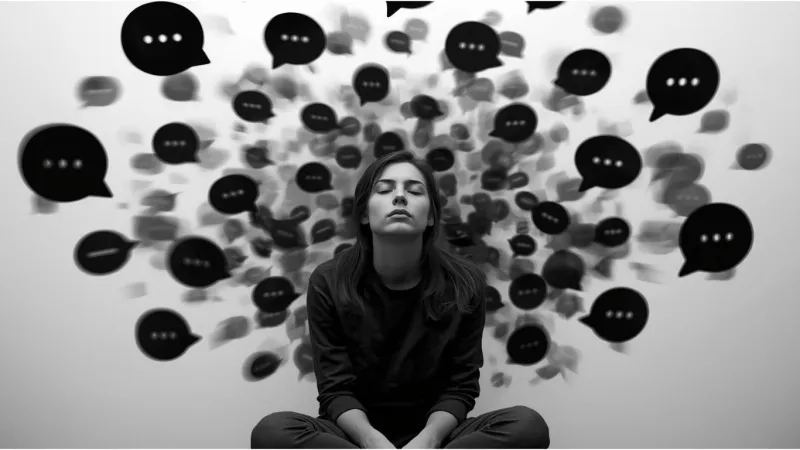
Long after the party ends, the social replay reel begins. People who feel like the odd one out are famous for mentally rewinding conversations and picking apart every word they said — or didn’t say.
“Why did I say that?” “Did they think I was weird?” These questions can loop for hours, sometimes days. It’s a form of overthinking rooted in the fear of social rejection.
Journaling about these thoughts can help release them instead of letting them spin endlessly.
7. Questioning Whether Their Voice Even Matters
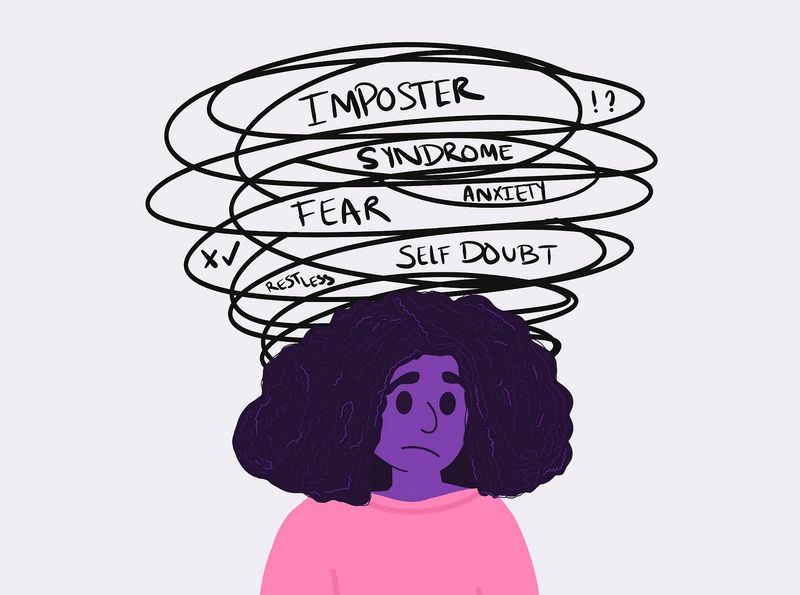
Raise your hand if you’ve ever had a great idea but talked yourself out of sharing it. People who feel like outsiders often battle a deep inner question: “Does what I think actually matter to anyone?”
This self-doubt creeps in quietly and chips away at confidence. They may start sentences and stop, or share opinions with heavy disclaimers to soften the blow of potential rejection.
Recognizing that their perspective is genuinely valuable is a powerful first step toward speaking up.
8. Adjusting Their Behavior Before Social Situations

Before even walking through the door, some people have already run through three different versions of how the evening might go. Those who feel like the odd one out often pre-plan conversations, rehearse jokes, or mentally script their behavior to avoid seeming awkward.
It’s like doing homework for a social test that might never come. While a little preparation is fine, over-rehearsing can make interactions feel stiff and unnatural.
Trusting yourself to respond in the moment is a skill worth building.
9. Masking Their True Self to Fit In

Pretending to love something you don’t, laughing at jokes you find offensive, or hiding your real interests just to avoid standing out — that’s a heavy load to carry every day. People who feel like outsiders often become experts at wearing social masks.
The problem is that masking gets exhausting. And the more you hide who you are, the harder it becomes to feel genuinely connected to anyone.
Real belonging starts when you let at least a little bit of the real you show through.
10. Being Surprisingly Comfortable With Solitude

Not everyone who enjoys being alone is lonely — but for people who often feel like the odd one out, solitude becomes a safe haven rather than just a preference. After exhausting social situations, time alone feels like finally being able to exhale.
They may develop rich inner worlds, creative hobbies, or a deep love for solo activities like reading or hiking.
The key is making sure solitude is a choice, not just a way to escape discomfort.
11. Changing Their Opinion to Avoid Conflict
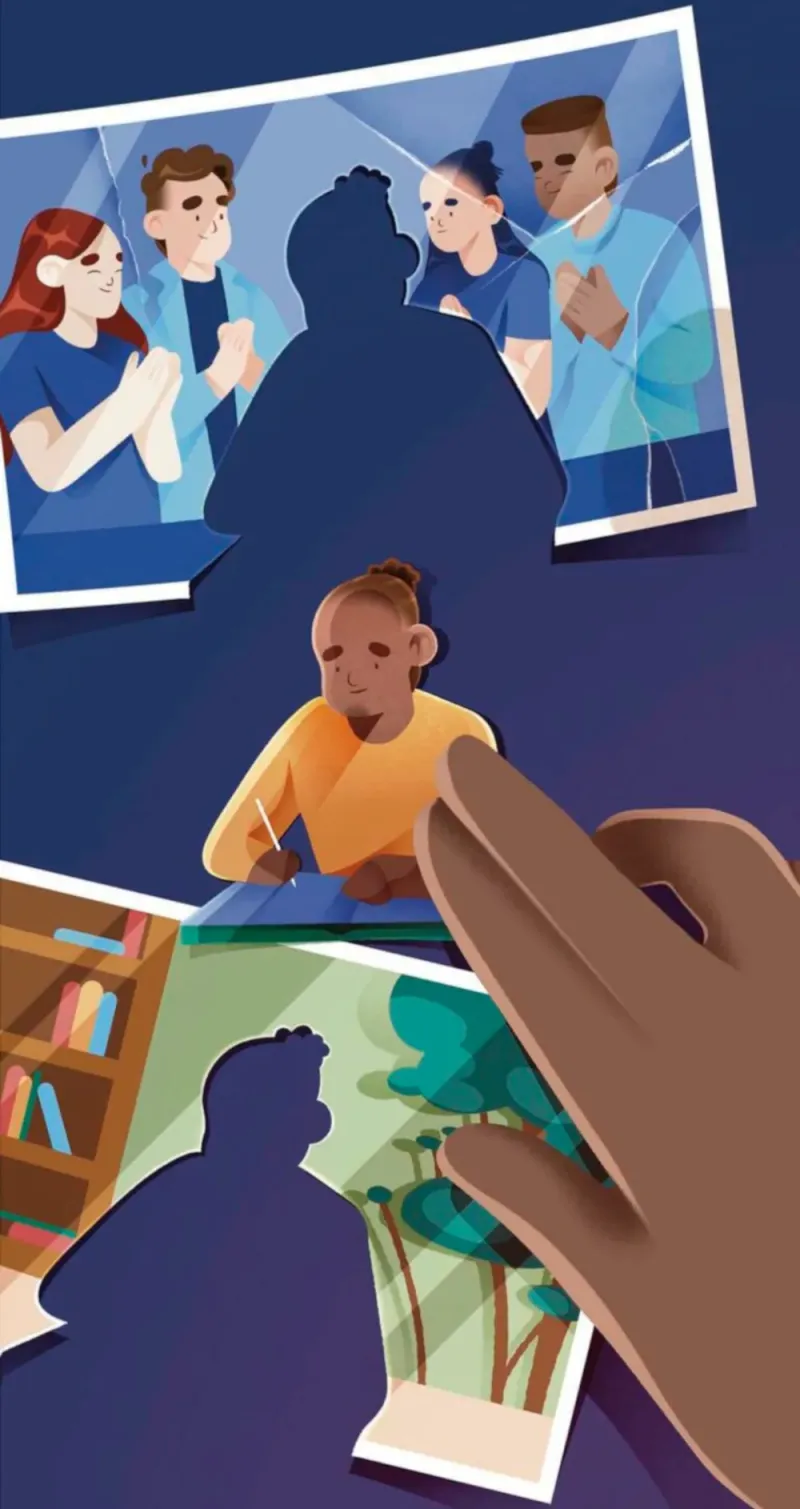
Imagine defending a position you genuinely believe in, then caving the moment someone pushes back — not because they made a great argument, but just to keep the peace. Researchers actually call this “opinion hopping,” and it’s surprisingly common among people who feel socially out of place.
The discomfort of conflict can feel so intense that abandoning a belief seems like the easier option.
Building confidence in your own views takes time, but it starts with noticing when you’re caving just to please others.
12. Leaving or Avoiding Uncomfortable Situations Early

Sometimes the urge to bolt is overwhelming. People who feel like the odd one out often develop a habit of leaving social situations — or avoiding them entirely — the moment things start to feel awkward or clumsy.
It’s a short-term fix that offers real immediate relief, but it also reinforces the idea that those situations are dangerous or unbearable.
Staying just a little longer each time, even when uncomfortable, helps retrain the brain that social settings are survivable — and sometimes even enjoyable.
13. Staying in Places or Groups That Drain Them

Here’s a strange contradiction: people who feel like outsiders will sometimes stay in social circles or environments that make them feel worse, not better. It might seem odd, but familiarity — even uncomfortable familiarity — can feel safer than the unknown.
They might stick with a friend group that constantly makes them feel small, simply because leaving feels scarier than staying.
Recognizing when a space drains you more than it fills you is the first step toward finding somewhere better.
14. Using Closed-Off Body Language Without Realizing It

Crossed arms, hunched shoulders, avoiding open posture — these physical habits often show up without the person even noticing. For someone who frequently feels out of place, the body naturally tries to take up less space as a form of protection.
The tricky part is that closed body language can signal unfriendliness to others, unintentionally pushing people further away.
Simple posture shifts, like uncrossing your arms or sitting up slightly, can change how both you and others feel in a moment.
15. Listening More Than They Speak

Being a good listener is a genuine strength — but when listening becomes a way to hide, it’s worth paying attention to. Many people who feel like the odd one out stay quiet not because they prefer it, but because speaking feels too risky.
If no one hears your words, no one can reject them. It’s a protective strategy that often goes unnoticed by others.
Sharing even small thoughts regularly can help shift this pattern toward more balanced, two-way connection.
16. Taking Criticism Especially Hard

For most people, a bit of constructive criticism stings briefly and then fades. But for someone who already feels like they don’t quite belong, even gentle feedback can feel like confirmation of their deepest fear — that they really don’t measure up.
Criticism lands harder when your sense of belonging is already shaky. It can spiral quickly into self-doubt and withdrawal.
Reframing feedback as information rather than judgment is a skill that genuinely takes practice — but it’s worth every effort.
17. Misreading or Missing Social Cues
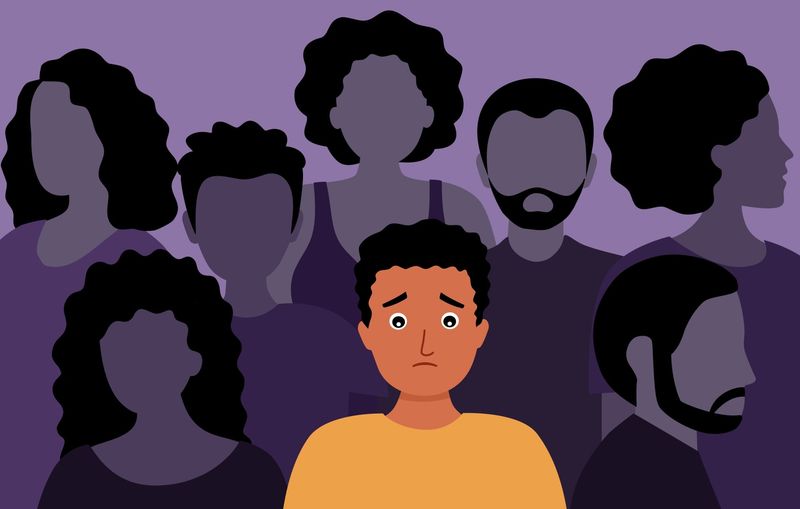
Social situations run on invisible rules — unspoken signals, timing, tone, and body language that most people pick up automatically. For those who feel like outsiders, these cues can be genuinely hard to read, leading to responses that feel “off” to the group.
They might laugh at the wrong moment, respond too literally to a joke, or miss that the conversation has shifted. It’s not rudeness — it’s a disconnect that can feel deeply frustrating.
Learning specific social signals, even deliberately, can close that gap over time.
18. Living Mostly in Their Inner World

Some people’s most interesting conversations happen entirely inside their own heads. Those who feel like the odd one out often develop remarkably vivid inner lives — full of imagination, deep thinking, and emotional complexity.
While this can fuel incredible creativity and self-awareness, it can also create distance from the people around them. They may seem “far away” even when they’re physically present.
Finding small ways to share that inner world — through art, writing, or honest conversation — can build surprising and meaningful connections with others.